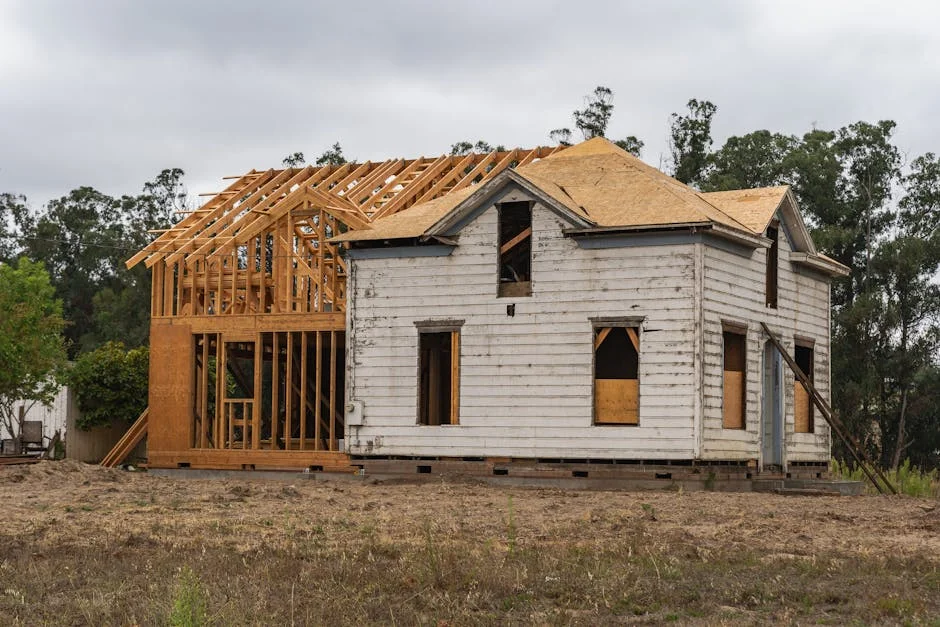
A fix and flip lender is a specialized financing partner that helps investors buy, renovate, and resell residential or small multifamily properties for profit. Unlike traditional mortgage providers that focus on long-term owner-occupied loans, this type of funding is designed for short holding periods and value creation through improvements. The most important difference is that the underwriting often centers on the property’s potential after renovation rather than only on the borrower’s income history. Many investors choose this route because it can align better with the timeline and uncertainty that come with construction, permits, and market-driven resale strategies. When the goal is to acquire quickly, stabilize a distressed asset, and exit with a sale, speed and flexibility can matter as much as interest rate. That is why the fix and flip lender category has grown alongside the popularity of renovation-driven investing.
Table of Contents
- My Personal Experience
- Understanding the Role of a Fix and Flip Lender in Real Estate Investing
- How Fix and Flip Loans Differ From Conventional Mortgages
- Common Loan Structures Offered by a Fix and Flip Lender
- Qualification Criteria: What a Fix and Flip Lender Typically Evaluates
- After-Repair Value (ARV) and Why It Matters So Much
- Draw Schedules, Inspections, and Managing Rehab Funds
- Speed to Close and Why It Can Make or Break a Deal
- Expert Insight
- Costs, Rates, Points, and the True Price of Short-Term Financing
- Choosing the Right Fix and Flip Lender: Practical Selection Criteria
- Risk Management: Contingencies, Insurance, and Exit Planning
- Working Relationship Best Practices: Communication, Documentation, and Performance
- Market Trends and When Fix-and-Flip Financing Makes the Most Sense
- Closing Thoughts: Building a Repeatable Strategy With the Right Funding Partner
- Watch the demonstration video
- Frequently Asked Questions
- Trusted External Sources
My Personal Experience
When I decided to do my first fix-and-flip, I assumed getting a loan would feel like applying for a regular mortgage, but a fix and flip lender was a totally different experience. They cared less about my W-2s and more about the deal itself—purchase price, rehab budget, and what the house could sell for after repairs. I sent over photos, my contractor’s estimate, and comps, and the approval moved faster than I expected, but the terms were definitely tighter: higher interest, points upfront, and a short timeline that kept me on my toes. The biggest lesson was how closely they tracked the rehab draws—every inspection and receipt mattered—so I had to stay organized and keep my contractor on schedule. It wasn’t cheap money, but it let me close quickly and actually get the project off the ground.
Understanding the Role of a Fix and Flip Lender in Real Estate Investing
A fix and flip lender is a specialized financing partner that helps investors buy, renovate, and resell residential or small multifamily properties for profit. Unlike traditional mortgage providers that focus on long-term owner-occupied loans, this type of funding is designed for short holding periods and value creation through improvements. The most important difference is that the underwriting often centers on the property’s potential after renovation rather than only on the borrower’s income history. Many investors choose this route because it can align better with the timeline and uncertainty that come with construction, permits, and market-driven resale strategies. When the goal is to acquire quickly, stabilize a distressed asset, and exit with a sale, speed and flexibility can matter as much as interest rate. That is why the fix and flip lender category has grown alongside the popularity of renovation-driven investing.

Working with a fix and flip lender typically involves a loan structure that includes funds for acquisition and funds earmarked for rehabilitation. The rehab portion is often released in stages, sometimes called draws, based on completed work and inspections. This approach protects both sides: the lender ensures the project is progressing, and the investor avoids paying interest on money that has not yet been used. In practice, the relationship can feel more like a project-based partnership than a standard loan. The lender may review budgets, contractor bids, scope of work, and the after-repair value (ARV) to gauge the feasibility of the deal. For investors, understanding this role helps set expectations: documentation is different, timelines are tighter, and the lender’s focus is the asset and the plan. Even when the process is streamlined, a fix and flip lender will still require clarity, realism, and a strategy that demonstrates how the property will be improved and sold without getting trapped by cost overruns or market shifts.
How Fix and Flip Loans Differ From Conventional Mortgages
Conventional mortgages are built for stability: long amortization periods, low rates relative to risk, and underwriting that prioritizes income, debt-to-income ratios, and long-term repayment ability. A fix and flip lender, by contrast, structures financing around a short-term business plan. The loan term is often measured in months rather than decades, and the pricing reflects the risk of construction, vacancy, and resale uncertainty. Because the property may be distressed—missing kitchens, outdated electrical, roof issues, or other defects—many conventional lenders will not finance it at all. Renovation investors therefore need funding that can close on imperfect assets and tolerate temporary non-habitability while improvements are made. A fix and flip lender fills that gap by considering the investor’s experience, the scope of work, and the projected ARV once renovations are complete.
Another major difference lies in how funds are delivered and monitored. Conventional loans provide the full purchase amount at closing, leaving the borrower to handle repairs with separate cash or loans. Fix-and-flip financing frequently includes rehab funds held back and released through draws as milestones are met. This requires a clear scope of work, a timeline, and a budget that can stand up to scrutiny. Additionally, fees and points are more common, and prepayment penalties may or may not apply depending on the lender’s model. Investors should also expect different documentation: purchase contracts, contractor agreements, detailed line-item budgets, and comparable sales to support ARV. A fix and flip lender may order valuations that emphasize future value, and they may require builder’s risk insurance or more robust hazard coverage. Taken together, these differences explain why a fix and flip lender can be the more practical choice for projects that depend on speed, rehab capital, and an asset-based view of risk.
Common Loan Structures Offered by a Fix and Flip Lender
A fix and flip lender often provides several loan structures tailored to renovation projects. The most common is an acquisition-plus-rehab loan, where the borrower receives funds to purchase the property and additional funds for improvements. The rehab portion is typically held in escrow and released in draws, which can be scheduled based on phases like demolition, rough-ins, and final finishes. Another structure is a purchase-only loan when the investor has cash for renovations or plans to refinance into a construction loan later. Some lenders also offer refinance-and-rehab loans for properties already owned, allowing investors to pull equity out and fund improvements. Each structure comes with trade-offs in terms of leverage, cash required at closing, and the speed at which funds can be accessed for labor and materials.
Loan sizing is frequently tied to either the purchase price, the ARV, or a combination of both. Many lenders use a loan-to-cost (LTC) or loan-to-value (LTV) approach, such as funding a percentage of the purchase and a percentage of the rehab budget up to a cap based on ARV. For example, a lender might cap the total loan at a percentage of the after-repair value to ensure there is enough equity cushion to absorb market fluctuations. Terms are commonly 6 to 18 months, often interest-only, which helps align payments with the project timeline. Because the loan is short-term, the investor’s exit plan—sale or refinance—matters. A fix and flip lender will look closely at whether the property can be sold quickly at the projected price or refinanced into a longer-term rental loan if the investor pivots to a hold strategy. Understanding these structures helps investors match financing to the realities of permitting, contractor availability, and local market absorption rates.
Qualification Criteria: What a Fix and Flip Lender Typically Evaluates
While each fix and flip lender has unique guidelines, most evaluate three pillars: the deal, the borrower, and the execution plan. On the deal side, the lender examines the purchase price relative to comparable sales, the neighborhood’s resale demand, and the feasibility of the ARV. They also scrutinize the property’s condition to determine whether the scope of work is realistic and whether hidden issues could derail the budget. The lender may request photos, inspection reports, and a detailed rehab breakdown, often at the line-item level. If the project involves structural changes, additions, or major system replacements, the lender may require more documentation, longer timelines, or additional contingency reserves. The goal is to confirm that the projected value is not simply optimistic, but supported by comparable properties, current buyer preferences, and market liquidity.
On the borrower side, a fix and flip lender often reviews credit, liquidity, and experience, but usually with more flexibility than a bank. Many lenders prefer investors with a track record of completed projects, yet some will work with first-time flippers if the deal is strong and the borrower has adequate cash reserves. Liquidity can be critical because cost overruns happen, and draw schedules may require the investor to front certain expenses before reimbursement. The execution plan includes contractor selection, permitting assumptions, and a timeline that accounts for local realities, such as inspection backlogs or seasonal weather constraints. Some lenders also evaluate the investor’s team—general contractor, project manager, realtor—because strong execution reduces risk. A fix and flip lender is essentially betting on the investor’s ability to convert a distressed asset into a market-ready home within a narrow window, so the underwriting often feels like reviewing a business plan rather than approving a consumer loan.
After-Repair Value (ARV) and Why It Matters So Much
ARV is the projected market value of the property after renovations are completed, and it is central to how a fix and flip lender determines risk and loan size. Because the property may be in poor condition at purchase, the current value can be less meaningful than the future value once the home is updated. Lenders rely on comparable sales of renovated properties in the same area, adjusted for square footage, bed/bath count, lot size, and finishes. The investor’s renovation plan must align with what buyers pay for in that neighborhood. Over-improving a property—adding luxury finishes in a modest market, for example—can fail to increase ARV enough to justify the cost. A fix and flip lender will often challenge assumptions by asking for comps, reviewing the scope, and verifying that the proposed improvements match the local buyer profile.

ARV also influences the maximum leverage available. Many lenders cap total exposure as a percentage of ARV, ensuring that even if the sale price comes in slightly lower, there is still enough margin to pay off the loan. This is one reason a conservative ARV estimate can be beneficial; it may reduce borrowing power, but it also helps prevent deals that only work in a perfect market. Investors should treat ARV as a disciplined estimate rather than a hopeful number. Accurate ARV requires understanding micro-markets—school zones, street-by-street desirability, traffic patterns, and the quality of nearby renovations. A fix and flip lender may use a third-party appraisal or broker price opinion that reflects current conditions, not last year’s peak. When ARV is realistic and supported, the entire financing process becomes smoother: draw schedules can be aligned with the rehab scope, the lender’s risk tolerance increases, and the investor is less likely to face surprises during underwriting. In short, ARV is the anchor for the deal’s math, and a fix and flip lender treats it as a non-negotiable foundation.
Draw Schedules, Inspections, and Managing Rehab Funds
One of the defining features of financing from a fix and flip lender is the draw process. Rehab funds are commonly held back and released after specific milestones are completed. This can be structured as a set number of draws—such as three to five—or it can be more flexible depending on the lender and the project complexity. The investor typically submits a draw request with photos, receipts, and sometimes lien waivers from contractors. The lender may send an inspector to verify completion before releasing funds. This system reduces the risk of incomplete work and helps keep the project aligned with the original scope. For investors, the draw process requires careful cash-flow planning because contractors often want deposits and progress payments that may not perfectly match draw timing.
Successful investors build a buffer into their schedule and budget to handle the lag between paying for materials or labor and receiving draw reimbursements. A fix and flip lender might require that certain items be completed before funding the next phase, which means sequencing matters. For example, finishing drywall and paint may be necessary before a draw for flooring is released. Understanding these triggers helps investors avoid work stoppages. Inspections can also shape the timeline; if inspectors are booked out, draw funding can be delayed. Clear communication with the lender, the inspector, and the contractor reduces friction. Many lenders also require that permits be pulled where applicable, and they may withhold draws if work appears non-compliant. While this oversight can feel strict, it often protects the investor from paying for substandard work that could hurt resale value. A fix and flip lender is primarily concerned that the asset is improving as planned and that the final product will meet market expectations, so investors who treat the draw process as part of project management—rather than an administrative annoyance—tend to move faster and protect profit margins.
Speed to Close and Why It Can Make or Break a Deal
Competitive markets often reward the buyer who can close quickly and confidently. A fix and flip lender is frequently chosen because it can provide faster approvals than traditional banks, especially when the property is distressed or when the investor is buying at auction or from a motivated seller. Speed matters because many of the best opportunities—estate sales, foreclosures, properties with code issues—attract multiple cash-like offers. Sellers may accept a slightly lower price if the buyer can close in days rather than weeks. Lenders in this niche often streamline documentation, rely on asset-based underwriting, and use specialized appraisal processes to compress timelines. Even so, speed is not automatic; the investor’s preparedness is a major factor. Having entity documents, bank statements, contractor bids, and insurance lined up can shave days off the process.
Expert Insight
Get lender-ready before you shop for a deal: assemble a concise package with your rehab budget, timeline, contractor bids, comps, and proof of liquidity for reserves. A clean scope of work and realistic ARV support faster underwriting and can improve leverage and pricing. If you’re looking for fix and flip lender, this is your best choice.
Protect your profit by matching the loan to the project: confirm draw schedules, inspection requirements, interest reserves, extension fees, and prepayment terms in writing. Build a contingency buffer into your budget and timeline, and negotiate flexibility for change orders so funding doesn’t stall mid-renovation. If you’re looking for fix and flip lender, this is your best choice.
A fix and flip lender may also set expectations around closing logistics, such as using specific title companies, requiring prompt access for valuation, and ensuring the scope of work is complete before final approval. Investors who delay sending documents or who change the renovation plan midstream can slow the timeline. In many cases, the lender’s speed is only as good as the investor’s responsiveness. Another aspect of speed is certainty: sellers and agents want to know the loan will fund. A lender with clear terms, consistent underwriting, and a track record of closing can strengthen an investor’s offer. For the investor, faster closing can reduce holding risk because it shortens the period between identifying a deal and starting renovation work. It can also reduce the chance that the property is damaged, vandalized, or impacted by changing market conditions before the project even begins. When speed is a key advantage, a fix and flip lender becomes more than a funding source; it becomes a strategic tool that helps investors win deals and start value creation sooner.
Costs, Rates, Points, and the True Price of Short-Term Financing
Financing for renovations is typically more expensive than a long-term mortgage, and a fix and flip lender prices loans to reflect that risk. Costs can include interest rates, origination points, underwriting fees, draw fees, inspection fees, and sometimes extension fees if the project runs long. Interest-only payments are common, which can help monthly cash flow, but the total interest expense can still be significant because the rate is higher than conventional loans. Points—often calculated as a percentage of the loan amount—are usually paid at closing and can materially affect profitability. Investors should evaluate not just the headline rate but the total cost of capital over the expected holding period, including the likelihood of needing an extension. A project that is delayed by permitting or contractor shortages can become expensive if extension terms are punitive.
| Option | Best for | Typical terms & funding speed |
|---|---|---|
| Fix and Flip Lender (Hard Money) | Investors needing fast purchase + rehab financing based on deal value | Higher rates/fees; short terms (6–18 months); often funds in days with appraisal + scope review |
| Traditional Bank / Mortgage | Borrowers with strong income/credit buying move-in-ready properties | Lower rates; longer terms; slower underwriting (weeks); may not finance heavy rehab or distressed homes |
| Private / Partner Capital | Experienced flippers with investor network seeking flexible structures | Highly negotiable; can be fast; terms vary widely (interest-only, profit split, or equity); depends on relationship and documentation |

Understanding the true cost also means accounting for interest on drawn funds versus undrawn funds. Some lenders charge interest only on the amount disbursed, while others may charge on the full committed amount. The difference can be substantial, especially for large rehab budgets. Investors should also ask about minimum interest periods, prepayment penalties, and whether there are fees for each draw request. A fix and flip lender may justify higher pricing by offering speed, higher leverage, or more flexible underwriting. That trade can make sense if it allows an investor to capture a deal with strong margins, but it can destroy returns if the purchase price is too high or the rehab is underestimated. Smart investors model multiple scenarios: base case, delayed case, and adverse case where ARV comes in lower. When the numbers still work after including financing costs, the project is less likely to be derailed by normal surprises. Ultimately, a fix and flip lender can be a powerful accelerator, but only when the investor treats financing as a core line item in the flip budget rather than an afterthought.
Choosing the Right Fix and Flip Lender: Practical Selection Criteria
Choosing a fix and flip lender should start with alignment: the lender’s typical deal size, property types, and geographic coverage need to match the investor’s strategy. Some lenders specialize in entry-level single-family homes, while others prefer higher-priced markets or small multifamily projects. The investor should ask how the lender calculates ARV, what valuation method is used, and how conservative the underwriting tends to be. A lender that consistently values ARV too low can limit leverage and force the investor to bring more cash, while a lender that values too high can encourage overpaying and lead to thin margins. Consistency is often more valuable than aggressiveness because it allows investors to predict outcomes and make offers confidently.
Operational factors matter just as much as terms. A fix and flip lender with a slow draw process can cause contractor delays and increase holding costs. Investors should ask about average draw turnaround time, inspection scheduling, and whether the lender offers same-day or next-day funding after approval. Communication is another differentiator: having a dedicated point of contact who understands construction can reduce misunderstandings about scope changes and budget reallocations. Investors should also evaluate transparency in fees and extension policies. A lender that advertises low rates but charges numerous administrative fees can end up costing more than a lender with straightforward pricing. Reputation in the local investor community can be a useful signal, but it should be validated with specific questions: How did the lender behave when a project hit delays? Were extensions reasonable? Did they fund draws consistently? The right fix and flip lender is one that helps the investor execute reliably, not just one that offers an attractive term sheet.
Risk Management: Contingencies, Insurance, and Exit Planning
Fix-and-flip projects involve layered risks: construction surprises, market shifts, appraisal gaps, contractor performance, and timeline overruns. A fix and flip lender expects investors to plan for these risks and to have contingencies in place. Contingency budgets are critical; even well-inspected properties can reveal issues behind walls or under floors. Many experienced investors reserve a percentage of the rehab budget for unknowns, and they also build time buffers into schedules for inspections and material lead times. Lenders may require proof of reserves or may limit leverage to ensure the investor has financial capacity to handle surprises. Risk management is not only about avoiding problems; it is about ensuring that when problems occur, the project can continue without panic decisions that reduce quality or compromise resale value.
Insurance and compliance also play a key role. Renovation projects often require vacant property coverage or builder’s risk insurance, and liability coverage can be essential when contractors are on-site. A fix and flip lender may require specific coverages and may need to be listed as loss payee or additional insured. Investors should also pay attention to permitting and local code requirements, because unpermitted work can delay sales, create appraisal issues, or lead to fines. Exit planning is another cornerstone. Most flips rely on resale, but market conditions can change, and the ability to refinance into a rental loan can provide a backup strategy. A lender may ask how the investor would proceed if the property does not sell quickly or if offers come in below expectation. Having multiple exit options—sell retail, sell to another investor, rent and refinance—reduces default risk and strengthens the investor’s position during underwriting. A fix and flip lender is more comfortable funding projects where the investor can demonstrate not just optimism, but resilience and flexibility in the face of common real estate setbacks.
Working Relationship Best Practices: Communication, Documentation, and Performance
A productive relationship with a fix and flip lender is built on clarity and discipline. Investors who provide complete documentation—purchase contract, entity documents, insurance, scope of work, budget, and contractor information—tend to receive faster approvals and fewer last-minute conditions. Clear scopes reduce disputes during draws because the lender can verify that planned work is being completed. Investors also benefit from consistent project reporting. Even when not required, sharing progress photos and updates can create trust and reduce friction when changes are needed. Renovation projects rarely go exactly as planned; the difference between a smooth adjustment and a stressful conflict often comes down to how early the investor communicates changes and how well they justify budget reallocations.

Performance matters over time. Many lenders offer better terms to repeat borrowers who complete projects on schedule and protect the collateral’s value. That can show up as reduced points, faster draw processing, higher leverage, or more flexible underwriting on future deals. Investors should treat each financed project as part of a longer-term track record. That means avoiding shortcuts that may harm resale value, maintaining the property during construction, and ensuring the final product matches the ARV assumptions used to underwrite the loan. It also means keeping the lender informed about listing timelines and offers once the rehab is complete, because the lender’s capital is tied up until payoff. A fix and flip lender is not merely a check writer; they are managing risk across a portfolio of projects, and they prefer borrowers who operate like professionals. When investors adopt standardized processes—budget templates, contractor vetting, permit checklists, and photo logs—they reduce delays and demonstrate reliability. Over multiple deals, that reliability can translate into smoother transactions and a financing partner that supports growth.
Market Trends and When Fix-and-Flip Financing Makes the Most Sense
Market conditions influence whether a flip is a high-margin opportunity or a thin, risky bet. A fix and flip lender can provide the capital to act quickly, but financing does not change the fundamentals: purchase price, rehab cost, and resale demand determine profitability. In rising markets, investors may be tempted to rely on appreciation, but that approach can backfire if the market cools during the holding period. In slower markets, pricing must be sharper, and renovations must be targeted to what sells rather than what looks impressive. Lenders may tighten underwriting when volatility increases, placing more emphasis on conservative ARV, lower leverage, and stronger borrower reserves. Investors should track local inventory levels, days on market, price reductions, and buyer financing trends because these factors affect exit speed and final sale price.
Fix-and-flip financing often makes the most sense when the investor has identified a property that is underpriced due to condition, can be renovated efficiently, and will appeal to a clear buyer segment. It can also be effective when the investor’s own capital is better used across multiple projects rather than tied up in one. By using a fix and flip lender, an investor may be able to scale from one project at a time to several, assuming they have the operational capacity to manage them. That said, leverage can magnify mistakes. Investors should be cautious when spreads are tight, when permitting is uncertain, or when the rehab involves major structural work that can spiral. In those cases, lower leverage or more experienced contractors may be necessary. The best use of a fix and flip lender is to fund projects with a strong margin of safety, realistic timelines, and renovations that clearly translate into market value. When those ingredients are present, short-term financing becomes a tool for speed and scale rather than a source of stress.
Closing Thoughts: Building a Repeatable Strategy With the Right Funding Partner
A sustainable flipping business is built on repeatable systems: disciplined acquisition criteria, accurate rehab estimating, reliable contractors, and a clear resale strategy. Financing is part of that system, and the right fix and flip lender can help an investor operate with speed, structure, and accountability. Investors who treat lender requirements as guardrails—rather than obstacles—often find that the process improves their own decision-making. Detailed scopes of work force clearer thinking, draw schedules encourage better project management, and ARV scrutiny pushes investors toward realistic comps and buyer-driven renovations. Over time, these habits can reduce costly mistakes and improve profitability, especially when the market becomes less forgiving.
Choosing and working with a fix and flip lender should be approached as a long-term relationship decision. Beyond rates and points, investors benefit from lenders who communicate clearly, fund draws predictably, and understand the realities of renovation timelines. When the lender’s processes align with the investor’s execution style, projects move faster and surprises are easier to manage. The best outcomes come when the investor brings professionalism—clean documentation, honest budgets, timely updates—and the lender brings consistency and speed. With that alignment, the fix and flip lender becomes a strategic partner that supports not just one transaction, but a scalable approach to buying distressed properties, improving them responsibly, and returning them to the market in a way that creates value for buyers, neighborhoods, and the investor’s bottom line.
Watch the demonstration video
In this video, you’ll learn how a fix and flip lender works, what they look for in a deal, and how their loan terms differ from traditional mortgages. You’ll also discover how to qualify, estimate costs and timelines, and avoid common mistakes that can derail your renovation budget and profits.
Summary
In summary, “fix and flip lender” is a crucial topic that deserves thoughtful consideration. We hope this article has provided you with a comprehensive understanding to help you make better decisions.
Frequently Asked Questions
What is a fix and flip lender?
A fix and flip lender provides short-term financing to buy and renovate an investment property, with repayment typically coming from selling the property or refinancing.
How do fix and flip loans differ from traditional mortgages?
A **fix and flip lender** can often close much faster than a traditional bank, but the loans typically come with shorter terms (usually 6–18 months) and higher rates and fees. Instead of focusing heavily on your income, they’re mainly underwritten based on the property’s value and the strength of your renovation plan.
What do fix and flip lenders require to approve a loan?
Most fix and flip lender applications ask for a few core items: a signed purchase contract, a clear rehab budget and scope of work, an appraisal or value estimate (often the ARV), details on your experience level, proof of funds for your down payment and reserves, and active insurance coverage.
How much can I borrow and what is ARV?
Many lenders base loan size on a percentage of ARV (after-repair value) and/or purchase price, often lending up to a set loan-to-cost or loan-to-ARV limit depending on the deal and borrower. If you’re looking for fix and flip lender, this is your best choice.
How are renovation funds disbursed?
Rehab budgets are often placed in escrow, then paid out in scheduled draws as each phase of the project is finished and confirmed through inspections, progress photos, or receipts—an approach many **fix and flip lender** programs use to keep the renovation on track.
What are typical rates, fees, and closing timelines?
Terms vary by lender and risk, but expect higher interest rates than conventional loans, origination points and closing costs, and closing timelines often ranging from a few days to a few weeks. If you’re looking for fix and flip lender, this is your best choice.
? Looking for more info about fix and flip lender? Follow Our Site for updates and tips!

Trusted External Sources
- Fix and Flip Loans – RBI Private Lending
Fix-and-flip loans are short-term funding options real estate investors use to buy a property, renovate it quickly, and then sell or refinance it for a profit—often with support from a trusted **fix and flip lender**.
- Fix and flip loans : r/realestateinvesting – Reddit
As of Jan 29, 2026, we offer flexible fix-and-flip financing with no prepayment penalty and terms up to three years (depending on your project). As a trusted **fix and flip lender**, we provide competitive interest rates ranging from 4% to 9%.
- Fix And Flip Loans | LendingOne
Fix and flip loans are tailored for real estate investors who want to buy a property, renovate it, and sell it for a profit—often within a 12-month timeline—with support from a trusted **fix and flip lender**.
- Fix-and-Flip Loans for Real Estate Investors – Easy Street Capital
Get fast hard money fix & flip and bridge loans with EasyFix by Easy Street Capital. Close in as little as 48 hours with no appraisals, up to 93% LTC and … If you’re looking for fix and flip lender, this is your best choice.
- Gold Shield Lending – Fix & Flip Loans – First Merchants Bank
Fix and Flip Loan Features · Rates as low as 10.99% APR* · Up to 90% loan-to-cost (LTC) · Up to 75% after-repair-value (ARV) · Up to 100% of rehab budget · Loan … If you’re looking for fix and flip lender, this is your best choice.