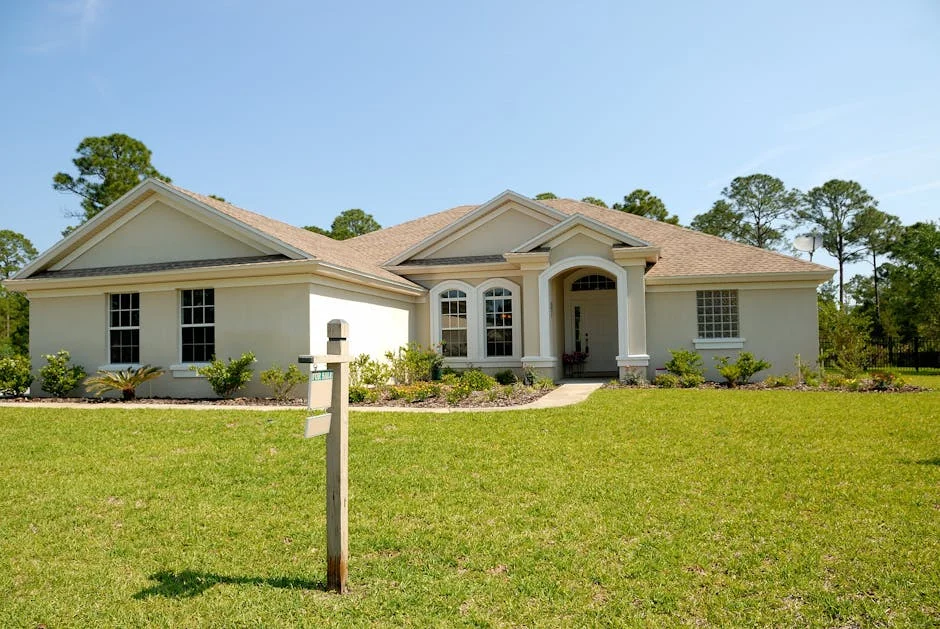
Rent to buy houses sit in the space between traditional renting and a standard mortgage purchase, offering a structured way for a household to live in a home now while working toward ownership later. The concept is simple on the surface: you move in as a tenant, pay an agreed monthly amount, and gain a contractual path to purchase the property at a future date. The details, however, matter more than the label. Some arrangements provide an “option” to buy, meaning you may purchase but are not legally required to. Others create an “obligation” to buy, meaning the contract expects a sale at the end of the term if conditions are met. A typical structure includes an upfront option fee (or consideration) that may be credited toward the eventual purchase price, along with monthly payments where a portion can be credited as rent credits. These credits can feel like forced savings, but they only become valuable if the contract is written fairly and the transaction actually closes. People look at rent-to-own housing when they need time to repair credit, build a down payment, stabilize self-employment income, or wait for a better lending environment. Sellers consider it when they want a wider pool of occupants, a committed resident, and potential premium pricing for the added flexibility they’re offering.
Table of Contents
- My Personal Experience
- Understanding Rent to Buy Houses and Why They Exist
- How Rent-to-Own Agreements Are Structured: Lease Option vs Lease Purchase
- Typical Costs: Option Fees, Rent Premiums, and Rent Credits
- Benefits for Buyers: Time, Flexibility, and a Path to Ownership
- Benefits for Sellers and Investors: Reduced Vacancy and Potentially Higher Returns
- Risks and Common Pitfalls: What Can Go Wrong and How to Spot It Early
- Legal and Contract Essentials: Clauses That Protect Both Parties
- Expert Insight
- Financing Readiness: Credit, Debt, Income, and Mortgage Strategy
- Home Inspection, Appraisal, and Title Checks: Due Diligence That Matters
- Negotiation Tips: Getting Fair Terms on Price, Credits, Repairs, and Deadlines
- Who Rent-to-Own Housing Works Best For (and Who Should Avoid It)
- Finding Rent to Buy Houses: Where to Look and How to Vet Listings
- Planning the Exit: Exercising the Option, Closing the Sale, or Walking Away
- Watch the demonstration video
- Frequently Asked Questions
- Trusted External Sources
My Personal Experience
Last year, after getting turned down for a traditional mortgage because my credit history was thin, I tried a rent-to-buy house in a neighborhood I already knew. The monthly payment was higher than a normal rental, but a set portion went toward the purchase price, which made it feel like I was finally moving forward instead of just paying a landlord. The biggest surprise was how much responsibility shifted to me right away—small repairs, lawn care, even a broken water heater—so I had to budget like an owner before I actually was one. I’m glad I had a lawyer review the contract, because the terms around the option fee and what happens if you’re late were stricter than I expected. It hasn’t been perfect, but it gave me time to save, build credit, and test-drive the house before committing to the full purchase. If you’re looking for rent to buy houses, this is your best choice.
Understanding Rent to Buy Houses and Why They Exist
Rent to buy houses sit in the space between traditional renting and a standard mortgage purchase, offering a structured way for a household to live in a home now while working toward ownership later. The concept is simple on the surface: you move in as a tenant, pay an agreed monthly amount, and gain a contractual path to purchase the property at a future date. The details, however, matter more than the label. Some arrangements provide an “option” to buy, meaning you may purchase but are not legally required to. Others create an “obligation” to buy, meaning the contract expects a sale at the end of the term if conditions are met. A typical structure includes an upfront option fee (or consideration) that may be credited toward the eventual purchase price, along with monthly payments where a portion can be credited as rent credits. These credits can feel like forced savings, but they only become valuable if the contract is written fairly and the transaction actually closes. People look at rent-to-own housing when they need time to repair credit, build a down payment, stabilize self-employment income, or wait for a better lending environment. Sellers consider it when they want a wider pool of occupants, a committed resident, and potential premium pricing for the added flexibility they’re offering.

There are several reasons rent to buy houses persist in the market even when mortgage rates, home prices, and rental demand fluctuate. For buyers, the biggest appeal is access: living in a home you intend to own can be motivating, and the arrangement can provide breathing room to qualify for financing. For owners, it can reduce vacancy risk and attract residents willing to care for the home more like an owner than a short-term tenant. Yet, the same factors that create opportunity can also create risk. If the purchase price is set too high, the tenant-buyer may end up paying above-market for years and still be unable to close. If the price is set too low, the seller may feel trapped if the neighborhood appreciates rapidly. Contracts also vary in who handles repairs, property taxes, insurance, and association dues, and those allocations can shift significant costs. Understanding why these agreements exist helps you approach them as a tool rather than a promise. When the structure matches your timeline and financial reality, rent to buy houses can bridge a real gap; when the structure is vague or one-sided, the same arrangement can become an expensive detour.
How Rent-to-Own Agreements Are Structured: Lease Option vs Lease Purchase
Most rent to buy houses are built on one of two legal frameworks: a lease option or a lease purchase. A lease option gives the tenant-buyer the right, but not the duty, to buy the home at a set price (or a price determined by a formula) within a defined period. If the tenant decides not to buy, the lease ends like a normal rental, though the option fee is often nonrefundable. A lease purchase, by contrast, generally creates a contractual obligation to complete the purchase, assuming the tenant meets the agreement’s conditions. The difference is not just semantics. A lease purchase may expose the tenant to legal consequences if they cannot obtain financing by the end date, while a lease option usually limits the downside to the forfeiture of the option fee and any rent credits. Because the stakes are different, the drafting and review of the contract is critical. A well-written agreement spells out the purchase price, the timeline, what counts as timely payment, how rent credits are earned, what happens with late fees, and how the parties handle maintenance and major repairs.
Another structural component is how the purchase price is determined. Some rent-to-own housing deals lock in a price at the beginning. That can be attractive in a rising market, but risky if values fall. Other contracts set the price later using an appraisal or an agreed formula tied to market indicators. The rent itself is often above typical market rent, reflecting the embedded purchase option and the rent credit. This can be reasonable if the credit is meaningful and the buyer is confident about closing, but it can also become an expensive premium if the contract is unlikely to reach the finish line. Pay close attention to how credits are applied: are they credited dollar-for-dollar toward the down payment, toward closing costs, or toward the purchase price? Also clarify whether credits accrue only when rent is paid on or before a strict date, and whether any late payment cancels prior credits. For rent to buy houses, the most protective agreements are specific, verifiable, and realistic about what it takes to qualify for a mortgage by the end of the term. If a contract relies on vague promises—such as “tenant will improve credit” without a workable plan—it may be setting up disappointment rather than ownership.
Typical Costs: Option Fees, Rent Premiums, and Rent Credits
The financial mechanics of rent to buy houses usually include three categories of cost: an upfront option fee, a monthly rent payment that may be above local market rent, and a rent credit component tied to those monthly payments. The option fee is often framed as “skin in the game” and can range widely depending on local norms, property price, and negotiating leverage. In many scenarios, it may be a few percent of the purchase price, paid at signing. Some sellers credit this fee toward the purchase if you close, while others treat it as nonrefundable consideration for granting the option. The key is that you should treat the option fee as money at risk, similar to earnest money but often with fewer protections. If the deal fails because you cannot qualify for financing or you decide not to buy, you may lose it. That reality should influence how much you are willing to pay up front and how carefully you verify that the seller can actually deliver clear title at closing.
Monthly rent in rent-to-own housing can exceed comparable rentals because part of the payment may be credited toward the purchase. For example, if market rent is $2,000 and you pay $2,200 with $200 credited, you are effectively paying market rent while also building a contractual credit. However, the credit is only valuable if it is enforceable and if you close. Some agreements provide credits only if every payment is on time, which can be defined as received by a specific day and time. Others allow a grace period. Some cap the total credit, and some apply credits only after a certain number of months. Another cost consideration is who pays for maintenance and repairs. A common pitch is that the tenant-buyer handles minor repairs because they are “future owners,” but major systems—roof, HVAC, plumbing—can quickly erase any benefit of rent credits if the contract pushes those responsibilities onto the occupant. When evaluating rent to buy houses, calculate the all-in monthly cost, including expected maintenance, utilities, and any required insurance riders. Then compare that to a normal rental plus a disciplined savings plan for a down payment. The arrangement is most compelling when the premium you pay is matched by a clear, attainable, and contractually protected path to purchase.
Benefits for Buyers: Time, Flexibility, and a Path to Ownership
For many households, rent to buy houses offer something difficult to find in a conventional purchase: time. Time to clean up credit reports, reduce credit utilization, document self-employment income, or season funds for a down payment. Living in the property can also provide practical advantages. You can evaluate the neighborhood across seasons, understand commute patterns, test the home’s layout in real life, and spot issues that might not appear during a brief showing. If the agreement locks in a purchase price and the market appreciates, the tenant-buyer may benefit from price certainty. Even when the price is not locked, the structure can still create momentum by setting a deadline and a defined plan. Some buyers find that a rent-to-own housing arrangement helps them avoid frequent moves and gives them stability for children’s schools, caregiving responsibilities, or work locations. The psychological benefit of “working toward something” can be real, especially when paired with a realistic mortgage readiness plan and a contract that rewards consistent payment with meaningful credits.
Another buyer benefit is optionality. In a lease option, you can walk away if the home doesn’t fit long-term, if a job changes, or if the property reveals unexpected issues. While you may forfeit the option fee and credits, you avoid the larger transaction costs of buying and selling too quickly. Rent to buy houses can also help buyers who are new to an area. Rather than rushing into a purchase based on limited familiarity, you can live locally and decide whether the community truly matches your lifestyle. Still, benefits only materialize when the numbers work. If the rent premium is too high, it can reduce your ability to save. If the option fee is excessive, it can drain reserves needed for closing. If the contract assigns major repairs to you, you may end up funding improvements on a house you never own. The best use of rent-to-own housing is when you have a credible reason you cannot or should not buy today, but you have a credible plan to buy soon. That plan should include a target credit score, a debt-to-income goal, a down payment strategy, and a timeline for mortgage pre-qualification well before the contract ends.
Benefits for Sellers and Investors: Reduced Vacancy and Potentially Higher Returns
From the seller’s perspective, rent to buy houses can widen the pool of potential occupants beyond those who can qualify for a mortgage immediately. That can be valuable in markets where buyers are plentiful but financing barriers are high, or where a seller wants to move a property without reducing the price. A tenant-buyer who intends to purchase is often more invested in the home’s condition and may treat the property with more care than a short-term renter. Sellers may also collect an option fee up front, which can provide immediate cash flow and act as compensation for taking the home off the traditional sales market. In some cases, the agreed rent is slightly above market, adding monthly income. For small investors, rent-to-own housing can look attractive because it blends rental cash flow with a potential exit sale at a predetermined price, reducing uncertainty about disposition.

However, sellers also take on risks and obligations. If the contract provides credits, the seller needs accurate accounting and clear documentation so there is no dispute at closing. If the property has an existing mortgage, the seller must ensure the arrangement does not violate the loan’s due-on-sale clause or other covenants, and should understand how an eventual sale will be handled. Another seller risk is market movement: if prices rise quickly and the purchase price is locked in, the seller may feel they left money on the table. If prices fall, the tenant-buyer may choose not to buy, leaving the seller to re-lease or re-sell. Sellers also need to consider compliance with local landlord-tenant laws, fair housing requirements, and consumer protection rules that can apply to rent to buy houses, especially when marketing targets buyers with credit challenges. A responsible seller approach treats the arrangement as a genuine path to ownership rather than a way to collect fees. When the seller screens tenant-buyers carefully, maintains the property appropriately, and uses clear contracts, rent-to-own housing can be a stable strategy that benefits both sides.
Risks and Common Pitfalls: What Can Go Wrong and How to Spot It Early
The most common pitfalls in rent to buy houses arise from misaligned expectations and poorly drafted contracts. One major risk is paying a significant option fee and rent premium, only to discover later that the seller cannot deliver a clean sale. This can happen if the seller is behind on mortgage payments, has unresolved liens, faces probate complications, or has title defects. If the home goes into foreclosure during the lease term, the tenant-buyer may lose their right to purchase and any money paid toward the option and credits. Another frequent issue is unrealistic qualification assumptions. Some tenant-buyers enter rent-to-own housing expecting that “time” alone will fix credit, but without a structured plan, credit scores may not improve enough to qualify. Debt-to-income ratios may remain too high, or income documentation may not meet lender standards. By the time the contract ends, the tenant is forced to walk away or attempt to renegotiate under pressure, often from a weak bargaining position.
Maintenance and repair responsibilities are another area where rent to buy houses can become costly. If a contract shifts major repairs to the tenant-buyer, you might be paying for a new water heater, roof repairs, or HVAC replacement on a property you do not yet own. Even if you plan to buy, unexpected expenses can deplete savings needed for closing. Also watch for contract language that cancels credits after a single late payment, or that treats any default as forfeiture of all option money and credits without a cure period. Some agreements include balloon payments, strict deadlines, or vague purchase price terms that invite disputes. Marketing can be a red flag too: if the offer emphasizes “no credit check” without discussing financing readiness, the structure may be designed to churn occupants rather than close sales. The best defense is due diligence: verify title, confirm the seller’s mortgage status where possible, insist on written accounting of credits, and consult an attorney familiar with local rent-to-own housing rules. A legitimate arrangement can be a bridge to ownership; a predatory one can be a drain on savings and stability.
Legal and Contract Essentials: Clauses That Protect Both Parties
Because rent to buy houses blend elements of leasing and purchasing, the contract must be more detailed than a standard rental agreement. At minimum, the documents should identify the parties correctly, describe the property with a legal address, state the lease term, list the rent amount and due date, define late fees and grace periods, and clarify who pays utilities. Beyond that, the purchase-related provisions need precision. The agreement should specify whether it is a lease option or lease purchase, the exact option fee amount, whether it is refundable under any conditions, and how it will be credited at closing. The purchase price should be stated clearly or determined by a defined method, such as an independent appraisal at a specified time with rules for resolving appraisal disputes. The contract should also state the option exercise procedure: how and when the tenant-buyer must notify the seller, whether notice must be in writing, and what happens if notice is late or incomplete.
Expert Insight
Before signing a rent-to-buy agreement, negotiate clear purchase terms in writing: lock in the future purchase price (or a pricing formula), specify how much of each payment credits toward the purchase, and confirm who pays for repairs, taxes, and insurance during the rental period. If you’re looking for rent to buy houses, this is your best choice.
Protect your option by doing full due diligence upfront: get an independent home inspection, verify the seller’s title and mortgage status, and set a realistic timeline to improve credit and secure financing so you can qualify for a loan before the option expires. If you’re looking for rent to buy houses, this is your best choice.
Repair and maintenance clauses deserve special attention in rent-to-own housing. A balanced approach might assign routine upkeep (filters, lawn care, minor fixes) to the occupant while keeping major structural and system repairs with the owner until closing. If the tenant-buyer is expected to handle more, the contract should cap expenses or require seller approval for big-ticket repairs, and clarify whether improvements are reimbursed or credited. Another critical clause is default and cure. A fair agreement defines what constitutes default, provides notice requirements, and allows a cure period to fix late payments or other breaches. Also include provisions addressing property taxes, insurance, HOA dues, and access for inspections. The tenant-buyer should have the right to inspect the property before signing and, ideally, again before exercising the option. For seller protection, the contract should require the occupant to maintain renter’s insurance, comply with HOA rules, and avoid unauthorized alterations. Finally, ensure the agreement addresses closing logistics: which title company or attorney handles closing, how closing costs are allocated, and what happens if either party fails to perform. Strong documentation does not eliminate risk, but it makes rent to buy houses far more predictable and enforceable.
Financing Readiness: Credit, Debt, Income, and Mortgage Strategy
The success of rent to buy houses often hinges on whether the tenant-buyer can qualify for a mortgage before the option period ends. That requires more than a hope that credit will improve. Start by reviewing your credit reports from all major bureaus and disputing inaccuracies early, since corrections can take time. Focus on the factors that lenders weigh heavily: payment history, utilization, length of credit, and derogatory marks. If utilization is high, a plan to pay down revolving balances can move scores meaningfully. If there are collections, negotiate carefully and understand how different scoring models treat paid collections. For income, lenders typically want stable, documentable earnings. W-2 employees may need recent pay stubs and tax returns; self-employed borrowers often need two years of tax returns and consistent profit. If you anticipate changing jobs or shifting to contract work, consider how that might affect qualification during the rent-to-own housing term.
| Option | How it works | Best for |
|---|---|---|
| Rent-to-Buy (Lease Option) | Rent the home with the option (not obligation) to buy later; typically includes an option fee and may credit part of rent toward the purchase. | Renters who want flexibility while improving credit/saving for a down payment. |
| Rent-to-Buy (Lease Purchase) | Rent the home with a commitment to buy at the end of the lease; terms are set upfront and walking away may mean penalties or loss of fees. | Buyers confident they’ll qualify for a mortgage by a set date and want to lock in a home now. |
| Traditional Rent (No Purchase) | Standard lease with no purchase rights; rent payments don’t build equity and the landlord retains full control over sale decisions. | People who need maximum mobility or aren’t ready to pursue ownership yet. |

Debt-to-income (DTI) is another decisive metric. Even with good credit, high monthly obligations can block approval. Before signing for rent to buy houses, calculate your current DTI and compare it to typical lender thresholds. If you have car loans, personal loans, student loans, or high minimum credit card payments, create a payoff plan that aligns with the contract timeline. Also, plan for the down payment and reserves. Rent credits may help, but lenders may not recognize them as down payment funds unless documented properly and allowed under underwriting guidelines. It can be wise to save separately in a verifiable account, building a paper trail. Get a mortgage pre-qualification early, even if you are not ready to close today, and then re-check every few months. If possible, work with a lender who understands rent-to-own housing documentation and can tell you what they will need at underwriting. The more you treat the period as a structured mortgage preparation window—with measurable milestones—the more likely rent to buy houses will end in a successful purchase rather than a last-minute scramble.
Home Inspection, Appraisal, and Title Checks: Due Diligence That Matters
Due diligence is essential with rent to buy houses because you are committing money and time to a property you do not yet own. A professional home inspection can reveal issues that affect both your comfort and your budget, such as roof wear, foundation movement, outdated wiring, plumbing leaks, or HVAC problems. Even if the seller promises repairs, insist that obligations be written into the agreement with deadlines and standards. If the contract shifts maintenance to you, an inspection becomes even more important because you could be inheriting expensive problems without the legal protections of ownership. In addition to a general inspection, consider specialized evaluations when relevant: sewer scope, termite inspection, radon testing, mold assessment, or structural engineer review. The goal is not perfection; the goal is informed consent and clear allocation of responsibility before you pay an option fee.
Title and ownership verification are just as critical for rent-to-own housing. Request a title search through a reputable title company or real estate attorney to identify liens, judgments, unpaid taxes, or ownership disputes. If the seller has an existing mortgage, understand how the sale will be handled and whether the lender’s terms create risk. In some cases, buyers may request proof that the mortgage is current, though sellers may be sensitive about sharing private information; an attorney can suggest appropriate ways to verify without overstepping. Appraisal strategy also matters. If the purchase price is locked in, you want confidence it is reasonable today and likely to be financeable later. If the price is set by future appraisal, clarify the process and who pays for it. Many failed rent to buy houses collapse at the financing stage because the appraised value comes in below the agreed price, leaving the buyer to cover the gap. Building appraisal contingencies or pricing formulas into the agreement can reduce that risk. Due diligence costs money up front, but compared to losing an option fee or paying inflated rent for years, it is often a practical investment in protecting your path to ownership.
Negotiation Tips: Getting Fair Terms on Price, Credits, Repairs, and Deadlines
Negotiating rent to buy houses is less about “winning” and more about aligning the contract with what is realistically achievable. Start with the purchase price. If the seller wants a premium for offering flexibility, make sure it is justified by comparable sales and by the value of the option. If the market is uncertain, consider a price formula rather than a fixed number, such as “appraised value at option exercise minus a defined credit.” If a fixed price is used, negotiate for a longer option period or stronger rent credits to compensate. Next, focus on the option fee. Sellers often prefer a larger fee to ensure commitment, but you should protect liquidity. Try to keep the fee within a range that does not compromise emergency reserves, and negotiate for partial refundability if the seller defaults, cannot convey title, or fails to complete agreed repairs.
Rent credits should be specific and easy to track. Insist on a written ledger or monthly statement showing how credits accrue. Clarify whether credits apply to the purchase price, closing costs, or down payment, and whether credits survive minor late payments. Repair terms are another major negotiation point in rent-to-own housing. A reasonable approach assigns routine maintenance to the occupant but keeps capital repairs with the owner until closing. If the seller insists that you handle major repairs, negotiate for a price reduction, a repair credit at closing, or a cap on your out-of-pocket expenses with reimbursement. Deadlines also matter. Ensure the option period is long enough to complete credit improvement and mortgage qualification, and include the ability to extend for a defined fee if needed. Also negotiate for early purchase flexibility: if you qualify sooner, you should be able to buy sooner without penalty, with clear rules on how rent credits apply. The strongest rent to buy houses agreements are those where the numbers work even under conservative assumptions, and where both parties have clear incentives to close rather than to exploit ambiguity.
Who Rent-to-Own Housing Works Best For (and Who Should Avoid It)
Rent to buy houses tend to work best for people with stable income and a clear, fixable reason they cannot qualify for a mortgage today. That might include a recent job change where income needs seasoning, a short credit history, a temporary dip in credit due to high utilization, or a one-time event that is already resolved. It can also fit buyers who have a down payment partially saved but need additional months to reach a target, especially if rent credits are meaningful and the monthly payment is not so high that saving becomes impossible. Another good-fit group includes households relocating to a new city who want to test a neighborhood before committing, while still keeping a path to ownership. In these cases, rent-to-own housing can function like a “try before you buy” arrangement with a structured plan and deadlines that encourage follow-through.

On the other hand, rent to buy houses may be a poor fit if your finances are highly uncertain, if your credit issues are severe and unresolved, or if you are relying on future income that is speculative. If the only way you can afford the monthly payment is by stretching your budget, the rent premium can increase the chance of late payments, which may void credits or trigger default. It can also be risky if you are not committed to the specific property. Even in a lease option, walking away can mean losing the option fee and credits, which can set back your ability to buy elsewhere. Another warning sign is entering rent-to-own housing without professional review. If you cannot afford an inspection, title check, and legal consultation, you may be taking on an agreement that is too complex for your current situation. Lastly, avoid deals where the seller is evasive, refuses basic verification, or pushes you to sign quickly. The best candidates for rent to buy houses are those who treat the arrangement as a short-term bridge with measurable milestones, not as a substitute for financial readiness.
Finding Rent to Buy Houses: Where to Look and How to Vet Listings
Locating rent to buy houses requires patience because legitimate opportunities can be scattered across platforms and local networks. Some listings appear on major real estate portals, though they may be labeled as “lease option,” “rent-to-own,” or “lease purchase.” Local real estate agents can sometimes identify owners open to creative terms, especially in markets with higher days-on-market or where sellers are testing alternative strategies. Property management companies may also know landlords willing to offer a purchase option to a long-term tenant. Another route is direct outreach: targeting neighborhoods you like, sending letters to owners of properties that have been rentals, or networking with small investors. When you find a possible rent-to-own housing opportunity, treat the listing as an invitation to investigate rather than proof of legitimacy. Scams exist, and they often prey on urgency and credit anxiety.
Vetting begins with verifying ownership and authority to lease. Confirm that the person offering the deal is the owner or a legally authorized representative. Request identification, cross-check public records, and avoid paying any money before a written agreement is reviewed. Next, evaluate the economics: compare rent to similar rentals, compare the proposed purchase price to comparable sales, and calculate the effective cost after considering option fees and credits. Ask for a draft contract early and look for clarity on price, timeline, credits, repairs, and default terms. For rent to buy houses, transparency is a strong signal. A credible seller will allow inspections, provide necessary disclosures, and support a title search. Be cautious with “guaranteed approval” claims or offers that avoid normal documentation. Also consider the property’s condition and the seller’s ability to maintain it during the lease term. If the home is already in poor repair and the contract shifts responsibility to you, the arrangement may be more burden than bridge. The best rent-to-own housing opportunities are those that look reasonable even before the sales pitch: fair numbers, clear paperwork, and a seller who expects you to do due diligence.
Planning the Exit: Exercising the Option, Closing the Sale, or Walking Away
The endgame is where many rent to buy houses either succeed smoothly or unravel under stress. A good plan starts months before the option period ends. Ideally, you should speak with a mortgage lender well in advance, update documentation, and run underwriting scenarios to confirm you are on track. If the contract requires written notice to exercise the option, follow it exactly—method of delivery, timing, and required content. Keep proof of delivery and maintain organized records of every payment, every credit, and any repair receipts that may affect the closing statement. Schedule a home inspection update if the lease term has been long, and confirm that the home remains in substantially the same condition, accounting for ordinary wear. If the purchase price depends on appraisal, initiate that process early enough to resolve potential disputes. Also coordinate with a title company to ensure there are no new liens or issues that could delay closing.
Sometimes, the best outcome is not buying. If your financial situation changes, if the neighborhood no longer fits, or if the property reveals issues you cannot accept, walking away may be the rational choice, especially under a lease option. The decision should be made with clear-eyed math: compare the cost of forfeiting the option fee and credits against the long-term cost of buying a property that is overpriced or problematic. If you still want to buy but need more time, negotiate an extension early, not in the final weeks. Sellers are more likely to agree when you have a consistent payment record and a credible financing timeline. For rent-to-own housing, the exit plan should include contingencies: what you will do if the appraisal is low, if interest rates rise, or if the lender requires repairs. Successful rent to buy houses transactions often look boring at the end—paperwork, timelines, and predictable steps—because the groundwork was laid early. Whether you close or walk away, the goal is to make a deliberate decision based on verified facts rather than pressure or sunk-cost thinking.
Rent to buy houses can be a practical bridge between renting and owning when the agreement is transparent, the numbers are realistic, and the path to financing is actively managed from day one. If you treat rent-to-own housing as a structured plan—complete with inspections, title checks, credit milestones, and an exit strategy—you can reduce the risk of paying premiums without gaining ownership and increase the likelihood that the final step is a successful closing rather than a costly reset.
Watch the demonstration video
Discover how rent-to-buy homes work and whether they’re a smart path to ownership. This video explains the key contract terms, upfront option fees, rent credits, and timelines, plus the pros, cons, and common pitfalls to avoid. You’ll also learn what to ask sellers and how to protect your finances before signing. If you’re looking for rent to buy houses, this is your best choice.
Summary
In summary, “rent to buy houses” is a crucial topic that deserves thoughtful consideration. We hope this article has provided you with a comprehensive understanding to help you make better decisions.
Frequently Asked Questions
What is a rent-to-buy (rent-to-own) house?
A rent-to-buy home is a property you rent with an option (or obligation) to purchase later, typically at a set price or a price based on a future appraisal.
How do rent-to-buy payments work?
You usually pay normal rent plus an extra amount called a rent credit; some or all of that credit may apply toward the purchase if you buy, but terms vary by contract. If you’re looking for rent to buy houses, this is your best choice.
What is an option fee and is it refundable?
An option fee is an upfront payment for the right to buy the home later; it’s often nonrefundable, but it may be credited toward the purchase price if you complete the purchase. If you’re looking for rent to buy houses, this is your best choice.
What’s the difference between a lease-option and a lease-purchase?
With a lease-option, you rent the home now and have the *choice*—not the obligation—to buy it when the lease ends. In contrast, a lease-purchase usually means you’re committing to buy, and backing out can bring legal or financial penalties. If you’re exploring **rent to buy houses**, understanding this difference can help you pick the arrangement that best fits your situation.
Who handles repairs, maintenance, and property taxes in a rent-to-buy deal?
Responsibility varies by contract—many **rent to buy houses** agreements ask the tenant-buyer to take care of repairs and routine maintenance, while property taxes and insurance typically stay in the owner’s name until the sale officially closes.
What are the main risks and how can I reduce them?
Common risks include losing the option fee/credits, unclear repair duties, or an inflated purchase price; reduce risk by getting the contract reviewed, verifying title, and ensuring financing readiness before signing. If you’re looking for rent to buy houses, this is your best choice.
? Looking for more info about rent to buy houses? Follow Our Site for updates and tips!

Trusted External Sources
- How Does Rent-To-Own Work? – Zillow
Sep 19, 2026 … Rent-to-own is when a tenant signs a rental agreement or lease that includes an option — or requirement — to buy the house or condo later, … If you’re looking for rent to buy houses, this is your best choice.
- Has anyone here ever successfully purchased a house via lease-to …
Jan 17, 2026 … If we were able to put down a down payment, lease to own for 3-5 years, we would then be able to buy it with a mortgage. If you’re looking for rent to buy houses, this is your best choice.
- Rent to buy | SA Housing Trust
How it works · Rent a newly built home at 75% of market rent for up to two years · Save while you rent · Buy your home in up to two years at a fixed purchase … If you’re looking for rent to buy houses, this is your best choice.
- Moving to CS – Rent or Buy? : r/ColoradoSprings – Reddit
As of April 9, 2026, buying a home can feel like a smart long-term move—especially with the potential for appreciation in Colorado’s housing market. Still, it’s not always easy to jump in right away, which is why many buyers explore flexible options like **rent to buy houses** to start building a path toward ownership without the immediate pressure of a traditional purchase.
- Bridge to Homeownership program offers rent-to-buy with added …
As you move from renting to owning, your saved-down payment—plus any matched savings—can help you qualify for a mortgage with payments that fit your budget. If you’re exploring **rent to buy houses**, keep in mind that eligible homes are determined by program guidelines and availability, so the options may vary based on location and other requirements.