Learning how to invest into silver starts with understanding what makes silver different from other assets and why it continues to draw attention from long-term savers, traders, and people who simply want a tangible store of value. Silver has a dual identity: it is both a precious metal with monetary history and an industrial metal used in modern manufacturing. That combination can create unique price behavior. When inflation expectations rise or confidence in currencies weakens, precious metals can benefit as alternative stores of value. At the same time, silver demand can expand when industrial activity increases, because it is used in electronics, solar panels, medical applications, and a wide range of chemical processes. This two-sided demand profile is the foundation for many silver strategies, but it also means the metal can be more volatile than gold. Price swings can be amplified by futures market positioning, investor sentiment, and changes in fabrication demand. Understanding these forces matters because it influences the choice of investment vehicle, the holding period, and the risk controls. Someone focused on capital preservation may prefer allocated bullion held securely, while a short-term participant may prefer liquid products like exchange-traded instruments. A practical view of how to invest into silver includes recognizing that “silver exposure” can come from physical ownership, financial products that track spot prices, or equity exposure to companies that mine and refine silver. Each path has different costs, tax implications, and counterparty risks that can materially change outcomes even if the metal price moves in your favor.
Table of Contents
- My Personal Experience
- Understanding How to Invest Into Silver and Why It Attracts Investors
- Setting Goals, Time Horizon, and Allocation Before Buying Silver
- Physical Silver: Coins, Bars, Rounds, and What to Look For
- Silver ETFs and ETPs: Convenience, Liquidity, and Trade-Offs
- Silver Futures and Options: Leverage, Hedging, and High Risk
- Silver Mining Stocks and Royalty Companies: Indirect Exposure With Equity Risk
- Choosing Where to Buy Silver: Dealers, Online Platforms, and Spreads
- Expert Insight
- Storage, Insurance, and Security: Protecting Physical Silver Holdings
- Pricing, Premiums, and Timing: Buying Strategies That Reduce Regret
- Tax Considerations and Reporting: Planning Ahead to Avoid Surprises
- Risk Management: Volatility, Portfolio Fit, and Avoiding Concentration
- Putting It All Together: Practical Steps on How to Invest Into Silver With Confidence
- Watch the demonstration video
- Frequently Asked Questions
- Trusted External Sources
My Personal Experience
When I first looked into investing in silver, I assumed I needed to buy a bunch of coins and stash them somewhere, but I started smaller to avoid rookie mistakes. I compared a few local coin shops with online dealers and quickly learned how much premiums and shipping can eat into your cost, so I focused on common one‑ounce rounds and a couple of government‑minted coins for liquidity. I also set a simple rule: I’d only buy when I could pay close to spot and I’d spread purchases out over a few months instead of trying to time the market. After I had a modest stack, I added a small position in a low‑fee silver ETF in my brokerage account for easier buying and selling, while keeping the physical silver as my “hold it and forget it” portion. The biggest lesson for me was treating silver like a long-term hedge, not a quick trade—once I did that, the price swings bothered me a lot less. If you’re looking for how to invest into silver, this is your best choice.
Understanding How to Invest Into Silver and Why It Attracts Investors
Learning how to invest into silver starts with understanding what makes silver different from other assets and why it continues to draw attention from long-term savers, traders, and people who simply want a tangible store of value. Silver has a dual identity: it is both a precious metal with monetary history and an industrial metal used in modern manufacturing. That combination can create unique price behavior. When inflation expectations rise or confidence in currencies weakens, precious metals can benefit as alternative stores of value. At the same time, silver demand can expand when industrial activity increases, because it is used in electronics, solar panels, medical applications, and a wide range of chemical processes. This two-sided demand profile is the foundation for many silver strategies, but it also means the metal can be more volatile than gold. Price swings can be amplified by futures market positioning, investor sentiment, and changes in fabrication demand. Understanding these forces matters because it influences the choice of investment vehicle, the holding period, and the risk controls. Someone focused on capital preservation may prefer allocated bullion held securely, while a short-term participant may prefer liquid products like exchange-traded instruments. A practical view of how to invest into silver includes recognizing that “silver exposure” can come from physical ownership, financial products that track spot prices, or equity exposure to companies that mine and refine silver. Each path has different costs, tax implications, and counterparty risks that can materially change outcomes even if the metal price moves in your favor.

Silver investing is also shaped by market structure. Spot prices are influenced by global trading hubs, and the quoted price is typically for large wholesale bars, not for the coins and small bars that individuals buy. Retail products often carry premiums that rise and fall depending on demand, mint capacity, and distribution constraints. Those premiums can become a hidden variable in performance: if you buy when premiums are elevated and sell when premiums compress, you may underperform the spot price even if the metal rises. Conversely, buying during periods of low premiums and selling when retail demand surges can enhance returns beyond the spot move. Another core concept in how to invest into silver is liquidity: the ease of converting holdings back to cash at a fair price. Large, recognizable products (like widely known bullion coins) can be easier to sell quickly, while obscure rounds or specialty collectibles can require more time and specialist buyers. Finally, silver’s role in a portfolio should be intentional. Some investors treat it as a hedge against monetary instability, others as a diversifier, and some as a tactical trade. Clarifying your objective will guide decisions about position sizing, storage, product selection, and whether you focus on bullion, paper silver, or mining stocks.
Setting Goals, Time Horizon, and Allocation Before Buying Silver
A disciplined approach to how to invest into silver begins before any purchase is made, because the “right” form of silver exposure depends heavily on your goals and timeline. If your goal is wealth preservation over many years, you may prioritize direct ownership and secure storage over leverage and short-term liquidity. If your goal is trading volatility, you may value tight spreads and fast execution more than the reassurance of holding metal in hand. Time horizon matters because silver can move in sharp cycles; it may rally strongly and then retrace for extended periods. A short horizon can turn volatility into a problem, while a longer horizon may allow you to tolerate drawdowns and potentially benefit from cyclical upswings. Allocation is equally important. Silver is often treated as a satellite position rather than the core of a portfolio, because it can be volatile and because its long stretches of underperformance can test investor patience. Many people choose a modest percentage allocation and rebalance periodically, adding when prices fall and trimming after large runs. That approach can reduce the emotional decision-making that often hurts returns. The key is that allocation should be sized so that a significant decline does not force you to sell at the wrong time. If a position is too large, normal market moves can trigger panic selling, which undermines the intended diversification benefits.
Risk tolerance is not just about price swings; it also includes operational risks such as storage, insurance, fraud, and counterparty exposure. A plan for how to invest into silver should outline where the metal or the claim on the metal will reside, how it will be protected, and under what circumstances you would sell. Consider whether you are building an emergency reserve, hedging inflation, or pursuing speculative gains. Those motivations lead to different choices: emergency reserves generally require high liquidity and minimal complexity; inflation hedges often favor simple, long-term holdings; speculation might involve derivatives that can magnify gains and losses. It also helps to define what success looks like. Is success a certain percentage return, reduced overall portfolio volatility, or protection against specific scenarios such as currency devaluation or banking stress? When success is defined, you can choose a monitoring routine that fits: physical holders may only check prices occasionally, while traders may track daily moves and technical levels. Creating this framework does not remove uncertainty, but it makes your decisions consistent. Consistency is a major edge in commodities investing, where emotions can run high and narratives change quickly.
Physical Silver: Coins, Bars, Rounds, and What to Look For
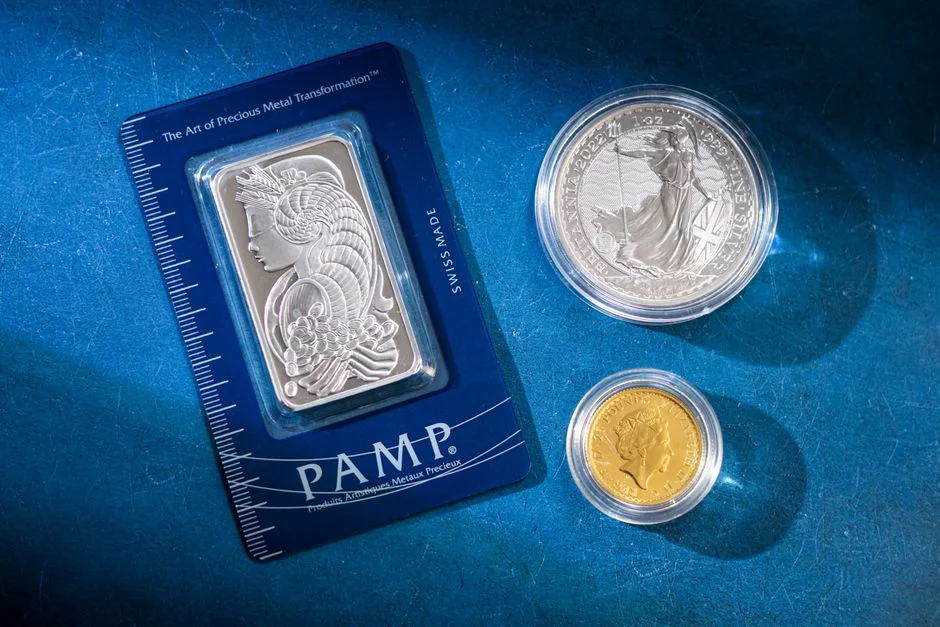
For many people, the most intuitive way to invest is to buy physical metal, and understanding how to invest into silver through bullion means learning the differences between coins, bars, and rounds. Government-minted bullion coins—such as widely recognized one-ounce coins—often carry higher premiums than generic products because they are trusted, liquid, and harder to counterfeit. Private-mint rounds can be less expensive and still contain the same amount of metal, but recognition varies by region and dealer. Bars come in many sizes, from one ounce to kilo and larger. Larger bars usually have lower premiums per ounce, but they can be harder to sell in small increments, and some buyers may prefer smaller pieces for flexibility. When choosing products, consider resale. Items that are commonly traded tend to have narrower buy-sell spreads, which can reduce frictional costs. Purity is typically .999 or higher for modern bullion products, and reputable mints provide consistent weight and markings. Another important factor is the premium environment: during periods of intense retail demand, premiums can surge, meaning your break-even price rises. If you buy heavily when premiums are inflated, you may need a larger move in spot silver just to recover costs. A careful buyer compares premium levels across multiple dealers and remains aware of shipping costs, payment method fees, and taxes that can vary by jurisdiction.
Physical ownership also introduces handling and authentication considerations. A practical plan for how to invest into silver with bullion includes verifying the reputation of the dealer, retaining invoices, and learning basic anti-counterfeit checks. Counterfeit risk is real, particularly for high-demand coins and bars. Some investors use simple tools such as a scale, calipers, and magnets, while others use advanced testers that measure conductivity. Buying from established dealers reduces risk, but it does not eliminate the need for caution, especially in peer-to-peer transactions. Storage is another major decision: keeping metal at home offers immediate access but increases theft risk and may require a safe, insurance, and privacy measures. Third-party storage can improve security but introduces ongoing fees and reliance on the provider. Some investors split holdings, keeping a small amount accessible and storing the remainder in a professional vault. Liquidity planning matters too. If you expect to sell quickly under certain conditions, ensure your products are commonly accepted by local dealers and that you understand their buyback policies. Physical silver can be satisfying and resilient because it is not dependent on a brokerage system, but it is not “set and forget.” Successful bullion ownership requires thoughtful purchasing, careful storage, and a realistic view of premiums and resale spreads.
Silver ETFs and ETPs: Convenience, Liquidity, and Trade-Offs
Many investors exploring how to invest into silver choose exchange-traded products because they offer speed, convenience, and integration with standard brokerage accounts. Silver ETFs and ETPs typically aim to track the spot price of silver, minus management fees and operational costs. They trade like stocks, allowing intraday buying and selling, limit orders, and straightforward portfolio reporting. This liquidity can be valuable if you want to rebalance regularly or respond quickly to market changes. Another advantage is storage simplicity: you do not need to arrange a safe, insurance, or shipping. For retirement accounts, ETFs can be one of the easiest ways to add silver exposure because many retirement plans cannot hold physical bullion directly. However, it is essential to understand what the product actually holds and what rights shareholders have. Some products are structured with allocated or unallocated metal, and the custody arrangements can affect risk. Reading the prospectus and understanding the custodian, audit practices, and redemption features is part of a responsible approach. Expense ratios matter because they quietly erode performance over time, especially for long-term holders. Trading costs matter too: spreads and commissions can be small, but frequent trading can still add up.

The biggest trade-off in paper silver is counterparty and structural risk. If your goal in learning how to invest into silver is to reduce dependence on financial intermediaries, an ETF may not align with that objective. While many funds are designed to hold metal, investors generally own shares of the fund rather than specific bars. In extreme market conditions, liquidity can be affected, and tracking can deviate slightly from spot due to fees and market dynamics. Tax treatment can also be different from stocks, depending on local rules and how the product is classified. Another consideration is behavioral: because ETFs are easy to trade, some investors overtrade, chasing momentum and selling after pullbacks, which can harm results. If you use ETFs, it helps to establish rules for position sizing, entry, and exit. For example, you might decide to buy in tranches, rebalance at set intervals, or maintain a fixed percentage allocation. This structure can prevent impulsive decisions. Silver ETFs can be an effective tool for liquidity and simplicity, but they are not a perfect substitute for physical ownership if your priority is direct possession and independence from custodial systems.
Silver Futures and Options: Leverage, Hedging, and High Risk
Derivatives are another route for those learning how to invest into silver, but they require advanced knowledge and strict risk controls. Futures contracts allow you to gain exposure to silver price movements with margin, meaning you can control a large notional value with a relatively small amount of capital. This leverage can amplify gains, but it can also amplify losses, sometimes rapidly. Futures are often used by professionals and experienced traders to hedge or speculate. They can be efficient because transaction costs are relatively low compared to buying and storing large amounts of bullion, and they provide direct linkage to the futures curve. However, futures have expiration dates. If you want ongoing exposure, you must “roll” contracts, which introduces roll yield that can help or hurt depending on market structure. Options on silver futures or on silver-related ETFs add another layer. Options can define risk (for example, buying a call limits downside to the premium paid), but they are affected by time decay and volatility changes. Successful options use requires understanding implied volatility, strike selection, and the probability of expiring in the money.
The practical reality is that derivatives can be unforgiving for beginners. A responsible framework for how to invest into silver using futures or options includes defining maximum loss limits, using position sizing that accounts for volatility, and avoiding emotional averaging down. Margin calls can force liquidation at the worst time, turning a temporary drawdown into a permanent loss. It is also important to understand contract specifications, tick value, trading hours, and the impact of major economic releases. Many traders underestimate how quickly silver can gap or spike, especially around geopolitical events or sudden shifts in macro expectations. For hedgers, derivatives can be useful. For example, a business that uses silver in manufacturing may hedge input costs to stabilize budgets. For individual investors, options can provide a way to participate in upside while limiting downside, but only if the premium paid is small relative to the portfolio and the strategy is well understood. If you are new, it can be wiser to start with unleveraged products and only consider derivatives after you have experience with silver’s volatility and have a written trading plan.
Silver Mining Stocks and Royalty Companies: Indirect Exposure With Equity Risk
Another angle on how to invest into silver is through shares of companies that produce silver or earn revenue linked to silver production. Mining stocks can offer leveraged exposure because a rise in silver prices can expand profit margins if costs are stable. That leverage works both ways: when silver falls, profits can compress sharply and share prices can decline more than the metal. Mining businesses also face operational risks: permitting, labor disputes, energy costs, environmental regulations, geological surprises, and political risk in the jurisdictions where mines operate. As a result, mining equities can behave differently from spot silver, especially in broad equity selloffs when risk appetite falls. Some investors prefer royalty and streaming companies, which finance mining projects in exchange for a percentage of production or revenue. These business models can reduce some operational risks compared with owning a single mine, but they still depend on counterparties and project execution. Evaluating mining companies requires equity analysis skills: balance sheet strength, all-in sustaining costs, reserve life, management track record, and diversification across assets. It is not enough to be bullish on silver; the company must be well-run and financially resilient.
Mining stocks can fit into a broader plan for how to invest into silver when you want growth potential and are comfortable with equity volatility. They can also offer dividends in some cases, though payouts may be cyclical. Liquidity is typically good for large producers and major royalty firms, while small explorers can be illiquid and speculative. Many investors use a basket approach to diversify single-company risk, holding a mix of producers, developers, and royalty firms, or using a mining-focused fund. Correlation is another factor: mining shares may correlate more with stock indices than bullion does, especially during market stress. If your primary goal is crisis hedging, physical silver or a direct silver-tracking instrument may align better than miners. If your goal is to potentially outperform during a strong metals bull market and you can tolerate drawdowns, miners can be compelling. A practical approach includes setting a maximum percentage for high-risk explorers, focusing on companies with strong cash positions, and paying attention to dilution risk, because many smaller miners fund operations by issuing new shares. Indirect exposure can be powerful, but it is not a simple substitute for owning silver itself.
Choosing Where to Buy Silver: Dealers, Online Platforms, and Spreads
Execution matters in how to invest into silver because the place you buy can influence premiums, authenticity risk, and resale ease. Local coin shops offer face-to-face transactions, immediate possession, and the ability to inspect products before purchase. They may also be convenient for selling later, especially if you build a relationship. Online dealers often offer broader selection and competitive pricing, but you must account for shipping, insurance during transit, payment processing rules, and delivery times. Some online platforms provide vaulted silver ownership where you buy fractional interests in stored bars. This can reduce hassle and allow smaller purchases, but it introduces platform risk and ongoing storage fees. Whatever the channel, focus on total cost, not just the headline premium. Total cost includes the dealer’s spread, shipping, insurance, taxes where applicable, and payment method surcharges. Bank wire discounts can be meaningful, while credit card purchases often include higher fees. Another detail is buyback policies. Some dealers publish transparent buyback prices and may repurchase products they sell at competitive rates. This can improve liquidity and reduce uncertainty when it is time to exit. Keeping documentation can also help, especially for higher-value transactions.
| How to invest in silver | Best for | Key pros | Main drawbacks |
|---|---|---|---|
| Physical silver (coins/bars) | Long-term holders who want direct ownership | Tangible asset; no issuer risk; useful as a hedge in extreme scenarios | Storage/insurance costs; dealer premiums & spreads; less convenient to sell quickly |
| Silver ETFs/ETCs (spot-tracking funds) | Investors seeking simple, liquid price exposure | Easy to buy/sell in a brokerage; high liquidity; no personal storage | Management fees; potential tracking/structure risks; no physical possession |
| Silver mining stocks (or mining ETFs) | Those comfortable with higher risk for potential upside | Leverage to silver price; possible dividends; can outperform in bull markets | Company/operational and geopolitical risk; may not track silver closely; higher volatility |
Expert Insight
Start by choosing the silver exposure that matches your goal: physical bullion (coins/bars) for long-term wealth storage, or a low-cost silver ETF for easy buying and selling. If you buy physical, prioritize recognizable products (e.g., government-minted coins), compare premiums over spot price, and plan secure storage and insurance before purchasing. If you’re looking for how to invest into silver, this is your best choice.
Manage risk with a simple plan: dollar-cost average into silver with a fixed monthly amount, and cap your allocation (often 5–10% of a diversified portfolio) to avoid overconcentration. Use limit orders for ETFs or reputable dealers for bullion, and set clear rules for rebalancing or taking profits when silver spikes. If you’re looking for how to invest into silver, this is your best choice.
Price transparency is a practical advantage for anyone learning how to invest into silver. Compare multiple dealers at the same time of day and ensure you are comparing identical products. A one-ounce government coin and a one-ounce generic round are not interchangeable in premium and resale behavior. For bars, brand recognition can matter; well-known refineries may be easier to sell. Watch for “too good to be true” pricing in peer-to-peer marketplaces, where counterfeit risk and scams can be higher. If you buy locally, ask how the dealer verifies authenticity and whether they test products on-site. If you buy online, confirm the dealer’s reputation, years in business, and customer service responsiveness. Delivery delays can occur during demand spikes, so understand whether the product is in stock or pre-order. For vaulted services, understand whether your silver is allocated (specific bars assigned to you) or unallocated (a general claim), and whether you can take delivery. The best venue depends on your priorities: lowest cost per ounce, fastest access, maximum privacy, or the ability to sell quickly. Matching the purchase channel to your objective is an often-overlooked part of investing success.
Storage, Insurance, and Security: Protecting Physical Silver Holdings
Physical ownership is central to many strategies for how to invest into silver, but the benefits of tangible metal come with responsibility. Storage decisions should be made before you accumulate a meaningful amount. Home storage provides direct control and immediate access, which some investors value highly. However, it increases theft risk and may require upgrades such as a quality safe anchored to the structure, discreet handling procedures, and careful control of who knows about your holdings. Insurance can be complicated. Standard homeowner policies may not cover bullion adequately, or they may have low limits and exclusions. Specialized riders or separate policies might be needed, and premiums can increase with declared value. Another issue is recordkeeping. If you ever need to make an insurance claim, having purchase receipts, photos, and serial numbers (where applicable) can be critical. Privacy and operational security also matter: frequent shipments to your home, visible packaging, or casual conversations can create unwanted attention. A thoughtful storage plan includes minimizing exposure during deliveries, using secure addresses when appropriate, and keeping holdings discreetly documented.

Professional storage is an alternative for those who want stronger security and potentially lower risk of loss. Vaulting services can offer allocated storage, insurance, and audits, but they charge ongoing fees and require trust in the provider. When evaluating vaulting, look for clear legal ownership terms, independent audits, insurance details, and the jurisdiction where the metal is stored. Jurisdiction matters because it affects legal protections and potential government actions. A balanced approach to how to invest into silver can involve diversification across storage methods: some metal at home for immediate access, and some in a vault for long-term security. If you choose a vault, understand withdrawal procedures and the cost of taking delivery. Some services make delivery expensive or slow, which may conflict with your goals. Also consider liquidity: if you plan to sell frequently, storing with a dealer or platform that offers instant buyback can reduce friction. Security is not just about theft; it is also about loss from fire, flood, or simple misplacement. A robust plan treats physical silver like any other valuable asset: protect it, insure it appropriately, and keep clear records without compromising personal safety.
Pricing, Premiums, and Timing: Buying Strategies That Reduce Regret
Market timing is challenging in any asset, and it is especially tricky for those learning how to invest into silver because the metal can experience sudden spikes and sharp retracements. Instead of trying to predict exact tops and bottoms, many investors use systematic buying methods. Dollar-cost averaging is one such method: buying a fixed dollar amount at regular intervals. This can reduce the emotional pressure of choosing the “perfect” moment and can smooth the average entry price over time. Another approach is value-based tranching, where you buy more when silver falls by certain percentages and buy less when it rises. For physical silver, timing also includes watching premiums. When retail demand surges, premiums can rise dramatically, meaning the effective price you pay may be far above spot. A disciplined buyer monitors both spot and the premium environment. Sometimes the better “timing” is not about spot price at all; it is about waiting for premiums to normalize. If your goal is maximum ounces per dollar, you may prioritize low-premium products like larger bars when appropriate, while keeping some liquidity-friendly coins for resale flexibility. Understanding the difference between spot price, dealer premium, and total delivered cost is one of the most practical skills in silver investing.
Another timing factor in how to invest into silver is the macro backdrop. Silver often reacts to real interest rates, inflation expectations, currency strength, and risk sentiment. It can rally when investors seek hard assets, but it can also fall if industrial demand expectations weaken. Even if you do not trade macro news, being aware of the forces that move silver can help you avoid impulsive decisions. For example, a sudden drop might be driven by broad commodity liquidation rather than a change in silver’s long-term fundamentals. Conversely, a rapid rally might be fueled by speculative positioning that can unwind quickly. If you are using ETFs or futures, you can implement stop-losses or alerts, but for physical holders, the best defense is appropriate position sizing and a pre-defined holding period. Many long-term holders decide in advance that they will not sell based on short-term volatility, only based on major changes in personal circumstances or portfolio rebalancing rules. Having a plan for when you will add, hold, or trim can reduce regret. Regret often comes from buying too much during excitement or selling too much during fear. A structured approach turns silver from an emotional trade into a managed allocation.
Tax Considerations and Reporting: Planning Ahead to Avoid Surprises
Taxes can materially affect net returns, so any serious plan for how to invest into silver should include a basic understanding of tax treatment in your jurisdiction. Physical silver may be treated differently than stocks and bonds, and some countries classify precious metals as collectibles or apply different capital gains rates. Sales taxes or value-added taxes can also apply to bullion purchases in certain regions, while other jurisdictions offer exemptions for investment-grade metal. These rules can change and can vary not only by country but sometimes by state or province. For exchange-traded products, the structure matters: an ETF backed by metal might be taxed differently than a mining stock or a fund that uses futures. If you trade frequently, short-term gains rates may apply, and the volume of transactions can increase recordkeeping complexity. The practical takeaway is that two investors can have the same gross performance in silver but very different net outcomes depending on taxes and fees. Keeping clean records of purchase dates, quantities, premiums, shipping, and sale proceeds is not just good practice; it can be essential for accurate reporting and for defending your cost basis if questioned.
Another element of how to invest into silver responsibly is planning for the exit. If you hold physical bullion, consider how you will sell: to a dealer, through a platform, or peer-to-peer. Each method may produce different documentation and may affect how easily you can substantiate pricing. If you hold silver through a brokerage instrument, reporting is often simpler because the broker issues statements, but you still need to understand how gains are categorized. For larger holdings, it can be wise to consult a qualified tax professional who understands precious metals and local reporting requirements, especially if you plan to move metal across borders, store in foreign vaults, or use leveraged products. Even if you prefer privacy, compliance is important; penalties and interest can erase gains. Tax awareness also influences product choice. Some investors prefer certain vehicles because they fit better in tax-advantaged accounts, while others prefer physical ownership despite potentially less favorable tax treatment because they prioritize direct control. The right choice depends on your objective, your expected holding period, and your overall financial picture. Treat taxes as part of the investment cost, just like premiums, spreads, and storage fees.
Risk Management: Volatility, Portfolio Fit, and Avoiding Concentration
Silver can play a useful role in diversification, but risk management is central to how to invest into silver without turning it into a destabilizing bet. The metal’s volatility means position sizing should be conservative relative to more stable assets. A small allocation can still have an impact during certain market regimes, while a large allocation can create uncomfortable swings that prompt emotional decisions. One practical method is to decide the maximum drawdown you can tolerate and then work backward to a position size. If a 30%–40% drawdown in silver would cause you to abandon your plan, the position is likely too large. Another risk is concentration within the silver exposure itself. If you buy only one type of coin at peak premiums, or only one small mining stock, you introduce idiosyncratic risks that are avoidable. Diversification can mean holding a mix of physical products, or combining physical silver with a liquid ETF for rebalancing flexibility, or holding a basket of miners rather than a single company. Correlation also matters. Mining stocks may correlate with equities, while physical silver may behave differently in certain environments. Align the instrument with the role you want silver to play.

Operational risk is often underestimated in how to invest into silver. For physical holders, the risks include theft, loss, counterfeit products, and the inability to access metal quickly if it is stored far away. For ETF holders, the risks include tracking differences, market disruptions, and reliance on custodians and authorized participants. For derivatives traders, the risks include leverage, margin calls, and liquidity gaps. Each of these risks can be managed, but only if acknowledged. A robust plan includes simple controls: buy from reputable sources, test and verify items, diversify storage, avoid leverage unless you are experienced, and keep an emergency cash buffer so you are not forced to sell during a downturn. Another helpful control is rebalancing. If silver rises sharply and becomes a much larger portion of your portfolio than intended, trimming back to your target allocation can lock in gains and reduce future volatility. If silver falls and you still believe in your long-term thesis, rebalancing can help you add at lower prices without guessing bottoms. Risk management is not about eliminating risk; it is about ensuring that the risks you take are intentional, compensated, and aligned with your broader financial goals.
Putting It All Together: Practical Steps on How to Invest Into Silver With Confidence
A clear process makes how to invest into silver far less intimidating, because it turns a broad idea into a sequence of manageable decisions. Start by defining the purpose of your silver allocation: diversification, inflation protection, crisis hedge, tactical trading, or a mix. Next, choose the vehicle that matches that purpose. If you value direct ownership and independence from financial intermediaries, focus on physical bullion, prioritize recognizable products, and plan storage in advance. If you want liquidity and easy rebalancing inside a brokerage account, consider a silver-tracking ETF or ETP and pay attention to fees, structure, and tracking behavior. If you want growth potential and accept equity risk, build a diversified basket of mining and royalty companies and evaluate them like any other stock investment. If you are experienced and want leverage or hedging tools, futures and options can be used carefully, but they demand strict risk limits. After selecting the vehicle, decide how you will build the position. Many investors prefer staged buying to reduce timing risk: regular purchases, or tranches triggered by price levels. For physical silver, add a premium discipline: compare dealers, avoid extreme premium spikes when possible, and keep documentation.
Finally, maintain a simple monitoring and exit framework so your silver exposure remains aligned with your life and portfolio. Revisit allocation periodically, especially after large price moves, and rebalance if silver becomes too large or too small relative to your target. Review storage and insurance annually if you hold bullion, and confirm that your plan still fits your circumstances. Keep records of purchases and sales, and understand the tax implications before you transact. If you use paper instruments, review fund documents occasionally and watch for changes in fees or structure. The most sustainable approach to how to invest into silver is one that you can follow through different market cycles without panic or overconfidence. Silver can reward patience, but it can also punish impulsiveness. A measured allocation, a carefully chosen vehicle, attention to premiums and costs, and a clear plan for storage and liquidity can help you hold silver with confidence and integrate it into a broader strategy for long-term financial resilience—especially when you keep the core goal in mind every time you decide how to invest into silver.
Watch the demonstration video
Learn the essentials of investing in silver, including why it can act as a hedge against inflation and market volatility, the main ways to buy it (physical bullion, ETFs, mining stocks, and futures), and how to evaluate price drivers like supply, demand, and interest rates. You’ll also get practical tips on risk, storage, and timing. If you’re looking for how to invest into silver, this is your best choice.
Summary
In summary, “how to invest into silver” is a crucial topic that deserves thoughtful consideration. We hope this article has provided you with a comprehensive understanding to help you make better decisions.
Frequently Asked Questions
What are the main ways to invest in silver?
Common options include physical silver (coins/bars), silver ETFs, mining stocks, silver-focused mutual funds, and futures/options (higher risk).
Should I buy physical silver coins or bars?
Coins are often simpler to resell and can command higher premiums, while bars typically offer a lower cost per ounce. When deciding **how to invest into silver**, weigh your budget, how quickly you may need to sell, and how you plan to store your holdings.
How do silver ETFs work, and what are the pros and cons?
Silver ETFs are a convenient way to follow silver’s price because they trade on the stock market just like shares. If you’re exploring **how to invest into silver**, ETFs can be an easy entry point: they’re simple to buy and sell, and you don’t have to worry about storing or insuring physical bullion. The trade-off is that you’ll pay ongoing management fees, you’re depending on the fund’s structure and custodians, and you won’t have direct access to the actual metal.
What costs should I expect when investing in silver?
When figuring out **how to invest into silver**, keep an eye on the main costs that can affect your returns—such as dealer premiums above the spot price, bid-ask spreads when you buy or sell, and (if you’re purchasing physical silver) shipping, secure storage, and insurance. If you’re investing through ETFs or funds instead, the key ongoing cost to watch is the expense ratio.
How can I store silver safely if I buy physical metal?
When deciding **how to invest into silver**, think carefully about where you’ll store it: a secure home safe for convenience, a bank safe-deposit box for added protection, or professional vaulting for maximum security. Whichever route you choose, prioritize strong security, proper insurance coverage, and easy access when it’s time to sell.
How much of my portfolio should be in silver?
There’s no universal rule for allocating precious metals, but many investors choose to hold a modest amount to help diversify their portfolios. The right percentage depends on your risk tolerance, time horizon, and broader financial plan—so before deciding **how to invest into silver**, consider how it fits alongside your other assets and goals.
? Looking for more info about how to invest into silver? Follow Our Site for updates and tips!

Trusted External Sources
- 4 ways to buy silver – Fidelity Investments
As of Nov 11, 2026, investors have several straightforward options for **how to invest into silver**. You can purchase physical silver—such as coins or bars—through reputable precious metal dealers online or in person, and some brokerage firms (including Fidelity) also offer ways to buy certain silver products, like coins, through their platforms.
- What would be the best way to invest in silver? – Reddit
As of Dec 19, 2026, silver and gold royalty companies can be a compelling way to gain exposure to silver while still benefiting from potential cash-flow returns. Wheaton Precious Metals (WPM) is often viewed as a category leader, with other notable names including Franco-Nevada (FNV), Metalla Royalty & Streaming (MTA), Sandstorm Gold (SAND), and Ganfeng Lithium (GNT). If you’re exploring **how to invest into silver**, royalty and streaming companies are one route worth considering alongside more direct options like bullion or ETFs.
- An Introduction to Silver Investment | The Royal Mint
Silver has long appealed to investors as a tangible asset that can help diversify a portfolio and potentially hedge against inflation and market uncertainty. If you’re researching **how to invest into silver**, it’s worth exploring the different options—such as physical bullion, coins, ETFs, or mining stocks—so you can choose what best fits your goals. At the same time, silver prices can be volatile, and owning bullion may involve added costs like storage, insurance, and dealer premiums. Before investing, carefully weigh these risks and consider your personal financial situation, time horizon, and overall strategy.
- Interested in Silver as an Investment : r/Silverbugs – Reddit
Mar 17, 2026 … Only buy silver if you are already invested in the stock market and maybe even some real estate . Silver is not an investment, it’s more like a … If you’re looking for how to invest into silver, this is your best choice.
- How to invest in silver: A beginner’s guide – Yahoo Finance
Apr 22, 2026 … The most direct way to invest in silver is to buy it in physical form, either as bullion bars or government-minted coins. This gives you direct … If you’re looking for how to invest into silver, this is your best choice.