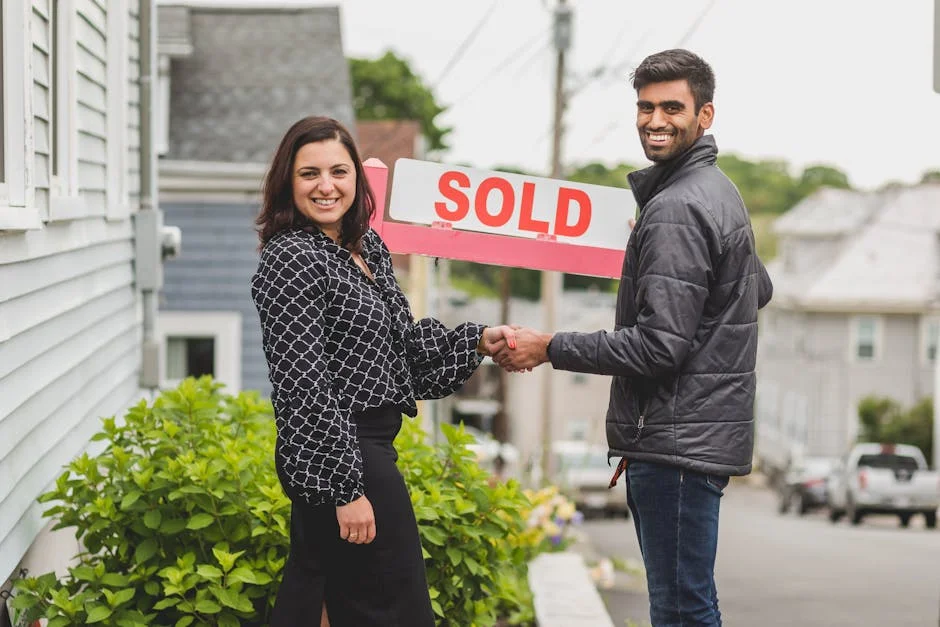
Searching for how to buy a house without a down payment often starts with a simple goal: get into a home sooner without waiting years to save a large lump sum. In practice, “no down payment” can mean a few different things, and understanding the variations helps you choose a path that’s realistic for your income, credit profile, and timeline. The most literal version is a true 0% down mortgage program, where the loan amount equals the purchase price. Another version is a low-down-payment loan paired with assistance—such as grants, forgivable second mortgages, or lender credits—that effectively covers the upfront cash requirement. There are also arrangements where the seller pays certain costs or where a gift from a family member covers what you would have paid at closing. These can feel like “no money down,” but they may still require reserves, inspections, earnest money, or prepaid items like homeowners insurance. The key is separating “down payment” from “cash to close,” because you might avoid the down payment but still need funds for closing costs, escrow deposits, or moving expenses.
Table of Contents
- My Personal Experience
- Understanding What “No Down Payment” Really Means
- Government-Backed 0% Down Options: VA and USDA Loans
- Down Payment Assistance Programs That Cover the Upfront Cash
- Lender-Paid Assistance and Special Conventional Programs
- Using Seller Concessions to Reduce Cash to Close
- Gifts From Family and Approved Donor Sources
- Buying With a Second Mortgage or Piggyback Structure
- Lease-to-Own, Rent-to-Own, and Owner Financing Alternatives
- Expert Insight
- Credit, Debt-to-Income, and Underwriting: What Lenders Look For
- Closing Costs, Prepaids, and the Difference Between “No Down Payment” and “No Money Out of Pocket”
- Choosing the Right Property and Making a Competitive Offer With 0% Down
- Risks and Trade-Offs: Equity, Mortgage Insurance, and Market Changes
- Step-by-Step Action Plan to Get Approved and Close With Minimal Cash
- Long-Term Success After Closing: Budgeting, Refinancing, and Building Equity
- Watch the demonstration video
- Frequently Asked Questions
- Trusted External Sources
My Personal Experience
When I started looking for a house, the down payment was the one thing that made it feel impossible—I had decent income and credit, but not tens of thousands sitting in savings. A lender told me to check whether I qualified for a USDA loan because the area I was looking in was just outside the city, and that ended up being the turning point. I got preapproved with zero down, but I still had to plan for closing costs, so I asked the seller for concessions and agreed to a slightly higher price to cover most of them. The appraisal and underwriting took longer than I expected, and I had to explain a couple of old credit card balances, but it all worked out. I moved in with almost no money out of pocket, and the biggest lesson for me was that “no down payment” doesn’t mean “no cash needed”—it just means you have to be strategic about the loan program and the closing costs. If you’re looking for how to buy a house without a down payment, this is your best choice.
Understanding What “No Down Payment” Really Means
Searching for how to buy a house without a down payment often starts with a simple goal: get into a home sooner without waiting years to save a large lump sum. In practice, “no down payment” can mean a few different things, and understanding the variations helps you choose a path that’s realistic for your income, credit profile, and timeline. The most literal version is a true 0% down mortgage program, where the loan amount equals the purchase price. Another version is a low-down-payment loan paired with assistance—such as grants, forgivable second mortgages, or lender credits—that effectively covers the upfront cash requirement. There are also arrangements where the seller pays certain costs or where a gift from a family member covers what you would have paid at closing. These can feel like “no money down,” but they may still require reserves, inspections, earnest money, or prepaid items like homeowners insurance. The key is separating “down payment” from “cash to close,” because you might avoid the down payment but still need funds for closing costs, escrow deposits, or moving expenses.

When evaluating how to buy a house without a down payment, it helps to understand why lenders usually want one. A down payment reduces the lender’s risk and gives you immediate equity. When you put 0% down, the loan-to-value ratio is higher, and that can lead to stricter qualification rules, higher interest rates, mortgage insurance or guarantee fees, and tighter property standards. None of that makes a 0% down purchase impossible; it simply means the program you use will have guardrails. For example, some 0% down options are limited to certain property types, certain locations, or certain borrower categories like veterans or rural buyers. Others require a stronger credit score, stable employment history, and manageable debt-to-income ratios. If you approach the process thinking the only hurdle is saving cash, you may be surprised by underwriting requirements. If you approach it as a strategy—matching the right program to your eligibility—you can move forward with fewer surprises and a clearer sense of total monthly cost.
Government-Backed 0% Down Options: VA and USDA Loans
For many buyers, the most direct answer to how to buy a house without a down payment is a government-backed loan designed specifically for that purpose. Two standout options are VA loans and USDA loans, both of which can offer 0% down for eligible borrowers and properties. A VA loan is available to qualified service members, veterans, and certain surviving spouses. It’s known for flexible underwriting, competitive rates, and no monthly private mortgage insurance (PMI), though it may include a VA funding fee depending on your circumstances. A USDA loan, backed by the U.S. Department of Agriculture, is aimed at moderate-income buyers purchasing in eligible rural or suburban areas. USDA eligibility is based on household income limits and property location, and the program includes a guarantee fee structure rather than traditional PMI. Both programs can be powerful tools when you want to minimize upfront cash while keeping payments manageable.
Using these programs effectively requires attention to details that matter during underwriting and contract negotiation. With VA, the property must meet minimum property requirements, and the appraisal process can include repairs before closing. With USDA, the timeline can be longer because some loans require an additional review layer beyond the lender. In both cases, your “cash to close” may still include closing costs, prepaid taxes and insurance, and possibly appraisal or inspection fees—unless you negotiate seller concessions or lender credits. If you’re comparing options for how to buy a house without a down payment, it’s worth asking lenders for a side-by-side estimate: interest rate, monthly payment, guarantee or funding fees, and total cash needed at closing. In many markets, a well-structured offer with a strong preapproval and reasonable concession request can be competitive even with 0% down, especially if the home is priced appropriately and the borrower’s profile is solid.
Down Payment Assistance Programs That Cover the Upfront Cash
Another practical path for how to buy a house without a down payment is to use down payment assistance (DPA) programs. These are offered by state housing finance agencies, counties, cities, and some nonprofit organizations. Assistance can come as a grant (which doesn’t need to be repaid), a forgivable loan (erased after you meet occupancy requirements for a certain period), or a low-interest second mortgage that sits behind your primary loan. Many programs are designed for first-time buyers, but “first-time” is often defined as not having owned a home in the last three years, so some returning buyers may still qualify. DPA is frequently paired with FHA, conventional, or other loan products, and it can be structured to cover some or all of the down payment, sometimes even a portion of closing costs. This can make the experience feel like a true no-down-payment purchase even if the first mortgage technically requires a small down payment.
Because DPA programs vary widely, the best approach is to treat them like a checklist: confirm income limits, purchase price limits, eligible neighborhoods, minimum credit score, required homebuyer education classes, and whether you must use an approved lender. Some assistance is limited to certain professions or community needs, while other programs prioritize buyers in targeted redevelopment areas. When exploring how to buy a house without a down payment through DPA, pay attention to the fine print about resale or refinance. Some programs include recapture provisions or require repayment if you sell too soon. Others create a lien that must be satisfied at sale, which affects your net proceeds. None of these are deal-breakers; they simply need to match your plans. If you anticipate moving within a few years, you might prefer a grant or a short forgiveness period over a long-term second mortgage. If you plan to stay put, a forgivable structure can be an excellent way to reduce upfront cash while building equity through regular payments.
Lender-Paid Assistance and Special Conventional Programs
Not every solution for how to buy a house without a down payment depends on government agencies. Some lenders and secondary market programs offer special conventional products that reduce or eliminate the down payment requirement for certain buyers. Examples include community lending initiatives, credit union portfolio loans, and programs aimed at first-time buyers in underserved areas. In some cases, the lender may provide a grant or credit that can be applied toward the down payment and/or closing costs, often in exchange for meeting criteria such as income limits, completing a homebuyer course, or purchasing in a designated census tract. These programs can be attractive because they may avoid the extra layers of approval seen with some assistance programs, and they can sometimes offer competitive rates when paired with strong credit and stable income.
However, lender-based options require careful comparison of the total cost of the loan, not just the upfront cash requirement. A program marketed as “zero down” might come with a slightly higher interest rate, upfront fees, or mortgage insurance pricing that increases the monthly payment. When weighing how to buy a house without a down payment using lender incentives, ask for a loan estimate and have the lender explain what’s driving the cost: rate, points, mortgage insurance, and any program fees. Also confirm whether the assistance is truly a grant or whether it becomes repayable under certain conditions. Some incentives are structured as a second lien forgiven over time; others are credits that do not need repayment. The right choice depends on how long you expect to keep the mortgage. If you might refinance within a few years, a slightly higher rate today could be less painful than paying points upfront. If you plan to keep the mortgage long-term, minimizing the rate and monthly payment may matter more than achieving a perfect “no down payment” headline.
Using Seller Concessions to Reduce Cash to Close
Seller concessions are one of the most common tactics people use when figuring out how to buy a house without a down payment or, more accurately, how to buy with minimal cash at closing. A seller concession is when the seller agrees to pay some of the buyer’s closing costs, prepaid items, or other allowable fees, reducing the amount the buyer must bring to the closing table. Concessions are negotiated as part of the purchase contract, and they’re typically expressed as a dollar amount or a percentage of the purchase price. The allowable concession limit depends on the loan type (for example, conventional, FHA, VA, or USDA) and the buyer’s down payment amount. While concessions cannot usually be used to directly replace a required down payment on many loan types, they can free up the buyer’s cash so that a smaller amount of savings can cover the down payment. For true 0% down programs, concessions can be especially helpful to cover closing costs and prepaid escrow items.

To use concessions effectively, you need a strategy that fits the market. In a hot seller’s market with multiple offers, asking for large concessions may weaken your offer unless you compensate in other ways, such as offering a slightly higher price, shortening inspection timelines, or increasing earnest money (while still protecting it with contingencies). In a balanced or buyer-friendly market, concessions can be easier to obtain, especially if the home has been on the market longer or needs minor repairs. When exploring how to buy a house without a down payment and relying on concessions, coordinate closely with your lender so the request aligns with your loan program’s rules and appraisal requirements. If you raise the price to fund concessions, the home must appraise at or above that price, or you may have to renegotiate or bring cash. A strong agent can help you structure the request in a way that feels reasonable to the seller and defensible to an appraiser, keeping your cash to close as low as possible without creating last-minute surprises.
Gifts From Family and Approved Donor Sources
Gift funds can be a straightforward solution for how to buy a house without a down payment, especially for buyers with steady income but limited savings. Many mortgage programs allow all or part of the down payment and closing costs to come from gifts, provided the donor is an approved source and the transfer is documented properly. Common donors include parents, grandparents, siblings, or other relatives, and in some cases a fiancé or domestic partner. Some programs also allow gifts from close friends with a documented long-term relationship, though rules can be stricter. The lender will typically require a gift letter stating the money is a true gift with no expectation of repayment, along with documentation showing the donor’s ability to give and the transfer of funds into the buyer’s account or directly to closing. Done correctly, gift funds can help you preserve your emergency savings while meeting the lender’s requirements.
The biggest pitfall with gift funds is documentation. If you’re trying to learn how to buy a house without a down payment using gifts, avoid cash deposits and informal transfers that can’t be traced. Lenders look closely at large deposits, and unverified funds can trigger delays or even denial. Plan the gift early, keep the paper trail clean, and follow your lender’s instructions on whether the donor should wire funds to escrow or transfer them to you. Also consider the family dynamics and the practical impact on your monthly budget. A gift may remove the upfront barrier, but you still need to comfortably afford the mortgage payment, taxes, insurance, and maintenance. It can be wise to pair gift funds with a conservative home price target so you don’t become “house poor.” A no-down-payment approach can be empowering, but the long-term success comes from choosing a payment you can sustain even if your expenses rise or your income fluctuates.
Buying With a Second Mortgage or Piggyback Structure
A piggyback loan structure is another route people consider when researching how to buy a house without a down payment, though it’s more commonly used to reduce PMI rather than eliminate the down payment entirely. The idea is to use two loans: a primary mortgage and a second mortgage (or home equity line-like product) that covers part of what you would have put down. Classic structures include 80/10/10 (80% first mortgage, 10% second mortgage, 10% down) or 80/15/5. In rarer cases, some lenders may offer higher combined loan-to-value structures depending on credit, reserves, and property type, but true 100% financing via piggyback is less common today than it was in past cycles. Still, a second mortgage can reduce the amount of cash needed upfront and may help you avoid monthly mortgage insurance if your first mortgage stays at or below 80% loan-to-value.
If you’re exploring how to buy a house without a down payment using a second mortgage, focus on the total payment and risk profile rather than the headline structure. Second mortgages often carry higher interest rates than first mortgages, and many have variable rates. That means your payment could rise later, which can strain your budget. Qualification can also be tougher because the lender considers the combined monthly obligations, and some loan programs have specific rules about subordinate financing. Ask for a full breakdown: rate and term on the first loan, rate and term on the second, whether the second is fixed or adjustable, and whether there are balloon payments. Also consider your exit plan. If rates drop, refinancing a piggyback structure can simplify your finances, but refinance eligibility depends on your credit, income, and the home’s value at that time. For buyers who want minimal upfront cash, a piggyback can be useful, but it works best when the second loan’s terms are stable and the combined payment remains comfortably within your budget.
Lease-to-Own, Rent-to-Own, and Owner Financing Alternatives
When traditional mortgages don’t fit, alternative arrangements can offer another angle on how to buy a house without a down payment. Lease-to-own (or rent-to-own) typically involves renting a home with an option to purchase it later at a predetermined price or based on an agreed formula. Part of your rent may be credited toward the purchase, and you may pay an option fee upfront for the right to buy. Owner financing is different: the seller acts as the lender, allowing you to make payments directly to them instead of getting a bank mortgage. Some owner-financed deals require a down payment, but terms vary widely, and in certain cases the seller may accept a very small upfront amount or structure the deal so that the buyer’s initial costs are lower than a conventional purchase. These arrangements can help buyers with nontraditional income, recent credit issues, or limited savings, but they require careful contract review.
| Option | Best for | Key requirements / trade-offs |
|---|---|---|
| VA Loan (0% down) | Eligible veterans, active-duty service members, and some surviving spouses | Must meet VA eligibility and lender credit/income standards; may include a VA funding fee (often waived for disability); limited to primary residences. |
| USDA Loan (0% down) | Buyers in qualifying rural/suburban areas with moderate incomes | Property must be in an eligible area; income limits apply; upfront/annual guarantee fees; primary residence only. |
| Down Payment Assistance (grants/forgivable loans) | First-time or moderate-income buyers who can qualify for a standard mortgage | Program rules vary (income, purchase price, education class); may require using approved lenders; could add a second lien or repayment if you sell/refinance early. |
Expert Insight
Start by targeting zero-down loan programs you may already qualify for, such as VA loans (for eligible service members and veterans) or USDA loans (for certain rural and suburban areas). Ask lenders to pre-screen you for these options and request a written Loan Estimate so you can compare rates, fees, and eligibility requirements before you commit. If you’re looking for how to buy a house without a down payment, this is your best choice.
If you don’t qualify for a true zero-down program, negotiate alternatives that eliminate the upfront cash: request seller concessions to cover closing costs, explore lender credits in exchange for a slightly higher rate, or use a down payment assistance grant/forgivable loan offered by state and local housing agencies. Get these terms into the purchase offer early and confirm with your lender that the credits and assistance can be combined under the loan’s rules. If you’re looking for how to buy a house without a down payment, this is your best choice.
Because these alternatives are not standardized like FHA, VA, or USDA loans, the risks can be higher. If you’re considering how to buy a house without a down payment through rent-to-own, confirm that the option agreement is recorded properly, that the purchase price and credits are clearly defined, and that you understand what happens if you miss a payment or decide not to buy. For owner financing, verify the seller actually owns the home free and clear or understand how an existing mortgage affects your position; some mortgages have “due-on-sale” clauses that can create complications. Always use a real estate attorney or a highly experienced agent to review documents, and order title work to ensure there are no liens or ownership issues. These methods can work, but they require discipline and due diligence. Done well, they can bridge the gap between renting and owning; done poorly, they can lead to lost option fees, unclear ownership rights, or payments that don’t build equity the way you expect.
Credit, Debt-to-Income, and Underwriting: What Lenders Look For
Even if you master the tactics for how to buy a house without a down payment, you still have to qualify. Lenders evaluate risk using a combination of credit score, credit history, income stability, debt-to-income ratio (DTI), cash reserves, and the property’s characteristics. With 0% down financing, underwriting can be more sensitive because there’s less borrower equity at the start. A strong credit profile can offset the lack of a down payment, while weaker credit may limit your options to certain programs or increase costs. DTI is particularly important: lenders compare your monthly debt obligations—such as car loans, student loans, credit cards, and the proposed housing payment—against your gross monthly income. If your DTI is high, a zero-down approach might push you beyond program limits. Improving DTI can be as impactful as saving cash, because it directly affects loan approval and the maximum home price you can afford.

To position yourself well for how to buy a house without a down payment, focus on the factors you can control. Check your credit reports for errors, pay down revolving balances to reduce utilization, and avoid opening new accounts right before applying. Document your income carefully, especially if you’re self-employed or have variable pay; lenders often average bonuses, commissions, or overtime over time. Build a small reserve even if you don’t need a down payment, because reserves can strengthen your file and protect you after closing. Also, be realistic about the full housing payment, including taxes, insurance, HOA dues, and any mortgage insurance or guarantee fees. A common mistake is shopping based only on principal and interest, then being surprised by escrow amounts. A well-prepared borrower can often secure approval faster, negotiate from a stronger position, and avoid last-minute conditions that delay closing. The goal isn’t just to get the keys—it’s to get a loan you can keep comfortably.
Closing Costs, Prepaids, and the Difference Between “No Down Payment” and “No Money Out of Pocket”
Many buyers discover that learning how to buy a house without a down payment is only part of the puzzle. Even with a 0% down loan, you may still face closing costs and prepaid items. Closing costs can include lender fees, title insurance, escrow services, recording fees, appraisal, and sometimes points. Prepaids often include homeowners insurance premiums, property tax escrows, and prepaid interest from the closing date to the end of the month. Depending on your price point and location, these costs can be several thousand dollars or more. This is why it’s essential to ask for a detailed estimate early and to differentiate between expenses you can shop for (like homeowners insurance) and those you typically can’t (like transfer taxes in some jurisdictions). A no-down-payment strategy works best when it includes a plan for these additional expenses.
There are ways to reduce or manage cash to close without undermining your long-term affordability. Seller concessions can cover allowable closing costs. Lender credits can reduce upfront cash in exchange for a higher interest rate; this can be useful if you expect to refinance later or if you need to preserve cash for repairs and reserves. Some assistance programs can be applied to both down payment and closing costs, depending on the rules. When aiming for how to buy a house without a down payment, it’s wise to model a few scenarios: one with a slightly higher rate and lender credits, one with concessions, and one with a combination. Compare the break-even points and the monthly payment differences. Also plan for the costs that aren’t part of closing—moving, initial repairs, tools, window coverings, and utility deposits. Buyers who succeed with minimal upfront cash often do so by budgeting beyond the closing table, ensuring that the first few months of homeownership are stable rather than financially stressful.
Choosing the Right Property and Making a Competitive Offer With 0% Down
Property selection plays a major role in how to buy a house without a down payment because some homes are simply easier to finance than others. Government-backed loans and many assistance programs have property condition standards. A home with major deferred maintenance, peeling paint, roof issues, unsafe wiring, or nonfunctional systems can trigger repair requirements and delays. Condominiums may have additional project approval requirements. Unique properties—like mixed-use buildings, homes with unconventional layouts, or properties with acreage—can be harder to appraise, and appraisal is critical when you have little to no down payment cushion. A practical approach is to prioritize homes that are finance-friendly: stable condition, clear comparable sales, standard construction, and clean title. That doesn’t mean you need a perfect home, but it does mean you should be cautious about properties that require heavy renovation unless you’re using a renovation loan designed for that purpose.
Making an offer with 0% down can still be competitive when the rest of the offer is strong. A solid preapproval from a reputable lender, a clean documentation profile, and a realistic closing timeline matter. If you’re serious about how to buy a house without a down payment, consider strengthening your offer through other terms: flexible possession dates, a larger earnest money deposit (still protected by contingencies), or a shorter inspection period while maintaining the right to negotiate significant issues. Work with an agent who understands how to present your financing in the best light to the listing side. Sometimes sellers worry that zero-down buyers are less stable; your agent and lender can help by demonstrating strong credit, stable income, and reserves. Also, be strategic about concessions. Asking for the maximum allowed concession on a home with multiple offers can backfire, but a smaller, targeted request that aligns with actual closing costs may be more acceptable. The goal is to get under contract with terms that protect you while still appealing to the seller’s priorities.
Risks and Trade-Offs: Equity, Mortgage Insurance, and Market Changes
Understanding the trade-offs is essential when deciding how to buy a house without a down payment. With little or no equity at the start, you’re more exposed to market fluctuations. If home values dip, you could owe close to or more than what the home is worth, making it harder to sell or refinance without bringing cash. Even in stable markets, early mortgage payments are weighted toward interest, so equity builds slowly at first. Some 0% down programs avoid monthly PMI (like VA), while others include guarantee fees or mortgage insurance that increases the payment. The monthly cost difference between a zero-down option and a larger down payment can be meaningful, and that affects your budget flexibility. None of this means you should avoid buying with 0% down; it means you should choose the approach with eyes open and a plan for stability.

To manage these risks while pursuing how to buy a house without a down payment, focus on resilience. Keep an emergency fund for repairs and income interruptions. Avoid stretching to the maximum approval amount; a slightly lower price can give you breathing room for maintenance and future rate or tax increases. Consider the time horizon: buying with minimal upfront cash tends to work best when you plan to stay in the home long enough to ride out short-term market swings and build equity through amortization. Also think about the property’s long-term desirability—school districts, commute patterns, neighborhood stability, and resale potential—because liquidity matters if you need to move. If you’re using a program with fees, understand whether they’re financed into the loan or paid upfront and how that affects your balance and payment. A thoughtful plan turns a no-down-payment purchase from a gamble into a calculated decision that supports your broader financial goals.
Step-by-Step Action Plan to Get Approved and Close With Minimal Cash
A clear action plan can make how to buy a house without a down payment feel far more achievable. Start by identifying the programs you may qualify for: VA if you have eligible service history, USDA if you’re buying in an eligible area and meet income limits, and local assistance programs if you meet first-time buyer or income criteria. Next, talk with at least two lenders who regularly close these loans, because expertise matters—an experienced loan officer can anticipate conditions and structure the deal correctly from the beginning. Request a preapproval based on verified documents rather than a quick prequalification. At this stage, you’ll want to provide pay stubs, W-2s or tax returns, bank statements, and documentation for any non-wage income. A strong preapproval helps you shop confidently and signals seriousness to sellers.
Once you’re preapproved, align your home search with finance-friendly properties and realistic monthly payments. If you’re aiming for how to buy a house without a down payment, calculate your expected cash to close and decide how you’ll cover it—seller concessions, lender credits, assistance, gifts, or a combination. Have your agent write offers that reflect your financing strategy without creating appraisal or negotiation pitfalls. After you’re under contract, respond quickly to lender requests, schedule inspections early, and keep your finances stable—no new debt, no job changes, and no large unexplained deposits. Review the closing disclosure carefully and compare it to the loan estimate so you understand any changes in fees or required cash. Before closing, confirm you have funds available for any remaining amounts due and keep a small buffer for move-in expenses. With the right preparation, the process can be smooth, and the result is sustainable homeownership rather than a rushed purchase held together by last-minute fixes.
Long-Term Success After Closing: Budgeting, Refinancing, and Building Equity
Closing is only the beginning, and long-term stability is the real measure of whether how to buy a house without a down payment was the right move. In the first year, expect expenses that don’t show up in the mortgage payment: maintenance, small repairs, tools, landscaping, and sometimes higher utility costs than you had as a renter. Build a home budget that accounts for irregular expenses and includes a dedicated repair fund. If your loan includes mortgage insurance or guarantee fees, track when you might be eligible to reduce costs through refinancing or, in some cases, through mortgage insurance cancellation rules (depending on loan type). Also monitor your property taxes and homeowners insurance, because escrow payments can change annually and increase your monthly payment even if your interest rate is fixed.
As you build payment history and equity, you may gain options that weren’t available at purchase. Refinancing can lower your rate, change your term, or shift from a higher-cost structure to a simpler one, though it depends on market rates and your credit profile at the time. If you bought with 0% down, appreciation and principal paydown can eventually move you into a stronger equity position, improving refinance eligibility and potentially lowering overall borrowing costs. Keep documentation of improvements, because some upgrades can support value if you refinance or sell. Most importantly, treat the home as part of a broader financial plan: maintain emergency savings, avoid overextending with new debt, and reassess your housing costs as income changes. For many buyers, how to buy a house without a down payment is the gateway to ownership, but staying comfortably housed and steadily building equity is what turns that gateway into lasting financial progress.
Watch the demonstration video
Learn practical ways to buy a home with little or no money down. This video explains zero-down loan options, who qualifies, and how to use programs like VA, USDA, and down payment assistance. You’ll also get tips on improving approval odds, estimating total costs, and avoiding common mistakes during the process. If you’re looking for how to buy a house without a down payment, this is your best choice.
Summary
In summary, “how to buy a house without a down payment” is a crucial topic that deserves thoughtful consideration. We hope this article has provided you with a comprehensive understanding to help you make better decisions.
Frequently Asked Questions
Is it possible to buy a house with no down payment?
Yes—you can learn **how to buy a house without a down payment** by exploring 0% down mortgage options like VA or USDA loans, looking into select conventional programs available to well-qualified buyers, and using down-payment assistance initiatives that may cover some or even all of your upfront costs.
What loan programs allow 0% down?
Popular paths for **how to buy a house without a down payment** include VA loans for qualifying veterans and service members, USDA loans for eligible rural or suburban homes (with income limits), and, in some areas, local or state assistance programs that offer 0% down or similar low-upfront-cost options.
How do down payment assistance (DPA) programs work?
Down payment assistance (DPA) programs can help cover your upfront costs by offering grants or low-interest, forgivable loans for the down payment—and sometimes even closing costs. Most programs come with guidelines such as income limits, completing a homebuyer education course, and agreeing to live in the home as your primary residence, making them a practical option for anyone exploring **how to buy a house without a down payment**.
Can the seller pay the down payment or closing costs instead?
Sellers generally can’t pay your down payment directly, but they can often contribute to closing costs through seller concessions, which can reduce the cash you need at closing (limits vary by loan type). If you’re looking for how to buy a house without a down payment, this is your best choice.
What are the trade-offs of buying with no down payment?
You may face higher monthly payments, higher interest rates, mortgage insurance or funding fees, stricter eligibility rules, and less equity—making it more important to have stable income and emergency savings. If you’re looking for how to buy a house without a down payment, this is your best choice.
What steps should I take to qualify for a no-down-payment home purchase?
Start by seeing if you qualify for VA, USDA, or local down payment assistance (DPA) programs—these can be key to learning **how to buy a house without a down payment**. Next, strengthen your application by boosting your credit score and lowering your debt-to-income ratio, then get preapproved so you know exactly what you can afford. As you shop, make sure the home meets the specific requirements of your chosen program, and don’t forget to plan for other upfront expenses like closing costs, inspections, and a healthy cash reserve.
? Looking for more info about how to buy a house without a down payment? Follow Our Site for updates and tips!

Trusted External Sources
- Am I able to purchase a home yet with $0 down? – Reddit
Jul 27, 2026 … You may qualify for the USDA no money down loan . Just approach a lender that specializes in USDA loans and they will tell you how much house … If you’re looking for how to buy a house without a down payment, this is your best choice.
- How to Get a No Down Payment Home Loan in Florida
If you’re curious about **how to buy a house without a down payment**, the good news is it’s possible—provided you meet the right qualifications and choose a loan program that allows zero money down.
- How to buy a house with no money down | Rocket Mortgage
Nov 21, 2026 … You’ll need to use a special loan program, such as a VA or USDA loan. Most loans require a down payment, but you can consider low-money-down … If you’re looking for how to buy a house without a down payment, this is your best choice.
- How to buy a home with no money down – Chase Bank
As of Jul 21, 2026, buying a house with no money down can be a real option if you choose the right mortgage program and take advantage of down payment assistance. If you’re researching **how to buy a house without a down payment**, keep in mind that availability and eligibility vary by location, lender, and loan type—so it’s worth comparing programs to find the best fit.
- Loans and Home Down Payment Assistance
At the Texas State Affordable Housing Corporation (TSAHC), we support both first-time and repeat homebuyers with resources and guidance—whether you’re just getting started or exploring options like **how to buy a house without a down payment**.