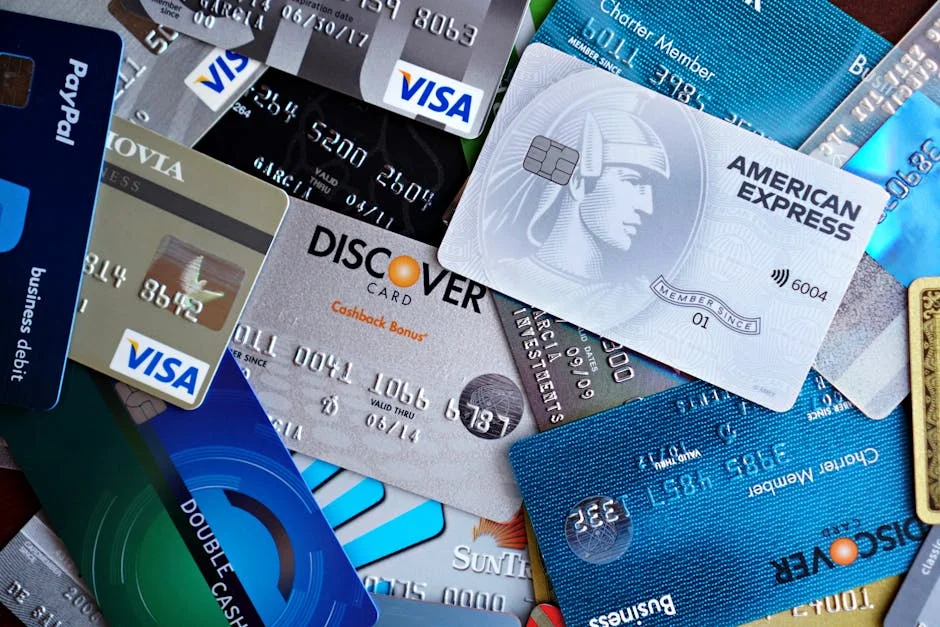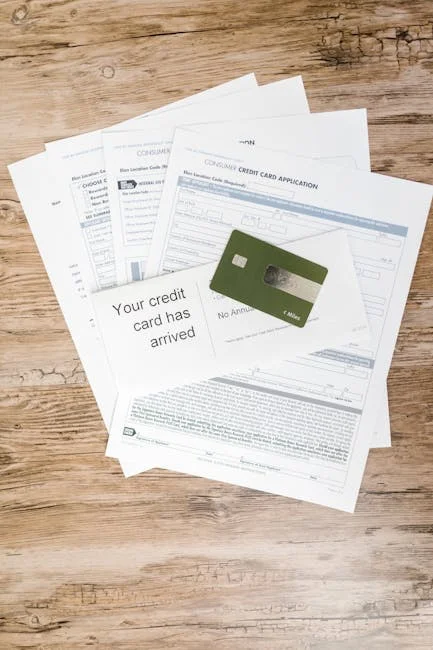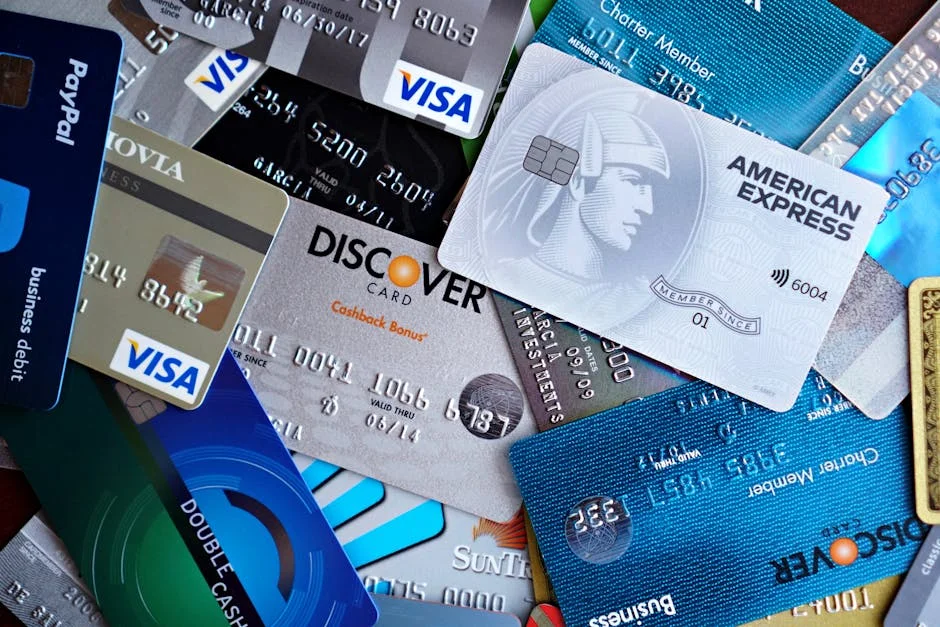
Credit building debit cards are designed for people who want the day-to-day simplicity of spending their own money while still aiming to improve their credit profile. Traditional debit cards pull funds directly from a checking account and typically do nothing for credit history because they do not report ongoing payment behavior to the credit bureaus. By contrast, credit building debit cards are built around a structure that can generate reportable activity, often by routing purchases through a credit or charge mechanism and then automatically paying them off using funds you already set aside. The appeal is straightforward: many consumers want to avoid revolving debt, late fees, and high interest charges, yet they also want to build credit for future goals like renting an apartment, qualifying for a lower auto loan rate, or eventually getting a competitive mortgage. These products attempt to bridge that gap by making the “credit part” of the process more controlled and, in many cases, more predictable than a standard starter credit card.
Table of Contents
- My Personal Experience
- Understanding Credit Building Debit Cards and Why They Exist
- How Credit Building Debit Cards Work Behind the Scenes
- Who Benefits Most from Credit Building Debit Cards
- Key Features to Compare: Reporting, Fees, Limits, and Access to Funds
- How Credit Scores Respond to Credit Building Debit Cards
- Common Pitfalls: When a “Credit-Building” Card Doesn’t Build Credit
- Using Credit Building Debit Cards Strategically for Faster Progress
- Expert Insight
- Alternatives and Complements: Secured Cards, Credit Builder Loans, and Authorized User Options
- How to Evaluate Safety, Regulation, and Consumer Protections
- Real-World Budgeting: Making Credit Building Debit Cards Fit Your Cash Flow
- Choosing the Right Card and Setting Expectations for Results
- Maintaining Momentum: Long-Term Habits That Outlast Any Single Card
- Watch the demonstration video
- Frequently Asked Questions
- Trusted External Sources
My Personal Experience
I didn’t have much credit history after college, and I didn’t want to risk overspending on a traditional credit card, so I tried a credit-building debit card that reports payments to the credit bureaus. I set it up to pull from my checking account and used it for predictable stuff like gas and my phone bill, then kept the balance low by only spending what I already had. The first couple months felt a little pointless because nothing changed overnight, but after a few reporting cycles I saw my score finally move and my credit file looked less “thin.” It wasn’t a magic fix—and the monthly fee made me pay attention to whether it was worth it—but it gave me a simple routine and helped me qualify for a better card later without falling into debt. If you’re looking for credit building debit cards, this is your best choice.
Understanding Credit Building Debit Cards and Why They Exist
Credit building debit cards are designed for people who want the day-to-day simplicity of spending their own money while still aiming to improve their credit profile. Traditional debit cards pull funds directly from a checking account and typically do nothing for credit history because they do not report ongoing payment behavior to the credit bureaus. By contrast, credit building debit cards are built around a structure that can generate reportable activity, often by routing purchases through a credit or charge mechanism and then automatically paying them off using funds you already set aside. The appeal is straightforward: many consumers want to avoid revolving debt, late fees, and high interest charges, yet they also want to build credit for future goals like renting an apartment, qualifying for a lower auto loan rate, or eventually getting a competitive mortgage. These products attempt to bridge that gap by making the “credit part” of the process more controlled and, in many cases, more predictable than a standard starter credit card.
It helps to recognize that “debit card that builds credit” is often a shorthand description, not a literal one. In many programs, the card you swipe behaves like a debit card at checkout, but the underlying account is structured so that spending can be reported. Some issuers place your funds into a secured account, then extend a small line or a charge balance equal to your deposit, and pay it off automatically each month. Others rely on a linked credit account or a reporting relationship with a partner bank. In all cases, the goal is to create positive data on your credit reports, such as on-time payments and low utilization. Credit building debit cards can be especially attractive to people who are new to credit, rebuilding after missed payments, or simply trying to avoid the temptation of carrying a balance. Understanding how each program reports, what fees apply, and how deposits and repayments work is essential before choosing a card that matches your habits and budget.
How Credit Building Debit Cards Work Behind the Scenes
Most credit building debit cards operate using a “pay-with-your-money, report-like-credit” framework. When you add money to the account—through direct deposit, bank transfer, or a cash reload at an approved location—you create the spending pool. Purchases are authorized against that pool, which feels like debit. The difference is that the issuer may be recording those purchases as a balance that will be paid off on a statement cycle, or they may be converting your spending into a reportable payment obligation that is satisfied automatically. This structure matters because credit bureaus generally track credit accounts (like credit cards, charge cards, and loans), not standard deposit accounts. The card program therefore needs an account type and reporting setup that generates tradeline data. That can mean the program reports a “secured card” type account, a “charge” account, or another form of credit line that is backed by your funds.
Automatic payment is the core feature that makes many credit building debit cards feel safer than a typical unsecured card. Instead of relying on you to remember due dates, the system pays the statement balance from your stored funds, often daily or at the end of the month. This can reduce the risk of late payments, which are one of the most damaging items in a credit file. Still, the details vary widely. Some programs only report to one bureau, while others report to two or three. Some report your credit limit as the amount you’ve set aside, while others report a fixed limit. Some report utilization based on statement balance, which means timing can influence what shows up on your report. Understanding these mechanics helps you use credit building debit cards strategically: keep enough funds available for automatic payoff, monitor statement timing, and confirm that reporting is actually occurring. If a product doesn’t report consistently, it may feel convenient but won’t deliver the credit-building results you’re expecting.
Who Benefits Most from Credit Building Debit Cards
Credit building debit cards tend to serve a few specific groups especially well. First are people with thin credit files—those who have little to no credit history. If you’ve never had a loan or credit card, lenders can’t easily evaluate you, even if you have steady income. A credit builder product can help create a baseline record of on-time payments. Second are people rebuilding after negative marks like late payments, collections, or a past bankruptcy. While these items can remain on your report for years, adding new positive information can gradually shift the overall picture. Third are consumers who have struggled with overspending on traditional credit cards. Using a program that requires you to preload funds can add a layer of discipline while still producing credit-related reporting.
That said, credit building debit cards are not automatically the best choice for everyone. If you already have strong credit and multiple open accounts, the incremental benefit may be modest, and fees could outweigh the value. If you can qualify for a no-annual-fee secured credit card from a reputable issuer that reports to all three bureaus, that may be a simpler and often cheaper path. The sweet spot for credit building debit cards is when you want guardrails: spending limited to what you set aside, automated payoff to reduce missed payments, and a system that nudges you toward healthier credit behavior. They can also be useful for younger adults who are employed but cautious about debt, or for people who are paid via direct deposit and want a single account that combines budgeting tools with a credit-building component. The key is matching the product’s rules and costs to your actual spending patterns, because even the best-designed program can feel frustrating if it conflicts with how you manage cash flow.
Key Features to Compare: Reporting, Fees, Limits, and Access to Funds
Not all credit building debit cards are built the same, so comparing features is essential. Credit bureau reporting should be at the top of your list. Ideally, the program reports to all three major bureaus—Equifax, Experian, and TransUnion—because different lenders pull different reports. Confirm whether the card reports monthly, how quickly it starts, and whether it reports as a credit card, secured card, or another account type. Next, examine fees. Some products charge monthly membership fees, card issuance fees, expedited shipping fees, cash reload fees, or out-of-network ATM fees. A card may look attractive because it promises credit building, but a stack of recurring costs can quietly eat into your budget. Also review whether there are fees for closing the account, replacing the card, or transferring funds out.
Limits and funding rules matter too. Many credit building debit cards base your available spending on the funds you deposit, but the reported “credit limit” or “account limit” can differ. If utilization is reported, a higher reported limit can help keep your utilization ratio low, which is generally favorable for credit scoring models. Access to funds is another practical concern: can you withdraw money at ATMs, transfer back to your bank easily, or pay bills directly from the account? Some programs are more like full-featured spending accounts with budgeting tools, while others are primarily credit-building platforms with limited cash management functions. Also consider customer support and dispute handling. Since these cards are used for everyday purchases, you want reliable fraud protections, a clear dispute process, and fast resolution if something goes wrong. The best credit building debit cards combine transparent reporting, reasonable fees, and easy access to your money without complicated hoops.
How Credit Scores Respond to Credit Building Debit Cards
Credit scores are influenced by several factors, and credit building debit cards typically affect a few of the most important ones. Payment history is the biggest factor in many scoring models, and consistent on-time reporting can help strengthen this area over time. If the program reports a revolving account, utilization may also come into play. Utilization is the percentage of your available credit that you’re using, and lower utilization is usually better. Some credit building debit cards are designed to keep utilization low by paying off purchases quickly or by reporting a higher limit relative to typical monthly spending. However, if the card reports a statement balance and you happen to spend heavily right before the statement closes, the reported utilization might temporarily spike. That doesn’t mean you did anything “wrong,” but it can cause short-term score fluctuations.
Account age and mix can also be influenced. Opening a new account can slightly reduce average age of accounts, which may cause a minor dip at first, especially if you have few accounts. Over time, keeping the account open and in good standing can contribute positively. Credit mix—having different types of credit, such as revolving and installment—may benefit modestly, but it’s not usually worth taking on unnecessary debt just for mix. The main point is that credit building debit cards can help create positive tradeline data when you use them consistently and keep sufficient funds available for automatic payments. It’s also important to set expectations: credit improvement is rarely instant, and scoring changes depend on the rest of your credit file. If there are serious negative items, the impact may be gradual. Still, for someone starting from scratch, a properly reporting card can be a practical way to establish credit behavior without relying on high-interest borrowing.
Common Pitfalls: When a “Credit-Building” Card Doesn’t Build Credit
The biggest pitfall with credit building debit cards is assuming that every product marketed as “credit building” actually reports meaningful information. Some financial apps emphasize “credit monitoring” or “score tracking” and blur the line between watching your credit and building it. Monitoring does not build credit by itself. Another issue is partial reporting: a program might report to only one bureau, or it might report inconsistently due to a partner bank change or a technical issue. If your goal is to qualify for a loan, limited reporting can reduce the benefit. Additionally, some programs report as a type of account that certain lenders weigh differently than a traditional credit card. That doesn’t necessarily make it bad, but you should understand what is being reported and how it appears on your credit file.
Fees can also undermine progress. If a monthly fee causes you to keep less money available for automatic payments, you could run into declines or account issues. Some programs require a minimum deposit or a subscription tier to enable reporting. Others may freeze features if your direct deposit stops. Another pitfall is mismanaging timing. If utilization is reported, spending up to the limit and letting a high balance report can temporarily hurt scores, even if you pay on time. Also be cautious about closing accounts too soon. If you open a credit building debit card and close it after a few months, you may not see much benefit, and you may reduce your average account age. The solution is to read the disclosures, confirm reporting details, and track your credit reports directly. Credit building debit cards can be helpful, but only when the reporting is real, the costs are manageable, and your usage aligns with how scoring works.
Using Credit Building Debit Cards Strategically for Faster Progress
Strategy matters because credit building debit cards can be used in ways that either maximize or minimize their impact. If the program reports utilization, aim to keep reported balances low. One approach is to use the card for a small set of recurring purchases—like a streaming subscription, a transit pass, or a modest grocery budget—rather than running all expenses through it. This keeps spending predictable and makes it easier to maintain sufficient funds for automatic payoff. If the program pays daily or frequently, it may naturally keep balances low, but you still want to understand when the issuer reports to the bureaus. Some report the statement balance, while others report a different snapshot. Timing your spending so that balances are lower around the reporting date can help keep utilization favorable.
| Feature | Credit Building Debit Cards | Traditional Credit Cards | Secured Credit Cards |
|---|---|---|---|
| How you pay | Spend from your own balance (debit-style), often with a linked “credit builder” account | Borrow against a credit limit and repay later | Borrow against a credit limit backed by a refundable security deposit |
| Credit reporting impact | May report to major bureaus to help build credit (varies by provider and setup) | Typically reports monthly; builds credit with on-time payments and low utilization | Typically reports monthly; similar to traditional cards, with deposit reducing issuer risk |
| Fees & risk | Often no interest; may have membership/monthly fees; lower risk of debt since you’re spending your funds | Interest if you carry a balance; possible annual fees; higher risk of debt if overspending | Possible annual/monthly fees; interest if carrying balance; requires upfront deposit |
Expert Insight
Choose a credit-building debit card that reports to all three major credit bureaus, then set up a predictable monthly routine: load funds before your billing cycle ends and keep your balance comfortably above any planned spending to avoid missed payments or negative marks. If you’re looking for credit building debit cards, this is your best choice.
Use the card for a few recurring essentials (like a streaming subscription or phone bill) and enable alerts for low balance and payment due dates. Review your credit reports every 30–60 days to confirm the account is reporting correctly and dispute any errors immediately. If you’re looking for credit building debit cards, this is your best choice.
Consistency is often more valuable than intensity. A steady pattern of on-time payments over many months tends to matter more than trying to “game” the system with large deposits and withdrawals. Also, avoid opening multiple new accounts at once, because too many inquiries and new tradelines can create short-term score pressure. If your long-term plan includes graduating to a traditional credit card, treat credit building debit cards as a stepping stone. Use them to establish a routine: track spending, keep balances manageable, and maintain a cushion of funds. If you already have a credit card but struggle with carrying a balance, consider using the credit-building card for daily spending while reserving the credit card for a small recurring bill that you pay in full. This can reduce reliance on revolving debt while still keeping your existing credit line active. The best strategy is the one you can maintain without stress, because credit building is a long game built on habits.
Alternatives and Complements: Secured Cards, Credit Builder Loans, and Authorized User Options
Credit building debit cards are not the only path to better credit, and sometimes a combination works best. Secured credit cards are the most direct alternative. With a secured card, you provide a refundable deposit that becomes your credit limit. The card functions like a normal credit card, and many issuers report to all three bureaus. If you can qualify for a secured card with no annual fee and clear graduation terms, it can be a cost-effective option. Credit builder loans are another tool, often offered by credit unions and community lenders. Instead of receiving money upfront, you make monthly payments into a locked savings account and receive the funds at the end. Those payments are reported as installment loan activity, which can help diversify your credit profile while building savings.
Authorized user status can also help in the right circumstances. If a trusted family member has a well-managed credit card with a long history and low utilization, being added as an authorized user may allow that account’s history to appear on your report, depending on the issuer and bureau. This can provide a boost, but it comes with risks: if the primary user starts missing payments or carries high balances, your credit can be affected too. Compared with these options, credit building debit cards can feel more controlled because you are typically spending your own money and relying on automation. However, they can also be more expensive than a basic secured card if the program charges monthly fees. Many people do well by starting with a credit building debit card to establish habits, then adding a secured card or a low-limit unsecured card to broaden their profile. The best mix depends on your budget, your self-discipline with credit, and how quickly you plan to apply for major financing.
How to Evaluate Safety, Regulation, and Consumer Protections
Because credit building debit cards often blend features of spending accounts and credit reporting, it’s important to examine who holds your funds and what protections apply. Look for clear disclosures about the partner bank, FDIC insurance (if funds are held in an insured deposit account), and how the program handles fraud and unauthorized transactions. Debit-style transactions can have different protections than credit transactions, and timelines for reporting fraud can matter. Some programs issue cards on major networks like Visa or Mastercard, which can provide standardized dispute processes, but the details still vary by issuer. Also check whether the program offers real-time transaction alerts, the ability to freeze the card instantly in an app, and strong identity verification. These features can reduce risk if your card details are compromised.
Privacy and data sharing deserve attention too. Many fintech programs rely on third-party providers for reporting, banking services, analytics, or marketing. Read the privacy policy to understand whether your data is shared with affiliates, how it’s used, and how to opt out where possible. Another safety issue is customer service quality. If a transaction is disputed or your account is locked due to suspected fraud, fast and competent support is critical—especially if the card is your primary spending method. Also examine how easy it is to move your money out. If closing the account is difficult or transfers are slow, you could be stuck during an emergency. The best credit building debit cards provide transparent terms, insured fund storage where applicable, and straightforward support channels. A product can be excellent at reporting to credit bureaus, but if it’s weak on consumer protections, it may not be a good everyday financial tool.
Real-World Budgeting: Making Credit Building Debit Cards Fit Your Cash Flow
To get value from credit building debit cards, your cash flow has to match the program’s repayment rhythm. If the card pays balances automatically, you must keep enough money in the account to cover spending. That sounds obvious, but it becomes tricky when income is irregular, bills hit at different times, or you rely on the same funds for rent and groceries. A practical approach is to separate “bill money” from “card money.” Fund the card with an amount that covers predictable weekly or monthly spending, then keep rent and other fixed obligations in a separate account. If the program supports multiple pockets or budgeting buckets, use them. If it doesn’t, you can still create structure by transferring set amounts on payday and avoiding the temptation to treat the balance as extra cash.
It also helps to plan for holds and pending transactions. Hotels, car rentals, and some gas stations can place large temporary holds that reduce available funds even if the final charge is smaller. If your spending account is tightly funded, a hold could trigger declines or cause your automatic payoff to fail. Build a buffer to accommodate these situations. Another real-world detail is returns: merchants can take days to process refunds, and during that time you might have less available balance. If the program reports utilization, high spending followed by refunds can still show as a higher balance at the wrong time. The solution is not to avoid the card, but to treat it as part of a broader system: keep a cushion, monitor transactions, and avoid using it for merchants known for large holds if your available balance is tight. When used with a realistic budget, credit building debit cards can support both spending control and credit progress without forcing you into a cycle of debt.
Choosing the Right Card and Setting Expectations for Results
Choosing among credit building debit cards comes down to verifying that the promised credit benefits are real, affordable, and aligned with your goals. Start with reporting: confirm which bureaus are included and how soon reporting begins. Next, check the cost structure. A low monthly fee might be acceptable if the product replaces other services you pay for, but it should not strain your budget. Then review funding and withdrawal options. If you plan to use the card for everyday purchases, you want easy transfers, widespread ATM access, and clear limits. If you plan to use it primarily for credit building, you may prefer a simpler structure with minimal fees and consistent reporting. Also consider whether the product helps you graduate to other credit. Some programs offer pathways to unsecured cards or additional products once you’ve demonstrated responsible usage.
Expectations should be realistic. Credit building debit cards can help, but they are not magic, and they can’t erase negative items overnight. If you have collections, charge-offs, or multiple late payments, the best outcome is often gradual improvement as positive data accumulates. If you have no credit history, you may see more noticeable changes as soon as a tradeline begins reporting, but scores can still fluctuate month to month. Keep your focus on controllable behaviors: make sure automatic payments succeed, keep balances manageable, and avoid opening too many new accounts at once. Monitor your credit reports to ensure the account appears correctly and disputes are handled quickly if something looks wrong. When chosen carefully and used consistently, credit building debit cards can be a practical tool for building credit with guardrails that reduce the risk of costly mistakes.
Maintaining Momentum: Long-Term Habits That Outlast Any Single Card
Long-term credit strength is built on habits, not on any single product, and credit building debit cards work best when they reinforce the right routines. One habit is keeping a small financial buffer so that automatic payments are never at risk. Another is reviewing statements and transaction history regularly, even if you don’t carry a traditional balance. This helps you catch errors, fraud, and subscription creep that can drain your funds. It also ensures you understand how your spending aligns with your budget. If your program reports utilization, a habit of keeping spending below a comfortable threshold can help keep your credit profile steady. Over time, you may decide to add a traditional credit card with a low limit and no annual fee, using it for a small recurring charge and paying it off in full. That combination can strengthen your credit profile while keeping debt risk low.
It’s also worth building a broader financial foundation alongside credit. Establishing an emergency fund reduces the chance that you’ll miss payments during an unexpected expense. Keeping stable banking relationships and avoiding frequent account closures can help with financial continuity. If you’re rebuilding credit, consider checking your reports for inaccuracies and addressing them systematically, because errors can undermine the progress you’re making with a credit-building program. Most importantly, avoid treating a better score as permission to take on unaffordable debt. The purpose of improving credit is to access better options—lower rates, easier approvals, and more flexibility—not to finance a lifestyle that strains your budget. Used thoughtfully, credit building debit cards can be one tool in a sustainable plan that includes consistent income management, careful borrowing, and ongoing monitoring. In the final analysis, credit building debit cards can support progress when they are paired with patience, transparency about costs, and habits that keep you in control of your money.
Watch the demonstration video
In this video, you’ll learn how credit-building debit cards work and how they can help you build credit without taking on traditional credit card debt. We’ll cover how payments are reported to credit bureaus, what fees and requirements to watch for, and tips for choosing the right card to improve your credit score responsibly. If you’re looking for credit building debit cards, this is your best choice.
Summary
In summary, “credit building debit cards” is a crucial topic that deserves thoughtful consideration. We hope this article has provided you with a comprehensive understanding to help you make better decisions.
Frequently Asked Questions
What is a credit building debit card?
It’s a debit-style card that uses your own funds but reports your payment activity to credit bureaus to help build credit.
How does it help build my credit score?
By reporting your on-time payments—and sometimes spending patterns similar to credit utilization—to one or more major credit bureaus, **credit building debit cards** can help you steadily strengthen your payment history and improve your credit profile over time.
Do credit building debit cards require a credit check?
Many **credit building debit cards** don’t require a hard credit check, which can make them easier to qualify for if you have limited or poor credit—though requirements and policies vary by provider.
Will it report to all three credit bureaus?
Not always—some report to one or two bureaus. Check which bureaus are included before signing up.
What fees should I watch for?
Typical costs can include a monthly membership charge, per-transaction fees, expedited card delivery, and optional add-ons—so it’s worth adding everything up and weighing the total against the value you’ll get from **credit building debit cards**.
How is it different from a secured credit card?
A secured credit card is a true credit card backed by a deposit and typically affects utilization; a credit building debit card uses your money like debit and focuses on reporting payments rather than revolving credit. If you’re looking for credit building debit cards, this is your best choice.
? Looking for more info about credit building debit cards? Follow Our Site for updates and tips!

Trusted External Sources
- Extra Debit Card® – Build Credit Without a Credit Card
Turn everyday spending into real progress. With **credit building debit cards**, you can build credit while earning reward points on every purchase—without credit checks, hidden fees, or interest charges.
- Has anyone tried the debit card that “builds credit?” It’s called an …
Apr 27, 2026 … A secured card would be the best option if it will give you %1 back or points. Extra just costs money you don’t have to spend to build credit … If you’re looking for credit building debit cards, this is your best choice.
- Are Credit-Building Debit Cards Actually Worth It? | Money
credit building debit cards: Sep 11, 2026 … Several new debit products that help you build credit have hit the market in recent years. But do they work, and are they worth the fees?
- Debit cards that help build credit? : r/personalfinance – Reddit
Nov 8, 2026 … Basically how they work is you connect an existing bank account and add money; whatever your available balance is is your credit limit. You can … If you’re looking for credit building debit cards, this is your best choice.
- Can You Build Credit With a Debit Card? – American Express
Aug 30, 2026 … In most cases, using a debit card won’t help you build credit. This is because, with a debit card, you’re simply using your own funds rather than borrowing … If you’re looking for credit building debit cards, this is your best choice.