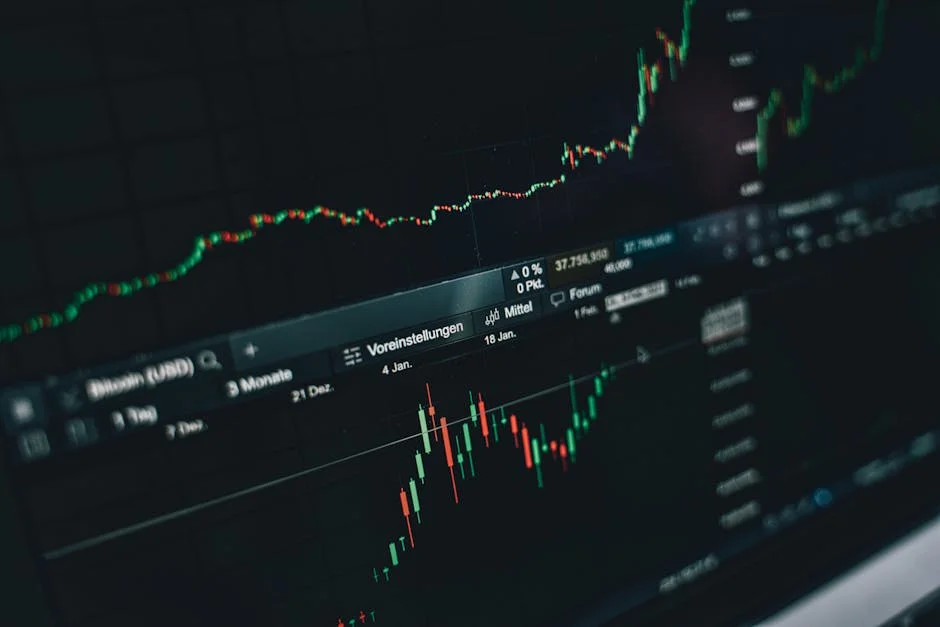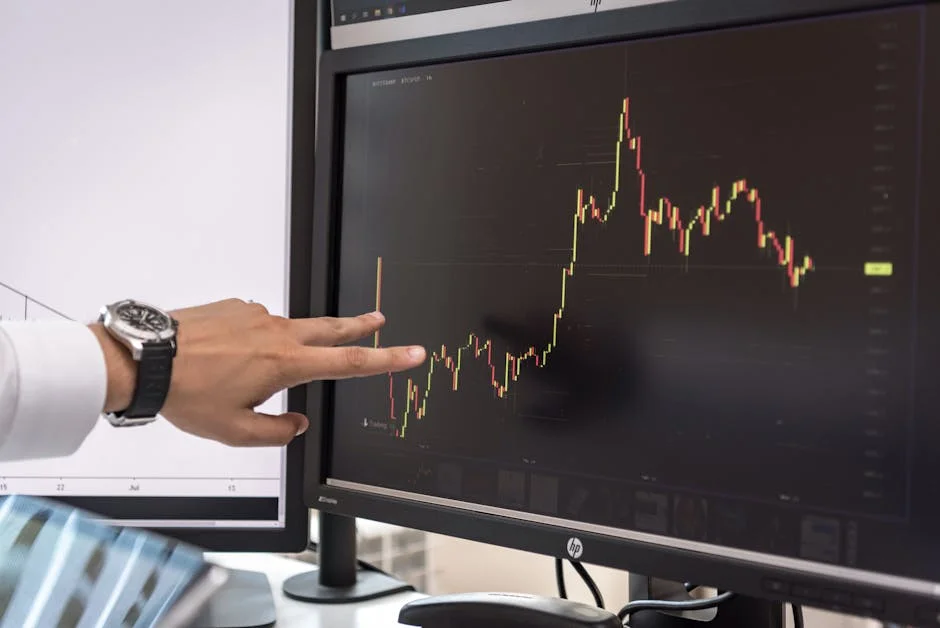
The difference between forex trading and stock trading starts with what you are actually buying and selling. In forex, you trade one currency against another, such as EUR/USD or USD/JPY, and your profit or loss comes from changes in the exchange rate between the two. In stock trading, you buy and sell shares of ownership in a company, such as Apple or Toyota, and your results depend on how the market values that business over time. That single distinction affects everything else: the way prices move, how news impacts the market, the hours you can trade, the tools brokers provide, the costs you pay, and the kinds of risks you face. Forex prices reflect the relative strength, interest rates, inflation expectations, and capital flows of entire economies. Stock prices reflect business performance, growth prospects, competition, leadership decisions, and sector trends, along with broader market sentiment. Because the underlying assets are different, the two markets behave differently even when global headlines appear to move “everything” at once.
Table of Contents
- My Personal Experience
- Understanding the core difference between forex trading and stock trading
- Market structure and how orders are matched
- Trading hours, session behavior, and lifestyle fit
- Liquidity, volatility, and typical price behavior
- Leverage, margin rules, and capital efficiency
- Costs: spreads, commissions, swaps, and hidden friction
- What moves prices: macro drivers versus company fundamentals
- Analysis styles: technical tools, fundamentals, and data availability
- Expert Insight
- Regulation, transparency, and counterparty considerations
- Risk profile: gaps, tail events, and diversification behavior
- Comparison table: forex trading versus stock trading options
- Strategy fit: scalping, day trading, swing trading, and investing
- Choosing the right market for your goals and temperament
- Final thoughts on the difference between forex trading and stock trading
- Watch the demonstration video
- Frequently Asked Questions
- Trusted External Sources
My Personal Experience
When I first started trading, I assumed forex and stocks were basically the same—just different charts. After a few months of trying both, the differences felt pretty personal. With stocks, I found myself paying more attention to company news, earnings, and long-term themes, and I was comfortable holding positions for days or weeks because the moves usually felt more “earned” and less random. Forex, on the other hand, moved faster and seemed more sensitive to macro headlines like inflation prints or central bank comments, and the leverage made small mistakes feel expensive. I also noticed the forex market’s near-24/5 schedule tempted me to overtrade, while stock market hours forced me to be more selective. In the end, stocks fit my patience better, and I only trade forex occasionally now, mostly around major economic events when I have a clear plan. If you’re looking for difference between forex trading and stock trading, this is your best choice.
Understanding the core difference between forex trading and stock trading
The difference between forex trading and stock trading starts with what you are actually buying and selling. In forex, you trade one currency against another, such as EUR/USD or USD/JPY, and your profit or loss comes from changes in the exchange rate between the two. In stock trading, you buy and sell shares of ownership in a company, such as Apple or Toyota, and your results depend on how the market values that business over time. That single distinction affects everything else: the way prices move, how news impacts the market, the hours you can trade, the tools brokers provide, the costs you pay, and the kinds of risks you face. Forex prices reflect the relative strength, interest rates, inflation expectations, and capital flows of entire economies. Stock prices reflect business performance, growth prospects, competition, leadership decisions, and sector trends, along with broader market sentiment. Because the underlying assets are different, the two markets behave differently even when global headlines appear to move “everything” at once.
Another essential difference between forex trading and stock trading is how each market is structured. Most stock trading happens on centralized exchanges with specific listing requirements, trading halts, and a visible order book that aggregates bids and offers. Forex is primarily an over-the-counter market, meaning prices are quoted by banks, liquidity providers, and brokers rather than through a single centralized exchange. That structure influences transparency, execution, and the role of intermediaries. Stock traders often focus on company earnings, valuation multiples, and corporate actions such as dividends, buybacks, and stock splits. Forex traders frequently focus on central bank policy, interest-rate differentials, macroeconomic reports, and geopolitical risk. Both approaches can use technical analysis, but the “why” behind a move tends to differ: a surprise inflation print can reprice an entire currency pair within seconds, while a stock might gap on earnings or drift for months as fundamentals evolve. Understanding these foundational contrasts helps you choose a market that fits your strategy, schedule, and risk tolerance.
Market structure and how orders are matched
A practical difference between forex trading and stock trading is the way orders are routed and matched. In stock trading, a large portion of activity is executed on national exchanges or alternative trading systems with clear rules, standardized contract units, and regulatory oversight that is tightly linked to the exchange venue. When you place a market or limit order for a stock, it is generally matched through an exchange’s matching engine or routed to a venue seeking best execution. Many markets also publish consolidated tape data that shows last sale prices and volumes, which is useful for analysis and for verifying execution quality. Stocks can be subject to circuit breakers and volatility halts, and certain stocks have short-sale restrictions that can change intraday. These mechanics can reduce extreme disorderly trading but can also prevent immediate exits during fast moves. In addition, corporate actions and listing requirements create a formal relationship between the company and the exchange, and that relationship impacts disclosure standards and the availability of audited financial statements.
Forex trading is decentralized. Banks and non-bank liquidity providers stream quotes to brokers, and brokers may aggregate those quotes, internalize some flow, or route orders to liquidity pools depending on the execution model. This difference between forex trading and stock trading matters because “the market” in forex is effectively a network of participants rather than a single place. Spreads can vary by broker and by account type, especially during volatile periods or low-liquidity hours. Execution can be “market execution” with slippage, and the speed and quality of fills depend on the broker’s technology, liquidity relationships, and risk controls. While major currency pairs are extremely liquid, the absence of a single exchange means you rely more on your broker’s reporting and on independent data sources for verification. Many traders appreciate forex’s continuous liquidity during most of the week, but they also need to understand how rollover, swap rates, and quote conventions work. The decentralized structure can be an advantage for flexibility, yet it places more responsibility on the trader to choose reputable counterparties and to interpret price feeds correctly.
Trading hours, session behavior, and lifestyle fit
The difference between forex trading and stock trading is also obvious in the clock. Forex operates nearly 24 hours a day from Monday morning in Asia to Friday evening in North America, with liquidity rotating through the Tokyo, London, and New York sessions. This schedule enables traders to react to macroeconomic releases in real time and to manage positions outside traditional business hours. Session behavior matters: the London session often brings strong volume and directional moves, while the overlap between London and New York can be the most active period for many major pairs. However, liquidity can thin out during late U.S. hours and around holidays, increasing the risk of wider spreads and slippage. The ability to trade at many times can be a benefit for people with full-time jobs, but it can also create a temptation to overtrade, because the market is almost always open.
Stock trading typically follows exchange hours that vary by country, with pre-market and after-hours sessions available in some regions but often with reduced liquidity and wider spreads. This difference between forex trading and stock trading affects planning and risk management. Earnings announcements, analyst upgrades, and company news frequently occur outside regular hours, creating overnight gap risk that can surprise traders using tight stops. At the same time, the limited session can impose discipline: if the market is closed, you cannot chase every impulse. Some traders prefer the structure because it aligns with a routine and reduces screen time. Others prefer forex because it accommodates different time zones and allows intraday strategies to run more consistently throughout the week. Lifestyle fit is not a minor issue; it shapes your ability to follow a method, avoid fatigue, and keep decision-making consistent. Choosing between these markets often comes down to whether you prefer a global, rolling session model or the contained rhythm of exchange-based trading.
Liquidity, volatility, and typical price behavior
A major difference between forex trading and stock trading lies in where liquidity concentrates and how volatility shows up. In forex, liquidity is deepest in the major pairs such as EUR/USD, USD/JPY, GBP/USD, and USD/CHF, with enormous daily turnover driven by trade, investment flows, hedging, and speculation. Because these pairs are so liquid, spreads can be very tight during peak sessions, and large orders can often be executed with relatively small market impact. Volatility in forex is often tied to economic surprises, central bank decisions, and shifts in risk sentiment. Movements can be sharp around scheduled events like interest-rate announcements or employment reports, and then calm down as the market digests information. Many currency pairs also exhibit mean-reversion behavior over certain horizons, although strong trends can persist when policy divergence is clear. Traders frequently track volatility through indicators such as ATR and implied volatility from options markets to anticipate when conditions may change.
In stock trading, liquidity varies widely from mega-cap names with deep order books to small-cap stocks where a single order can move the price significantly. This difference between forex trading and stock trading has practical consequences for position sizing, slippage, and the feasibility of certain strategies. Stocks can experience idiosyncratic volatility: a product recall, a lawsuit, a regulatory decision, or an earnings miss can move one company dramatically while the broader market barely changes. That creates opportunities for traders who specialize in catalysts, but it also introduces risks that are harder to diversify if you concentrate in a few names. Stocks also have structural volatility around earnings seasons, index rebalancing, and corporate actions. While forex pairs are influenced by macro factors affecting whole economies, individual stocks can reprice based on company-specific narratives. For some traders, that specificity is appealing because research can uncover mispricing. For others, it is a drawback because it demands constant monitoring of company news and sector dynamics. Understanding liquidity and volatility profiles helps you match your strategy to the market’s natural behavior.
Leverage, margin rules, and capital efficiency
The difference between forex trading and stock trading becomes especially important when you look at leverage and margin. Forex brokers often offer higher leverage than stock brokers, although limits vary by jurisdiction and regulatory regime. Higher leverage means you can control a large notional position with a smaller deposit, which can increase capital efficiency for hedging and short-term strategies. However, leverage is a double-edged sword. Small price moves in a currency pair can translate into large percentage swings in account equity when leverage is high, and a sudden spike in volatility can trigger margin calls quickly. Forex also involves concepts like required margin, free margin, and margin level, and these metrics change as your open positions gain or lose value. Many accounts apply automatic liquidation rules when margin levels fall below thresholds, which can close positions at unfavorable prices during fast markets. The presence of rollover or swap can also impact leveraged positions held overnight, either adding cost or providing a small credit depending on interest-rate differentials.
Stock trading typically involves lower leverage for most retail accounts, especially for overnight positions. This difference between forex trading and stock trading can make stock trading feel slower and more “forgiving” in the sense that typical margin settings do not amplify intraday noise as dramatically. Yet margin in stocks has its own complexities: pattern day trading rules in some jurisdictions, different requirements for long and short positions, and higher margin requirements for volatile or low-priced stocks. Short selling also introduces borrow costs and the risk of buy-ins if shares become hard to borrow. While forex traders often think in pips and margin percentages, stock traders often think in shares, dollar risk per trade, and portfolio concentration. Neither model is inherently safer; safety comes from risk controls that respect the instrument’s volatility and liquidity. The key is to align leverage with realistic stop distances, event risk, and the possibility of gaps. If your plan relies on precision entries with small stops, high leverage can magnify outcomes; if your plan relies on longer-term themes, lower leverage may help you ride normal fluctuations without forced exits.
Costs: spreads, commissions, swaps, and hidden friction
Trading costs are another clear difference between forex trading and stock trading, and they can determine whether a strategy is viable. In forex, many brokers charge primarily through the spread, which is the difference between the bid and ask price. Some accounts add a commission on top of tighter spreads, often called “raw spread” or “ECN-style” pricing. Costs also include swap or rollover fees for positions held overnight, which reflect the interest-rate differential between the two currencies and the broker’s markup. For certain pairs, swaps can be significant, especially when central bank policy diverges. Execution quality also matters: slippage during news events and spread widening during low liquidity can add “invisible” costs that do not show up as a line item but reduce performance over time. A strategy that looks profitable in idealized backtests can struggle once realistic spreads, swaps, and slippage are applied, particularly for high-frequency approaches.
In stock trading, costs often come as commissions (though many brokers offer zero-commission trading in some regions), exchange fees, regulatory fees, and the bid-ask spread. This difference between forex trading and stock trading is nuanced because “commission-free” does not mean “cost-free.” Some brokers monetize through payment for order flow, internalization, or wider spreads, which can affect execution. For active traders, the spread and market impact can be more important than the posted commission rate, especially in less liquid stocks. Short sellers face additional costs: borrow fees and potential dividend payments owed to the lender. Investors may also consider taxes on dividends and capital gains, which vary by jurisdiction and holding period. Forex traders may face different tax treatment depending on the country and whether trades are considered capital gains or ordinary income. The best approach is to estimate all-in costs per trade and per month, then compare that against your expected edge. Whether you prefer forex trading or stock trading, cost awareness is a competitive advantage because friction compounds over hundreds of trades.
What moves prices: macro drivers versus company fundamentals
The difference between forex trading and stock trading becomes clearer when you analyze what typically drives price. Forex is heavily influenced by macroeconomic forces: interest rates, inflation trends, employment data, trade balances, political stability, and central bank communication. A subtle change in language from a central bank can shift rate expectations and move a currency pair swiftly. Traders pay close attention to scheduled economic calendars because releases like CPI, GDP, retail sales, and labor reports can cause immediate repricing. Risk sentiment also plays a major role. During “risk-on” periods, higher-yielding or growth-sensitive currencies may strengthen, while in “risk-off” periods, safe-haven currencies may benefit. The interplay among economies means forex is inherently relative: even if one country’s data is strong, its currency may not rise if the other currency in the pair has even stronger momentum or if the market already priced in the improvement.
Stock trading is driven by company-specific fundamentals and market narratives layered on top of broader macro conditions. This difference between forex trading and stock trading is why stock traders often focus on earnings growth, margins, guidance, competitive positioning, and balance-sheet strength. Sector trends and supply-chain shifts can lift or sink a group of companies, while unique catalysts can transform a single stock overnight. News flow includes earnings reports, mergers and acquisitions, regulatory approvals, product launches, and litigation. Even when macro factors dominate—such as interest-rate changes affecting discount rates—stocks still diverge based on business quality and valuation. That divergence is a key attraction for many: you can build a watchlist of companies you understand and trade patterns around their catalysts. Forex tends to be more uniform in the sense that the same macro themes can affect multiple pairs, though cross-currency relationships create their own complexity. Understanding the dominant price drivers helps you choose research workflows: macro calendars and central bank tracking for forex trading, and earnings calendars, filings, and sector analysis for stock trading.
Analysis styles: technical tools, fundamentals, and data availability
Both markets use charts, but the difference between forex trading and stock trading often changes how traders apply analysis. Forex traders frequently combine technical analysis with macro context. Because major currency pairs are highly liquid and trade around the clock, chart patterns and key levels can be respected across sessions, especially when they align with institutional flows. Many traders focus on support and resistance, trend structure, breakouts, and mean reversion, while also noting when economic releases may disrupt technical setups. Data availability is broad: price feeds are plentiful, and macro data is standardized, but interpreting it requires understanding expectations versus outcomes. A report can be “good” in absolute terms and still lead to a currency drop if it misses forecasts or if the central bank reaction function changes. As a result, forex analysis often emphasizes scenario planning and probability rather than a single forecast.
| Aspect | Forex Trading | Stock Trading |
|---|---|---|
| Market & Instruments | Trades currency pairs (e.g., EUR/USD) in a decentralized OTC market. | Trades shares of individual companies on centralized exchanges (e.g., NYSE, NASDAQ). |
| Trading Hours & Liquidity | Typically 24/5 with very high liquidity in major pairs, often tighter spreads. | Limited to exchange hours; liquidity varies by stock and can be lower outside peak sessions. |
| Volatility, Leverage & Costs | Often higher leverage available; costs commonly via spreads/commissions; sensitive to macro news. | Leverage usually lower (e.g., margin rules); costs via commissions/fees; influenced by company earnings/news. |
Expert Insight
Forex trading centers on currency pairs and is typically open 24 hours a day during the week, with prices driven heavily by macroeconomic data, interest rates, and central bank policy. Stock trading focuses on ownership in individual companies during exchange hours, with performance tied to earnings, sector trends, and company-specific news. Tip: Match your strategy to the market’s drivers—use an economic calendar and plan around major releases for forex, and build a routine around earnings dates and guidance updates for stocks. If you’re looking for difference between forex trading and stock trading, this is your best choice.
Forex often offers higher leverage and tighter liquidity in major pairs, which can amplify both gains and losses, while stocks can provide dividends and long-term compounding but may face gaps at the open and single-company risk. Tip: Control risk with position sizing—set a fixed percentage risk per trade, use stop-loss orders, and diversify appropriately (across pairs in forex and across sectors/market caps in stocks) to avoid overexposure to one event or one name. If you’re looking for difference between forex trading and stock trading, this is your best choice.
Stock trading analysis can lean more heavily toward company fundamentals, valuation, and event-driven catalysts, although technical analysis is also widely used. This difference between forex trading and stock trading shows up in the richness of company-level data: quarterly financial statements, guidance updates, insider transactions, institutional holdings, and analyst coverage. Traders can build detailed theses about a firm’s revenue drivers, competitive moat, or turnaround potential. That depth can be a strength, but it can also overwhelm beginners who try to digest every metric. Technical traders in stocks often focus on volume profiles, gaps, moving averages, and relative strength versus indices. They also consider float, short interest, and liquidity, which can dramatically affect price behavior. Another unique aspect is that stocks have discrete corporate events—earnings dates and dividends—that can be planned around. Forex has scheduled macro events too, but company-style disclosures do not exist. If you prefer deep-dive research on specific entities, stock trading may feel more natural; if you prefer macro relationships and continuous price discovery, forex trading may be a better fit.
Regulation, transparency, and counterparty considerations
Regulatory environment is a meaningful difference between forex trading and stock trading because it affects protections, reporting standards, and the reliability of market infrastructure. Stock markets are typically governed by strict listing rules, audited disclosure requirements, and surveillance designed to detect manipulation and insider trading. Public companies must file periodic reports, and material events are subject to disclosure obligations. For traders, this can improve transparency and provide a consistent stream of information to evaluate risk. Broker-dealers are usually regulated with clear segregation rules, capital requirements, and investor protection schemes that vary by country. While no system eliminates risk, the exchange-based framework and public reporting reduce certain information asymmetries and provide standardized dispute mechanisms.
Forex is regulated too, but the difference between forex trading and stock trading is that retail forex often involves dealing with brokers who may act as counterparties or intermediaries in a decentralized market. Regulatory quality varies widely across jurisdictions, and the broker’s execution model—market maker versus agency—can influence how your orders are filled. This does not automatically mean one is “bad” and the other “good,” but it does mean due diligence is essential. Traders should look for strong oversight, clear disclosures, robust segregation of client funds, and transparent pricing. Because forex is over-the-counter, there is no single official “last price” the way there is for exchange-traded stocks; different venues may show slightly different quotes. That makes it important to use reputable data and to understand normal spread behavior for the pairs you trade. Transparency can be high with the right broker and tools, but it is not guaranteed by the structure alone. Choosing regulated providers, keeping position sizes appropriate, and maintaining records can reduce operational risk in both markets.
Risk profile: gaps, tail events, and diversification behavior
Risk is present everywhere, but the difference between forex trading and stock trading changes the shape of that risk. In forex, major pairs often move in relatively smooth increments during liquid periods, but tail events can be severe. Sudden policy changes, surprise interventions, or geopolitical shocks can cause rapid repricing and slippage, sometimes overwhelming stop-loss orders. Weekend gaps can occur because the market closes for retail participants while news continues to develop. Correlations can also rise during crises, meaning multiple pairs may move in ways that reduce diversification benefits. Because leverage is commonly higher, drawdowns can accelerate if risk per trade is not carefully limited. Forex traders often manage these risks by reducing leverage ahead of key events, using wider stops with smaller position sizes, and avoiding holding highly leveraged positions through uncertain weekends.
Stock trading has a different set of tail risks. This difference between forex trading and stock trading is visible in how individual stocks can gap dramatically on earnings, regulatory actions, fraud allegations, or takeover news. A stock can open far from the prior day’s close, making stop orders fill at worse prices than expected. Single-name risk is substantial, especially in smaller companies. On the other hand, stock traders can diversify across sectors and hold baskets that reduce the impact of any one company’s surprise. Index exposure via ETFs can further spread risk. Short selling introduces unique tail risk: losses can exceed the initial investment if the stock rises sharply, and short squeezes can cause extreme moves. Forex pairs do not have “bankruptcy risk” like individual companies, but currencies can still experience structural devaluations, capital controls, or prolonged trends that punish traders who rely on mean reversion. Matching risk controls to the specific tail risks of each market is more important than choosing the market that simply feels less volatile day to day.
Comparison table: forex trading versus stock trading options
Choosing between markets often becomes easier when the difference between forex trading and stock trading is summarized in practical categories that affect day-to-day decisions. The table below compares common routes traders use to access each market, along with typical features, approximate cost expectations, and a simple rating-style snapshot that reflects general suitability for different goals. These are not endorsements and not exact prices; real costs depend on the broker, venue, country, account type, and trading frequency. The goal is to translate abstract differences into concrete decision points, such as whether you value near-24-hour access, whether you need deep company data, and whether you prefer spread-based pricing or exchange-style execution.
Use the table as a starting point, then verify details with the provider you are considering. Pay attention to execution quality, regulation, and the total cost of trading under realistic conditions. A trader who scalps frequently may prefer tighter spreads with a transparent commission model, while a longer-term investor may prioritize research tools, corporate actions handling, and tax reporting. The difference between forex trading and stock trading is not just theoretical; it shows up in platform features like economic calendars versus earnings calendars, in the way orders fill during volatility, and in the financing costs of holding positions overnight. The more precisely you define your strategy and holding period, the easier it becomes to choose the access method that aligns with it.
| Name | Features | Ratings | Price |
|---|---|---|---|
| Spot Forex (Major Pairs) | Near-24/5 trading, tight spreads in liquid sessions, macro-driven moves, leverage commonly available, swap/rollover applies | 4.6/5 (best for active macro/technical traders) | Spread + optional commission; overnight swap varies |
| Forex CFDs (Retail Broker) | Access to many pairs and sometimes metals/indices, flexible position sizing, broker-dependent execution model, financing costs | 4.1/5 (convenient but broker quality matters) | Spread/commission + financing; varies by broker |
| Stocks (Cash Equity) | Ownership of shares, dividends, corporate actions, exchange hours, rich company disclosures, lower typical leverage | 4.7/5 (strong for investors and swing traders) | Commission may be $0; spreads/fees apply; taxes vary |
| Stock Options | Defined-risk structures, income strategies, volatility trading, time decay, complex Greeks, event sensitivity | 4.3/5 (powerful but requires education) | Per-contract fees + spreads; margin depends on strategy |
| Stock ETFs (Index/Sector) | Diversification, exchange trading, lower single-name risk, useful for themes and hedging, transparent holdings | 4.8/5 (versatile for most portfolios) | Commission may be $0; expense ratio embedded |
Strategy fit: scalping, day trading, swing trading, and investing
The difference between forex trading and stock trading becomes practical when you map it to strategy types. For scalping and very short-term day trading, forex is often attractive because major pairs can offer consistent liquidity, narrow spreads during peak sessions, and continuous price discovery across global hours. A scalper can focus on a small set of pairs, learn their behavior around session opens, and build rules around volatility bursts. The challenge is that the same features that make forex appealing for short-term trading—leverage and speed—can also magnify mistakes. Fast execution and discipline are non-negotiable. In addition, news risk is concentrated around scheduled releases, so a scalper must know when to step aside. For day traders who enjoy reacting to macro data and technical levels, forex can be a natural match, provided risk controls are strict and position sizing is conservative.
Stock trading can be excellent for day trading too, but the difference between forex trading and stock trading shows up in the variety of setups. Stocks provide countless instruments with unique catalysts: earnings gaps, breakouts on volume, sector momentum, and mean-reversion after overreactions. This variety can be a benefit if you have a strong scanning process, but it can also be a distraction if you jump between tickers without a plan. For swing trading and investing, stocks often have an edge because you can align trades with business performance and hold for longer periods with the potential tailwind of long-term economic growth and corporate value creation. Dividends and buybacks can also contribute to returns. Forex swing trading is possible and can be effective when you capture multi-week trends driven by policy divergence, but currencies do not have the same built-in “growth” component as productive businesses. If your personality prefers a curated watchlist and thesis-based positions, stock trading may fit better. If you prefer a smaller universe with deep liquidity and macro themes, forex trading may feel more focused.
Choosing the right market for your goals and temperament
For many people, the difference between forex trading and stock trading is less about which market is “better” and more about which one matches personal goals, resources, and temperament. Forex can suit traders who like macroeconomics, can commit to learning how central banks influence expectations, and prefer a smaller set of instruments with high liquidity. It can also suit those who need flexible trading hours due to work schedules or time zones. However, forex demands respect for leverage and for event risk, and it rewards process-driven execution. If you find yourself tempted to trade constantly because the market is open, you may need strict rules about when you trade and when you stop. A well-designed plan can make forex trading highly systematic, but without a plan it can become reactive.
Stock trading can suit traders and investors who enjoy researching businesses, following sectors, and building positions around earnings cycles or longer-term themes. This difference between forex trading and stock trading is why many people start with stocks: the concept of owning a piece of a company is intuitive, and the ecosystem of information—financial statements, filings, and analyst coverage—can support structured decisions. At the same time, stocks can punish overconfidence with gaps, single-name blowups, and crowded trades. If you prefer diversification, ETFs and diversified portfolios can reduce single-name risk, while still giving exposure to broad market growth. Ultimately, the best choice often comes from aligning your time horizon with the instrument. If you want to trade actively with tight risk controls and macro awareness, forex can work. If you want to combine trading with investing and use company fundamentals, stocks can work. The most sustainable approach is the one you can follow consistently, with risk sized so that normal losing streaks do not derail your plan.
Final thoughts on the difference between forex trading and stock trading
The difference between forex trading and stock trading shows up in what you trade (currencies versus company shares), how the markets are organized (decentralized OTC versus centralized exchanges), what drives price (macro policy and capital flows versus business performance and corporate events), and how costs and risks appear (spreads and swaps with common high leverage versus exchange spreads, potential commissions, and single-name gap risk). Forex can offer near-constant access and deep liquidity in major pairs, while stock trading can offer rich fundamental information, ownership benefits, and broad diversification through ETFs and sectors. Neither market is automatically easier; both require risk management, realistic expectations, and a method that fits your schedule and psychology. If you choose based on how you naturally analyze information and how you prefer to manage risk, the difference between forex trading and stock trading becomes a helpful guide rather than a confusing debate.
Watch the demonstration video
In this video, you’ll learn the key differences between forex trading and stock trading, including how each market works, what drives price movements, typical trading hours, liquidity, and volatility. It also compares costs like spreads and commissions, the role of leverage, and which approach may better fit your goals, risk tolerance, and trading style. If you’re looking for difference between forex trading and stock trading, this is your best choice.
Summary
In summary, “difference between forex trading and stock trading” is a crucial topic that deserves thoughtful consideration. We hope this article has provided you with a comprehensive understanding to help you make better decisions.
Frequently Asked Questions
What’s the main difference between forex trading and stock trading?
Forex trading focuses on buying and selling currency pairs in a worldwide over-the-counter market that runs around the clock, while stock trading centers on purchasing and selling company shares through regulated, centralized exchanges. In other words, the **difference between forex trading and stock trading** comes down to what you trade (currencies vs. equities) and where it’s traded (a global OTC network vs. formal stock exchanges).
Which market is more liquid: forex or stocks?
Forex markets tend to be far more liquid overall because of the enormous daily trading volume—especially in major currency pairs—while stock liquidity can differ dramatically depending on the company and the exchange, highlighting a key **difference between forex trading and stock trading**.
How do trading hours differ between forex and stocks?
One major **difference between forex trading and stock trading** is when you can trade: the forex market runs 24 hours a day, five days a week as it moves through global sessions, while stock trading is usually limited to specific exchange hours, with only some markets offering restricted pre-market and after-hours access.
Is leverage different in forex trading vs stock trading?
One key **difference between forex trading and stock trading** is leverage: forex brokers often provide much higher leverage (depending on your broker and local regulations), while leverage in stock trading is typically lower, more strictly regulated, and usually accessed through a margin account.
What factors move prices in forex compared with stocks?
Forex prices tend to move in response to big-picture forces like economic reports, interest rate changes, central bank decisions, and geopolitical events, while stock prices are more closely tied to company-specific factors such as earnings results, business fundamentals, sector momentum, and overall market sentiment—highlighting the **difference between forex trading and stock trading**.
How do costs and fees compare between forex and stock trading?
In forex, trading costs are usually baked into the spread, and you may also pay commissions or overnight swap fees depending on your broker and position. In stock trading, costs more often come from commissions (which can be zero at some brokers), exchange or regulatory fees, and bid-ask spreads that differ from one stock to another—highlighting a key **difference between forex trading and stock trading** when it comes to pricing and fees.
? Looking for more info about difference between forex trading and stock trading? Follow Our Site for updates and tips!

Trusted External Sources
- Forex vs stocks (swing/day trading) – Reddit
Dec 18, 2026 … The forex market is open 24/7 and is typically traded on margin, while the stock market has specific trading hours and does not usually involve … If you’re looking for difference between forex trading and stock trading, this is your best choice.
- Forex Trading vs Stock Trading – Differences, Advantage
The forex market is known for its deep liquidity, fast price swings, and near round-the-clock access—trading runs 24 hours a day, five days a week, and brokers often offer significant leverage. By contrast, the stock market typically follows fixed exchange hours, with liquidity and volatility varying widely from one company to another and leverage generally more limited. Understanding the **difference between forex trading and stock trading** comes down to these core factors: trading hours, market drivers, risk profile, and how easily you can enter and exit positions.
- Forex vs Stocks: What are the Key Differences? | Dukascopy Bank SA
As of Oct 24, 2026, the currency market operates as a vast, decentralized network connecting banks, brokers, and traders worldwide, with transactions happening around the clock across global financial centers. By contrast, stocks are typically bought and sold on centralized, highly regulated exchanges with set trading hours—highlighting a key **difference between forex trading and stock trading** in how and where each market functions.
- The main differences between forex and stock trading – IG
Lesson summary: The **difference between forex trading and stock trading** comes down to a few key factors—trading volume, liquidity, typical costs, and market hours. Forex markets generally have massive daily volume, high liquidity, and can be traded nearly 24 hours a day, while stock markets usually operate on set exchange hours and may vary more in liquidity and fees depending on the company and market.
- Forex vs Stocks: What are the Differences? | CMC Markets
One major **difference between forex trading and stock trading** is how quickly prices can move. The forex market tends to be far more volatile than the stock market, which means an experienced, disciplined trader may find more frequent opportunities to profit. At the same time, that speed and volatility come with added risk—moves can turn against you just as fast, so strong risk management is essential.