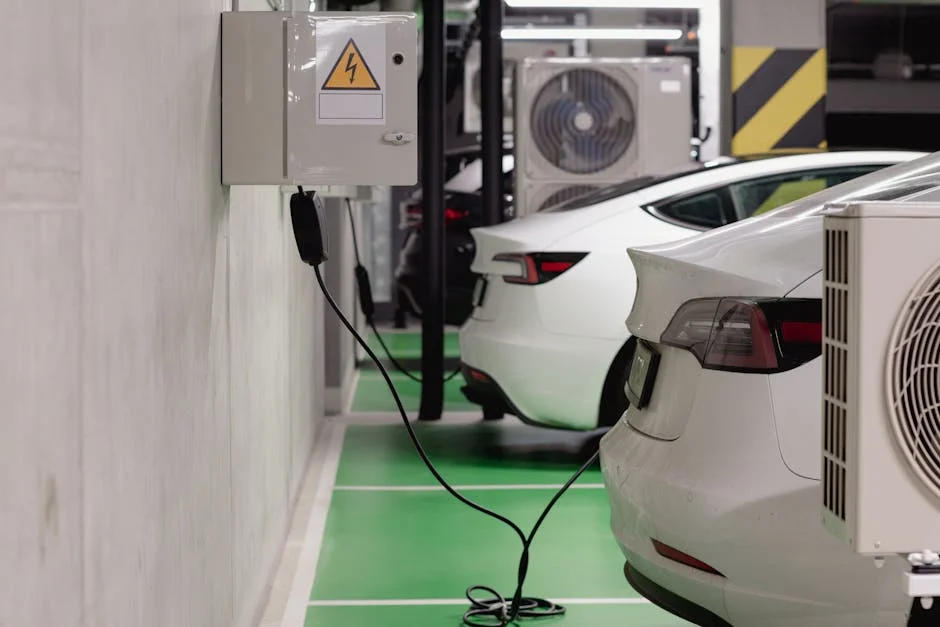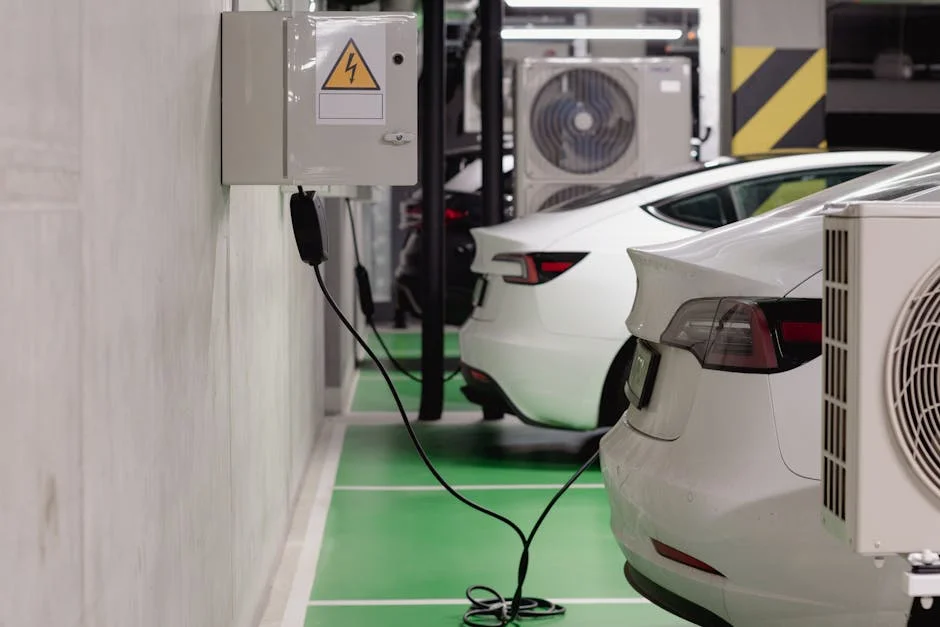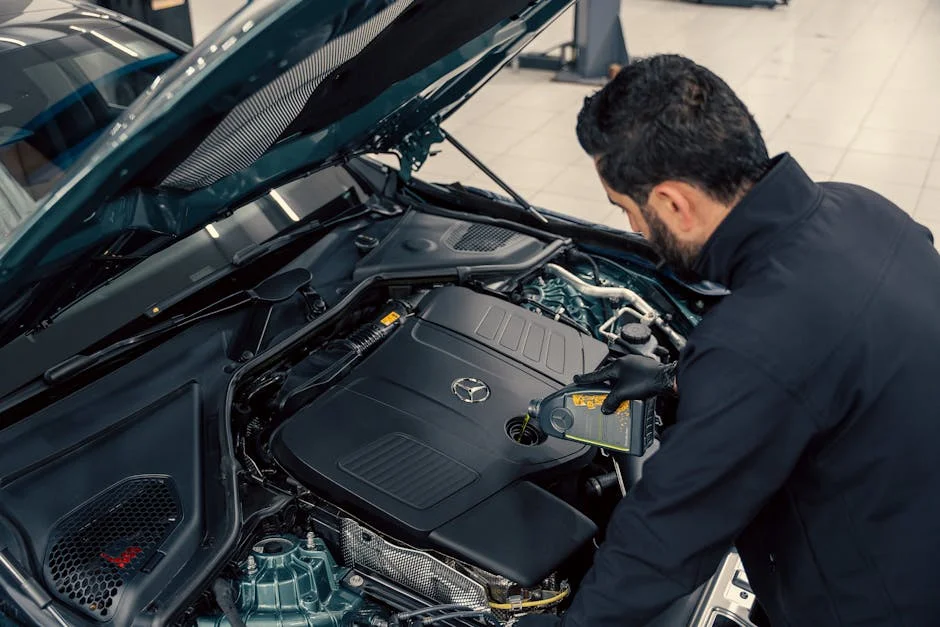
Electric car oil change is one of the most searched phrases by drivers transitioning from gasoline vehicles to battery-electric models, and the curiosity is completely understandable. For decades, routine engine oil service has been the cornerstone of car care, so it feels natural to assume every vehicle needs the same maintenance rhythm. The key difference is that a battery-electric vehicle (BEV) doesn’t use a combustion engine with pistons, crankshafts, and hot exhaust gases that contaminate engine oil. Instead, an EV relies on electric motors, inverters, and a high-voltage battery pack, with lubrication needs that are real but fundamentally different. When people ask about an electric car oil change, they’re usually mixing several maintenance categories together: engine oil, gear oil in a reduction gearbox, thermal management coolant, brake fluid, and sometimes even power steering fluid. EVs simplify some of these, eliminate others, and add a few specialized fluids that don’t exist on most gas cars.
Table of Contents
- My Personal Experience
- Understanding the “Electric Car Oil Change” Question
- Why Battery-Electric Cars Don’t Use Engine Oil
- What Lubricants EVs Actually Have: Gear Oil and Reduction Units
- EV Cooling Systems: The “Fluid Maintenance” People Don’t Expect
- Brake Fluid, Regenerative Braking, and Why Service Still Matters
- Tires, Alignment, and Weight: The Most Frequent “EV Maintenance” Task
- Cabin Air Filters and HVAC: Comfort, Efficiency, and Air Quality
- Do Hybrids and Plug-In Hybrids Need Oil Changes?
- Expert Insight
- Service Schedules: What Replaces the Traditional Oil Change Interval
- Choosing the Right Shop: EV Expertise and Proper Procedures
- Cost Comparison: Oil Changes vs EV Maintenance Over Time
- Common Misconceptions and How to Avoid Unnecessary Services
- Practical Maintenance Checklist for EV Owners (Without an Engine Oil Change)
- Final Takeaway: Do You Need an Electric Car Oil Change?
- Watch the demonstration video
- Frequently Asked Questions
- Trusted External Sources
My Personal Experience
The first time I brought my electric car in for what I kept calling an “oil change,” the service advisor just smiled and asked what I was actually worried about. I’d owned gas cars forever, so the idea of going months without scheduling that routine visit felt wrong, like I was neglecting something. They walked me through what they do instead—check the battery and cooling system, top off washer fluid, inspect brakes and tires—and it hit me that the habit was the only thing missing, not the maintenance. I left a little embarrassed but also relieved, and now when friends ask where I get my EV’s oil changed, I tell them I don’t—and that’s kind of the point. If you’re looking for electric car oil change, this is your best choice.
Understanding the “Electric Car Oil Change” Question
Electric car oil change is one of the most searched phrases by drivers transitioning from gasoline vehicles to battery-electric models, and the curiosity is completely understandable. For decades, routine engine oil service has been the cornerstone of car care, so it feels natural to assume every vehicle needs the same maintenance rhythm. The key difference is that a battery-electric vehicle (BEV) doesn’t use a combustion engine with pistons, crankshafts, and hot exhaust gases that contaminate engine oil. Instead, an EV relies on electric motors, inverters, and a high-voltage battery pack, with lubrication needs that are real but fundamentally different. When people ask about an electric car oil change, they’re usually mixing several maintenance categories together: engine oil, gear oil in a reduction gearbox, thermal management coolant, brake fluid, and sometimes even power steering fluid. EVs simplify some of these, eliminate others, and add a few specialized fluids that don’t exist on most gas cars.
It also helps to separate “oil” as a broad term from “engine oil” as a specific product. In a gasoline car, engine oil lubricates moving parts, cools internal components, and suspends contaminants; it degrades because it’s exposed to combustion byproducts, fuel dilution, and high temperatures. In a typical BEV, there’s no engine oil sump to drain, no oil filter to replace, and no oil change interval like 5,000 or 10,000 miles. Yet, some EV drivetrains do contain lubricants—commonly a gear oil in a single-speed reduction gear or transaxle—and those fluids can have service intervals, though often much longer than engine oil. Some manufacturers label that lubricant as “lifetime,” while others specify inspection or replacement at certain mileage depending on use, climate, and driving habits. So, the right answer to the electric car oil change question is nuanced: you usually don’t change engine oil because there is no engine oil, but you still maintain the vehicle with periodic fluid checks and, in some cases, drivetrain lubricant service.
Why Battery-Electric Cars Don’t Use Engine Oil
To understand why an electric car oil change is generally unnecessary, it’s useful to look at what engine oil does in an internal combustion engine. A gasoline or diesel engine has many rapidly moving parts: crankshaft bearings, connecting rods, camshafts, valve trains, piston rings, and cylinder walls. Oil forms a protective film to reduce friction and wear, and it carries heat away from components that can reach extreme temperatures. It also traps soot and contaminants in suspension until the oil filter captures them. Over time, the oil’s additive package breaks down, viscosity changes, and contamination rises, so the oil must be drained and replaced. None of these combustion-driven contamination sources exist in a BEV, because there is no combustion chamber, no fuel dilution, no blow-by gases, and no exhaust byproducts. The electric motor’s rotating components and bearings are engineered for long life with different lubrication strategies than a piston engine.
Electric motors typically use sealed bearings that are grease-lubricated for extended service life, and the motor itself converts electrical energy into mechanical rotation without the cyclic explosions that punish engine oil. That doesn’t mean EVs are maintenance-free; it means the maintenance checklist is different. The simplest way to frame the electric car oil change concern is: the “engine oil change” line item disappears, but “fluid health” remains important. EVs still manage heat—sometimes more actively than gas vehicles—because batteries and power electronics have temperature ranges that affect performance, charging speed, and longevity. Many EVs use coolant loops, chillers, and pumps to maintain stable temperatures. Coolant is not oil, but it is a fluid that needs periodic inspection and sometimes replacement. This is why drivers can be surprised: they come in expecting an oil change and leave learning about cabin air filters, brake fluid testing, tire rotation, and cooling system maintenance instead.
What Lubricants EVs Actually Have: Gear Oil and Reduction Units
Even though the typical electric car oil change for engine oil is not a thing, many EVs do contain lubricants in the drivetrain. Most battery-electric vehicles use a single-speed reduction gear that converts high motor RPM into usable wheel torque. That gearbox, differential, or transaxle may contain a specialized gear oil or automatic transmission fluid-like lubricant, depending on design. The lubricant’s job is to reduce wear on gears and bearings, manage heat, and protect metal surfaces from corrosion. Unlike engine oil, it is not constantly contaminated by combustion byproducts, so it can last a very long time. However, it can still age due to shear forces, thermal cycling, moisture ingress over many years, and microscopic wear particles. Some manufacturers treat this as a sealed unit and do not list a routine change interval, while others specify an inspection or change at higher mileage, especially under severe service such as frequent high-speed driving, towing (where permitted), steep hills, or repeated hard acceleration.
When someone asks for an electric car oil change, it’s often useful to clarify whether they mean “drivetrain lubricant service.” This is not a quick lube procedure in the classic sense; it may require specific fill procedures, temperature checks, or manufacturer-approved fluids. Using the wrong lubricant can create noise, reduce efficiency, or compromise seals. Another point: some EVs integrate the motor, inverter, and gear reduction into a compact drive unit. In such designs, the lubricant may be shared across components or have separate chambers. Because of the variation across brands and models, the best practice is to follow the service literature for that specific vehicle rather than assuming all EVs are identical. The headline remains: no engine oil service, but there may be a gear oil change at long intervals, and it should be done with the exact fluid specification and procedures recommended by the automaker.
EV Cooling Systems: The “Fluid Maintenance” People Don’t Expect
Drivers searching for electric car oil change information often discover that EVs focus more on thermal management than on lubrication. Batteries, motors, and inverters generate heat, and they also need to be warmed in cold weather for optimal performance and charging. Many modern EVs use liquid cooling loops with pumps, radiators, and valves, plus a chiller that can tie into the air-conditioning system. Some use multiple coolant circuits: one for the battery, one for power electronics, and sometimes one for cabin heating through a heat exchanger. Coolant chemistry matters, because it must protect aluminum and mixed metals from corrosion, resist freezing, and maintain stable pH over time. Unlike engine coolant that must tolerate extremely high combustion temperatures, EV coolant is optimized for electronics and battery thermal stability, but it still degrades and can become contaminated.
Coolant service intervals vary widely. Some manufacturers specify long-life coolant that can run many years before replacement; others require periodic testing or replacement at set mileage. The important takeaway is that EV coolant is not a substitute for engine oil, but it is a critical maintenance fluid that can affect battery health and charging performance. Overheating can lead to reduced power, slower DC fast charging, and accelerated component wear. Low coolant can trigger warnings and, in some cases, limit performance to protect the system. A service appointment that would have been an oil change in a gas car often becomes a multi-point inspection in an EV: checking coolant levels, looking for leaks, verifying pump operation, and ensuring the thermal management system is operating within spec. So while the electric car oil change routine disappears, the vehicle still benefits from periodic professional checks that catch small issues before they become expensive repairs.
Brake Fluid, Regenerative Braking, and Why Service Still Matters
Another reason the electric car oil change topic persists is that people equate “maintenance” with “oil,” and they assume an EV must have some equivalent. In practice, one of the most important maintenance items is brake fluid. EVs commonly use regenerative braking, where the motor acts as a generator to slow the car and recover energy. This reduces friction brake wear significantly, which is a major benefit: brake pads and rotors can last much longer than in a comparable gas vehicle. However, reduced use of friction brakes can introduce its own issues, such as surface rust on rotors in humid or salty environments, or caliper pins that don’t move as often. Periodic brake inspections and occasional firm braking (when safe) can help keep rotors clean and calipers functioning smoothly.
Brake fluid is hygroscopic, meaning it absorbs moisture from the air over time. Moisture lowers boiling point and can corrode internal components. Even if pads last a long time, brake fluid still ages, and manufacturers often specify replacement intervals based on time rather than mileage. This is a great example of how EV maintenance differs: the electric car oil change is not required, but there are still fluids that must be maintained to preserve safety and reliability. A proper EV service schedule includes brake fluid testing, checking for water content, and replacing fluid when needed. If you live in an area with winter road salt, it’s also wise to rinse the undercarriage and inspect brake hardware periodically. The result is a car that remains quiet, smooth, and safe—without the recurring engine oil service that drivers are used to booking every few months.
Tires, Alignment, and Weight: The Most Frequent “EV Maintenance” Task
When the electric car oil change is removed from the routine, tire care often becomes the most frequent maintenance task. EVs are typically heavier than similar-size gas cars because of the battery pack, and they deliver instant torque, which can accelerate tire wear. Many EVs also use low-rolling-resistance tires to maximize range, and those tires can be more sensitive to improper inflation. Regular tire rotation, pressure checks, and alignment inspections can have a bigger impact on running costs than any nonexistent oil change. Uneven wear can reduce range, increase road noise, and force early tire replacement. Because EVs can feel so smooth and quiet, some drivers miss the subtle cues that tires are wearing unevenly until the tread is already compromised.
Proper tire maintenance also supports efficiency. Underinflated tires increase rolling resistance and reduce range; overinflated tires can wear the center tread and harm ride quality. Alignment matters because even small toe or camber deviations can eat through tires quickly, especially on a heavy vehicle with strong torque. Some EVs have specific lift points and underbody protections, so tire shops should follow correct procedures to avoid damaging battery enclosures or aerodynamic panels. For drivers who keep searching electric car oil change schedules, it’s worth reframing the routine: instead of oil changes, plan regular tire rotations and inspections. Many manufacturers suggest rotating tires at intervals similar to old oil-change mileage, which helps drivers maintain a familiar cadence for service visits while focusing on the items that actually affect an EV’s longevity and operating cost.
Cabin Air Filters and HVAC: Comfort, Efficiency, and Air Quality
Another practical area that replaces the electric car oil change mindset is cabin air filtration and HVAC upkeep. EVs rely heavily on efficient heating and cooling, because cabin climate control draws energy from the battery and can reduce driving range. A clogged cabin air filter can restrict airflow, forcing the blower motor to work harder and potentially increasing energy consumption. It can also lead to fogging issues, reduced defrost performance, and unpleasant odors. Many EVs use heat pumps, electric resistance heaters, or a combination, and these systems depend on good airflow across evaporators and heaters. Keeping filters fresh is a low-cost way to maintain comfort and efficiency.
In some models, especially those with advanced filtration or activated carbon layers, filter replacement intervals can vary based on air quality, pollen seasons, wildfire smoke exposure, and driving environment. City driving in heavy pollution can load filters quickly. Some EVs also have more complex HVAC strategies to manage battery and cabin temperatures simultaneously, and any restriction in airflow can reduce overall system performance. While it’s not an electric car oil change, it’s a recurring service item that owners will actually notice day-to-day. Clean filters can make the cabin smell fresher, reduce allergens, and help the car reach desired temperature faster. Pairing cabin filter replacement with tire rotation and brake inspections creates a sensible routine that delivers tangible benefits—without draining engine oil that the vehicle doesn’t have.
Do Hybrids and Plug-In Hybrids Need Oil Changes?
A major reason electric car oil change searches can be confusing is that not every “electric” vehicle is fully electric. Hybrids (HEVs) and plug-in hybrids (PHEVs) have electric motors and batteries, but they also have an internal combustion engine. That engine still requires regular engine oil service, oil filter replacement, and maintenance based on time and mileage. In some cases, the oil change interval may be extended because the engine runs less often, but it still degrades with age, heat cycles, and moisture. Some PHEVs may go long stretches on electric power, yet the engine may still start periodically for system checks, heating, or high-power demand. Letting oil sit for too long can allow moisture accumulation and additive depletion, which is why time-based intervals are important even if the odometer miles on the engine are low.
| Topic | Electric Car (EV) | Gas Car (ICE) |
|---|---|---|
| Engine oil change needed? | No—EVs don’t have an internal combustion engine, so there’s no engine oil to change. | Yes—regular oil and filter changes are required to lubricate and protect the engine. |
| Typical routine fluids & service | Coolant (battery/thermal system), brake fluid, windshield washer fluid; tire rotations and cabin air filter. | Engine oil, oil filter, transmission fluid (varies), coolant, brake fluid, air filters; more frequent routine service. |
| Maintenance frequency & cost impact | Generally fewer scheduled visits and lower routine maintenance costs due to fewer moving parts. | More frequent service intervals and higher routine maintenance costs, especially from oil-related upkeep. |
Expert Insight
Skip traditional oil changes—most electric cars don’t use engine oil. Instead, follow the maintenance schedule for items that do need periodic service, such as brake fluid, coolant (battery/thermal management), and the cabin air filter, and keep receipts to protect your warranty. If you’re looking for electric car oil change, this is your best choice.
If your EV has a reduction gear or e-axle fluid service interval, confirm the exact spec and mileage in the owner’s manual and have it checked for leaks during tire rotations. While you’re there, ask for a quick inspection of CV boots and underbody panels to catch wear early. If you’re looking for electric car oil change, this is your best choice.
So, the correct answer to “electric car oil change” depends on the drivetrain type. A BEV typically has no engine oil change. A hybrid or plug-in hybrid does. Mild hybrids (with small electric assist) definitely do. Extended-range EVs that use an engine as a generator also do. If you’re shopping or recently bought a vehicle marketed as “electric,” confirm whether it’s a BEV or a PHEV/HEV by checking whether it has a fuel filler door and an engine under the hood. This distinction prevents missed maintenance on vehicles that genuinely need engine oil service. It also prevents unnecessary service on BEVs where a quick-lube shop might try to sell an oil change out of habit. Knowing the exact powertrain is the simplest way to resolve the electric car oil change question accurately and avoid either wasted money or neglected maintenance.
Service Schedules: What Replaces the Traditional Oil Change Interval
Traditional oil change intervals created a predictable rhythm: every 3,000 to 10,000 miles, a driver visited a shop, and the vehicle received a basic inspection. Without that routine, EV owners sometimes go too long without any professional checkups, assuming the car needs nothing. A smarter approach is to adopt a maintenance cadence based on the manufacturer schedule and real-world wear items. Many EV service plans emphasize tire rotation, brake inspection, cabin filter replacement, wiper blades, washer fluid, and periodic checks of suspension and steering components. Coolant and brake fluid service are often time-based. Some vehicles also specify checks for battery coolant concentration, desiccant packs in certain battery systems, or A/C service requirements to keep the thermal system operating efficiently. If you’re looking for electric car oil change, this is your best choice.
For owners still thinking in terms of an electric car oil change, it can help to schedule a “seasonal inspection” instead: once or twice a year, have a qualified shop check tires, brakes, fluids, and software updates. EVs are software-driven, and updates can improve charging behavior, thermal management, and efficiency. Not every update requires a shop visit, but some do, depending on the brand. Also, EVs often have underbody panels for aerodynamics; technicians should inspect fasteners and panel condition, especially after winter driving or rough roads. Establishing a routine that mirrors the old oil-change habit—without actually changing oil—keeps the car safe, efficient, and reliable while matching the real maintenance needs of electric vehicles.
Choosing the Right Shop: EV Expertise and Proper Procedures
Because the electric car oil change is often requested at traditional quick-lube locations, it’s important to choose a service provider that understands EV-specific needs. A shop that mainly does oil changes might not be equipped for high-voltage safety procedures, EV lift points, or model-specific service steps. Even basic tasks like rotating tires can be mishandled if the technician places a lift arm incorrectly and damages a battery tray shield or pinch weld. EVs also have unique diagnostic approaches, and the best shops use scan tools that can communicate with the vehicle systems, read battery and thermal management data, and interpret manufacturer service bulletins. That doesn’t mean only dealerships can service EVs, but it does mean you should look for an independent shop that advertises EV training and has experience with your specific model family.
When booking an appointment, be clear about what you want. Instead of asking for an electric car oil change, request a tire rotation, brake inspection, fluid checks, and any manufacturer-recommended inspections at your mileage. If you suspect a drivetrain lubricant service is due, ask whether the shop has performed that specific procedure before and whether they use OEM-approved fluids. Also confirm they follow torque specs for wheel lug nuts, understand jack mode (if your car requires it), and know how to safely disable certain systems when needed. A competent EV shop will also pay attention to software alerts, recall status, and charging port condition. The goal is to replace the old oil-change mindset with a tailored EV maintenance plan delivered by people who understand what actually matters on an electric powertrain.
Cost Comparison: Oil Changes vs EV Maintenance Over Time
One reason drivers keep searching electric car oil change information is to estimate operating costs. In a gas car, oil changes are frequent and add up, especially when combined with filters, belts, spark plugs, and emissions-related services. A BEV eliminates engine oil service, which can reduce routine maintenance spending. However, EVs are not “free” to maintain. Tires can wear faster, and EV-specific tires may cost more. Brake fluid and coolant services still exist, and suspension components still wear like any other car. Cabin filters, wipers, and 12-volt batteries (or low-voltage lithium batteries in some newer models) still need replacement eventually. The difference is that EV maintenance tends to be less frequent and more focused on inspections and wear items rather than engine-related consumables.
Over a multi-year ownership period, many drivers find they spend less on routine service because there are fewer recurring tasks. That said, cost outcomes depend on driving style, climate, and how proactive the owner is. An EV that is rotated on schedule and kept aligned can save significant money in tires. A driver who ignores tire pressure and alignment can erase much of the maintenance savings. Likewise, staying on top of brake fluid and coolant intervals can prevent expensive component damage. So, while there is no recurring electric car oil change expense for BEVs, there is still a financial benefit to following a structured maintenance plan. Treat the absence of oil changes as an opportunity to invest attention in the items that most affect safety, range, and long-term reliability.
Common Misconceptions and How to Avoid Unnecessary Services
Misconceptions around electric car oil change requests can lead to wasted money or even improper service. A common myth is that EVs need “motor oil” because they have a motor; in reality, “motor” in EV language refers to an electric motor, not a combustion engine. Another misconception is that EVs never need any fluids. In practice, most EVs have coolant, brake fluid, and sometimes drivetrain lubricant. The right maintenance is about the correct fluids at the correct intervals, not about forcing a gas-car routine onto a different technology. Another issue is upselling: some shops may offer engine-related services like fuel system cleaning or oil additives, which simply don’t apply to a BEV. Owners can avoid this by learning the basic architecture of their vehicle and bringing the manufacturer’s maintenance schedule to service visits.
It’s also wise to be cautious with universal advice found online, because EV designs vary. One model may have a specified reduction-gear lubricant change at a certain mileage, while another may not. Some EVs have complex battery cooling circuits with specific coolant types that cannot be mixed. Using the wrong coolant or topping off with generic products can cause corrosion or reduced thermal performance. If you’re unsure, consult the owner’s manual or a service information source for your exact trim and model year. The most efficient path is to stop thinking in terms of a one-size-fits-all electric car oil change and start thinking in terms of model-specific EV maintenance: tires, brakes, filters, coolant, drivetrain lubricant (if applicable), and software/diagnostic checks. This approach prevents both neglect and unnecessary services.
Practical Maintenance Checklist for EV Owners (Without an Engine Oil Change)
A clear checklist helps replace the familiar oil-change routine with actions that actually protect an EV. Regularly check tire pressure, because it affects range, handling, and tread life. Rotate tires on the schedule recommended by the manufacturer or sooner if you notice uneven wear. Inspect brakes periodically even if regenerative braking does most of the work; make sure calipers move freely and rotors aren’t heavily rusted or grooved. Replace cabin air filters as needed based on driving conditions. Keep windshield washer fluid topped up and replace wiper blades when streaking starts, since visibility is a safety priority. For vehicles with liquid thermal management, monitor for coolant warnings and follow the recommended coolant service interval. Also pay attention to the low-voltage battery system, because a weak 12-volt battery can cause odd errors even when the high-voltage battery is fine. If you’re looking for electric car oil change, this is your best choice.
Charging equipment deserves attention as well. Inspect the charge port for debris, ensure the connector locks properly, and keep charging cables in good condition. If you use public fast charging frequently, watch for changes in charging speed that could indicate thermal issues, software changes, or a need for inspection. Finally, consider periodic professional inspections to catch suspension wear, underbody damage, or alignment drift—especially after pothole impacts. This is the real-life replacement for the electric car oil change appointment: a scheduled check that keeps the car safe and efficient without performing services that don’t apply. EV ownership is often simpler, but it still benefits from consistent, informed care, and the best results come from following the manufacturer’s guidance rather than the habits formed around combustion-engine maintenance.
Final Takeaway: Do You Need an Electric Car Oil Change?
Electric car oil change is usually not required for a battery-electric vehicle because there is no combustion engine and no engine oil to drain, but the vehicle still needs routine maintenance in other areas. Many EVs use coolant for battery and power electronics thermal management, brake fluid that absorbs moisture over time, and tires that can wear faster due to weight and instant torque. Some models also contain drivetrain lubricants in a reduction gearbox that may be inspected or replaced at long intervals depending on the manufacturer and driving conditions. The most cost-effective approach is to follow the exact service schedule for your make and model, choose a shop familiar with EV procedures, and treat inspections and wear-item care as the new routine. If your “electric” vehicle is actually a hybrid or plug-in hybrid, then an electric car oil change becomes a real engine oil change again, and you should follow the engine’s oil and filter interval to protect it.
Watch the demonstration video
Learn why most electric cars don’t need traditional oil changes, what fluids and components still require routine service, and how EV maintenance differs from gas vehicles. This video explains which checks matter—like coolant, brake fluid, and gear oil (if applicable)—plus warning signs and service intervals to keep your EV running smoothly. If you’re looking for electric car oil change, this is your best choice.
Summary
In summary, “electric car oil change” is a crucial topic that deserves thoughtful consideration. We hope this article has provided you with a comprehensive understanding to help you make better decisions.
Frequently Asked Questions
Do electric cars need oil changes?
Battery-electric vehicles generally do not need engine oil changes because they don’t have an internal combustion engine.
Why do some EV owners think they need an oil change?
Many service reminders and dealership menus are still built around gasoline cars, so it’s easy for drivers to mix up EV care with hybrid or traditional maintenance—leading some to wonder about things like an **electric car oil change**, even though fully electric vehicles don’t use engine oil the same way gas cars do.
Do plug-in hybrids (PHEVs) need oil changes?
Yes. Because plug-in hybrids still use a gasoline engine, they need regular engine oil and filter changes on the manufacturer’s recommended schedule—so you can’t treat them like an **electric car oil change** where there’s no engine oil to service.
What fluids do electric cars still need serviced?
Typical fluids you may still need to check and replace include brake fluid, coolant or thermal management fluid (depending on the model), and windshield washer fluid—plus, in some cases, gear reduction unit fluid as specified in the owner’s manual. While an **electric car oil change** usually isn’t required, these routine fluid services help keep your EV running smoothly.
How often should an EV be serviced if not for oil changes?
Follow the owner’s manual; typical checks include tire rotation, brake inspection, cabin air filter replacement, and periodic fluid inspections.
Can an EV still have an oil filter or oil-related service?
Fully electric vehicles usually don’t need traditional engine maintenance, so an **electric car oil change** isn’t part of routine service—though some models may still require occasional gearbox fluid checks or replacement. Hybrids and plug-in hybrids, on the other hand, do use an internal combustion engine, so they’ll still need regular engine oil and oil filter changes.
? Looking for more info about electric car oil change? Follow Our Site for updates and tips!

Trusted External Sources
- My mom’s electric car says it needs an oil change. : r/funny – Reddit
Aug 21, 2026 … The oil change interval for an electric car should be on the order of 100k miles. Showing an alert for an oil change at 10k miles is obviously a … If you’re looking for electric car oil change, this is your best choice.
- Do Electric Cars Use Oil – And Other FAQs – Jiffy Lube
So, a hybrid vehicle does require engine oil, but an EV does not. WHAT ELECTRIC CAR MAINTENANCE IS REQUIRED, THEN? When you invest in an EV, you can say goodbye … If you’re looking for electric car oil change, this is your best choice.
- what is the EV equivalent to an oil change? : r/500e – Reddit
Jan 24, 2026 … Since EVs don’t use oil, is there a “oil change” type thing that needs to be done periodically? I noticed that my coolant levels were getting low. If you’re looking for electric car oil change, this is your best choice.
- Do electric cars need oil changes? | Kia Mauritius
Even though you won’t need an **electric car oil change**, your EV still benefits from regular maintenance—especially checking a few key fluids. Keep an eye on the coolant, brake fluid, and windshield washer fluid to help your electric car stay safe, efficient, and ready for the road.
- Besides the quantifiable (gas savings, no oil changes, etc.) what EV …
Sep 13, 2026 … I know I can run the numbers on obvious savings (such as gas, oil changes, etc.), but I am curious if there were other factors that helped people justify … If you’re looking for electric car oil change, this is your best choice.