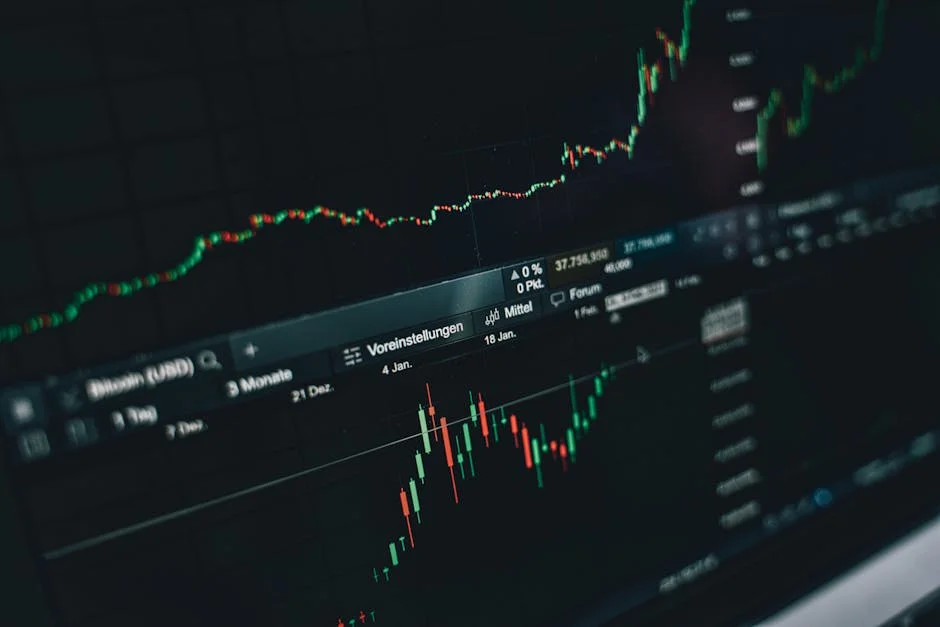
Crypto vs forex is a comparison between two global arenas where people exchange one unit of value for another, but the similarities can be misleading. Forex, short for foreign exchange, is the marketplace for trading national currencies such as USD, EUR, JPY, and GBP. It is deeply intertwined with international trade, central bank policy, sovereign debt, and macroeconomic cycles. Crypto, by contrast, refers to digital assets like Bitcoin and Ethereum that rely on decentralized networks and cryptographic validation rather than a central issuer. When traders weigh crypto vs forex, they’re often deciding between a market rooted in centuries of monetary history and a newer market shaped by software development, token economics, and rapid innovation. The underlying “why” of price movement is not identical: forex responds heavily to inflation data, interest rate differentials, employment reports, and geopolitical risk, while crypto frequently reacts to network upgrades, adoption metrics, exchange liquidity, stablecoin flows, and regulatory headlines that can arrive with little warning.
Table of Contents
- My Personal Experience
- Market Foundations: What “crypto vs forex” Really Compares
- Liquidity and Market Depth: How Easily Positions Can Be Entered and Exited
- Volatility Profiles: The Rhythm of Price Movement
- Trading Hours and Session Dynamics: 24/5 vs 24/7
- Regulation, Oversight, and Legal Protections
- Leverage, Margin, and Liquidation Mechanics
- Costs: Spreads, Commissions, Funding, and Hidden Friction
- What Moves Prices: Macro Data vs Network and Narrative Drivers
- Expert Insight
- Risk Management and Position Sizing: Practical Differences That Matter
- Instruments and Strategy Variety: Spot, Derivatives, and Beyond
- Comparison Table: Practical Snapshot for Decision-Making
- Security, Custody, and Counterparty Risk
- Who Tends to Prefer Each Market: Matching Personality and Goals
- Choosing a Practical Path: Blending, Testing, and Staying Realistic
- Watch the demonstration video
- Frequently Asked Questions
- Trusted External Sources
My Personal Experience
I started out trading forex because it felt more “grown-up” and predictable—tight spreads on major pairs, clear economic calendars, and price action that usually respected support and resistance. When I moved some money into crypto, the upside looked exciting, but the swings were a different kind of stress: a random tweet or exchange outage could wipe out a week of gains in an hour. With forex, I learned to manage risk around news events and leverage, and my losses were usually tied to my own mistakes. With crypto, I had to factor in things like weekend volatility, liquidity gaps, and the constant temptation to overtrade. These days I still dabble in both, but I treat crypto like a high-volatility side bet and keep most of my serious trading in forex where the rules feel clearer. If you’re looking for crypto vs forex, this is your best choice.
Market Foundations: What “crypto vs forex” Really Compares
Crypto vs forex is a comparison between two global arenas where people exchange one unit of value for another, but the similarities can be misleading. Forex, short for foreign exchange, is the marketplace for trading national currencies such as USD, EUR, JPY, and GBP. It is deeply intertwined with international trade, central bank policy, sovereign debt, and macroeconomic cycles. Crypto, by contrast, refers to digital assets like Bitcoin and Ethereum that rely on decentralized networks and cryptographic validation rather than a central issuer. When traders weigh crypto vs forex, they’re often deciding between a market rooted in centuries of monetary history and a newer market shaped by software development, token economics, and rapid innovation. The underlying “why” of price movement is not identical: forex responds heavily to inflation data, interest rate differentials, employment reports, and geopolitical risk, while crypto frequently reacts to network upgrades, adoption metrics, exchange liquidity, stablecoin flows, and regulatory headlines that can arrive with little warning.
The structure of participation also differs. Forex is dominated by banks, corporations, hedge funds, and institutional liquidity providers; retail traders participate largely through brokers and CFDs in many jurisdictions. Crypto participation is more open-ended: individuals can trade on centralized exchanges, use decentralized exchanges, provide liquidity, stake assets, or interact with protocols directly. That openness is a double-edged sword, because it expands opportunity while increasing complexity and operational risk. Another key distinction in crypto vs forex is the “asset identity.” A currency pair like EUR/USD represents two fiat currencies with central bank oversight and established payment rails. A crypto asset may be a store-of-value narrative, a smart-contract platform, a governance token, or a utility token with specific protocol rights. Those identities influence how traders form conviction and how long-term investors evaluate risk. Even the concept of “intrinsic value” is debated differently across the two markets, which affects sentiment cycles and the intensity of rallies and drawdowns.
Liquidity and Market Depth: How Easily Positions Can Be Entered and Exited
Liquidity is one of the most practical lenses for analyzing crypto vs forex because it determines spreads, slippage, and the ability to execute at intended prices during volatile moments. The forex market is often described as the most liquid market in the world, with major pairs like EUR/USD and USD/JPY typically offering tight spreads and deep order books, especially during overlapping sessions such as London–New York. This depth is supported by interbank dealing, prime brokerage, and large-scale market makers that continuously quote prices. For many participants, the appeal of forex lies in the predictability of execution for liquid pairs, especially when compared to thinner markets where a single large order can move price. In addition, liquidity in forex tends to be more consistent across time, though it still fluctuates by session and can thin out during holidays, rollovers, and major news events.
Crypto liquidity can be excellent for top assets like BTC and ETH on major exchanges, but it is less uniform across the broader universe of tokens. Liquidity may fragment across venues, and the same asset can have differing depth on different exchanges, chains, or trading pairs. During market stress, order books may thin rapidly, and spreads can widen sharply. That makes crypto vs forex a decision partly about how comfortable a trader is with variable execution conditions. Another nuance is that crypto trades 24/7, which means liquidity can shift dramatically based on global participation, weekend behavior, and exchange-specific outages. A trader might find strong liquidity during U.S. hours and weaker conditions in off-peak times, increasing the probability of slippage. For those using stop orders, this matters: a stop that triggers in a thin book can fill far from the stop level, especially in fast cascades. Ultimately, liquidity and depth influence not only transaction costs but also the feasibility of certain strategies, such as scalping, high-frequency approaches, and large position sizing.
Volatility Profiles: The Rhythm of Price Movement
Volatility is often the headline difference people cite when evaluating crypto vs forex. Major forex pairs usually exhibit lower daily volatility than major crypto assets, although this varies with macro shocks. Forex can become highly volatile around central bank decisions, surprise inflation prints, elections, or geopolitical escalations. Even then, the magnitude of moves in major pairs is often smaller than the swings seen in crypto during bull and bear cycles. Forex volatility tends to cluster around scheduled events and session transitions, making it somewhat easier to anticipate when risk is elevated. Traders can plan around economic calendars, known policy meetings, and recurring releases. That structure can support disciplined risk management, because traders can reduce exposure ahead of high-impact events or use options hedges where available.
Crypto volatility, on the other hand, can be both explosive and persistent, driven by leverage unwinds, sentiment shifts, protocol news, exchange listings, regulatory actions, and large on-chain flows. Because crypto markets are younger and more reflexive, narratives can accelerate trends quickly. The result is that crypto vs forex often becomes a trade-off between potentially larger opportunities and potentially larger drawdowns. Volatility in crypto is not always tied to a schedule; it can erupt on weekends, during low-liquidity windows, or after a single influential announcement. This unpredictability demands wider stops, smaller position sizing, and stricter risk frameworks for many traders. It also affects psychological load: fast, large moves can encourage impulsive decisions, overtrading, or revenge trading. For some, the higher volatility is precisely the attraction, enabling meaningful returns in shorter time frames; for others, it’s a reason to prefer the more measured pace of forex, especially if the goal is consistency rather than occasional outsized wins.
Trading Hours and Session Dynamics: 24/5 vs 24/7
One of the clearest operational contrasts in crypto vs forex is the trading schedule. Forex runs 24 hours a day, five days a week, following the global handoff from Sydney to Tokyo to London to New York. This structure creates distinct session personalities: Asian hours can be calmer for some pairs, London often brings high liquidity and directional moves, and the London–New York overlap can be the busiest. The weekend closure can be a benefit for traders who value downtime, want to avoid nonstop monitoring, and prefer a predictable rhythm for analysis and execution. The downside is gap risk at the Monday open, especially after major geopolitical developments over the weekend. While major pairs often open smoothly, surprise events can still create discontinuities that complicate stop placement and weekend holding decisions.
Crypto never closes. The 24/7 nature of digital asset trading is frequently celebrated for accessibility and flexibility, but it also changes risk management and lifestyle considerations. When comparing crypto vs forex, traders should consider whether they can handle a market that can move violently at any time, including overnight and weekends. Automation can help, but it introduces its own risks, such as exchange outages, API failures, and unexpected volatility that triggers orders in thin conditions. The constant schedule can also amplify emotional fatigue; the feeling that one must always be “on” can lead to poorer decision-making. At the same time, 24/7 trading can be advantageous for those who cannot trade during standard business hours, or who prefer to adapt around personal schedules rather than market schedules. Crypto’s always-open nature also means that price discovery continues through weekends, which can reduce the “pent-up” effect seen in markets that close, though it can also concentrate liquidations during low-participation hours. The best choice depends on a trader’s capacity to monitor risk and maintain discipline over long stretches.
Regulation, Oversight, and Legal Protections
Regulatory structure is a major differentiator in crypto vs forex because it influences broker behavior, custody standards, dispute resolution, and overall market integrity. Forex regulation varies by jurisdiction, but in many developed markets, retail forex brokers are subject to licensing requirements, capital adequacy rules, reporting standards, and consumer protections. Leverage limits, negative balance protection, and segregation of client funds may apply depending on region. This doesn’t eliminate risk—broker quality still matters—but it can reduce certain operational hazards. In addition, the forex market’s institutional core is heavily supervised, and major banks and liquidity providers operate under strict compliance regimes. For a retail participant, this can translate into more standardized trading conditions and clearer avenues for complaints or arbitration, though cross-border complexities remain.
Crypto regulation is evolving quickly and unevenly across countries. Some jurisdictions have comprehensive frameworks for exchanges and custodians, while others operate with partial guidance or enforcement-driven clarity. This creates a patchwork where the same activity might be straightforward in one region and restricted in another. When thinking about crypto vs forex, it’s important to recognize that crypto participants often bear more responsibility for due diligence: evaluating exchange solvency, understanding custody arrangements, and assessing counterparty risk. Self-custody can reduce reliance on intermediaries, but it introduces key management risk—loss of private keys can be irreversible. Regulatory changes can also have abrupt market impact, affecting listings, stablecoin availability, leverage products, or tax treatment. Some traders prefer forex because the rules feel more settled; others prefer crypto because innovation can outpace regulation, creating new opportunities. Either way, the legal environment is not a footnote—it’s a core part of risk assessment.
Leverage, Margin, and Liquidation Mechanics
Leverage is central to many trading strategies, and it’s a key point in the crypto vs forex decision. In retail forex, leverage is often offered through margin trading with brokers, but limits may be imposed by regulators. Leverage can magnify returns, yet it also magnifies losses, and improper sizing can wipe out accounts quickly. Forex margin rules typically involve a margin requirement, maintenance thresholds, and potential margin calls. Depending on broker policies, positions may be closed automatically if equity falls below certain levels. Because forex volatility in major pairs is often lower, traders sometimes use higher leverage to make the moves “worth it,” but that can be a trap if unexpected news triggers a sharp move. The most durable forex approaches tend to treat leverage as optional rather than mandatory, using it sparingly and focusing on risk per trade.
Crypto leverage exists on many centralized exchanges and derivatives venues, often with liquidation mechanisms that can be more abrupt than what some forex traders are used to. Perpetual futures, funding rates, cross margin, and isolated margin introduce additional variables. During fast sell-offs, liquidations can cascade, pushing price lower and triggering more liquidations, creating a feedback loop. That dynamic is a defining feature of crypto vs forex in practice. Even traders who do not use leverage directly can be affected by forced selling from leveraged participants. For risk management, understanding liquidation price, margin mode, and the exchange’s insurance fund or auto-deleveraging rules matters. Some traders prefer forex because the leverage environment may feel more controlled and standardized; others prefer crypto because derivatives are accessible and the market can trend strongly, potentially rewarding well-managed leverage. The deciding factor should be whether a trader can consistently control risk in a fast-moving environment where liquidation is a mechanical event, not a negotiated one.
Costs: Spreads, Commissions, Funding, and Hidden Friction
Transaction costs are an often underestimated factor in crypto vs forex, because even small fees can erode performance over many trades. In forex, costs typically come from spreads and sometimes commissions, especially on ECN-style accounts. For major pairs, spreads can be very tight under normal conditions, which supports short-term strategies like scalping or intraday mean reversion. However, spreads can widen around news events, during rollover, or in illiquid sessions. There are also swap or rollover fees for holding positions overnight, reflecting interest rate differentials between the two currencies. Those financing costs can be beneficial or detrimental depending on direction and rate differentials, and they matter greatly for swing traders and position traders who hold trades for days or weeks.
Crypto costs include exchange trading fees, which vary by venue and by maker/taker status, plus the spread embedded in the order book. For on-chain trading, network fees and slippage can be significant, particularly during congestion. Derivatives introduce funding rates, which can function like a recurring cost or yield depending on market positioning. In a crypto vs forex comparison, funding is one of the most distinctive cost components, because it can spike during euphoric phases and penalize crowded trades. Additionally, withdrawal fees, deposit limitations, and conversion costs between fiat and stablecoins can add friction. A trader who frequently moves funds between exchanges or on-chain wallets may incur meaningful overhead. Cost analysis should be strategy-specific: a long-term investor might care more about custody and on/off-ramp fees, while an active trader might care more about maker/taker fees and consistent spreads. The “cheapest” market depends less on headline fees and more on how a particular approach interacts with the market’s microstructure.
What Moves Prices: Macro Data vs Network and Narrative Drivers
Understanding price drivers is essential to making sense of crypto vs forex. Forex prices are heavily influenced by macroeconomic fundamentals: interest rates, inflation expectations, growth differentials, trade balances, fiscal policy, and risk sentiment. Central banks play a starring role, and forward guidance can move markets even before policy changes occur. Traders often build frameworks around rate differentials, carry trades, and macro cycles. Economic calendars provide a roadmap of potential volatility catalysts, and many forex traders specialize in interpreting data releases and central bank communication. Geopolitics can also be decisive, influencing safe-haven flows into currencies like USD, CHF, or JPY. Because the drivers are relatively well-mapped, a disciplined trader can form repeatable routines for research, scenario analysis, and risk planning.
| Aspect | Crypto | Forex |
|---|---|---|
| Market hours | 24/7 trading, including weekends | 24/5 trading (closed on weekends) |
| Volatility | Typically higher; larger price swings common | Generally lower; major pairs often move more steadily |
| Regulation & market structure | Less uniform regulation; fragmented across exchanges | More established oversight; deep liquidity via banks/brokers |
Expert Insight
Match the market to your schedule and risk tolerance: crypto trades 24/7 with sharper swings, while forex is most liquid during major session overlaps. Set hard risk limits per trade (e.g., a fixed percentage of account equity) and use stop-loss orders that reflect each market’s typical volatility. If you’re looking for crypto vs forex, this is your best choice.
Build a simple, repeatable plan before scaling up: in forex, prioritize pairs with tight spreads and clear macro drivers; in crypto, focus on high-liquidity coins and avoid thin order books. Track fees, spreads, and slippage in a journal, then adjust position sizing and trade timing based on what consistently improves execution. If you’re looking for crypto vs forex, this is your best choice.
Crypto price drivers can be more heterogeneous. Adoption metrics, ETF flows where applicable, stablecoin issuance, exchange reserves, on-chain activity, and developer progress can all matter, but narrative often plays an outsized role. A single theme—such as “digital gold,” “smart contract adoption,” “layer-2 scaling,” or “tokenized real-world assets”—can dominate sentiment for months. Regulatory developments, security incidents, and major protocol upgrades can also trigger sharp repricing. When comparing crypto vs forex, many traders notice that crypto can behave like a hybrid of technology growth markets and commodity-like monetary assets, depending on the asset and the cycle phase. Correlations can shift quickly: sometimes crypto trades as a risk-on asset correlated with equities; other times it decouples due to crypto-specific catalysts. This makes research both exciting and demanding, because it requires blending market structure knowledge with an understanding of technology, regulation, and behavioral finance. Traders who prefer clear macro linkages may gravitate toward forex; those who enjoy fast-evolving narratives may prefer crypto.
Risk Management and Position Sizing: Practical Differences That Matter
Risk management is the bridge between theory and survival, and crypto vs forex can demand different habits even when using similar tools like stop-loss orders and position sizing models. In forex, especially for major pairs, volatility tends to be lower and gaps are less frequent during the trading week. That can make stop placement more reliable and allow tighter risk controls for certain strategies. Many forex traders use ATR-based stops, structure-based stops around support and resistance, and strict risk-per-trade limits such as 0.5% to 2% of account equity. Because forex is often traded with leverage, the key is to separate “position size” from “risk size,” ensuring that leverage doesn’t trick the trader into oversized exposure. Liquidity depth also helps reduce slippage in normal conditions, which supports consistent execution for systematic approaches.
Crypto risk management often requires wider tolerances and more conservative sizing due to larger and faster swings, plus the potential for sudden liquidity drops. Stop-loss orders can still be effective, but slippage risk is higher during cascades, and exchange downtime can be a real operational hazard. In a crypto vs forex framework, many traders adjust by reducing leverage, lowering risk-per-trade, diversifying across uncorrelated assets where possible, and keeping a portion of capital in more stable instruments such as cash or high-quality stablecoins—while still recognizing stablecoin risks. Another difference is custody and transfer risk: in crypto, risk management includes where assets are stored, how keys are managed, and whether exposure is spread across venues to reduce single-point-of-failure risk. Even portfolio rebalancing can be a risk decision if it involves moving funds during periods of congestion or heightened withdrawal delays. The most robust approach treats risk management as multi-layered: market risk, counterparty risk, technology risk, and regulatory risk. That layered view is less prominent for many retail forex traders, but it becomes indispensable in crypto.
Instruments and Strategy Variety: Spot, Derivatives, and Beyond
The product menu is another meaningful factor in crypto vs forex. In forex, retail traders commonly access spot forex through brokers, often as leveraged contracts, and may also trade CFDs, futures, and options depending on jurisdiction and broker offerings. The core experience usually revolves around currency pairs, and while there are many pairs, a handful of majors and crosses dominate liquidity. Strategy selection often centers on trend following, breakout trading, mean reversion, carry trades, and event-driven positioning around economic releases. Forex also has a mature options market at the institutional level, which can inform spot pricing through implied volatility and risk reversals, though retail access varies. For many participants, the appeal is that the instruments are standardized and the market’s behavior is heavily studied, with decades of research into macro drivers and technical patterns.
Crypto expands the instrument set dramatically. Beyond spot trading, there are perpetual futures, dated futures, options on major assets, and a wide spectrum of on-chain instruments such as lending, borrowing, liquidity provision, staking, restaking, and tokenized yield products. That breadth can make crypto vs forex feel like a choice between a focused market and an ecosystem. However, more instruments also mean more ways to misunderstand risk. Yield opportunities can carry smart contract vulnerabilities, depegging events, and liquidity lockups. Perpetual futures introduce funding rates and liquidation dynamics that can reshape price action. On the upside, the variety allows creative hedging: a trader might hold spot, hedge with futures, and express volatility views with options. Another might pursue market-neutral strategies like basis trades, though those can compress as competition increases. The right fit depends on whether the trader wants a narrower, more standardized set of instruments (often forex) or a broader toolkit with more moving parts (often crypto). Either way, matching strategy complexity to skill level is a decisive edge.
Comparison Table: Practical Snapshot for Decision-Making
Choosing between crypto vs forex often becomes easier when the differences are mapped into practical categories rather than opinions. The table below offers a structured snapshot of common considerations, including typical features, a general rating for accessibility and complexity, and a cost note. Ratings are illustrative and reflect common retail experience rather than a guarantee of outcomes. Costs are shown as typical pricing components rather than fixed numbers, because fees and spreads vary by venue, account type, and market conditions. The goal is to highlight what a trader actually interacts with day to day: execution quality, hours, volatility, and the kinds of fees that show up in performance reports.
While a table can’t capture every nuance, it can reveal where personal constraints matter. Someone who values scheduled downtime and a calendar-driven volatility profile may prefer forex. Someone who needs weekend access, wants exposure to a fast-evolving technology-driven market, or enjoys building positions around narratives may prefer crypto. The best decision is rarely permanent; many traders end up using both markets for different objectives, such as macro hedging in forex and higher-beta opportunities in crypto. The key is to avoid forcing one market to behave like the other, because the most common mistakes in crypto vs forex come from importing assumptions—about liquidity, regulation, or volatility—that do not hold up in real trading conditions.
| Name | Features | Ratings | Price |
|---|---|---|---|
| Forex (Major Pairs) | Deep liquidity; 24/5 sessions; macro-driven catalysts; tight spreads on majors; regulated brokers in many regions | Accessibility: 8/10; Complexity: 6/10; Volatility: 5/10 | Spreads + possible commission; overnight swap/rollover; occasional news-time spread widening |
| Crypto (BTC/ETH Spot) | 24/7 trading; strong liquidity on top assets; exchange and custody choices; narrative and flow-driven moves | Accessibility: 8/10; Complexity: 7/10; Volatility: 8/10 | Exchange fees; variable spreads; withdrawal fees; on-chain network fees if self-custody/on-chain trading |
| Crypto (Perpetual Futures) | High leverage availability; funding rates; liquidation mechanics; hedging tools; rapid price discovery | Accessibility: 7/10; Complexity: 9/10; Volatility: 9/10 | Trading fees + funding payments/receipts; liquidation penalties via price impact; spread variability |
| Forex (News/Event Trading) | Scheduled releases; central bank focus; potential for sharp moves; requires fast execution and discipline | Accessibility: 7/10; Complexity: 8/10; Volatility: 7/10 | Spread widening around events; slippage risk; possible commission depending on broker/account |
Security, Custody, and Counterparty Risk
Security considerations are often where crypto vs forex diverges most dramatically in daily practice. In forex, most retail traders keep funds with a broker, and the primary counterparty risks revolve around broker solvency, regulatory compliance, and execution integrity. While broker risk is real, the operational model is familiar: account credentials, bank transfers, and regulated dispute mechanisms in many jurisdictions. Traders can still face issues like re-quotes, platform outages, or poor execution, but the concept of “losing funds because you mismanaged keys” generally doesn’t exist in forex. The security burden is largely outsourced to financial institutions and regulated intermediaries, which can be comforting for traders who want to focus primarily on analysis and execution rather than operational security.
Crypto introduces a different risk stack. Funds can be held on centralized exchanges, which creates exchange solvency and custody risk, or held in self-custody, which shifts responsibility to the individual. In a crypto vs forex comparison, this is not a minor detail; it changes how traders think about storage, backups, authentication, and transaction verification. Self-custody can protect against exchange failures, but it requires competence: secure seed phrase storage, protection against phishing, careful address verification, and an understanding of how approvals and smart contracts work. On-chain interactions add another layer: smart contract vulnerabilities, malicious tokens, and protocol governance risks. Even stablecoins introduce issuer and reserve risks. For active traders, splitting capital across venues, using hardware wallets for long-term holdings, and limiting smart contract exposure can reduce tail risks, but they also add complexity. Traders who prefer a simpler operational environment may find forex more comfortable, while those willing to invest in security practices may appreciate the autonomy crypto can offer.
Who Tends to Prefer Each Market: Matching Personality and Goals
The most useful crypto vs forex insights often come from aligning market characteristics with personal goals and temperament. Forex tends to appeal to traders who like macroeconomics, structured schedules, and a market where the biggest catalysts are usually known ahead of time. Those who enjoy building a thesis around interest rate differentials, central bank policy paths, and economic cycles may find forex intellectually satisfying. Forex can also suit traders who prefer incremental consistency, where a strategy aims for steady performance rather than dramatic equity swings. The availability of tight spreads on major pairs and the relative stability of liquidity can be attractive for systematic traders who value repeatability. The 24/5 schedule also supports work-life boundaries, which can be essential for maintaining discipline over years rather than months.
Crypto often attracts traders and investors who are comfortable with rapid change, higher volatility, and a broader mix of drivers that include technology, community sentiment, and regulation. In crypto vs forex, crypto can feel more entrepreneurial: new sectors emerge, new tokens list, and market structure evolves quickly. That environment can reward curiosity and adaptability, but it can also punish impulsiveness and inadequate risk controls. Crypto may be a better fit for those willing to spend time learning about wallets, exchange mechanics, on-chain data, and protocol fundamentals. It can also suit those who want continuous access and the ability to act on developments outside traditional market hours. Importantly, preference doesn’t have to be exclusive. Many participants use forex for macro hedging or stability while using crypto for higher-beta opportunities. What matters is choosing the market that aligns with time availability, emotional tolerance for drawdowns, and the willingness to manage operational and regulatory uncertainty.
Choosing a Practical Path: Blending, Testing, and Staying Realistic
A practical decision framework for crypto vs forex starts with constraints rather than hype. Time availability matters: if someone can only trade on weekends, crypto’s 24/7 access may be the only workable option, but that should be paired with an awareness that weekend liquidity can be thinner. If someone needs a market that fits around a weekday routine and prefers predictable session behavior, forex may be more compatible. Next comes risk tolerance: if large swings cause stress or lead to rule-breaking, forex majors may provide a calmer environment to build discipline. If the goal is to pursue larger moves and the trader can manage wide volatility with strict sizing, crypto can provide that opportunity. A third constraint is operational comfort: those who do not want to manage wallets, keys, and on-chain risks may lean toward forex, while those who value autonomy and are willing to learn security practices may lean toward crypto.
Testing and measurement complete the framework. A trader comparing crypto vs forex can paper trade or use very small size in both markets, tracking not only returns but also execution quality, slippage, and emotional responses. Keeping a journal that records rationale, entry quality, and adherence to rules can reveal which market encourages better behavior. It’s also wise to evaluate cost drag: spreads, commissions, swaps, funding, and transfer fees can turn a seemingly profitable approach into a losing one. Realistic expectations matter as well. Neither market guarantees success, and both punish overconfidence. Forex can be unforgiving to those who overleverage small moves, while crypto can be brutal to those who underestimate volatility and operational risk. A balanced approach often works best: start with one primary market to develop skill depth, then add the other only when there is a clear strategic reason. The most sustainable edge comes from matching strategy to market structure, not from treating crypto vs forex as a contest with a single winner.
Crypto vs forex ultimately comes down to which market’s structure, volatility, costs, and operational demands align with a trader’s objectives and temperament. Forex offers a macro-driven environment with deep liquidity in major pairs, a 24/5 rhythm, and more standardized regulatory norms in many regions. Crypto offers 24/7 access, higher volatility, a broader set of instruments, and the possibility to participate beyond trading through on-chain ecosystems—along with added custody, technology, and regulatory uncertainty. The most effective choice is the one that supports consistent risk management and disciplined execution, because in crypto vs forex, long-term results tend to reflect process quality more than market preference.
Watch the demonstration video
In this video, you’ll learn how crypto and forex compare in volatility, liquidity, trading hours, and market drivers. We’ll break down key differences in regulation, risk, and typical strategies, so you can decide which market better fits your goals, experience level, and risk tolerance—whether you’re day trading or investing longer term. If you’re looking for crypto vs forex, this is your best choice.
Summary
In summary, “crypto vs forex” is a crucial topic that deserves thoughtful consideration. We hope this article has provided you with a comprehensive understanding to help you make better decisions.
Frequently Asked Questions
What’s the main difference between crypto and forex trading?
Forex involves trading fiat currency pairs in a heavily regulated, bank-centered global market, while crypto focuses on buying and selling digital assets on blockchain networks—typically through exchanges where oversight can vary widely. This contrast is at the heart of the “crypto vs forex” debate.
Which market is more volatile: crypto or forex?
When comparing **crypto vs forex**, crypto markets are typically far more volatile, with sharp price swings that can happen in minutes. Major forex pairs, on the other hand, usually move in a steadier, more predictable way—although volatility can still surge suddenly around major economic news or central bank announcements.
Are crypto and forex markets open the same hours?
Crypto trades 24/7, including weekends. Forex trades 24 hours a day during weekdays and typically closes on weekends.
Which is more regulated: crypto or forex?
Forex markets are generally more tightly regulated, particularly when you trade through well-established brokers in leading jurisdictions. In the **crypto vs forex** debate, crypto rules can be far less consistent—regulation often differs dramatically from one country to another and even from one exchange to the next.
What are typical costs in crypto vs forex trading?
When comparing **crypto vs forex**, it’s worth looking closely at the fees involved. In forex trading, costs are typically built into the spread, and you may also pay commissions and overnight swap charges. With crypto, expenses can come from exchange trading fees and spreads, plus funding rates on leveraged positions and blockchain network (gas) fees when you move coins on-chain.
Which is better for beginners: crypto or forex?
Forex can be more predictable and liquid in major pairs, while crypto offers simpler market hours but higher volatility and platform risk; the better choice depends on risk tolerance, education, and access to reputable venues. If you’re looking for crypto vs forex, this is your best choice.
? Looking for more info about crypto vs forex? Follow Our Site for updates and tips!

Trusted External Sources
- Which is easiest for beginners? Crypto trading or forex trading?
As of Feb 26, 2026, many investors still argue that stocks are the safer, more beginner-friendly choice. Forex trading often relies on leverage, which can amplify losses just as quickly as gains—making it risky if you’re new. Crypto, on the other hand, trades 24/7 and typically swings far more dramatically, often showing three times (or more) the volatility of most traditional markets. If you’re weighing **crypto vs forex**, it’s worth focusing on your risk tolerance, experience level, and how much time you can realistically dedicate to managing fast-moving positions.
- Forex Trading vs Crypto Trading: What Is the Difference and Which …
As of Jun 5, 2026, the **crypto vs forex** debate often comes down to what you value most: stability or upside. Forex markets tend to be more stable and liquid, making it easier to enter and exit trades smoothly, but the profit potential is usually more modest compared to the bigger swings you can see in crypto.
- Forex vs Crypto: Key Differences Explained | IG International
The forex market operates within a largely formal, regulated framework, with established institutions and clear oversight. In contrast, cryptocurrencies run on a more decentralized and less formal structure, which can mean greater flexibility and innovation—but also more uncertainty and risk. This difference is one of the key factors traders weigh when comparing **crypto vs forex**.
- 10 SIGNS OF A SCAM CRYPTO OR FOREX TRADING WEBSITE
Most scams tied to **crypto vs forex** trading start the same way: a slick pitch on social media or a friendly message in a chat app. From there, scammers work quickly to build trust, promise unrealistic returns, and pressure you into sending money before you’ve had a chance to verify anything.
- Forex Trading vs Crypto Trading: Key Differences for Beginners
As of Dec 2, 2026, one of the biggest differences in **crypto vs forex** comes down to when you can trade: crypto markets run **24/7**, while the forex market is typically open **24 hours a day, five days a week**. Liquidity can also vary significantly—forex is often deeper and more stable in major pairs, while crypto liquidity depends heavily on the specific coin and exchange.