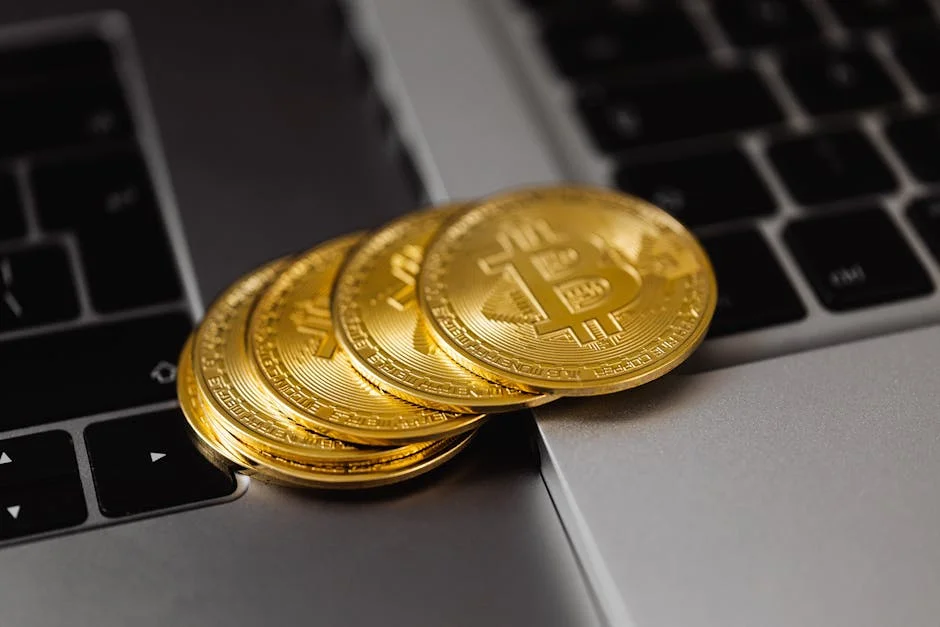
A cryptocurrency cold wallet is a storage method for digital assets where the private keys are kept offline, away from internet-connected devices that could be exposed to remote attacks. The key idea is simple: if a device never touches the internet, it is dramatically harder for malware, phishing kits, or browser-based exploits to reach the secrets that authorize transactions. Unlike “hot” storage—such as exchange accounts or mobile apps that keep keys on an online device—cold storage prioritizes isolation. That isolation can be achieved with dedicated hardware, an air-gapped computer, or even a paper-based approach, but the common thread is that signing authority is separated from everyday online activity. This is why many long-term holders and security-focused users prefer cold storage when they are not actively trading. The offline nature is also useful for protecting against threats that are increasingly common: SIM swaps that compromise phone-based authentication, malicious browser extensions that tamper with addresses, and credential leaks that allow account takeover. Cold storage doesn’t remove every risk, but it moves the battle from “remote attackers” to “local operational security,” which is typically easier to control when you have good habits and clear procedures.
Table of Contents
- My Personal Experience
- Understanding What a Cryptocurrency Cold Wallet Really Is
- Why Cold Storage Matters: Threats It Helps Reduce
- Types of Cold Wallets: Hardware, Air-Gapped, Paper, and Metal Backups
- How a Cold Wallet Works: Private Keys, Seed Phrases, and Signing
- Choosing the Right Cold Wallet: Criteria That Actually Matter
- Setting Up Cold Storage Safely: A Practical, Low-Risk Process
- Operational Security for Cold Wallet Users: Daily Habits That Prevent Loss
- Expert Insight
- Cold Wallet vs Hot Wallet vs Exchange Custody: Tradeoffs and Use Cases
- Common Mistakes with Cold Storage and How to Avoid Them
- Advanced Cold Storage Strategies: Multi-Signature, Sharding, and Inheritance Planning
- Maintaining a Cold Wallet Over Time: Updates, Audits, and Rotation
- Building a Balanced Crypto Storage Plan with Cold Storage at the Core
- Watch the demonstration video
- Frequently Asked Questions
- Trusted External Sources
My Personal Experience
After I left a small amount of crypto on an exchange during a market dip, I logged in one morning to find my account locked for “security review” and realized how little control I actually had. That’s what pushed me to buy a cold wallet. Setting it up was more nerve‑racking than I expected—writing down the seed phrase by hand, double‑checking every word, and storing copies in separate places felt almost old‑fashioned, but also reassuring. The first transfer took a few minutes and I kept refreshing the block explorer like a paranoid person until it confirmed. Since then, I don’t check prices as obsessively, and I sleep better knowing my long‑term holdings aren’t one password reset away from someone else’s hands. If you’re looking for cryptocurrency cold wallet, this is your best choice.
Understanding What a Cryptocurrency Cold Wallet Really Is
A cryptocurrency cold wallet is a storage method for digital assets where the private keys are kept offline, away from internet-connected devices that could be exposed to remote attacks. The key idea is simple: if a device never touches the internet, it is dramatically harder for malware, phishing kits, or browser-based exploits to reach the secrets that authorize transactions. Unlike “hot” storage—such as exchange accounts or mobile apps that keep keys on an online device—cold storage prioritizes isolation. That isolation can be achieved with dedicated hardware, an air-gapped computer, or even a paper-based approach, but the common thread is that signing authority is separated from everyday online activity. This is why many long-term holders and security-focused users prefer cold storage when they are not actively trading. The offline nature is also useful for protecting against threats that are increasingly common: SIM swaps that compromise phone-based authentication, malicious browser extensions that tamper with addresses, and credential leaks that allow account takeover. Cold storage doesn’t remove every risk, but it moves the battle from “remote attackers” to “local operational security,” which is typically easier to control when you have good habits and clear procedures.
It helps to think of a cryptocurrency cold wallet as a system rather than a single product. The wallet is not the coins; the coins exist on the blockchain. The wallet is the mechanism that controls the private keys needed to authorize transfers. Cold storage aims to ensure those private keys are generated, stored, and used in a way that minimizes exposure. Many people assume the biggest risk is a hacker “breaking the blockchain,” but most losses occur because keys are stolen, seed phrases are copied, or users are tricked into signing a malicious transaction. Cold storage reduces the surface area for those attacks by keeping keys offline and limiting when and how signing occurs. Still, users must understand the responsibilities that come with self-custody: if you lose the recovery phrase and the device fails, there may be no support desk to restore access. The best cold storage setups balance security with survivability by using backups, redundancy, and careful physical storage. The result is a practical approach that suits long-term investing, treasury management, and anyone who wants to reduce reliance on third parties.
Why Cold Storage Matters: Threats It Helps Reduce
Cold storage matters because most real-world cryptocurrency theft is opportunistic and targets weak links in the user’s environment rather than the underlying cryptography. A cryptocurrency cold wallet reduces risk from remote malware that scans for seed phrases, clipboard hijackers that swap destination addresses, and keyloggers that capture passwords or recovery words typed into an infected device. When private keys never appear on an internet-connected computer, many common attack paths become ineffective. This is particularly important for people who use a single laptop for everything—email, downloads, social media, and crypto—because that mixed-use environment is a magnet for malicious files and deceptive links. Even reputable app stores can be infiltrated by fake wallet apps, and browser search results can be poisoned with ads leading to counterfeit websites. Offline key custody does not eliminate social engineering, but it forces an attacker to persuade the user to do something explicit, such as approving a transaction on a hardware device, rather than silently exfiltrating secrets in the background.

Another category of risk is counterparty exposure. When assets are stored on an exchange, the user has an account claim rather than direct control of the private keys. Exchange failures, freezes, insolvency, regulatory interventions, and internal fraud have all occurred in the industry. A cryptocurrency cold wallet shifts control back to the holder, reducing dependence on an institution’s security practices and financial health. That said, self-custody introduces its own hazards: physical theft, fire, water damage, and loss of backups. Cold storage is most effective when paired with disciplined procedures—separating backups across locations, protecting the recovery phrase from casual discovery, and using a passphrase feature where appropriate. For larger holdings, many adopt multi-signature arrangements so that no single device or person can move funds. The point is not paranoia; it is acknowledging that digital assets are bearer instruments. Whoever controls the keys controls the funds. Cold storage is a way to narrow who can realistically get to those keys.
Types of Cold Wallets: Hardware, Air-Gapped, Paper, and Metal Backups
Cold storage comes in several forms, each with tradeoffs in cost, convenience, and resilience. The most common option is a dedicated hardware wallet: a purpose-built device designed to generate and store private keys securely and to sign transactions internally so the keys never leave the device. Hardware devices typically connect via USB or Bluetooth to a computer or phone, but the sensitive operations occur on the device, often protected by a secure element or hardened microcontroller. Another approach is an air-gapped computer, where a laptop or single-board computer is permanently kept offline and used only for key generation and signing. This method can be very secure when done carefully, but it requires more technical competence and strict discipline to ensure the machine never connects to a network, never uses untrusted peripherals, and only runs verified software. Paper wallets—printing or writing down a private key or seed phrase—were popular early on, but they are easy to mishandle and can be compromised by printers, cameras, or poor randomness during key generation. If you’re looking for cryptocurrency cold wallet, this is your best choice.
Cold storage is also about backups, not just devices. A recovery seed written on paper can degrade, fade, or be destroyed by water and fire. Metal backups—stainless steel plates, capsules, or punch kits—are designed to survive harsh conditions. Many people combine a hardware wallet with a metal backup of the seed phrase. Another set of tools involves QR-based signing workflows, where the offline device displays a signed transaction as a QR code that an online device scans and broadcasts. This reduces cable-based attack vectors and can simplify air-gapped operations. Multi-signature setups can also be considered a cold storage architecture when the signing devices are kept offline and geographically separated. The best choice depends on the user’s threat model: someone protecting a modest amount may favor simplicity and a reputable hardware wallet, while a business treasury might adopt multi-signature with distributed backups, documented procedures, and periodic audits. Regardless of type, the essentials remain the same: generate keys securely, keep them offline, and ensure you can recover them if a device fails. If you’re looking for cryptocurrency cold wallet, this is your best choice.
How a Cold Wallet Works: Private Keys, Seed Phrases, and Signing
To understand how a cryptocurrency cold wallet works, it helps to separate three things: the blockchain account address, the private key, and the recovery mechanism. The address is public and can be shared to receive funds. The private key is secret and authorizes spending. Most modern wallets use a seed phrase (often 12 or 24 words) that deterministically generates many private keys. This seed phrase is the true master secret; whoever has it can recreate the wallet on another device. Cold storage solutions aim to ensure that the seed phrase is generated in a trustworthy environment and never exposed to the internet. When you create a wallet on a dedicated device, it typically uses its internal random number generator to create the seed, then displays the words on its screen so you can write them down. The phrase should never be photographed, stored in cloud notes, emailed, or typed into a computer file, because those actions create digital copies that are easy to steal.
When you want to send funds, the online device (computer or phone) usually constructs an unsigned transaction specifying the recipient address and amount. That unsigned transaction is then passed to the cold device, which displays the details on its own screen for verification. After you confirm, the cold device signs the transaction internally with the private key. The signed transaction is then returned to the online device, which broadcasts it to the network. This workflow matters because it prevents the private key from being present on the online device, even if that device is compromised. However, it also highlights a key operational risk: address manipulation. Malware can change the recipient address on the online device before the unsigned transaction is sent. That is why you must verify the address and amount on the cold wallet’s screen, not just on the computer. Cold storage is not magic; it is a controlled signing environment. If you approve a malicious transaction, it will still be valid. The goal is to make it very hard for attackers to steal keys silently and to give the user a reliable, offline display for transaction verification. If you’re looking for cryptocurrency cold wallet, this is your best choice.
Choosing the Right Cold Wallet: Criteria That Actually Matter
Choosing a cryptocurrency cold wallet should be driven by security properties and usability realities, not hype. Start with transparency and reputation: devices with published security architectures, regular firmware updates, and a strong track record are generally safer than unknown brands. Consider whether the device supports the networks you use, because some wallets handle many chains while others focus on a subset. Evaluate the transaction verification experience: a clear screen, readable address display, and intuitive confirmation steps reduce the chance of approving the wrong transaction. Another major factor is the backup and recovery process. A good wallet makes it straightforward to write down the seed phrase and test recovery. Some devices support optional passphrases, which add an extra secret on top of the seed phrase. A passphrase can protect against someone finding your written seed, but it also creates a new failure mode: if you forget the passphrase, recovery becomes impossible. The right balance depends on how you store your backups and how confident you are in managing additional secrets.

Supply chain integrity is another practical concern. A cold storage device should be purchased directly from the manufacturer or an authorized reseller to reduce the chance of tampering. Packaging seals can help, but they are not foolproof; the more important defenses are secure boot mechanisms, firmware verification, and the ability to confirm authenticity during setup. Open-source software and reproducible builds can be beneficial because they allow independent review, though open source alone is not a guarantee of safety. Also think about connectivity choices: USB-only devices can be simpler, while Bluetooth-enabled devices can be convenient for mobile use but add a wireless interface that must be implemented carefully. For higher-value holdings, multi-signature support can be decisive. Multi-signature arrangements allow funds to require approval from two or more devices, reducing single-point-of-failure risk. The “best” option is the one you can operate correctly every time, including under stress, while still meeting your security needs. A sophisticated setup that you don’t understand can be more dangerous than a simpler cold wallet used properly. If you’re looking for cryptocurrency cold wallet, this is your best choice.
Setting Up Cold Storage Safely: A Practical, Low-Risk Process
A safe setup process for a cryptocurrency cold wallet focuses on controlling your environment and minimizing digital traces. Begin by preparing a clean workspace with privacy in mind: no cameras pointed at your desk, no screen recording, and no smart assistants listening. If you are using a hardware wallet, update firmware only through official software and verify you are on the correct website or application source. During initialization, generate a new wallet on the device rather than importing an existing seed, unless you have a specific reason. When the device displays the seed phrase, write it down carefully by hand, double-check spelling and word order, and store it away immediately. Avoid taking photos or typing the words into a computer “just for safekeeping.” Digital copies are easy to duplicate and hard to fully delete. If you use a passphrase feature, write down clear instructions for your future self on where the passphrase is stored and how it is applied, without exposing it to unauthorized access. Many losses happen years later when the owner remembers having “an extra word” but cannot reconstruct it accurately.
After creating the wallet, perform a controlled test. Send a small amount of crypto to a receiving address generated by the cold wallet, then attempt a small outgoing transaction. This validates that you can receive, sign, and broadcast correctly. Next, test recovery: wipe the device (or use a spare device) and restore from the seed phrase to confirm your backup is accurate. This step is often skipped, but it is one of the most valuable checks you can do, especially before storing significant funds. If you are using metal backups, ensure the words are recorded correctly and legibly, and confirm that the storage method resists casual discovery. Consider splitting risk by storing backups in separate secure locations, such as a safe and a safe deposit box, but be mindful of access continuity and legal considerations in your jurisdiction. The objective is to create a system where losing one item—device, paper backup, or a single location—does not automatically mean losing funds. A cold storage setup is only as strong as its recovery plan, because hardware can fail and accidents happen. If you’re looking for cryptocurrency cold wallet, this is your best choice.
Operational Security for Cold Wallet Users: Daily Habits That Prevent Loss
Once a cryptocurrency cold wallet is set up, the most important work becomes operational security: the routine habits that keep the system reliable. Start by minimizing how often you connect the cold device to online systems. If you are a long-term holder, there may be little need to sign transactions frequently. When you do transact, use a trusted computer with updated software, and avoid doing crypto operations on a machine that is used for risky downloads or unknown browser extensions. Verify recipient addresses on the cold device’s screen, not just on the computer. For large transfers, adopt a two-step approach: send a small test transaction first, confirm receipt, then send the full amount. This reduces the chance that a copied address was wrong or that you misunderstood the network (for example, confusing token networks and sending to an incompatible chain). Also keep your wallet software and firmware current, but avoid rushing into updates on day one if you manage significant funds; wait for community feedback and follow vendor guidance.
| Cold Wallet Type | Best For | Key Pros | Key Cons |
|---|---|---|---|
| Hardware Wallet | Long-term holders who want strong security with regular access | Private keys stay offline; easy to sign transactions; supports multiple assets | Costs money; must safeguard device + recovery seed; supply-chain risk if bought from untrusted sources |
| Paper Wallet | Deep cold storage with minimal digital footprint | No device required; keys can be kept fully offline; inexpensive | Easy to damage/lose; hard to use safely; risky to “sweep”/reuse addresses incorrectly |
| Air-Gapped Wallet (Offline Computer/Phone) | Advanced users needing offline signing and high assurance | Keys never touch an internet-connected device; flexible setups; can use multisig workflows | More complex to set up/maintain; higher chance of user error; requires careful transfer method (QR/SD) |
Expert Insight
Buy a reputable hardware cold wallet directly from the manufacturer, then initialize it offline and write the recovery seed on paper or metal—never in a notes app, email, or cloud backup. Store the seed in a separate, secure location from the device, and consider splitting it across two secure places to reduce single-point risk. If you’re looking for cryptocurrency cold wallet, this is your best choice.
Before moving large amounts, run a small test transaction and verify the receiving address on the wallet’s built-in screen (not just on your computer or phone). Keep the wallet’s firmware updated from official sources, enable a PIN and optional passphrase, and use a dedicated, malware-free device when managing transfers. If you’re looking for cryptocurrency cold wallet, this is your best choice.
Physical security matters just as much. Store the device in a secure place when not in use, and treat the seed phrase as the highest-value item in the system. If someone gains access to your seed phrase, they can recreate the wallet without the device. Consider using tamper-evident bags, safes, or other controls appropriate to your environment. Be cautious about discussing holdings publicly, as it can increase the risk of targeted theft or coercion. If you travel, think carefully about whether to bring a cold wallet device; border searches and loss risks may outweigh convenience. For business or shared funds, enforce separation of duties and documented procedures so that no single person can move assets without oversight. Multi-signature can help, but it must be implemented carefully with tested recovery paths. Finally, plan for emergencies: know what happens if you lose access, if a trusted person needs to recover funds, or if you need to rotate wallets after suspected exposure. Cold storage is a long-term commitment; good habits are the difference between “secure” and “secure and usable.” If you’re looking for cryptocurrency cold wallet, this is your best choice.
Cold Wallet vs Hot Wallet vs Exchange Custody: Tradeoffs and Use Cases
Cold storage is not always the right tool for every situation, so it helps to compare it with hot wallets and exchange custody. Hot wallets—mobile apps, browser wallets, or desktop wallets—keep keys on an internet-connected device. They are convenient for frequent transactions, DeFi interactions, and day-to-day usage. The downside is exposure: if the device is compromised, keys can be stolen or transactions can be manipulated. Exchange custody keeps assets under the control of a third party, which can simplify account recovery and reduce personal responsibility for backups. However, it introduces counterparty risk and can limit your ability to move funds during outages, compliance reviews, or liquidity crises. A cryptocurrency cold wallet sits on the opposite end of the spectrum: maximum personal control and reduced remote attack surface, but higher responsibility and more friction when transacting. Many experienced users adopt a tiered approach: small amounts in a hot wallet for spending and DeFi, a moderate amount on an exchange for active trading if needed, and the majority in cold storage for long-term holding.

Use case should guide the decision. If you are paid in crypto and need to convert regularly, keeping some funds readily accessible may be practical. If you are building a long-term position, cold storage often makes sense because it reduces the temptation to make impulsive moves and lowers exposure to everyday online threats. For institutions and DAOs, custody decisions involve governance, auditability, and insurance considerations. Some choose qualified custodians for regulatory reasons, while others use multi-signature cold storage with distributed key holders. Even within personal finance, lifecycle matters: a new user might start with a reputable exchange while learning, then migrate to self-custody as they become comfortable with seed phrases and recovery. The key is being honest about your ability to manage backups and follow procedures. Cold storage is powerful, but if you are likely to misplace the recovery phrase or skip verification steps, a partial custody solution could be safer in practice. The best setup matches real behavior, not ideal behavior. If you’re looking for cryptocurrency cold wallet, this is your best choice.
Common Mistakes with Cold Storage and How to Avoid Them
Many losses attributed to “hacks” are actually preventable mistakes. One of the most common errors is storing the seed phrase digitally—taking a photo, saving it in a password manager without understanding the risks, putting it in cloud storage, or emailing it to yourself. Those actions defeat the main benefit of a cryptocurrency cold wallet by creating online copies that can be stolen. Another frequent mistake is buying a device from an untrusted source or using a pre-initialized wallet. A legitimate cold wallet should generate a new seed during setup and never arrive with a seed phrase already printed or provided. Users also sometimes skip verifying addresses on the device screen and instead trust what appears on the computer. Clipboard malware is real, and it can replace an address in the background. Additionally, some people store seed phrases in a single location without redundancy. A house fire, flood, or simple misplacement can turn a secure setup into a permanent loss. Cold storage needs both security and durability.
Another category of mistakes involves network confusion and token handling. Sending assets on the wrong network, interacting with malicious smart contracts, or approving unlimited token allowances from a compromised interface can cause losses even if keys remain offline. Cold storage protects keys, but it doesn’t guarantee that every transaction you sign is safe. Users should be cautious when connecting wallet software to decentralized applications, especially if the online device is used to browse widely. For high-value holdings, it can be wise to separate roles: keep long-term holdings in a cold wallet that rarely signs anything, and use a separate hot wallet for experiments. Also, be careful with passphrases and multi-signature: these features increase security but also increase complexity. If you introduce complexity, document it clearly and test recovery. The best way to avoid mistakes is to treat cold storage like a process: controlled setup, small tests, verified backups, and periodic checkups. A well-run cold wallet strategy is boring by design, which is exactly what you want when safeguarding valuable assets. If you’re looking for cryptocurrency cold wallet, this is your best choice.
Advanced Cold Storage Strategies: Multi-Signature, Sharding, and Inheritance Planning
For larger portfolios, advanced strategies can make a cryptocurrency cold wallet setup more resilient against theft, coercion, and single-point failures. Multi-signature wallets require multiple approvals to spend funds, such as 2-of-3 or 3-of-5. This can be implemented with multiple hardware devices stored in different locations or held by different trusted parties. The advantage is clear: if one device is stolen or one key holder is compromised, funds still cannot be moved without additional signatures. Multi-signature also supports operational controls for businesses, such as requiring approvals from finance and security teams. The tradeoff is complexity: you must manage multiple backups, ensure each signer can be recovered, and maintain clear documentation so the wallet can be reconstructed if a device fails. Testing is essential. A multi-signature wallet that cannot be recovered is not safer; it is simply inaccessible.
Some users explore sharding or secret sharing schemes, where a seed phrase is split into parts so that no single part reveals the full secret. While this can reduce the risk of a single backup being stolen, it can also increase the risk of loss if parts are misplaced or if the reconstruction rules are misunderstood. If you adopt such methods, use well-reviewed tools and avoid inventing your own scheme. Inheritance planning is another overlooked area. If something happens to you, can a spouse or executor access funds without you? Cold storage can unintentionally create a “forever lock” if no one else knows how to recover. A practical approach is to create an inheritance packet that explains where backups are stored, how to use them, and what professionals to contact, while keeping secrets protected until needed. Some people use time-locked legal arrangements, shared custody among trusted family members, or multi-signature where an attorney or executor holds one key. The goal is to ensure continuity without creating an easy theft path. Advanced cold storage is about balancing security, redundancy, and human realities over many years. If you’re looking for cryptocurrency cold wallet, this is your best choice.
Maintaining a Cold Wallet Over Time: Updates, Audits, and Rotation
Cold storage is not a “set it and forget it” project, because software ecosystems evolve and personal circumstances change. A cryptocurrency cold wallet should be maintained with periodic reviews. Firmware updates can address security vulnerabilities, improve transaction parsing, and add support for new networks. At the same time, updates introduce risk if applied carelessly or obtained from untrusted sources. A sensible approach is to monitor official announcements, verify downloads, and schedule updates during calm periods rather than when you urgently need to move funds. Keep a record of device model, firmware version, and recovery test dates. For significant holdings, consider conducting periodic audits: confirm that backups are still readable, that storage locations remain secure, and that trusted contacts for recovery are still appropriate. If you used a paper backup, check for fading or damage. If you used a metal backup, inspect for corrosion or legibility issues. These checks are not about paranoia; they are about ensuring recoverability.

Wallet rotation is another maintenance practice. If you suspect that a seed phrase may have been exposed—perhaps someone had unsupervised access to your home, you discovered a hidden camera risk, or you mistakenly typed words into a connected device—moving funds to a new wallet can be prudent. Rotation can also be used when upgrading to a new cold wallet device. The safe method is to create a brand-new seed on the new device, back it up properly, then transfer funds on-chain to the new addresses. Avoid “cloning” by importing the old seed into the new device unless you have a reason, because importing increases the number of places the seed exists and can extend the blast radius if the seed was compromised. For token-heavy portfolios, plan transfers carefully to avoid network congestion and to ensure you maintain access to relevant token contracts. Keeping a cold wallet healthy over time is about controlled change: measured updates, verified backups, and deliberate migrations rather than hurried actions under pressure. If you’re looking for cryptocurrency cold wallet, this is your best choice.
Building a Balanced Crypto Storage Plan with Cold Storage at the Core
A strong storage plan treats cold storage as the vault, not the entire banking system. A cryptocurrency cold wallet excels at safeguarding long-term holdings, but daily activity often benefits from separate tools. Many users keep a small “spending” amount in a hot wallet for quick transfers, NFT interactions, or DeFi use, and keep the majority in cold storage where it rarely moves. This separation limits the damage if the hot wallet is compromised by a malicious contract, a phishing site, or a device infection. For people who trade actively, a third tier may exist: funds temporarily on an exchange for liquidity, with clear limits and frequent withdrawals back to self-custody. The discipline comes from defining thresholds—how much stays in each tier—and sticking to them. A plan is also about documentation. Keep a private inventory of which assets are stored where, which networks they are on, and what recovery materials exist. Without good records, users sometimes forget about small balances, airdrops, or network-specific nuances that can complicate recovery later.
Cold storage also benefits from intentional transaction patterns. When moving funds into cold storage, confirm you are receiving to an address derived from your cold wallet and that you can verify it on the device. When moving funds out, prefer deliberate sessions: use a clean environment, double-check the destination address, and consider using whitelisted addresses if your wallet software supports it. For families or teams, agree on rules for access and communication so that urgent requests do not lead to rushed mistakes. Social engineering often succeeds by creating urgency. A calm, repeatable process is a defense. Finally, keep perspective on risk: the goal is not to eliminate all risk, which is impossible, but to reduce the likelihood of catastrophic loss. A well-designed plan uses a cryptocurrency cold wallet for what it does best—offline key protection—while also acknowledging the practical needs of real users, including convenience, recoverability, and long-term continuity. When those elements are aligned, cold storage becomes a dependable foundation rather than a stressful burden.
Watch the demonstration video
In this video, you’ll learn what a cryptocurrency cold wallet is and why it’s one of the safest ways to store digital assets offline. We’ll cover how cold wallets work, the main types available, and best practices for setup, backups, and avoiding common mistakes—so you can protect your crypto from hacks and loss.
Summary
In summary, “cryptocurrency cold wallet” is a crucial topic that deserves thoughtful consideration. We hope this article has provided you with a comprehensive understanding to help you make better decisions.
Frequently Asked Questions
What is a cryptocurrency cold wallet?
A **cryptocurrency cold wallet** keeps your private keys stored offline—completely disconnected from the internet—making it much harder for hackers and malware to access your funds.
How is a cold wallet different from a hot wallet?
Hot wallets stay connected to the internet, making it easy to access and manage your funds quickly. In contrast, a **cryptocurrency cold wallet** keeps your private keys offline for stronger protection against online threats, though it can take a bit more time to use when you want to make a transaction.
What types of cold wallets are there?
Common types include hardware wallets (dedicated devices), paper wallets (printed keys/seed), and air-gapped computers used only for signing.
Are hardware wallets completely safe?
Not entirely. A **cryptocurrency cold wallet** can drastically reduce the risk of online attacks by keeping your private keys offline, but it’s not a complete guarantee of safety. You still need to secure your recovery seed, double-check recipient addresses before sending funds, stay alert for phishing scams, and purchase your device only from trusted, reputable sources.
What is a recovery seed and why is it important?
A recovery seed (or seed phrase) is a unique list of words that lets you restore your wallet if your device is lost, stolen, or damaged. Keep it private and secure—anyone who gets hold of it can take control of your funds, even if you’re using a **cryptocurrency cold wallet**.
What are best practices for using a cold wallet?
Write your recovery seed down and keep it offline, then store copies in a few secure locations. Protect your **cryptocurrency cold wallet** with a strong PIN or passphrase, stay on top of firmware updates, and always run a small test transfer before moving larger amounts.
? Looking for more info about cryptocurrency cold wallet? Follow Our Site for updates and tips!

Trusted External Sources
- Arculus Cold Storage Wallet | Securely Manage Crypto & NFTs
With the Arculus Cold Storage Wallet’s robust protection, you can manage your digital assets with confidence—securely store, buy, swap, send, and receive crypto with a simple tap. It’s a powerful, easy-to-use **cryptocurrency cold wallet** designed to keep your funds safer while making everyday transactions effortless.
- Ledger Crypto Wallet – Security for DeFi & Web3
Cold wallets store your private keys completely offline, keeping them safely beyond the reach of hackers and other online threats. A **cryptocurrency cold wallet** can take several forms—most commonly hardware devices or even a carefully secured paper wallet—offering a simple, reliable way to protect your funds. Wallets can also be categorized based on factors like how they connect, how they’re backed up, and how you access them day to day.
- Trezor Hardware Wallet (Official) | Bitcoin & Crypto Security
The safest cold storage wallets for crypto security and financial independence. Easily use, store, and protect Bitcoin.
- Cold Storage: What It Is, How It Works, Theft Protection – Investopedia
A **cryptocurrency cold wallet** is a secure way to store your private keys completely offline, keeping them out of reach of hackers and online threats. Instead of leaving your keys on an internet-connected device, you generate and hold them in an offline environment—often using a hardware wallet, a paper wallet, or another air‑gapped setup—only connecting briefly when you need to sign a transaction. This approach adds an extra layer of protection for long-term holders who want stronger security than a typical online wallet can offer.
- Cold wallets explain like I’m 5 : r/CryptoMarkets – Reddit
Dec 25, 2026 … A cold wallet is like a locked treasure chest you control, keeping your crypto offline and safe. On Coinbase, they hold the keys, not you. Use a … If you’re looking for cryptocurrency cold wallet, this is your best choice.