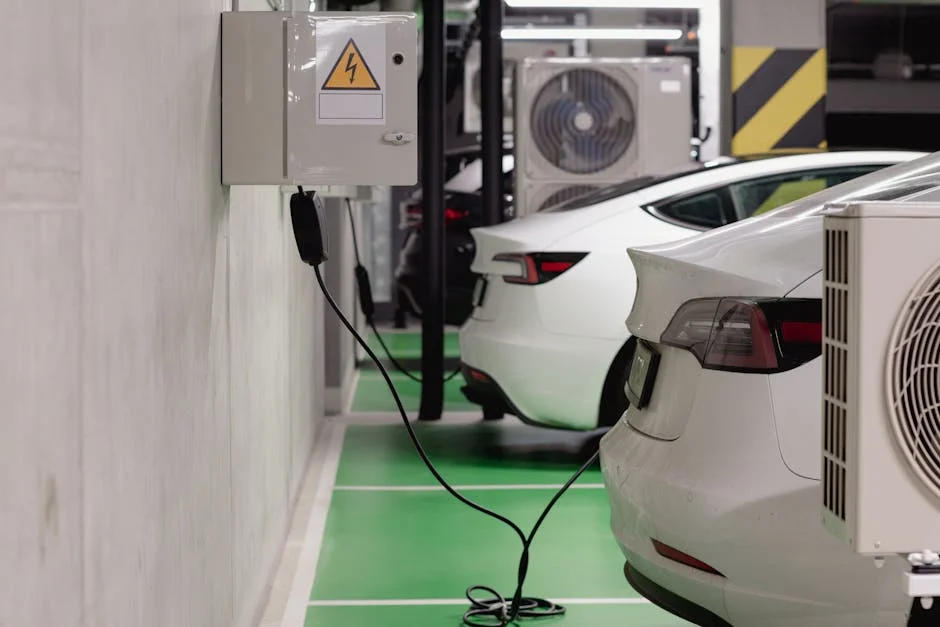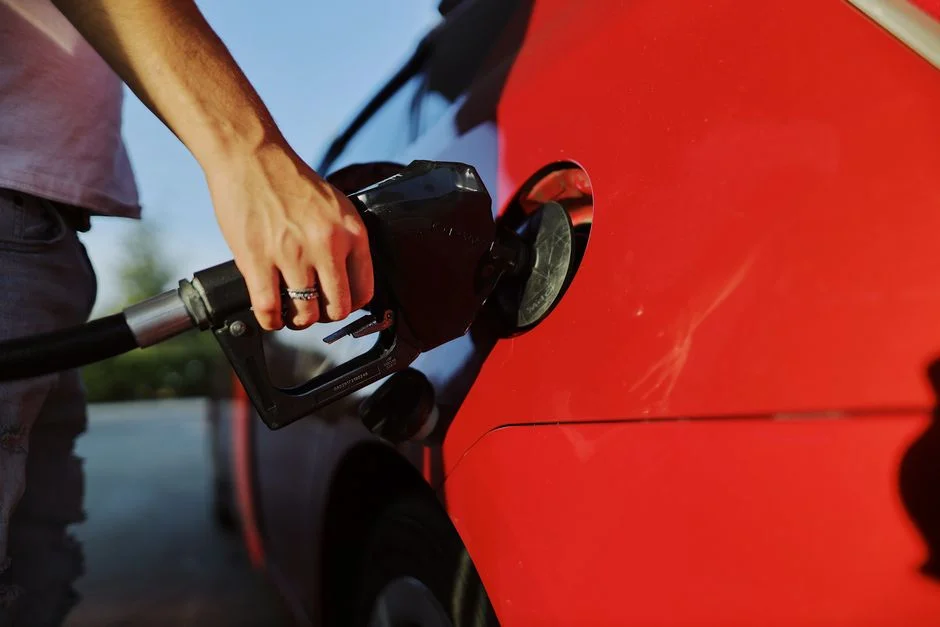
Maintenance on electric cars vs gas is often framed as a simple story: electric vehicles have fewer moving parts, so they need less service. That headline is broadly true, but the details matter because “maintenance” is a bundle of many different tasks—some scheduled, some condition-based, and some tied to driving habits, climate, and vehicle design. A gasoline car’s routine service schedule is built around a complex drivetrain that depends on combustion, lubrication, cooling, fuel delivery, and exhaust aftertreatment. That complexity creates a predictable rhythm of oil changes, filter replacements, spark plug intervals, belt inspections, and emissions-related checks. Electric vehicles remove the engine, fuel system, and exhaust hardware entirely, which immediately eliminates many recurring shop visits. Yet EVs are not “maintenance-free.” They still rely on tires, brakes, suspension, steering, cabin filters, coolant circuits, and electronic diagnostics. In addition, the high-voltage battery and power electronics introduce specialized components that may not need frequent attention but can be expensive if a problem arises. The real comparison is not whether one category needs maintenance and the other does not; it’s the mix of tasks, the frequency, and who can perform them.
Table of Contents
- My Personal Experience
- Understanding maintenance on electric cars vs gas: what “routine” really means
- Powertrain complexity and how it shapes service schedules
- Fluids and filters: the recurring cost center for gasoline cars
- Brakes and regenerative braking: less wear, different needs
- Tires, alignment, and suspension: where EVs can cost more
- Battery health, thermal management, and what “service” looks like for EVs
- Charging hardware and electrical components: new maintenance categories
- Software updates, diagnostics, and the changing meaning of “service visit”
- Expert Insight
- Cost comparison over time: routine maintenance vs unexpected repairs
- Comparison table: typical maintenance and ownership-related costs
- Driving patterns and climate: why the “same car” can have different maintenance needs
- Long-term ownership, resale considerations, and planning a realistic maintenance budget
- Choosing the right maintenance strategy: DIY, independent shops, and dealership service
- Bottom line: making sense of maintenance on electric cars vs gas for your situation
- Watch the demonstration video
- Frequently Asked Questions
- Trusted External Sources
My Personal Experience
After driving gas cars for years, I switched to a used electric car last spring and the maintenance difference hit me almost immediately. With my old sedan, it felt like I was constantly scheduling oil changes, replacing belts, dealing with exhaust issues, and bracing for whatever the check-engine light meant this time. In the EV, there’s basically none of that—no oil, no spark plugs, no transmission drama—so most of my “maintenance” so far has been rotating tires and topping off windshield washer fluid. The only surprise was how quickly the tires wore compared to my gas car, probably from the instant torque, and I did have to replace the cabin air filter sooner than I expected. I still miss the convenience of a five-minute fill-up on road trips, but day-to-day, not having regular engine-related service appointments has been a huge relief. If you’re looking for maintenance on electric cars vs gas, this is your best choice.
Understanding maintenance on electric cars vs gas: what “routine” really means
Maintenance on electric cars vs gas is often framed as a simple story: electric vehicles have fewer moving parts, so they need less service. That headline is broadly true, but the details matter because “maintenance” is a bundle of many different tasks—some scheduled, some condition-based, and some tied to driving habits, climate, and vehicle design. A gasoline car’s routine service schedule is built around a complex drivetrain that depends on combustion, lubrication, cooling, fuel delivery, and exhaust aftertreatment. That complexity creates a predictable rhythm of oil changes, filter replacements, spark plug intervals, belt inspections, and emissions-related checks. Electric vehicles remove the engine, fuel system, and exhaust hardware entirely, which immediately eliminates many recurring shop visits. Yet EVs are not “maintenance-free.” They still rely on tires, brakes, suspension, steering, cabin filters, coolant circuits, and electronic diagnostics. In addition, the high-voltage battery and power electronics introduce specialized components that may not need frequent attention but can be expensive if a problem arises. The real comparison is not whether one category needs maintenance and the other does not; it’s the mix of tasks, the frequency, and who can perform them.

Another important layer in maintenance on electric cars vs gas is the difference between preventive maintenance and repair. Gasoline vehicles tend to have more frequent preventive items because fluids degrade and combustion byproducts contaminate oil and filters. Electric vehicles shift the burden toward periodic inspections, software updates, and wear items like tires, along with occasional service of coolant loops and braking systems. That shift can feel dramatically different to owners. A driver accustomed to visiting a shop every 5,000 to 7,500 miles may find it surprising that an EV can go much longer between scheduled services, yet still benefit from regular tire rotations, alignment checks, and brake system cleaning—especially in regions with winter road salt. At the same time, the service ecosystem differs. Many EV brands rely heavily on dealership networks or specialized service centers, and certain diagnostics require manufacturer tools. Gas cars can be serviced almost anywhere, from independent garages to quick-lube chains, which affects cost and convenience. Looking at the full ownership experience means comparing not only parts and labor, but also service availability, warranty coverage, and the likelihood of unexpected repairs over time.
Powertrain complexity and how it shapes service schedules
When comparing maintenance on electric cars vs gas, powertrain complexity is the biggest structural difference. A gasoline engine is a heat engine that must manage controlled explosions thousands of times per minute. That requires precisely metered fuel, air intake management, ignition timing, lubrication, and a cooling system robust enough to handle high thermal loads. Each subsystem adds components that wear, clog, corrode, or drift out of spec. Oil changes are the most visible recurring task, but they are only one part of the schedule. Engines have oil filters, air filters, spark plugs or ignition coils, accessory belts, timing belts or chains, PCV valves, and often turbochargers with additional plumbing. Modern emissions systems add catalytic converters, oxygen sensors, evaporative emissions components, and in some cases gasoline particulate filters. Automatic transmissions add their own fluid service intervals and potential repair points. Even when a gas car is reliable, the number of items that can require periodic attention is substantial, and the maintenance schedule reflects that reality.
Electric powertrains simplify the propulsion system. A traction motor, inverter, and reduction gearset replace the engine and multi-speed transmission in many EV designs. There is no engine oil to change, no spark plugs, no fuel injectors, no exhaust system, and no catalytic converter. That simplification is a major reason maintenance on electric cars vs gas tends to favor EVs in routine service frequency. Still, the EV powertrain is not “just a motor.” It includes high-voltage cabling, contactors, DC-DC conversion for 12V systems, onboard charging hardware, and thermal management for the battery and electronics. Many EVs have coolant loops that may be more complex than those in a basic gas car because they must keep the battery in a narrow temperature window for performance and longevity. The service schedule often includes periodic checks of coolant levels and condition, and sometimes a coolant replacement interval. The reduced number of routine tasks does not eliminate the need for professional inspections, especially as vehicles age. A well-maintained EV can be extremely low on routine service, but the consequences of neglecting tires, suspension wear, or cooling system issues can still be costly.
Fluids and filters: the recurring cost center for gasoline cars
Fluids and filters are the recurring heartbeat of gasoline vehicle ownership, and they are central to maintenance on electric cars vs gas comparisons. Engine oil breaks down due to heat, shear, and contamination from combustion byproducts. Even with modern synthetic oils and extended intervals, most drivers still plan several oil changes per year depending on mileage. Each oil change typically includes an oil filter replacement, and many service visits upsell air filters and cabin filters. Beyond oil, gas cars contain other fluids that may require periodic replacement: transmission fluid, differential fluid in some drivetrains, brake fluid, coolant, power steering fluid (in hydraulic systems), and sometimes transfer case fluid for AWD/4WD. Fuel filters are less common in newer gasoline vehicles but still exist in some designs. Over time, these fluid services add both cost and time, and they also create opportunities for mistakes—incorrect fluid types, underfilled systems, or poor-quality parts—that can impact reliability.
EVs reduce the fluid burden dramatically, which is why maintenance on electric cars vs gas often shows lower routine costs for electric models. There is no engine oil, and many EVs use a single-speed reduction gear that may have lifetime fluid or a long-interval gear oil service. That said, EVs still have brake fluid, windshield washer fluid, and coolant. The coolant piece is particularly interesting: some EVs have multiple coolant circuits for the battery, power electronics, cabin heating, and sometimes a heat pump. Coolant chemistry matters, and mixing incompatible coolants can cause corrosion or reduced thermal performance. Cabin air filters remain a regular replacement item, and because EVs can run HVAC frequently without engine waste heat, cabin filtration can be a noticeable comfort and health factor. The key takeaway is that EV ownership shifts routine service away from frequent oil-based appointments toward less frequent, but still important, inspections and occasional fluid service. For owners evaluating maintenance on electric cars vs gas, the reduced frequency of oil-related visits is often the most tangible difference, but it should not obscure the importance of coolant integrity and brake fluid replacement intervals.
Brakes and regenerative braking: less wear, different needs
Braking is one of the most misunderstood areas in maintenance on electric cars vs gas. Electric cars commonly use regenerative braking, where the traction motor acts as a generator to slow the vehicle while recovering energy back into the battery. In everyday driving, especially in stop-and-go traffic or hilly terrain, regenerative braking can significantly reduce how often the friction brakes are used. As a result, EV brake pads and rotors can last much longer than those on a comparable gas vehicle, sometimes well beyond 100,000 miles depending on driving style and environment. That long pad life is a real cost advantage. Gas vehicles, by contrast, rely almost entirely on friction braking, and even with modern driver-assistance features, brake wear remains a frequent maintenance item. For many owners, a brake job is one of the first major services after routine oil changes, and it can be a notable expense.
However, less friction braking does not mean no brake maintenance, and that nuance matters when weighing maintenance on electric cars vs gas. EV brakes can experience “low-use” issues: rotors can develop surface rust, and caliper slide pins can seize if they are not exercised and serviced periodically, particularly in wet or salty climates. Some EV manufacturers recommend occasional firm braking to keep rotors clean. Regular brake inspections are still important, and periodic brake fluid replacement remains necessary because brake fluid absorbs moisture over time, reducing boiling point and increasing corrosion risk. Gas cars face the same brake fluid issue, but they often get more frequent brake inspections because they visit shops more often for oil changes, which can incidentally catch brake problems early. EV owners who go longer between service visits should deliberately schedule brake inspections and cleaning, especially if they live in areas with heavy winter road treatments. The brake story in maintenance on electric cars vs gas is therefore a trade: EVs can reduce pad and rotor replacement frequency, but they may require intentional attention to keep the braking hardware healthy over long intervals.
Tires, alignment, and suspension: where EVs can cost more
Tires are a major factor in maintenance on electric cars vs gas, and they can surprise new EV owners. Electric cars are often heavier than comparable gasoline vehicles due to battery mass, and they deliver instant torque from a standstill. That combination can increase tire wear, particularly if the driver enjoys brisk acceleration. Many EVs also use low rolling resistance tires to maximize range, and those tires can be more expensive than basic all-season options. Additionally, EVs may use specialized tire sizes or acoustic foam inserts to reduce cabin noise, which can raise replacement costs. While gas cars also wear tires, the wear pattern and replacement frequency can be different. A lightweight compact gas car driven gently may stretch tire life longer than a heavier EV on the same commute. Tire rotations remain essential for both, and neglecting rotations can lead to cupping, noise, and reduced handling performance.

Alignment and suspension wear deserve equal attention in maintenance on electric cars vs gas comparisons. The extra weight of an EV can put more continuous load on suspension components such as control arm bushings, ball joints, and wheel bearings, though many EVs are engineered with that weight in mind. In practice, potholes, curbs, and rough roads are the real enemies. An EV with immediate torque can also stress driveline mounts and half-shafts if driven aggressively, especially in high-performance trims. Gas vehicles are not immune to these issues, but the combination of weight and torque can make EV tire and alignment discipline more important for keeping costs predictable. The best strategy for either type of vehicle is consistent tire pressure checks, regular rotations, prompt alignment checks after impacts, and choosing tires suited to your climate and driving style. Because tires are one of the most frequent and expensive wear items, they can narrow the routine cost gap that usually favors EVs in maintenance on electric cars vs gas calculations.
Battery health, thermal management, and what “service” looks like for EVs
The high-voltage battery is the heart of an electric vehicle, and it changes the entire framing of maintenance on electric cars vs gas. Unlike an engine that needs frequent fluid changes, an EV battery is managed by software and a battery management system that controls charging, discharging, and temperature. Routine “maintenance” for the battery often looks like following best practices rather than replacing parts: avoiding frequent high state-of-charge storage, minimizing repeated fast-charging in extreme heat when possible, and keeping the vehicle’s software up to date. Many EVs have robust warranties on battery capacity and defects, which reduces financial risk during the early years of ownership. Still, battery aging is real, and it is influenced by heat, time, and charging patterns. Owners who understand the thermal and charging behavior of their car often experience better long-term battery performance, which is an indirect form of maintenance even if no wrenches are turned.
Thermal management systems are where EVs can have maintenance needs that feel unfamiliar compared with gas cars. Many EVs use liquid cooling for the battery and power electronics, sometimes with valves, pumps, and heat exchangers that route heat for cabin comfort or battery conditioning. Some models add heat pumps to improve efficiency in cold weather. These systems can be reliable, but they are complex, and coolant quality and correct service procedures matter. A coolant leak in an EV thermal circuit may not look like a traditional radiator leak, and diagnosing it can require specialized knowledge. Gas cars also use coolant, but the thermal demands and control strategies differ because the engine produces abundant waste heat. In a gasoline car, cabin heat is often “free” once the engine warms up; in an EV, heating the cabin can be a significant energy draw, so the HVAC and thermal system are more tightly integrated with efficiency. For anyone weighing maintenance on electric cars vs gas, it’s helpful to recognize that EVs trade frequent oil-based service for a smaller set of high-value systems—battery, charging hardware, and thermal management—that may not need routine intervention but benefit from careful operation and periodic professional inspection.
Charging hardware and electrical components: new maintenance categories
Charging is an ownership experience that does not exist for gasoline vehicles, so it naturally expands the scope of maintenance on electric cars vs gas. While you don’t “maintain” electricity the way you maintain fuel, EV owners interact with charging ports, connectors, cables, and sometimes home charging stations. Routine care includes keeping the charge port clean, ensuring the connector pins are not damaged, and avoiding cable strain that can cause intermittent faults. In regions with snow, ice, or coastal salt air, charge port doors and seals can require extra attention. Public charging introduces variability: damaged connectors, debris, or worn latches can cause charging interruptions that feel like vehicle problems even when the station is at fault. This is not the same as a gas pump, where fueling hardware is standardized and maintained by the station operator. Over time, charging-related issues can become a practical “maintenance” category even if the vehicle itself is mechanically sound.
On the vehicle side, EVs rely on onboard chargers, DC fast-charge contactors, inverters, and DC-DC converters to manage power flow. These components are generally designed for long life, but when failures occur, repairs can be costly and may require specialized service centers. Gas cars have their own electrical complexity—starters, alternators, sensors, and ECUs—but the high-voltage architecture of EVs adds safety procedures and specialized tooling. This affects both labor rates and turnaround times. Home charging equipment also has a lifecycle: wall connectors can need firmware updates, occasional resetting, and in rare cases replacement due to wear or environmental exposure. Including home charging upkeep in maintenance on electric cars vs gas comparisons gives a more realistic view of ownership. Many owners find the convenience of home charging outweighs these considerations, but it’s still wise to plan for occasional charging equipment troubleshooting and to install hardware correctly with a qualified electrician to reduce long-term headaches.
Software updates, diagnostics, and the changing meaning of “service visit”
Software has become central to both vehicle types, but it plays a particularly visible role in maintenance on electric cars vs gas. EVs often receive over-the-air updates that can improve efficiency, adjust charging behavior, refine regenerative braking feel, or fix bugs. That means some “maintenance” is digital rather than mechanical, and it can happen in a driveway instead of a shop. When it works well, this reduces the need for service appointments and can keep the vehicle improving over time. Gas cars increasingly get software updates too, but they are less likely to change core driving efficiency in dramatic ways, and many updates still require dealership visits. EV owners may find themselves managing update schedules, ensuring the car has connectivity, and monitoring release notes, which is a new kind of ownership task.
| Maintenance item | Electric cars (EVs) | Gas cars (ICE) |
|---|---|---|
| Routine service | Fewer scheduled services; no oil changes, spark plugs, or exhaust system upkeep | Regular oil/filter changes plus engine tune-up items (spark plugs, belts, exhaust) |
| Brakes | Brake pads/rotors often last longer due to regenerative braking; brake fluid still needed | More frequent pad/rotor wear; standard brake service intervals |
| High-cost components | Battery and thermal management are key; potential higher cost if battery repair/replacement is needed | Engine/transmission and emissions components can be costly as mileage increases |
Expert Insight
For electric cars, prioritize tire rotations and brake checks on a schedule, not by feel—EVs are heavier and deliver instant torque, which can accelerate tire wear, while regenerative braking can hide uneven pad or rotor issues until they’re advanced. Also, follow the manufacturer’s coolant and brake-fluid intervals, since thermal management systems and moisture-sensitive fluids still require periodic service. If you’re looking for maintenance on electric cars vs gas, this is your best choice.
For gas cars, stay strict on oil and filter changes and address small leaks early—ignoring them can quickly turn into major engine or catalytic-converter damage. Pair that with proactive intake and fuel-system maintenance (air filter, spark plugs, and any recommended injector or throttle-body service) to preserve efficiency and prevent misfires that can cascade into expensive repairs. If you’re looking for maintenance on electric cars vs gas, this is your best choice.
Diagnostics also differ in how they’re accessed. Many EVs provide detailed energy and charging data, but deeper diagnostics may be locked behind manufacturer systems. This can impact independent repairability, a factor that indirectly affects maintenance on electric cars vs gas costs. Gas cars have standardized OBD-II diagnostics that most shops can read, which helps keep labor competitive and convenient. EV diagnostic ecosystems vary widely by brand, and some repairs require high-voltage certification. That can be a challenge in areas with limited EV service infrastructure. Additionally, some issues in EVs present as software faults rather than mechanical failures—charging errors, sensor calibration issues, or thermal management logic problems. Resolving them can require reflashing modules, recalibrating sensors, or replacing electronic components, which may feel less familiar than replacing a worn belt or leaking gasket. The practical takeaway is that “service” for EVs can mean fewer routine mechanical appointments but potentially more reliance on brand-specific support. When evaluating maintenance on electric cars vs gas, consider not just the number of service items, but also the ease of getting qualified help when something unusual happens.
Cost comparison over time: routine maintenance vs unexpected repairs
Cost is the headline reason many people compare maintenance on electric cars vs gas, but the fairest view separates routine maintenance from unexpected repairs. Routine maintenance for gasoline cars is usually higher because of frequent oil changes, filter replacements, and engine-related service items. Over a multi-year ownership period, those costs add up, and they are highly predictable. EVs typically win on routine service costs because they eliminate oil changes and many engine-related consumables. However, EVs may have higher tire costs depending on weight and torque, and some owners spend money on home charging equipment installation, which is not a “repair” but is part of ownership. Routine EV service still includes tire rotations, cabin filter replacements, brake fluid changes, and occasional coolant service. When planned, these items are manageable and often less expensive than the recurring schedule of a gas car.

Unexpected repairs are where the comparison can become less straightforward. Gas cars can develop expensive issues as they age: head gasket failures, timing chain problems, turbocharger failures, transmission rebuilds, and emissions system repairs. Many of these failures become more likely after warranty coverage ends. EVs avoid many of those failure modes, but they can face costly repairs related to high-voltage components, battery modules, onboard chargers, and thermal management hardware. Battery replacement is the most feared expense, though it is not common early in life and is often covered by long warranties for capacity and defects. Still, outside warranty, high-voltage repairs can be expensive and may be limited by parts availability. The best way to interpret maintenance on electric cars vs gas is to think in probabilities: gas vehicles have more frequent, smaller routine costs and a higher number of potential mechanical failure points; EVs have fewer routine costs but a smaller set of high-value components that can be expensive if they fail. A thoughtful ownership plan includes choosing a model with strong warranty coverage, maintaining tires and brakes diligently, and budgeting for the possibility—however unlikely—of major component repair in later years.
Comparison table: typical maintenance and ownership-related costs
Numbers vary widely by region, model, and driving style, but a structured comparison helps ground maintenance on electric cars vs gas in realistic expectations. The table below uses broad, market-typical ranges and ownership-related items that commonly affect maintenance budgets. “Price” is framed as an estimated annual routine maintenance and upkeep range, not including fuel or electricity costs, and not including major accident repairs. Ratings reflect a general perception of maintenance burden (higher is easier/lower maintenance) rather than a brand-specific reliability score. These examples are not tied to a single manufacturer; they represent common vehicle categories that shoppers compare: compact cars, midsize sedans, and small SUVs in both EV and gasoline form.
Use the table as a starting point, then adjust based on your conditions. Aggressive acceleration, rough roads, extreme temperatures, and high mileage will increase maintenance needs for both types. Likewise, access to qualified service matters: in areas with many EV-certified technicians, EV upkeep can be simpler; in areas with limited EV support, the convenience advantage may shrink. The goal is to compare categories in a way that reflects the real-world ownership experience, not just a list of deleted engine parts. When people talk about maintenance on electric cars vs gas, they often mean “routine shop visits,” but for many owners, time, convenience, and predictability matter as much as total dollars.
| Name | Features (maintenance-related) | Ratings (maintenance burden) | Price (estimated annual routine upkeep) |
|---|---|---|---|
| Compact EV (e.g., small hatch/sedan) | No oil changes; regen braking; tire rotations; cabin filter; brake fluid; occasional coolant checks; software updates | 4.6/5 | $200–$600 |
| Compact Gas (e.g., small hatch/sedan) | Oil + filter; engine air filter; spark plugs (interval); transmission service (interval); brakes; coolant; emissions sensors over time | 3.7/5 | $450–$1,000 |
| Midsize EV (e.g., family sedan) | Reduced brake wear; higher tire load; alignment sensitivity; thermal management system; cabin filter; brake fluid | 4.4/5 | $250–$750 |
| Midsize Gas (e.g., family sedan) | Oil services; filters; belts; cooling system; transmission fluid; brakes; potential exhaust/emissions repairs with age | 3.6/5 | $500–$1,200 |
| Small SUV EV (e.g., crossover) | Heavier curb weight; more expensive tires; regen braking; AWD components in some trims; coolant loops; software updates | 4.2/5 | $300–$900 |
| Small SUV Gas (e.g., crossover) | Oil changes; transmission service; AWD fluid service (if equipped); brakes; exhaust; intake cleaning on some direct-injection engines | 3.5/5 | $550–$1,400 |
Driving patterns and climate: why the “same car” can have different maintenance needs
Driving patterns can swing maintenance on electric cars vs gas outcomes more than many people expect. Short trips are notoriously hard on gasoline engines because the engine may not reach optimal operating temperature for long enough to evaporate moisture and fuel dilution in the oil. That can lead to more frequent oil change recommendations and increased wear over time. Stop-and-go driving also increases brake wear in gas vehicles. EVs generally handle short trips well because there is no cold-start engine wear and regenerative braking reduces friction brake usage. However, short trips in cold climates can reduce EV efficiency, leading to more frequent charging, and frequent charging cycles can increase wear on charge port hardware over many years. The maintenance implication isn’t that EVs become unreliable, but that owners may interact with charging equipment more often, and they should be mindful of keeping ports clean and protected.
Climate adds another layer to maintenance on electric cars vs gas. In very cold regions, gas cars may require battery replacements (12V), starter issues can appear, and engine oil thickens, increasing strain during starts. Road salt accelerates corrosion on exhaust systems, brake lines, and underbody components. EVs avoid exhaust corrosion entirely, but they still face underbody corrosion risks on suspension and brake components, and they often have large underbody battery packs that should be inspected for impact damage and seal integrity. In very hot climates, gasoline engines run hotter and can stress cooling systems; EVs also face heat challenges because battery longevity is sensitive to sustained high temperatures. Thermal management systems are designed to mitigate this, but it underscores the importance of coolant health and functional pumps and valves. Dusty environments can increase cabin filter replacement frequency for both types. Ultimately, maintenance on electric cars vs gas is not a fixed number; it’s a range influenced by where and how the vehicle is used. Owners who match their maintenance habits to their climate—regular underbody washes in salty winters, tire pressure checks during temperature swings, and periodic brake inspections—tend to achieve lower costs and better reliability regardless of drivetrain.
Long-term ownership, resale considerations, and planning a realistic maintenance budget
Long-term ownership is where maintenance on electric cars vs gas becomes a strategic decision rather than a monthly annoyance. For gasoline vehicles, many expensive repairs cluster in the later years: oil leaks from aging seals, cooling system failures, catalytic converter issues, and transmission problems. Even if a driver keeps up with routine service, mechanical wear accumulates, and the probability of a significant repair rises with mileage and age. EVs can age differently. The motor and reduction gear can be very durable, and the absence of combustion reduces many traditional aging issues. However, long-term EV ownership places more emphasis on battery health, electronics reliability, and the availability of parts and qualified technicians. Battery degradation affects range, which can affect resale value even if the car is otherwise in excellent condition. That makes documentation valuable: a clear service history, records of software updates, and evidence of reasonable charging habits can help reassure future buyers.

Budgeting for maintenance on electric cars vs gas over a long horizon should include both predictable items and a contingency fund. Predictable items for EVs include tires (often more frequent or more expensive), cabin filters, brake fluid, and occasional coolant service. For gas cars, predictable items include oil changes, filters, spark plugs at intervals, transmission fluid at intervals, and more frequent brake jobs. A contingency fund for gas cars often targets transmission or engine-related repairs; for EVs, it may target charging hardware or out-of-warranty electronics, even if those events are relatively uncommon. Another practical consideration is insurance and collision repair complexity; while not “maintenance,” it affects ownership costs and can influence how people perceive the cost of keeping a vehicle on the road. For many drivers, the most realistic plan is to choose the drivetrain that aligns with their usage and their tolerance for service visits. Those who value fewer scheduled appointments often prefer EVs; those who prioritize ubiquitous service options in rural areas may lean gas. Either way, a well-planned budget turns maintenance on electric cars vs gas from a vague debate into a manageable set of expectations.
Choosing the right maintenance strategy: DIY, independent shops, and dealership service
Service strategy is an overlooked dimension of maintenance on electric cars vs gas. Gasoline vehicles are generally friendly to independent shops and DIY owners because parts are widely available, procedures are familiar, and diagnostic tools are standardized. A careful owner can do oil changes, filters, spark plugs, and even brake jobs at home with the right tools and safety practices. Independent garages can keep costs competitive, and owners can shop around for labor rates. This flexibility can reduce total cost of ownership even if the maintenance schedule is more frequent. It also improves convenience in areas without brand dealerships nearby. The flip side is that more frequent service creates more opportunities for variable workmanship. Choosing a reputable shop and sticking to quality parts and fluids is important for long-term reliability.
EV service strategy can be simpler in routine tasks but more specialized in repairs, which changes maintenance on electric cars vs gas calculations for certain owners. DIY opportunities still exist—tire rotations, cabin filter changes, wiper blades, and basic inspections—but high-voltage systems require strict safety protocols and are often not suitable for casual home mechanics. Independent EV-specialist shops are growing, but coverage varies by region. Some EV brands also integrate service tightly with their networks, and certain repairs or calibrations may require proprietary tools. That can increase dependence on dealerships or authorized centers, affecting both cost and scheduling. A practical approach is to treat EV maintenance like aircraft-style prevention: keep tires, brakes, and fluids in top shape, respond quickly to warning messages, and avoid ignoring small problems that could stress thermal systems or charging hardware. For gas vehicles, the best approach is consistency: follow oil and fluid intervals, address leaks early, and keep up with scheduled inspections. The more your service plan matches the vehicle’s design, the more favorable maintenance on electric cars vs gas will feel in day-to-day life.
Bottom line: making sense of maintenance on electric cars vs gas for your situation
Maintenance on electric cars vs gas is not a contest with one universal winner; it’s a comparison of how costs and responsibilities are distributed. Electric vehicles usually reduce routine maintenance by eliminating oil changes, many filters, spark plugs, and exhaust system upkeep, while also extending brake life through regenerative braking. Gasoline vehicles typically require more frequent scheduled service, but they benefit from a mature repair ecosystem with broad parts availability and widespread technician familiarity. EVs can bring higher tire costs, a need for deliberate brake inspections to prevent corrosion, and occasional attention to charging hardware and thermal management systems. Over time, gas cars may face a wider range of aging-related mechanical repairs, while EVs concentrate risk into fewer, higher-value components such as batteries and power electronics, often mitigated by strong warranties in the early ownership years.
The smartest way to evaluate maintenance on electric cars vs gas is to map the vehicle to your driving reality: mileage, climate, access to service, and whether home charging is practical. A high-mileage commuter in a city with strong EV support may see clear savings and fewer disruptions with an electric car. A driver in a remote area with limited EV service infrastructure might value the convenience of ubiquitous gas-car repair options, even if routine maintenance is more frequent. Regardless of drivetrain, disciplined tire care, timely fluid changes where applicable, and periodic inspections prevent the small issues that turn into expensive repairs. With that mindset, maintenance on electric cars vs gas becomes less about slogans and more about choosing the upkeep profile that best fits your budget, schedule, and long-term plans.
Watch the demonstration video
In this video, you’ll learn how electric car maintenance compares to gas vehicles, including which parts wear out, what routine service is (and isn’t) required, and how costs can differ over time. We’ll cover common upkeep like brakes, fluids, filters, and batteries, so you can understand what to expect before choosing your next car. If you’re looking for maintenance on electric cars vs gas, this is your best choice.
Summary
In summary, “maintenance on electric cars vs gas” is a crucial topic that deserves thoughtful consideration. We hope this article has provided you with a comprehensive understanding to help you make better decisions.
Frequently Asked Questions
Do electric cars need less routine maintenance than gas cars?
Yes—because EVs have far fewer moving parts and don’t need oil changes, spark plugs, or exhaust repairs, routine upkeep is usually simpler and cheaper. That’s one of the biggest differences people notice when comparing **maintenance on electric cars vs gas** vehicles.
What regular maintenance does an electric car still need?
When it comes to **maintenance on electric cars vs gas**, you’ll still handle familiar basics like tire rotations and replacements, brake fluid checks, cabin air filter changes, and swapping out windshield wipers. EVs may also require scheduled coolant service for the battery and thermal management systems, plus the occasional software update to keep everything running smoothly.
How do brake jobs compare between EVs and gas cars?
EVs typically need brake service less often because regenerative braking does much of the slowing, reducing wear on pads and rotors—but you still need regular inspections and occasional brake fluid changes, an important point to remember when comparing **maintenance on electric cars vs gas**.
Are EV batteries expensive to maintain or replace?
Electric cars generally need very little upkeep, but if a major component like the battery ever needs replacing, it can be expensive—though the good news is that many batteries come with long warranties (often 8 years/100,000 miles or more, depending on the market). This is a key point to consider when comparing **maintenance on electric cars vs gas** vehicles.
What maintenance items are common on gas cars but not on EVs?
When comparing **maintenance on electric cars vs gas**, gas-powered vehicles typically require routine oil and filter changes, periodic transmission fluid service (on many models), and replacements for spark plugs, timing belts or chains, and fuel filters or pumps—plus upkeep of emissions components like catalytic converters and mufflers.
Do EVs wear tires faster than gas cars?
Often, yes—electric cars can wear through tires a bit faster. They’re typically heavier and deliver instant torque, which puts more stress on the rubber, especially during quick acceleration. When thinking about **maintenance on electric cars vs gas**, staying ahead of tire care matters: choose low-rolling-resistance tires that fit your driving style and rotate them on schedule to help them last longer.
? Looking for more info about maintenance on electric cars vs gas? Follow Our Site for updates and tips!

Trusted External Sources
- EVs Require Less Maintenance. Once You Experience It … – Reddit
Jul 6, 2026 … As many of us know, maintaining an EV is very different than a conventional gas car. No oil changes, fuel filters, spark plugs, timing belts … If you’re looking for maintenance on electric cars vs gas, this is your best choice.
- EV vs. Gas: Which Cars Are Cheaper to Own? – Car and Driver
As of Oct 28, 2026, our calculations show that the electric F-150 costs about $2,664 less to own and operate over its first three years than the gas version—highlighting how **maintenance on electric cars vs gas** can significantly shift the total cost of ownership in favor of EVs.
- Electric vs. Gas Cars: Is It Cheaper to Drive an EV? – NRDC
As of July 21, 2026, data continues to show that **maintenance on electric cars vs gas** tends to be significantly cheaper over time. On a per-mile basis, EV maintenance and repair costs are often about **40% lower** than those for similar gasoline vehicles, which can add up to meaningful savings across the vehicle’s lifetime.
- EVs outperform gas cars on maintenance and repair savings: 2026 …
On July 12, 2026, he realized the repair would cost more than the car would be worth afterward, so it just didn’t make sense to fix it. Instead, he moved on and picked up a Chevy Equinox EV the same day—another reminder of how people are weighing long-term costs and **maintenance on electric cars vs gas** when deciding what to drive next.
- EV Maintenance Costs vs. Gas: Which is Cheaper? – Wiscasset Ford
As of Mar 3, 2026, the contrast in **maintenance on electric cars vs gas** vehicles is clear: gas-powered cars rely on complex combustion engines with many moving parts that require frequent servicing, while electric vehicles use simpler electric drivetrains with fewer components to wear out—often meaning less routine upkeep over time.