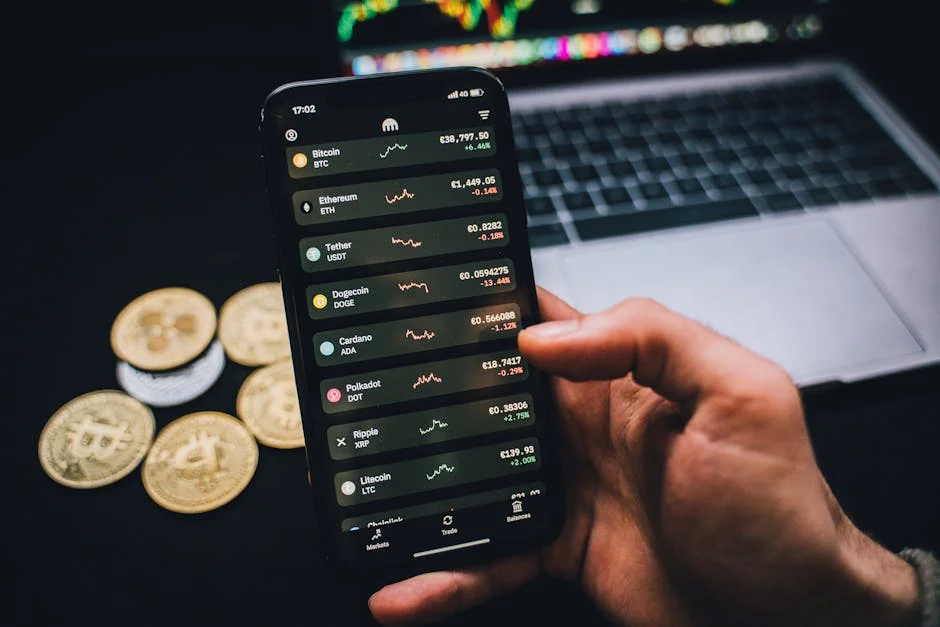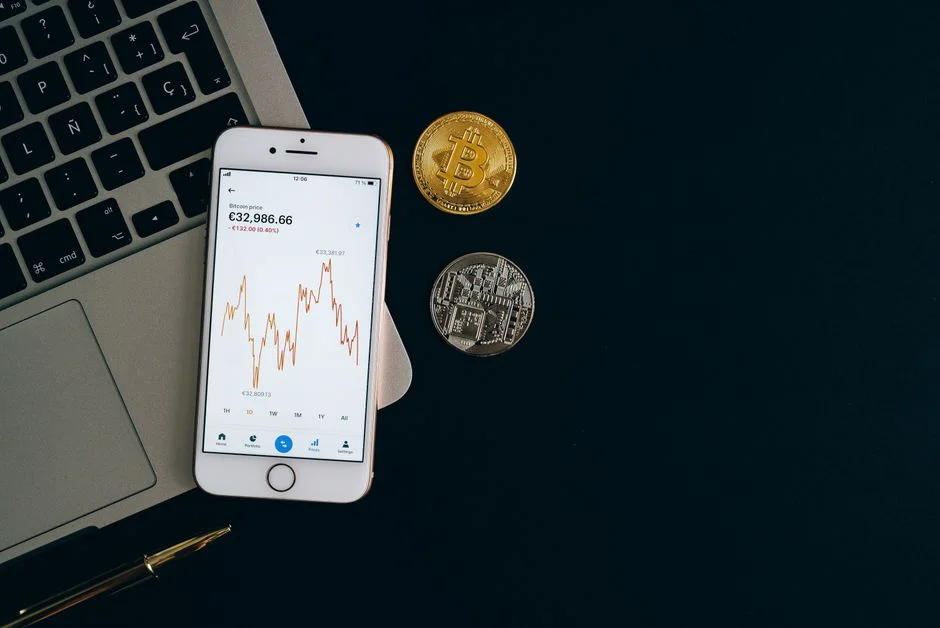
Choosing the best crypto cold wallet starts with understanding what “cold” actually means in the context of digital assets. A cold wallet is any storage method that keeps private keys offline, away from internet-connected devices where malware, phishing, and remote exploits tend to thrive. Unlike a hot wallet—typically a mobile app, desktop wallet, or browser extension that is connected to the internet—cold storage is designed to reduce the attack surface by removing routine network exposure. That offline design matters because the overwhelming majority of large-scale retail losses come from compromised endpoints, social engineering, or malicious browser extensions rather than a failure of the underlying blockchain. When private keys remain offline, an attacker has far fewer avenues to reach them. Cold storage can be implemented as a dedicated hardware device, an air-gapped computer, a paper backup, or even a metal-engraved seed phrase, but the most user-friendly and widely adopted approach is a hardware cold wallet that signs transactions without revealing the private key to the computer or phone it connects to.
Table of Contents
- My Personal Experience
- Understanding What a Crypto Cold Wallet Really Is
- Core Security Features That Separate Good From Great
- Hardware Cold Wallet vs Air-Gapped Cold Storage
- Top Considerations: Compatibility, Coins, and Ecosystem Support
- Best Crypto Cold Wallet Picks: Leading Hardware Devices Compared
- How to Choose Based on Your Risk Profile and Use Case
- Seed Phrase Management: The Real Make-or-Break Factor
- Expert Insight
- Supply Chain Safety: Buying, Verifying, and Updating Securely
- Advanced Protection: Multi-Signature, Shamir Backups, and Segmentation
- Usability Matters: Screens, Buttons, Mobile Support, and Transaction Clarity
- Cost, Value, and Long-Term Ownership Considerations
- Common Mistakes That Undermine Cold Storage Security
- Final Thoughts on Finding the Best Option for Your Needs
- Watch the demonstration video
- Frequently Asked Questions
- Trusted External Sources
My Personal Experience
After leaving a small amount of crypto on an exchange during a market swing, I learned the hard way how stressful it is to rely on someone else’s security. I started looking for the best crypto cold wallet for my situation and ended up choosing a hardware wallet that let me verify addresses on the device screen and store my recovery phrase offline. The setup took a bit longer than I expected—especially double-checking the seed words and doing a test transfer—but once I moved my long-term holdings over, I slept better. What really sold me was how simple it became: I keep the wallet unplugged in a safe place, only connect it when I need to move funds, and I’m not constantly worrying about phishing emails or exchange freezes.
Understanding What a Crypto Cold Wallet Really Is
Choosing the best crypto cold wallet starts with understanding what “cold” actually means in the context of digital assets. A cold wallet is any storage method that keeps private keys offline, away from internet-connected devices where malware, phishing, and remote exploits tend to thrive. Unlike a hot wallet—typically a mobile app, desktop wallet, or browser extension that is connected to the internet—cold storage is designed to reduce the attack surface by removing routine network exposure. That offline design matters because the overwhelming majority of large-scale retail losses come from compromised endpoints, social engineering, or malicious browser extensions rather than a failure of the underlying blockchain. When private keys remain offline, an attacker has far fewer avenues to reach them. Cold storage can be implemented as a dedicated hardware device, an air-gapped computer, a paper backup, or even a metal-engraved seed phrase, but the most user-friendly and widely adopted approach is a hardware cold wallet that signs transactions without revealing the private key to the computer or phone it connects to.

It also helps to separate “wallet” from “account.” On-chain assets live on the blockchain, not inside the device. The wallet is a key management system that controls spending permissions. When people search for the best crypto cold wallet, they are usually looking for a combination of strong security architecture, practical usability, and a trustworthy supply chain. The device doesn’t “hold” coins; it holds secrets (private keys or seed phrases) that authorize transactions. A robust cold wallet keeps those secrets in secure hardware, makes them difficult to extract even with physical access, and minimizes the ways users can accidentally leak them. At the same time, it must support the networks and tokens a user actually needs, including Bitcoin, Ethereum, and popular Layer-2 or EVM chains, while providing a reliable workflow for firmware updates and recovery. The ideal solution balances safety and convenience, because a setup that is too complex can drive risky shortcuts—like storing a seed phrase in cloud notes—which undermines the entire purpose of cold storage.
Core Security Features That Separate Good From Great
The best crypto cold wallet is rarely defined by a single feature; it is a stack of design choices that together reduce the probability of key compromise. One foundational element is a secure element or hardened microcontroller that isolates sensitive operations and resists common extraction techniques. Some devices use certified secure elements (often evaluated under standards like CC EAL), while others rely on open hardware designs and hardened general-purpose chips, emphasizing transparency and auditability. Both philosophies can be valid, but they offer different tradeoffs: secure elements can provide strong resistance to physical attacks, while open designs can make it easier for independent researchers to inspect and verify the code path. Another crucial feature is transaction verification on a trusted screen. A cold wallet that displays recipient address, amount, and network details on the device itself helps prevent clipboard hijacking and man-in-the-middle attacks that can alter transaction data on the connected computer. If a device has a tiny screen that truncates addresses excessively, it may reduce real-world safety because users can’t meaningfully verify what they are signing.
Beyond the chip and screen, pay attention to PIN protection, passphrase support, and rate limits for incorrect attempts. PINs reduce casual access if the device is stolen, while a BIP39 passphrase adds a powerful extra layer: even if someone finds the seed phrase, they still cannot access funds without the additional secret. Many experienced users consider passphrases essential for high-value holdings, but they also increase the risk of self-lockout if not managed carefully. Also valuable are features like secure boot, signed firmware, and reproducible builds where available. Secure boot helps ensure the device runs authentic firmware, and signed firmware reduces the risk of malicious updates. If you’re selecting the best crypto cold wallet for long-term storage, evaluate the vendor’s history of security disclosures, responsiveness to vulnerabilities, and clarity around how updates are delivered. A strong security posture is not just about the hardware; it is about the entire lifecycle, including manufacturing, shipping, onboarding, daily use, and recovery after loss or damage.
Hardware Cold Wallet vs Air-Gapped Cold Storage
Many people equate the best crypto cold wallet with a hardware wallet, but there is a broader category of cold storage methods. Hardware wallets typically connect to a computer or phone via USB, NFC, or Bluetooth while keeping private keys isolated. Air-gapped cold storage, by contrast, aims to eliminate direct electronic connections entirely. Air-gapped devices often communicate through QR codes, microSD cards, or one-way data flows. The air-gap approach can reduce certain classes of remote attacks, but it can also introduce complexity, especially for users who frequently interact with DeFi, NFTs, or multi-chain assets. Complexity matters because the weakest link is often operational: mis-scanning a QR code, skipping verification steps, or rushing through confirmations. A well-designed hardware cold wallet can be extremely secure when used properly, especially when the device has a trusted display and the user verifies the details on-screen.
Air-gapped workflows can shine for high-value, low-frequency storage, such as long-term Bitcoin holdings or treasury management, where transaction signing is rare and careful ceremony is acceptable. For more active users, a hardware wallet with a mature companion application can reduce friction while still offering strong protection. When comparing options, consider how you actually plan to use cold storage. If you need frequent swaps, staking, or multi-chain management, you may prefer a device with broad ecosystem support and a polished interface. If your priority is minimizing connectivity and you can tolerate a slower workflow, an air-gapped signing model might be your definition of the best crypto cold wallet. The key is aligning the security model with your behavior, because a secure tool that doesn’t fit your habits can lead to dangerous workarounds—like temporarily moving funds to a hot wallet “just to do one thing,” which can become a repeated pattern that erodes the benefit of cold storage.
Top Considerations: Compatibility, Coins, and Ecosystem Support
The best crypto cold wallet for one person can be a poor choice for another if it doesn’t support the right networks, tokens, or transaction types. Start by listing the assets you hold now and what you expect to use later. Bitcoin-only users can prioritize specialized features like PSBT workflows, multi-signature compatibility, and robust address verification. Ethereum and EVM-chain users often need smooth handling of ERC-20 tokens, NFT approvals, and interaction with dApps through WalletConnect or browser-based connectors. Users active on Solana, Cosmos, Polkadot, or other ecosystems should verify that the wallet supports those chains natively, not just through experimental integrations. “Supported” can mean different things: viewing balances, sending/receiving, staking, signing smart contract interactions, or supporting hardware-backed keys in third-party wallets. A device can claim support for thousands of tokens because tokens are often just contract addresses, but the real question is whether the signing experience is secure and legible on the device screen.
Ecosystem support includes the companion app, firmware maturity, and third-party integrations. Some cold wallets rely on their own desktop/mobile apps for the full experience; others integrate well with popular wallets like MetaMask, Sparrow, Electrum, or Rabby. If you rely on specific tools—like a Bitcoin wallet for coin control or an Ethereum wallet for managing approvals—confirm compatibility before buying. Also evaluate the quality of transaction decoding on the device. For smart contract interactions, the safest path is clear on-device prompts that explain what you are approving. Blind signing (approving a transaction without meaningful details) increases risk, especially on chains where malicious contracts can drain assets. The best crypto cold wallet for multi-chain DeFi users is often the one that offers the clearest transaction visibility, frequent firmware improvements, and a strong track record of integrating with reputable software wallets. Compatibility isn’t just about the number of coins; it’s about how safely you can use them.
Best Crypto Cold Wallet Picks: Leading Hardware Devices Compared
When people ask for the best crypto cold wallet, they typically want a shortlist of reputable hardware devices with strong security reputations and broad adoption. While individual needs vary, several brands consistently appear in serious discussions because they combine secure key isolation, robust firmware practices, and wide software support. Devices in the mainstream category often provide a balance of usability and security: they can connect to phones and computers, support many networks, and offer companion apps that simplify onboarding. Higher-security or more specialized devices may focus on air-gapped workflows, Bitcoin-only firmware, or advanced multi-signature features. The practical “best” choice depends on whether you optimize for convenience, maximum isolation, open-source transparency, or ecosystem breadth. For many users, the deciding factors come down to screen quality (for verification), ease of secure backups, and reliable integrations with the wallets and exchanges they already use.

It’s also worth considering the vendor’s operational maturity. A cold wallet is not a one-time purchase; it’s a long-term security relationship. Firmware updates, supply chain protections, packaging tamper evidence, and responsive security advisories matter. Reputable manufacturers publish documentation, provide clear recovery guidance, and maintain active development. If a device has an excellent spec sheet but weak documentation or inconsistent updates, it may not be the best crypto cold wallet for long-term safety. Another factor is how well the device supports advanced security practices like passphrases, multi-signature setups, and address labeling. Power users often prefer devices that integrate cleanly with multi-sig coordinators and allow more transparent verification. Meanwhile, newer users may prefer a device with a guided setup that reduces the chance of backup mistakes. A good comparison isn’t only about features; it’s about how those features behave under real-world stress, like a lost phone, a damaged device, or a rushed transaction while traveling.
How to Choose Based on Your Risk Profile and Use Case
Defining the best crypto cold wallet starts with an honest assessment of your risk profile. Someone holding a modest amount of crypto for long-term savings has different needs than a trader interacting with DeFi daily, and both differ from a small business managing treasury funds. Consider threats like phishing, SIM swaps, malicious browser extensions, and physical theft. If you travel often, a discreet device with strong PIN protections and the ability to use a passphrase-hidden wallet can be valuable. If you frequently connect to unfamiliar computers, you’ll want a cold wallet with a strong on-device verification experience and minimal reliance on the connected machine. If you are managing significant value, a multi-signature setup can help reduce single-point-of-failure risk, though it adds complexity. In that scenario, the “best” option may be less about a single device and more about a system: two or three independent signing devices, separated geographically, combined with a coordinator wallet.
Use case also determines how much friction you can tolerate. A long-term holder might accept an air-gapped workflow and store backups in secure locations. A DeFi user might prioritize WalletConnect support and transaction decoding to avoid blind signing. NFT collectors may care about clear contract prompts and safe approval management. If you are choosing the best crypto cold wallet for a family or shared environment, consider whether the interface is intuitive enough to avoid mistakes. A wallet that is secure but confusing can lead to dangerous behavior, such as taking photos of seed phrases or saving them to email. Also consider recovery planning: if something happens to you, can a trusted person recover the funds without exposing them prematurely? Your selection should be guided by a practical security plan that includes backups, inheritance considerations, and a realistic workflow for spending. The best crypto cold wallet is the one you can use correctly every time, not just the one with the most impressive marketing claims.
Seed Phrase Management: The Real Make-or-Break Factor
Even if you buy the best crypto cold wallet on the market, poor seed phrase handling can erase the benefits instantly. The seed phrase (often 12 or 24 words) is the master key that can recreate your wallet on another device. Anyone who gets it can control your assets, and if you lose it, you may lose access forever. Proper seed phrase management means generating the seed securely on the device (not on a computer), writing it down offline, and storing it in a way that resists theft, fire, and water damage. Paper can degrade, ink can fade, and a single household incident can be enough to destroy a backup. Many long-term holders use metal backups designed to survive harsh conditions. However, physical durability is only half the equation; secrecy is equally important. A seed stored in a visible safe or a desk drawer is not truly protected. The best practice is to store backups in secure, private locations and avoid creating extra copies that you can’t account for.
Expert Insight
Choose a cold wallet with a strong security model (secure element, verified firmware, and open, well-documented recovery process), then buy it only from the manufacturer or an authorized reseller to avoid tampered devices. Before moving significant funds, initialize it offline, update firmware from the official source, and run a small test transaction to confirm addresses and signing work as expected. If you’re looking for best crypto cold wallet, this is your best choice.
Harden your recovery setup: write the seed phrase by hand, store it in two separate secure locations, and never photograph or type it into any device. Add a passphrase (if supported) and practice a full restore on a spare device or in a safe environment so you can recover quickly if the wallet is lost, damaged, or confiscated. If you’re looking for best crypto cold wallet, this is your best choice.
Passphrases add another layer by creating a “hidden” wallet derived from the same seed phrase but protected by an additional secret. This can help in coercion scenarios and reduces the impact if someone finds your written seed. But passphrases require disciplined management: forgetting the exact passphrase means losing access. Consider using a strong but memorable passphrase and recording it using a secure method that doesn’t sit next to the seed phrase. Some users split information across locations, but splitting can create its own risks if done incorrectly. Another approach is multi-signature, which can reduce reliance on a single seed phrase, but still requires careful backup planning. When evaluating the best crypto cold wallet, treat seed phrase workflow as a primary feature: does the device guide you through verification, warn against unsafe behaviors, and support secure recovery? The device can be excellent, but the backup process is where many real losses occur. A cold storage plan is only as strong as the weakest operational step.
Supply Chain Safety: Buying, Verifying, and Updating Securely
Supply chain integrity is a key part of selecting the best crypto cold wallet, because the most secure design can be undermined if the device is tampered with before it reaches you. The safest approach is to buy directly from the manufacturer or from an authorized reseller with a clear chain of custody. Be cautious with second-hand devices, auction sites, or “discount” listings. A malicious actor could preconfigure a wallet, include a seed phrase card, or modify packaging to trick you into using compromised keys. Reputable hardware wallet providers typically instruct users to generate the seed phrase during setup and warn against using pre-printed seed cards. Packaging tamper seals can help, but they are not foolproof. What matters is the device’s initialization process and whether it can verify authenticity. Some manufacturers provide device attestation checks or authenticity verification in their companion apps. These checks can add confidence, though they should be combined with common-sense purchasing practices.
| Cold Wallet | Best For | Key Pros | Key Cons |
|---|---|---|---|
| Ledger Nano X | Mobile-first users who want Bluetooth convenience | Bluetooth + USB-C; broad coin support; strong security track record | Closed-source components; higher price than entry models |
| Trezor Model T | Transparency-focused users who prefer open-source | Open-source firmware; touchscreen; strong third-party wallet compatibility | Typically pricier; no secure element (design choice) |
| Ellipal Titan | Maximum isolation with air-gapped QR transactions | Fully air-gapped; QR signing; rugged metal body | Less convenient for frequent transfers; fewer integrations than Ledger/Trezor |

Firmware updates are another supply chain consideration. Updates can fix vulnerabilities, add chain support, and improve transaction decoding, but they also introduce a moment where trust is tested. The best crypto cold wallet vendors sign firmware updates and provide clear verification steps. Ideally, update procedures are straightforward, with transparent release notes and a history of security advisories. Users should avoid downloading wallet software from ads or unofficial links; phishing sites often mimic official pages. Bookmark official domains, verify signatures when possible, and keep your operating system reasonably secure. Also consider whether the device allows you to delay updates without breaking basic functionality; forced updates can be inconvenient, but never updating can be risky if known vulnerabilities exist. A healthy approach is to monitor official announcements and update during a controlled session, verifying addresses and balances afterward. Supply chain safety isn’t only about the moment of purchase—it’s a continuing practice that helps ensure your cold storage remains trustworthy over time.
Advanced Protection: Multi-Signature, Shamir Backups, and Segmentation
For larger holdings, the best crypto cold wallet strategy often moves beyond a single device and into layered security. Multi-signature (multi-sig) requires multiple independent approvals to spend funds, such as 2-of-3 or 3-of-5. This can reduce the risk of a single compromised device, a single stolen seed phrase, or a single moment of user error. Multi-sig is particularly popular for Bitcoin, where tooling is mature and standardized, but it is also available in other ecosystems through smart contracts or specialized platforms. The benefit is resilience: losing one key doesn’t necessarily mean losing funds, and an attacker needs to compromise multiple keys to steal assets. The drawback is complexity: you must maintain multiple devices, backups, and a clear recovery plan. Complexity can be managed with careful documentation and periodic tests, but it is not ideal for everyone.
Some wallets support Shamir’s Secret Sharing or similar schemes that split a recovery secret into multiple shares, requiring a threshold to restore. This can be useful for distributing risk across locations or trusted parties without revealing a complete seed phrase to any single place. Another advanced approach is segmentation: using different wallets for different purposes. For example, keep long-term holdings in a highly locked-down cold wallet, while maintaining a smaller “spending” balance in a separate hardware wallet or even a hot wallet for daily transactions. Segmentation limits the damage of a single mistake. If you’re seeking the best crypto cold wallet setup for high assurance, consider combining a primary cold storage vault (possibly air-gapped or multi-sig) with a secondary device for routine activity. The goal is to reduce the frequency with which your deepest reserves are exposed to transaction signing. Advanced protection is not about paranoia; it’s about acknowledging that human attention is finite and designing a system that remains safe even when you are tired, traveling, or under pressure.
Usability Matters: Screens, Buttons, Mobile Support, and Transaction Clarity
The best crypto cold wallet is one you can operate confidently. Usability is not a luxury; it is a security feature. A device with a larger, clearer screen makes it easier to verify addresses and amounts, which directly reduces the risk of sending funds to an attacker’s address due to malware on the connected device. Button layout and confirmation flows matter too. If confirmations are too easy to click through, users may approve transactions without reading. If confirmations are too cumbersome, users may avoid using cold storage and keep funds in a hot wallet instead. Mobile support is another practical factor. Many people manage crypto primarily from a phone, so a cold wallet that integrates smoothly with iOS and Android can reduce friction and encourage consistent secure behavior. Bluetooth and NFC can be convenient, but users should understand that these transport layers do not expose private keys if the device is designed correctly; the primary risk is still user verification and app integrity.
Transaction clarity is especially important for smart contract interactions. DeFi approvals, token swaps, and staking often involve complex transactions that can be hard to interpret. Some wallets provide enhanced decoding that shows what contract you are interacting with and what permissions you are granting. Others require blind signing in certain cases, which increases risk because you cannot verify what you are approving. If your activity includes DeFi, the best crypto cold wallet for you is likely one that minimizes blind signing and offers readable confirmations. Another usability point is address management and labeling. Being able to label accounts, verify receiving addresses on the device, and manage multiple portfolios can prevent costly mistakes. Finally, consider accessibility: a wallet that is difficult to read or operate can lead to errors. A secure device that fits your daily workflow is more likely to be used correctly, and correct use is what ultimately protects your assets.
Cost, Value, and Long-Term Ownership Considerations
Price alone doesn’t determine the best crypto cold wallet, but cost should be considered in relation to the value you’re protecting and the features you need. For small holdings, an entry-level hardware wallet can provide a major security improvement over keeping everything on an exchange or in a browser extension. For larger holdings, spending more for better usability, a stronger security model, or additional redundancy can be justified. However, higher price doesn’t always mean better security. Some premium devices focus on aesthetics, while others invest in features like larger screens, better transaction decoding, or more robust physical protection. The right value calculation considers not only the device cost but also the cost of accessories and backups, such as a metal seed storage solution, secure storage containers, or additional devices for multi-signature. If you plan to use passphrases or multi-sig, you may also need to invest time in learning and testing your setup, which is a real cost that should be acknowledged.

Long-term ownership includes durability, vendor longevity, and support. A cold wallet should last for years, but you should assume that at some point the device could be lost, damaged, or become obsolete. That’s why recovery procedures matter more than the device itself. The best crypto cold wallet is one that follows widely used standards (like BIP39 for seed phrases) and can be recovered on other reputable wallets if necessary. Vendor lock-in can be risky if a company discontinues a product or changes its software support. It’s also wise to consider how the device handles account discovery and derivation paths, especially if you use multiple chains. Clear documentation makes future recovery far easier. Another ownership factor is privacy: some companion apps may collect analytics or request permissions you don’t want to grant. Evaluate whether the wallet can be used with third-party software that aligns with your privacy preferences. The ideal choice provides a strong security baseline today and preserves flexibility for tomorrow.
Common Mistakes That Undermine Cold Storage Security
Even with the best crypto cold wallet, certain mistakes repeatedly cause losses. One of the most common is storing the seed phrase digitally—taking a photo, saving it in cloud storage, emailing it to yourself, or putting it in a password manager without understanding the risk model. While password managers can be secure for many purposes, a seed phrase is a single point of failure that can drain your entire wallet; if your password manager is compromised or you fall for a phishing prompt, the damage can be immediate and irreversible. Another mistake is failing to verify addresses on the device screen. Malware can replace a copied address with an attacker’s address, and if you only verify on the computer screen, you may not notice. A third frequent issue is rushing through smart contract approvals. Unlimited token approvals can allow malicious contracts to drain funds later, and users often sign these transactions without understanding the permissions being granted. Managing approvals and limiting allowances can reduce exposure.
People also undermine cold storage by buying devices from untrusted sources, using pre-generated seed cards, or sharing recovery words with anyone claiming to be “support.” Legitimate wallet companies will never ask for your seed phrase. Another subtle mistake is failing to test recovery. A backup is only proven when you can restore it. Testing doesn’t mean exposing your seed on an internet-connected device; it means practicing the recovery process in a controlled way, ideally with a spare device or a secure offline environment, and confirming you can access the same addresses. Additionally, users sometimes keep all funds in a single wallet without segmentation. If you actively trade or use DeFi, keeping a smaller operational balance separate from deep cold storage can limit losses if you make a mistake. The best crypto cold wallet is not a magic shield; it’s a component in a larger set of habits. Avoiding these common errors often provides more security improvement than chasing marginal hardware differences.
Final Thoughts on Finding the Best Option for Your Needs
The best crypto cold wallet is the one that matches your assets, your behavior, and your threat model while keeping recovery simple and reliable. Strong cold storage combines offline key protection, clear on-device verification, secure backups, and a purchasing and update process that minimizes supply chain risk. Hardware wallets remain the most practical path for most people because they provide a dedicated environment for signing transactions without exposing private keys to everyday devices. For higher assurance, layering protections like passphrases, segmentation, or multi-signature can reduce single points of failure, but only if you can maintain the operational discipline those methods require. Security is a long game: the right choice today should still be recoverable and manageable years from now, even if you change phones, move countries, or switch software tools.
Before committing, confirm support for the networks you use, prioritize a device that makes verification easy, and build a backup plan that survives both accidents and theft. Treat seed phrase protection as the central pillar, not an afterthought, and avoid shortcuts that place recovery words into digital systems that can be copied or exfiltrated. If you keep your process consistent—verify on-device, keep backups offline, and update firmware carefully—you will get the core benefit cold storage offers: reducing the most common avenues of remote compromise. With that foundation in place, selecting the best crypto cold wallet becomes less about hype and more about choosing a dependable tool you can use correctly every time, including the day you need to recover everything.
Watch the demonstration video
In this video, you’ll learn how to choose the best crypto cold wallet for securely storing your digital assets offline. We’ll compare top hardware wallets, break down key features like security chips, backup and recovery options, supported coins, and ease of use, and help you pick the right cold wallet for your needs and budget.
Summary
In summary, “best crypto cold wallet” is a crucial topic that deserves thoughtful consideration. We hope this article has provided you with a comprehensive understanding to help you make better decisions.
Frequently Asked Questions
What is a crypto cold wallet?
A cold wallet is an offline way to store your crypto—most often through a hardware wallet—that keeps your private keys disconnected from the internet, lowering the risk of hacks and making it a smart choice when you’re looking for the **best crypto cold wallet**.
What makes the best crypto cold wallet?
When choosing the **best crypto cold wallet**, look for rock-solid security features like a secure element and verified firmware, backed by an open, auditable design you can trust. Make sure it offers dependable recovery options such as a seed phrase, stays simple and intuitive to use, supports a wide range of coins, and comes from a manufacturer with a proven, long-term track record.
Are hardware wallets safer than software wallets?
Generally yes: hardware wallets isolate private keys from internet-connected devices, so malware on your phone or computer is less likely to steal keys—though phishing and user error can still cause loss. If you’re looking for best crypto cold wallet, this is your best choice.
Which cold wallet is best for beginners?
For newcomers, the **best crypto cold wallet** is one that’s easy to set up, provides clear on-device confirmation for every transaction, pairs smoothly with a reliable companion app, and offers a simple, stress-free recovery process—all while keeping essential security protections firmly in place.
How do I choose a cold wallet for multiple coins and DeFi?
Before choosing the **best crypto cold wallet**, make sure it natively supports the chains and tokens you hold, works smoothly with third-party wallets you might use for DeFi or NFTs, and makes it easy to add new tokens. Most importantly, confirm it supports the specific networks you actually transact on day to day.
What are the most common mistakes when using a cold wallet?
To keep your funds safe with the **best crypto cold wallet**, avoid common mistakes like storing or sharing your seed phrase digitally, buying devices from unofficial sellers, skipping firmware verification and updates, approving transactions without carefully checking the destination address, and neglecting to test your recovery process using a secure backup.
? Looking for more info about best crypto cold wallet? Follow Our Site for updates and tips!

Trusted External Sources
- What is the best cold crypto wallet? : r/BitcoinBeginners – Reddit
Jan 5, 2026 … There is no best wallet as wallets have different tradeoffs. The best value for security for new users is between a trezor safe 3 and … If you’re looking for best crypto cold wallet, this is your best choice.
- Best Crypto Wallet 2026 – Bitcoin Foundation
3 days ago … According to our research, the best crypto wallet in 2026 are Tangem & Ledger Stax It combines offline key storage with support for thousands of … If you’re looking for best crypto cold wallet, this is your best choice.
- Cold wallet recommendations : r/BitcoinBeginners – Reddit
Jan 13, 2026 … Trezor is by far the best choice for a first hardware wallet. It’s the easiest to learn, and it has a huge amount of users, so you’ll be able to … If you’re looking for best crypto cold wallet, this is your best choice.
- Top 9 Cryptocurrency Hardware Wallets for 2026 – Medium
As of March 24, 2026, we put nine leading blockchain hardware wallets (cold wallets) to the test, comparing their real-world security features and overall usability. If you’re trying to figure out which option offers the strongest protection for your coins, this guide will help you choose the **best crypto cold wallet** for your needs.
- Best Bitcoin cold wallet for beginners? : r/BitcoinBeginners – Reddit
As of Jun 1, 2026, Trezor stands out as one of the easiest—and still highly secure—hardware wallets to use. Even its most affordable model offers solid protection, making it a strong contender for the **best crypto cold wallet** for beginners and experienced holders alike. Plus, it pairs seamlessly with its companion app, **Trezor Suite**, for simple setup and everyday management.