A practical checklist when buying a home starts with the numbers, not the neighborhood photos. “Affordable” is more than the purchase price; it’s the total monthly cost and the long-term impact on your savings, lifestyle, and ability to handle surprises. Begin by calculating how much cash you can realistically allocate to upfront expenses: down payment, closing costs, inspections, appraisal, moving, initial repairs, and the first wave of new-home purchases (locks, paint, window coverings, tools). Many buyers focus on the down payment and forget that closing costs can be substantial depending on taxes, lender fees, insurance escrows, and local requirements. If you are using a gift from family or a grant program, verify documentation rules early to avoid last-minute underwriting issues. A strong budget also includes a “buffer fund” that stays untouched after closing—ideally enough to cover several months of housing payments plus an emergency repair. This is not pessimism; it is a normal part of responsible ownership.
Table of Contents
- My Personal Experience
- 1) Set Your Budget and Define What “Affordable” Really Means
- 2) Organize Your Financial Documents and Strengthen Your Credit Profile
- 3) Choose the Right Mortgage Type and Understand the Tradeoffs
- 4) Build a Location and Lifestyle Scorecard Before Touring Homes
- 5) Evaluate the Property’s Structure, Systems, and Maintenance Reality
- 6) Use Showings Strategically: Questions to Ask and Details to Record
- 7) Make an Offer With Clear Terms, Protections, and Negotiation Strategy
- Expert Insight
- 8) Inspections, Specialized Reports, and How to Interpret What You Learn
- 9) Appraisal, Title, and Insurance: The Behind-the-Scenes Deal Breakers
- 10) Closing Costs, Walkthrough, and Signing Day: Avoid Last-Minute Surprises
- 11) Move-In Planning, Security, and Immediate Post-Closing Priorities
- 12) Long-Term Ownership: Value Protection, Resale Thinking, and Financial Health
- Watch the demonstration video
- Frequently Asked Questions
- Trusted External Sources
My Personal Experience
When I bought my first home, I thought I could just “tell” if a place was right, but I quickly learned I needed a checklist to keep my emotions in check. I started with the basics—roof age, HVAC, windows, and any signs of water damage—because those were the expensive surprises I couldn’t afford. I also walked the neighborhood at different times of day, checked cell service, and listened for traffic noise with the windows open. During the inspection I took my own notes and photos, then asked for repair receipts instead of vague promises. The last thing I added, and probably the most important, was reviewing the HOA rules and getting a clear estimate of monthly costs (taxes, insurance, utilities), because the mortgage payment alone didn’t tell the full story. If you’re looking for checklist when buying a home, this is your best choice.
1) Set Your Budget and Define What “Affordable” Really Means
A practical checklist when buying a home starts with the numbers, not the neighborhood photos. “Affordable” is more than the purchase price; it’s the total monthly cost and the long-term impact on your savings, lifestyle, and ability to handle surprises. Begin by calculating how much cash you can realistically allocate to upfront expenses: down payment, closing costs, inspections, appraisal, moving, initial repairs, and the first wave of new-home purchases (locks, paint, window coverings, tools). Many buyers focus on the down payment and forget that closing costs can be substantial depending on taxes, lender fees, insurance escrows, and local requirements. If you are using a gift from family or a grant program, verify documentation rules early to avoid last-minute underwriting issues. A strong budget also includes a “buffer fund” that stays untouched after closing—ideally enough to cover several months of housing payments plus an emergency repair. This is not pessimism; it is a normal part of responsible ownership.

Next, define your comfort range for monthly payments using realistic inputs rather than best-case estimates. Include principal and interest, property taxes, homeowner’s insurance, mortgage insurance (if applicable), HOA fees, and utilities that may change with square footage and climate. If the home has a pool, extensive landscaping, or older mechanical systems, factor in maintenance. Consider commuting costs, childcare, and the opportunity cost of tying up cash in a property. Lenders may approve a higher amount than you should take; your personal ceiling should protect your ability to save for retirement and handle job changes. As you refine your checklist when buying a home, write down a maximum monthly payment and a maximum cash-to-close figure, then commit to them. These two numbers become your filter for listings and protect you from the emotional pull of “just a little more,” which can create years of financial stress. If you plan to renovate, separate “must-do immediately” work from “nice-to-have later” projects and price both using real contractor estimates rather than guesses.
2) Organize Your Financial Documents and Strengthen Your Credit Profile
A thorough checklist when buying a home includes an administrative phase that feels boring but can save thousands. Mortgage approval depends on documentation and risk scoring, so gather paperwork early: government IDs, recent pay stubs, two years of W-2s or tax returns, bank statements, brokerage statements, proof of rent payments (if needed), and a list of monthly debts. Self-employed buyers often need additional items such as profit-and-loss statements, business tax returns, and evidence of ongoing income. If you have recent job changes, commissions, bonuses, or overtime, ask the lender how they calculate qualifying income. Keep digital copies in a secure folder and avoid large unexplained deposits, which may require extra sourcing and delay underwriting. If you plan to use funds from multiple accounts, consolidate or document transfers clearly. The smoother your file, the more confident sellers and listing agents may feel when reviewing your offer.
Credit preparation is equally important. Pull your credit reports from all bureaus and dispute inaccuracies before you apply. Pay attention to utilization ratios; even if you pay cards in full each month, high reported balances can reduce your score. Consider paying down revolving balances before the statement date so the reported utilization is lower. Avoid opening new credit lines, financing furniture, or making large purchases while in the buying process; these changes can affect your debt-to-income ratio and trigger additional lender reviews. If you have student loans, understand how the lender counts payments—some use a calculated percentage if the loan is in deferment. As part of your checklist when buying a home, create a “do not change” plan: keep employment stable, keep cash reserves steady, and keep credit activity minimal until after closing. Also, compare loan estimates from multiple lenders, focusing on the APR, points, origination fees, and lender credits. A slightly higher rate with lower fees can be better if you expect to move within a few years, while a lower rate might win if you plan to stay long-term.
3) Choose the Right Mortgage Type and Understand the Tradeoffs
Loan selection belongs near the top of any checklist when buying a home because it affects your payment, your cash-to-close, and your flexibility. Start with the basics: fixed-rate versus adjustable-rate. A fixed-rate mortgage provides predictable payments, which can be ideal for buyers who want stability and plan to stay put. Adjustable-rate mortgages may start lower but can rise later; they can make sense for buyers who anticipate moving or refinancing before the adjustment period ends, but they require discipline and a realistic plan. Next, consider term length: 30-year terms typically offer lower monthly payments, while 15-year terms can save interest and build equity faster but demand higher monthly cash flow. If you are balancing retirement contributions, childcare, or a new business, the “best” term is the one that keeps your finances resilient.
Then evaluate program types such as conventional, FHA, VA, or USDA (where available). Each has different rules for down payment, mortgage insurance, property condition, and appraisal requirements. FHA loans can help buyers with lower down payments and more flexible credit, but the mortgage insurance structure may be costly over time. VA loans can offer strong benefits for eligible buyers, often with no down payment, but still involve funding fees and underwriting standards. USDA loans may support rural and some suburban areas with income limits. As you refine your checklist when buying a home, ask lenders to model multiple scenarios: different down payments, rate buydowns, and points. Also consider whether you want to pay points upfront to lower the rate; the break-even period matters. If you may refinance or sell within a few years, paying points might not pay off. Finally, understand escrow requirements and whether you can waive escrow with a larger down payment. Some buyers prefer escrow for simplicity; others prefer paying taxes and insurance directly for control. The right choice depends on your budgeting style and risk tolerance, not just what is common in your area.
4) Build a Location and Lifestyle Scorecard Before Touring Homes
A smart checklist when buying a home treats location as a long-term quality-of-life decision rather than a single weekend of showings. Create a scorecard that reflects your daily routine: commute times during peak traffic, access to public transit, proximity to schools, parks, grocery stores, healthcare, and community services. If you work remotely, evaluate internet reliability, cell coverage, and the presence of a quiet space that can function as an office. Consider noise sources such as highways, rail lines, nightlife, airports, and even seasonal factors like stadium traffic. Visit the neighborhood at different times—morning, midday, evening, and weekend—to see how it actually feels. Pay attention to lighting, sidewalks, and general upkeep. Small details can reveal whether the area aligns with your comfort level and long-term plans.

Future development matters too. Research zoning, planned construction, and infrastructure projects that could change traffic patterns, views, and property values. Look for signs of flood risk, drainage issues, or erosion, especially in regions with heavy storms. If you prefer predictability, an established neighborhood may feel safer, while an up-and-coming area may offer growth potential with more uncertainty. As part of your checklist when buying a home, define “non-negotiables” (for example: maximum commute, minimum lot size, school preferences, or walkability) and “nice-to-haves” (such as a bonus room or a larger garage). This keeps you from being distracted by staging and cosmetic upgrades that do not improve your daily life. Also consider the resale picture even if you plan to stay for years: homes that appeal to a broad range of future buyers often hold value better. Think about layout functionality, number of bedrooms, and whether the property fits typical expectations for the neighborhood. A home that is dramatically different from surrounding properties can be harder to sell later.
5) Evaluate the Property’s Structure, Systems, and Maintenance Reality
A detailed checklist when buying a home should include a pre-inspection mindset even before you hire an inspector. While touring, look beyond paint colors and furniture. Check for signs of water intrusion: stains on ceilings, bubbling paint, musty odors, warped baseboards, or efflorescence on basement walls. Observe the foundation line for large cracks, uneven settling, or doors that stick, which can indicate movement. Look at windows for condensation between panes and test whether they open smoothly. Ask about the age of the roof, HVAC, water heater, and major appliances; these big-ticket items influence both your immediate costs and your negotiating leverage. If possible, review any available seller disclosures carefully and compare them against what you see. Disclosures can be incomplete or limited by what the seller knows, so treat them as one source of information, not the final word.
Maintenance is not only about repairs; it is about ongoing effort. Consider the yard size, landscaping complexity, gutters, trees near the roof, drainage patterns, and exterior materials. A large lot can be a dream or a burden depending on your time and budget. Older homes can be charming but may include outdated wiring, plumbing, or insulation that increases energy costs and raises safety concerns. Newer homes may still have issues—builder shortcuts, grading problems, or warranty limitations—so do not assume “new” means “no work.” As your checklist when buying a home evolves, add a “first-year ownership” estimate: routine servicing, pest prevention, HVAC tune-ups, gutter cleaning, and minor fixes that are common after moving in. Also consider whether you are comfortable coordinating contractors or prefer a property that requires minimal attention. If the home has specialty features such as a septic system, well water, solar panels, or a fireplace, learn the maintenance schedule and typical costs. Ownership success often comes down to whether the home’s maintenance demands match your lifestyle and tolerance for projects.
6) Use Showings Strategically: Questions to Ask and Details to Record
Showings can blur together, so a checklist when buying a home should include a consistent method for evaluating each property. Bring a notes template and take photos (where allowed) of key areas: electrical panel, water heater label, HVAC unit, attic access, under-sink plumbing, and exterior grading. During the visit, test light switches, faucets, toilets, and doors. Check for adequate outlets in rooms where you will place desks, TVs, or kitchen appliances. Observe natural light at the time of your tour and imagine how it will feel in winter or during rainy seasons. If the home is staged, mentally subtract furniture and assess actual room dimensions. Look at storage honestly: closets, pantry space, garage organization potential, and whether there is a place for trash bins, bikes, or tools. Many buyers regret underestimating storage more than they regret not having a trendy backsplash.
Asking the right questions can reveal hidden costs. Inquire about average utility bills, the age of major systems, HOA rules, recent insurance claims (if known), and whether permits were pulled for renovations. If a room was converted—garage to bedroom, attic to living space—ask about permits and whether the work meets code. For condos or townhomes, ask about HOA reserves, recent special assessments, and what the monthly dues cover. Your checklist when buying a home should also include an “offer-readiness” section: how long the home has been on the market, whether there have been price reductions, and the seller’s preferred closing timeline. These factors can influence negotiation. Finally, record your emotional response, but separate it from the practical scorecard. A home can feel warm and inviting yet be a financial trap if it needs immediate structural work. Conversely, a home that feels plain can be the best decision if it has strong fundamentals and a layout that supports your life.
7) Make an Offer With Clear Terms, Protections, and Negotiation Strategy
Writing an offer is where a checklist when buying a home becomes a risk-management tool. Price is only one term among many. Consider contingencies such as financing, appraisal, inspection, and sale of your current home (if applicable). In competitive markets, buyers sometimes waive protections, but that decision should be deliberate and based on your financial capacity to absorb worst-case outcomes. For example, waiving an appraisal contingency may require you to bring extra cash if the property appraises low. Waiving an inspection can expose you to costly repairs that you might have negotiated or avoided. A balanced approach is to keep core protections while strengthening your offer in other ways: flexible closing dates, larger earnest money (within comfort), or a shorter inspection period. Your agent can advise on local norms, but you should understand each clause and how it affects your ability to exit the deal if something significant is discovered.
| Checklist Area | What to Verify | Why It Matters |
|---|---|---|
| Budget & Financing | Get pre-approval, confirm down payment/closing costs, and estimate monthly payment (PITI + HOA). | Prevents overbuying and reduces surprises at closing and after move-in. |
| Property Condition | Schedule a home inspection, review major systems (roof/HVAC/plumbing/electrical), and check for water or foundation issues. | Identifies costly repairs and strengthens negotiation or contingency decisions. |
| Location & Legal | Research neighborhood/schools/commute, review disclosures, verify title/permits, and check zoning/HOA rules. | Protects long-term value and avoids restrictions or legal problems after purchase. |

Expert Insight
Verify the home’s true condition before negotiating: review the seller disclosures, pull permit history, and hire an independent inspector (and specialists for roof, sewer, or foundation if red flags appear). Use the inspection findings to request repairs, credits, or a price adjustment—don’t waive contingencies without a clear risk plan. If you’re looking for checklist when buying a home, this is your best choice.
Confirm the numbers and the neighborhood fit: get a written loan estimate, budget for taxes, insurance, HOA dues, and immediate maintenance, and keep a cash reserve after closing. Then visit the area at different times, check noise and traffic patterns, and review comparable sales to ensure the offer aligns with current market value. If you’re looking for checklist when buying a home, this is your best choice.
Negotiation is also about evidence. If you request repairs or credits, tie them to inspection findings, safety issues, or documented contractor estimates. Avoid asking for a long list of minor cosmetic fixes; focus on items that materially affect habitability, safety, and long-term costs—roof life, plumbing leaks, electrical hazards, mold, drainage, and HVAC performance. As part of your checklist when buying a home, decide in advance what you will do if the seller says no: proceed, renegotiate, or walk away. Emotional attachment can make buyers accept unfavorable terms; pre-planned decision rules help you stay rational. Also consider how seller concessions interact with your loan type—some programs limit credits. If you are considering an escalation clause, understand the risks and ensure it is drafted correctly. Finally, confirm what stays with the property: appliances, window treatments, lighting fixtures, and any outdoor equipment. Misunderstandings over inclusions can create conflict right before closing, so write it down in the contract rather than relying on verbal assumptions.
8) Inspections, Specialized Reports, and How to Interpret What You Learn
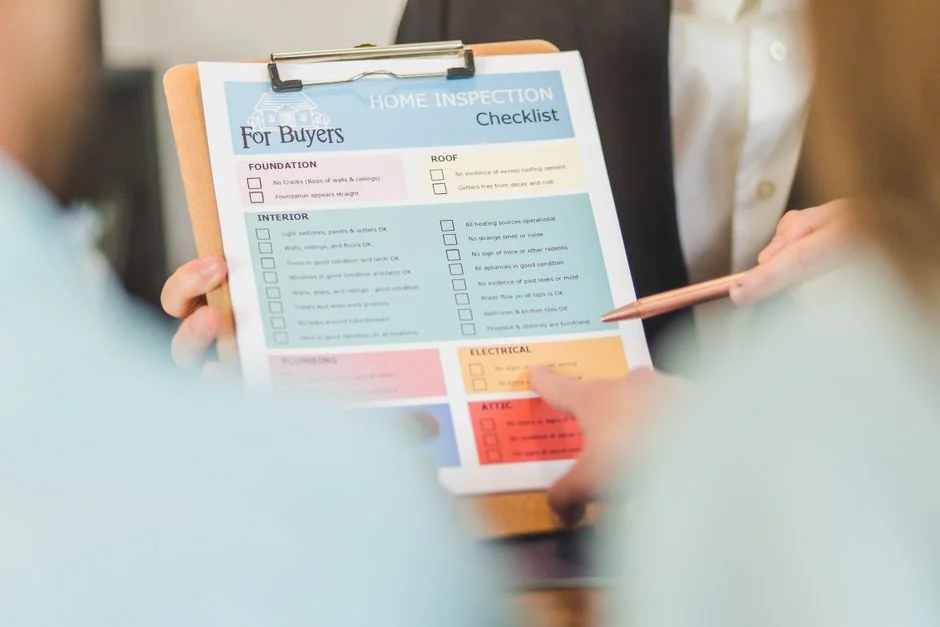
No checklist when buying a home is complete without a disciplined inspection plan. A general home inspection is a starting point, not a guarantee. Attend the inspection if possible; seeing issues in person helps you understand severity and context. Ask the inspector to explain what is urgent versus what is normal aging. Many reports look alarming because they list every imperfection; your job is to separate maintenance items from defects that justify renegotiation. Common high-impact concerns include active leaks, roof failure, unsafe electrical conditions, foundation movement, improper grading and drainage, and HVAC systems near end of life. Also pay attention to moisture-related risks, since water can cause structural damage and mold. If the home has a basement or crawlspace, those areas deserve extra scrutiny.
Depending on the property, you may need specialized evaluations: sewer scope, radon testing, termite/pest inspection, mold assessment, chimney inspection, HVAC tune-up, or structural engineer review. Well and septic properties often require water quality tests and system inspections. In some regions, flood certifications or wildfire risk reports can affect insurance availability and premiums. Add these options to your checklist when buying a home and decide which are non-negotiable based on local conditions and the home’s age. When you receive results, request quotes from licensed professionals rather than relying on rough guesses. If the inspection reveals multiple expensive issues, consider your total exposure, not just each item separately. A home with several “end-of-life” systems can become a cash drain even if each item is technically functioning today. Use findings to negotiate repairs, credits, or price adjustments, and confirm how repairs will be completed and documented. If the seller agrees to fix items, specify licensed contractors, permits where required, receipts, and re-inspection rights so you are not left with unfinished or low-quality work.
9) Appraisal, Title, and Insurance: The Behind-the-Scenes Deal Breakers
A checklist when buying a home should anticipate issues that can derail a transaction even after you and the seller agree on price. The appraisal protects the lender by confirming value based on comparable sales and property condition. If the appraisal comes in low, you may need to renegotiate, bring extra cash, or challenge the appraisal with better comps. In hot markets, appraisal gaps are common, so decide upfront whether you can cover a gap and how much. The appraiser may also require repairs for loan approval, especially for certain loan programs. If peeling paint, missing handrails, or other safety items are noted, you may need to address them before closing. Treat the appraisal timeline as a project milestone and avoid scheduling movers or giving notice to your landlord until major contingencies are cleared.
Title work is another critical area. Title searches look for liens, ownership disputes, unpaid taxes, and easements that affect how you can use the property. Review the title commitment carefully, especially easements for utilities, shared driveways, or access rights that could limit expansions or fencing plans. Survey issues can also surface: encroachments, boundary disputes, or structures built too close to property lines. As part of your checklist when buying a home, request a survey when appropriate and compare it to what you observed during showings. Insurance can be the silent deal breaker: premiums may rise due to claims history, roof age, wildfire or hurricane risk, or the presence of certain dog breeds or property features. Shop insurance early, not after the loan is almost done, and confirm coverage for replacement cost, liability, and any riders you need (flood, earthquake, sewer backup). If an insurer refuses to cover the home, your lender may not fund the loan. Getting quotes early turns insurance from a last-minute scramble into a predictable part of your planning.
10) Closing Costs, Walkthrough, and Signing Day: Avoid Last-Minute Surprises
As closing approaches, your checklist when buying a home should shift toward verification and cash management. Review the Closing Disclosure as soon as you receive it and compare it to the Loan Estimate you accepted. Look for changes in lender fees, title charges, escrow deposits, and prepaid items. Some changes are normal, but unexplained increases should be questioned immediately. Confirm the cash-to-close amount and the acceptable payment method (wire, cashier’s check) with verified contact details to avoid fraud. Wire fraud is a real risk in real estate transactions; always confirm instructions using a trusted phone number, not one provided in an email. Also confirm that your loan conditions are satisfied and that your employment verification is complete; lenders often re-verify employment shortly before funding.
The final walkthrough is your last chance to ensure the property’s condition matches the contract. Check that agreed repairs were completed, that appliances and fixtures included in the sale are still present, and that the home is in the expected state of cleanliness. Test heating and cooling briefly, run water, flush toilets, and look for new damage from the move-out process. If the seller was supposed to leave certain items or remove others, verify that too. Your checklist when buying a home should include a “utilities transfer” step: schedule electricity, gas, water, trash, and internet to start on your closing date. On signing day, read documents carefully, confirm the interest rate, loan term, and whether there is a prepayment penalty (rare, but worth checking). Understand escrow, the first payment date, and how to access your loan servicer’s portal. Keep copies of all signed documents, warranties, receipts for repairs, and disclosures in a secure digital folder. A calm closing is usually the result of disciplined review in the days leading up to it.
11) Move-In Planning, Security, and Immediate Post-Closing Priorities
The day you get the keys is not the end of the checklist when buying a home; it is the start of ownership, and the first weeks set the tone. Begin with security and safety. Change exterior locks, reprogram garage door openers, and update keypad codes. If the home has smart locks, thermostats, cameras, or alarm systems, reset them and ensure prior users no longer have access. Locate main shutoffs for water, gas, and electricity and label them clearly. Test smoke detectors and carbon monoxide detectors, replace batteries, and consider adding additional detectors if coverage is thin. If the home has a fireplace, schedule a chimney inspection if one was not completed during escrow. If you have children or pets, address hazards early: secure railings, cover outlets, and evaluate fencing.

Next, prioritize tasks that are easiest before furniture arrives: painting, flooring refinishing, deep cleaning, pest treatment, and any electrical work such as adding outlets or fixtures. Create a “first 30 days” list and a “first year” list, and budget accordingly so you do not drain your emergency fund. Your checklist when buying a home should include a documentation step: store your closing documents, title policy, insurance policy, appliance manuals, and contractor receipts. Photograph the home’s condition when you move in, including walls, floors, and exterior, so you have a baseline for future insurance claims or warranty discussions. Set up a simple maintenance calendar: HVAC filter changes, gutter cleaning, seasonal servicing, and water heater flushing (as appropriate). Finally, update your address with the postal service, banks, employer, and subscription services. Ownership becomes far less stressful when you treat the first month like a controlled project rather than a chaotic rush. A structured approach helps you enjoy the home while protecting your investment from avoidable problems.
12) Long-Term Ownership: Value Protection, Resale Thinking, and Financial Health
A forward-looking checklist when buying a home includes a plan for staying financially and operationally healthy long after closing. Start by treating your home like an asset that needs routine investment. Preventive maintenance is usually cheaper than emergency repairs, so track system ages and plan replacements before failure. Build a home maintenance fund that grows over time; many owners contribute monthly, just like a savings account for future roofs, HVAC units, exterior paint, or appliance replacement. Review your property tax assessments and understand your local appeal process if the assessed value seems inaccurate. Re-shop homeowner’s insurance periodically, especially after major improvements, to ensure coverage limits match replacement costs. If you live in an HOA, read meeting notes and budgets so you are not surprised by special assessments or rule changes.
Resale thinking does not mean you plan to move soon; it means you make improvements wisely. Focus on upgrades that improve functionality, efficiency, and broad appeal: energy-efficient windows where sensible, insulation, HVAC improvements, kitchen and bath updates that are durable rather than overly trendy, and curb appeal that is easy to maintain. Keep permits and documentation for major work, as buyers and appraisers value proof of professional, code-compliant upgrades. Also pay attention to how your mortgage fits your long-term goals. If rates drop, consider refinancing only after calculating the break-even point. If your income rises, consider extra principal payments if they do not compromise retirement contributions and emergency savings. Most importantly, keep the core principles of the checklist when buying a home in mind even after you own: avoid overextending, keep cash reserves, and make decisions based on total cost of ownership rather than short-term excitement. When ownership is managed with discipline, the home becomes a stable foundation for your life and a more predictable financial asset over time.
Watch the demonstration video
In this video, you’ll learn a practical checklist to follow when buying a home, from setting a realistic budget and getting pre-approved to evaluating neighborhoods, inspecting the property, and reviewing key documents. It also covers common red flags to watch for and questions to ask so you can make a confident, informed decision. If you’re looking for checklist when buying a home, this is your best choice.
Summary
In summary, “checklist when buying a home” is a crucial topic that deserves thoughtful consideration. We hope this article has provided you with a comprehensive understanding to help you make better decisions.
Frequently Asked Questions
What should I check before making an offer on a home?
Confirm your budget and pre-approval, review recent comparable sales, check neighborhood factors (schools, commute, noise), estimate total monthly costs (mortgage, taxes, insurance, HOA), and identify any visible red flags (roof, foundation, water damage). If you’re looking for checklist when buying a home, this is your best choice.
Which documents should I review during the purchase process?
As part of your **checklist when buying a home**, take time to carefully review the purchase agreement, seller disclosures, and any HOA or condo documents (including rules, fees, and reserve funds). Also look over the title report or commitment, inspection report(s), appraisal, loan estimate, and the closing disclosure to make sure everything matches what you expect before you move forward.
What inspections are most important when buying a home?
Begin with a thorough general home inspection, then tailor additional evaluations to the property as needed—roof and chimney checks, a sewer scope, HVAC testing, a structural engineer’s review, pest/termite inspection, and screenings for radon, mold, and water quality (including well and septic systems). Use this as a practical **checklist when buying a home** so you don’t miss any critical issues before closing.
How do I estimate the true cost of owning the home?
As you build your **checklist when buying a home**, be sure to total more than just the mortgage payment—factor in principal and interest, property taxes, homeowners insurance, any HOA dues, utilities, and ongoing maintenance (typically about 1%–3% of the home’s value each year). It’s also smart to budget for near-term repairs or replacements like the roof, HVAC system, or major appliances.
What should I verify about the property itself?
As part of your **checklist when buying a home**, take time to confirm the property boundaries with a survey, review any easements, and verify zoning and permitted uses. You’ll also want to assess flood or wildfire risk, check the age and condition of major systems (like the roof, HVAC, and plumbing), and look at drainage and grading to prevent future water issues. Finally, make sure any past renovations were properly permitted, and watch for liens or title problems that could complicate the purchase.
What should I do right before closing?
Complete a final walkthrough, confirm repairs/credits are documented, verify closing costs and cash-to-close, ensure insurance is active, review the closing disclosure for accuracy, and confirm funds transfer and key handoff details. If you’re looking for checklist when buying a home, this is your best choice.
? Looking for more info about checklist when buying a home? Follow Our Site for updates and tips!

Trusted External Sources
- Checklist for first time home buyer : r/RealEstate – Reddit
May 2, 2026 … Comments Section · Get a preapproval from a lender of your choice · Don’t use your credit cards for large purchases/dont apply for new loans, etc. If you’re looking for checklist when buying a home, this is your best choice.
- Checklist for buying your first house – Home – Rocket Mortgage
Aug 11, 2026 … Documents you’ll need for preapproval · Recent pay stubs · W-2 forms · Tax returns · Proof of additional income · Bank statements · Retirement … If you’re looking for checklist when buying a home, this is your best choice.
- please give me a checklist on how to buy a house. – Reddit
Jan 4, 2026 … Get a property report from the council, knock on neighbors doors and chat. Invite friends and family to the open home. Ask the realtor if you … If you’re looking for checklist when buying a home, this is your best choice.
- The Home Buying Checklist for Buyers from realtor.com®
Use our step-by-step **checklist when buying a home** to stay organized and confident from start to finish. As you begin house hunting, take time to understand your finances—set a realistic budget, review your credit, and explore mortgage options—so you’ll know exactly what you can afford while you search for the right place.
- Buying a Home | HUD.gov / U.S. Department of Housing and Urban …
As you explore the Indian Home Loan Guarantee Program (Section 184), one of the most important steps is shopping for the right home. Bring a **checklist when buying a home** with you to every showing so you can easily compare features, ask the right questions, and keep track of what each property offers. With plenty of homes for sale, a simple checklist can help you stay organized and feel confident about your decision.