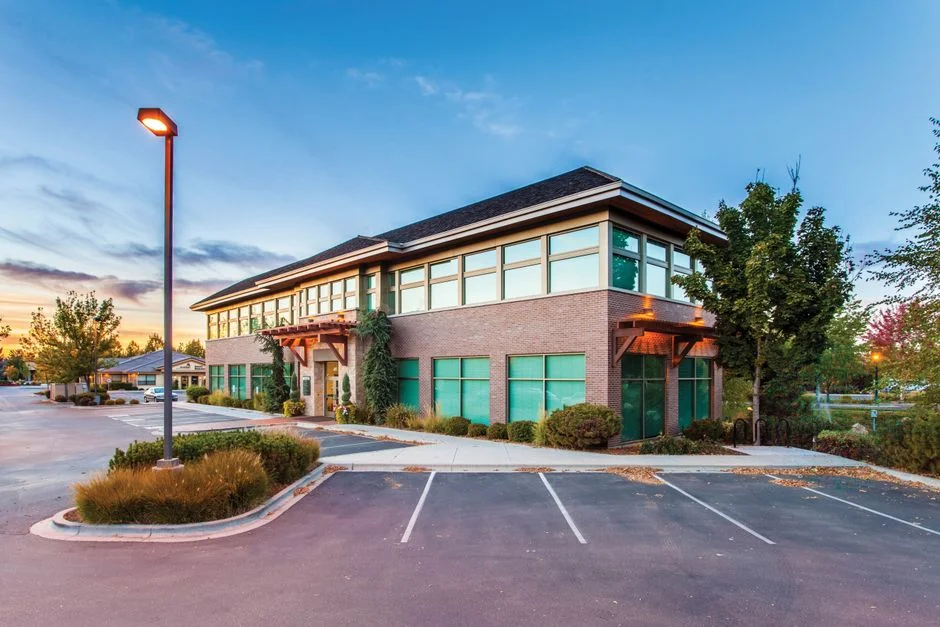
Commercial real estate property management is the operational engine behind income-producing buildings, turning a physical asset into a predictable, financeable stream of cash flow. Owners may have a clear investment thesis—stabilize occupancy, reposition a tired asset, improve tenant quality, or reduce operating expenses—but the day-to-day execution determines whether that thesis becomes reality. Effective management coordinates leasing activity, tenant relations, repairs, vendor oversight, compliance, accounting, and risk control in a way that protects the building’s condition and the owner’s reputation. A high-performing manager brings structure to what can otherwise feel like dozens of competing priorities: responding to maintenance needs without overspending, enforcing lease terms without damaging relationships, and planning capital improvements without disrupting tenants. When these responsibilities are handled consistently, the asset becomes easier to value, refinance, or sell, because buyers and lenders can trust the stability of operations and the accuracy of reporting.
Table of Contents
- My Personal Experience
- Understanding Commercial Real Estate Property Management and Why It Matters
- Core Responsibilities: Operations, Tenant Service, and Asset Protection
- Leasing Coordination, Renewals, and Occupancy Strategy
- Financial Management: Budgeting, Reporting, and Cost Control
- Maintenance Programs and Vendor Management for Reliable Performance
- Risk Management, Safety, and Regulatory Compliance
- Tenant Relations, Communication Standards, and Service Culture
- Expert Insight
- Capital Planning, Repositioning, and Long-Term Value Creation
- Technology, Data, and Automation in Modern Property Operations
- Lease Administration, Recoveries, and Common Area Maintenance (CAM) Accuracy
- Sustainability, Energy Management, and Tenant Expectations
- Selecting a Management Partner and Measuring Performance Over Time
- Watch the demonstration video
- Frequently Asked Questions
- Trusted External Sources
My Personal Experience
When I took over managing a small strip center last year, I thought it would mostly be collecting rent and calling vendors when something broke. The reality was a steady stream of small problems that could turn into big ones if I ignored them—like a tenant complaining about HVAC noise that ended up being a failing rooftop unit, or a “quick” parking lot light replacement that revealed outdated wiring. I learned fast that good property management is equal parts communication and documentation: walking the property on a schedule, keeping clean service records, and responding to tenants before frustrations boil over. The biggest win was renegotiating a landscaping contract and tightening up CAM reconciliations; it wasn’t glamorous, but it improved cash flow and reduced tenant pushback because everything was transparent. If you’re looking for commercial real estate property management, this is your best choice.
Understanding Commercial Real Estate Property Management and Why It Matters
Commercial real estate property management is the operational engine behind income-producing buildings, turning a physical asset into a predictable, financeable stream of cash flow. Owners may have a clear investment thesis—stabilize occupancy, reposition a tired asset, improve tenant quality, or reduce operating expenses—but the day-to-day execution determines whether that thesis becomes reality. Effective management coordinates leasing activity, tenant relations, repairs, vendor oversight, compliance, accounting, and risk control in a way that protects the building’s condition and the owner’s reputation. A high-performing manager brings structure to what can otherwise feel like dozens of competing priorities: responding to maintenance needs without overspending, enforcing lease terms without damaging relationships, and planning capital improvements without disrupting tenants. When these responsibilities are handled consistently, the asset becomes easier to value, refinance, or sell, because buyers and lenders can trust the stability of operations and the accuracy of reporting.
The scope of commercial real estate property management also changes with asset type, location, tenant mix, and the owner’s goals. A multi-tenant retail center requires strict attention to operating hours, signage rules, parking lot condition, and co-tenancy dynamics that can influence sales and tenant retention. An office building may hinge on HVAC performance, after-hours access, security, and service standards that support a professional environment. Industrial properties often prioritize clear truck circulation, door functionality, lighting, and life-safety compliance, with fewer daily service requests but potentially higher stakes when a system fails. Across all of these, the manager is the owner’s representative: negotiating service contracts, responding to tenant complaints, documenting incidents, and ensuring that invoices align with lease recoveries. The most valuable management approach is proactive rather than reactive, using scheduled inspections, preventive maintenance, and performance benchmarks to prevent small issues from becoming costly emergencies.
Core Responsibilities: Operations, Tenant Service, and Asset Protection
Daily operations in commercial real estate property management revolve around keeping the building safe, functional, and aligned with lease obligations. That includes coordinating janitorial schedules, landscaping, snow removal, elevator service, security patrols, and HVAC maintenance, while also monitoring building systems such as fire alarms, sprinklers, access control, and emergency lighting. A capable manager sets service-level expectations with vendors, verifies work completion, and maintains clear documentation—work orders, inspection logs, warranties, and permits—so that the property’s history is transparent. Operational excellence isn’t only about aesthetics; it is also about preserving the asset’s useful life. Routine tasks like sealing pavement, cleaning rooftop drains, servicing cooling towers, and replacing worn door hardware can prevent major failures that disrupt tenants and drive unplanned capital spending.
Tenant service is another pillar that separates average performance from exceptional performance. Commercial tenants generally expect prompt communication, accurate billing, and predictable building conditions that support their business. When service requests are handled quickly and professionally, tenants are more likely to renew, recommend the property to peers, and cooperate during building projects. Commercial real estate property management also involves enforcing rules consistently: managing loading docks, coordinating move-ins, controlling after-hours access, and addressing noise, odors, or safety hazards. These issues can become sensitive in multi-tenant buildings where one occupant’s behavior affects others. The manager must balance firmness and diplomacy while remaining anchored in lease language and property policies. Asset protection comes from both prevention and response: conducting regular inspections, correcting trip hazards, maintaining lighting, tracking certificates of insurance, and documenting incidents. When incidents occur, a well-run operation preserves evidence, notifies insurers appropriately, and reduces the chance of repeat problems.
Leasing Coordination, Renewals, and Occupancy Strategy
Leasing outcomes are often the largest driver of net operating income, and commercial real estate property management plays a direct role even when leasing is handled by a broker. The manager supports leasing by keeping suites tour-ready, maintaining accurate rent rolls, confirming tenant estoppels, and providing prospective tenant information about building rules, operating hours, and service capabilities. A manager also helps protect the integrity of the tenant mix by flagging operational concerns early—such as a proposed use that may strain parking, require special ventilation, or conflict with exclusives or co-tenancy provisions. When leasing momentum is strong, the manager ensures that transitions are smooth: coordinating contractor access, reviewing tenant improvement plans for building compliance, and verifying that permits and inspections are completed before opening.
Renewals are particularly important because retaining a tenant can be more cost-effective than replacing one, especially when downtime and build-out costs are considered. Commercial real estate property management teams often track lease expirations 12–18 months in advance, review tenant payment history and service interactions, and help the owner decide when to offer early renewal options or adjust terms. A strong renewal process includes clear communication, timely delivery of renewal proposals, and accurate reconciliation of operating expenses so tenants trust the billing. Managers also help implement occupancy strategy by identifying friction points that cause move-outs—poor HVAC control, inadequate cleaning, security concerns, or confusing visitor access—and then translating that feedback into operational upgrades. With consistent attention to these details, occupancy becomes less volatile, and the property’s cash flow becomes easier to forecast and finance.
Financial Management: Budgeting, Reporting, and Cost Control
Strong financial controls are fundamental to commercial real estate property management, because even minor billing errors or uncontrolled expenses can materially impact returns. Budgeting typically begins with a review of historical operating expenses, contract renewals, known increases in utilities and insurance, and planned maintenance and capital projects. A disciplined manager builds a budget that is realistic, defensible, and aligned with lease recovery structures. For triple-net leases, the focus may be on accurate reconciliations and ensuring tenants are billed according to lease terms. For gross or modified gross leases, careful cost forecasting matters because expense increases can erode the owner’s margin. Reporting should be consistent and readable: monthly operating statements, variance reports, rent rolls, delinquency summaries, and narrative updates that explain what changed and why.
Cost control does not mean cutting corners; it means spending intentionally and verifying value. Commercial real estate property management teams can reduce waste by competitively bidding service contracts, standardizing scopes of work, and implementing preventive maintenance that reduces emergency calls and overtime labor. They also monitor utilities for unusual spikes that might indicate a failing HVAC component, a running toilet in a common area, or a lighting control issue. Accounts payable procedures matter as well: verifying invoices against contracts, confirming work completion, and coding expenses correctly for recoveries. Accurate tenant billing builds credibility and reduces disputes, while timely collections protect cash flow. When delinquencies occur, managers follow a consistent process—reminders, late notices, and escalation—while staying compliant with lease requirements and local regulations. Over time, these financial practices improve the property’s operating history and support a stronger valuation.
Maintenance Programs and Vendor Management for Reliable Performance
Maintenance is where commercial real estate property management becomes visible to tenants, visitors, and inspectors. A property can have an excellent location and attractive architecture, but recurring equipment failures or shabby common areas will undermine leasing and renewals. Preventive maintenance programs are designed around the building’s systems: HVAC, electrical, plumbing, elevators, roofs, fire protection, and specialty systems such as dock equipment or access control. A mature program includes schedules, checklists, service intervals, and documentation. It also includes seasonal planning, such as preparing cooling systems in spring, heating systems in fall, and ensuring snow removal readiness before winter. Preventive work reduces downtime and extends equipment life, which is often less expensive than frequent replacements and emergency repairs.
Vendor management is equally important because most properties rely on third-party contractors for specialized services. Commercial real estate property management teams define clear scopes of work, establish response time expectations, and confirm that vendors carry proper licensing, insurance, and safety practices. They also create communication pathways for after-hours emergencies and ensure there is coverage for holidays and weekends. Performance should be measured: did the janitorial team meet quality standards, did the landscaper maintain irrigation without wasting water, did the HVAC contractor provide thorough reports and recommendations? When vendors underperform, managers document issues and either correct the relationship or replace the provider. Reliable vendors reduce tenant complaints and lower risk, while well-negotiated contracts provide predictable pricing. This combination of preventive planning and disciplined vendor oversight is one of the most effective ways to protect both tenant satisfaction and the owner’s budget.
Risk Management, Safety, and Regulatory Compliance
Risk management in commercial real estate property management is about anticipating problems before they become losses. Slip-and-fall incidents, property damage, water intrusion, and security events can lead to claims, litigation, and reputational harm. A proactive manager conducts routine site inspections to identify hazards such as uneven pavement, poor lighting, blocked exits, or malfunctioning doors. They ensure that fire lanes are kept clear, trash enclosures are maintained, and electrical rooms remain accessible and properly labeled. Life-safety systems require special attention: regular inspections, testing, and documentation for fire alarms, sprinklers, extinguishers, emergency lighting, and elevators. Managers also coordinate with local authorities and ensure that required permits are obtained for projects that impact safety systems.
Compliance extends beyond life safety. Commercial real estate property management must often address accessibility requirements, environmental considerations, stormwater rules, and local ordinances related to signage, waste handling, and noise. Additionally, tenant activities can introduce risk, such as storage of hazardous materials, high-heat operations, or heavy equipment loads. Managers reduce exposure by enforcing lease terms, collecting certificates of insurance, and confirming that tenants maintain appropriate coverage and endorsements. Incident response procedures matter as much as prevention: documenting the scene, notifying ownership, communicating with insurers, and preserving records. A strong compliance culture also supports smoother financing and transactions, because lenders and buyers evaluate the property’s risk profile and operational discipline. When risk controls are consistent and well-documented, the asset becomes more resilient and easier to operate over the long term.
Tenant Relations, Communication Standards, and Service Culture
Tenant relations are a daily test of professionalism in commercial real estate property management. Tenants want to feel heard, but they also want clear expectations and predictable outcomes. A service culture begins with communication standards: prompt acknowledgment of requests, realistic timelines, and follow-through. Managers who provide consistent updates reduce frustration even when repairs take time due to parts availability or scheduling constraints. Communication also includes proactive notices about building work, utility interruptions, parking lot sealing, inspections, and policy changes. When tenants are informed in advance, they can plan around disruptions, which reduces complaints and increases cooperation.
| Service Area | What It Covers | How It Benefits Owners & Tenants |
|---|---|---|
| Lease Administration & Tenant Relations | Rent collection, CAM reconciliations, lease compliance, renewals, tenant requests, and move-in/move-out coordination. | Improves retention, reduces disputes, ensures accurate billing, and supports predictable cash flow. |
| Operations, Maintenance & Vendor Management | Preventive maintenance, work orders, inspections, capital planning support, and oversight of contractors and service agreements. | Protects asset value, minimizes downtime, controls operating costs, and maintains a safe, professional environment. |
| Financial Reporting & Performance Optimization | Budgeting, monthly reporting, expense tracking, variance analysis, and recommendations to improve NOI. | Provides transparency, enables data-driven decisions, and helps maximize net operating income. |
Expert Insight
Standardize your operations with a clear preventive maintenance calendar, documented vendor SLAs, and monthly property inspections. Track completion rates and recurring issues so you can fix root causes early, reduce downtime, and protect tenant satisfaction. If you’re looking for commercial real estate property management, this is your best choice.
Strengthen cash flow by tightening lease administration: audit rent rolls against leases quarterly, automate escalations and CAM reconciliations, and set a consistent collections timeline. Pair this with proactive tenant communication—30/60/90-day renewal touchpoints—to reduce vacancy risk and improve retention. If you’re looking for commercial real estate property management, this is your best choice.
Good tenant relations also require fairness. In multi-tenant properties, favoritism can create conflict, so managers rely on written rules and lease language to make decisions. Noise complaints, odors, after-hours access, and shared loading areas are common friction points. Commercial real estate property management teams mediate these issues by investigating, documenting, and implementing practical solutions such as designated delivery windows, improved trash handling, or adjustments to HVAC scheduling. Tenant engagement can be structured through periodic check-ins, satisfaction surveys, and property newsletters that highlight improvements or safety reminders. When tenants see that management invests in the property—clean common areas, reliable systems, responsive maintenance—they are more likely to renew and less likely to dispute charges. Over time, strong tenant relations translate into lower turnover, fewer legal issues, and a steadier income profile for the owner.
Capital Planning, Repositioning, and Long-Term Value Creation
Capital planning is where commercial real estate property management connects daily operations to long-term asset value. Buildings age, systems reach the end of their useful lives, and tenant expectations evolve. A manager supports ownership by maintaining a capital plan that forecasts major replacements and upgrades—roofing, HVAC units, boilers, chillers, elevators, parking lots, lighting retrofits, façade repairs, and common area renovations. The goal is to avoid surprise expenses and to schedule projects at times that minimize tenant disruption. A thoughtful plan also considers energy efficiency and operational savings, such as upgrading to LED lighting, modern controls, or higher-efficiency mechanical equipment. These investments can reduce utility consumption, lower maintenance costs, and improve comfort, which supports retention and leasing.
Repositioning projects require careful coordination. When an owner wants to attract a higher-quality tenant mix or improve curb appeal, commercial real estate property management becomes the organizer of timelines, contractor access, tenant communication, and quality control. Projects might include lobby modernization, restroom upgrades, signage programs, landscaping redesign, or security enhancements. The manager can also help evaluate return on investment by comparing project costs to potential rent increases, occupancy improvements, and reduced concessions. During construction, the manager’s role includes enforcing safety protocols, monitoring work progress, and ensuring that warranties, closeout documents, and as-built drawings are collected. When capital projects are executed with discipline, the property becomes more competitive, operating costs become more predictable, and the asset’s marketability increases—benefits that extend well beyond the immediate aesthetic improvements.
Technology, Data, and Automation in Modern Property Operations
Technology has reshaped commercial real estate property management by making operations more transparent, measurable, and scalable. Property management software supports lease administration, billing, work orders, vendor tracking, and reporting, reducing manual errors and improving response times. Digital work order systems allow tenants to submit requests with photos, track status updates, and confirm completion, which enhances accountability. Building systems are also becoming smarter: remote monitoring for HVAC, leak detection sensors, and access control logs provide data that can prevent costly incidents. For example, a sudden change in water usage can alert management to a leak before it damages tenant spaces, and HVAC analytics can identify failing components before they cause comfort complaints.
Data is valuable only when it informs decisions. Commercial real estate property management teams can use trends in service requests to prioritize capital spending, identify recurring issues, and evaluate vendor performance. Utility data can guide energy projects and support sustainability reporting where required by local ordinances or tenant expectations. Automation can streamline routine tasks such as late fee calculations, recurring invoice approvals, and scheduled communications. However, technology should not replace relationship management; it should support it. Tenants still value clear human communication, and owners still need judgment calls when unexpected situations arise. The best operations combine modern tools with disciplined processes, ensuring that data is accurate, reports are timely, and decisions are grounded in both numbers and on-the-ground context.
Lease Administration, Recoveries, and Common Area Maintenance (CAM) Accuracy
Lease administration is a technical but essential component of commercial real estate property management. Every lease contains business rules that govern rent, escalations, operating expense recoveries, late fees, maintenance responsibilities, and notice requirements. Managers track critical dates such as rent increases, renewal windows, option deadlines, and insurance certificate expirations. They also ensure that required notices are delivered correctly, because procedural missteps can weaken enforcement. Accurate lease abstraction—capturing the key economic and operational terms in a standardized format—reduces risk and supports consistent billing. When properties have multiple lease types, such as triple-net, modified gross, and full-service, the complexity increases, and so does the importance of disciplined administration.
CAM and operating expense recoveries are frequent sources of disputes, so accuracy and transparency matter. Commercial real estate property management teams maintain clear general ledger coding, allocate expenses according to lease definitions, and apply caps, exclusions, or gross-up provisions correctly. They also document the rationale for allocations, such as rentable area calculations or usage-based formulas where applicable. When reconciliations are prepared, supporting detail should be organized and available, because sophisticated tenants may audit. A well-managed reconciliation process reduces time spent arguing over charges and increases tenant trust. It also protects the owner’s income by ensuring that recoverable expenses are billed and collected. Over time, consistent lease administration becomes a competitive advantage, because it reduces operational friction and supports smoother renewals and transactions.
Sustainability, Energy Management, and Tenant Expectations
Sustainability has become a practical operational concern rather than a branding exercise, and commercial real estate property management is often responsible for implementing energy and waste initiatives. Many tenants seek buildings that support corporate environmental goals, whether through efficient lighting, recycling programs, low-flow fixtures, or improved indoor air quality. Some jurisdictions require energy benchmarking and public disclosure, which adds reporting responsibilities and increases the need for accurate utility data. Managers can support sustainability by coordinating energy audits, implementing controls upgrades, calibrating HVAC schedules, and ensuring that building automation systems are used effectively rather than left in default settings. These measures can reduce operating costs while improving comfort, which benefits both tenants and owners.
Waste management and water conservation also play a role. Commercial real estate property management can improve diversion rates by standardizing signage, training janitorial teams, and coordinating with haulers to right-size containers and pickup frequency. Water-saving measures can include leak detection, irrigation adjustments, and fixture replacements, especially in markets where water costs are rising. Sustainability initiatives are most effective when they are integrated into routine operations and capital planning rather than treated as one-off projects. When tenants see measurable improvements—lower utility pass-throughs, better comfort, cleaner common areas—they are more likely to view the property as a stable long-term location. Sustainability can also support leasing by meeting requirements for certain corporate tenants, and it can reduce regulatory risk as more cities adopt performance standards for existing buildings.
Selecting a Management Partner and Measuring Performance Over Time
Choosing the right commercial real estate property management partner is a strategic decision that can influence income stability, tenant retention, and the building’s long-term condition. Owners often evaluate candidates based on experience with similar asset types, staffing levels, accounting systems, vendor relationships, and communication practices. A strong proposal should explain how the team handles preventive maintenance, emergency response, budgeting, lease administration, and reporting, along with examples of performance improvements achieved at comparable properties. Owners should also consider whether the management firm has in-house capabilities—engineering, construction oversight, or energy management—or whether those services are outsourced. The best fit depends on the asset’s complexity, the owner’s involvement level, and whether the property is stable or in transition.
Performance measurement keeps expectations aligned. Commercial real estate property management can be evaluated using metrics such as occupancy and renewal rates, delinquency levels, response times for service requests, budget variance, utility trends, and the frequency of after-hours emergencies. Qualitative indicators matter too: tenant feedback, quality of vendor work, cleanliness standards, and the manager’s ability to communicate clearly during disruptions. Regular meetings between ownership and management help review results, approve projects, and adjust strategy. Over time, high-quality management creates a compounding effect: fewer deferred maintenance issues, stronger tenant relationships, cleaner financials, and a more credible operating history. In the final analysis, commercial real estate property management is not merely an administrative function; it is a value-driving discipline that protects revenue, reduces risk, and positions a property to compete successfully in its market.
Watch the demonstration video
In this video, you’ll learn the essentials of commercial real estate property management—from tenant relations and lease administration to maintenance planning, budgeting, and vendor oversight. It explains how managers protect property value, improve occupancy, and keep operations running smoothly, while staying compliant and responding effectively to issues that impact tenants and owners.
Summary
In summary, “commercial real estate property management” is a crucial topic that deserves thoughtful consideration. We hope this article has provided you with a comprehensive understanding to help you make better decisions.
Frequently Asked Questions
What does a commercial property manager do?
They oversee day-to-day operations such as tenant relations, lease administration, rent collection, maintenance coordination, vendor management, budgeting, and compliance.
How are commercial property management fees typically structured?
Most firms charge **commercial real estate property management** fees as a percentage of the rent they collect—often with a minimum monthly rate—then add separate costs for leasing and renewals, project oversight, and after-hours or emergency services.
What services are usually included in commercial property management?
Common services include financial reporting, accounts payable/receivable, preventive maintenance, inspections, vendor bidding, insurance/COI tracking, and handling tenant requests.
How does a property manager handle maintenance and repairs?
They coordinate preventive maintenance, handle work orders quickly, and send trusted, qualified vendors when issues arise. By managing bids and approvals, they keep expenses under control, and they carefully document every completed task for clear records and reporting—core responsibilities of **commercial real estate property management**.
What reports should owners expect from a commercial property manager?
Owners typically receive clear monthly reporting—financial statements, rent rolls, A/R aging, and variance-to-budget summaries—along with maintenance logs and timely updates on leasing activity and capital projects, ensuring full transparency in **commercial real estate property management**.
How do property managers help reduce vacancies and improve tenant retention?
They handle competitive leasing strategies for **commercial real estate property management**, coordinate prompt maintenance, and keep communication clear and proactive. By managing renewals, tracking market rent trends, and continuously improving the tenant experience, they help drive long-term occupancy and retention.
📢 Looking for more info about commercial real estate property management? Follow Our Site for updates and tips!

Trusted External Sources
- Real Estate and Property Management, BSBA
At least 50% of the business-hour credits required for your degree must be completed through OSU—either in residence or via OSU online courses. In addition, you’ll need to fulfill 45 hours of upper-division coursework to meet program requirements and stay on track for graduation, whether you’re focusing on a general business path or a specialty such as **commercial real estate property management**.
- Hines: Global Real Assets Investment Manager
Hines is a leading global real assets investment manager, building the world forward by investing in, developing, and delivering best-in-class real estate—backed by expert **commercial real estate property management** that helps properties perform at their highest potential.
- Stream Realty Partners: Commercial Real Estate Services
Specialized in commercial real estate services including leasing, property and facilities management, investment sales, development and sustainability.
- CBRE: Global Commercial Real Estate Services
CBRE is the global leader in commercial real estate services and investments.
- CML201 Managing Commercial Properties – IREM
Managing Commercial Properties covers all the bases for commercial property management in an interactive, hands-on format.