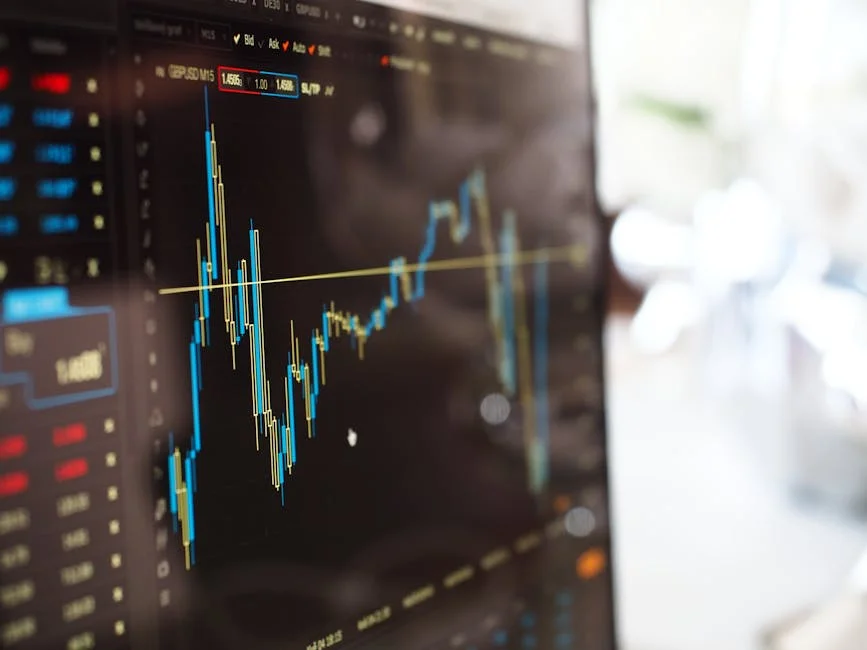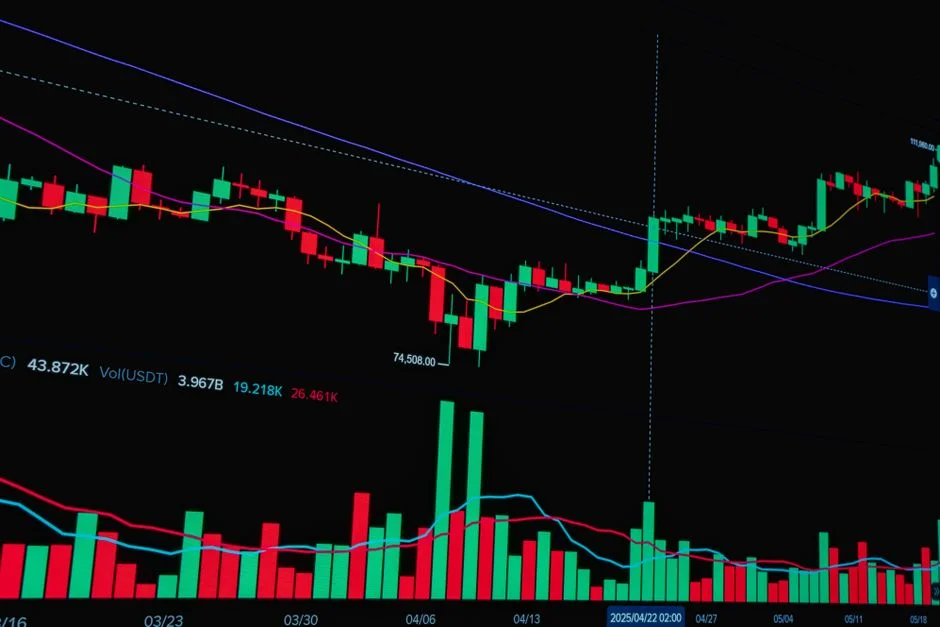
Many newcomers decide to learn to trade the forex market because it combines accessibility with global relevance. Currency exchange is not a niche activity reserved for banks; it is the backbone of international commerce, travel, and investment flows. When a business imports goods, when a tourist pays for a meal abroad, or when an institution hedges overseas revenue, foreign exchange is involved. This constant real-world demand creates a market with deep liquidity and frequent price movement, which can appeal to traders who want opportunities across different time zones. Unlike some markets that are limited to a single exchange’s hours, forex trading commonly runs from the start of the week in Asia to the close in North America, giving active participants flexibility to trade early mornings, evenings, or during overlapping sessions. This flexibility is often misunderstood as “always trade,” but it can instead support a disciplined schedule: choosing a consistent window when spreads are reasonable and volatility is predictable. The ability to start small is another draw. Many brokers allow micro position sizing, so risk can be scaled down while skills are built. That said, accessibility cuts both ways: the same ease of entry can tempt people to trade before they have a plan. A smarter approach treats currency trading like a craft. The early stage focuses on learning market mechanics, building a repeatable process, and understanding that profits are a byproduct of managing risk and executing consistently. People also gravitate to forex because it offers two-way opportunity; you can express a view that one currency will strengthen relative to another, or weaken, using the same instruments. That can feel more intuitive than markets where shorting is complex or restricted. Still, intuition must be paired with rules, because leverage and fast movement can turn small mistakes into large losses.
Table of Contents
- My Personal Experience
- Why People Choose to Learn to Trade the Forex Market
- How the Forex Market Works: Pairs, Quotes, and Sessions
- Choosing a Trading Style That Matches Your Life and Temperament
- Building a Foundation in Price Action and Market Structure
- Understanding Fundamental Drivers Without Getting Lost in Headlines
- Risk Management: Position Sizing, Leverage, and Survival
- Creating a Trading Plan You Can Actually Follow
- Expert Insight
- Technical Tools: Indicators, Charting, and Avoiding Overcomplication
- Practice the Right Way: Demo Accounts, Forward Testing, and Journaling
- Common Beginner Mistakes and How to Avoid Them
- Developing the Trader’s Mindset: Patience, Discipline, and Realistic Expectations
- Putting It All Together: A Practical Path to Learn to Trade the Forex Market
- Watch the demonstration video
- Frequently Asked Questions
- Trusted External Sources
My Personal Experience
When I decided to learn to trade the forex market, I thought it would be mostly about finding the “right” indicator, but I quickly learned it was more about discipline than predictions. I started small on a demo account, focusing on just one pair (EUR/USD) and writing down why I entered and exited every trade. At first I overtraded and moved my stop-loss because I didn’t want to be wrong, and my results were all over the place. The biggest turning point was setting a simple plan—risking a fixed amount per trade, trading only during specific hours, and reviewing my journal every weekend. I’m still learning, but once I treated it like a skill to practice instead of a shortcut to quick money, my decisions got calmer and my losses became manageable.
Why People Choose to Learn to Trade the Forex Market
Many newcomers decide to learn to trade the forex market because it combines accessibility with global relevance. Currency exchange is not a niche activity reserved for banks; it is the backbone of international commerce, travel, and investment flows. When a business imports goods, when a tourist pays for a meal abroad, or when an institution hedges overseas revenue, foreign exchange is involved. This constant real-world demand creates a market with deep liquidity and frequent price movement, which can appeal to traders who want opportunities across different time zones. Unlike some markets that are limited to a single exchange’s hours, forex trading commonly runs from the start of the week in Asia to the close in North America, giving active participants flexibility to trade early mornings, evenings, or during overlapping sessions. This flexibility is often misunderstood as “always trade,” but it can instead support a disciplined schedule: choosing a consistent window when spreads are reasonable and volatility is predictable. The ability to start small is another draw. Many brokers allow micro position sizing, so risk can be scaled down while skills are built. That said, accessibility cuts both ways: the same ease of entry can tempt people to trade before they have a plan. A smarter approach treats currency trading like a craft. The early stage focuses on learning market mechanics, building a repeatable process, and understanding that profits are a byproduct of managing risk and executing consistently. People also gravitate to forex because it offers two-way opportunity; you can express a view that one currency will strengthen relative to another, or weaken, using the same instruments. That can feel more intuitive than markets where shorting is complex or restricted. Still, intuition must be paired with rules, because leverage and fast movement can turn small mistakes into large losses.

Another reason people aim to learn to trade the forex market is the variety of trading styles available. Some prefer short-term approaches that capitalize on intraday momentum; others focus on swing setups that unfold over days; and some adopt position trading based on macroeconomic cycles. This range exists because currencies respond to many drivers: interest-rate differentials, inflation expectations, commodity prices, geopolitical risk, and relative growth. The same pair can behave differently depending on the environment. For example, in a risk-on climate, higher-yielding currencies may attract flows; in a risk-off climate, capital can rush toward perceived safe havens. Learning to recognize these regimes can help a trader avoid forcing strategies that don’t fit current conditions. Importantly, forex is a relative market. You are not simply buying “the euro” or “the dollar” in isolation; you are trading one against the other. That relative nature means you can be right about one economy and still lose if the other side strengthens more. This is why preparation should include understanding correlations and cross-currents, such as how oil prices can affect CAD pairs or how global risk sentiment can influence JPY. A practical benefit is the abundance of educational resources, economic calendars, and data releases that are publicly available. Yet abundance can overwhelm. Progress usually comes from simplifying: learning the core vocabulary, choosing a few major pairs, practicing one setup, tracking performance, and gradually expanding. A trader who treats learning as an iterative process—test, measure, refine—typically develops more resilience than someone chasing the latest indicator or social media call.
How the Forex Market Works: Pairs, Quotes, and Sessions
To trade currencies competently, it helps to understand what a currency pair quote actually represents. Every quote is a relationship between two currencies: the base currency first and the quote currency second. If EUR/USD is priced at 1.1000, it implies one euro is worth 1.10 US dollars. When the price rises, the base currency is strengthening relative to the quote currency; when it falls, the base is weakening. This seems simple until you realize that each pair has its own “personality,” liquidity profile, and typical response to news. Majors like EUR/USD, USD/JPY, GBP/USD, USD/CHF, AUD/USD, USD/CAD, and NZD/USD generally have tighter spreads and deeper liquidity than many exotic pairs. Beginners often do better focusing on majors because transaction costs are lower and price action tends to be smoother. Another key concept is the pip, which is a standardized unit of movement for most pairs. Many brokers also quote fractional pips. Understanding pip value matters because it connects price movement to profit and loss. Pip value depends on pair, position size, and account currency. This is why position sizing cannot be guessed; it must be calculated. Traders also need to know what spreads, commissions, and swaps are. The spread is the difference between bid and ask, and it is a direct cost that becomes more meaningful for short-term strategies. Swap (or rollover) is the interest adjustment for holding positions overnight, influenced by rate differentials. It can be positive or negative depending on direction and pair. If you ignore swap, you can be surprised by costs that accumulate over time, especially in longer-term positions or with leverage. If you’re looking for learn to trade the forex market, this is your best choice.
Trading sessions influence volatility and liquidity, and that affects how a strategy performs. The forex week is often described in terms of the Asian session, the London session, and the New York session, with overlaps that can increase activity. London is frequently the most liquid, and the London–New York overlap can bring strong moves, especially around major data releases. Asia can be quieter for some pairs but active for JPY, AUD, and NZD crosses. Recognizing when your chosen pairs tend to move can help you avoid trading during dead hours when spreads widen and signals are less reliable. Another structural factor is order execution. Many retail traders use market orders, limit orders, and stop orders, but it’s important to understand slippage and how fast markets behave during news. A stop-loss is not a guarantee at an exact price under all conditions; it is an instruction to exit when the market trades at or beyond a level, and the fill can differ in gaps or spikes. This is not a reason to avoid stops; it’s a reason to size positions so that worst-case scenarios are survivable. Learning the mechanics also includes recognizing the difference between spot forex and CFDs, and how brokers may route orders. Regardless of the account type, the practical takeaway is the same: costs, execution quality, and trading conditions vary by broker and by time of day. A trader who understands these basics can align strategy to market structure instead of fighting it. If you’re looking for learn to trade the forex market, this is your best choice.
Choosing a Trading Style That Matches Your Life and Temperament
One of the most overlooked steps in developing skill is selecting a trading style that you can actually execute consistently. Scalping, day trading, swing trading, and position trading are not just labels; they imply different time commitments, emotional pressures, and cost sensitivity. Scalping can require rapid decision-making, stable internet, tight spreads, and comfort with many small outcomes. Day trading often avoids overnight risk but demands attention during a specific session and the ability to follow a plan through intraday noise. Swing trading can suit people with full-time jobs because it relies on higher time frames and fewer decisions, but it requires patience and the willingness to hold through pullbacks. Position trading leans heavily on macro drivers and can involve larger stop distances, smaller position sizes, and long holding periods where swap and fundamental shifts matter. The best style is not the one that sounds exciting; it is the one you can repeat without burning out or improvising. Many traders fail not because they lack intelligence, but because their chosen approach clashes with their schedule or personality. If you are easily distracted, ultra-short-term methods can magnify that weakness. If you are impatient, swing trading can tempt you to meddle with trades. The goal is to pick a framework that reduces your natural errors rather than amplifying them. If you’re looking for learn to trade the forex market, this is your best choice.
It also helps to align your style with a specific set of pairs and trading hours. For example, a London-session day trader might focus on EUR/USD and GBP/USD, while a swing trader may prefer pairs with cleaner technical structure and manageable swap costs. The more you narrow your focus early on, the faster you build pattern recognition. That does not mean you must trade only one pair forever, but it does mean you should avoid constantly switching instruments and time frames. Consistency makes your journal meaningful, because you can compare similar trades and learn what improves performance. Temperament matters just as much as time. Some people handle being wrong quickly and prefer tight stops; others prefer wider stops and fewer trades. Neither is inherently better; what matters is whether the approach is backed by logic and risk control. A practical exercise is to simulate each style on a demo account for a few weeks, not to chase profits, but to observe your behavior: do you overtrade, hesitate, revenge trade, or move stops? Those behaviors often show up more clearly when you test a style that doesn’t fit. Selecting a realistic approach is a foundation for long-term progress because it makes discipline easier. When discipline becomes easier, you can focus on improving entries, exits, and risk management rather than battling your own routine every day. If you’re looking for learn to trade the forex market, this is your best choice.
Building a Foundation in Price Action and Market Structure
Price action is often described as “naked charts,” but the deeper meaning is learning how buyers and sellers reveal intent through movement, structure, and reaction to key levels. A practical starting point is identifying trends, ranges, and transitions between them. Trends are not just a series of higher highs and higher lows or lower highs and lower lows; they also have rhythm, pullback depth, and acceleration phases. Ranges are not just sideways movement; they can be accumulation zones where larger participants build positions. Recognizing whether the market is trending or ranging matters because strategies perform differently in each environment. Trend-following methods can get chopped up in ranges, while mean-reversion approaches can get punished in strong trends. Market structure also includes support and resistance, but it is more useful to think in terms of supply and demand zones where price previously moved quickly. These zones often coincide with prior swing highs/lows, consolidation areas, and round numbers. However, levels are not magic lines; they are areas where order flow may change. This is why waiting for confirmation—such as a rejection candle, a break-and-retest, or a shift in structure—can improve quality. Another key component is understanding liquidity. Price often moves toward areas where stops are likely clustered, such as above obvious highs or below obvious lows, and then reacts. This doesn’t mean markets are “out to get you,” but it does mean obvious levels attract orders, and that can create spikes and false breaks. If you’re looking for learn to trade the forex market, this is your best choice.

To make price action practical, define a small set of repeatable patterns and rules. For example, you might trade pullbacks in a trend: identify a higher time frame trend, mark a demand zone, wait for price to retrace into it, and then enter when lower time frame structure turns back in the trend direction. Another approach is breakout trading: identify a range, wait for a close beyond the boundary, and then enter on a retest with a stop behind the broken level. Whichever pattern you choose, the key is to specify what counts as a valid setup and what invalidates it. Without clear criteria, you will “see” setups everywhere and take trades that don’t match your edge. It also helps to track context: where is price relative to the daily open, weekly highs/lows, or major moving averages if you use them? Context can prevent you from buying directly into resistance or selling into support. Many traders use indicators as a crutch, but indicators are derived from price; they can be helpful for consistency, yet they should not replace understanding structure. If you do use indicators, keep them simple: a moving average to define trend, ATR to gauge volatility, or RSI to avoid buying into extreme momentum. The goal is clarity, not complexity. Over time, your ability to read structure becomes a form of risk management because it helps you avoid low-quality trades and place stops where the idea is genuinely invalidated rather than where it merely feels comfortable. If you’re looking for learn to trade the forex market, this is your best choice.
Understanding Fundamental Drivers Without Getting Lost in Headlines
Fundamentals in forex are powerful because currencies are closely tied to monetary policy, interest rates, inflation, growth expectations, and capital flows. The most important driver for many pairs over time is the interest-rate differential and the market’s expectation of where rates are headed. Central banks influence currency values through policy rates, quantitative easing or tightening, forward guidance, and interventions. When traders expect one central bank to be more hawkish than another, the currency can strengthen even before rates actually change. Inflation prints, employment data, and GDP releases matter primarily because they shift expectations about future policy. This is why two similar data releases can produce different reactions depending on what the market already priced in. Another fundamental factor is risk sentiment. In periods of uncertainty, flows may move toward perceived safe havens, while in calmer periods, higher-yield currencies can outperform. Commodity-linked currencies such as AUD, CAD, and NZD can also respond to terms of trade and global demand, though the relationship is not always stable. Fundamentals are not about predicting the future with certainty; they are about understanding what the market cares about right now and what could change that narrative. A trader who ignores fundamentals entirely can be blindsided by scheduled events and regime shifts. A trader who obsesses over every headline can become paralyzed or overtrade news. If you’re looking for learn to trade the forex market, this is your best choice.
A practical way to incorporate fundamentals is to use an economic calendar and categorize events by impact. Central bank decisions, press conferences, CPI, and major labor reports often carry the most risk. You can decide ahead of time whether you will trade through those events, reduce size, tighten exposure, or stay flat. Many developing traders benefit from avoiding entries right before high-impact releases because spreads can widen and slippage can increase. Another approach is to use fundamentals as a directional filter and technicals for timing. For example, if the macro environment supports a stronger USD, you might prefer buying USD against weaker counterparts, but still wait for a technical pullback to enter. This prevents chasing price after news spikes. It also helps to read market expectations, not just the data. Tools like interest rate futures probabilities, analyst surveys, or consensus forecasts can provide context. If everyone expects a hike and it happens, the reaction might be muted; if the statement signals fewer hikes ahead, the currency can drop. Over time, you can build a simple “fundamental dashboard” for your pairs: central bank stance, inflation trend, growth momentum, and key risks. The dashboard doesn’t need to be perfect; it needs to be consistent so you can compare how your trades perform under different macro conditions. That consistency helps you avoid emotional reactions to headlines and keeps your focus on repeatable decision-making. If you’re looking for learn to trade the forex market, this is your best choice.
Risk Management: Position Sizing, Leverage, and Survival
Risk management is the difference between a trader who can stay in the game long enough to develop skill and a trader who is forced out by a handful of bad decisions. The first principle is simple: define how much you are willing to lose on a single trade before you enter. Many disciplined traders risk a small percentage of their account per trade, such as 0.25% to 2%, depending on experience and strategy. The exact number matters less than consistency and realism. If you risk too much, normal variance can create drawdowns that trigger emotional decisions. If you risk too little, you may lose motivation or take impulsive oversized trades to “make it worth it.” Position sizing links your stop-loss distance to your risk. If your stop is wider due to volatility, your position size should be smaller. This is where many beginners go wrong: they choose a fixed lot size regardless of stop distance, which makes risk inconsistent. A better method is to calculate lot size based on account size, risk percentage, pip value, and stop distance. Leverage should be viewed as a tool, not a target. High leverage can magnify returns, but it also magnifies errors and can create margin calls during temporary adverse moves. The market does not need to move far to cause damage when leverage is high. If you’re looking for learn to trade the forex market, this is your best choice.
Another key concept is the risk-to-reward profile and how it interacts with win rate. A strategy can be profitable with a lower win rate if winners are larger than losers, and it can also be profitable with a high win rate and smaller winners, but you must know which game you are playing. This is why journaling and statistics matter. If your setup historically wins 45% of the time with an average win twice the average loss, you should not panic during a string of small losses; that is part of the distribution. Risk management also includes exposure control. If you are long EUR/USD and long GBP/USD, you may have concentrated USD exposure; a USD surge could hit both trades at once. Correlation risk is real, especially among majors. Set a maximum total risk across open positions, not just per trade. Additionally, plan for worst-case scenarios: weekend gaps, flash moves, and unexpected news. You can’t control them, but you can reduce vulnerability by limiting leverage, avoiding oversized positions, and being cautious around major events. Finally, risk management includes psychological protection: a daily loss limit, a maximum number of trades per day, and rules to stop trading after emotional triggers. These guardrails prevent a bad day from becoming a catastrophic one. When risk is controlled, learning accelerates because you can evaluate decisions calmly instead of reacting to large swings in equity. If you’re looking for learn to trade the forex market, this is your best choice.
Creating a Trading Plan You Can Actually Follow
A trading plan is not a motivational document; it is an operating manual for decisions under uncertainty. The most effective plans are specific, testable, and simple enough to execute in real time. Start with your market universe: which pairs you trade and why. Many traders do better selecting two to five pairs so they can learn their behavior. Next, define your time frames: for example, using the daily chart for trend context, the four-hour for setup zones, and the one-hour or fifteen-minute for entries. Then define your setup in plain language with objective rules. “Buy when price looks strong” is not a rule; “Buy after a higher low forms above a marked demand zone and the entry candle closes above the prior swing high” is closer to something you can test. Include entry types (market, limit, stop), stop placement logic (structure-based, ATR-based), and profit-taking rules (fixed targets, partial exits, trailing stops). Many traders struggle because they only plan entries and improvise exits. Exits are where money is made or lost, so they deserve equal clarity. If you plan to trail a stop, define how: behind swing lows, a moving average, or a multiple of ATR. If you take partial profits, define the fraction and the level. If you’re looking for learn to trade the forex market, this is your best choice.
| Learning Path | Best For | What You’ll Learn |
|---|---|---|
| Self-Paced Forex Course | Beginners who want a structured roadmap | Market basics, currency pairs, risk management, trading plans, and platform setup |
| Live Mentorship & Coaching | Traders who want feedback and faster skill-building | Trade reviews, strategy refinement, psychology, and consistent execution with accountability |
| Practice on a Demo Account | Anyone who wants to build confidence without risking money | Order types, position sizing, journaling, and testing strategies in real market conditions |

Expert Insight
Start with a single currency pair and one session (London or New York) to reduce noise and speed up pattern recognition. Build a simple routine: mark key support/resistance on the daily chart, then use the 1H/15M to plan entries only when price reaches those levels with clear confirmation. If you’re looking for learn to trade the forex market, this is your best choice.
Protect capital before chasing profits: risk a fixed 0.5%–1% per trade, place stops beyond the level that invalidates your idea, and target at least a 1:2 reward-to-risk ratio. Track every trade in a journal (setup, entry, stop, outcome, and lesson) and review weekly to cut the mistakes that cost the most. If you’re looking for learn to trade the forex market, this is your best choice.
Your plan should also include routine and preparation. Decide when you scan charts, when you place orders, and when you review trades. A consistent routine reduces impulsiveness. Add rules for news events: for example, “No new positions within 30 minutes of high-impact USD releases” or “Reduce risk before central bank decisions.” Include risk rules: maximum risk per trade, maximum total open risk, and a daily drawdown stop. Add criteria for when not to trade: choppy conditions, low volatility, or when spreads are unusually wide. This is especially important because avoiding bad trades can improve results as much as finding good trades. To make the plan actionable, create a checklist you must complete before entering. The checklist can include trend direction, level quality, confirmation signal, risk calculation, and whether the trade aligns with session timing. If a box isn’t checked, you don’t enter. Over time, this checklist becomes a habit that protects you from emotional decisions. Finally, build a review process: weekly performance review, screenshot review, and rule compliance scoring. Many traders only measure profit and loss, but compliance is often a better early metric. If you follow your rules and still lose, you can adjust the strategy; if you break rules and win, you learned the wrong lesson. A plan that is measurable and followed consistently becomes a foundation for improvement. If you’re looking for learn to trade the forex market, this is your best choice.
Technical Tools: Indicators, Charting, and Avoiding Overcomplication
Indicators can be useful when they clarify decisions, but they become harmful when they clutter the chart and create conflicting signals. Because indicators are derived from price, they lag to some degree. This does not make them useless; it means they should be used with awareness. Many traders find value in a moving average to define trend direction or dynamic support and resistance. Others use RSI or stochastic to gauge momentum and avoid entering when price is extended. ATR is often underrated because it helps with practical decisions: setting stop distances that reflect current volatility and choosing position sizes that keep risk consistent. Volume is limited in spot forex, but tick volume can still offer clues in many platforms. The key is to decide what problem an indicator solves. If you can’t name the problem, you probably don’t need the tool. For example, if your challenge is entering too early in trends, a simple rule like “only buy when price is above the 200-period moving average” might reduce bad trades. If your challenge is placing stops too tight, ATR-based guidance can help you avoid getting stopped by normal noise. If you’re looking for learn to trade the forex market, this is your best choice.
Charting is also about layout and process. Use clean templates and consistent colors. Mark higher time frame levels first, then move down to execution time frames. Avoid constantly switching time frames because it can create analysis paralysis where every chart contradicts the last. A practical approach is top-down analysis: identify weekly and daily structure, mark key zones, then wait for the market to come to you. This reduces the urge to chase. Overcomplication often shows up as “indicator stacking,” where traders add tools to avoid uncertainty. But uncertainty is unavoidable; the goal is to manage it with probabilities and risk limits. If you find yourself adding indicators after a losing streak, pause and review whether the losses came from poor execution, bad market conditions for your strategy, or unrealistic expectations. Another common trap is curve-fitting: optimizing parameters on past data until the strategy looks perfect, only to fail in live conditions. Robust tools tend to be simple and stable across different periods. If you want to test indicators, do it systematically: define rules, backtest on a meaningful sample, and forward test on demo. Track not only profitability but also drawdown, average trade duration, and sensitivity to spreads. Indicators should support your decision-making, not replace it. The more your system depends on a precise combination of settings, the more fragile it may be when market behavior shifts. If you’re looking for learn to trade the forex market, this is your best choice.
Practice the Right Way: Demo Accounts, Forward Testing, and Journaling
Practice is essential, but not all practice produces improvement. Random trading on a demo account can reinforce bad habits just as easily as it can build skill. Structured practice begins with defining one strategy and one market focus, then collecting data through consistent execution. A demo account is best used to rehearse process: scanning, waiting, entering, managing risk, and exiting according to rules. It is also useful for learning the platform—placing orders, setting stops, adjusting position size, and understanding how spreads behave during different sessions. However, demo trading can feel emotionally different because losses are not real. To make demo practice more realistic, treat it like live trading: use the same risk percentage you plan to use live, limit the number of trades, and log every decision. If you jump between strategies, you won’t know what works. Forward testing is the bridge between theory and reality because it exposes the strategy to current market conditions, including changing volatility and news cycles. A strategy that looked great during a trending month may struggle during a choppy quarter. Forward testing helps you understand that variability is normal. If you’re looking for learn to trade the forex market, this is your best choice.
Journaling is where practice turns into progress. A useful trading journal includes more than entry and exit prices. Record the setup type, time of day, pair, time frames used, reason for entry, stop placement logic, target logic, and whether the trade followed the plan. Add screenshots before and after the trade. Track emotions and mistakes: fear of missing out, hesitation, moving stops, early exits, revenge trades. Over time, patterns emerge. You might discover that most losses come from trading during low-liquidity hours, or that your best trades occur when you wait for a retest instead of buying breakouts immediately. Statistics matter, but they should be interpreted carefully. Look at expectancy (average win times win rate minus average loss times loss rate), average R multiple, maximum drawdown, and performance by setup type. This allows you to refine rather than reinvent. Another powerful practice tool is a “playbook” of your best trades. Save examples of clean setups and write down what made them high quality. When you feel tempted to take a mediocre trade, compare it to the playbook. If it doesn’t match, skip it. This trains selectivity, which is often the fastest way to improve results. The goal of practice is not to prove you can win every day; it is to build a process that produces consistent decisions and manageable outcomes over a large sample. If you’re looking for learn to trade the forex market, this is your best choice.
Common Beginner Mistakes and How to Avoid Them
One of the most common mistakes is trading without a defined edge. Many beginners enter because the price “looks like it’s going up” or because a social media account posted a signal. Without a tested setup and clear invalidation point, the trader has no way to evaluate whether the decision was good, even if the outcome is profitable. Another frequent error is using excessive leverage. Forex brokers often offer high leverage, which can create the illusion that large returns are easy. In reality, high leverage reduces the margin for error and increases the chance of emotional decision-making. Overtrading is also widespread. The forex market offers many candles and constant movement, but movement is not the same as opportunity. Taking too many trades increases costs and exposes you to more random outcomes. A related mistake is trading during unfavorable conditions, such as illiquid hours or right before major news, when spreads widen and price can spike unpredictably. Beginners also tend to move stop-loss orders farther away to avoid being stopped out, turning a small planned loss into a large unplanned one. This behavior is usually driven by ego and hope, not analysis. If you’re looking for learn to trade the forex market, this is your best choice.

Another major pitfall is inconsistency: changing strategies after a few losses, switching time frames, or adding indicators without a structured reason. This prevents learning because results become a mix of different methods. Emotional trading is the thread connecting many mistakes. Fear of missing out leads to chasing breakouts late; fear of loss leads to exiting winners too early; frustration leads to revenge trading; boredom leads to entering low-quality setups. To avoid these issues, build a routine with rules that reduce decision fatigue. Use a checklist, set alerts at key levels, and limit the number of trades per session. Make risk small enough that a loss is tolerable and expected. If you notice emotional triggers, create specific responses: after two consecutive losses, take a break; after a big win, stop trading for the day to avoid giving it back. Another mistake is ignoring transaction costs. A strategy that seems profitable on paper can fail once spreads and commissions are included, especially on lower time frames. Always evaluate performance net of costs. Finally, many beginners focus only on entries and neglect exits. A strong entry with a weak exit plan can still produce poor results. Define how you will take profit, when you will move to break-even (if you do), and how you will handle partial exits. Avoiding beginner mistakes is less about being perfect and more about building guardrails that prevent predictable errors from repeating. If you’re looking for learn to trade the forex market, this is your best choice.
Developing the Trader’s Mindset: Patience, Discipline, and Realistic Expectations
Mindset is not a vague concept; it shows up in specific behaviors like waiting for your setup, accepting losses, and following risk rules even after a winning streak. Patience is essential because quality opportunities do not appear on demand. Many traders lose money not because their strategy is flawed, but because they take trades that don’t meet criteria. Discipline is the ability to execute your plan when emotions push you to do something else. This includes taking a valid setup after a loss, not increasing risk to “get it back,” and not skipping a trade because of fear. Realistic expectations are equally important. Forex trading is often marketed as a fast path to income, but consistent profitability usually requires a long learning curve. Returns are not linear; there are periods of drawdown, flat performance, and sudden improvement when a lesson finally clicks. A healthy mindset treats trading as a probability business. Any single trade can lose, even if it is executed perfectly. The goal is to make good decisions repeatedly and let the law of large numbers work over time. If you’re looking for learn to trade the forex market, this is your best choice.
Another mindset component is identity: seeing yourself as a risk manager rather than a predictor. You do not need to forecast every move; you need to identify favorable situations where the potential reward justifies the risk. This shift reduces the need to be right and increases the focus on process. It also helps to separate self-worth from outcomes. A losing trade is not a personal failure; it is a business expense if it followed the plan. Conversely, a winning trade taken impulsively is not success; it is a warning sign because it reinforces bad habits. Building resilience involves creating routines that support mental clarity: adequate sleep, breaks, and avoiding trading when stressed. Many traders underestimate how much cognitive performance affects results. If you are tired or distracted, you will miss details and make impulsive choices. It also helps to set process goals rather than purely financial goals. For example, aim for “90% rule compliance this month” or “only take A-grade setups.” Financial goals can create pressure that leads to forcing trades. Process goals create behaviors that can produce better results. Finally, accept that learning includes discomfort. You will experience uncertainty, missed opportunities, and strings of losses. The traders who progress are not those who avoid discomfort; they are those who maintain structure while experiencing it. Over time, discipline becomes less of a struggle and more of a default setting built through repetition. If you’re looking for learn to trade the forex market, this is your best choice.
Putting It All Together: A Practical Path to Learn to Trade the Forex Market
A practical path combines structure, repetition, and gradual exposure to risk. Start by selecting a reputable broker and platform, then focus on learning the mechanics: how pairs are quoted, what spreads and swaps are, and how orders execute. Choose a small set of major pairs and a primary session to trade so your learning environment is stable. Next, build a simple strategy grounded in market structure, such as trend pullbacks or break-and-retest setups, and write rules that are clear enough to follow without improvisation. Add risk management rules before you place a single trade: fixed percentage risk, structure-based stops, and a maximum daily loss. Use a demo account to rehearse execution and to collect a meaningful sample size of trades. Avoid judging yourself after five or ten trades; aim for a sample large enough to reflect your strategy’s nature, such as 50 to 200 trades depending on frequency. Journal everything: screenshots, reasons, emotions, and whether you followed the plan. Review weekly and refine one variable at a time. If you change multiple things at once, you won’t know what caused improvement or decline. When your demo results show consistency and your rule compliance is high, transition to a small live account with minimal risk. The goal of going live is not to maximize profit; it is to adapt to real emotions while keeping mistakes affordable. If you’re looking for learn to trade the forex market, this is your best choice.
As you continue to learn to trade the forex market, keep your focus on longevity and skill-building rather than excitement. Build a playbook of your best setups and trade only those until you can execute them calmly. Expand slowly: add another pair, another setup type, or another time window only after you have stable performance and clear evidence that the change improves results. Monitor correlation and total exposure so that multiple trades don’t unknowingly amplify the same risk. Keep respecting high-impact news and avoid placing yourself in situations where slippage or spread spikes can ruin otherwise sound decisions. Most importantly, treat your process like a business: measure inputs (setup quality, compliance, risk) and outputs (expectancy, drawdown, net performance). Over time, the combination of controlled risk, repeatable execution, and honest review becomes your edge. There is no single shortcut, but there is a reliable pattern: consistency first, size later. If you commit to that pattern, you will steadily build the competence and confidence needed to learn to trade the forex market in a way that is sustainable, measurable, and aligned with real-world conditions.
Watch the demonstration video
In this video, you’ll learn the essentials of trading the forex market, including how currency pairs move, what drives price changes, and how to read basic charts. It also covers simple trading strategies, risk management techniques, and common beginner mistakes—so you can build a solid foundation and trade with more confidence. If you’re looking for learn to trade the forex market, this is your best choice.
Summary
In summary, “learn to trade the forex market” is a crucial topic that deserves thoughtful consideration. We hope this article has provided you with a comprehensive understanding to help you make better decisions.
Frequently Asked Questions
What is forex trading?
Forex trading is buying one currency and selling another in pairs (e.g., EUR/USD) to profit from exchange-rate movements.
How much money do I need to start trading forex?
Plenty of brokers let you open an account with a small deposit, but when you **learn to trade the forex market**, it’s smart to start only with money you can truly afford to lose. Keep your position sizes modest and manage risk so that each trade puts just a small percentage of your account on the line.
What are pips, lots, and leverage?
In forex trading, a **pip** is the tiny unit that measures how much a currency pair’s price changes, a **lot** refers to the size of your trade, and **leverage** allows you to control a bigger position with a smaller amount of money—potentially boosting profits, but also increasing losses. Understanding these basics is essential as you **learn to trade the forex market**.
Should I learn technical analysis or fundamental analysis first?
Begin with the fundamentals and the technicals together: use technical analysis to time your entries and exits, and rely on fundamental analysis to understand the bigger forces—interest rates, inflation, and major news events—that move currencies as you **learn to trade the forex market**.
What is a good risk management rule for beginners?
Protect your account by placing stop-loss orders on every trade, steering clear of excessive leverage, and risking only a small, consistent portion of your capital each time (often 0.5%–2%). As you **learn to trade the forex market**, aim for setups with a clear edge and a favorable risk-to-reward ratio so your winners can outweigh your losses over time.
How can I practice forex trading safely?
Start by using a demo account to practice and refine your strategies without risking real money. Keep a detailed journal of every trade so you can spot patterns, fix mistakes, and build consistency. Once you can reliably follow your plan, move to a small live account to gain real-world experience as you **learn to trade the forex market** with discipline and confidence.
? Looking for more info about learn to trade the forex market? Follow Our Site for updates and tips!

Trusted External Sources
- How can I study and learn forex the best way? – Reddit
Aug 12, 2026 … There are MANY ways to trade the market. Pick something VERY simple and become a master at it. Learn to understand the deeper intricacies of … If you’re looking for learn to trade the forex market, this is your best choice.
- How to start forex trading – Saxo Bank
A practical way to begin forex trading is to pick a reputable, well-regulated broker, then start with a demo account or a small live account to build confidence. As you **learn to trade the forex market**, focus on the essentials—how pips and spreads work, what leverage really means, and how to manage risk—so you can develop good habits before scaling up.
- How did you learn to trade FOREX? And some follow up questions.
Back on July 14, 2026, I started with a demo account and spent hours reading books, then moved on to forward-testing different strategies. I was genuinely fascinated by the idea of trading currencies, and that early routine became my foundation as I worked to **learn to trade the forex market** with more confidence and consistency.
- Foreign Exchange (Forex) Trading for Beginners | Charles Schwab
As of July 10, 2026, the forex market is traded nearly 24 hours a day across major financial centers worldwide. Before you dive in, it’s worth understanding four key fundamentals—like how currency pairs work, what moves exchange rates, and how risk is managed—so you can **learn to trade the forex market** with more confidence and clarity.
- Forex Trading for Beginners – App Store
Master Forex and stock trading with GoForex—the app designed to help you **learn to trade the forex market** and build real skills step by step. Explore easy-to-follow lessons, practice with realistic tools, and gain the confidence you need to trade smarter and work toward consistent results.