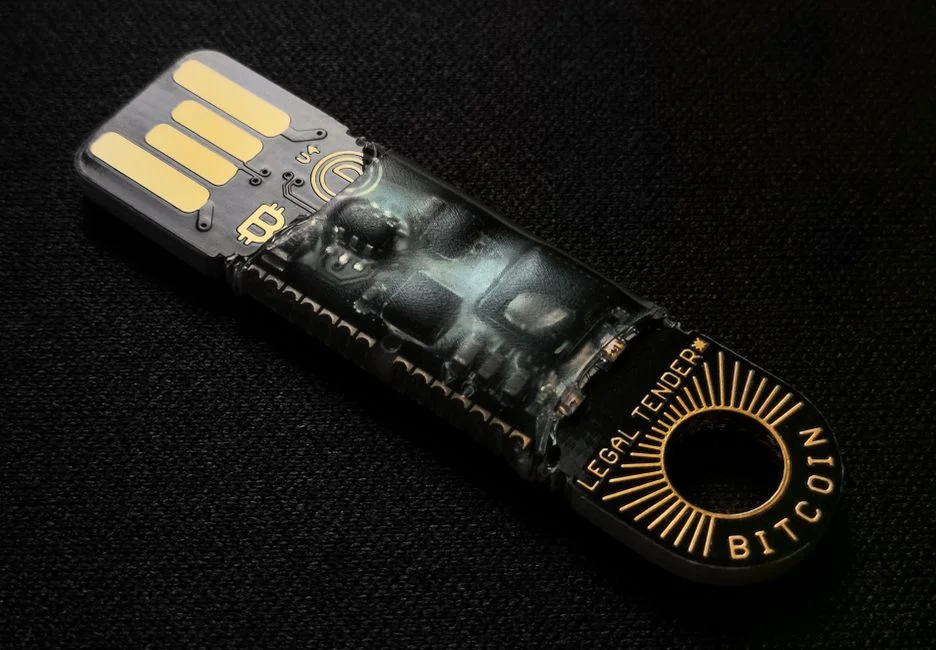
Cold storage cryptocurrency solutions exist because digital assets behave differently from money held in a traditional bank. With a bank account, security is largely outsourced to the institution and backed by regulations, insurance frameworks, and recovery processes. With crypto, control is typically tied to possession of private keys, and those keys can be copied, stolen, or lost. Cold storage cryptocurrency methods are designed to keep private keys offline, away from internet-connected devices that are exposed to malware, phishing, SIM swaps, and remote exploits. The underlying idea is simple: most large-scale thefts depend on network access or tricking a user into signing something on an online device. If the signing keys are kept offline, the attack surface shrinks dramatically. That doesn’t make theft impossible, but it changes the attacker’s job from “hack a computer from anywhere” to “physically compromise a device or coerce a person,” which is far harder in practice and easier to defend with layered controls.
Table of Contents
- My Personal Experience
- Understanding Cold Storage Cryptocurrency and Why It Exists
- Hot Wallets vs. Cold Storage: Exposure, Threat Models, and Tradeoffs
- What “Offline” Really Means: Keys, Seed Phrases, and Signing
- Hardware Wallets as Cold Storage Cryptocurrency Tools
- Air-Gapped Wallets and Offline Computers: A More Rigid Approach
- Paper Wallets, Metal Backups, and the Role of Physical Durability
- Multisignature Cold Storage Cryptocurrency Vaults for Higher Assurance
- Expert Insight
- Custodial Cold Storage vs. Self-Custody: Control, Counterparty Risk, and Compliance
- Setting Up Cold Storage Cryptocurrency Safely: Step-by-Step Thinking Without Shortcuts
- Common Mistakes That Defeat Cold Storage and How to Avoid Them
- Cold Storage Cryptocurrency for Different Users: Traders, Long-Term Holders, and Businesses
- Long-Term Maintenance: Updates, Device Lifecycle, and Recovery Drills
- Choosing the Right Cold Storage Cryptocurrency Strategy: Balancing Security and Usability
- Watch the demonstration video
- Frequently Asked Questions
- Trusted External Sources
My Personal Experience
After I bought my first bit of crypto, I kept everything on an exchange because it felt convenient—until the day the site went down during a market dip and I couldn’t log in for hours. That was enough to push me into cold storage. I bought a hardware wallet, set it up offline at my kitchen table, and wrote the seed phrase on paper twice, storing the copies in separate places. The process was more nerve‑racking than I expected—triple‑checking every word and doing a small test transfer before moving the rest—but once it was done, I finally felt like I actually owned my coins instead of just having an account somewhere. It’s a little less convenient, but the peace of mind has been worth it. If you’re looking for cold storage cryptocurrency, this is your best choice.
Understanding Cold Storage Cryptocurrency and Why It Exists
Cold storage cryptocurrency solutions exist because digital assets behave differently from money held in a traditional bank. With a bank account, security is largely outsourced to the institution and backed by regulations, insurance frameworks, and recovery processes. With crypto, control is typically tied to possession of private keys, and those keys can be copied, stolen, or lost. Cold storage cryptocurrency methods are designed to keep private keys offline, away from internet-connected devices that are exposed to malware, phishing, SIM swaps, and remote exploits. The underlying idea is simple: most large-scale thefts depend on network access or tricking a user into signing something on an online device. If the signing keys are kept offline, the attack surface shrinks dramatically. That doesn’t make theft impossible, but it changes the attacker’s job from “hack a computer from anywhere” to “physically compromise a device or coerce a person,” which is far harder in practice and easier to defend with layered controls.
It also helps to understand what “cold” means in this context. A wallet is not a container of coins; it is a system for generating, storing, and using cryptographic keys that authorize transactions on a blockchain. When a key lives on a device that can connect to the internet, that is typically called “hot.” When the key is generated and stored in a way that is never exposed to an online environment, that is “cold.” Cold storage cryptocurrency setups can range from consumer-friendly hardware wallets to more rigorous processes like air-gapped computers, paper backups, and multisignature vaults distributed across locations. Each approach attempts to balance safety with usability. The more “cold” and isolated the keys are, the more steps it takes to move funds; those steps reduce convenience but can prevent catastrophic loss. For many holders, the goal is not to avoid every possible risk but to reduce the probability of a life-changing mistake or compromise.
Hot Wallets vs. Cold Storage: Exposure, Threat Models, and Tradeoffs
Comparing hot wallets to cold storage cryptocurrency systems requires thinking in terms of threat models rather than brand names. A hot wallet is typically an app on a phone, browser extension, exchange account, or desktop program that can sign transactions quickly. That convenience is the point: trading, paying, staking, bridging, and interacting with decentralized applications often require rapid approvals. The downside is that any environment that touches the internet is exposed to a broad set of threats, including malicious browser extensions, clipboard hijackers, keyloggers, remote access trojans, fake customer support scams, and phishing sites that imitate wallet connect screens. Even if the wallet software is secure, the broader operating system may not be. Many real-world incidents occur not because cryptography failed, but because a user approved a malicious transaction, installed compromised software, or entered a seed phrase into a fake website.
Cold storage cryptocurrency techniques focus on reducing those online pathways. A hardware wallet, for example, keeps the private key inside a secure element or isolated microcontroller and signs transactions internally, only passing the signature back to the computer. A properly configured air-gapped machine can generate keys and sign transactions without ever touching a network. Paper-based backups can keep recovery material away from digital exfiltration. However, cold setups introduce different risks: physical theft, loss due to fire or water damage, misplacing recovery information, and errors during setup or restoration. There is also a usability cost: moving funds can take longer, and interacting with complex smart contracts may require extra verification steps. The best solution depends on what you are protecting and from whom. Someone holding long-term savings has different needs than an active trader. Many people use a layered approach: small “spending” amounts in a hot wallet and the majority in cold custody, with clear rules about when and how transfers occur.
What “Offline” Really Means: Keys, Seed Phrases, and Signing
Cold storage cryptocurrency discussions often get confusing because people mix up coins, addresses, seed phrases, and devices. Coins never leave the blockchain; ownership is represented by the ability to produce valid signatures for transactions spending from certain addresses. The “wallet” is a key management system. Most modern wallets use a seed phrase (often 12 or 24 words) that encodes a master secret from which many private keys can be derived. This is convenient because one backup can restore many addresses, but it also concentrates risk: anyone who learns the seed phrase can usually take the funds. Cold storage therefore means keeping that seed phrase and the derived private keys from being exposed to internet-connected systems. If you type a seed phrase into an online computer, take a photo of it, store it in cloud notes, or paste it into a form, you have defeated the purpose even if you own a hardware wallet.
Signing is another important concept. To move funds, you typically create an unsigned transaction on a networked device, then sign it with the private key, and broadcast it to the network. Cold storage cryptocurrency setups attempt to keep the signing step in an isolated environment. Hardware wallets do this by receiving transaction data from the host device and then asking the user to confirm. Air-gapped methods do this by moving unsigned transactions to an offline computer via QR codes or removable media, signing there, then transferring the signed transaction back to an online device for broadcasting. The “offline” promise is not absolute; it relies on correct operational behavior. If the offline environment is compromised before key generation, or if the user confirms a malicious transaction without checking details, funds can still be lost. The practical goal is to make it significantly harder for remote attackers to obtain keys and to make transaction approvals more deliberate and verifiable.
Hardware Wallets as Cold Storage Cryptocurrency Tools
Hardware wallets are among the most popular cold storage cryptocurrency options because they offer a reasonable balance of security and convenience. The key material is generated and stored within the device, and the device is designed so that private keys do not leave it. When you want to send funds, the host computer or phone constructs a transaction and sends it to the hardware wallet. The device displays critical details—such as destination address and amount—then produces a signature if the user confirms. This workflow can prevent many common attacks because malware on the host device cannot directly extract the private key. Even if the host is compromised, it typically cannot sign arbitrary transactions without the user’s physical confirmation on the device. That said, hardware wallets are not magic. If a user is tricked into confirming a transaction to an attacker’s address, the device will faithfully sign it. Security still depends on careful verification and safe handling of recovery phrases.
Choosing and using a hardware wallet safely involves more than picking a brand. Supply-chain integrity matters: buying from reputable sources, checking packaging, verifying firmware, and initializing the device yourself reduce the chance of tampering. Cold storage cryptocurrency best practice also includes writing down the recovery phrase offline and storing it securely, not on a computer or in cloud storage. Many users add a passphrase feature, sometimes called a “25th word,” which creates an additional secret required to derive the same wallet. This can protect against someone who finds the recovery phrase alone, but it introduces the risk of forgetting the passphrase, which can permanently lock you out. Another practical detail is address verification. For high-value transfers, it’s wise to verify the recipient address on the hardware wallet screen and to use whitelisting, test transactions, or address books when available. Hardware wallets can integrate with multiple software interfaces; choosing a reputable, up-to-date wallet app and limiting unnecessary permissions also helps maintain a secure environment.
Air-Gapped Wallets and Offline Computers: A More Rigid Approach
An air-gapped setup is often considered a purist form of cold storage cryptocurrency because it aims to keep the signing device completely separated from networks. The basic idea is to dedicate a computer (or single-board device) that never connects to Wi‑Fi, Ethernet, Bluetooth, or cellular networks. You generate the seed phrase and derive addresses on that offline machine, then store the recovery material securely. When spending is needed, you create an unsigned transaction on an online computer, transfer it to the offline machine using a controlled method (often QR codes or removable media), sign it offline, and transfer the signed transaction back for broadcasting. This reduces exposure to remote exploits, but it requires disciplined procedures. The offline machine should be kept physically secure, and its software should be installed from verified sources. Many people also use read-only media and verified hashes to reduce the risk of installing compromised wallet software.
The main advantage of air-gapped cold storage cryptocurrency workflows is control over the environment. You can reduce the number of components involved and minimize reliance on proprietary firmware. The tradeoff is complexity: more steps mean more opportunities for user error. Removable media can carry malware, so some setups avoid USB drives and rely on QR codes displayed on screens and scanned by cameras. Even then, you must consider side channels such as compromised cameras, screen-capture malware on the online machine, or tricked transaction details. Another challenge is supporting modern smart contract interactions. Many decentralized applications produce complex transaction payloads that are difficult to interpret on minimal offline tools. Users may end up approving data they cannot easily verify, undermining the security benefits. For long-term holding and simple transfers, air-gapped signing remains a strong option, especially when combined with multisignature policies that require multiple independent signers before funds can move.
Paper Wallets, Metal Backups, and the Role of Physical Durability
Paper wallets are an older concept often mentioned in cold storage cryptocurrency circles, but the term can mean different things. Historically, it referred to printing a private key or seed phrase on paper, sometimes with a QR code, and storing it offline. While “offline” sounds secure, paper introduces practical risks: ink fades, paper burns, water destroys it, and it can be lost or photographed. In addition, generating a paper wallet safely requires a trusted offline environment; if the key was generated on an online computer or through a compromised website, the paper backup does not protect you. Modern best practice typically discourages ad-hoc paper wallets for most users, not because paper is inherently bad, but because the process is easy to do incorrectly. Seed phrases written on paper as a backup for a hardware wallet are common, but that is different from using paper as the primary wallet mechanism.
To improve resilience, many users choose metal backups for cold storage cryptocurrency recovery phrases. Metal plates or capsules can withstand fire and water better than paper, and they reduce the chance of degradation over time. The key question is what exactly you are backing up: usually a seed phrase, sometimes a shard of a phrase, or sometimes an encrypted version. Physical durability is only one dimension; confidentiality is another. If someone finds an unprotected seed phrase, they may be able to take funds without leaving evidence. Some holders use secure storage like safes or bank deposit boxes, but those introduce their own risks: access controls, jurisdiction, and potential seizure. A layered approach can help: splitting backups across locations, using passphrases, or using secret sharing schemes so that no single physical item grants full control. The design should match your real-world constraints and your ability to maintain a process over years.
Multisignature Cold Storage Cryptocurrency Vaults for Higher Assurance
Multisignature, often shortened to multisig, is a powerful cold storage cryptocurrency strategy because it reduces single points of failure. Instead of one private key controlling funds, a multisig wallet requires M-of-N signatures to authorize a transaction, such as 2-of-3 or 3-of-5. This means losing one key does not necessarily mean losing funds, and an attacker who steals one key may not be able to spend. Multisig can be implemented with multiple hardware wallets, a mix of hardware and offline software wallets, or geographically distributed signers. It is commonly used by organizations, funds, and families managing large holdings, but individuals can also benefit when amounts justify the complexity. The security gain comes from separation: keys can be stored in different locations, with different devices, and sometimes under different custody arrangements, making a single compromise far less likely to result in total loss.
Expert Insight
Use a dedicated hardware wallet for cold storage cryptocurrency and initialize it offline. Write the recovery seed on paper or stamped metal, store it in a secure location, and never photograph or type it into a computer or cloud service.
Reduce single-point failure by splitting risk: keep a second, sealed backup of your seed in a separate physical location and test recovery with a small amount before moving larger funds. Add a strong passphrase (if supported) and keep device firmware updated only through verified sources. If you’re looking for cold storage cryptocurrency, this is your best choice.
The complexity of multisig is also its main risk. Cold storage cryptocurrency systems with multisig require careful setup, documentation, and periodic testing. You must securely record the wallet configuration, including extended public keys, derivation paths, and the multisig policy itself, because you may need this information to recover funds if a device is lost or a software provider disappears. Some people mistakenly assume the seed phrases alone are enough; depending on the wallet type, you may also need descriptors or coordination data to recreate the exact multisig structure. Another operational concern is signing hygiene: if multiple signers are required, you need a clear procedure for initiating transactions, verifying outputs, and collecting signatures without exposing sensitive data. For example, one signer might verify destination addresses independently, another might verify amounts and fees, and a third might verify that change outputs return to expected wallet paths. Done well, multisig can dramatically strengthen long-term custody while still allowing controlled access when needed.
Custodial Cold Storage vs. Self-Custody: Control, Counterparty Risk, and Compliance
Some cold storage cryptocurrency arrangements are custodial, meaning a third party holds the keys on your behalf. Exchanges and professional custodians often advertise “cold storage” to describe how they store most customer funds offline. This can reduce the risk of online hacks against their hot wallets, and reputable custodians may use sophisticated controls such as hardware security modules, multisig, geographically distributed key shards, and strict access policies. For some users, custodial cold storage is attractive because it avoids the burden of managing seed phrases and devices. It can also provide additional services such as insurance, audits, reporting, inheritance planning, and institutional-grade governance. However, custody introduces counterparty risk: if the custodian becomes insolvent, is hacked, mismanages funds, or is subject to legal restrictions, customers may face delays or losses. The phrase “not your keys, not your coins” captures this tradeoff, though reality can be nuanced depending on legal agreements and jurisdiction.
| Cold Storage Option | Best For | Key Pros | Main Trade-Offs |
|---|---|---|---|
| Hardware Wallet (offline device) | Long-term holders and active users who still need occasional transfers | Private keys stay offline; strong protection against malware; easy to sign transactions securely | Upfront cost; must safeguard recovery seed; supply-chain/tampering risk if bought from untrusted sources |
| Paper Wallet / Seed Backup (printed or engraved) | Deep cold storage and disaster recovery backups | No electronic attack surface; inexpensive; can be stored in multiple secure locations | Easy to lose or damage (fire/water); risky to generate/print on compromised devices; cumbersome to spend from safely |
| Air-Gapped Wallet (offline computer or dedicated signer) | High-security setups for large balances or institutional-grade custody | Keys never touch internet-connected devices; reduces remote attack vectors; supports controlled signing workflows | More complex to set up and maintain; higher chance of user error; slower transaction workflow |
Self-custody cold storage cryptocurrency solutions give you direct control, but also full responsibility. Mistakes can be irreversible, and there is no password reset for a lost seed phrase. That said, self-custody can reduce reliance on third parties and can allow you to define your own security posture. Some people choose a hybrid approach: keeping a portion of holdings in a regulated custodian for liquidity, lending, or reporting needs, while keeping long-term reserves in personal cold storage. Organizations may also split treasury management, using an institutional custodian for operational funds and an internal multisig vault for strategic reserves. Compliance can be a deciding factor: businesses may need clear audit trails, separation of duties, and policies for approvals. Whether custodial or self-custodied, “cold storage” should be evaluated by asking specific questions about key generation, signing policies, recovery procedures, and who can authorize withdrawals under what conditions.
Setting Up Cold Storage Cryptocurrency Safely: Step-by-Step Thinking Without Shortcuts
A safe cold storage cryptocurrency setup begins with preparation rather than device purchase. The environment matters: choose a private space, avoid cameras and smart assistants, and ensure you can focus without interruptions. If using a hardware wallet, initialize it yourself and generate the seed phrase on the device, not on a website or phone app. Write the seed phrase clearly and double-check each word, because a single error can break recovery. Consider making two durable backups stored in separate secure locations to reduce the chance of a single disaster wiping out access. If you plan to use a passphrase, decide on a method you can remember reliably for years, and document how your heirs or trusted parties could retrieve it if needed. For higher-value holdings, consider multisig, where setup includes recording the multisig configuration and testing a small receive-and-send cycle before depositing significant funds.
Transaction hygiene is equally important. Cold storage cryptocurrency is strongest when it is used for long-term holding with infrequent movements. When you do move funds, verify addresses carefully, ideally on the secure device screen. Use test transactions for new destinations, especially if transferring large amounts. Keep your host computer reasonably secure: updated operating system, minimal extensions, and skepticism toward downloads. Avoid signing unknown smart contract interactions from a cold wallet; if you must interact with decentralized applications, consider using a separate hot wallet for approvals and keep the cold wallet isolated from routine dApp activity. Record your procedures in plain language so you can repeat them under stress. Many losses happen during rushed moves in volatile markets, where people skip verification steps. A cold setup is not only a technology choice; it is a habit of slowing down, verifying, and treating key material like the master key to a vault.
Common Mistakes That Defeat Cold Storage and How to Avoid Them
Cold storage cryptocurrency failures are often behavioral rather than technical. One of the most damaging mistakes is storing the seed phrase digitally: taking photos, saving it in email drafts, putting it in cloud drives, or copying it into password managers without understanding the threat model. Digital storage can be convenient, but it creates new attack surfaces, including account takeovers, malware, and silent synchronization across devices. Another common error is entering the seed phrase into a website or “support” form after being contacted by scammers. Legitimate wallet providers do not need your seed phrase, ever. A related mistake is downloading fake wallet apps or browser extensions that mimic popular brands. Verifying official sources, checking signatures where possible, and being suspicious of ads and search results can reduce this risk. Even with a hardware wallet, approving transactions blindly can lead to loss if malware changes recipient addresses or if a malicious dApp asks for dangerous permissions.
Physical risks also matter. People sometimes store both the hardware wallet and the recovery phrase together, which defeats the point of having a backup. If a thief takes both, funds are gone. Others keep a single backup in one location, making fire, flooding, or theft catastrophic. Cold storage cryptocurrency planning should include redundancy and separation. Another subtle mistake is failing to test recovery. A seed phrase backup that has never been tested may contain a transcription error or may not match the intended wallet type or derivation path. A careful approach is to perform a controlled recovery test with a small amount of funds, verifying that you can restore and access the correct addresses. Finally, neglecting documentation can cause future failure. If you use multisig, passphrases, or advanced settings, write down the structure in a way that you or trusted parties can understand later. Security is not only about preventing theft; it is also about preventing accidental self-lockout.
Cold Storage Cryptocurrency for Different Users: Traders, Long-Term Holders, and Businesses
Cold storage cryptocurrency practices should fit the user’s activity level and risk tolerance. Active traders and DeFi users need frequent signing and approvals, which makes fully cold workflows impractical. For them, a sensible model is segmentation: keep only the amount needed for near-term activity in a hot wallet, and periodically sweep profits to cold storage. This reduces the blast radius if the hot wallet is compromised. Long-term holders, on the other hand, benefit the most from cold custody because they rarely need to move funds. They can prioritize durability, redundancy, and recovery planning over convenience. This may include hardware wallets stored securely, backups on metal, and a clear inheritance plan. For those holding multiple assets across chains, it can be wise to standardize on a small set of well-supported wallets and to avoid exotic tools that might not be maintained years later.
Businesses face additional considerations: governance, internal controls, and auditability. A company’s cold storage cryptocurrency setup often needs separation of duties so no single employee can move funds unilaterally. Multisig is a natural fit, with signers assigned to different roles or departments. Policies can define thresholds, approval workflows, and emergency procedures. Businesses also need to think about personnel changes: what happens if a signer leaves, becomes unavailable, or loses a device? Rotating keys and updating multisig policies should be part of an operational playbook. Regulatory and accounting needs may require detailed logs, transaction memos, and periodic reconciliations. Some organizations choose qualified custodians for part of their holdings to satisfy governance requirements, while keeping a portion under internal multisig control. The best design is one that can be executed consistently, survives staff turnover, and remains secure even when the organization is under stress.
Long-Term Maintenance: Updates, Device Lifecycle, and Recovery Drills
Cold storage cryptocurrency is not a “set and forget” decision if you plan to hold assets for many years. Devices age, standards evolve, and software ecosystems change. Hardware wallets may receive firmware updates that fix vulnerabilities or add support for new transaction types. Updating firmware can improve security, but it must be done carefully to avoid phishing and to ensure you are installing authentic updates. Some users delay updates indefinitely out of fear, but that can leave known vulnerabilities unpatched. A balanced approach is to follow official security announcements, verify update sources, and schedule updates during calm periods rather than during urgent market events. If you rely on a specific wallet interface, make sure you know alternative software that can work with your device, so you are not trapped if an app is discontinued. Keep records of what you use, including device model, wallet type, and any advanced settings such as passphrases.
Recovery drills are an underappreciated part of cold storage cryptocurrency management. A recovery phrase that cannot be used when needed is not a backup; it is a false sense of security. Periodically, and especially after any change to your setup, perform a controlled test: restore the wallet on a spare device or in a secure environment, verify addresses, and confirm you can access funds. If you use multisig, test that you can reconstruct the multisig wallet using your recorded configuration data and that signers can coordinate. Also consider life events: relocation, changing banks, or changes in trusted contacts can affect where backups are stored and who can access them. Finally, plan for inheritance or continuity. If something happens to you, can a spouse, executor, or business partner access the funds without compromising security during your lifetime? A well-designed cold setup includes clear instructions stored securely, with enough redundancy to prevent loss but enough protection to prevent premature access.
Choosing the Right Cold Storage Cryptocurrency Strategy: Balancing Security and Usability
Selecting a cold storage cryptocurrency approach is ultimately about aligning tools with human behavior. The most secure system on paper can fail if it is too complex to use correctly. For many individuals, a reputable hardware wallet with an offline recovery backup and good operational habits provides strong protection. For higher amounts, adding a passphrase or moving to a 2-of-3 multisig vault can further reduce single points of failure. For organizations, multisig with documented policies and separation of duties is often more important than any single device choice. Air-gapped signing can provide additional assurance, but only if the procedures are followed consistently and the team understands the workflow. Regardless of the method, clarity matters: you should know exactly where keys are generated, where they are stored, how transactions are approved, and how recovery works.
Cold storage cryptocurrency is best viewed as a security posture rather than a product. It combines offline key custody, careful transaction verification, redundancy against disasters, and recovery planning that survives years. The goal is to reduce the chance that a single click, a single compromised device, or a single moment of panic results in irreversible loss. When the setup matches your needs, cold storage becomes a quiet background system: you can hold assets with confidence, move funds deliberately when necessary, and avoid common traps that catch less disciplined users. The strongest approach is the one you can maintain over time, with backups you can recover, procedures you can repeat, and controls that make unauthorized spending difficult. Done properly, cold storage cryptocurrency provides a practical way to protect long-term holdings in an environment where ownership is defined by keys and where mistakes can be permanent.
Watch the demonstration video
In this video, you’ll learn how cold storage protects cryptocurrency by keeping private keys offline, away from hackers and malware. It explains common cold storage options like hardware wallets and paper backups, how to set them up safely, and best practices for securing recovery phrases so you can store and access your crypto with confidence. If you’re looking for cold storage cryptocurrency, this is your best choice.
Summary
In summary, “cold storage cryptocurrency” is a crucial topic that deserves thoughtful consideration. We hope this article has provided you with a comprehensive understanding to help you make better decisions.
Frequently Asked Questions
What is cold storage in cryptocurrency?
Cold storage keeps private keys completely offline to reduce exposure to hacking, malware, and online theft.
What are common types of cold storage?
Hardware wallets, paper wallets/seed backups, air-gapped computers, and offline multisig setups are common cold storage options.
Is a hardware wallet considered cold storage?
Yes—hardware wallets provide **cold storage cryptocurrency** security by keeping your private keys isolated from your computer or phone and signing transactions directly on the device. You can still plug the wallet in (or connect via Bluetooth, depending on the model) to broadcast those signed transactions to the network without exposing your keys.
What is the biggest risk of cold storage?
If your recovery seed or private key is lost or exposed—whether through theft, fire, water damage, or simple misplacement—you could be permanently locked out of your funds or have them stolen. That’s why protecting these details is essential, especially when using **cold storage cryptocurrency** solutions.
How should I back up a cold storage wallet safely?
Write your recovery seed down on paper (or another offline medium) and keep copies in separate, secure locations. For **cold storage cryptocurrency** setups, consider using a fire- and water-resistant backup, and never take a photo of your seed phrase or upload it anywhere online.
How do I move funds out of cold storage?
Use a connected wallet interface to build the transaction, then sign it on an offline device using your private keys (ideally with an air‑gapped workflow for added security). Once it’s signed, take the signed transaction online and broadcast it—an approach commonly used in **cold storage cryptocurrency** setups to keep keys off the internet.
📢 Looking for more info about cold storage cryptocurrency? Follow Our Site for updates and tips!

Trusted External Sources
- Arculus Cold Storage Wallet | Securely Manage Crypto & NFTs
With the robust security of the Arculus Cold Storage Wallet, you can confidently store, buy, swap, send, and receive your digital assets with just a tap—making **cold storage cryptocurrency** protection simple, seamless, and secure.
- Cold Storage: What It Is, How It Works, Theft Protection – Investopedia
Cold storage—often referred to by crypto users as a “cold wallet”—is one of the safest ways to protect the private keys that control your digital assets. With **cold storage cryptocurrency** setups, your keys are kept offline and away from hackers, typically by moving them to a hardware wallet, paper wallet, or another device that isn’t connected to the internet. This extra layer of separation can significantly reduce the risk of theft while still allowing you to access your funds when you need them.
- When should I consider getting a cold storage wallet? : r/Bitcoin
Jan 25, 2026 — If you’re planning to hold for the long haul, now may be a good time to set one up. Just be sure you fully understand the risks, the setup steps, and best practices for **cold storage cryptocurrency** before you commit.
- Ledger Crypto Wallet – Security for DeFi & Web3
Protect your digital assets—whether it’s Bitcoin, Ethereum, XRP, Monero, or other coins—by keeping them in a vault-style wallet designed for **cold storage cryptocurrency** security. Instead of leaving funds exposed online, cold storage helps reduce hacking risk and gives you tighter control over your holdings. As one user, 2160 (@rekt2160), put it: “I have 5 Ledgers total…”
- Best cold storage to buy? : r/Bitcoin – Reddit
Dec 27, 2026 … Best cold storage to buy? · Trezor – Easy to use, no matter how new in Bitcoin you’re. · ColdCard – air gapped, Bitcoin only, less new user … If you’re looking for cold storage cryptocurrency, this is your best choice.