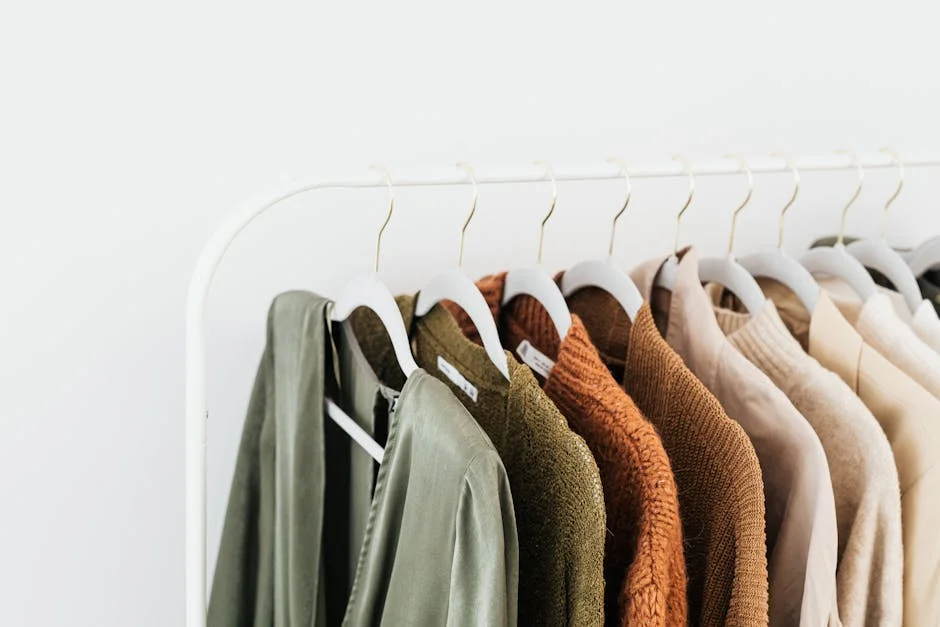
A year round capsule wardrobe is less about restricting personal style and more about building a dependable clothing system that performs in every season. Instead of chasing dozens of micro-trends or buying duplicates that solve the same problem, a capsule approach focuses on versatile pieces that can be layered, dressed up, or dressed down. The appeal is practical: fewer decisions in the morning, fewer “nothing to wear” moments, and a closet where most items actually get worn. When the core of your wardrobe is coherent, you can get dressed quickly because everything coordinates by design. That coordination is not accidental; it comes from choosing a controlled palette, repeating silhouettes that flatter you, and favoring fabrics that can flex across temperatures. The result is a set of outfits that feel intentional even on rushed days, because the pieces were selected to work together. Over time, you also learn what you truly like to wear rather than what looks good in a store or on someone else. That self-knowledge is a major reason a year round capsule wardrobe tends to stick, while one-off “closet cleanouts” often fail.
Table of Contents
- My Personal Experience
- Why a Year Round Capsule Wardrobe Works in Real Life
- Start with Lifestyle and Climate, Not a Number of Pieces
- Choose a Color Palette That Makes Mixing Effortless
- Build the Core: Tops, Bottoms, and the “Third Piece”
- Fabrics and Layering: The Secret to Four-Season Wear
- Outerwear That Covers Every Season Without Clutter
- Shoes for a Year Round Capsule Wardrobe: Comfort Meets Versatility
- Expert Insight
- Accessories That Multiply Outfits Without Adding Bulk
- Season-by-Season Rotation Without Starting Over
- Shopping Strategy: Add Slowly, Replace Intentionally
- Care, Repair, and Storage Habits That Keep the Capsule Looking New
- Making It Personal: Style Identity Within a Capsule
- Putting It All Together for Everyday Outfits That Repeat Well
- Watch the demonstration video
- Frequently Asked Questions
- Trusted External Sources
My Personal Experience
A couple of years ago I got tired of staring at a packed closet and still feeling like I had nothing to wear, so I tried building a year-round capsule wardrobe. I started by pulling out the pieces I reached for every week—straight-leg jeans, black trousers, a white tee, a striped button-down, a wool sweater, and a simple blazer—and donated the rest of the “maybe someday” stuff. The biggest change was choosing layers that could flex with the weather: a lightweight trench for spring and fall, a warm coat for winter, and breathable basics for summer that still looked good under the blazer. At first it felt boring, but after a month I realized I was getting dressed faster and buying less because everything actually matched. Now I keep a small bin for seasonal swaps (sandals and linen in summer, boots and knits in winter), but the core stays the same, and it’s made my mornings noticeably calmer. If you’re looking for year round capsule wardrobe, this is your best choice.
Why a Year Round Capsule Wardrobe Works in Real Life
A year round capsule wardrobe is less about restricting personal style and more about building a dependable clothing system that performs in every season. Instead of chasing dozens of micro-trends or buying duplicates that solve the same problem, a capsule approach focuses on versatile pieces that can be layered, dressed up, or dressed down. The appeal is practical: fewer decisions in the morning, fewer “nothing to wear” moments, and a closet where most items actually get worn. When the core of your wardrobe is coherent, you can get dressed quickly because everything coordinates by design. That coordination is not accidental; it comes from choosing a controlled palette, repeating silhouettes that flatter you, and favoring fabrics that can flex across temperatures. The result is a set of outfits that feel intentional even on rushed days, because the pieces were selected to work together. Over time, you also learn what you truly like to wear rather than what looks good in a store or on someone else. That self-knowledge is a major reason a year round capsule wardrobe tends to stick, while one-off “closet cleanouts” often fail.

There is also an economic and environmental logic. A year round capsule wardrobe typically reduces impulse spending because you’re no longer trying to patch gaps with random purchases. Instead, you replace or upgrade strategically: when a pair of jeans wears out, you already know the cut and wash that works; when a sweater pills beyond saving, you swap in a better-quality knit in the same role. This approach tends to shift spending away from frequent low-cost buys toward fewer, higher-value items that last longer and feel better to wear. That doesn’t require luxury brands; it requires paying attention to construction, fabric, and fit. It also makes travel easier, because a closet built on mix-and-match pieces naturally becomes a packing system. Whether you’re dealing with a four-season climate or a place with mild winters and hot summers, the same principle holds: you want a core of pieces that work across months, then a smaller set of seasonal specialists. When your closet is built this way, you’re not starting over every season—you’re simply rotating in and out a few targeted items while the core stays consistent.
Start with Lifestyle and Climate, Not a Number of Pieces
The most effective year round capsule wardrobe begins with an honest look at how you actually live. A capsule is supposed to support your routine, so the first step is mapping your week: how many days are for work, how many for casual errands, how many for exercise, events, or going out. Someone who works in an office may need more polished tops and structured layers, while someone who works from home may prioritize elevated loungewear that still looks presentable on video calls. Climate matters just as much. Four distinct seasons call for more layering pieces and temperature-flexible fabrics, while hot climates demand breathable materials and sun protection. The point is not to copy a template that says “you need 33 items,” because that number ignores your laundry habits, dress code, and weather. If you do laundry weekly, you can own fewer basics; if you prefer longer cycles, you’ll need more duplicates of your most-worn categories. Treat the capsule as a system: it should match your pace, not force you into constant washing or outfit repeating that feels uncomfortable.
Once lifestyle and climate are clear, define your “core uniform” categories. Most people benefit from a small set of repeatable outfit formulas: for example, jeans + tee + third piece; trousers + knit + loafers; dress + jacket; skirt + blouse; or athleisure set + coat. A year round capsule wardrobe becomes easier when you pick two or three formulas you genuinely enjoy and can adapt for different levels of formality. These formulas then guide which items deserve investment. If you never wear blazers, don’t make one a cornerstone. If you love dresses, build around dresses and add layers that change their seasonality. A uniform is not boring when you vary texture, color accents, and accessories; it’s simply efficient. This is also where you identify friction points: maybe your shoes aren’t comfortable enough for walking, or your tops don’t layer smoothly under sweaters. Fixing friction points makes the capsule feel effortless. When pieces are chosen based on real patterns—commute, walking, temperature shifts, social plans—the wardrobe becomes a tool rather than a project.
Choose a Color Palette That Makes Mixing Effortless
A cohesive palette is the engine of a year round capsule wardrobe because it multiplies outfit combinations without multiplying clothing. Start by selecting two to three neutrals that you enjoy wearing and that suit your lifestyle. Neutrals are not limited to black and white; they can include navy, charcoal, cream, olive, chocolate brown, or even a muted taupe. The goal is compatibility: your outerwear should work with your shoes, your bottoms should pair with most tops, and your layering pieces should sit comfortably within the same family. Once neutrals are chosen, add one or two accent colors that make you feel like yourself. Accent colors can be seasonal—like rust or forest green—or evergreen—like burgundy, cobalt, or soft pink—depending on your taste. Keeping accents limited helps prevent a closet of “almost matches” that never quite come together. If you love prints, choose prints that include your neutrals so they integrate naturally rather than requiring a special purchase to coordinate.
Palette planning also helps you shop with discipline. When you see something tempting, you can quickly check: does it match at least three existing items? Does it fit within your neutrals or accent range? Will it layer with your coats and sweaters? This simple filter prevents the common problem of owning many standalone pieces. A year round capsule wardrobe thrives on repeat wear, so color choices should support that repeatability. Consider also how colors behave across seasons: deep neutrals like navy and charcoal work year-round; cream looks fresh in spring and summer but also layers beautifully in winter with darker tones; olive can read casual in warm months and sophisticated in cold months when paired with black or camel. If you’re unsure, take photos of your favorite outfits and look for patterns. Many people discover they already have an instinctive palette, and the capsule simply formalizes it. The aim is not to remove creativity but to make creativity easier, because you’re combining pieces that were designed—by you—to belong together.
Build the Core: Tops, Bottoms, and the “Third Piece”
The core of a year round capsule wardrobe usually includes a small set of tops and bottoms that can create outfits on their own, plus “third pieces” that add polish and warmth. For tops, prioritize fabrics that layer well: smooth tees, breathable button-downs, fine-gauge knits, and tanks that can be worn alone in summer or under cardigans in winter. Fit is crucial here. A tee that’s too tight will feel uncomfortable under a sweater; a shirt that’s too bulky will bunch under a jacket. Choose a couple of silhouettes you love—maybe a crewneck tee and a relaxed blouse—and repeat them in your palette. For bottoms, think in terms of function: a pair of jeans you can wear casually, a trouser that works for meetings or dinners, and perhaps a skirt or tailored short depending on climate. The key is to pick bottoms that coordinate with most of your tops and shoes. If you avoid dry cleaning, choose washable fabrics; if you sit all day, choose waistbands that stay comfortable.
The “third piece” is the shortcut to looking put together, and it’s central to a year round capsule wardrobe. Third pieces include blazers, denim jackets, leather jackets, cardigans, chore coats, and lightweight coats that can be layered. They change the vibe of simple basics and help you handle temperature swings. A cardigan can soften a tee-and-jeans outfit; a blazer can elevate the same base for a dinner; a denim jacket can add structure to a dress. Choose third pieces that align with your lifestyle: if you’re outdoors often, you may prefer a utility jacket; if you attend formal events, a blazer may be more useful. Try to include at least one lightweight layer for spring and cool summer nights, and one warmer layer for winter. When your third pieces coordinate with your core palette, you can throw one on without thinking and still look cohesive. Over time, you’ll notice that you rely on these layers constantly, which is exactly why they deserve careful selection and good construction.
Fabrics and Layering: The Secret to Four-Season Wear
Fabric choice determines whether a year round capsule wardrobe genuinely works across temperature changes. Natural fibers and smart blends often perform best because they breathe, insulate, and age more gracefully. Cotton is excellent for tees and casual shirts, linen is unbeatable for heat, wool and merino are warm without bulk, and silk or viscose can add drape for dressier pieces. Synthetics can still have a place—especially for performance wear or outerwear—but many people find that too much polyester traps heat and odors, making year-round wear less pleasant. Think of fabrics as tools: linen for summer, merino for winter, cotton for daily basics, and denim or twill for durable bottoms. If you live in a place with wide temperature swings, layering is your best strategy. A thin base layer under a shirt, plus a cardigan and a coat, gives you multiple comfort levels without requiring completely different wardrobes.

Layering also benefits from thoughtful thickness and texture. A year round capsule wardrobe works best when you have a range of weights: lightweight knits for transitional weather, midweight sweaters for winter, and breathable tops for summer. Avoid collecting too many bulky pieces that only work in a narrow window. Instead, choose items that can stack: a slim turtleneck under a button-down, a vest over a long-sleeve tee, or a cardigan over a sleeveless dress. Pay attention to necklines and sleeve shapes so layers sit smoothly. Texture adds interest without needing more colors: ribbed knits, chambray, crisp poplin, suede, and tweed can make simple outfits feel intentional. If you’re building from scratch, start with base layers and mid-layers before buying heavy outerwear, because the inner system determines comfort. With the right fabric mix, you can wear many of the same core pieces all year and simply adjust what goes on top or underneath.
Outerwear That Covers Every Season Without Clutter
Outerwear is where many closets become overcrowded, but a year round capsule wardrobe can cover most needs with a small, purposeful set. Start with a lightweight jacket for spring and early fall, such as a denim jacket, utility jacket, or unlined trench. This piece should work with your everyday outfits and shoes, and it should be comfortable for movement. Next, add a warmer coat for winter—wool, insulated, or a well-made parka depending on climate. If you experience rain, a waterproof layer is essential, either as a standalone raincoat or as a shell that can fit over warmer layers. The goal is not to own every style, but to own the right function: light layer, warm layer, and weatherproof layer. In some climates, one coat can cover multiple roles, especially if it has a removable liner or if you layer strategically underneath.
Fit and length matter more than trend details. A year round capsule wardrobe benefits from outerwear that works with both casual and slightly dressier outfits, because coats are what people see first. A mid-thigh wool coat can look polished over trousers and also fine over jeans; a trench can elevate a simple dress and still work with sneakers. Choose outerwear colors that integrate with your palette and shoes so you’re not forced into matching dilemmas. Also consider your bag habits: if you carry a tote, make sure the coat allows comfortable shoulder carry; if you wear crossbody bags, check that straps sit well. Don’t overlook warmth accessories as part of outerwear strategy: a scarf, gloves, and hat can extend the usefulness of a lighter coat and reduce the need for multiple heavy options. When outerwear is chosen as a system, you can step outside in any month feeling prepared without maintaining an entire rack of rarely worn coats.
Shoes for a Year Round Capsule Wardrobe: Comfort Meets Versatility
Shoes can make or break a year round capsule wardrobe because they determine comfort, practicality, and the overall tone of an outfit. A small shoe lineup can handle most situations if each pair has a clear role. Many people do well with: a comfortable sneaker for walking and casual days, a flat or loafer for polished everyday wear, a boot for colder weather, and a sandal for heat. Depending on your lifestyle, you might swap loafers for ballet flats, or add a dress shoe for formal events. The key is to avoid owning many similar pairs that don’t add new functionality. Choose shoe colors that match your belt and outerwear tones when possible—black, brown, tan, or a neutral like cream or taupe. If you love a statement shoe, keep it within your accent palette so it still integrates with your outfits rather than demanding a special outfit to justify it.
Expert Insight
Start with a tight core of 12–18 pieces in a consistent color palette (2–3 neutrals plus 1–2 accent colors). Prioritize versatile “bridge” items—straight-leg trousers, a crisp button-down, a knit tee, and a blazer—that can be dressed up or down and mixed into at least three outfits each. If you’re looking for year round capsule wardrobe, this is your best choice.
Make the wardrobe year-round by building a layering system instead of seasonal swaps: lightweight base layers, one insulating mid-layer (merino or fleece), and one weatherproof outer layer. Add season-specific accessories (scarf, tights, sandals) to adjust warmth and style without expanding the main capsule. If you’re looking for year round capsule wardrobe, this is your best choice.
Comfort is not optional if you want repeat wear. A year round capsule wardrobe depends on pieces you reach for frequently, and shoes that hurt will sit unused. Pay attention to cushioning, arch support, toe box width, and materials that soften with wear. Leather and suede often mold to the foot and can be repaired, which supports longevity. Weather readiness matters too: a water-resistant boot or treated leather can save you from needing extra pairs. Consider soles and traction for winter, and breathability for summer. If you walk a lot, prioritize sneakers and flats that can handle distance without blisters. Also think about how shoes interact with hemlines: ankle boots should work with your jeans and midi skirts; sneakers should look balanced with your preferred pant widths. When shoes are chosen intentionally, you can create outfits that feel cohesive and functional across seasons, which is the entire promise of a year round capsule wardrobe.
Accessories That Multiply Outfits Without Adding Bulk
Accessories are the easiest way to expand a year round capsule wardrobe without expanding your closet footprint. Because accessories take up little space, they can provide variety while keeping the core clothing minimal. Start with a belt or two that matches your most-worn shoes and complements your preferred bottoms. Add a small jewelry set that aligns with your style—perhaps simple hoops, a chain necklace, and a ring—so you can look finished even in a tee and jeans. Scarves are especially useful in a capsule because they provide warmth, color, and texture; a lightweight scarf can work in spring evenings, while a wool scarf can transform a coat’s warmth in winter. Bags also matter: a structured everyday bag for work and errands, and a smaller crossbody or evening bag can cover most needs. If you prefer backpacks, choose one that looks intentional and works with your outerwear.
| Approach | Best for | Key pieces & notes |
|---|---|---|
| All-season core + light layering | People who want one streamlined wardrobe that works year round with minimal swaps. | Neutral tees, button-down, straight-leg jeans/trousers, versatile dress, sneakers/loafers + add a cardigan, light jacket, and scarf to adjust for temperature. |
| Seasonal mini-capsules (4x/year) | Those in climates with distinct seasons who prefer a tighter edit each quarter. | Keep a consistent base (denim, tees, shoes) and rotate 6–10 seasonal items (coat, knitwear, sandals/boots, seasonal colors) for better weather fit. |
| Climate-first capsule (hot/cold dominant) | Anyone in mostly hot or mostly cold regions needing comfort-first versatility. | Hot: breathable fabrics (linen/cotton), sleeveless tops, lightweight layers. Cold: merino base layers, heavier knits, insulated outerwear. Prioritize fabric and layering over trends. |

Accessories also help bridge seasonal shifts. A year round capsule wardrobe becomes more flexible when you use accessories as temperature tools: sunglasses and a hat for summer sun, gloves for winter, and tights for extending skirt and dress wear into colder months. Rather than buying many seasonal garments, you can often extend what you own with the right add-ons. For example, a sleeveless dress can move into fall with a cardigan and boots, then into winter with tights, a turtleneck layer underneath, and a wool coat. Color accents in accessories can refresh familiar outfits without requiring new clothing. If you enjoy experimenting, keep experimentation in accessories rather than core pieces, because it’s cheaper and less risky. The best accessory strategy is intentional repetition: choose a few items you genuinely love and wear them often. That repetition creates a signature look, making your capsule feel personal rather than generic.
Season-by-Season Rotation Without Starting Over
A year round capsule wardrobe doesn’t mean every item is worn every month; it means your wardrobe is built around a stable core with a small seasonal rotation. The most helpful way to manage rotation is to keep your core pieces accessible year-round—jeans, versatile tees, layering knits, and go-to shoes—then store only the true specialists. Summer specialists might include linen shorts, airy dresses, and sandals; winter specialists might include heavy sweaters, thermal layers, and insulated boots. Transitional items like trenches, light knits, and denim jackets can stay out longer because they bridge seasons. This approach prevents the exhausting feeling of reinventing your style every few months. It also makes your closet feel calmer, because you’re not staring at heavy coats in July or summer dresses in January, yet you’re not boxing up half your identity either. The capsule stays coherent because the palette and silhouettes remain consistent across the year.
Rotation is also an opportunity to evaluate what earned its place. When you swap seasons, note what you wore constantly and what you ignored. A year round capsule wardrobe improves through these small feedback loops. If a summer top never leaves the hanger, it may not fit well, it may be uncomfortable in heat, or it may not coordinate with your bottoms. If you always reach for one sweater, that sweater reveals what you value—maybe it’s softness, a flattering neckline, or the right length for your jeans. Use those insights to guide future purchases and to refine your core. Rotation is also a good time for maintenance: washing coats, conditioning leather, de-pilling knits, and repairing buttons. These habits keep your capsule looking fresh and extend the lifespan of your clothing, which is one of the main advantages of a year round capsule wardrobe. When rotation is light and intentional, you get the benefits of seasonal variety without the cost and chaos of seasonal overhauls.
Shopping Strategy: Add Slowly, Replace Intentionally
A sustainable year round capsule wardrobe is built through deliberate choices, not one massive haul. Shopping slowly helps you avoid common mistakes like buying items that don’t fit your daily life or don’t coordinate with what you already own. When you identify a gap, define it precisely: instead of “I need tops,” specify “I need a breathable short-sleeve blouse that works with my trousers and can layer under my cardigan.” This clarity makes it easier to evaluate options and reduces returns. It also helps to set quality standards for categories you wear most. If you wear black trousers twice a week, prioritize fabric recovery, stitching, and fit; if you wear tees daily, prioritize softness and neckline shape. Keep a running list of your most-worn items and their details—brand, size, fabric, inseam—so replacing them becomes straightforward. A year round capsule wardrobe thrives when replacements are predictable and consistent, because consistency is what creates effortless outfits.
Try to follow a “three-outfit test” before buying. Can you immediately picture three outfits using the potential purchase with items you already own? If not, it may be a standalone piece that will sit unused. Also consider care requirements: if an item needs special washing and you won’t do it, it won’t last. For many people, washable fabrics and easy care are the difference between a theoretical capsule and one that works in practice. Secondhand shopping can be especially effective for a year round capsule wardrobe because classic pieces—coats, denim, leather, and quality knits—often appear in excellent condition. Tailoring is another powerful tool: hemming trousers, adjusting waistlines, or shortening sleeves can turn a “pretty good” piece into a core staple. Most importantly, avoid buying duplicates that compete with favorites. If you already have a perfect denim jacket, another one won’t increase outfit options; it will dilute wear. The most successful capsules grow by filling real functional gaps, not by accumulating variations of the same item.
Care, Repair, and Storage Habits That Keep the Capsule Looking New
Maintenance is the quiet foundation of a year round capsule wardrobe because you’re wearing the same pieces more often. Without good care, even quality items can look tired quickly. Start with washing habits: wash less when possible, use cold water, and avoid high heat drying for items that shrink or lose shape. Turn knits inside out, use mesh bags for delicate fabrics, and reshape sweaters as they dry. Learn which items truly need frequent washing and which can be refreshed by airing out or steaming. A handheld steamer can extend the life of shirts and dresses by reducing the need for aggressive ironing or frequent laundering. Shoes benefit from simple routines too: rotate pairs to let them dry out, use cedar shoe trees for leather, and wipe off salt or dirt promptly. These small actions keep your capsule presentable and reduce replacement costs.

Repair is equally important. A year round capsule wardrobe becomes more affordable when you treat repairs as normal rather than as a sign something failed. Replace buttons, fix seams, mend small holes, and address pilling early. Keep a small kit with matching thread, needles, spare buttons, and a fabric shaver. For bigger jobs—coat lining repairs, zipper replacements, resoling shoes—find a local tailor or cobbler and build a relationship. Storage protects your investment: use sturdy hangers for coats and blazers, fold knits to prevent shoulder bumps, and store seasonal specialists clean and fully dry. Moth prevention matters for wool; breathable garment bags, cedar blocks, and regular cleaning help. Also keep your closet environment in mind: humidity can damage leather and encourage mildew, while direct sunlight can fade fabrics. When care and storage are consistent, the capsule stays sharp, and you get the full benefit of a year round capsule wardrobe: fewer items that look better for longer, with less stress and less waste.
Making It Personal: Style Identity Within a Capsule
A year round capsule wardrobe shouldn’t feel like a uniform you copied from someone else; it should feel like a distilled version of your personal style. The easiest way to personalize a capsule is to identify two or three signature elements you love. That could be structured tailoring, soft romantic blouses, minimal monochrome outfits, vintage denim, bold earrings, or a specific color accent. Build your capsule around those signatures so your outfits feel like you. Silhouette is often more “personal” than any individual item. If you feel best in high-waisted trousers, prioritize that shape. If you prefer midi lengths, keep dresses and skirts in that range. If you love oversized knits, choose them intentionally and balance them with slimmer bottoms. A capsule becomes satisfying when it supports how you want to look and feel, not just how you want to shop.
Personal style also benefits from allowing a little flexibility. A year round capsule wardrobe can include a small percentage of “joy pieces” that aren’t purely practical but make you excited to get dressed—perhaps a patterned skirt, a statement jacket, or a special dress. The trick is ensuring these pieces still coordinate with your palette and core shoes, so they don’t require extra purchases to function. If you enjoy trends, engage with them in a controlled way: choose one trend per season and integrate it through an accessory or a single garment that fits your established silhouettes. That way, your closet evolves without becoming chaotic. Over time, your capsule will naturally reflect your life: new jobs, new hobbies, changing climates, and shifting preferences. The capsule approach is not about freezing your style; it’s about guiding change so every addition earns its place and every outfit feels coherent. When personalization is built in, the year round capsule wardrobe becomes not only efficient but genuinely enjoyable.
Putting It All Together for Everyday Outfits That Repeat Well
The final step is learning to rely on outfit formulas so your year round capsule wardrobe feels effortless day after day. Outfit formulas reduce decision fatigue because you’re not reinventing the wheel each morning; you’re choosing from combinations you already know look good. For example, a simple formula like “base + third piece + intentional shoe” can cover countless days: a tee and jeans with a cardigan and loafers; a tank and skirt with a denim jacket and sneakers; a knit and trousers with a blazer and ankle boots. Another helpful formula is “one-and-done + layer”: a dress with a jacket, or a jumpsuit with a coat. These formulas work across seasons because you can change the fabric weight, add tights, swap sandals for boots, or add a scarf. The capsule succeeds when repeating outfits feels like a feature rather than a failure, because the repeated looks are ones you genuinely like.
To keep repetition feeling fresh, rotate accessories, vary textures, and adjust proportions while staying within your palette. A year round capsule wardrobe becomes more interesting when you intentionally mix casual and polished pieces: sneakers with a tailored coat, a silk blouse with jeans, or a structured bag with a simple knit set. Also consider planning a small set of “default outfits” for different contexts: a reliable work outfit, a weekend errand outfit, a dinner outfit, and a travel outfit. When those defaults are built from your capsule, getting dressed becomes quick and consistent, even when life is busy. The goal is not perfection; it’s reliability. When you can open your closet and confidently choose pieces that fit, coordinate, and suit the weather, you’ve achieved what a year round capsule wardrobe is meant to provide: a streamlined, personal, and adaptable way to dress that works in January, July, and every ordinary day in between.
Watch the demonstration video
In this video, you’ll learn how to build a year-round capsule wardrobe that works in every season. Discover how to choose versatile staples, create multiple outfits from fewer pieces, and layer strategically for changing weather. You’ll also get tips on selecting a cohesive color palette and shopping more intentionally to save time, money, and closet space. If you’re looking for year round capsule wardrobe, this is your best choice.
Summary
In summary, “year round capsule wardrobe” is a crucial topic that deserves thoughtful consideration. We hope this article has provided you with a comprehensive understanding to help you make better decisions.
Frequently Asked Questions
What is a year-round capsule wardrobe?
A small, curated set of versatile clothing that mixes and matches across all seasons, with a few weather-specific add-ons.
How many pieces should a year-round capsule wardrobe include?
Typically 25–40 core items (excluding underwear, sleepwear, and workout gear), adjusted for your lifestyle and climate.
What are the essential categories to include?
Tops, bottoms, layering pieces (cardigan/sweater), outerwear, shoes, and a few accessories that work with most outfits.
How do I make it work for both summer and winter?
Prioritize layering and fabrics: lightweight base layers for heat, plus sweaters, coats, and thermal layers for cold.
How do I choose a color palette for maximum mix-and-match?
Begin with two or three neutral shades you genuinely love, then introduce one or two accent colors to bring personality. Keeping most pieces within this palette makes mixing and matching effortless—perfect for building a **year round capsule wardrobe**.
How often should I update or rotate my capsule?
Do a quick seasonal review to swap in or out a few climate-specific essentials, keeping your **year round capsule wardrobe** fresh and functional. Only replace pieces when they’re truly worn out or no longer fit your lifestyle.
? Looking for more info about year round capsule wardrobe? Follow Our Site for updates and tips!

Trusted External Sources
- I’ve never been more confident in my wardrobe. My 36 piece year …
Apr 17, 2026 … I’ve never been more confident in my wardrobe. My 36 piece year round capsule.
- A minimalist year round capsule wardrobe – Jessica Rose Williams
May 4, 2026 … I’ve been obsessed with simplifying my wardrobe for over five years now and the capsule wardrobe side of my life has become a return feature … If you’re looking for year round capsule wardrobe, this is your best choice.
- Your 52 Piece Year Round Capsule Wardrobe – Laurieloo
One of the main benefits of a capsule wardrobe is saving money! That is, if you can resist temptation. Set a budget for those fun, extra items so you don’t go … If you’re looking for year round capsule wardrobe, this is your best choice.
- Slightly Larger Than Average Year Round Capsule Wardrobe – Reddit
As of Dec 11, 2026, this marks the starting point for streamlining your closet into a **year round capsule wardrobe** of roughly 120–130 versatile pieces—about 30 thoughtfully chosen items for each season.
- How to Build a Capsule Wardrobe for all Seasons – Shira Gill
Build a **year round capsule wardrobe** by investing in timeless, transitional staples that work in any season, then get creative with layering to stretch each outfit further. Redefine what “essential” means for your lifestyle, and make it easy on yourself by creating simple seasonal “kits” you can swap in and out as the weather changes. To bring it all together, follow a sample year-round capsule plan that keeps getting dressed effortless and stylish.