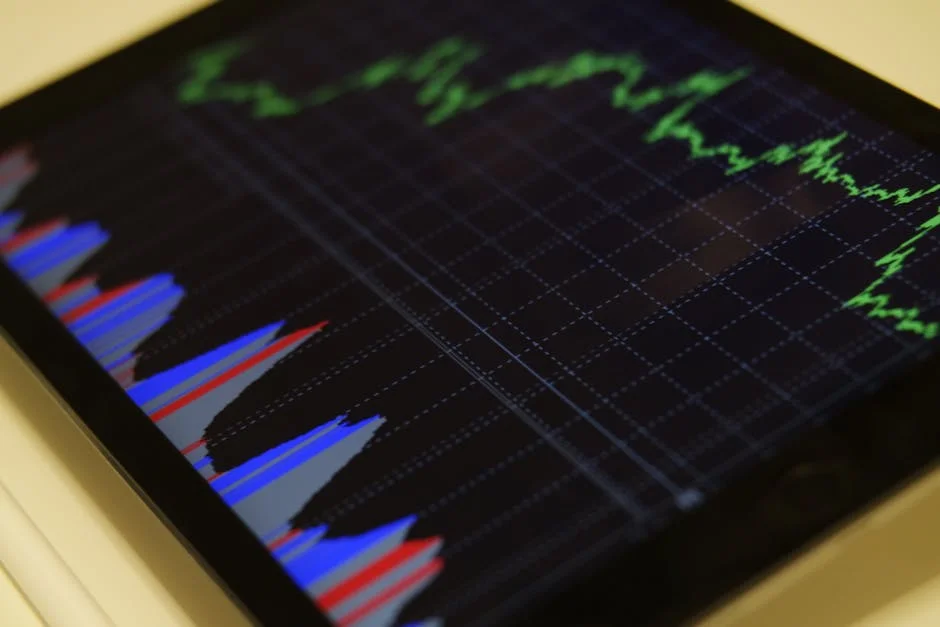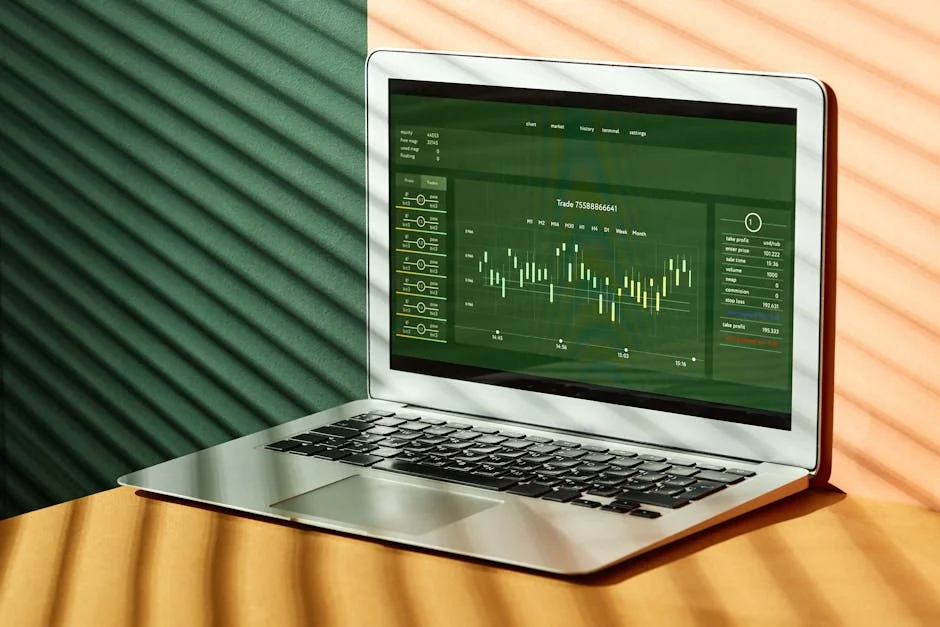
An fx trading platform is the software environment where currency traders analyze markets, place orders, manage risk, and monitor positions in real time. It can be a downloadable desktop terminal, a browser-based interface, or a mobile application, but the purpose stays the same: provide access to foreign exchange liquidity through a broker or other trading venue. The most practical way to define it is by what it enables—price discovery, charting, order execution, account management, and reporting—wrapped into a single workflow that can be repeated consistently under changing market conditions. A trader may be attracted by sleek charts or a large list of instruments, yet the real value is often in the invisible plumbing: connectivity to pricing feeds, stability under high volatility, and the ability to execute with predictable behavior when spreads widen and news hits. Because foreign exchange is a decentralized market, your experience is heavily shaped by the specific technology stack and liquidity relationships behind the platform, which is why two interfaces that look similar can behave differently when it matters.
Table of Contents
- My Personal Experience
- Understanding What an FX Trading Platform Really Is
- Core Features That Define a High-Quality Trading Experience
- Platform Types: Desktop, Web, and Mobile Trade-Offs
- Execution Models, Liquidity, and Why They Matter to Traders
- Charting, Indicators, and Analytical Workflows That Scale
- Risk Management Tools: Stops, Margin, and Protection Features
- Automation, APIs, and Algorithmic Trading Capabilities
- Expert Insight
- Costs and Fees: Spreads, Commissions, Swaps, and Hidden Charges
- Security, Regulation, and Account Protection Considerations
- How to Compare Platforms Using Practical Testing and Metrics
- Common Mistakes When Choosing a Platform and How to Avoid Them
- Building a Sustainable Trading Routine Around Your Platform
- Final Thoughts on Selecting the Right FX Trading Platform
- Watch the demonstration video
- Frequently Asked Questions
- Trusted External Sources
My Personal Experience
I started using an FX trading platform last year after getting tired of guessing exchange rates whenever I traveled and seeing how much the spread could eat into conversions. At first, the interface felt overwhelming—charts, order types, margin numbers—but the demo account helped me understand basics like setting stop-loss and take-profit levels without risking real money. When I went live, I kept my position sizes small and mostly traded major pairs like EUR/USD, because the spreads were tighter and it was easier to follow the news. The biggest lesson came during a volatile CPI release: my trade slipped a few pips more than I expected, and it made me realize how quickly conditions can change and why risk controls matter. Now I focus more on consistency than excitement, and I judge a platform less by flashy features and more by execution speed, transparent fees, and how reliable it is when the market gets busy.
Understanding What an FX Trading Platform Really Is
An fx trading platform is the software environment where currency traders analyze markets, place orders, manage risk, and monitor positions in real time. It can be a downloadable desktop terminal, a browser-based interface, or a mobile application, but the purpose stays the same: provide access to foreign exchange liquidity through a broker or other trading venue. The most practical way to define it is by what it enables—price discovery, charting, order execution, account management, and reporting—wrapped into a single workflow that can be repeated consistently under changing market conditions. A trader may be attracted by sleek charts or a large list of instruments, yet the real value is often in the invisible plumbing: connectivity to pricing feeds, stability under high volatility, and the ability to execute with predictable behavior when spreads widen and news hits. Because foreign exchange is a decentralized market, your experience is heavily shaped by the specific technology stack and liquidity relationships behind the platform, which is why two interfaces that look similar can behave differently when it matters.

Choosing an fx trading platform is not simply a design preference; it is a decision about execution quality, operational reliability, and the set of tools available for disciplined decision-making. Some platforms are built around discretionary trading with manual order entry and extensive charting. Others emphasize automation, offering scripting languages, strategy testing, and server-side hosting for algorithms. Many modern solutions blend both, allowing a user to trade from a phone while also running automated systems on a virtual private server. Beyond features, a platform also reflects the broker’s dealing model, margin policies, and risk controls. For example, the same stop-loss instruction can be handled differently depending on whether the broker internalizes flow or passes it to external liquidity providers. The platform’s order types, slippage handling, and the transparency of trade confirmations all affect how a strategy performs in practice. Understanding these mechanics helps traders avoid surprises and evaluate a platform based on outcomes rather than marketing claims.
Core Features That Define a High-Quality Trading Experience
A capable fx trading platform tends to share a common set of core features that support both analysis and execution. Robust charting is the most visible element: multiple timeframes, customizable candlesticks, drawing tools, and a library of indicators. However, charting alone is not enough. A well-designed platform also provides reliable watchlists, fast symbol search, and clear contract specifications such as lot sizing, pip value, swap rates, and margin requirements. Depth-of-market or level II views can be helpful on certain venues, while sentiment indicators and positioning metrics may be offered as optional modules. Alerts are another critical component; price alerts, indicator-based triggers, and calendar notifications reduce the need to stare at screens and help traders respond consistently. Additionally, a platform should maintain detailed account history, including realized and unrealized P&L, commissions, swap charges, and execution timestamps, so performance can be audited rather than guessed.
Execution tools are the true heartbeat of any fx trading platform. Market orders, limit orders, stop orders, and more advanced variations such as stop-limit or trailing stops should be straightforward to place and modify. One-click trading can be valuable for fast-moving markets, yet it must be paired with safeguards like configurable default lot sizes, confirmation prompts, and maximum order limits to prevent mistakes. Partial closes, position netting versus hedging modes, and the ability to attach stop-loss and take-profit levels at entry are also important for controlling risk. Another feature often overlooked is session stability: the platform should handle reconnections gracefully, preserve chart layouts, and log all order events. If the platform freezes during a high-impact event, the trader may be unable to reduce exposure. Finally, reporting and export options matter; being able to download trade history to a spreadsheet or connect to analytics software supports continuous improvement and reduces reliance on memory or intuition.
Platform Types: Desktop, Web, and Mobile Trade-Offs
Desktop terminals remain popular because they can offer deeper functionality, faster interface responsiveness, and richer customization than many browser-based alternatives. A desktop fx trading platform often supports advanced chart management across multiple monitors, extensive indicator libraries, and integrated strategy testing. This is particularly valuable for traders who run multi-timeframe workflows or track correlated pairs and macro drivers simultaneously. Desktop environments can also integrate with local files and external tools more easily, which matters for traders who maintain journals, models, or proprietary indicators. The trade-off is that desktop software may require updates, can be sensitive to operating system quirks, and ties the user to a specific machine unless remote access is configured. For traders who travel or who want a consistent experience everywhere, the desktop approach may feel restrictive unless paired with cloud syncing and remote hosting.
Web and mobile solutions prioritize accessibility and convenience. A web-based fx trading platform runs in a browser, reducing installation friction and making it easier to trade from different devices. Many web platforms now offer sophisticated charting and fast execution, but performance can depend on browser resources and network quality. Mobile platforms, meanwhile, are optimized for quick monitoring, alert handling, and simple order placement. They can be excellent for managing risk on the go—closing positions, adjusting stops, or responding to breaking news. The limitations are screen size and workflow complexity; tasks like comparing multiple charts, deep backtesting, and complex order management can become cumbersome on a phone. A practical setup often uses multiple platform types together: desktop for analysis and planning, web for flexible access, and mobile for monitoring and emergency controls. The best approach depends on lifestyle, strategy frequency, and how much time is spent at a dedicated workstation.
Execution Models, Liquidity, and Why They Matter to Traders
Behind every fx trading platform is an execution model that determines how orders are handled. Some brokers operate with a dealing desk model where trades may be internalized, while others use straight-through processing (STP) or electronic communication network (ECN) style routing to external liquidity providers. In practice, many setups are hybrid. What matters to a trader is not the label but the measurable effects: spreads, commissions, fill speed, slippage behavior, and the frequency of requotes. During calm markets, differences can appear small, but during volatility—central bank decisions, inflation releases, geopolitical headlines—the platform’s routing and risk controls can strongly influence outcomes. A platform that shows tight spreads but produces frequent negative slippage may not be superior to one with slightly wider spreads but more consistent fills. Understanding the broker’s execution policy and how it is implemented in the platform helps traders align expectations with reality.
Liquidity access shapes pricing and the ability to trade at scale. An fx trading platform connected to multiple liquidity providers can potentially offer better pricing through aggregation, but it can also introduce complexity if the platform does not manage partial fills or price updates cleanly. For larger ticket sizes, the available depth at the top of book matters; even retail traders can feel this during thin liquidity periods such as market rollovers or holidays. Another aspect is how the platform handles order priority when multiple orders are placed quickly, and whether it supports features like fill-or-kill or immediate-or-cancel instructions where available. Transparency also matters: clear trade receipts, execution timestamps, and any markup disclosure allow traders to evaluate their real trading costs. Over time, consistent execution quality can be more valuable than occasional best-case fills, particularly for systematic strategies that rely on stable assumptions about spread and slippage.
Charting, Indicators, and Analytical Workflows That Scale
Charting is often the first reason traders care about an fx trading platform, but effective charting is less about having hundreds of indicators and more about building a repeatable workflow. A strong platform allows multiple chart layouts, synchronized crosshairs, and templates that keep analysis consistent across pairs. Multi-timeframe analysis becomes easier when the platform supports quick switching between timeframes without resetting drawings or indicators. Traders who use market structure concepts benefit from precise drawing tools—trendlines, channels, Fibonacci retracements, and anchored VWAP where available. Those who prefer quantitative signals may rely on moving averages, RSI, MACD, ATR, Bollinger Bands, or custom oscillators. Regardless of style, the platform should display price data cleanly, handle zooming smoothly, and support different chart types such as candlesticks, bars, Heikin-Ashi, and line charts. Reliability is key: a chart that lags or misprints candles can lead to flawed decisions.

Analytical workflows also require context beyond pure price. Many traders look at economic calendars, yield differentials, and risk sentiment measures alongside charts. A modern fx trading platform may integrate a calendar with event filters by currency, expected impact, and historical results. Some platforms provide news feeds and analyst commentary, which can be useful if it is timely and not overly promotional. Another valuable capability is correlation and comparison tools, allowing a trader to overlay instruments or compare performance across pairs. Session tools that highlight the London, New York, and Asian sessions can help traders understand liquidity patterns. For those who journal and optimize, the ability to annotate charts, take snapshots, and export data becomes part of the analytical loop. Over time, a platform that supports structured review—tagging trades, linking entries to screenshots, and tracking metrics—helps turn trading from a reactive activity into a deliberate process.
Risk Management Tools: Stops, Margin, and Protection Features
A reliable fx trading platform should make risk visible and controllable. At a minimum, it should show margin used, free margin, margin level, and real-time unrealized P&L in a way that is easy to interpret. Many avoidable losses come from misunderstanding leverage and position sizing, so the platform’s contract details—lot size definitions, pip value, and minimum increments—must be clear. Stop-loss and take-profit placement should be intuitive, with the ability to adjust directly on the chart and see the distance in pips and in account currency. Some platforms provide built-in calculators for position size based on risk percentage, which can reduce errors and reinforce discipline. It is also helpful when the platform supports risk presets, so a trader can standardize how trades are entered rather than improvising each time.
Advanced protection features can further distinguish an fx trading platform. Guaranteed stop-loss orders, where available, can cap downside during gapping events but often come with a premium or wider spreads. Negative balance protection, depending on jurisdiction and broker policy, can prevent catastrophic losses during extreme volatility. A platform may also include margin alerts, forced liquidation thresholds, and configurable warnings before orders exceed a defined exposure limit. Another important feature is order management flexibility: the ability to reduce position size, move stops to break-even, or trail stops based on price movement. Some traders benefit from OCO (one-cancels-the-other) orders to handle breakout scenarios, while others prefer bracket orders that automatically attach protective levels. Risk management is not glamorous, but platforms that implement it clearly and consistently reduce emotional decision-making and make it easier to survive inevitable losing streaks.
Automation, APIs, and Algorithmic Trading Capabilities
For systematic traders, an fx trading platform is judged heavily on automation features. Many platforms support scripting languages or expert advisors that can generate signals and place trades automatically. The quality of the development environment matters: code editors, debugging tools, documentation, and a healthy community can shorten the learning curve. Strategy testing is another cornerstone. A platform that offers historical backtesting with configurable spreads, commissions, and slippage assumptions helps traders evaluate whether an idea is robust or simply lucky. More advanced testing includes walk-forward analysis, Monte Carlo simulations, and optimization routines. Even discretionary traders can benefit from automation in smaller ways, such as custom alerts, semi-automated trade management, or scripts that calculate lot sizes and place bracket orders instantly.
Expert Insight
Before funding an FX trading platform, verify execution quality: compare average spreads during your trading hours, check whether slippage is disclosed, and test order types (market, limit, stop, trailing stop) on a demo and a small live account to confirm fills match expectations.
Build risk controls into the platform from day one: set default position sizing (e.g., risk a fixed % per trade), use stop-loss and take-profit orders on every position, and enable alerts for margin level and major economic releases so volatility doesn’t catch you overleveraged. If you’re looking for fx trading platform, this is your best choice.
APIs open the door to custom infrastructure. An fx trading platform with a stable API can be integrated into external analytics stacks, machine learning pipelines, or proprietary execution engines. Traders can connect to databases for journaling, build dashboards, or route orders from third-party signal services. However, API access introduces additional considerations: rate limits, authentication security, latency, and the reliability of the broker’s servers. Hosting also becomes relevant. Many automated traders use VPS solutions close to the broker’s servers to reduce latency and limit downtime from local internet outages. A strong platform ecosystem provides clear guidance for deployment, monitoring, and failover procedures. Automation can amplify both good and bad habits, so the platform should include safeguards such as maximum position limits, kill switches, and transparent logs that allow rapid diagnosis when behavior diverges from expectations.
Costs and Fees: Spreads, Commissions, Swaps, and Hidden Charges
Trading costs can make or break profitability, so evaluating an fx trading platform must include a hard look at the full fee structure. Spreads are the most visible cost, but they fluctuate with liquidity and volatility. Some brokers offer fixed spreads, while others provide variable spreads that can tighten during active sessions and widen during rollovers or news. Commission-based accounts may show raw spreads plus a per-lot fee, which can be more cost-effective for active traders, especially on major pairs. Beyond spreads and commissions, swap or rollover fees apply when positions are held overnight, reflecting interest rate differentials and broker markups. A platform should display swap rates clearly for long and short positions and update them transparently, including triple swap days. If swap information is hidden or difficult to verify, it becomes harder to estimate carry costs accurately.
| Platform feature | Why it matters for FX traders | What to look for |
|---|---|---|
| Spreads & fees | Directly impacts trading costs and break-even points, especially for frequent trading. | Consistently tight spreads on major pairs, transparent commissions/swaps, clear fee schedule. |
| Execution & liquidity | Affects slippage, fill quality, and performance during volatile news events. | Fast order execution, low requotes, multiple liquidity providers, detailed execution reports. |
| Tools & usability | Improves decision-making and risk control across desktop and mobile. | Advanced charting/indicators, robust order types (stop/limit/trailing), alerts, risk management features. |

Other charges may be less obvious but still important when choosing an fx trading platform. Deposit and withdrawal fees, currency conversion charges, inactivity fees, and platform subscription costs can add up depending on account usage patterns. Some brokers charge for premium data, advanced charting packages, or add-on tools, while others bundle these costs into spreads. Execution-related costs also matter: slippage, partial fills, and rejection rates effectively function as hidden fees because they change the realized entry and exit prices. A platform that provides detailed trade receipts and execution statistics helps traders measure these effects rather than guessing. Cost evaluation should be paired with realistic assumptions about trading frequency and holding time. A swing trader might prioritize swaps and reliable execution over ultra-tight spreads, while a scalper might focus intensely on spread stability and commission rates. Matching cost structure to strategy is often more important than chasing the lowest advertised numbers.
Security, Regulation, and Account Protection Considerations
Security is foundational for any fx trading platform because it protects both funds and personal data. At the platform level, encryption, secure authentication, and session management reduce the risk of unauthorized access. Two-factor authentication, biometric login on mobile, and device authorization features are increasingly common and should be enabled whenever available. Traders should also consider operational security: how password resets are handled, whether suspicious login alerts are sent, and whether the platform supports read-only access for monitoring without execution rights. On the broker side, segregation of client funds, reputable banking partners, and clear withdrawal procedures matter just as much as the interface. A platform can look professional while still being attached to weak operational controls, so due diligence should extend beyond screenshots and marketing pages.
Regulation and legal protections vary by jurisdiction, and they influence how an fx trading platform operates. Regulated brokers may be required to provide risk warnings, standardized leverage limits, and negative balance protection in certain regions. They may also be subject to audits and capital requirements that reduce counterparty risk. Traders should verify the broker’s license, the legal entity they are contracting with, and how disputes are handled. It is also wise to understand how the platform manages corporate actions for related instruments like CFDs, and how it handles extraordinary market events such as flash crashes or trading halts. Transparency in terms and conditions—especially around order execution, price feeds, and the broker’s right to adjust trades in exceptional circumstances—helps avoid misunderstandings. A secure, well-regulated environment does not guarantee profits, but it reduces the non-market risks that can derail a trading plan.
How to Compare Platforms Using Practical Testing and Metrics
Comparing an fx trading platform becomes easier when the evaluation is based on measurable metrics rather than impressions. Demo accounts are useful for learning the interface, but they may not reflect real execution conditions. If possible, running a small live account test can reveal real spreads, commissions, slippage, and the platform’s behavior during volatility. Key metrics to track include average spread by session, average slippage on market orders, the frequency of rejected orders, and the time between order submission and confirmation. Keeping a log of trades with timestamps and screenshots can help isolate whether issues are platform-related, network-related, or strategy-related. Another useful test is to trade around scheduled economic events with minimal size, simply to observe how pricing and execution behave when liquidity is stressed.
Workflow fit is another decisive factor when selecting an fx trading platform. A platform that technically performs well can still be a poor choice if it encourages mistakes or slows down decision-making. Consider how quickly you can perform routine actions: set alerts, place bracket orders, adjust stops, and review trade history. Evaluate whether chart templates save properly, whether watchlists sync across devices, and whether the platform offers stable performance during long sessions. For traders who rely on specific indicators or automated systems, compatibility is crucial; verify that your tools run reliably after updates. Customer support responsiveness and the quality of documentation also matter, especially when platform behavior is unclear. The best comparisons combine quantitative testing with qualitative usability checks, producing a shortlist that aligns with both strategic needs and day-to-day habits.
Common Mistakes When Choosing a Platform and How to Avoid Them
A frequent mistake is choosing an fx trading platform based primarily on aesthetics or influencer recommendations rather than execution quality and transparency. Attractive dashboards can hide weak pricing, inconsistent fills, or confusing fee structures. Another common error is ignoring the broker’s dealing policies and assuming all platforms provide identical market access. Traders may also underestimate the importance of stability; a platform that crashes occasionally may still look fine during casual testing, but reliability becomes critical when managing leveraged positions. Overlooking reporting features is another pitfall. Without clear statements, trade logs, and export options, it becomes harder to audit performance, calculate true costs, or identify patterns in mistakes. Many traders also neglect to test the platform during the times they actually trade, such as the London open, New York overlap, or around news events.

Another set of mistakes involves mismatching platform capabilities to strategy needs. A scalper selecting an fx trading platform without fast order entry, stable spreads, and clear slippage reporting may struggle even if the strategy is sound. Conversely, a swing trader may overpay for raw spread accounts or premium data when the holding period makes those costs less relevant than swap rates and reliable overnight management. Traders who intend to automate often pick platforms without robust backtesting or with limited API stability, leading to fragile systems. It is also risky to ignore security features; failing to enable two-factor authentication or using weak passwords can expose accounts to theft. Avoiding these mistakes requires a checklist mindset: verify regulation, test execution, measure costs, confirm tool compatibility, and ensure the platform supports your specific workflow. A platform should reduce friction and uncertainty, not add to it.
Building a Sustainable Trading Routine Around Your Platform
Once an fx trading platform is selected, the next challenge is using it in a way that supports consistency. A sustainable routine typically starts with environment setup: standardized chart templates, watchlists grouped by region or volatility, and alerts aligned with key levels or events. Traders often benefit from a pre-session checklist that includes reviewing the economic calendar, checking spreads and market conditions, and confirming that platform connectivity is stable. Risk settings should be decided before trading begins—maximum daily loss, maximum open exposure, and default stop placement rules—so the platform becomes a tool for enforcing discipline rather than a conduit for impulsive decisions. Journaling can be integrated into the routine by saving screenshots at entry and exit, tagging trades by setup type, and recording emotional state and execution notes.
Ongoing maintenance keeps an fx trading platform functioning smoothly over months and years. Software updates should be applied thoughtfully, ideally after verifying that custom indicators, scripts, or templates remain compatible. Backup procedures matter: export templates, save credentials securely, and maintain redundant access via mobile in case the primary device fails. Performance review is also part of the routine. Monthly or quarterly analysis of trade history can reveal whether costs have drifted, whether slippage has increased, or whether certain sessions are consistently unprofitable. Many traders refine their platform layout over time to reduce cognitive load—fewer indicators, clearer risk panels, and simpler order tickets. The goal is to make correct actions easy and errors difficult. When the platform is integrated into a disciplined routine, it stops being just software and becomes a structured environment that supports decision quality under pressure.
Final Thoughts on Selecting the Right FX Trading Platform
The best choice of fx trading platform is the one that aligns execution quality, costs, tools, and usability with your specific strategy and lifestyle. It should provide stable connectivity, transparent pricing, and order handling you can understand and verify through real metrics. Strong charting and analysis tools are valuable, but they should be paired with practical risk controls, clear reporting, and security features that protect your account. Testing under real conditions, measuring spreads and slippage, and confirming how the platform behaves during volatility can prevent costly surprises later. A platform that supports your workflow—fast enough when speed matters, detailed enough when analysis matters, and reliable enough when markets turn chaotic—creates the foundation for consistent decision-making.
Long-term success is less about finding a “perfect” interface and more about building repeatable processes around an fx trading platform that you trust. When the platform makes it easy to size positions correctly, place protective orders without hesitation, and review outcomes with honest data, it becomes a partner in disciplined trading rather than a distraction. Prioritize transparency, regulation, and execution behavior over flashy features, and keep refining your setup as your experience grows. The market will always be uncertain, but the quality of your tools and routines does not have to be, and a well-chosen fx trading platform can help you manage that uncertainty with greater control.
Watch the demonstration video
In this video, you’ll learn how an FX trading platform works and what to look for before placing your first trade. It covers key features like charting tools, order types, spreads, leverage, and risk controls, plus how to navigate the interface, execute trades, and manage positions confidently in real time.
Summary
In summary, “fx trading platform” is a crucial topic that deserves thoughtful consideration. We hope this article has provided you with a comprehensive understanding to help you make better decisions.
Frequently Asked Questions
What is an FX trading platform?
An FX trading platform is software or a web/mobile app that lets you view forex prices, analyze charts, place orders, and manage positions with a broker.
How do I choose the right FX trading platform?
Compare regulation and broker reputation, spreads/commissions, execution speed, available pairs, charting/tools, platform stability, and deposit/withdrawal options.
What order types should an FX trading platform support?
At minimum: market, limit, stop, stop-loss, and take-profit orders; many platforms also offer trailing stops and OCO (one-cancels-the-other).
Are FX trading platforms safe to use?
Your safety ultimately comes down to the broker you choose and how secure the **fx trading platform** is—prioritize regulated firms that use strong encryption and two-factor authentication, keep client funds in segregated accounts, and provide transparent risk disclosures so you know exactly what you’re signing up for.
Can I use an FX trading platform on mobile?
Yes—most brokers offer iOS/Android apps; check that mobile includes real-time quotes, charting, alerts, and full order/position management.
Do FX trading platforms offer demo accounts?
Many traders do—demo accounts let you practice with virtual funds, so you can explore an **fx trading platform**, test strategies, and get comfortable with its tools before putting real money on the line.
? Looking for more info about fx trading platform? Follow Our Site for updates and tips!

Trusted External Sources
- Online Forex Trading | OANDA | US
Forex trading remains one of the most popular ways to participate in the markets, which is why choosing a cutting-edge, reliable **fx trading platform** matters. With the right platform, you can trade with tight spreads, fast execution, and the tools you need to analyze opportunities and act with confidence.
- FXTRADING.com – Online Forex & CFD Trading Platform
Join our CFD and **fx trading platform** for smooth, secure online trading. Trade with a trusted, technology-driven broker featuring fast execution, competitive spreads, and the tools you need to seize opportunities across global markets.
- FX trade execution: complex and highly fragmented
On Dec 8, 2026, the discussion highlighted how single-bank trading venues have shaped today’s FX landscape. As more institutions rely on a dedicated **fx trading platform**, the market’s structure has become increasingly stylised—and, in many ways, more fragmented—changing how liquidity is accessed and trades are executed.
- Transform your trading experience with BARX | Barclays IB
Discover the enhanced BARX FX—an advanced **fx trading platform** designed around your evolving needs. Built for speed, flexibility, and precision, BARX FX continues to refine the electronic trading experience, helping you execute with confidence as markets move.
- The FX trade execution landscape through the prism of the 2026 BIS …
As of Dec 8, 2026, the world of trading continues to evolve, and many transactions still leave counterparties exposed to one another well into the future. In response, platform providers are actively developing new tools and features—especially within the **fx trading platform** space—to help manage risk, improve transparency, and streamline how these ongoing exposures are handled.