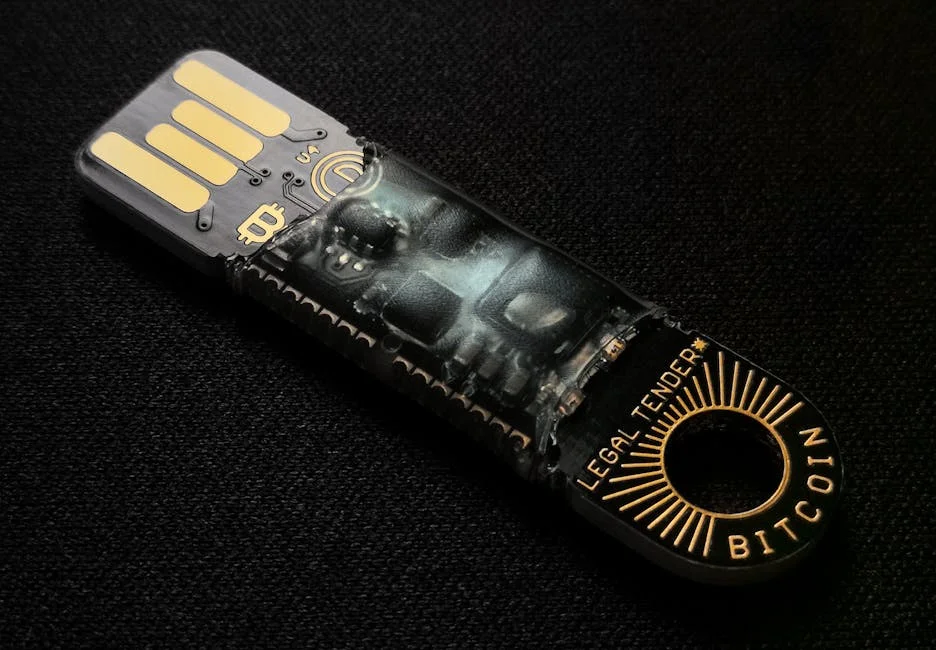
Cold storage crypto is the practice of keeping digital asset private keys in an environment that is not connected to the internet, reducing exposure to remote attacks. The core idea is straightforward: cryptocurrency itself is not “stored” like files in a folder; ownership is controlled by cryptographic keys. When those keys remain offline, common online threats—phishing kits, malware, SIM swaps, browser exploits, and exchange account takeovers—have far fewer opportunities to reach them. This is why offline storage is widely considered the gold standard for long-term holders, treasuries, and anyone who wants to minimize reliance on third parties. Even if a website is compromised or a device is infected, an offline signing workflow can prevent attackers from extracting the secret material that authorizes transactions.
Table of Contents
- My Personal Experience
- Understanding Cold Storage Crypto and Why It Matters
- How Cold Storage Works: Keys, Seed Phrases, and Offline Signing
- Threat Model: What Cold Storage Protects Against (and What It Doesn’t)
- Choosing the Right Cold Storage Method: Hardware Wallets, Air-Gapped Devices, and Multisig
- Secure Setup: Generating Keys Offline and Verifying Authenticity
- Backup Strategy: Seed Phrase Storage, Metal Backups, and Redundancy
- Operational Discipline: Depositing, Withdrawing, and Verifying Transactions
- Expert Insight
- Cold Storage for Different Assets: Bitcoin, Ethereum, Stablecoins, and NFTs
- Custodial vs Non-Custodial Cold Storage: Institutions, Individuals, and Trade-Offs
- Common Mistakes That Break Cold Storage Security
- Long-Term Maintenance: Firmware Updates, Rotation, and Estate Planning
- Building a Practical Cold Storage Crypto Routine for Real Life
- Watch the demonstration video
- Frequently Asked Questions
- Trusted External Sources
My Personal Experience
After I got into crypto, I kept everything on an exchange because it was convenient—until a friend’s account got locked during a “routine review” and he couldn’t access his funds for weeks. That was enough to push me into cold storage crypto. I bought a hardware wallet, set it up offline, and wrote the seed phrase on paper instead of saving it in my notes app. The first transfer felt nerve‑racking (I sent a tiny test amount first), but once I saw it land correctly, I moved the rest over. Now I still keep a small balance on an exchange for trading, but the bulk sits in cold storage, and I sleep better knowing a password reset or platform outage can’t freeze my savings.
Understanding Cold Storage Crypto and Why It Matters
Cold storage crypto is the practice of keeping digital asset private keys in an environment that is not connected to the internet, reducing exposure to remote attacks. The core idea is straightforward: cryptocurrency itself is not “stored” like files in a folder; ownership is controlled by cryptographic keys. When those keys remain offline, common online threats—phishing kits, malware, SIM swaps, browser exploits, and exchange account takeovers—have far fewer opportunities to reach them. This is why offline storage is widely considered the gold standard for long-term holders, treasuries, and anyone who wants to minimize reliance on third parties. Even if a website is compromised or a device is infected, an offline signing workflow can prevent attackers from extracting the secret material that authorizes transactions.

Security in digital assets is largely about reducing attack surface and managing human error. Hot wallets and exchange balances are convenient for frequent trading, but that convenience comes with a larger risk profile because keys or signing sessions touch internet-connected systems. Cold storage crypto shifts the balance toward safety by isolating the most sensitive component: the seed phrase or private key. This doesn’t remove all risk—physical theft, fire, loss, and mistakes in backup handling are real threats—but it changes the nature of those threats into ones you can plan for with redundancy and disciplined procedures. The most resilient approach typically combines offline key generation, verified wallet software or firmware, secure backups, and a routine that makes unauthorized spending difficult while still allowing legitimate access when needed.
How Cold Storage Works: Keys, Seed Phrases, and Offline Signing
To understand cold storage crypto, it helps to separate coins from keys. Blockchains record balances and transaction history, while wallets manage the private keys that authorize spending. Most modern wallets are based on a seed phrase (often 12 or 24 words) that deterministically generates many addresses. If someone learns that seed phrase, they can recreate the wallet anywhere and spend the funds. Cold storage keeps the seed and derived private keys away from internet-connected devices, ideally created and stored in conditions that minimize leakage. In an offline model, a transaction can be prepared on an online computer, then transferred to an offline device for signing, and finally broadcast back from the online computer. The offline device never needs to expose its keys to the network.
Offline signing can be implemented in several ways. A hardware wallet is a dedicated device that stores keys in a protected element and signs transactions internally; it typically communicates with a computer or phone, but the keys remain inside the device. A more “air-gapped” design uses QR codes or microSD cards so the signing device never directly connects via USB, Bluetooth, or Wi‑Fi. Paper wallets historically printed keys on paper, but they are easy to mishandle and can be insecure if generated on compromised machines, so they are generally discouraged today. For higher-value holdings, multisignature arrangements spread authorization across multiple keys, meaning no single device or person can spend funds alone. Each of these approaches aims to keep key material offline while still enabling legitimate transactions through controlled, verifiable steps. If you’re looking for cold storage crypto, this is your best choice.
Threat Model: What Cold Storage Protects Against (and What It Doesn’t)
Cold storage crypto primarily mitigates remote compromise. If keys never touch an online device, then common attack vectors—keyloggers, clipboard hijackers, remote access trojans, malicious browser extensions, and compromised password managers—are far less effective. It also reduces dependence on centralized custodians. Exchanges can freeze accounts, suffer insolvency, or be hacked, and users may discover too late that “balance” is really an IOU. By holding keys offline, you retain direct control over on-chain assets. This is especially important for long-term holdings, inheritance planning, corporate treasuries, and anyone who wants to avoid counterparty risk.
However, offline storage does not magically eliminate risk; it changes it. Physical threats become more important: theft of the device, coercion, and disasters such as fire or flooding. Operational mistakes can be catastrophic: losing a seed phrase, recording it incorrectly, or exposing it during a recovery attempt can permanently lock funds or leak them. Supply-chain risks also exist; if a device is tampered with before you receive it, keys could be compromised even if you never connect it to the internet. Social engineering remains a danger; scammers may trick holders into revealing their recovery words or approving a malicious transaction. A realistic security posture acknowledges these non-technical vulnerabilities and uses layered controls—secure storage locations, redundant backups, passphrases, multisig, and deliberate verification habits—to counter them. If you’re looking for cold storage crypto, this is your best choice.
Choosing the Right Cold Storage Method: Hardware Wallets, Air-Gapped Devices, and Multisig
Cold storage crypto is not a single product; it’s a spectrum of methods that trade convenience for security. Hardware wallets are popular because they provide strong isolation with a user-friendly experience. They typically display transaction details on a built-in screen, allowing you to verify the destination address and amount before approving. This reduces the risk of malware swapping addresses on an infected computer. Air-gapped wallets go further by avoiding direct wired or wireless connections; they often rely on scanning QR codes to pass unsigned and signed transaction data. This can reduce certain classes of attacks, but it also introduces workflow complexity and places more responsibility on the user to verify what is being signed.

Multisignature setups are often used for larger holdings or shared control. A common pattern is 2-of-3, where any two keys can authorize spending. This protects against single-device failure and can reduce the risk of theft, since an attacker would need to compromise multiple keys stored in different locations. It also supports governance: one key can be held by an individual, another by a trusted partner, and a third stored as a backup. The trade-off is complexity—multisig requires careful setup, compatibility with the chosen blockchain and wallet software, and a plan for recovery if a signer is lost. For many people, a single well-managed hardware wallet with robust backups is sufficient, while higher-value portfolios often justify multisig and more formal procedures. If you’re looking for cold storage crypto, this is your best choice.
Secure Setup: Generating Keys Offline and Verifying Authenticity
A secure cold storage crypto setup begins before you ever deposit funds. Device authenticity and software integrity matter because a compromised wallet can leak keys or trick you into signing the wrong transaction. Buying devices directly from the manufacturer or authorized resellers reduces the chance of tampering. When possible, verify packaging seals, check device attestation features, and install firmware updates from official sources. For software wallets used in an air-gapped approach, verifying downloads with checksums and signatures helps ensure you’re running unmodified code. The goal is to prevent a scenario where the “cold” device is already compromised at the moment of key generation.
Key generation should occur in a controlled environment. If using a hardware wallet, generate the seed on-device rather than importing one created on a general-purpose computer. If using an air-gapped computer, consider a dedicated machine that never connects to the internet, booted from a trusted operating system image. During setup, the recovery phrase must be recorded accurately and discreetly. Avoid photographing it, storing it in cloud notes, emailing it to yourself, or typing it into a file on a computer. Those choices turn offline keys into online secrets. Many security-conscious holders also add an optional passphrase (sometimes called a 25th word) that acts as an additional factor; even if the seed is found, funds remain protected without the passphrase. That extra layer must be managed carefully, because forgetting it can be as final as losing the seed. If you’re looking for cold storage crypto, this is your best choice.
Backup Strategy: Seed Phrase Storage, Metal Backups, and Redundancy
The durability of cold storage crypto depends on backups. A single piece of paper can burn, fade, or be thrown away by accident. A single hardware wallet can fail. A robust plan assumes that devices are replaceable, while the seed phrase is the real treasure. Many people start by writing the recovery words clearly on paper, then placing that paper in a secure location such as a safe. For higher resilience, metal backups—stamping or engraving words onto steel or titanium—can withstand fire and water damage far better than paper. The objective is not to create many copies everywhere, but to create the right number of copies stored in the right places, each protected from both physical damage and unauthorized access.
Redundancy should be balanced against exposure. Multiple backups increase survivability but also increase the number of targets that could be discovered. A common approach is two geographically separated backups, each stored in a secure container, with careful access control. Some holders split responsibilities: one location contains the seed phrase, while another contains the passphrase or a portion of the recovery data, reducing the chance that a single discovery leads to theft. Multisig can serve as a redundancy mechanism as well; losing one signer doesn’t necessarily mean losing funds. Whatever method you choose, test recovery in a controlled way before storing large amounts. A recovery test ensures the words were recorded correctly and that you understand the restore process. The biggest backup failure is discovering an error only after a device is lost or damaged, when there is no second chance. If you’re looking for cold storage crypto, this is your best choice.
Operational Discipline: Depositing, Withdrawing, and Verifying Transactions
Cold storage crypto is most effective when paired with disciplined routines. Depositing funds should be done with address verification to avoid sending assets to an attacker-controlled address. Confirm the receiving address on the wallet device’s screen, not just on the computer. For large transfers, many experienced holders use a “test transaction” first: send a small amount, verify receipt, then send the remainder. This extra step can prevent expensive mistakes caused by wrong networks, incorrect addresses, or clipboard malware on the online computer. When moving assets across chains or using wrapped tokens, be especially cautious, because mistakes can be irreversible and recovery options are limited.
| Cold Storage Option | Security Level | Best For |
|---|---|---|
| Hardware Wallet (e.g., Ledger, Trezor) | High (private keys stay offline; protected by PIN/passphrase) | Most users holding crypto long-term with regular, occasional transactions |
| Paper Wallet (printed seed/private key) | Medium–High (fully offline, but vulnerable to loss, damage, and handling errors) | Deep cold storage when you can securely store and protect physical backups |
| Air-Gapped Device (offline computer + offline signing) | Very High (no network exposure; strongest isolation when done correctly) | Advanced users and larger holdings needing maximum isolation and controlled signing |

Expert Insight
Use a dedicated hardware wallet for long-term holdings and keep it offline except when signing transactions. Before moving significant funds, verify the receiving address on the device screen (not just on your computer) and run a small test transfer to confirm everything is correct. If you’re looking for cold storage crypto, this is your best choice.
Protect your recovery seed like a master key: write it down offline, store it in at least two separate secure locations, and consider a fire- and water-resistant backup. Never photograph or type the seed into a computer or cloud service, and periodically check that your backups are still readable and accessible. If you’re looking for cold storage crypto, this is your best choice.
Withdrawing from offline storage should be treated as a high-sensitivity operation. Prepare the transaction carefully, verify the destination address character-by-character or via trusted address book features, and double-check fee settings to avoid overpaying. If you use an air-gapped signing workflow, ensure that the unsigned transaction data is transferred in a way that cannot be altered without detection. After signing, verify that the signed transaction matches the intended output before broadcasting. Maintain a clean environment for the online machine used for broadcasting—minimal browser extensions, updated operating system, and cautious behavior around downloads. Even though the keys are offline, malware can still try to trick you into signing a transaction that benefits the attacker. The central habit is deliberate verification: never approve a transaction you do not fully recognize on the device screen. If you’re looking for cold storage crypto, this is your best choice.
Cold Storage for Different Assets: Bitcoin, Ethereum, Stablecoins, and NFTs
Cold storage crypto looks slightly different depending on the asset and network. Bitcoin’s UTXO model and mature hardware wallet support make it a common candidate for long-term offline holding. Many Bitcoin-focused users also adopt multisig with well-established standards and tools, aiming to reduce single points of failure. Ethereum and EVM-compatible assets introduce smart contract interactions. Signing a transaction may involve approvals, contract calls, and token allowances, which can be confusing even for experienced users. Offline signing still protects keys, but it does not automatically protect you from approving a malicious contract interaction. This is why understanding what you are signing and limiting token allowances are essential practices when holding ERC‑20 tokens or interacting with DeFi protocols.
Stablecoins and NFTs add more nuance. Stablecoins are often used for liquidity and payments, so some portion may remain in a hot wallet for convenience while reserves sit in offline storage. NFTs, meanwhile, can expose holders to phishing and malicious signatures that grant transfer rights. For NFT collectors, cold storage crypto often includes using a “vault” wallet for custody and a separate “burner” wallet for interacting with websites and minting. The vault remains offline or minimally used, while the burner handles risky interactions. This separation reduces the chance that a single signature drains the entire collection. Regardless of asset type, the fundamental principle remains: keep long-term holdings in offline custody and minimize the number of times the vault wallet signs anything.
Custodial vs Non-Custodial Cold Storage: Institutions, Individuals, and Trade-Offs
There are custodial services that advertise cold storage crypto, typically meaning the custodian holds assets in offline wallets on behalf of clients. This can be useful for institutions that need insurance, compliance reporting, and operational continuity, and it can reduce the burden of managing keys internally. Professional custodians may implement robust controls: hardware security modules, geographically distributed key shards, strict access procedures, and audited policies. For some organizations, those controls are more reliable than an ad hoc internal process. The trade-off is counterparty risk: you depend on the custodian’s solvency, integrity, and operational competence, and you may face withdrawal delays or restrictions in extreme situations.
Non-custodial offline storage means you control the keys directly. This aligns with the original promise of cryptocurrency—self-sovereignty—but it requires personal responsibility. The best approach depends on your risk tolerance, technical comfort, legal environment, and the size of the holdings. Some people adopt a hybrid model: keep a small portion on exchanges for trading, maintain a warm wallet for regular use, and store the majority in offline custody. Businesses may combine multisig with internal controls, such as requiring multiple executives to approve spending, logging transactions, and separating duties between transaction creation and signing. The key is to align the custody model with real-world needs rather than ideology, and to ensure that whichever model you choose has a clear recovery plan for emergencies. If you’re looking for cold storage crypto, this is your best choice.
Common Mistakes That Break Cold Storage Security
Many failures attributed to cold storage crypto are actually procedural errors. A frequent mistake is digitizing the seed phrase—taking a photo, typing it into a note app, or storing it in cloud storage—because it feels convenient. That single choice can nullify the entire offline approach, since cloud accounts and phones are common targets. Another mistake is importing the seed into multiple apps or devices to “check balances,” creating more places where the secret may be exposed. If you need to monitor balances, use public addresses or watch-only wallets that do not contain spending keys. Similarly, connecting a hardware wallet to random websites and signing unknown messages can introduce risk even if the keys never leave the device.
Address verification errors are also common. Attackers rely on users not checking the address on the device screen or not understanding what an approval transaction does. Unlimited token approvals can allow a malicious contract to drain funds later without additional prompts. For Bitcoin, improper handling of change addresses and UTXO selection can lead to confusion, though modern wallets handle most of this automatically. Another issue is poor backup hygiene: storing the only backup in the same place as the device, failing to test recovery, or writing words in a way that becomes unreadable over time. Finally, some people buy used devices or accept “preconfigured” wallets, which is extremely risky because the seed could be known to someone else. The safest path is always to generate keys yourself on trusted hardware and maintain backups that are both durable and confidential. If you’re looking for cold storage crypto, this is your best choice.
Long-Term Maintenance: Firmware Updates, Rotation, and Estate Planning
Cold storage crypto is not a “set and forget” activity, even though the goal is long-term holding. Hardware wallet firmware updates may patch vulnerabilities or improve transaction parsing, but updating also carries risk if done carelessly. Updates should be performed using official sources, on a clean computer, and ideally after confirming that your backups are correct. Before any update, confirm you have the recovery phrase and any passphrase recorded accurately, because device resets can happen. For air-gapped systems, periodically verify that the device still boots and that you can access the wallet interface without exposing secrets. Maintenance is about ensuring that, years later, you can still sign and move funds safely.

Key rotation and structure can matter as portfolios grow. You might decide to move from a single-key wallet to multisig, or to separate holdings by purpose: long-term savings, operational funds, and experimental assets. Each separation reduces blast radius if something goes wrong. Estate planning is another overlooked dimension. If something happens to you, can a trusted person recover the funds without giving them the ability to steal prematurely? Solutions include multisig with shared signers, sealed instructions stored with a lawyer, or carefully designed access controls that reveal information in stages. The goal is to avoid a scenario where assets are lost forever due to secrecy, while still preventing unauthorized access during your lifetime. Thoughtful planning turns offline custody from a personal hack into a durable system. If you’re looking for cold storage crypto, this is your best choice.
Building a Practical Cold Storage Crypto Routine for Real Life
A workable cold storage crypto routine balances security with usability. Many people succeed by defining clear tiers: a small hot wallet for daily transactions, a warm wallet for moderate amounts, and an offline vault for long-term holdings. This tiered approach reduces the temptation to pull the vault device out for every minor action. It also limits losses if a phone is stolen or a browser wallet is compromised. A practical routine includes periodic audits: confirm that backups exist, that storage locations are intact, and that trusted contacts know what they need to know for emergencies without having full unilateral access. Documentation can be minimal but should be precise, such as which wallet standard is used, where backups are stored, and how to verify addresses.
Real-life constraints matter: travel, moving homes, changing relationships, and evolving regulations. A routine that is too complicated may be abandoned, leading to shortcuts that undermine security. Start with a method you can maintain consistently, then upgrade as holdings and confidence grow. Keep transaction habits conservative: whitelist addresses, use test sends for large transfers, avoid signing unexpected messages, and treat any request for a recovery phrase as a scam. If you use DeFi or NFTs, consider isolating those activities from the vault using separate wallets. Above all, remember that cold storage crypto is a security mindset as much as a toolset: reduce unnecessary exposure, verify before approving, and preserve reliable recovery paths. The final measure of success is not how advanced the setup looks, but whether you can still access your assets safely years later while keeping attackers, accidents, and confusion at bay.
Watch the demonstration video
In this video, you’ll learn how cold storage protects your cryptocurrency by keeping private keys offline and out of reach from hackers. We’ll cover the main types of cold wallets, how they work, and best practices for setting one up safely. By the end, you’ll know when cold storage makes sense and how to avoid common mistakes. If you’re looking for cold storage crypto, this is your best choice.
Summary
In summary, “cold storage crypto” is a crucial topic that deserves thoughtful consideration. We hope this article has provided you with a comprehensive understanding to help you make better decisions.
Frequently Asked Questions
What is cold storage in crypto?
Cold storage means keeping cryptocurrency private keys completely offline (e.g., hardware wallet, paper/metal backup) to reduce hacking risk.
Why use cold storage instead of leaving crypto on an exchange?
Crypto exchanges can get hacked, freeze withdrawals, or even go bankrupt—so keeping your assets in **cold storage crypto** puts you in direct control of your private keys and usually offers a much stronger layer of security.
What are common types of cold storage?
Hardware wallets (most common), air-gapped devices, paper wallets (generally discouraged), and metal seed backups for durability.
How do I move crypto into cold storage?
Set up your wallet offline, carefully write down and securely store the seed phrase, then move your funds from an exchange or hot wallet by sending them to a receiving address generated by your **cold storage crypto** wallet.
What are the main risks of cold storage?
The biggest risks include losing or having your seed phrase stolen, falling for phishing scams during setup, device tampering, and simple transfer errors—like sending funds to the wrong address or the wrong network—even when using **cold storage crypto** solutions.
If I lose my hardware wallet, do I lose my crypto?
As long as you still have your recovery seed phrase, you can set up your wallet again on a new device and regain access to your funds—this is a key part of staying secure with **cold storage crypto**. But if that seed phrase is lost, there’s usually no way to recover your assets, and the funds are effectively gone for good.
? Looking for more info about cold storage crypto? Follow Our Site for updates and tips!

Trusted External Sources
- Arculus Cold Storage Wallet | Securely Manage Crypto & NFTs
With the Arculus Cold Storage Wallet’s robust protection, you can tap to securely store, buy, swap, send, and receive your crypto—making **cold storage crypto** simple, seamless, and safe wherever you go.
- Ledger Crypto Wallet – Security for DeFi & Web3
As the trusted steward of my crypto and NFTs, it lets me sleep easy at night. “Ledger makes **cold storage crypto** downright simple.” — Lkmland Crypto (@LkmlandCrypto)
- Cold wallets explain like I’m 5 : r/CryptoMarkets – Reddit
Dec 25, 2026 … A cold wallet doesn’t mean your coins are stored on your USB device, it means your private key is on your USB device. You can relocate your … If you’re looking for cold storage crypto, this is your best choice.
- Cold Storage: What It Is, How It Works, Theft Protection – Investopedia
Cold storage—often referred to by crypto users as a cold wallet—is widely considered the safest way to protect your cryptocurrency private keys. With **cold storage crypto** solutions, you keep those keys offline by moving them to a device or medium that isn’t connected to the internet, helping shield your funds from hackers, malware, and other online threats.
- Cold Wallet Crypto – Amazon.com
Meet the ELLIPAL Titan 2.0, a truly offline hardware wallet built with secure air-gapped technology to help protect your digital assets. Designed for **cold storage crypto**, it supports Bitcoin, Ethereum, Solana, NFTs, and 10,000+ other coins and tokens—making it a solid choice for anyone who wants strong security without sacrificing convenience.