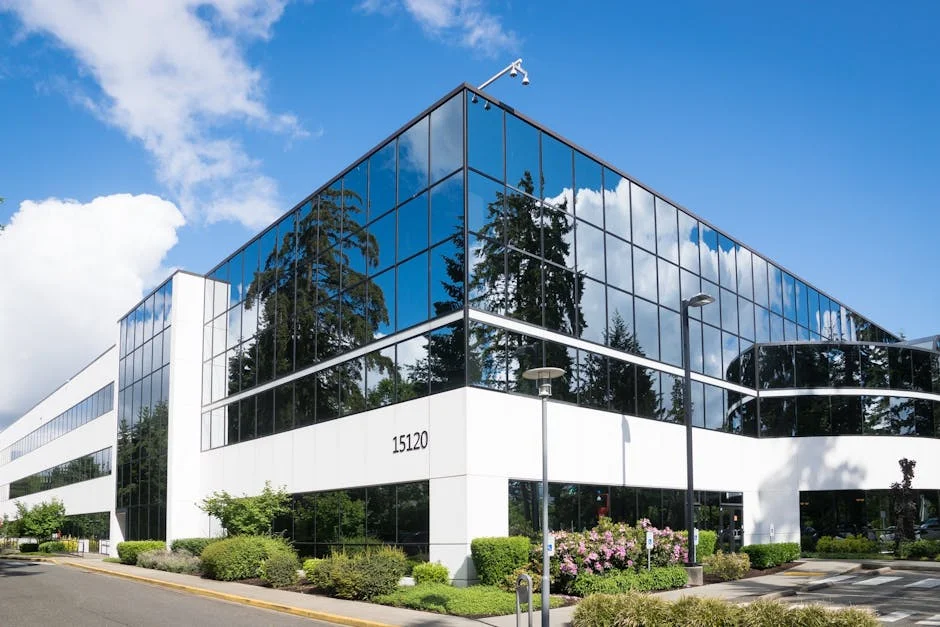
To purchase commercial real estate is to acquire property intended primarily for business use rather than personal living. That distinction seems simple, but it changes nearly every decision you make: the way value is measured, the type of financing available, the legal documents required, and the risks you must manage. Commercial assets can include office buildings, retail centers, industrial warehouses, multifamily properties with five or more units, mixed-use buildings, medical space, hospitality properties, and specialty categories like self-storage or data centers. When you purchase commercial real estate, you are buying a stream of income and a set of operating obligations, not just a physical structure. Rent rolls, lease terms, tenant quality, and operating expenses often matter as much as the roof, foundation, or façade. Buyers who focus only on appearance may miss the real drivers of performance: lease expirations, renewal options, tenant improvement obligations, and the property’s ability to compete in its submarket.
Table of Contents
- My Personal Experience
- Understanding What It Means to Purchase Commercial Real Estate
- Setting Clear Investment Goals and Defining Your Buy Box
- Market Research That Supports Confident Deal Selection
- Choosing the Right Property Type and Tenant Strategy
- Financing Options and Capital Stack Planning
- Deal Sourcing, Broker Relationships, and Off-Market Opportunities
- Underwriting: Income, Expenses, and Realistic Projections
- Due Diligence: Legal, Physical, Environmental, and Financial Checks
- Expert Insight
- Negotiation, Purchase Contracts, and Closing Mechanics
- Asset Management After You Purchase Commercial Real Estate
- Risk Management, Insurance, and Compliance Considerations
- Exit Strategies: Refinancing, Selling, and Timing the Market
- Common Mistakes to Avoid When Buying Commercial Property
- Building a Team of Specialists to Support Better Outcomes
- Putting It All Together for a Successful Acquisition
- Watch the demonstration video
- Frequently Asked Questions
- Trusted External Sources
My Personal Experience
Last year I decided to purchase commercial real estate for the first time, and it was a lot less glamorous than I expected. I found a small mixed-use building with two storefronts and an upstairs office, but the real work started after the offer was accepted—digging through rent rolls, verifying leases, and realizing the “stable tenants” pitch didn’t mention one lease was month-to-month. The inspection also turned up an aging HVAC unit and some roof repairs, so I renegotiated for a credit instead of trying to get the seller to fix everything. Financing took longer than my home mortgage ever did, especially with the bank wanting updated financials and proof of reserves. Closing day felt like relief more than celebration, but a few months in, once the rents started hitting the account and I had a handle on maintenance, it finally felt like a solid decision.
Understanding What It Means to Purchase Commercial Real Estate
To purchase commercial real estate is to acquire property intended primarily for business use rather than personal living. That distinction seems simple, but it changes nearly every decision you make: the way value is measured, the type of financing available, the legal documents required, and the risks you must manage. Commercial assets can include office buildings, retail centers, industrial warehouses, multifamily properties with five or more units, mixed-use buildings, medical space, hospitality properties, and specialty categories like self-storage or data centers. When you purchase commercial real estate, you are buying a stream of income and a set of operating obligations, not just a physical structure. Rent rolls, lease terms, tenant quality, and operating expenses often matter as much as the roof, foundation, or façade. Buyers who focus only on appearance may miss the real drivers of performance: lease expirations, renewal options, tenant improvement obligations, and the property’s ability to compete in its submarket.

Commercial property also involves a different approach to pricing and negotiation. Residential values often rely on comparable sales and emotional appeal; commercial values are heavily influenced by net operating income, capitalization rates, replacement costs, and the stability of cash flow. Even when a property is vacant, the underwriting is built around potential income and the cost to achieve it. Another defining feature is the level of due diligence. When you purchase commercial real estate, you typically conduct a detailed review of financial statements, service contracts, environmental conditions, zoning compliance, building systems, and legal encumbrances. The process can feel intense, but it is the mechanism that protects your capital. A well-structured acquisition plan clarifies why you are buying, what “success” looks like, and how you will manage the asset after closing. Without that clarity, it is easy to overpay, underestimate renovation costs, or inherit leases that restrict your ability to reposition the property. This is why experienced investors treat commercial acquisitions as a disciplined business transaction that begins with strategy and ends with operations.
Setting Clear Investment Goals and Defining Your Buy Box
Before you purchase commercial real estate, define the outcomes you want and the constraints you must respect. Goals vary widely: stable income with minimal management, value-add returns through renovation and lease-up, long-term appreciation in a growth corridor, or a strategic owner-user purchase that supports your operating business. Each goal implies a different property type, tenant profile, location preference, and financing structure. A long-term income investor may prioritize strong tenants, long lease terms, and conservative leverage. A value-add buyer may accept vacancy or short leases if the purchase price and repositioning plan support higher future income. Owner-users may accept lower initial yield if the property improves operational control and reduces future occupancy risk. The key is to translate goals into measurable targets such as minimum cash-on-cash return, target internal rate of return, acceptable vacancy, maximum tenant concentration, and a desired hold period.
Your “buy box” is the practical filter that turns goals into acquisition criteria. It includes geography, asset class, size range, age/condition, parking requirements, ceiling heights for industrial, loading docks, visibility for retail, or floor plates for office. It also includes financial parameters such as maximum price, minimum net operating income, preferred cap rate range, and reserves for capital expenditures. When you purchase commercial real estate without a buy box, you are more likely to chase deals that do not fit your capabilities, such as a complex multi-tenant retail center when you planned for a single-tenant net lease. A strong buy box also makes brokers take you seriously because you can communicate exactly what you want and move quickly when it appears. It reduces wasted time and helps you compare opportunities consistently, which is essential when markets shift. By clarifying your acquisition criteria upfront, you improve negotiating leverage, strengthen underwriting accuracy, and align the eventual property with your risk tolerance.
Market Research That Supports Confident Deal Selection
Market research is the bridge between a property that looks attractive and a property that performs. When you purchase commercial real estate, local dynamics often matter more than national headlines. Study job growth, population trends, household incomes, and major infrastructure projects, but also examine micro-level indicators like traffic counts, nearby tenant mix, zoning changes, and new supply in the pipeline. For industrial, assess proximity to highways, ports, and distribution nodes, along with labor availability. For retail, evaluate visibility, ingress/egress, co-tenancy strength, and the stability of surrounding rooftops. For office, consider commuting patterns, nearby amenities, and the flight-to-quality trend that can penalize older buildings without renovations. Multifamily research should include rent growth, new deliveries, concessions, and tenant affordability metrics. A property’s performance is tied to its competitive set, so identify comparable buildings and understand why tenants choose one over another.
Effective research also includes a realistic view of downside scenarios. Ask what happens if the economy slows, a major employer leaves, or interest rates remain elevated. When you purchase commercial real estate, the most common underwriting errors come from overly optimistic assumptions about rent growth, lease-up time, and exit cap rates. Compare broker projections to third-party data sources and actual trailing financials. Verify rent comps by speaking with property managers and leasing agents who work the submarket daily. Review vacancy trends, absorption, and the availability of incentives like free rent and tenant improvement packages. Also pay attention to regulatory factors: rent control policies, environmental restrictions, and permitting timelines can materially change costs and schedules. A disciplined research process does not eliminate risk, but it makes risk visible and manageable. It also helps you identify the “why now” behind an acquisition, whether it is a mispriced asset, a coming neighborhood upgrade, or an operational improvement that others have not executed well.
Choosing the Right Property Type and Tenant Strategy
Property type selection is not merely a preference; it is a strategic decision tied to your resources and your ability to execute. When you purchase commercial real estate, your returns are influenced by the complexity of operations and the stability of tenants. Single-tenant net lease properties can offer predictable income with fewer management demands, but they may expose you to tenant credit risk and re-leasing risk if the tenant leaves. Multi-tenant retail centers can diversify income across multiple leases, but they require active management, frequent renewals, and ongoing attention to signage, common areas, and tenant mix. Industrial properties can be resilient due to logistics demand, yet they may require specialized building features and can be sensitive to location and access. Office assets can deliver upside in strong submarkets, but they face evolving demand patterns and may require significant capital to remain competitive. Multifamily can provide stable demand, but it involves high-touch operations, regulatory considerations, and continual unit turnover.
Your tenant strategy should align with how you plan to operate the asset. If you purchase commercial real estate with a value-add approach, you may target under-market rents, poor management, deferred maintenance, or vacancy that can be improved through upgrades and better leasing. If you want stable cash flow, you may prioritize strong tenants, longer lease terms, and properties with limited near-term capital needs. Consider tenant concentration and rollover schedules: a building where 60% of income expires in one year can be riskier than one with staggered expirations. Evaluate whether tenants have renewal options, termination rights, or co-tenancy clauses that could reduce rent if anchor tenants leave. Also consider the local tenant base; a property dependent on a narrow industry may be more volatile. A thoughtful tenant strategy recognizes that leases are the economic engine of the asset. The building is the platform, but the lease structure is what determines how income behaves under stress and how predictable your cash flow will be over the hold period.
Financing Options and Capital Stack Planning
Financing is often the difference between a deal that works and one that becomes a burden. When you purchase commercial real estate, you may use conventional bank loans, credit unions, agency financing for multifamily, CMBS loans, debt funds, or private lenders. Each option has trade-offs in interest rate, amortization, recourse, prepayment penalties, and underwriting flexibility. Banks may offer relationship-based terms but can be conservative on certain asset classes or in uncertain markets. Agency loans can provide attractive terms for qualifying multifamily properties, but they come with detailed requirements and timelines. CMBS can offer higher leverage for stabilized assets but may include rigid servicing and yield maintenance. Debt funds and private lenders can close quickly and finance transitional properties, but pricing and fees are typically higher. Owner-users may have access to SBA programs in certain situations, though eligibility and property-use rules apply.

Beyond the loan itself, plan your capital stack: how much equity you will contribute, whether you will bring in partners, and how you will reserve for capital expenditures and leasing costs. When you purchase commercial real estate with limited reserves, even a minor vacancy or unexpected repair can force a cash call or unfavorable refinancing. Lenders will also evaluate debt service coverage ratios, loan-to-value, and borrower experience. Be prepared with personal financial statements, entity documents, a clear business plan, and a credible budget for improvements. Interest rate risk is another major consideration. If you are using a floating-rate loan, evaluate caps or swaps and understand how rate increases affect cash flow. If you are using fixed-rate debt, consider prepayment costs if you plan to sell or refinance early. Financing should support your strategy, not dictate it. A value-add plan often needs flexible terms and future funding for renovations, while a stabilized income property may benefit from long-term fixed debt that locks in predictable payments.
Deal Sourcing, Broker Relationships, and Off-Market Opportunities
Finding the right opportunity requires both broad exposure and targeted relationships. When you purchase commercial real estate, many of the best deals come from consistent broker communication, clear criteria, and the ability to act decisively. Brokers prioritize buyers who close, provide timely feedback, and understand the market. Share your buy box, proof of funds or financing capacity, and your timeline. Ask to be included in “first look” opportunities and request rent rolls, trailing financials, and recent capital expenditure records early. For competitive listings, speed matters, but so does credibility. A thoughtful letter of intent that reflects market terms can stand out more than an aggressive offer that appears unfinanceable or full of contingencies. Also recognize that some properties are marketed quietly to avoid disrupting tenants or employees, which makes relationships even more important.
Off-market sourcing can add another layer of opportunity, but it requires patience and professionalism. Direct-to-owner outreach, networking with property managers, attorneys, accountants, and contractors can uncover owners considering a sale before listing publicly. When you purchase commercial real estate off-market, you may gain pricing advantages or better terms, but you also assume more responsibility for due diligence because there is less structured disclosure. Be respectful in outreach, and be prepared to explain why you are a credible buyer and how you will handle the process with minimal disruption. Consider partnering with professionals who can open doors, such as local brokers who understand ownership histories and can facilitate introductions. Even when a deal begins off-market, it should be underwritten with the same rigor as a marketed transaction. The goal is not just to find a property, but to find a property where the risk-adjusted returns are compelling and the path to closing is realistic.
Underwriting: Income, Expenses, and Realistic Projections
Underwriting is the discipline that turns marketing materials into decision-grade numbers. When you purchase commercial real estate, you should build an analysis that starts with actual trailing performance and then adjusts carefully for known changes. Begin with the rent roll: verify base rent, reimbursements, lease start and end dates, renewal options, escalations, and any free rent periods. Confirm collections and delinquencies, not just billed rent. Review operating statements for at least the last twelve months and ideally two to three years to identify trends. Separate controllable expenses (repairs, landscaping, management) from less controllable ones (taxes, insurance, utilities if landlord-paid). Normalize expenses by removing one-time items and adding realistic reserves for replacement. If the seller self-manages, include market-rate management fees; if utilities have been underbilled, correct them. If there is deferred maintenance, include capital expenditures needed to stabilize the property.
Projecting future performance requires conservative assumptions. When you purchase commercial real estate, it is tempting to assume immediate rent increases or rapid lease-up, but the market sets the pace. Use current lease comps and consider tenant incentives. For value-add deals, model tenant improvements, leasing commissions, and downtime between tenants. For industrial and retail, pay close attention to triple-net structures and recoveries; not all expenses are reimbursable, and caps or exclusions can reduce recovery. For multifamily, consider turnover costs, concessions, and the realistic pace of renovations. Also model exit assumptions: cap rates can expand, and sale costs can be higher than expected. Stress test the deal with scenarios like lower rent growth, higher vacancy, increased insurance premiums, and higher interest rates at refinance. A strong underwriting model tells you not only the upside case but also the breakpoints where the deal stops working. That clarity helps you negotiate price, request seller credits, or walk away before sunk costs accumulate.
Due Diligence: Legal, Physical, Environmental, and Financial Checks
Due diligence is where hidden problems surface and where disciplined buyers protect themselves. When you purchase commercial real estate, your diligence period should be structured with a checklist and deadlines tied to your purchase agreement. Legal diligence includes reviewing title commitments, recorded easements, restrictions, and survey matters that affect access, parking, signage, and future development. Lease review is critical: verify that leases match the rent roll, confirm security deposits, review assignment clauses, and understand landlord obligations for maintenance and improvements. Evaluate service contracts for items like landscaping, security, elevators, HVAC maintenance, and waste removal; determine which can be terminated and which must be assumed. Confirm zoning compliance and certificate of occupancy status, especially for properties with multiple uses or recent renovations. If the asset is in a flood zone or has special assessments, quantify the cost and operational impact.
Expert Insight
Before you purchase commercial real estate, underwrite the deal with conservative assumptions: verify rent rolls against bank deposits, model vacancy and renewal risk, and stress-test cash flow for higher interest rates and operating expenses. Make your offer contingent on satisfactory due diligence, including lease audits, estoppel certificates, and a review of service contracts.
Protect your upside by focusing on the asset’s “bones” and the market’s demand drivers: prioritize locations with durable tenant demand, confirm zoning and permitted uses, and commission inspections for roof, HVAC, structure, and environmental issues. Negotiate credits or price reductions for deferred maintenance and ensure your financing terms align with the lease maturities and planned improvements. If you’re looking for purchase commercial real estate, this is your best choice.
Physical and environmental diligence can prevent expensive surprises. Order property condition assessments to evaluate roof life, structural components, parking lots, ADA compliance, fire/life safety systems, and mechanical equipment. For older buildings, pay attention to electrical capacity, plumbing conditions, and potential building code issues that can arise during renovations. Environmental reports typically start with a Phase I ESA to identify recognized environmental conditions; if issues appear, a Phase II may be required. Even if contamination is not present, environmental diligence can reveal asbestos, lead-based paint, mold risks, or underground storage tanks that affect costs and financing. Financial diligence involves verifying bank statements, tax bills, insurance policies, and tenant payment histories. When you purchase commercial real estate, diligence is also about confirming the business plan: verify that the improvements you intend to make are permitted, that contractors can meet timelines, and that leasing assumptions match what local brokers believe is achievable. A thorough diligence process is not pessimism; it is a practical method of pricing risk and ensuring the asset you close on is the asset you thought you were buying.
Negotiation, Purchase Contracts, and Closing Mechanics
Negotiation in commercial transactions is both art and structure. When you purchase commercial real estate, the letter of intent typically outlines key terms: price, earnest money, due diligence period, financing contingencies, closing timeline, prorations, and what personal property or credits are included. Once agreed, attorneys convert those terms into a purchase and sale agreement that defines rights and obligations in detail. Pay close attention to representations and warranties, default remedies, assignment rights, and conditions to closing. Ensure the agreement clearly states what documents the seller must deliver, such as estoppels, tenant notices, service contract lists, and operating statements. The contract should also define how title issues are handled, what survey is required, and how disputes are resolved. A well-drafted agreement reduces ambiguity and prevents last-minute surprises that can derail a closing.
| Option | Best for | Key considerations when you purchase commercial real estate |
|---|---|---|
| Owner-occupied property | Businesses that want long-term control of their location and operating costs | Fit-out costs, zoning/use compliance, SBA/owner-user financing eligibility, and future expansion needs |
| Investment property (leased) | Buyers seeking cash flow and appreciation from tenants | Tenant quality, lease terms (NNN vs. gross), cap rate vs. market comps, and vacancy/renewal risk |
| Value-add / redevelopment | Experienced buyers willing to improve or reposition an asset | Renovation budget and timeline, permitting/entitlements, construction financing, and exit strategy (refi or sale) |

Closing mechanics involve coordination among lenders, title companies, attorneys, brokers, and sometimes property managers. When you purchase commercial real estate, you will handle prorations for rent, CAM reimbursements, taxes, utilities, and security deposits. Ensure tenant ledgers are accurate so you do not inherit unpaid balances without clarity. If there are tenant improvement escrows or open construction items, negotiate holdbacks or credits and document them precisely. For financed purchases, lender requirements can add steps: final appraisals, updated insurance binders, entity resolutions, and closing opinions. Plan for timing; even after diligence is complete, document collection can take longer than expected, especially with multiple tenants. Also consider post-closing logistics: notifying tenants, transferring utilities, updating vendor accounts, and taking control of access systems. Successful closings are rarely about one dramatic moment; they are about careful management of details. The goal is to close with clean title, accurate financial prorations, and a clear operational handoff so you can transition immediately into asset management.
Asset Management After You Purchase Commercial Real Estate
Performance is created after closing, not at closing. When you purchase commercial real estate, your asset management plan should begin immediately with a 30-60-90 day roadmap. Start by confirming rent collection processes, tenant communication channels, and maintenance protocols. Review all leases again with your property manager to ensure critical dates are tracked: renewals, rent escalations, option notice windows, and expense reconciliation timelines. If you inherited deferred maintenance, prioritize repairs that protect the building envelope and reduce liability, such as roof leaks, lighting, trip hazards, and fire/life safety issues. Establish a preventive maintenance schedule for HVAC, elevators, and other key systems to reduce unexpected outages. If the business plan includes raising rents, align leasing strategy with the market: set target rents, define concession limits, and prepare marketing materials that highlight the property’s advantages.
Financial management is equally important. When you purchase commercial real estate, implement consistent reporting: monthly operating statements, variance analysis versus budget, rent roll updates, and capital expenditure tracking. Monitor delinquency and address issues early with clear, documented communication. Review vendor contracts and bid out services where appropriate, but avoid cutting costs in ways that harm tenant experience or building reliability. If the property is triple-net or has reimbursements, ensure CAM reconciliations are accurate and transparent to avoid disputes. Tenant retention often produces better returns than constant turnover, so maintain professional relationships, respond to service requests promptly, and consider improvements that increase tenant satisfaction. For value-add projects, manage construction tightly: define scope, secure permits, control change orders, and coordinate work to minimize tenant disruption. Over time, strong asset management improves net operating income, strengthens tenant stability, and positions the property for favorable refinancing or sale. The operational discipline you apply is what transforms a purchase into a durable investment.
Risk Management, Insurance, and Compliance Considerations
Risk management is not a single policy or checklist item; it is an ongoing operating standard. When you purchase commercial real estate, you assume liability related to property conditions, tenant safety, and regulatory compliance. Insurance should be tailored to the asset type and location, typically including property coverage, general liability, loss of rents or business income, and in some cases umbrella coverage. If the building is in a flood-prone area, flood insurance may be required by lenders, and even when not required, it can be prudent based on risk. For certain properties, specialized coverage may be necessary, such as pollution liability, equipment breakdown, cyber coverage for building systems, or coverage related to hospitality operations. Work with an insurance broker who understands commercial portfolios and can benchmark limits and deductibles against comparable assets.
Compliance is another major category of risk. When you purchase commercial real estate, confirm ADA requirements, fire code compliance, and local inspection schedules. If you plan renovations, understand that improvements can trigger code upgrades, which can add significant costs. For multifamily and certain retail properties, fair housing rules and consumer-facing regulations matter, including advertising standards and application processes. Environmental compliance is also ongoing: proper handling of waste, storage of chemicals for certain tenants, and managing any known environmental conditions under a regulatory plan. Document everything—inspections, repairs, tenant notices, and incident reports—because good documentation reduces legal exposure and improves lender confidence. Risk management also includes financial resilience: maintain reserves for capital repairs and leasing costs, avoid over-leverage, and monitor interest rate exposure. The goal is not to eliminate risk but to prevent manageable issues from becoming catastrophic. A disciplined approach protects your income stream and preserves long-term value.
Exit Strategies: Refinancing, Selling, and Timing the Market
An exit strategy should be defined before you close, even if you plan to hold long term. When you purchase commercial real estate, you are implicitly choosing how you will eventually realize gains: refinancing, selling to another investor, selling to an owner-user, or completing a 1031 exchange into a different asset. Refinancing can return capital while maintaining ownership, but it depends on stable income, lender appetite, and interest rate conditions. Selling can lock in gains and reduce management burden, but it comes with transaction costs and potential tax consequences. The best exit path depends on your business plan and the property’s evolution. A value-add deal may target a sale after stabilization, when occupancy is high and net operating income supports a lower cap rate. A stabilized asset may be held through multiple cycles, with periodic refinances as rents grow.
Timing matters, but perfect timing is rare. When you purchase commercial real estate, you should monitor market signals that affect exit value: cap rate trends, lending conditions, buyer demand, and competing supply. Also track property-specific factors like lease rollover, tenant credit changes, and upcoming capital needs. A building with a large lease expiration in two years may be more valuable if you renew early and extend terms, reducing perceived risk for buyers and lenders. Conversely, if a major capital expense is approaching—like a roof replacement—completing it before sale can increase value, but only if buyers will pay for that improvement. Plan for the practical steps of selling: clean financial statements, organized lease files, updated surveys and environmental reports, and a clear narrative of improvements. A well-prepared asset often commands stronger offers because uncertainty is reduced. Whether you refinance or sell, the outcome is typically better when you manage the property with the exit in mind from day one.
Common Mistakes to Avoid When Buying Commercial Property
Many problems in commercial acquisitions come from predictable mistakes. When you purchase commercial real estate, one of the most common errors is underestimating capital expenditures and leasing costs. Tenant improvements, commissions, code upgrades, and deferred maintenance can quickly erode projected returns. Another frequent mistake is relying too heavily on pro forma income without verifying market support. If rent increases require major renovations, confirm that the renovations are feasible, permitted, and priced accurately. Also avoid ignoring lease details; small clauses can have large impacts, such as expense caps, termination options, exclusive use provisions, or requirements for landlord-funded improvements. Tenant credit risk is often misunderstood as well. A long lease is not necessarily safe if the tenant’s business is fragile or the location is not critical to their operations. Diversification and careful tenant evaluation can reduce this risk.

Operational underestimation is another trap. When you purchase commercial real estate, you are taking on a management business, even if you hire third-party management. Poor vendor oversight, slow response to maintenance issues, and weak accounting processes can reduce tenant retention and increase costs. Financing mistakes also cause distress: choosing short-term debt for a long-term hold, failing to budget for rate increases, or assuming refinancing will always be available. Some buyers also skip or rush due diligence to win a deal, only to discover title issues, zoning problems, or environmental conditions after closing. Finally, many investors fail to define decision rules for walking away. Not every deal should be saved with a price reduction; sometimes the risk is structural, such as functional obsolescence, chronic vacancy in a declining corridor, or an unfixable access problem. Avoiding these mistakes requires discipline: conservative underwriting, thorough diligence, and a realistic view of what you can execute with your time, team, and capital.
Building a Team of Specialists to Support Better Outcomes
A strong team increases both speed and accuracy. When you purchase commercial real estate, you benefit from specialists who know how to identify risk early and solve problems efficiently. A commercial broker can provide market context and access to deals, but you also need a real estate attorney experienced in commercial contracts and lease review. A lender or mortgage broker helps you compare financing options and anticipate underwriting requirements. A property inspector and engineers can evaluate building systems and estimate remaining useful life. Environmental consultants can assess contamination risks that could affect financing or future redevelopment. A surveyor can clarify boundary issues, easements, and encroachments that impact use and value. Accountants can advise on tax implications, depreciation strategies, and entity structuring. A capable property manager can provide operational insight during diligence and execute the business plan after closing.
Team coordination matters as much as individual expertise. When you purchase commercial real estate, set expectations early: timelines, deliverables, and communication channels. Share your underwriting assumptions with your property manager and leasing agent so they can challenge or validate them. Ask your attorney to flag lease clauses that conflict with your business plan, such as limits on operating hour changes, restrictions on signage, or landlord obligations that require significant capital. Have contractors walk the property during diligence to provide real bids rather than estimates. If you are syndicating or bringing in partners, ensure securities compliance and clear reporting standards. The best teams reduce friction: they know what documents to request, how to interpret them, and how to negotiate solutions when issues arise. Over time, a reliable acquisition team becomes a competitive advantage because you can evaluate opportunities quickly, submit credible offers, and close with fewer surprises. That consistency is often what separates occasional buyers from investors who build durable portfolios.
Putting It All Together for a Successful Acquisition
Successful acquisitions come from aligning strategy, numbers, and execution. When you purchase commercial real estate, start with a defined buy box and a realistic plan for operations, then source opportunities through strong relationships and disciplined outreach. Underwrite using verified trailing financials and conservative projections, and stress test the downside to understand your true risk. During due diligence, confirm legal, physical, environmental, and financial details with specialists who can spot issues early. Negotiate contracts that protect your interests, document holdbacks or credits clearly, and coordinate closing logistics so the handoff to management is smooth. After closing, focus on tenant communication, preventive maintenance, and financial reporting to stabilize performance and execute improvements. Over time, refine your approach by tracking what worked and what did not—leasing speed, renovation costs, tenant retention, and financing outcomes—and use those lessons to improve your next acquisition.
The decision to purchase commercial real estate is ultimately a decision to operate an income-producing business anchored by a physical asset. The best outcomes usually come from patience, preparation, and the willingness to walk away when the risk does not match the price. If you keep your criteria tight, verify assumptions, budget for the real costs of ownership, and manage the property with discipline, you position yourself for durable cash flow and long-term value creation. Markets will change, interest rates will move, and tenant needs will evolve, but a well-bought and well-managed property can remain resilient through those shifts. With a clear plan and a capable team, the process to purchase commercial real estate becomes less about chasing the next deal and more about building a repeatable system for making sound investment decisions.
Watch the demonstration video
Learn how to purchase commercial real estate with confidence, from setting clear investment goals to evaluating properties, financing options, and due diligence. This video breaks down key steps like analyzing cash flow, understanding leases, negotiating terms, and avoiding common pitfalls—so you can make smarter decisions and close your first (or next) deal successfully.
Summary
In summary, “purchase commercial real estate” is a crucial topic that deserves thoughtful consideration. We hope this article has provided you with a comprehensive understanding to help you make better decisions.
Frequently Asked Questions
What should I evaluate before purchasing commercial real estate?
Assess location, tenant quality, lease terms, building condition, market rents, operating expenses, zoning, and your target return (cap rate/cash-on-cash).
How is a commercial property valued?
To **purchase commercial real estate** with confidence, buyers often rely on three main valuation methods: the income capitalization approach (calculating value by dividing NOI by the cap rate), the sales comparables approach (benchmarking against similar recent deals), and the replacement cost approach (estimating what it would cost to rebuild). In practice, lenders and appraisers usually place the most weight on the income approach because it focuses directly on a property’s earning potential.
What due diligence is required when buying commercial real estate?
Before you purchase commercial real estate, take time to review the leases and rent roll, confirm the property’s financials (T-12 and NOI), and examine the title, survey, zoning, and permits. Be sure to evaluate environmental reports (Phase I/II), the property condition report, and any existing service contracts so you know exactly what you’re buying.
How much down payment is needed for commercial real estate?
Down payments to **purchase commercial real estate** typically range from about 20% to 35%, depending on the property type, the strength of the tenants, the loan program you choose, and your experience as a borrower. If you’re buying an owner-occupied property, you may be able to qualify for a lower down payment.
What are common financing options for commercial purchases?
Options include bank/credit union loans, SBA 504 or 7(a) (owner-occupied), CMBS, life company loans, private debt, and seller financing.
What costs should I budget for beyond the purchase price?
When you **purchase commercial real estate**, be sure to budget beyond the sale price by accounting for closing costs—such as legal expenses, lender fees, and appraisals—as well as inspections, reserve funds, leasing and tenant improvements, capital expenditures, insurance, property taxes, and the ongoing costs of professional property management.
? Looking for more info about purchase commercial real estate? Follow Our Site for updates and tips!

Trusted External Sources
- Commercial Real Estate Acquisition Loan (CREAL) Program
The Commercial Real Estate Acquisition Loan (CREAL) Program helps small businesses in low- and moderate-income areas buy property.
- What should I learn before buying a commercial real estate property?
Aug 6, 2026 … I have a lot of money just lying around in my bank account and I dont really know what to do with it. Dont need to buy a house, … If you’re looking for purchase commercial real estate, this is your best choice.
- Buying commercial property for beginners | Rocket Mortgage
On Mar 6, 2026, one of the simplest ways for beginners to **purchase commercial real estate** exposure is by investing in a commercial real estate investment trust (REIT). REITs let you buy shares in portfolios of income-producing properties—without the large upfront costs or hands-on management that come with owning a building outright.
- LoopNet: #1 in Commercial Real Estate for Sale & Lease
Find commercial real estate for sale, lease & auction on the leading commercial real estate marketing and advertising marketplace.
- Key Points in Commercial Real Estate Purchase and Sale Contracts
As of Sep 25, 2026, most commercial purchase and sale contracts typically require an earnest money deposit ranging from 10% to 20% of the total purchase price—an important detail to plan for when you’re ready to **purchase commercial real estate**.