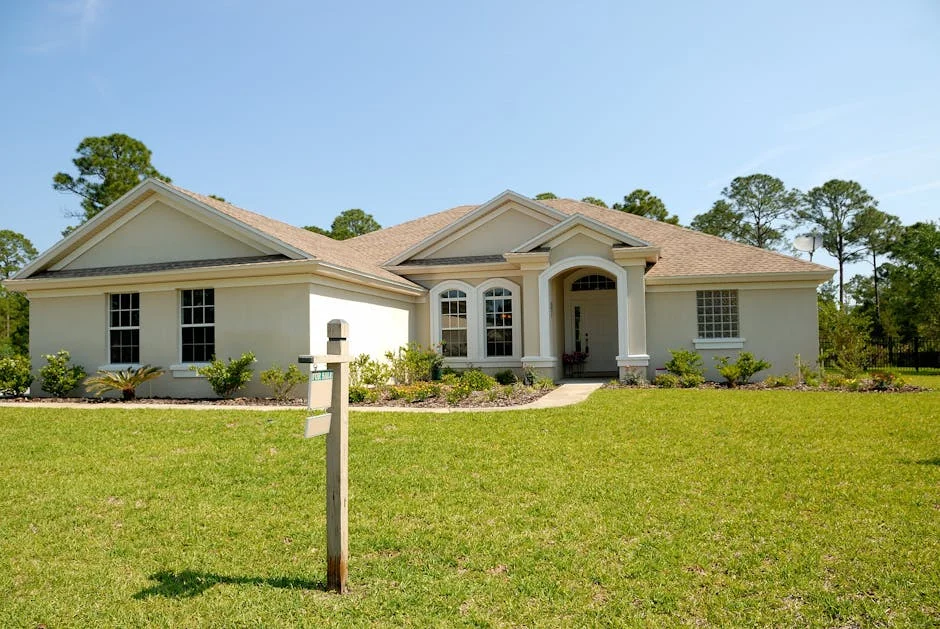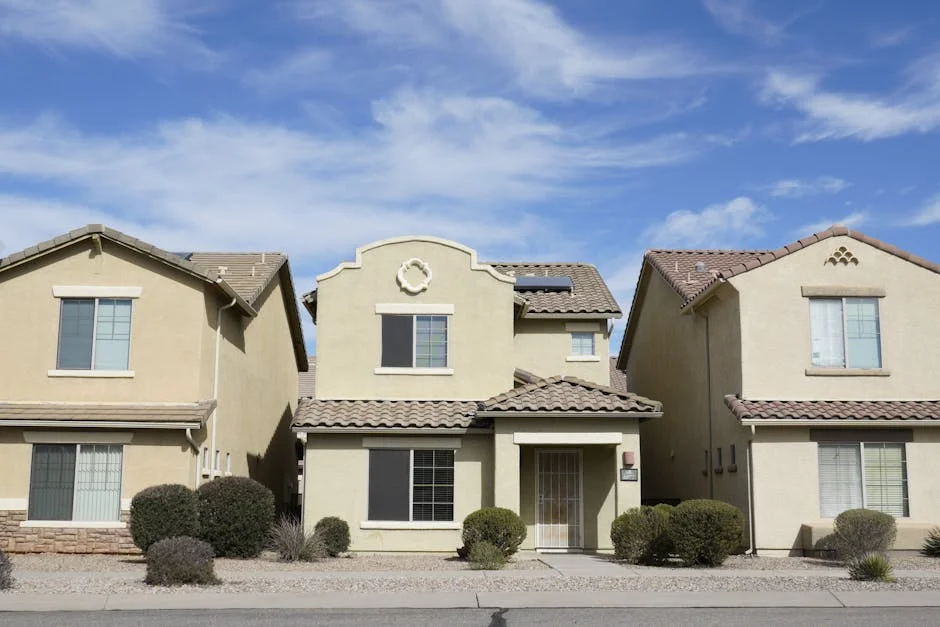
HUD foreclosed homes are residential properties that come under the control of the U.S. Department of Housing and Urban Development after a borrower defaults on an FHA-insured mortgage. When an FHA loan goes into foreclosure, the lender files a claim with HUD to recover losses, and HUD takes title to the property. From that point forward, the agency’s goal is not to operate as a traditional real estate investor, but to dispose of the home in a way that stabilizes neighborhoods, protects the insurance fund, and returns the property to owner-occupied or responsible investment use. Because the mission is disposal rather than long-term holding, these homes are typically marketed for sale through HUD’s established process, often at a price based on an appraisal and a review of market conditions. That process can create opportunities for buyers seeking affordability, but it also comes with rules, timelines, and a selling “as-is” posture that differs from a typical retail listing.
Table of Contents
- My Personal Experience
- Understanding HUD Foreclosed Homes and Why They Exist
- How HUD Acquires Properties Through FHA Foreclosure
- Where to Find HUD Foreclosed Homes and How Listings Work
- Owner-Occupant vs. Investor Rules and Why They Matter
- The Bidding Process: What Happens After You Submit an Offer
- Property Condition, Inspections, and the “As-Is” Reality
- Financing Options for HUD Foreclosed Homes
- Expert Insight
- Closing Costs, Earnest Money, and Hidden Expenses to Plan For
- Neighborhood Research and Due Diligence Beyond the Property
- Strategies to Compete for the Best HUD Foreclosed Homes
- Common Mistakes Buyers Make and How to Avoid Them
- Long-Term Value: Living In or Investing After Purchase
- Final Thoughts on Buying HUD Foreclosed Homes with Confidence
- Watch the demonstration video
- Frequently Asked Questions
- Trusted External Sources
My Personal Experience
A couple years ago I decided to look at HUD foreclosed homes after getting priced out of most move-in-ready places in my area. The listings looked like a steal, but I learned fast that “as-is” really means as-is—at the first house, the power was off and we had to bring a flashlight to see a water stain that hinted at a roof issue. I also didn’t realize at first that you have to use a HUD-registered agent to submit bids, and the timing felt stressful because everything runs on their bidding windows. I lost my first bid by a small margin, then finally won one on a modest ranch that had good bones but needed paint, flooring, and a new water heater right away. It wasn’t the smoothest purchase I’ve ever made, but doing my homework, budgeting for repairs, and getting a thorough inspection made it worth it in the end.
Understanding HUD Foreclosed Homes and Why They Exist
HUD foreclosed homes are residential properties that come under the control of the U.S. Department of Housing and Urban Development after a borrower defaults on an FHA-insured mortgage. When an FHA loan goes into foreclosure, the lender files a claim with HUD to recover losses, and HUD takes title to the property. From that point forward, the agency’s goal is not to operate as a traditional real estate investor, but to dispose of the home in a way that stabilizes neighborhoods, protects the insurance fund, and returns the property to owner-occupied or responsible investment use. Because the mission is disposal rather than long-term holding, these homes are typically marketed for sale through HUD’s established process, often at a price based on an appraisal and a review of market conditions. That process can create opportunities for buyers seeking affordability, but it also comes with rules, timelines, and a selling “as-is” posture that differs from a typical retail listing.
It helps to understand what foreclosure means in this context. By the time a property becomes a HUD-owned home, it has already been through a legal process that can involve missed payments, notices, and ultimately repossession. The property may have been vacant for a period, and maintenance may have been deferred. Some HUD foreclosed homes are in decent condition; others need repairs ranging from cosmetic updates to major systems work. Because HUD is a government agency, it generally does not negotiate repairs in the same way a private seller might, and the listing documents often emphasize that the buyer is responsible for inspections and due diligence. Still, HUD does provide certain disclosures, and in many cases it makes property condition reports available to help buyers assess obvious issues. For shoppers who can navigate the structure—working with a qualified real estate agent, understanding bidding windows, and budgeting for repairs—HUD foreclosures can be a practical route into homeownership or a value-oriented purchase in a competitive market.
How HUD Acquires Properties Through FHA Foreclosure
HUD foreclosed homes mostly originate from FHA-insured loans. FHA financing is designed to expand access to homeownership by allowing lower down payments and more flexible credit standards than many conventional programs. The tradeoff is that the loan is insured by the government, and when a borrower defaults, the lender can be reimbursed for eligible losses. After the foreclosure is completed and title is transferred, HUD becomes the owner. This pathway matters because it shapes how the property is sold: the agency follows standardized procedures for listing, bidding, and closing rather than the informal negotiations common with private sellers. It also means that these properties are spread across many markets, including suburban, rural, and urban areas, rather than being concentrated only in high-distress neighborhoods.
The acquisition process also explains why the condition of HUD foreclosed homes can vary so widely. Some borrowers remain in the home until late in the process and keep up basic maintenance; other properties may be vacant and exposed to weather, vandalism, or neglected utilities. HUD typically orders an appraisal to establish a market-based list price and may also commission a basic inspection-style report that notes visible defects. However, those reports are not a substitute for a buyer’s own professional inspection, especially because utilities may be off and some systems cannot be fully tested. Buyers should treat the acquisition backstory as a clue: if a home has been empty for months, plan for additional due diligence, such as checking for winterization issues, plumbing leaks, roof damage, or mold conditions. Understanding why HUD has the property helps buyers approach the purchase with realistic expectations about timelines, paperwork, and the level of responsibility placed on the purchaser.
Where to Find HUD Foreclosed Homes and How Listings Work
HUD foreclosed homes are marketed through an official listing platform and through local real estate agents who are registered to submit bids. The key point is that buyers typically cannot place a bid directly without an authorized agent, and the process is structured around specific bidding periods. Properties are categorized and displayed with details such as the list price, case number, property condition notes, and whether the home is eligible for certain financing types. Many buyers first encounter HUD listings through popular real estate portals, but the most reliable information is the official HUD listing data and the agent remarks tied to the case. Because the process is standardized, listings may include timelines for when bids are accepted, how long the exclusive period for owner-occupants lasts, and when investors may be allowed to compete. This structure can create a sense of urgency, but it also provides predictability once you understand the rhythm.
It’s common for HUD foreclosed homes to move through phases if they do not sell quickly. A property may begin in an owner-occupant priority period, where bids from people intending to live in the home are considered first. If the home remains unsold, it may open to all bidders, including investors. Over time, HUD can adjust the price based on market feedback, though price reductions and timing vary by region. In addition, some properties may be labeled as “insurable,” “uninsurable,” or “insurable with escrow,” which affects what loan types can be used. That label is not a guarantee that the home will pass a lender’s appraisal or underwriting; it is a guideline based on HUD’s assessment of condition relative to FHA minimum property standards. Buyers who monitor listings frequently, work with an agent who understands the submission rules, and are ready with financing or cash documentation are better positioned to compete for HUD foreclosures that are priced attractively.
Owner-Occupant vs. Investor Rules and Why They Matter
One of the defining features of HUD foreclosed homes is the way HUD encourages owner-occupancy to support neighborhood stability. Many listings begin with an owner-occupant period, sometimes including special programs that favor buyers who will live in the home as their primary residence. During this phase, bids from investors are typically not considered, which can reduce competition for everyday homebuyers. The intent is straightforward: owner-occupants are more likely to maintain the property, build community ties, and reduce the negative effects that vacant homes can have on nearby values. For a buyer who wants to purchase a primary residence, this can be a meaningful advantage, especially in markets where investors often outbid traditional buyers with cash offers.
Investors can still buy HUD foreclosed homes, but the timing and rules are different. Once the owner-occupant window closes, the property may open to all bidders. Investors should be prepared for the “as-is” nature of the sale and the possibility that financing can be tricky if the home has condition issues. Owner-occupants also have compliance obligations: typically they must certify intent to occupy and may face penalties if they misrepresent their plans. That certification is serious, and buyers should only pursue an owner-occupant bid if they truly plan to move in within the required timeframe and live there for the required period. For households weighing whether to buy as a primary home or as a rental, the structure around HUD foreclosures can influence strategy. A primary buyer might prioritize listings still in the owner-occupant phase, while an investor might focus on homes that have rolled into the open bidding stage or that require rehabilitation beyond what many owner-occupants are willing to take on.
The Bidding Process: What Happens After You Submit an Offer
Buying HUD foreclosed homes involves a bid submission process that is more standardized than a typical private sale. Your real estate agent submits an electronic bid on your behalf, and HUD reviews bids according to the rules of the current period. In some cases, HUD accepts the highest net bid that meets requirements; in others, the evaluation can include factors like requested closing costs or commissions. The “net” concept matters because HUD looks at what it will actually receive after certain expenses. Buyers often assume that simply offering list price guarantees acceptance, but the structure can be more nuanced. Your agent should help you understand how to craft a competitive bid, including how to handle requested seller-paid closing costs, how earnest money is handled, and what deadlines apply for documents after acceptance.
After acceptance, the transaction moves quickly and follows HUD’s contract package and timelines. Buyers typically need to submit signed documents, provide proof of funds or lender pre-approval, and deliver earnest money within a short window. Because HUD foreclosed homes are sold “as-is,” the contract generally does not include repair negotiations, and contingencies may be limited by the program rules and local practices. Inspections are still essential, but they are usually for the buyer’s information and risk management rather than a lever to demand repairs. If the inspection reveals major problems, the buyer may choose to cancel if the contract and local rules allow, but they should be prepared for potential earnest money implications depending on timing and contract terms. The key is to approach the bid with a clear plan: understand your maximum purchase price, budget for repairs, and be ready to meet timelines for financing, appraisal, and closing. When buyers treat the bid like a disciplined procurement step rather than an emotional negotiation, HUD foreclosures become much easier to navigate.
Property Condition, Inspections, and the “As-Is” Reality
HUD foreclosed homes are sold in “as-is” condition, which means HUD generally will not make repairs or offer credits based on inspection findings. This does not mean the buyer should skip professional inspections; it means the buyer should use inspections to understand risk, prioritize repairs, and confirm that the home is suitable for their financing type and lifestyle. A thorough inspection can identify safety issues, deferred maintenance, water intrusion, roof life, electrical concerns, HVAC performance, plumbing leaks, and signs of pest activity. If utilities are off, the inspection scope may be limited, so buyers sometimes coordinate utility activation where permitted by local rules and the listing instructions. Some buyers also add specialized evaluations, such as sewer scope inspections, structural engineer reviews, or mold assessments, especially if the home shows visible red flags.
Because the sale is “as-is,” buyers should translate inspection findings into a realistic repair budget and timeline. HUD foreclosures can include homes that are fully livable with minor cosmetic work, but they can also include properties that need significant rehabilitation. Even when a home looks fine, vacant periods can create hidden problems: dry traps leading to sewer gas, minor leaks that worsened unnoticed, or HVAC issues from lack of use. Buyers should also consider code and insurance implications. For example, some insurers have restrictions on homes with older roofs, knob-and-tube wiring, or certain plumbing materials. If you plan to finance the purchase, your lender’s appraisal and underwriting standards matter as much as your own comfort level. A home labeled as “insurable” is not a promise that it will sail through underwriting; it is a starting point. Treat the condition analysis as the foundation of your offer strategy, because once you close, the responsibility for repairs rests with you. If you’re looking for hud foreclosed homes, this is your best choice.
Financing Options for HUD Foreclosed Homes
Financing HUD foreclosed homes can be straightforward when the property is in good condition, but it can become complex when repairs are needed. Conventional loans may work well for homes that meet basic habitability standards, and they can offer flexible terms for buyers with strong credit. FHA financing can also be used for many HUD-owned properties, especially if the home meets FHA minimum property requirements. However, if the home has issues like peeling lead-based paint (common in older homes), missing handrails, roof problems, or non-functioning mechanical systems, the lender may require repairs before closing or may deem the property ineligible for standard FHA. Buyers should coordinate early with their lender and agent to confirm whether the home’s condition aligns with the loan program’s requirements.
Expert Insight
Before bidding on HUD foreclosed homes, pull the Property Condition Report (PCR) and budget for repairs that won’t qualify for standard financing. If the home needs significant work, explore FHA 203(k) or other renovation loan options early so your offer aligns with realistic funding and timelines.
Strengthen your bid by lining up a local agent experienced with HUDHomeStore rules, then submit a clean offer with proof of funds or a solid pre-approval and minimal contingencies. Schedule inspections as soon as allowed and verify title, HOA dues, and utility status to avoid surprises after acceptance. If you’re looking for hud foreclosed homes, this is your best choice.
For properties that need work, renovation financing can be a practical tool. Programs like FHA 203(k) or certain conventional renovation loans allow the buyer to finance both the purchase and qualifying repairs into a single mortgage, subject to lender guidelines and contractor bids. This approach can open doors to HUD foreclosures that would otherwise be cash-only, but it requires more documentation, more time, and careful contractor coordination. Cash purchases remain common for distressed properties because they bypass many lender condition requirements, but cash buyers should still budget for repairs, permits, and potential surprises. No matter the financing route, buyers should plan for out-of-pocket costs such as inspections, appraisal fees, earnest money, and immediate safety repairs after closing. The best financing strategy is the one that matches the property’s true condition and your financial resilience, not simply the one with the lowest interest rate on paper. If you’re looking for hud foreclosed homes, this is your best choice.
Closing Costs, Earnest Money, and Hidden Expenses to Plan For
HUD foreclosed homes can look like a bargain at the list price, but buyers should evaluate the full cost of acquisition. Closing costs typically include lender fees, title services, escrow charges, recording fees, prepaid taxes and insurance, and possibly HOA transfer charges if the property is in a managed community. HUD may allow buyers to request certain closing cost assistance in the bid, but that request can affect the net and competitiveness of the offer. Earnest money requirements are also part of the equation, and the amount can vary based on the property price and program rules. Because HUD uses standardized contracts, buyers should read the timelines carefully, understand when earnest money becomes non-refundable, and ensure they can meet all deadlines for documentation and financing milestones.
| Option | What it is | Best for |
|---|---|---|
| HUD Foreclosed Homes | Homes owned by the U.S. Department of Housing and Urban Development (HUD) after an FHA-insured foreclosure, sold “as-is” through HUD’s listing system. | Buyers seeking potentially lower-priced inventory and willing to follow HUD bidding rules and timelines. |
| Bank-Owned (REO) Homes | Properties owned by a lender after foreclosure, typically listed on the MLS and sold “as-is,” with terms set by the bank. | Buyers who want more conventional offer processes and broader availability across neighborhoods. |
| Foreclosure Auctions | Homes sold at public auction (often before becoming REO), frequently requiring cash or quick financing and limited inspection access. | Experienced investors comfortable with higher risk, fast closing, and potential title/condition unknowns. |
Beyond closing, there are “day one” costs that often surprise first-time buyers of HUD foreclosures. Utilities may need to be turned on, locks may need to be changed, and the property may require immediate cleaning, yard work, or debris removal. If the home was winterized, de-winterization and system testing can add expense. Some properties need appliances, water heaters, or basic safety items like smoke detectors and carbon monoxide alarms before move-in. Buyers should also budget for carrying costs if repairs delay occupancy: rent, storage, or temporary housing can erode the savings from a low purchase price. Insurance can be higher for vacant or distressed homes, and some insurers require repairs before issuing a standard policy. A realistic budget includes a contingency reserve, because even well-inspected homes can reveal additional issues once work begins. When buyers evaluate HUD foreclosed homes using a complete cost lens rather than a sticker-price lens, they make decisions that are more stable and less stressful.
Neighborhood Research and Due Diligence Beyond the Property
HUD foreclosed homes should be evaluated not only for the building itself, but also for the surrounding neighborhood and the property’s legal standing. Buyers benefit from researching local market trends, comparable sales, school options, commute times, and nearby amenities. A home that looks underpriced may reflect broader neighborhood factors such as limited demand, higher crime rates, or a slow resale environment. Conversely, some HUD foreclosures are located in improving areas where demand is rising, and the discount can be an opportunity. Visiting the area at different times of day, talking to neighbors when appropriate, and reviewing local planning or redevelopment initiatives can provide insight that a listing cannot. Buyers should also consider environmental factors like flood zones, wildfire risk, and stormwater drainage patterns, which can affect insurance costs and long-term maintenance.
Due diligence also includes title and lien considerations. While HUD aims to deliver clear title, buyers should still rely on a reputable title company and review the title commitment carefully. If the home is part of an HOA, buyers should obtain and review association documents, rules, financials, and any special assessments. Unpaid HOA dues can sometimes become a problem depending on state law and the specifics of the transaction, so clarity before closing matters. Property taxes, municipal liens, and permit history can also affect the purchase. Additionally, buyers should confirm whether the property has any occupancy issues, such as unauthorized occupants or personal property left behind, and understand how those situations are handled in their jurisdiction. HUD foreclosed homes can be excellent purchases, but the safest path is to treat the transaction like a professional acquisition: verify the facts, document everything, and avoid assumptions based on the appearance of a low price.
Strategies to Compete for the Best HUD Foreclosed Homes
Competition for HUD foreclosed homes depends on local inventory, price point, and the property’s condition. In some markets, well-priced HUD listings attract multiple bids quickly, especially during owner-occupant periods when buyers see a chance to avoid investor competition. A strong strategy starts with readiness: a solid lender pre-approval (or proof of funds for cash buyers), a clear understanding of your repair budget, and an agent who can submit bids correctly and on time. Buyers should also decide in advance how they will handle closing costs requests, because a bid that looks higher on paper can be less attractive to HUD if the net is lower. Understanding how HUD evaluates net proceeds helps buyers write offers that are both competitive and financially sensible.
Another practical approach is to broaden the search criteria. Many buyers chase the most photogenic listings and ignore homes that need cosmetic work, have outdated photos, or are located slightly outside the hottest neighborhoods. Those overlooked HUD foreclosures can present better value if the issues are manageable. Buyers can also watch for relisted properties where the initial buyer’s financing fell through, as those homes sometimes return to market with less competition. Timing matters as well: being prepared to tour quickly, review disclosures promptly, and bid within the allowed window can make the difference. At the same time, discipline matters more than speed. Winning a bid at a price that leaves no room for repairs and contingencies can turn a “deal” into a burden. The best strategy balances competitiveness with caution: bid with conviction when the numbers work, and walk away when the risk exceeds the reward. If you’re looking for hud foreclosed homes, this is your best choice.
Common Mistakes Buyers Make and How to Avoid Them
One frequent mistake with HUD foreclosed homes is assuming that a government-owned property automatically equals a deep discount. Some homes are priced aggressively, but others are close to market value, especially if they are in good condition and in a strong area. Buyers who chase the idea of a bargain without analyzing comparable sales can overpay or underestimate repair costs. Another mistake is relying on the property condition label—such as “insurable”—as if it were a warranty. Labels are helpful, but they do not replace inspections, contractor walk-throughs, and lender conversations. Buyers also sometimes underestimate the importance of timelines. HUD transactions have strict deadlines for submitting paperwork, scheduling inspections, and closing, and missing a deadline can jeopardize the deal or earnest money.
Buyers can also misjudge the “as-is” nature of HUD foreclosures. In a traditional sale, buyers may negotiate repairs or credits after inspections; with HUD-owned homes, that expectation can lead to frustration. A better approach is to price your offer based on the home you are actually buying, not the home you wish it were. Another error is failing to plan for post-closing logistics, such as immediate security, utility transfers, and repair scheduling. If the home is vacant, it may need attention quickly to prevent further deterioration. Finally, some buyers skip neighborhood due diligence because they are focused on the house itself, only to discover later that resale demand is limited or that HOA restrictions complicate their plans. Avoiding these mistakes is less about insider tricks and more about professional habits: verify, budget, document, and keep emotions out of the decision when evaluating HUD foreclosed homes.
Long-Term Value: Living In or Investing After Purchase
HUD foreclosed homes can deliver long-term value when the purchase aligns with a realistic plan. For owner-occupants, value often comes from buying a home at a price that leaves room for improvements over time. A buyer who is comfortable with gradual upgrades—painting, flooring, landscaping, and energy efficiency improvements—may build equity while creating a personalized living space. The key is to prioritize repairs that protect the structure and safety first, then focus on improvements that enhance comfort and resale appeal. Because many HUD foreclosures have deferred maintenance, investing early in roof integrity, plumbing reliability, electrical safety, and moisture control can prevent larger expenses later.
For investors, the long-term value depends on accurate rehab estimates and a clear exit strategy. A rental investor should evaluate local rents, tenant demand, property management costs, and the likelihood of ongoing maintenance issues. A flip investor should be conservative about after-repair value, days on market, and the cost of capital during renovation. HUD-owned homes can work well for both approaches, but the “as-is” purchase means the investor bears the full risk of unknown defects. Investors also need to be mindful of local permitting requirements and inspection schedules, which can affect timelines. Whether the goal is a primary residence or an investment property, the strongest outcomes come from treating HUD foreclosed homes as a starting point for a plan, not a plan by themselves. The purchase price is only one variable; the combination of location, condition, financing, and execution determines the real value over time.
Final Thoughts on Buying HUD Foreclosed Homes with Confidence
HUD foreclosed homes can be an excellent option for buyers who want a structured purchasing process, potential price advantages, and access to properties that might not appear in typical retail channels. Success comes from matching the property to the right financing, understanding the bid rules, and respecting the “as-is” nature of the sale. Buyers who build a complete budget—including inspections, closing costs, immediate repairs, and contingency reserves—are better positioned to enjoy the benefits without being blindsided by preventable surprises. Strong support also matters: a real estate agent experienced with HUD bidding and a lender who understands property-condition challenges can reduce friction and keep the transaction on track.
The most reliable way to approach HUD foreclosed homes is with disciplined due diligence and a calm, numbers-driven mindset. Tour the home with a critical eye, verify neighborhood and title details, and assume that any deferred maintenance you can see may have related issues you cannot. When the total cost makes sense and the timeline is workable, these properties can become stable homes, smart renovations, or long-term investments. When the numbers do not work, walking away is a sign of skill, not failure. With the right preparation, HUD foreclosed homes can move from a confusing niche of the market to a clear, practical path toward ownership or investment.
Watch the demonstration video
In this video, you’ll learn how HUD foreclosed homes work, who qualifies to buy them, and how the bidding process differs from a typical home purchase. It also explains where to find current HUD listings, what to expect during inspections and financing, and key tips to avoid common mistakes when buying a HUD-owned property.
Summary
In summary, “hud foreclosed homes” is a crucial topic that deserves thoughtful consideration. We hope this article has provided you with a comprehensive understanding to help you make better decisions.
Frequently Asked Questions
What are HUD foreclosed homes?
HUD foreclosed homes are properties repossessed after a borrower defaults on an FHA-insured mortgage and then offered for sale by the U.S. Department of Housing and Urban Development (HUD).
Where can I find HUD foreclosed homes for sale?
Your best starting point is HUD’s official listing site, the HUD Home Store, where you can browse available **hud foreclosed homes** directly. If you’d like expert guidance—especially when it comes to submitting an offer—you can also partner with a real estate agent who’s registered and authorized to place bids on HUD properties on your behalf.
How do I buy a HUD home?
You typically submit an offer through a HUD-registered real estate broker during a bidding period. If accepted, you proceed to contract, inspections (as allowed), and closing with your lender or cash. If you’re looking for hud foreclosed homes, this is your best choice.
Are HUD homes sold “as-is”?
Yes—most HUD properties are sold *as-is*, so HUD typically won’t handle repairs. If you’re considering **hud foreclosed homes**, be sure to review all available disclosures and schedule a professional inspection so you understand the home’s condition and any potential repair costs before you buy.
Can first-time buyers or owner-occupants get priority on HUD homes?
Often, yes. Many **hud foreclosed homes** are listed with an initial owner-occupant window, meaning bids from buyers who plan to live in the property are reviewed first—before offers from investors are considered.
What financing options can be used to purchase a HUD foreclosed home?
Buyers typically choose from FHA, VA, conventional financing, or paying cash. If the property needs work, some **hud foreclosed homes** may also be eligible for FHA 203(k) rehab loans—provided the home and repairs meet the program’s guidelines.
? Looking for more info about hud foreclosed homes? Follow Our Site for updates and tips!

Trusted External Sources
- Homes for Sale | HUD.gov / U.S. Department of Housing and Urban …
HUD offers a wide range of properties for sale, from single-family houses to larger multifamily buildings. Take a look at the current listings of **hud foreclosed homes**—you might find the perfect place to call home or a great investment opportunity.
- HUD Homes for Sale – HUDHomeStore.Gov
- Weekly Listing of Multifamily Properties, Asset and Healthcare …
Explore FHA foreclosures and HUD-owned property sales with ease—find clear details on **hud foreclosed homes**, including property information, available units and bedrooms, minimum listing prices, upcoming sale dates, and scheduled showing opportunities. Check out featured listings like Lakeview Properties and stay up to date as new homes are added.
- Foreclosure and HUD-owned Sales
On Nov. 4, 2026, RTA Housing listed properties at 3219 Lexington Ave and 520 N White in Kansas City, MO 64124. For buyers exploring **hud foreclosed homes**, Comfort Homes Housing Development Fund Corp. (3 Mystic Lane, Northport, NY 11768) is also noted in the record.
- Avoiding Foreclosure | HUD.gov / U.S. Department of Housing and …
If you’re worried about missing mortgage payments or facing foreclosure, you’re not alone—and help is available. There are several programs designed to support homeowners in financial hardship, offering options like loan modifications, repayment plans, and counseling to help you stay in your home. And if you’re exploring alternatives, you may also want to look into **hud foreclosed homes** as a potential path to affordable housing.