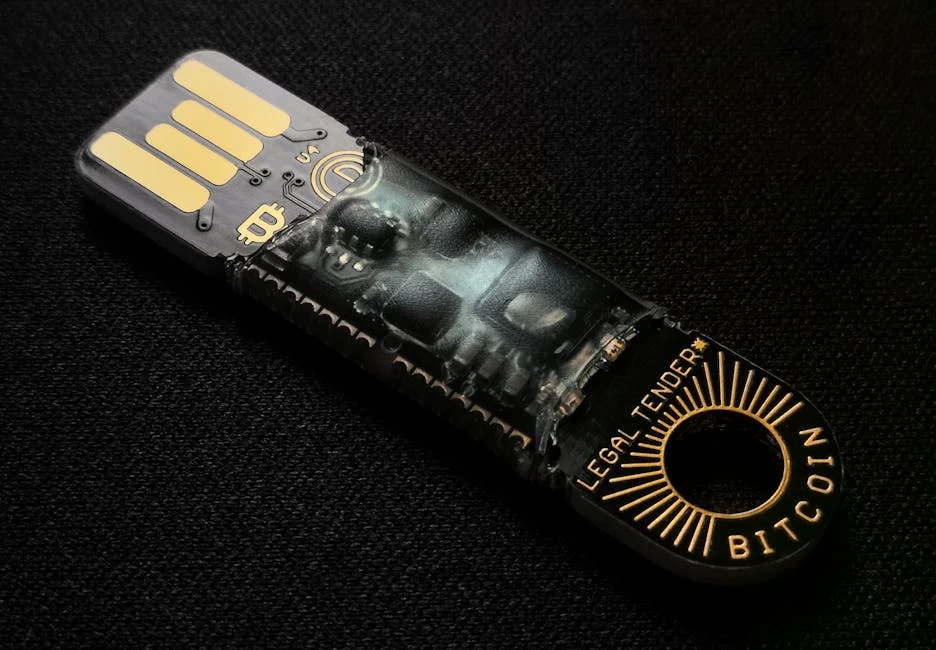
Crypto cold storage is the practice of keeping cryptocurrency private keys completely offline so they cannot be reached by internet-connected attackers, malicious browser extensions, phishing kits, or compromised mobile apps. At the heart of any wallet is a secret: the private key or seed phrase that authorizes spending. When that secret stays on an online device, the security of your holdings becomes tightly coupled to the security of the operating system, the apps you install, the websites you visit, and the networks you use. Cold storage breaks that dependency by moving the signing authority to an environment that does not touch the internet. This is why people who hold meaningful amounts of Bitcoin, Ethereum, or other assets often treat offline key storage as a baseline, not an advanced option. The goal is not to make theft impossible in every scenario, but to sharply reduce the most common real-world attack paths that drain hot wallets: credential theft, remote access trojans, SIM swaps, clipboard hijackers, and fake wallet pop-ups.
Table of Contents
- My Personal Experience
- Understanding Crypto Cold Storage and Why It Matters
- Hot Wallets vs. Cold Storage: Security Tradeoffs and Real-World Risks
- How Cold Storage Works: Keys, Seed Phrases, and Offline Signing
- Types of Crypto Cold Storage: Hardware Wallets, Paper, Air-Gapped Devices, and Multisig
- Setting Up Cold Storage Safely: Step-by-Step Operational Hygiene
- Seed Phrase Backup Strategies: Paper, Steel, Redundancy, and Secret Splitting
- Choosing a Hardware Wallet: Security Features That Actually Matter
- Multisig Cold Storage for Individuals and Organizations
- Expert Insight
- Common Mistakes That Defeat Cold Storage (and How to Avoid Them)
- Cold Storage and DeFi: Safe Interaction Patterns Without Exposing Keys
- Institutional-Grade Cold Storage: Governance, Audits, and Disaster Recovery
- Regulatory, Tax, and Compliance Considerations for Cold Storage Users
- Long-Term Maintenance, Inheritance Planning, and Secure Recovery
- Building a Practical Cold Storage Plan That Fits Your Risk Profile
- Watch the demonstration video
- Frequently Asked Questions
- Trusted External Sources
My Personal Experience
After a small exchange I used went down for “maintenance” and kept my withdrawal pending for days, I finally moved most of my crypto into cold storage. I bought a hardware wallet, set it up on an old laptop I wiped first, and wrote the seed phrase on two cards instead of saving it anywhere digital. The process felt a little paranoid at first—double-checking addresses, doing a tiny test transfer, then sending the full amount—but it was oddly calming once everything confirmed. I keep one backup in a safe at home and the other at a family member’s place, and I only plug the wallet in when I actually need to move funds. It’s less convenient than an app, but sleeping better has been worth the extra steps. If you’re looking for crypto cold storage, this is your best choice.
Understanding Crypto Cold Storage and Why It Matters
Crypto cold storage is the practice of keeping cryptocurrency private keys completely offline so they cannot be reached by internet-connected attackers, malicious browser extensions, phishing kits, or compromised mobile apps. At the heart of any wallet is a secret: the private key or seed phrase that authorizes spending. When that secret stays on an online device, the security of your holdings becomes tightly coupled to the security of the operating system, the apps you install, the websites you visit, and the networks you use. Cold storage breaks that dependency by moving the signing authority to an environment that does not touch the internet. This is why people who hold meaningful amounts of Bitcoin, Ethereum, or other assets often treat offline key storage as a baseline, not an advanced option. The goal is not to make theft impossible in every scenario, but to sharply reduce the most common real-world attack paths that drain hot wallets: credential theft, remote access trojans, SIM swaps, clipboard hijackers, and fake wallet pop-ups.
It helps to separate three concepts that are often blended together: custody, key generation, and transaction signing. Crypto cold storage can mean self-custody (you control the keys), but it can also exist in institutional settings where multiple people and processes control access. Key generation is the moment the seed phrase is created; doing that on an offline device reduces exposure from the start. Transaction signing is the moment an outgoing transfer is authorized; cold storage aims to keep signing offline even if you use an online computer to build the transaction. When done well, you can prepare a transaction on a networked device, pass it to an offline signer (such as a hardware wallet), sign it without exposing the key, and then broadcast the signed transaction back online. This separation is the practical reason cold storage remains relevant even as exchanges improve security: it places the most sensitive step—authorizing a spend—behind a physical boundary that remote attackers cannot cross.
Hot Wallets vs. Cold Storage: Security Tradeoffs and Real-World Risks
Hot wallets are designed for convenience: quick swaps, frequent payments, constant access, and seamless integration with decentralized applications. That convenience comes from being online, which also creates a broad attack surface. A hot wallet can be compromised by malware that reads memory, replaces addresses on the clipboard, or tricks you into approving a malicious transaction. Even if the wallet app itself is well written, the browser, the extensions, the device drivers, and the user’s habits all become part of the security model. Cold storage reduces those risks by ensuring that the private key never touches an internet-connected environment. The attacker can still attempt to deceive you into signing something harmful, but they can no longer simply steal the key and drain the wallet at will. This difference matters because many losses happen quickly: once a seed phrase is exposed, automated bots can sweep funds within minutes, often across multiple chains. If you’re looking for crypto cold storage, this is your best choice.
Crypto cold storage is not a magic shield; it changes the categories of risk you need to manage. Instead of worrying primarily about remote compromise, you must think about physical security, loss, and recovery. A hardware wallet can be misplaced; a paper backup can be destroyed by fire or water; an improperly stored seed phrase can be found by someone with access to your home or office. Cold storage also introduces operational friction: you might delay moving funds because the signing device is in a safe, which can be a positive guardrail against impulsive trades but a challenge during emergencies. The best approach is to match storage style to intent. Funds for daily use belong in a hot wallet with strong hygiene and limited balances. Long-term holdings, treasury assets, or reserves typically benefit from offline key storage with careful backups, clear labeling, and a tested recovery process. The tradeoff is not “secure vs. insecure,” but “online risk vs. offline risk,” and cold storage is about choosing the risk profile you can control.
How Cold Storage Works: Keys, Seed Phrases, and Offline Signing
At the technical level, crypto cold storage revolves around keeping the secret material—private keys or a seed phrase—offline while still enabling legitimate transactions. Most modern wallets use a seed phrase (often 12 or 24 words) that deterministically generates a large set of private keys. That seed phrase is the master secret: anyone who has it can recreate the wallet and move funds. Cold storage aims to generate and store that seed phrase in a way that minimizes exposure. A hardware wallet does this by creating the seed internally and displaying it on a small screen so you can record it without ever typing it into a computer. An air-gapped computer can also generate seeds offline using reputable open-source tools, with the device never connecting to Wi‑Fi or Ethernet. The key principle is that the seed should not be photographed, uploaded, emailed, or stored in cloud notes, because those actions defeat the offline boundary.
When you want to send funds, you typically create an unsigned transaction on an online device. That transaction contains recipients, amounts, and fees, but lacks a signature. The unsigned transaction is then transferred to the offline signer, often via QR codes, microSD card, or USB in a controlled way. The offline device signs it using the private key, producing a signed transaction that can be safely moved back to the online device for broadcasting. The private key never leaves the offline environment. This workflow is central to crypto cold storage because it preserves usability while drastically reducing the chance that malware can extract secrets. Still, signing is a moment of truth: you must verify what you are approving. Devices with screens help by showing the destination address and amount. For more complex transactions, such as smart contract interactions, careful verification is harder, which is why many long-term holders prefer simple transfers into cold storage addresses and minimize contract approvals from their cold setup.
Types of Crypto Cold Storage: Hardware Wallets, Paper, Air-Gapped Devices, and Multisig
Crypto cold storage comes in several forms, each with distinct strengths and weaknesses. Hardware wallets are the most common consumer option because they combine offline key handling with a user-friendly interface. They can store multiple assets, support passphrases, and integrate with desktop or mobile companions. Paper wallets—printing a private key or seed phrase—are conceptually simple but easy to do wrong; modern best practice favors writing down a seed phrase generated securely rather than using a website to generate a paper wallet. Air-gapped devices, such as a dedicated laptop or single-board computer kept permanently offline, can be excellent when paired with open-source wallet software, but they require more technical discipline. You must control how data moves in and out, keep the system clean, and ensure you can still recover funds if the device fails. Each form can work, but each demands a process that matches the user’s capabilities.
For higher-value holdings, multisig is often considered the gold standard of cold storage architecture. Multisig means multiple keys are required to authorize a transaction, such as 2-of-3 or 3-of-5. Those keys can be held on separate hardware wallets, stored in different locations, or shared among trusted parties. The advantage is clear: a thief must compromise multiple keys to steal funds, and a single lost device does not necessarily mean permanent loss. The tradeoff is complexity. You must maintain a clear record of which keys exist, how the wallet was constructed, and how to recover it if a signer is lost. Multisig also introduces coordination overhead and can be tricky across different wallet software versions. Still, for treasuries, long-term reserves, or anyone worried about single points of failure, multisig-based crypto cold storage can be a robust approach that balances theft resistance with recoverability.
Setting Up Cold Storage Safely: Step-by-Step Operational Hygiene
A safe setup begins before you open a box or download a tool. The first step is sourcing: buy hardware wallets directly from reputable manufacturers or authorized resellers to reduce supply-chain tampering risk. Check packaging integrity, verify device authenticity if the vendor provides tools, and update firmware only through official channels. During initialization, generate the seed phrase on the device itself, not on a computer. Record the words carefully, in order, and double-check spelling. Avoid typing the seed into any website, support chat, or “verification” form—those are common scams. If you are using an air-gapped computer, install the operating system from a verified image, keep the device offline permanently, and use deterministic wallet software that is well reviewed. The objective is to create crypto cold storage keys in a controlled environment and to avoid introducing the seed phrase into any networked system.
Once the wallet exists, the next step is validating your backup and your process. Make a small deposit, then perform a recovery test by restoring the wallet from the seed phrase onto another device or a secondary profile, confirming that the receiving address matches and that you can sign a transaction. This test is often skipped, yet it is the single best way to catch transcription errors before large sums are involved. After testing, store backups in a way that balances theft resistance with durability. Many people use two backups stored in separate secure locations, such as a home safe and a bank safe deposit box. If you use a passphrase (sometimes called a 25th word), understand that it is not recoverable unless you preserve it; losing it can make the funds unrecoverable even if you have the seed. Proper crypto cold storage is less about purchasing a device and more about maintaining a repeatable, verifiable routine that survives stress, travel, and time.
Seed Phrase Backup Strategies: Paper, Steel, Redundancy, and Secret Splitting
The seed phrase is the crown jewel of crypto cold storage, so backing it up deserves deliberate planning. Paper is easy and inexpensive, but it is vulnerable to fire, flooding, ink fading, and accidental disposal. If paper is used, it should be stored in a sealed, moisture-resistant bag and placed in a secure location. Many long-term holders prefer metal backups—steel plates or capsules that resist heat and corrosion. Metal does not automatically equal safety, however; it can still be stolen, photographed, or discovered during a move. A good backup strategy considers both durability and confidentiality. Redundancy matters: one backup is a single point of failure. Two backups stored in distinct locations can protect against localized disasters. Still, too many copies increase the chance of exposure, so the number of backups should be kept small and tracked intentionally.
Some people explore secret splitting methods to reduce the risk that any single backup reveals the full seed. One approach is Shamir’s Secret Sharing (SSS), which can split a secret into multiple shares, requiring a threshold to reconstruct it. Another approach is multisig, where you do not split a seed but distribute signing power across multiple independent keys. Each method has tradeoffs. Secret sharing can reduce theft risk but increases the risk of user error and complicated recovery if shares are lost or mislabeled. Multisig can be easier to reason about because each key is complete, but it requires careful setup and documentation. For many individuals, a straightforward cold storage backup—seed phrase recorded accurately, protected by a strong passphrase, and stored redundantly in secure locations—offers a strong balance. The best crypto cold storage backup is the one you can reliably recover under pressure without needing obscure tools or perfect memory.
Choosing a Hardware Wallet: Security Features That Actually Matter
Selecting a hardware wallet for crypto cold storage should be driven by threat model and usability, not marketing claims. A secure element can help protect keys from certain physical extraction attacks, but it is not the only factor. What matters is how the device isolates keys, how it verifies what you are signing, and how transparent the software and update process are. A device with a clear screen that displays the destination address and amount reduces the risk of malware on your computer silently substituting an attacker’s address. Support for passphrases can help if the seed backup is stolen, because the thief still needs the passphrase to access the funds. Another practical feature is the ability to use the hardware wallet with multiple wallet applications, reducing vendor lock-in and improving recovery options if a company changes direction. Firmware update policies matter too: updates should be signed, verifiable, and delivered through official software, and the device should make it hard to install untrusted firmware.
Usability is a security feature in cold storage, because confusing interfaces lead to mistakes. If a device makes it hard to verify addresses, people tend to skip verification. If backups are complicated, people may store seed phrases in unsafe places for convenience. Look for well-documented recovery processes, clear warnings about phishing, and robust community scrutiny. Consider the ecosystems you use: Bitcoin-only devices may reduce complexity and attack surface, while multi-asset devices may be more convenient. If you interact with smart contracts, understand that hardware wallets can only display limited context, and malicious approvals can still be signed if you are tricked. A cautious approach is to keep long-term holdings in crypto cold storage addresses that are rarely used for contract approvals, while using a separate hot wallet for daily DeFi interactions. Good device choice supports that separation and makes secure habits easier to follow.
Multisig Cold Storage for Individuals and Organizations
Multisig-based crypto cold storage can reduce single points of failure by requiring multiple independent approvals to move funds. For an individual, a 2-of-3 setup can be practical: one hardware wallet at home, one in a secure external location, and a third held as a backup with a trusted relative or stored in a separate safe. This design can protect against theft of a single device and against accidental loss. For organizations, multisig becomes even more valuable because it supports governance: spending policies can require approvals from finance, operations, and security leads, and keys can be rotated when staff change. The most important element is documentation: you must record the wallet type, the derivation paths if relevant, the quorum rules, and the recovery steps in a secure but accessible way. Without documentation, multisig can become a self-inflicted lockout.
| Cold storage option | Best for | Key pros | Key cons |
|---|---|---|---|
| Hardware wallet | Most users holding meaningful amounts long-term | Private keys stay offline; PIN/passphrase support; easy signing via companion apps | Costs money; supply-chain/firmware trust considerations; can be lost or damaged |
| Paper wallet / offline key printout | Simple, ultra-low-cost deep cold storage (with careful handling) | No electronics required; fully offline; inexpensive | Easy to mishandle (photos, printers, copies); fragile to fire/water; error-prone when importing/sweeping |
| Air-gapped device (offline laptop/phone) | Advanced users needing higher assurance and flexible signing | Keys never touch an internet-connected device; supports multisig workflows; strong isolation when done correctly | More setup/operational complexity; update/backup discipline required; mistakes can negate security |
Expert Insight
Use a dedicated hardware wallet for long-term holdings and keep it offline except when signing transactions. Before moving significant funds, verify the receiving address on the device screen, run a small test transfer, and store the wallet in a secure, tamper-evident location. If you’re looking for crypto cold storage, this is your best choice.
Protect your recovery seed like a master key: write it down offline, create two copies, and store them in separate secure places (such as a safe and a safe-deposit box). Avoid photos, cloud notes, or printers, and add an optional passphrase only if you can reliably back it up and remember the exact format. If you’re looking for crypto cold storage, this is your best choice.
Operationally, multisig introduces process overhead that should be embraced rather than bypassed. Signing ceremonies, approval logs, and verification steps are part of what makes multisig cold storage effective. Organizations often pair multisig with transaction policies such as spending limits, whitelisted addresses, and time delays. Even individuals can benefit from simple policies: for example, only sending from cold storage to a known hot wallet address, and then making onward transfers from the hot wallet. This reduces the chance that a single mistake sends funds to an irreversible destination. The biggest risk in multisig cold storage is complexity: mixing different wallet software, failing to store the wallet configuration, or misunderstanding how change addresses work can cause confusion. A well-executed multisig setup, tested with small amounts and rehearsed recovery, can provide strong protection that scales from personal savings to institutional treasuries. If you’re looking for crypto cold storage, this is your best choice.
Common Mistakes That Defeat Cold Storage (and How to Avoid Them)
Many losses attributed to “hacks” are actually process failures that undermine crypto cold storage. The most common mistake is digitizing the seed phrase: taking a photo, storing it in cloud storage, emailing it to yourself, or typing it into a password manager without understanding the risks. Any of those actions can create an online copy that can be stolen. Another common failure is responding to fake support messages that ask for the seed phrase to “verify” or “recover” a wallet. Legitimate services never need your seed phrase. A subtler mistake is skipping address verification. Malware can replace a copied address in the clipboard, and if you do not confirm the address on the hardware wallet screen, you may authorize a transfer to an attacker. People also lose funds by not testing recovery: a single miswritten word, wrong order, or confusing handwriting can make recovery impossible years later when the device fails.
Physical security mistakes can be just as damaging. Leaving a seed backup in an obvious location, labeling it “Bitcoin seed,” or storing it in a desk drawer creates an easy target for burglary or casual discovery. Another mistake is relying on a single backup. Fires, floods, and moves happen, and one copy can disappear. At the same time, making too many copies increases exposure. A balanced approach is two durable backups in distinct secure locations, plus a passphrase if you can store it safely. Finally, some users treat cold storage like a set-and-forget vault and never update their plan. Over years, wallet software changes, family circumstances change, and memory fades. Periodic checkups—confirming that backups are intact, that you can still access needed tools, and that trusted heirs know how to proceed—help keep crypto cold storage effective over the long term without turning it into an ongoing burden.
Cold Storage and DeFi: Safe Interaction Patterns Without Exposing Keys
DeFi introduces unique challenges because many interactions are not simple transfers; they involve contract calls, token approvals, and signatures that can be hard to interpret on a small screen. Crypto cold storage can still play a role, but the safest pattern is separation of duties. Keep the bulk of your holdings in cold storage addresses that rarely sign anything. Use a smaller hot wallet for routine DeFi activity, and periodically top it up from cold storage when needed. This limits potential damage if the hot wallet is compromised or if you accidentally sign a malicious approval. Another pattern is using a hardware wallet as the signer for a browser wallet, which keeps keys offline but still exposes you to transaction deception if you approve the wrong contract. If you take this route, strict verification becomes essential: confirm the domain, verify contract addresses from official sources, and limit token approvals rather than granting unlimited allowances.
For people who want more safety while still participating in DeFi, consider staged funding and revocation hygiene. Move only the amount you intend to deploy to a “working” wallet, and revoke approvals regularly using reputable tools. Be cautious with airdrops and “claim” links, which are frequent vectors for wallet drainers. Even with a hardware wallet, signing a malicious transaction can authorize token transfers that cannot be reversed. Cold storage reduces key theft risk, but it does not prevent you from authorizing an action that hands control to an attacker’s contract. A conservative approach is to treat crypto cold storage as a vault and DeFi as a separate activity zone. When profits accumulate, sweep them back to cold storage using a verified address book and test transactions when using a new chain. This operational discipline helps you gain the benefits of on-chain opportunities without turning your long-term reserves into everyday signing accounts.
Institutional-Grade Cold Storage: Governance, Audits, and Disaster Recovery
For businesses, funds management is not just about preventing theft; it is about accountability, continuity, and regulatory expectations. Institutional crypto cold storage typically combines multiple controls: multisig, role-based access, documented procedures, and audit trails. Governance defines who can propose transactions, who can approve them, and what thresholds apply. Some organizations implement dual control, where no single employee can move funds unilaterally. Others add time locks or require approvals from separate departments. The cold storage environment may include dedicated signing devices stored in secure facilities, with access controlled by badges, logs, and cameras. The aim is to reduce both external and insider threats while ensuring that legitimate business operations can continue without fragile heroics.
Audits and disaster recovery are central to institutional cold storage. An audit-friendly setup includes clear records of wallet creation, signer identities, quorum rules, and key rotation policies. Disaster recovery means more than having backups; it means having a rehearsed plan for scenarios like the loss of a signer device, the departure of key personnel, or physical damage to storage locations. Some organizations maintain geographically distributed backups and hold periodic recovery drills with small amounts to validate that procedures still work. Another key element is change management: when software updates, new chains, or new custody policies are introduced, they should be reviewed and tested in a staging environment before touching production funds. Institutional crypto cold storage succeeds when it is treated as an operational system with controls, documentation, and training—not as a one-time technical setup.
Regulatory, Tax, and Compliance Considerations for Cold Storage Users
While crypto cold storage is primarily a security practice, it can intersect with compliance and recordkeeping in ways that are easy to overlook. Moving assets between wallets you control is often not a taxable event in many jurisdictions, but it can complicate cost basis tracking if you do not maintain good records. When cold storage addresses are used as long-term vaults, it becomes important to document which addresses belong to you, when deposits occurred, and how those deposits relate to purchases or income. This documentation can be critical during audits or when preparing tax filings, especially for active traders who periodically sweep funds to cold storage. For businesses, the need is even stronger: accounting systems must reconcile on-chain balances with internal records, and cold storage procedures must not prevent timely reporting.
Compliance also includes operational policies around access and authorization. If multiple people have access to seed backups, that can create governance and legal questions about control and responsibility. Some organizations use formal custody solutions or third-party qualified custodians, but many still maintain self-custody with cold storage while implementing internal controls similar to traditional treasury management. Even individuals can benefit from a simple personal policy: keep an encrypted record of public addresses, maintain transaction notes, and store purchase confirmations securely. Cold storage can reduce hacking risk, but it does not eliminate the need for clear documentation. A well-run crypto cold storage setup supports compliance by making ownership, transfers, and access rules easier to demonstrate without exposing the private keys themselves.
Long-Term Maintenance, Inheritance Planning, and Secure Recovery
Cold storage is often chosen for long-term holding, which makes time the real adversary. Devices can fail, companies can disappear, connectors can become obsolete, and memory can fade. Crypto cold storage remains reliable when you plan for these realities. Start by ensuring your recovery method is wallet-agnostic: a standard seed phrase stored securely should let you restore funds even if the original hardware wallet is no longer available. Periodically check that your backups are intact and legible, and consider whether environmental conditions—humidity, corrosion, or paper degradation—could threaten them. If you use a passphrase, confirm that it is stored in a way that will still make sense years later. Avoid overly clever encoding schemes that you might forget. Simplicity, redundancy, and tested recovery beat complexity.
Inheritance planning is one of the most overlooked parts of crypto cold storage. If something happens to you, will anyone be able to recover the funds legally and safely? A good plan does not require giving someone your seed phrase today; it requires a controlled path for recovery. Options include storing instructions with a lawyer, using a multisig arrangement where an heir holds one key and a trusted party holds another, or maintaining sealed guidance that explains where backups are located and how to use them. The guidance should include practical steps, not just technical terms: what a seed phrase is, what software to use, and how to verify addresses. The final measure of cold storage is not how secure it feels day-to-day, but whether it can be recovered without panic when life changes. Crypto cold storage that cannot be recovered is not secure; it is simply inaccessible.
Building a Practical Cold Storage Plan That Fits Your Risk Profile
A workable plan starts with segmentation: decide what portion of your assets should live in crypto cold storage versus what portion should remain liquid for spending, trading, or DeFi. Many people find that a “vault and wallet” model works well: the vault is cold storage for long-term reserves, and the wallet is a hot setup for daily activity with a strict cap. Next, define your threat model. Are you mainly worried about malware and phishing, or about physical theft, coercion, and disasters? Your answers guide choices like whether to use a passphrase, whether to adopt multisig, and how many backups to keep. Then, implement an address verification habit: maintain a verified address book for transfers from cold storage, and always confirm addresses on the signing device screen. This reduces the risk of irreversible mistakes, which are one of the few threats that cold storage cannot automatically prevent.
Finally, treat cold storage as a system that deserves periodic validation. Schedule occasional checks to ensure you can still locate backups, that instructions remain accurate, and that you can perform a recovery if needed. Keep the process calm and repeatable: small test transactions, clear labeling that does not reveal sensitive information, and secure storage that balances confidentiality and availability. If you adopt multisig, document the configuration and rehearse signer replacement. If you use a single hardware wallet, keep a plan for device loss and know how to restore from seed. A disciplined approach reduces both hacking risk and self-inflicted loss. The purpose of crypto cold storage is to protect value over time, and the best setup is the one that aligns with your habits, your environment, and your ability to execute recovery correctly when it matters most.
Watch the demonstration video
In this video, you’ll learn what crypto cold storage is and why it’s one of the safest ways to protect your digital assets from hacks and online threats. We’ll cover how cold wallets work, the main types of cold storage, and practical steps for setting one up and securing your recovery phrase.
Summary
In summary, “crypto cold storage” is a crucial topic that deserves thoughtful consideration. We hope this article has provided you with a comprehensive understanding to help you make better decisions.
Frequently Asked Questions
What is crypto cold storage?
Cold storage keeps private keys completely offline (e.g., hardware wallet, paper/metal backup, air-gapped device) to reduce hacking risk compared with online “hot” wallets.
Why use cold storage instead of an exchange or hot wallet?
Using **crypto cold storage** keeps your assets far less exposed to phishing scams, malware, exchange breaches, and account takeovers. The downside is that accessing your funds takes a bit longer, and you’ll need to take backups and recovery more seriously since the responsibility is entirely on you.
What are common types of cold storage?
Hardware wallets, air-gapped computers with signing software, paper wallets (less recommended), and metal seed backups for disaster-resistant recovery.
How do I set up a hardware wallet securely?
For secure **crypto cold storage**, buy your wallet directly from the manufacturer, then carefully verify the packaging and firmware before you begin. Set it up yourself from scratch, write down your recovery seed offline (never in a notes app or cloud backup), and protect the device with a strong PIN—optionally adding a passphrase for extra security. Finally, run a quick test by sending and receiving a small amount to confirm everything works as expected.
What is a seed phrase and how should it be stored?
A seed phrase (recovery phrase) recreates your wallet and funds. Store it offline, never photograph or upload it, keep multiple secure copies (preferably on metal), and protect it from theft and fire/water. If you’re looking for crypto cold storage, this is your best choice.
What are the biggest risks with cold storage?
Common ways people lose access to funds in **crypto cold storage** include misplacing or damaging their seed phrase or backup, having backups stolen, setting up wallets on compromised devices, getting tricked by fake wallet apps or malicious firmware, and making simple but costly errors with passphrases or address verification.
📢 Looking for more info about crypto cold storage? Follow Our Site for updates and tips!

Trusted External Sources
- Arculus Cold Storage Wallet | Securely Manage Crypto & NFTs
With the Arculus Cold Storage Wallet, you get powerful **crypto cold storage** security in a sleek, easy-to-use experience—so you can store, buy, swap, send, and receive your crypto with a simple tap, knowing your assets are protected every step of the way.
- Ledger Crypto Wallet – Security for DeFi & Web3
As the trusted steward of my crypto and NFTs, it lets me sleep easy at night. Lkmland Crypto (@LkmlandCrypto) says it best: “Ledger makes **crypto cold storage** downright easy.”
- When should I consider getting a cold storage wallet? : r/Bitcoin
Jan 25, 2026 … If you’ve set things up correctly and keep your security habits sharp, **crypto cold storage** can help ensure your assets stay safe and accessible whenever you need them.
- Cold Wallet Crypto – Amazon.com
Arculus® Crypto Cold Storage Wallet, Secure Bitcoin Wallet, Crypto Hardware Wallet for NFTs, Ethereum, Bitcoin, Cardano and Other Cryptocurrencies, 3-Factor …
- Cold wallets explain like I’m 5 : r/CryptoMarkets – Reddit
Dec 25, 2026 … A cold wallet doesn’t mean your coins are stored on your USB device, it means your private key is on your USB device. You can relocate your … If you’re looking for crypto cold storage, this is your best choice.