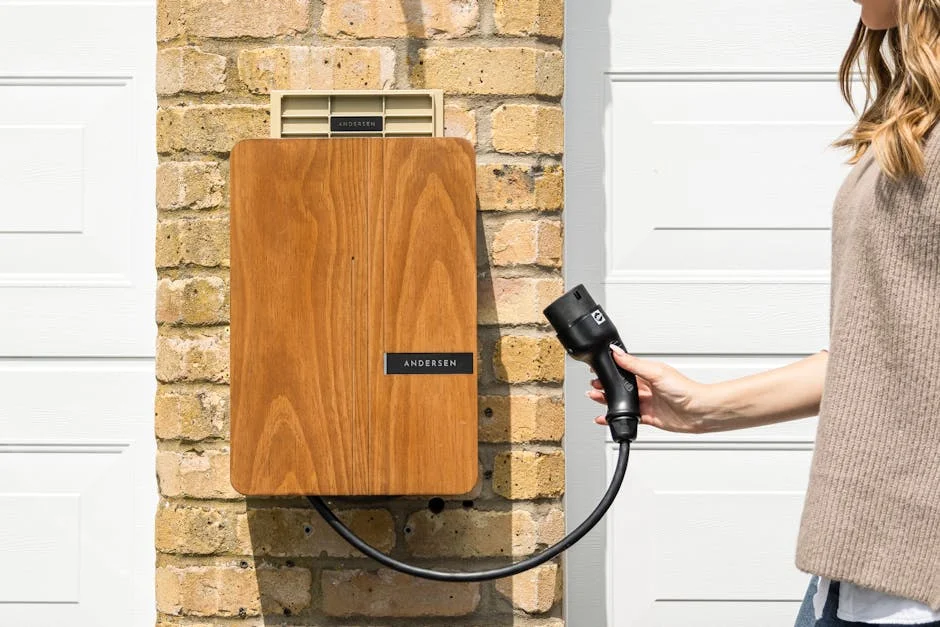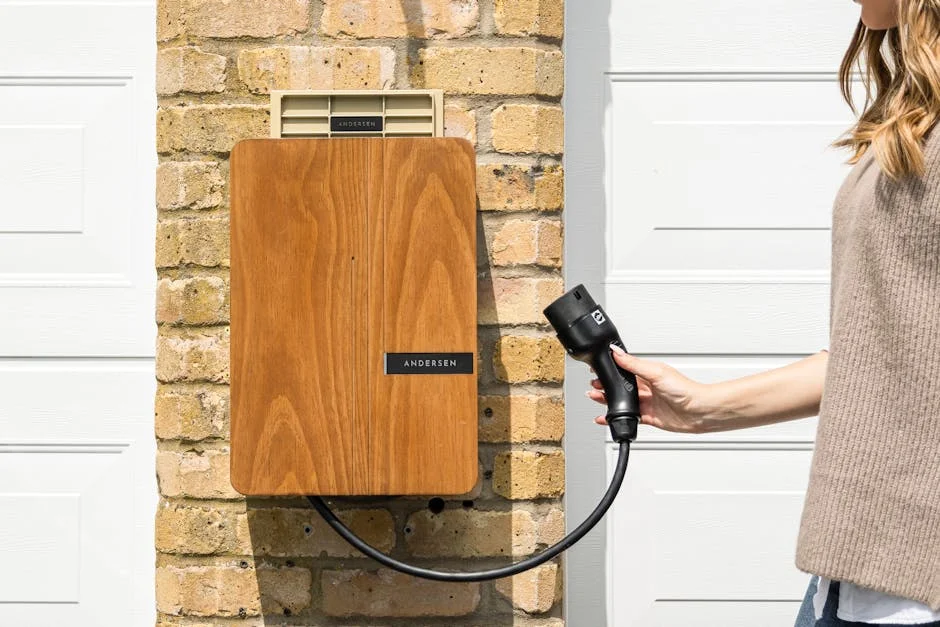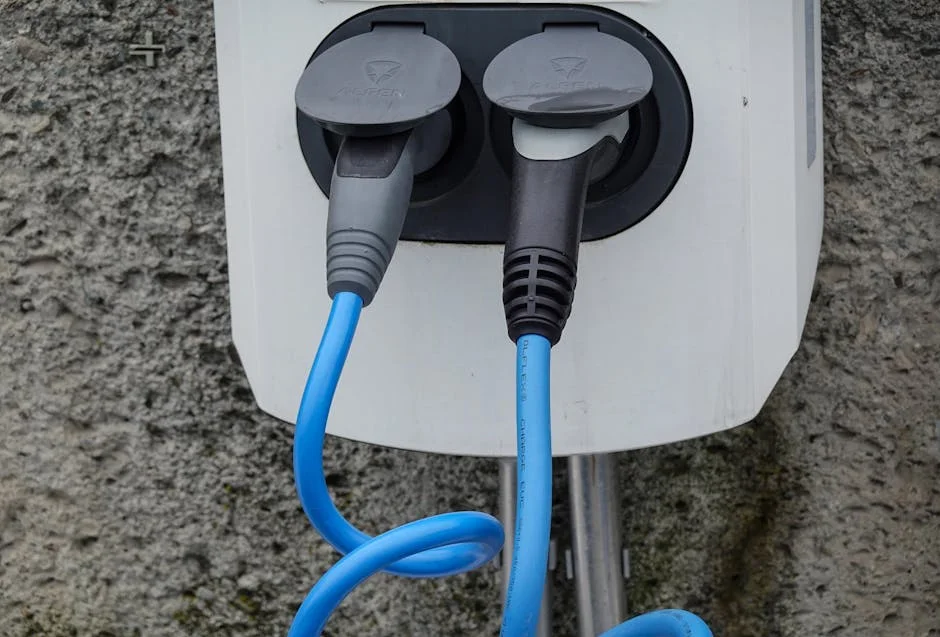
A portable EV charger is a compact, travel-ready charging device designed to supply electricity to an electric vehicle wherever a compatible outlet is available. Unlike fixed wall-mounted stations, it’s built to move with the driver—stored in the trunk, carried between locations, or kept at a second property for occasional use. Most units are technically “EVSE” (Electric Vehicle Supply Equipment), meaning they don’t generate power; they manage the safe delivery of power from an outlet to the car by controlling current, monitoring temperature, and shutting down if something goes wrong. This distinction matters because the safety and intelligence features in a portable EV charger are often what separates a dependable product from a risky cable with a plug. When shopping, it helps to think of portability as a combination of size, weight, cable length, plug options, and environmental resistance, not simply whether the device can be picked up and moved.
Table of Contents
- My Personal Experience
- Understanding What a Portable EV Charger Really Is
- Portable EV Charger vs. Fixed Home Charging: Practical Differences
- Charging Levels and What They Mean for Portable Use
- Connector Types and Vehicle Compatibility
- Power, Amperage, and Real-World Charging Speed
- Outlet Types, Adapters, and Travel Flexibility
- Safety Features That Matter More Than Marketing Claims
- Durability, Cable Quality, and Daily Handling
- Expert Insight
- Smart Features: Useful Tools or Unnecessary Complexity?
- Choosing the Right Portable EV Charger for Your Lifestyle
- Best Practices for Daily Use, Storage, and Charging Etiquette
- Cost, Efficiency, and Long-Term Value of Portable Charging
- Common Mistakes to Avoid When Using a Portable EV Charger
- Planning for Emergencies and Road Trips with Portable Charging
- Final Thoughts: Making Portable Charging a Confident Habit
- Watch the demonstration video
- Frequently Asked Questions
- Trusted External Sources
My Personal Experience
I bought a portable EV charger after getting caught out on a weekend trip when the only public station in town was down. Now I keep it in the trunk with a heavy-duty extension cord, and it’s saved me more than once—especially at friends’ houses where I can plug into a regular outlet overnight. It’s not fast like a Level 2 charger, but waking up to an extra 30–40 miles of range is enough to get me to a proper station without stressing. The first time I used it I was surprised how warm the plug got, so I started checking the outlet and keeping the cable uncoiled for airflow. It’s one of those purchases I didn’t think I’d use much, but it’s become my go-to backup for peace of mind.
Understanding What a Portable EV Charger Really Is
A portable EV charger is a compact, travel-ready charging device designed to supply electricity to an electric vehicle wherever a compatible outlet is available. Unlike fixed wall-mounted stations, it’s built to move with the driver—stored in the trunk, carried between locations, or kept at a second property for occasional use. Most units are technically “EVSE” (Electric Vehicle Supply Equipment), meaning they don’t generate power; they manage the safe delivery of power from an outlet to the car by controlling current, monitoring temperature, and shutting down if something goes wrong. This distinction matters because the safety and intelligence features in a portable EV charger are often what separates a dependable product from a risky cable with a plug. When shopping, it helps to think of portability as a combination of size, weight, cable length, plug options, and environmental resistance, not simply whether the device can be picked up and moved.

Drivers choose a portable EV charger for different reasons, but the common theme is flexibility. Someone who rents an apartment may not be allowed to install a wall charger, yet they can still add meaningful range overnight from a standard outlet. Another driver might have a fixed Level 2 station at home but wants a backup for road trips, work sites, or family visits. In areas where public charging is sparse or unreliable, a portable EV charger can feel like an insurance policy—especially when paired with adapters for different outlet types. A well-designed unit also reduces anxiety during unusual situations: staying at a vacation rental with only a dryer outlet, parking at a friend’s garage, or charging at a campground pedestal. Portability doesn’t eliminate the need for planning, but it widens the number of places where charging is possible, and that expanded access can be the difference between a smooth trip and a stressful one.
Portable EV Charger vs. Fixed Home Charging: Practical Differences
A portable EV charger and a wall-mounted home station often share the same job—charging the car safely—but they differ in how they fit into daily life. A fixed station is typically installed on a dedicated circuit, optimized for speed and convenience, and designed to live outdoors or in a garage year-round. It can be hardwired or plug-in, sometimes with smart features that integrate with utility rates or solar production. By contrast, a portable EV charger is meant to be unplugged, coiled, and carried, so it usually prioritizes versatility over a clean, permanent look. Many portable units still offer advanced controls and robust weather protection, but their primary advantage is the ability to use them across multiple locations without an electrician visit each time. For drivers who move frequently, split time between homes, or rely on workplace outlets, portability can be more valuable than a sleek installation.
Charging performance is another key difference. A fixed Level 2 station commonly delivers 32 to 48 amps (and sometimes more), which can add a substantial amount of range per hour depending on the vehicle and circuit capacity. A portable EV charger can also be Level 2 and reach similar current, but the ceiling is often limited by the plug type and the outlet you can access. Many portable models are adjustable, letting you dial down current for older wiring or shared circuits. That adjustability is useful, but it also requires the driver to understand what the outlet can safely supply. In practice, the best setup for many owners is a combination: a fixed station for routine overnight charging and a portable EV charger as a backup and travel companion. This pairing covers everyday convenience while also preparing for unexpected detours, power outages at home, or charging needs at destinations where infrastructure is uncertain.
Charging Levels and What They Mean for Portable Use
Understanding charging levels helps set realistic expectations for a portable EV charger. “Level 1” generally means charging from a standard household outlet, typically 120V in North America. It’s the slowest option, but it’s also the most widely available. Many vehicles include a basic cord set for Level 1, and a portable EV charger that supports 120V can be a simple, affordable way to top up. The tradeoff is time: Level 1 often adds only a modest number of miles of range per hour. For drivers with short commutes, that can still be enough, especially if the car is plugged in for long periods overnight. For heavier daily driving, Level 1 may feel limiting, but it remains valuable as an emergency or travel solution because almost any building has a standard outlet somewhere.
“Level 2” charging uses higher voltage—commonly 240V in North America—and can dramatically increase charging speed. A portable EV charger that supports Level 2 is popular for people who want faster overnight charging without committing to a permanently mounted station. The catch is that 240V outlets vary widely: dryer outlets, RV receptacles, workshop plugs, and dedicated EV circuits can all look different and support different amperage. This is why many portable models focus on interchangeable plugs or adapter kits and provide adjustable current settings. It’s also why a driver should never assume an outlet can handle maximum current just because it’s 240V. When used correctly, a Level 2 portable EV charger can provide a strong balance of speed and mobility, making it practical for road trips, remote stays, and shared parking situations where installing a fixed unit isn’t feasible.
Connector Types and Vehicle Compatibility
Compatibility is central to choosing a portable EV charger because the connector at the vehicle end must match your car’s charging port. Many vehicles in North America use the J1772 connector for Level 1 and Level 2 AC charging, while Tesla vehicles use a proprietary connector but can charge from J1772 with an adapter. In other regions, Type 2 (Mennekes) is common. It’s important to separate AC charging connectors from DC fast-charging standards like CCS or CHAdeMO; a portable EV charger is typically an AC device and will not replace a DC fast charger. When a product listing emphasizes “fast charging,” it often means Level 2 AC, not high-power DC. Confirming the connector type prevents frustration and reduces the risk of buying a unit that requires additional adapters or doesn’t work at all.
Another compatibility layer involves how the portable EV charger communicates with the vehicle. Modern EVs and plug-in hybrids rely on standardized signaling so the car and charger agree on maximum current, ground integrity, and safe start/stop behavior. A reputable portable unit will follow the relevant standards and include safety functions such as ground-fault protection, overcurrent safeguards, and temperature monitoring. Cable length and flexibility also matter for real-world compatibility: a cable that is too short can make certain parking arrangements impossible, while a cable that is too stiff in cold weather can be annoying to coil and store. Some drivers also need a charger that supports multiple vehicles in the household. In that case, choosing a portable EV charger with the most broadly compatible connector and a robust build can make it a shared tool rather than a single-car accessory.
Power, Amperage, and Real-World Charging Speed
Charging speed with a portable EV charger depends on voltage, amperage, and the vehicle’s onboard charger capacity. A common misconception is that buying a higher-amp portable unit automatically results in the fastest possible charging. In reality, the car may limit how much AC power it can accept. For example, if an EV’s onboard charger tops out at 32 amps on 240V, a 40-amp portable EV charger won’t necessarily charge faster, though it may provide headroom for other vehicles or future upgrades. Likewise, if you’re plugged into a 120V outlet, the charger’s maximum rating doesn’t matter as much because the outlet and circuit limit the current. Understanding your vehicle’s onboard charger specs and matching them to realistic outlet options is the most effective way to select a unit that feels fast in daily use.

Amperage also ties directly to electrical safety and heat management. Higher current means more heat at connection points, especially if an outlet is worn, loose, or not designed for continuous high load. A quality portable EV charger often includes a temperature sensor in the plug head or control box to reduce current or shut down if it detects overheating. Adjustable current is a practical advantage because it lets you charge safely on circuits that may not support the maximum. Real-world speed is also influenced by ambient temperature and battery conditioning; in very cold conditions, the vehicle may use energy to warm the battery, reducing net charging gains. When evaluating speed, consider how many miles you need to add overnight or during a typical stop. Many drivers find that consistent, safe charging is more valuable than chasing the absolute highest amperage, especially when the unit will be used in varied locations with uncertain electrical conditions.
Outlet Types, Adapters, and Travel Flexibility
The promise of a portable EV charger is that you can charge in more places, but the details depend heavily on outlet availability. Standard household outlets are common, but they may be shared with other loads and may be located far from where a car can park. For Level 2 charging, outlets like NEMA 14-50 (often found at RV parks), NEMA 14-30 (common for dryers), or NEMA 6-50 (workshops) can provide faster charging, but each has different wiring and amperage assumptions. A portable EV charger that supports interchangeable plugs can be especially useful for travel, allowing you to match the charger to the outlet rather than relying on questionable third-party adapters. However, adapters must be used responsibly; an adapter does not magically increase what a circuit can safely provide. The charger’s current setting should always be matched to the circuit rating, and continuous loads should be treated conservatively.
For drivers who travel frequently, outlet planning can become part of trip preparation. Campgrounds, rural properties, and some hotels offer 240V receptacles that can be ideal for overnight charging when public stations are limited. A portable EV charger with a long cable, a durable carrying case, and clear current controls makes these stops easier. It also helps to look for units with plug strain relief and sturdy blades, as frequent plugging and unplugging can wear down weaker designs. Some travelers prefer a charger that can run on both 120V and 240V with the same control box, simplifying packing. Others prioritize a compact unit that fits neatly under a trunk floor. The best approach is to think through the outlets you realistically encounter—at home, at work, and on common routes—and choose a portable EV charger and adapter set that covers those scenarios without encouraging unsafe improvisation.
Safety Features That Matter More Than Marketing Claims
Safety is not an optional upgrade for a portable EV charger; it’s the core function that makes portable charging viable. Because the device may be used on outlets of varying quality, it should include strong protections against ground faults, overcurrent conditions, and overheating. Ground-fault protection is especially important because charging involves sustained current flow and exposure to outdoor environments. A reputable portable EV charger typically monitors for leakage current and disconnects power quickly if it detects a fault. Look for clear indications of compliance with recognized safety standards and for product documentation that explains protection features in plain language. While branding can be persuasive, the most meaningful signals of safety are transparent certifications, clear electrical ratings, and consistent build quality in the plug, cable, and enclosure.
Temperature management is another safety factor with real-world impact. Outlets can overheat due to loose contacts, corrosion, or inadequate wiring, and the plug head is where heat often concentrates. A portable EV charger with plug temperature sensing can reduce current or stop charging before damage occurs. Weather resistance also matters; if a unit is used outdoors, the enclosure and cable should tolerate rain, dust, and UV exposure. Even when a charger is labeled weather-resistant, smart handling practices still apply: keep connections off the ground where water can pool, avoid running cables across sharp edges, and use outlets that are in good condition. Finally, consider usability as a safety feature. A charger with a clear display or indicator lights makes it easier to confirm voltage, current, and fault status, reducing guesswork. A portable EV charger should make safe behavior easy and unsafe behavior inconvenient.
Durability, Cable Quality, and Daily Handling
Portability means frequent handling, and frequent handling is where many charging accessories fail. A portable EV charger is repeatedly coiled, uncoiled, packed, and sometimes dragged across concrete or gravel. Cable quality becomes critical: a thicker, well-insulated cable is generally more durable and can run cooler under load, but it may be heavier and less flexible in cold weather. A thinner cable may be easy to store yet more prone to heat buildup or wear. The ideal balance depends on how you plan to use the device. If it will live in the trunk for emergencies, compactness may matter most. If it will be your primary home charging method, a tougher cable and a more substantial control box might be worth the extra bulk because it will see daily use for years.
Expert Insight
Match your portable EV charger to the outlets you’ll actually use: confirm the charger’s plug type (e.g., NEMA 5-15, 14-50) and your vehicle’s maximum AC charging rate, then choose the highest safe amperage your circuit can support. Keep a small adapter kit and a heavy-duty, outdoor-rated extension cord only if the charger manufacturer explicitly allows it.
Make charging reliable on the road by prioritizing safety features and routine checks: look for UL/ETL certification, adjustable current, and built-in temperature and ground-fault protection. Before each trip, inspect the cable and connectors for heat damage, keep the control box off wet ground, and set a lower amperage when using older outlets to prevent nuisance trips or overheating. If you’re looking for portable ev charger, this is your best choice.
Connector and strain-relief design also influence longevity. The handle should feel solid, the latch should engage positively, and the plug blades should not wobble. Strain relief at both ends of the cable helps prevent internal conductor damage when the cable is bent or pulled. Storage is part of durability too. A portable EV charger that comes with a case or offers a neat way to wrap the cable reduces tangles and prevents the connector from being crushed under cargo. If you charge outdoors, consider how the unit will be hung or placed; dangling a control box by its cable can stress the wiring over time. Some drivers add a simple hook or bracket at home even for a portable unit, creating a semi-permanent routine while keeping the option to travel. Treating the charger as a piece of electrical equipment rather than a generic accessory is the best way to keep it reliable.
Smart Features: Useful Tools or Unnecessary Complexity?
Smart features in a portable EV charger range from basic displays to app-based control, scheduling, and energy tracking. For some drivers, these features are genuinely helpful. A screen that shows voltage and amperage can confirm that an outlet is delivering what you expect. Scheduled charging can align with off-peak electricity rates, which is valuable even without a fixed station. Energy tracking can help estimate charging costs and monitor efficiency over time, especially for drivers who reimburse charging at work or track expenses for business use. Some portable units include adjustable current settings that can be changed on the device, which is convenient when moving between outlets with different limits. In these cases, “smart” doesn’t mean complicated; it means informative and adaptable.
| Feature | Portable EV Charger | Wall-Mounted Home Charger | Public Charging Station |
|---|---|---|---|
| Best for | Travel, emergencies, multi-location charging | Daily at-home charging with a dedicated setup | Charging on the go when away from home |
| Power & speed | Typically Level 1/Level 2; moderate speeds depending on outlet | Usually Level 2; faster, consistent output | Ranges from Level 2 to DC fast; often the fastest option |
| Setup & portability | Plug-and-play; highly portable, minimal installation | Requires installation; not portable | No setup at home; depends on station availability and apps/payment |

However, not every smart feature is worth paying for, and complexity can become a drawback when traveling. App connectivity may require pairing, firmware updates, and stable phone access—none of which are guaranteed on the road. If the charger depends on an app to change basic settings, it can be frustrating in low-signal areas. A balanced approach is to prioritize features that improve safety and clarity, such as fault codes, temperature warnings, and adjustable current that works without a phone. If you do want app control, look for a portable EV charger that still functions normally without the app and that has a good reputation for stable software. Smart features should support flexible charging, not make it harder. In practice, many drivers find that a reliable unit with clear on-device controls is more valuable than a long list of connectivity features, especially when the charger is meant to be a dependable travel companion.
Choosing the Right Portable EV Charger for Your Lifestyle
Selecting the right portable EV charger starts with an honest look at how and where you charge. If you mostly charge at home using a standard outlet, a dual-voltage unit that can handle 120V today and 240V later may provide the best long-term value. If you routinely stay at places with dryer outlets or RV receptacles, prioritize a model with interchangeable plugs, clear current selection, and a cable long enough to reach from the outlet to the car without unsafe stretching. Drivers who live in colder climates may want a cable known for flexibility in low temperatures and a rugged enclosure. If the charger will be used outdoors often, weather resistance and a design that keeps connections protected from rain become more important than a slim profile. A portable EV charger is only “portable” if you actually want to carry it, so size, weight, and storage convenience should be part of the decision.
Budget matters, but value is more than the lowest price. A cheaper unit without clear certifications, without strong temperature protection, or with a flimsy cable can become expensive if it fails or creates electrical issues. It’s also worth considering whether you need maximum amperage. Many drivers do well with moderate current because it matches common outlets and reduces heat stress. If you own multiple EVs or plan to upgrade vehicles, buying a portable EV charger that can meet future needs can reduce replacement costs. Also consider warranty and support; a portable device sees more wear than a fixed station, so responsive customer service is meaningful. Finally, think about redundancy. Some owners keep one unit in the car and another at home, while others use one charger for everything. The best choice is the one that fits your routine and reduces friction, because a charger that’s easy to use is more likely to be used consistently.
Best Practices for Daily Use, Storage, and Charging Etiquette
Daily use of a portable EV charger is straightforward, but small habits can significantly improve safety and reliability. Start by inspecting the outlet and plug area before charging. If the receptacle is cracked, loose, discolored, or feels hot after a short time, it’s a sign that something is wrong. Plug the charger in firmly, avoid using extension cords unless the manufacturer explicitly allows it, and keep the control box and connectors away from standing water. Set the current appropriately for the circuit, especially when charging at older homes or shared locations. Coil the cable gently when finished; tight bends near the connector can stress the conductors. If you’re charging outdoors, consider elevating the connection point and routing the cable to avoid tripping hazards. A portable EV charger is designed for mobility, but it still benefits from careful handling like any high-current electrical device.
Storage also affects performance. Many drivers leave the charger in the trunk year-round, exposing it to heat in summer and cold in winter. A well-built unit should tolerate temperature swings, but it’s still wise to store it in a protective case and avoid crushing it under heavy cargo. If the charger is wet, let it dry before sealing it in a case to reduce corrosion risk. Etiquette matters when charging at shared locations. If you’re using a workplace outlet, confirm permission and avoid overloading circuits shared with critical equipment. At a friend’s house, communicate about expected energy use and offer to compensate if appropriate. At campgrounds or rentals, follow posted electrical rules and don’t assume every outlet is suitable for continuous high load. These habits build trust and keep access open for future charging. Most importantly, consistency reduces stress: when you always pack, store, and operate your portable EV charger the same careful way, it becomes a dependable part of your driving routine rather than a last-minute scramble.
Cost, Efficiency, and Long-Term Value of Portable Charging
The cost of using a portable EV charger depends on electricity rates, charging speed, and how often you rely on it. From an energy standpoint, charging at home or at a destination outlet is often less expensive than public fast charging, though it varies by region and provider. A portable unit can help you take advantage of lower-cost electricity when traveling—such as overnight rates at a rental property—rather than paying premium prices at busy stations. Efficiency is influenced by charging level and conditions; Level 2 charging is often more efficient than Level 1 because it reduces the time the car’s systems are awake and can deliver energy more effectively. Still, Level 1 can be perfectly adequate when time is plentiful. The practical question is not only “How fast can it charge?” but “How predictably can it keep the battery where I need it?” A portable EV charger earns its value when it prevents inconvenient detours and reduces reliance on expensive charging stops.
Long-term value also includes durability and adaptability. A portable EV charger that supports multiple outlet types and adjustable current can remain useful even as you change homes, jobs, or vehicles. If you move from an apartment to a house with a 240V circuit, the same unit may transition from occasional to primary use. If you buy a second EV, the charger may serve as a shared backup. Another value factor is risk reduction. Having a reliable portable option can make EV ownership more comfortable in regions with fewer public chargers, potentially allowing you to choose routes and destinations that you might otherwise avoid. When evaluating price, consider what you’re getting: robust safety features, strong cable construction, meaningful certifications, and a warranty that reflects confidence in the product. A portable EV charger is not just a convenience; for many drivers it’s a resilience tool that helps ensure the vehicle remains usable under changing circumstances.
Common Mistakes to Avoid When Using a Portable EV Charger
One of the most common mistakes with a portable EV charger is assuming any outlet is safe for continuous high-current charging. Many household circuits were not designed with hours-long continuous loads in mind, and some outlets are worn from years of use. Plugging into a loose receptacle can cause overheating, especially at higher current settings. Another frequent error is using low-quality adapters or stacking adapters to fit an outlet. Adapters should be purpose-built, properly rated, and used with current settings that respect the circuit. Similarly, extension cords are a recurring problem. Even heavy-duty cords can introduce voltage drop and heat, and many manufacturers advise against them. If an extension is absolutely necessary, it must be appropriately rated for the current and length, but the safest approach is to avoid it and instead park closer or use a longer, manufacturer-provided cable option.

Other mistakes are more subtle. Some drivers coil excess cable tightly while charging, which can trap heat. It’s better to lay the cable out in a relaxed run when possible. Another issue is ignoring early warning signs: a plug that feels warm, a charger that frequently reduces current, or a burnt smell near the outlet. These are signals to stop and investigate rather than pushing through. Also, avoid leaving the connector in dirt or snow where debris can enter and interfere with proper contact. If your portable EV charger includes adjustable current, don’t default to the highest setting everywhere; select a setting that matches the outlet and wiring quality. Finally, don’t treat portability as permission to charge anywhere without permission. Using outlets at public buildings or shared facilities without authorization can create conflict and lead to restrictions that affect other EV drivers. Careful, respectful use protects both your equipment and the broader charging ecosystem, and it keeps your portable EV charger ready for the moments you truly need it.
Planning for Emergencies and Road Trips with Portable Charging
A portable EV charger can be a practical part of emergency planning, especially for drivers who travel through areas with limited charging infrastructure. On a road trip, it can serve as a fallback when a station is out of service, blocked, or incompatible. It can also help when weather or traffic changes your route and reduces your buffer. The key is to treat portable charging as a tool that expands options, not as a guarantee that power will always be available. Before leaving, consider the types of outlets you might encounter at destinations—family homes, rental cabins, campgrounds, or workplaces—and pack the appropriate plugs or adapters. Also consider cable length and where you expect to park. A portable EV charger is most useful when it can reach an outlet without creating a hazard or relying on improvised solutions.
In emergencies closer to home—such as a power outage, a failed wall charger, or an unexpected need to charge away from your usual routine—having a portable unit can keep you mobile. Some drivers keep their portable EV charger in the vehicle at all times, while others store it near the door with travel items. If you anticipate using it during storms or harsh conditions, choose a rugged model and practice setting it up safely in the rain, including keeping connections elevated and protected. It also helps to know your local resources: community centers, RV parks, marinas, and fairgrounds sometimes have suitable outlets, and having a portable EV charger can make those options viable when public charging is overwhelmed. With thoughtful planning, portable charging becomes less about desperation and more about resilience, giving you a calm, repeatable way to add energy when circumstances don’t match your usual charging plan.
Final Thoughts: Making Portable Charging a Confident Habit
Building confidence with a portable EV charger comes from matching the equipment to your real needs and using it with consistent, safe routines. The best unit is the one that fits your vehicle connector, works with the outlets you actually have access to, and provides the protections that matter when conditions are unpredictable. Pay attention to amperage settings, outlet quality, and cable handling, and prioritize durability and verified safety features over flashy claims. Over time, portable charging can become as routine as plugging in a phone—especially when you keep your gear organized and ready, and when you choose a model that is easy to operate without extra steps or unreliable connectivity.
A portable EV charger also supports a broader sense of freedom in EV ownership. It can reduce dependence on crowded stations, make overnight charging possible at destinations, and provide a backup when plans change. That combination of flexibility and preparedness is what many drivers value most, and it’s why a portable EV charger remains one of the most practical accessories to keep on hand for daily life, travel, and the unexpected.
Watch the demonstration video
In this video, you’ll learn how a portable EV charger works, what charging speeds to expect, and which features matter most—like plug types, amperage settings, safety protections, and cable length. We’ll also cover how to choose the right charger for home, travel, or emergencies, plus tips for safe, reliable charging anywhere.
Summary
In summary, “portable ev charger” is a crucial topic that deserves thoughtful consideration. We hope this article has provided you with a comprehensive understanding to help you make better decisions.
Frequently Asked Questions
What is a portable EV charger?
A portable EV charger is a compact charging cable/device you can carry and plug into available outlets to recharge an electric vehicle away from a fixed home charger.
How fast does a portable EV charger charge?
Charging speed depends on the outlet and charger rating: Level 1 (120V) is typically slow, while Level 2 (240V) is much faster if you have access to a compatible outlet. If you’re looking for portable ev charger, this is your best choice.
Will a portable EV charger work with my car?
It will—as long as the connector fits your vehicle (many EVs use J1772, while Tesla models typically need an adapter) and the **portable ev charger** supports the right power level and charging standards for your car.
What outlets can a portable EV charger plug into?
Many units work with standard 120V household outlets, and some can also run on 240V outlets when paired with the right plug or adapter. With any **portable ev charger**, be sure to verify the outlet type and the circuit’s capacity before plugging in.
Is it safe to use a portable EV charger every day?
Yes if it’s a certified unit (e.g., UL/ETL), used on a properly wired dedicated circuit, and the plug/outlet isn’t worn or overheating; avoid extension cords unless explicitly approved by the manufacturer. If you’re looking for portable ev charger, this is your best choice.
What features should I look for in a portable EV charger?
When choosing a **portable ev charger**, prioritize safety-certified models with adjustable amperage, solid weather resistance, and built-in temperature and ground-fault protection. Make sure the cable is long enough for your parking setup, and confirm it matches your vehicle’s connector and the outlets you’ll actually be using.
? Looking for more info about portable ev charger? Follow Our Site for updates and tips!

Trusted External Sources
- Portable Ev Charger “power bank” : r/electricvehicles – Reddit
Jun 27, 2026 … There are portable batteries, but they will at most provide 2-3kWh and weight 20-30kg. Not something you would want to lug about on a daily basis. If you’re looking for portable ev charger, this is your best choice.
- Lectron Portable Level 2 J1772 EV Charger | 240V | 40 Amp
Charge your J1772 EVs quickly and effortlessly with this Level 2 charger. Get up to 240V and 9.6 kW of input power and a 40A charging rate for fast charging at … If you’re looking for portable ev charger, this is your best choice.
- What do you think about portable EV chargers? : r/evcharging – Reddit
Sep 4, 2026 … I love it because it does everything I need a home charger to do. It’s mounted on the side of the house but easily slides out of the mount and … If you’re looking for portable ev charger, this is your best choice.
- Roadie Portable: World’s First Mobile EV Charger – SparkCharge
A **portable ev charger** gives businesses a flexible, customizable, and fast EV charging solution—making it easy to power vehicles wherever it’s needed without committing to a fixed installation.
- Lectron Portable Level 1 J1772 EV Charger | 120V | 15 Amp
Lectron Level 1 EV charger 15A/1.8 kW, WiFi/app-enabled,. ortable J1772 EV Charger by Lectron …