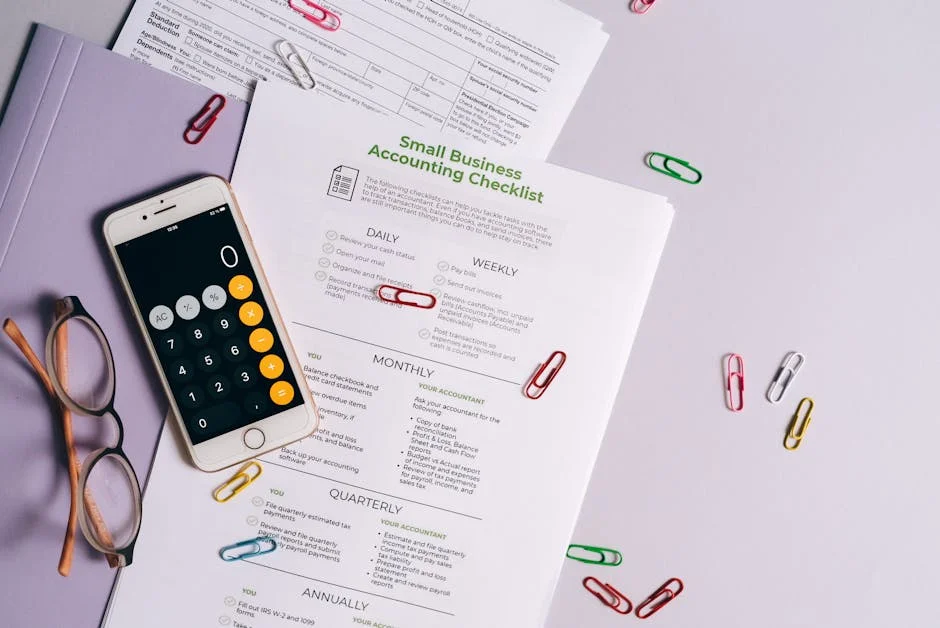
Free business accounting software has become a practical starting point for companies that want better financial visibility without committing to a monthly subscription on day one. Many small organizations operate with tight margins, unpredictable cash flow, and limited administrative time, so the idea of paying for a tool before knowing whether it fits can feel risky. A no-cost accounting platform lowers that barrier and helps owners adopt consistent bookkeeping habits earlier, which can reduce errors that often happen when finances are tracked in scattered spreadsheets or in a shoebox of receipts. When transactions are captured regularly and categorized consistently, financial statements become more reliable, and that reliability supports smarter decisions about pricing, staffing, inventory purchasing, and marketing spend. Even when a business later upgrades to a paid plan, the early discipline created by a free accounting system can pay dividends through cleaner records and fewer surprises at tax time.
Table of Contents
- My Personal Experience
- Why Free Business Accounting Software Matters for Modern Companies
- Core Features to Look for in a No-Cost Accounting Platform
- Types of Free Accounting Tools and Which Businesses They Fit
- Free vs Paid Accounting Software: Real Differences That Affect Outcomes
- Setting Up Your Chart of Accounts for Clean Books from Day One
- Invoicing and Accounts Receivable: Getting Paid Faster with Free Tools
- Expense Tracking and Receipt Management Without Paying a Subscription
- Bank Reconciliation and Cash Flow Monitoring on a Free Plan
- Expert Insight
- Integrations, Add-Ons, and Workarounds to Extend Free Accounting Software
- Security, Privacy, and Data Ownership Considerations for Free Tools
- How to Choose the Best Free Option for Your Industry and Growth Plans
- Common Mistakes to Avoid When Relying on Free Accounting Software
- Building a Sustainable Routine: Monthly Close and Year-End Readiness
- Conclusion: Making Free Accounting Work as a Serious Business System
- Watch the demonstration video
- Frequently Asked Questions
- Trusted External Sources
My Personal Experience
When I started freelancing, I tracked everything in a messy spreadsheet and kept receipts in a shoebox, which worked until tax season hit and I realized I couldn’t clearly separate business expenses from personal ones. I didn’t want to pay for a subscription yet, so I tried a couple of free business accounting software options and settled on one that let me invoice clients, categorize transactions, and export basic reports without a steep learning curve. The biggest relief was seeing my cash flow in one place and not guessing whether I could afford new equipment. It wasn’t perfect—some features were locked behind upgrades and I still had to double-check categories—but it saved me hours each month and made my first year of filing taxes way less stressful.
Why Free Business Accounting Software Matters for Modern Companies
Free business accounting software has become a practical starting point for companies that want better financial visibility without committing to a monthly subscription on day one. Many small organizations operate with tight margins, unpredictable cash flow, and limited administrative time, so the idea of paying for a tool before knowing whether it fits can feel risky. A no-cost accounting platform lowers that barrier and helps owners adopt consistent bookkeeping habits earlier, which can reduce errors that often happen when finances are tracked in scattered spreadsheets or in a shoebox of receipts. When transactions are captured regularly and categorized consistently, financial statements become more reliable, and that reliability supports smarter decisions about pricing, staffing, inventory purchasing, and marketing spend. Even when a business later upgrades to a paid plan, the early discipline created by a free accounting system can pay dividends through cleaner records and fewer surprises at tax time.

There’s also a competitive angle: the speed of modern commerce means businesses are expected to respond quickly to opportunities and risks, and financial data is a key input to that responsiveness. Free business accounting software can centralize invoicing, expense tracking, and basic reporting so the owner isn’t guessing whether last month was profitable or whether a client is overdue. For service businesses, timely invoices and clear payment status can be the difference between stable cash flow and a stressful scramble to cover payroll. For product-based companies, the ability to see cost of goods sold trends and vendor spending patterns can reveal where margins are shrinking. While free tools may have limitations—such as caps on invoices, users, or integrations—they can still provide structure and visibility that’s far better than ad-hoc methods. The key is choosing a solution that matches the business model and being realistic about when an upgrade might be necessary.
Core Features to Look for in a No-Cost Accounting Platform
When evaluating free business accounting software, it helps to focus on the fundamentals that keep books accurate and make daily operations easier. At the top of the list is transaction organization: the ability to record income and expenses, assign categories, and attach notes or receipts. Even if the platform doesn’t connect directly to a bank account, it should allow quick entry and consistent categorization so reports are meaningful. Invoicing is another essential feature for many companies. A good free accounting tool should allow customizable invoices, include payment terms, support basic client management, and provide a clear view of outstanding balances. If the software can send automated reminders or track invoice status (sent, viewed, paid), that’s a strong advantage even in a free tier. Reporting matters as well; at minimum, look for profit and loss reporting, expense summaries, and accounts receivable aging so you know who owes you money and for how long.
Usability often determines whether the software becomes a daily habit or a neglected dashboard. A clean interface, logical workflows, and mobile access can be more valuable than a long list of features. Consider whether the system supports multiple currencies if you sell internationally, whether it handles sales tax or VAT in a way that matches your region, and whether it can export data to CSV for a smoother transition later. Another overlooked feature is auditability: you want to be able to see when entries were created or edited and by whom, especially if multiple people touch the books. Even with free business accounting software, basic user permissions can prevent accidental changes. Finally, consider data ownership and portability. If the company behind the tool changes its pricing model or discontinues the free plan, you’ll want easy exports of contacts, invoices, and transactions. A free accounting solution is most helpful when it supports both day-to-day work and long-term control over your financial records.
Types of Free Accounting Tools and Which Businesses They Fit
Free business accounting software comes in several forms, and the right category depends on how your company earns revenue and how complex your operations are. Some tools are built primarily for invoicing and receivables, making them a strong match for freelancers, consultants, agencies, and tradespeople who need to bill clients regularly. These platforms tend to emphasize invoice templates, client lists, payment tracking, and basic income reporting. Another category focuses on expense tracking and bookkeeping fundamentals, which can be better for businesses that have frequent vendor purchases, recurring operating expenses, and a need to monitor spending by category. These systems may offer simple ledgers, receipt capture, and basic statements. A third category includes open-source accounting software, which can be installed on your own server and customized. Open-source options can be powerful for technically capable teams, but they often require more setup, maintenance, and security awareness than a typical cloud product.
There are also “free tiers” of broader accounting platforms that are designed to upsell advanced features later. These can be attractive because they often provide a polished experience, strong support resources, and integrations with payment processors or e-commerce platforms. However, the free plan may limit the number of invoices, clients, users, or connected accounts, which can create friction as the business grows. Choosing among these types starts with a clear view of your workflows. If you mostly send invoices and want to get paid faster, prioritize invoicing and payment tracking. If you need to understand profitability, focus on tools that support consistent categorization and offer reliable profit and loss reporting. If you’re building a more customized stack and have IT resources, open-source may provide flexibility and long-term cost control. In every case, free business accounting software should match the reality of your operations, not an idealized future state. The most practical choice is the one that keeps your books updated weekly with minimal effort.
Free vs Paid Accounting Software: Real Differences That Affect Outcomes
Free business accounting software can be surprisingly capable, but it’s important to understand what typically separates free offerings from paid subscriptions so you can avoid hidden costs in time, risk, or missed insights. Paid products often include automated bank feeds, advanced reconciliation tools, and broader integrations. Those features reduce manual data entry and help ensure accuracy because transactions flow directly from financial institutions into your ledger. Free tools may require manual imports or manual entry, which can still work well if transaction volume is modest and the business has disciplined routines. Another common difference is support: paid plans typically provide faster customer support, onboarding, and sometimes dedicated account help. With free accounting options, support may be limited to community forums, knowledge bases, or slower email responses, which can matter when you run into an urgent issue before payroll or tax filing deadlines.
Reporting depth is another dividing line. Paid accounting platforms often offer customizable reports, project profitability, department tracking, inventory valuation methods, and robust tax handling. Free accounting tools may provide only basic summaries, which can be enough for early-stage companies but may become limiting when you need to understand margins by product line or track performance by location. User management also differs: paid plans frequently allow multiple users with permissions, while free tiers might be single-user. That becomes a challenge when an owner wants a bookkeeper, assistant, or accountant to collaborate. Security and compliance features can be stronger in paid plans as well, including audit logs, advanced access controls, and certifications. Still, free business accounting software can be the right choice when the goal is to establish consistent bookkeeping, reduce invoice chaos, and gain basic financial clarity. The best approach is to treat free software as a foundation: use it to build clean habits, then upgrade when the cost of limitations becomes higher than the cost of a subscription.
Setting Up Your Chart of Accounts for Clean Books from Day One
A common reason businesses struggle with bookkeeping is not the tool they choose but how they set it up. Free business accounting software can produce accurate reports only if the chart of accounts and categories reflect reality. Start with a simple, sensible structure: income accounts that match how you earn revenue, expense accounts that reflect your major spending buckets, and key balance sheet accounts like cash, accounts receivable, accounts payable, and owner’s equity. Overcomplicating the chart early can make categorization harder and lead to inconsistent posting. Many small businesses do well with a straightforward set of expenses such as advertising, software subscriptions, professional services, office supplies, travel, meals, vehicle expenses, rent, utilities, and bank fees. If you sell products, you’ll also need cost of goods sold categories and potentially inventory accounts, depending on how the software handles inventory. The goal is to create categories that are meaningful for decision-making and consistent for reporting.

Consistency is more valuable than perfection. If your team can’t decide whether a tool subscription is “software” or “office expenses,” pick one and stick with it. Over time, the patterns in your reports will become more reliable, and you can refine categories if needed. It’s also wise to separate owner-related spending from business expenses to keep financial statements clean and avoid confusion during tax preparation. Many free accounting platforms allow notes, tags, or memo fields; use them to record context for unusual transactions. If your free business accounting software supports attachments, store receipts and invoices directly with the transaction record so you don’t scramble later. Finally, align your chart of accounts with how your accountant or tax preparer expects to see data. Even if you’re not paying for bookkeeping help today, designing your setup to be accountant-friendly can save hours later. Clean structure early reduces rework and gives you trustworthy numbers when you need to make decisions quickly.
Invoicing and Accounts Receivable: Getting Paid Faster with Free Tools
Many businesses adopt free business accounting software primarily to improve invoicing and payment tracking. That makes sense because accounts receivable is often where cash flow problems start. A strong invoicing workflow begins with professional templates that include clear descriptions, quantities, rates, due dates, and payment terms. Even if your service is straightforward, detailed line items reduce disputes and speed up approval from clients who need documentation for their own accounting. Use consistent invoice numbering and maintain accurate customer contact information so invoices don’t get lost. If the software supports recurring invoices, set them up for retainer clients or subscription-like services. That reduces repetitive work and ensures invoices go out on time, which is one of the simplest ways to improve cash flow without changing pricing or adding new customers.
Payment tracking is just as important as sending invoices. Free accounting platforms often show whether an invoice is unpaid, partially paid, or paid, and some allow payment links through third-party processors. If payment links are available, the convenience can increase on-time payments because customers can pay immediately with a card or bank transfer. Reminders matter as well; even if reminders aren’t automated in your free plan, you can create a routine to follow up at specific intervals, such as three days before due date, on the due date, and one week after. Keep notes on communication in the client record so you can maintain a professional tone and avoid confusion. It also helps to establish a clear policy for late fees or service pauses, and reference that policy in your invoices. Free business accounting software can’t fix a weak collections process, but it can support a consistent system that makes it easier to see who owes you money and to follow up promptly and professionally.
Expense Tracking and Receipt Management Without Paying a Subscription
Expense tracking is where free business accounting software can deliver daily value, especially for owners who want to know where money is going without waiting until the end of the month. The most effective approach is to record expenses as close to the purchase as possible. If your tool includes mobile access, capture receipts immediately and add a short note about the business purpose. If mobile capture isn’t available, create a weekly habit: gather receipts, enter transactions, and attach digital copies if the platform allows it. Categorize spending consistently so your reports reflect reality. For example, keep advertising separate from software subscriptions so you can evaluate marketing efficiency and operational overhead independently. If you use contractors, track those payments in a dedicated category so you can understand labor costs and prepare for any required tax forms in your jurisdiction.
Another key practice is separating business and personal spending. Even the best free accounting tool becomes messy if transactions are mixed. Use a dedicated business bank account and business card whenever possible. If you must reimburse yourself for a business purchase made personally, record it properly as an owner contribution or reimbursement so the books remain clear. Some free business accounting software supports vendor lists, which can help you see how much you spend with each supplier and identify opportunities to negotiate better terms or consolidate purchases. Over time, accurate expense tracking makes budgeting more realistic. You can compare monthly spending to prior months, spot rising costs, and take action before a problem becomes severe. Although paid platforms may offer bank feeds and automated categorization, disciplined use of a free system can still create reliable financial data. The payoff is not only tax readiness but also the ability to make operational decisions with confidence rather than guesswork.
Bank Reconciliation and Cash Flow Monitoring on a Free Plan
Bank reconciliation is one of the most important controls in bookkeeping, and it’s possible to do it even when using free business accounting software. The goal is simple: ensure that the transactions recorded in your accounting system match the transactions that cleared your bank account. When you reconcile regularly—ideally monthly, sometimes weekly for higher volume—you catch missing entries, duplicated expenses, and miscategorized transactions. If your free accounting tool doesn’t support direct bank feeds, you can often export your bank statement as a CSV and import it, or reconcile manually against the statement. Manual reconciliation takes discipline, but it’s also a powerful way to learn your numbers and understand how cash moves through the business. It forces you to verify that every charge and deposit has a clear purpose and correct category.
| Option | Best for | Free plan highlights |
|---|---|---|
| Wave | Freelancers & very small businesses needing core bookkeeping | Income/expense tracking, invoicing, basic reports; paid add-ons for payroll/payment processing |
| Zoho Books (Free plan) | Micro-businesses that want automation and a modern UI | Invoicing, expense tracking, bank rules/automation; typically limited by revenue/users/features on free tier |
| ZipBooks (Starter) | Service businesses prioritizing simple invoicing & lightweight accounting | Basic invoicing, simple bookkeeping, reporting; advanced automation and team features on paid plans |
Expert Insight
Start by choosing free business accounting software that supports bank feeds and automated transaction rules, then connect your business bank and credit accounts on day one. Spend 30 minutes creating categories that match your tax needs (income streams, cost of goods sold, key expense types) so every import is coded correctly from the start.
Before you rely on reports, run a weekly 10-minute review: reconcile the latest transactions, attach receipts to high-value items, and flag anything uncategorized. Set a monthly close checklist (reconcile all accounts, review profit and loss, confirm invoices and bills) to keep your books audit-ready without paying for add-ons. If you’re looking for free business accounting software, this is your best choice.
Cash flow monitoring goes beyond reconciliation. Profitability on paper doesn’t always mean cash in the bank, especially when invoices are unpaid or when you carry inventory. Free business accounting software can still help by showing outstanding invoices, upcoming bills (if you track payables), and spending trends. A practical routine is to review cash position weekly: check bank balances, review receivables aging, and look at upcoming recurring expenses such as rent, software renewals, and contractor payments. If the software offers simple cash flow reports, use them, but even basic lists of unpaid invoices and recent expenses can provide insight. You can also create a simple forecast using exported data: expected receipts from invoices minus expected recurring expenses. While premium platforms may provide advanced forecasting and scenario planning, a free accounting solution can still support a reliable cash discipline. The businesses that thrive are often the ones that treat cash management as a weekly habit rather than a quarterly surprise.
Integrations, Add-Ons, and Workarounds to Extend Free Accounting Software
Free business accounting software may not include every feature you want, but many businesses can extend functionality through integrations, add-ons, or thoughtful workarounds. Payment processing is a common example. Even if the accounting tool doesn’t natively handle card payments, it may allow payment links or integration with a payment processor. That can reduce friction for clients and improve collections speed. E-commerce sellers often need connections to online stores, inventory tools, or marketplaces. If the free plan doesn’t support direct integrations, exporting order data and importing summarized entries weekly can still keep books accurate without excessive manual work. Time tracking is another area where businesses can pair a free accounting product with a separate free or low-cost time tracker, then invoice clients based on tracked hours. The key is to avoid creating a complex patchwork that becomes harder to manage than a paid all-in-one solution.

Data import and export capabilities are crucial for these approaches. Look for CSV export of transactions, invoices, contacts, and reports. That allows you to build simple workflows in spreadsheets for forecasting, job costing, or custom reporting without locking yourself into a single ecosystem. If you work with an accountant, confirm that your free business accounting software can export in formats they can use, or that it supports common accounting standards. Another practical extension is document storage: if attachments are limited, store receipts in a structured cloud folder system using consistent naming, then reference the file path or ID in the transaction memo. For businesses that need approvals, you can create a lightweight process where expenses are logged in the accounting tool and approved in a shared spreadsheet or project management app. These methods aren’t perfect, but they can keep costs low while maintaining control. The most effective strategy is to keep the accounting system as the single source of truth for totals and categories, while using external tools only for specialized workflows.
Security, Privacy, and Data Ownership Considerations for Free Tools
Security is sometimes overlooked when choosing free business accounting software, but financial data is sensitive and valuable. Even a small company’s records can include customer details, invoice amounts, bank references, vendor relationships, and internal notes about pricing or payment issues. Start by reviewing the provider’s security practices: encryption, access controls, and whether they offer two-factor authentication. If the tool allows multiple users, ensure permissions can be limited so team members see only what they need. A single shared login is risky because it removes accountability and makes it hard to revoke access when someone leaves. Also consider where the data is stored and which laws apply. Depending on your location and customer base, you may need to think about data residency, privacy regulations, and how the provider handles third-party sharing.
Data ownership and portability matter because “free” can change. Some providers adjust free tiers, introduce new limits, or discontinue products. Protect yourself by keeping regular exports of key data: invoices, customer lists, transaction ledgers, and reports. Store exports securely and maintain a simple migration plan so you can move to another accounting platform if necessary. Read the terms regarding data deletion and retention. If you close your account, can you still access your records for tax audits later? Many jurisdictions require keeping financial records for multiple years, so you need a plan that doesn’t depend on indefinite access to a free service. Free business accounting software can be a smart choice, but it should be treated with the same seriousness as any system that holds critical business information. A bit of due diligence upfront—strong passwords, two-factor authentication, controlled access, and regular backups—reduces the risk of disruption and protects the integrity of your financial history.
How to Choose the Best Free Option for Your Industry and Growth Plans
Selecting free business accounting software is easier when you start with your operational reality and a clear sense of what “good enough” looks like today. A freelancer may need professional invoices, basic expense tracking, and a simple profit summary. A small retail business may need sales tax handling, daily sales summaries, and a way to separate product costs from operating expenses. A small agency may care about project-based invoicing, contractor payments, and tracking profitability by client. Write down your top workflows: how you get paid, how often you invoice, how many transactions you process per month, and whether you need multiple users. Then compare those needs against the free plan limits. Some free tools are generous but limited in automation; others are polished but capped in invoice volume or features. The right match is the one that you’ll actually maintain weekly without friction.
Growth planning should influence the decision as well. If you expect to hire soon, consider whether the software supports additional users and role-based access, even if that feature requires an upgrade later. If you plan to seek financing, you may want stronger reporting and clean reconciliation routines to produce credible statements. If you sell across borders, multi-currency support may be essential. Also consider ecosystem compatibility: if you already use a payment processor, payroll provider, or e-commerce platform, a tool that integrates—or at least exports clean data—will reduce manual work. Free business accounting software is often a stepping stone, and that’s not a drawback as long as you choose a platform that won’t trap your data or force a painful migration. Evaluate how easy it is to export everything, how long it takes to set up, and whether the interface encourages consistent categorization and timely invoicing. A carefully chosen free solution can serve a business for years, especially when the company’s processes are simple and well-defined.
Common Mistakes to Avoid When Relying on Free Accounting Software
Free business accounting software can be effective, but certain mistakes can undermine its benefits and create headaches later. One common issue is inconsistent data entry. If you enter expenses sporadically, forget to record cash purchases, or leave transactions uncategorized, your reports become unreliable. That can lead to decisions based on incomplete information, such as thinking you can afford a new hire when expenses are missing from the ledger. Another mistake is failing to reconcile accounts. Without reconciliation, errors and omissions can accumulate for months, making it difficult to trust your cash balance or identify fraudulent charges. A related problem is mixing personal and business spending, which complicates categorization and can create tax risks. Even if you’re using a free tool, treat the accounting system as a formal record, not a casual tracker.

Another pitfall is ignoring the limitations of the free plan until they cause operational disruption. For example, if the tool caps the number of invoices and you hit the limit mid-month, you may scramble to find a workaround or delay billing. Monitor your usage and plan ahead. Also avoid relying on a single report as the whole picture. Profit and loss is important, but you should also watch accounts receivable, expense trends, and cash flow timing. If your free business accounting software doesn’t provide a certain report, export the data and create a simple spreadsheet view rather than operating blind. Finally, don’t postpone documentation. Attach receipts, keep notes for unusual transactions, and record the business purpose for meals, travel, or equipment purchases. Clean documentation reduces stress during tax preparation and helps your accountant provide better guidance. Free tools can absolutely support professional bookkeeping outcomes, but only if the process is consistent, reconciled, and documented.
Building a Sustainable Routine: Monthly Close and Year-End Readiness
A sustainable bookkeeping routine is what turns free business accounting software into a long-term advantage rather than a temporary experiment. A monthly close process doesn’t need to be complicated. Start by ensuring all invoices for the month have been issued and that payments are recorded accurately. Then enter all expenses, including any that occurred on personal cards that need reimbursement. Reconcile bank accounts against the statement to confirm that the ledger matches reality. Review uncategorized transactions and assign categories consistently. Next, run a profit and loss report for the month and compare it to prior months. Look for unexpected spikes in expenses, declining income, or margin changes that need attention. This routine not only keeps books clean but also creates a habit of financial review, which can improve decision-making and help you catch problems early.
Year-end readiness builds on monthly habits. If you maintain clean records, year-end becomes a matter of review rather than reconstruction. Confirm that customer balances make sense, that vendor payments are properly categorized, and that major asset purchases are tracked. If you work with contractors, ensure you have complete payment records and contact details. Export key reports and backups in case you need them for tax filing or future audits. Many businesses also benefit from a simple year-end checklist: confirm all bank accounts are reconciled through the final month, verify that sales tax or VAT entries are complete, and review owner draws or reimbursements for accuracy. Free business accounting software can support this level of discipline, especially when the monthly close is treated as a recurring calendar event rather than a task to do “when there’s time.” The reward is confidence: you can speak clearly about performance, respond quickly to funding or partnership opportunities, and approach tax season without fear that your numbers are missing or inconsistent.
Conclusion: Making Free Accounting Work as a Serious Business System
Free business accounting software can be more than a cost-saving choice; it can be the backbone of a disciplined financial process when it’s set up thoughtfully and maintained consistently. The most successful users focus on fundamentals—accurate invoicing, consistent expense categorization, regular reconciliation, and reliable documentation—rather than chasing every advanced feature. Free tools can support professional habits that improve cash flow, reduce late payments, and create clearer insight into profitability. As the business grows, the records built in a no-cost system often make it easier to upgrade, collaborate with an accountant, or transition to a more advanced platform without losing historical clarity.
The best results come from treating your accounting workflow as a routine, not a one-time setup. A weekly check-in for invoices and expenses, plus a monthly close for reconciliation and reporting, keeps the ledger trustworthy and makes decisions less stressful. Even if limitations eventually require a paid plan, the discipline created early will remain valuable. With the right expectations and a commitment to consistent bookkeeping, free business accounting software can deliver real operational control and long-term financial confidence, making it a smart option for many startups, freelancers, and small companies.
Watch the demonstration video
Discover how free business accounting software can simplify bookkeeping, invoicing, expense tracking, and basic financial reporting—without adding to your overhead. This video breaks down key features to look for, common limitations of free plans, and tips for choosing a tool that fits your workflow, so you can stay organized and make smarter money decisions.
Summary
In summary, “free business accounting software” is a crucial topic that deserves thoughtful consideration. We hope this article has provided you with a comprehensive understanding to help you make better decisions.
Frequently Asked Questions
What is free business accounting software?
Software that helps track income, expenses, invoices, and basic reports at no cost, often with limits on features, users, or transactions.
Is free accounting software good enough for a small business?
In many cases, **free business accounting software** is enough for straightforward tasks like sending invoices, tracking expenses, and generating basic profit-and-loss reports. However, as your business grows, you may need to upgrade to paid tools for features such as advanced inventory management, multi-currency support, or payroll.
What features should I look for in free accounting software?
Invoicing, bank/CSV import, expense categorization, recurring transactions, tax-ready reports, receipt capture, and export options (CSV/PDF) for your accountant.
Are there hidden costs with “free” accounting tools?
Sometimes—common add-ons include payment processing fees, payroll, extra users, integrations, support, storage, or higher limits on invoices/transactions.
How secure is free business accounting software?
Security standards differ from one provider to the next, so even when choosing **free business accounting software**, prioritize strong encryption, two-factor authentication, role-based permissions, detailed audit logs, reliable automatic backups, and transparent data privacy policies.
Can I migrate from free accounting software to a paid system later?
In most cases, yes—it’s worth starting with **free business accounting software** as long as it lets you export your data (like CSV or QBO), offers a clear upgrade path when you need more features, and keeps your historical transactions accessible even after you switch plans.
? Looking for more info about free business accounting software? Follow Our Site for updates and tips!

Trusted External Sources
- 10 Free Accounting Tools for Your Small Business
As of Aug 13, 2026, Akaunting offers **free business accounting software** designed for small businesses that want to keep their finances simple. With its On-Premise Standard Plan, you can manage unlimited invoicing and handle bill payments without running into restrictive caps.
- Free accounting software : r/Bookkeeping – Reddit
Jul 12, 2026 … I don’t think I would trust a free software with business books. Just go with spreadsheets until you can afford QB. At least that way it’ll be … If you’re looking for free business accounting software, this is your best choice.
- Small Business Accounting Software – Start for Free
Stay on top of your finances with accounting tools that keep everything organized in one place. Button up your bookkeeping now so tax season feels a whole lot easier. Get started with **free business accounting software**, or explore our Pro Plan features below.
- Small Business Accounting – App Store – Apple
Small Business Accounting is a simple, user-friendly accounting app for iPhone, iPad, and Mac that helps you stay on top of invoices, expenses, and day-to-day finances. It’s a solid pick if you want an affordable solution without sacrificing essential features—and if you’re still comparing options, it’s also worth looking at **free business accounting software** to see which tools best match your needs.
- Akaunting: Free Accounting Software for Small Businesses
Free, open-source, and online accounting software for small businesses and freelancers. Send invoices and track expenses on the cloud.