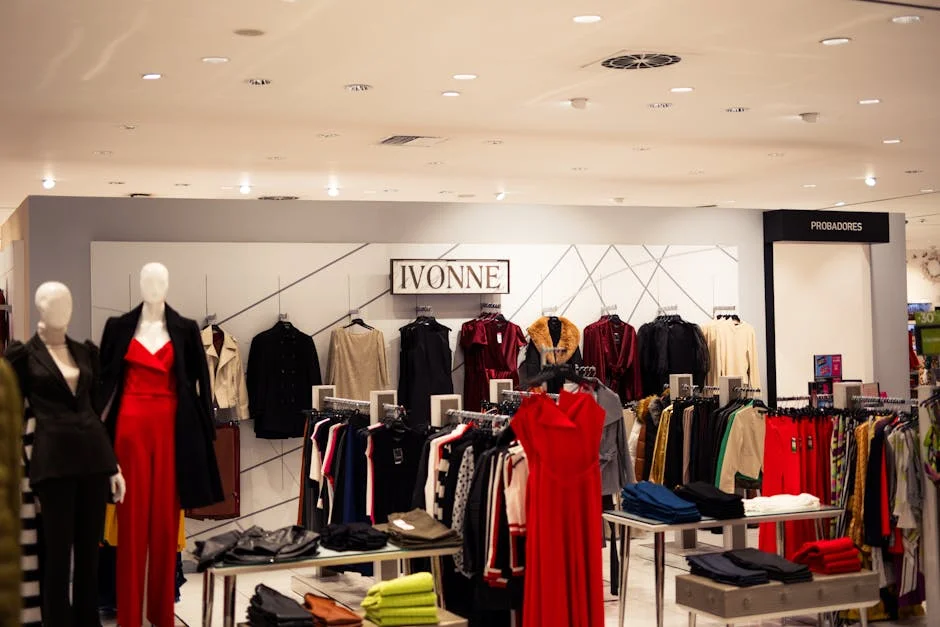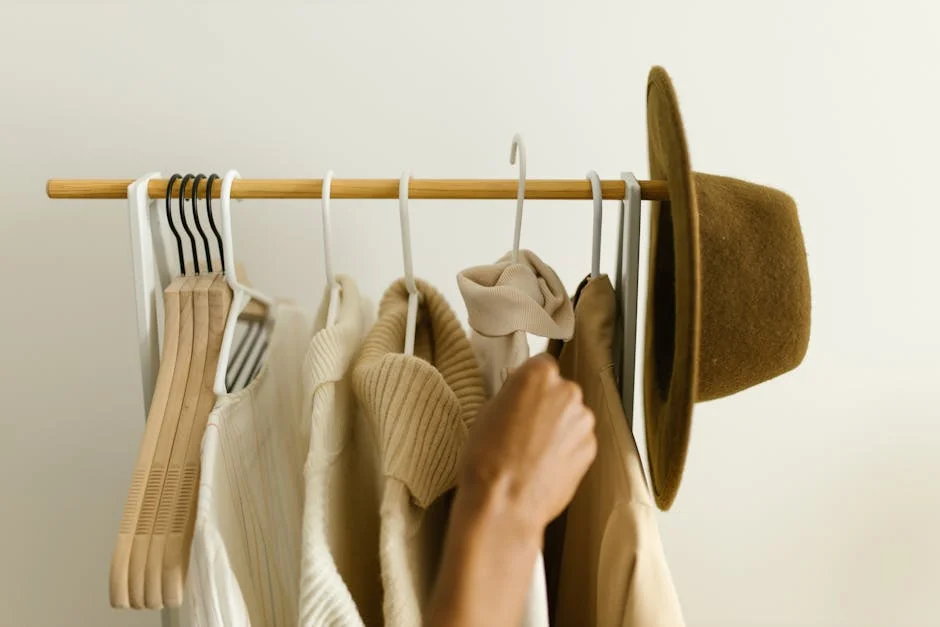
Capsule wardrobe basics are the foundation of a closet that feels calm, functional, and surprisingly versatile, even when the number of pieces is intentionally limited. Instead of chasing every micro-trend or buying duplicates out of habit, the focus shifts to a small set of essential garments that work together across many situations. The appeal is practical: fewer decisions in the morning, fewer items that sit unworn, and a clearer sense of personal style. The concept also supports better budgeting because you can put more attention on fit, fabric, and longevity rather than impulse purchases. Many people discover that once the core is solid—tops, bottoms, layers, shoes, and a few accessories—getting dressed becomes faster and more satisfying, because nearly everything coordinates. The idea isn’t to dress the same every day; it’s to create a wardrobe system where pieces mix and match easily, so outfits feel intentional without requiring a huge closet. This approach can work for any lifestyle, from office settings to creative fields, from frequent travel to work-from-home routines, because the method is adaptable. The goal is to identify what you truly wear and what genuinely supports your daily life, then build around those realities.
Table of Contents
- My Personal Experience
- Understanding Capsule Wardrobe Basics and Why They Matter
- Choosing a Color Palette That Keeps Everything Wearable
- Essential Tops: Tees, Knits, Shirts, and Versatile Blouses
- Bottoms That Anchor Outfits: Jeans, Trousers, Skirts, and Shorts
- Layering Pieces: Blazers, Jackets, Cardigans, and Coats
- Dresses and One-Piece Outfits for Effortless Style
- Shoes That Cover Your Week: Comfort, Function, and Style
- Accessories That Multiply Outfits Without Adding Clutter
- Expert Insight
- Fabric, Fit, and Quality: What to Look for When Buying Less
- How Many Pieces to Own and How to Avoid Over-Editing
- Seasonal Planning: Building a Capsule That Works Year-Round
- Outfit Formulas: Making Daily Dressing Automatic
- Common Mistakes and How to Keep Your Capsule Realistic
- Maintaining Capsule Wardrobe Basics Over Time
- Watch the demonstration video
- Frequently Asked Questions
- Trusted External Sources
My Personal Experience
A few months ago I got tired of staring at a packed closet and still feeling like I had nothing to wear, so I tried building a capsule wardrobe with basics I actually reach for. I started by pulling out everything and keeping only pieces that fit well and worked in more than one outfit: straight-leg jeans, black trousers, a white button-down, a soft gray tee, a black sweater, and a simple blazer. I added two pairs of shoes I can walk in (white sneakers and ankle boots) and one coat that goes with everything. The biggest surprise was how much easier mornings became—once I stopped buying “almost” items and focused on neutral colors and good fabric, I could mix and match without thinking, and I’ve honestly worn my favorites more than ever. If you’re looking for capsule wardrobe basics, this is your best choice.
Understanding Capsule Wardrobe Basics and Why They Matter
Capsule wardrobe basics are the foundation of a closet that feels calm, functional, and surprisingly versatile, even when the number of pieces is intentionally limited. Instead of chasing every micro-trend or buying duplicates out of habit, the focus shifts to a small set of essential garments that work together across many situations. The appeal is practical: fewer decisions in the morning, fewer items that sit unworn, and a clearer sense of personal style. The concept also supports better budgeting because you can put more attention on fit, fabric, and longevity rather than impulse purchases. Many people discover that once the core is solid—tops, bottoms, layers, shoes, and a few accessories—getting dressed becomes faster and more satisfying, because nearly everything coordinates. The idea isn’t to dress the same every day; it’s to create a wardrobe system where pieces mix and match easily, so outfits feel intentional without requiring a huge closet. This approach can work for any lifestyle, from office settings to creative fields, from frequent travel to work-from-home routines, because the method is adaptable. The goal is to identify what you truly wear and what genuinely supports your daily life, then build around those realities.

When capsule wardrobe basics are chosen thoughtfully, they help reduce the common cycle of buying, regretting, and replacing. That cycle often comes from owning many items that are “almost right”: a blazer that pinches, jeans that slide down, shoes that look good but hurt, or colors that don’t match anything else. A capsule-style closet flips that by prioritizing comfort, fit, and cohesion. It also encourages a more sustainable mindset, since fewer purchases usually mean less waste, and better-quality items can be repaired and worn longer. Another benefit is clarity: you learn your most flattering silhouettes, your best neutrals, and which accents make you feel confident. Over time, your closet becomes a curated set rather than a storage unit for clothing you don’t wear. This clarity can be especially helpful during life transitions—new job, postpartum changes, moving climates, or shifting personal tastes—because a capsule method offers a clear framework for editing and rebuilding. The result is not restriction, but freedom: the freedom to rely on a wardrobe that supports you every day without constant shopping.
Choosing a Color Palette That Keeps Everything Wearable
One of the most effective ways to make capsule wardrobe basics work is to set a color palette that naturally creates outfits without effort. A palette doesn’t need to be rigid or boring; it simply gives your pieces a shared language. Start with two or three core neutrals that suit your complexion and lifestyle, such as black, navy, gray, camel, chocolate, cream, or olive. Think about what you already reach for: if you always wear black shoes and a black bag, black as a base neutral makes daily coordination easier. If you prefer softer contrast, cream and taupe may feel more natural. Then add one or two accent colors that you love and that flatter you—maybe a muted blue, rust, burgundy, forest green, or a soft pastel. Accents can show up in tops, scarves, knitwear, or even a statement shoe. The key is that your accents should work with your neutrals, so you can rotate them without creating “orphan” items that only match one piece. This is where a capsule approach shines: the palette quietly does the styling for you, so outfits come together quickly.
Seasonality also influences capsule wardrobe basics, but it doesn’t have to force a complete reset. Many people keep a year-round neutral base and rotate a few seasonal accents. For example, deeper shades like burgundy and pine can feel right in colder months, while lighter accents like sky blue or coral may feel fresh in warmer months. Prints can fit the same system if they contain your neutrals and one of your accents. A striped tee in cream and navy can behave like a neutral; a floral blouse that includes your base colors becomes surprisingly versatile. If you love bold prints, treat them as accents and keep the rest of the outfit simple. This approach prevents the “nothing matches” problem that often leads to buying more. A cohesive palette also helps when you shop: you can quickly identify whether a new piece fits your system. If it doesn’t coordinate with at least three items you already own, it’s usually a sign to skip it, no matter how tempting it looks on the rack.
Essential Tops: Tees, Knits, Shirts, and Versatile Blouses
Strong capsule wardrobe basics usually start with tops because tops are closest to your face and often set the tone for an outfit. A reliable mix might include a high-quality crewneck tee, a flattering V-neck or scoop tee, a long-sleeve tee, and at least one elevated knit. Fit matters more than quantity; a tee that skims the body without clinging can look polished under a blazer and relaxed with jeans. Fabric matters too: thicker cotton or cotton-modal blends tend to hold shape better and look less “see-through.” For knits, consider a lightweight sweater that layers easily and a warmer option for colder days. If you prefer a more structured look, a button-up shirt in a crisp fabric can function as a standalone top, a layer over a tank, or an open overshirt. If button-ups feel too formal, a soft collared blouse or a popover can give the same versatility with less stiffness. The point is to select tops that can be dressed up or down with minimal styling changes.
When building capsule wardrobe basics for tops, think in terms of outfit formulas you actually wear. If your days often involve casual errands and occasional meetings, you might rely on tees and knits more than silky blouses. If you work in a more formal environment, you may need more structured shirts and refined fabrics. A smart approach is to include a mix of “base layer” tops (tees, tanks, thin knits) and “statement” tops (a blouse with texture, a shirt with subtle pattern, or a knit in your accent color). Base layers do the heavy lifting in a capsule closet, because they pair with everything. Statement tops prevent repetition fatigue and make outfits feel fresh even with a small number of pieces. Pay attention to neckline variety as well: a crewneck under a blazer reads classic, while a scoop or square neckline can feel more modern and flattering. Sleeve length variety helps with climate and layering. If you keep your tops aligned with your palette, you’ll find that you can rotate them through the same bottoms, jackets, and shoes without the outfits feeling identical.
Bottoms That Anchor Outfits: Jeans, Trousers, Skirts, and Shorts
Capsule wardrobe basics for bottoms should reflect your real life rather than an idealized version of it. Many closets are full of bottoms that “might work someday,” but a capsule approach favors the pairs you reach for weekly. A dependable pair of jeans is often the cornerstone: choose a wash that fits your palette and lifestyle. Dark wash can look polished and office-friendly, while a medium wash feels casual and easy. If you wear jeans most days, it can make sense to have two pairs in different cuts or washes—one more streamlined, one more relaxed. Add a pair of trousers that can handle meetings, dinners, or events. Trousers don’t have to be stiff; modern styles with stretch or a drapey fabric can be comfortable while still looking intentional. If you like skirts, one midi skirt in a neutral or subtle print can be a powerful capsule piece because it pairs with tees, knits, and blouses across seasons.
For warm weather, shorts or lightweight trousers can be part of capsule wardrobe basics without making the closet feel cluttered. The trick is to avoid having too many “single-purpose” bottoms. Choose shorts that can be styled beyond the beach—tailored enough for a casual lunch, comfortable enough for walking. Linen-blend trousers can work in heat while still looking elevated. When choosing cuts, prioritize what you genuinely feel good wearing. A capsule closet should reduce friction, not create it. If you never feel comfortable in a pencil skirt, it doesn’t belong in your essentials list, no matter how “classic” it’s supposed to be. Consider rise, inseam, and pocket placement; small details can change how often you reach for a piece. Also consider footwear compatibility: if most of your shoes are flats or sneakers, bottoms that require heels to look right will sit unworn. A strong bottom capsule creates a stable base, allowing you to change the mood of an outfit with tops, layers, and accessories instead of needing endless options.
Layering Pieces: Blazers, Jackets, Cardigans, and Coats
Layering is where capsule wardrobe basics become truly powerful because a single outfit can shift from casual to polished with one added piece. A blazer is a classic example: worn over a tee and jeans, it creates instant structure; worn over a dress or trousers, it becomes professional. If a blazer feels too formal, a relaxed knit blazer or a chore jacket can offer the same outfit-finishing effect. Cardigans are another versatile layer, especially in transitional weather or air-conditioned spaces. A cardigan in a neutral color can replace a jacket indoors, and it pairs with everything from denim to dresses. For outerwear, one dependable coat that suits your climate is essential. In colder regions, a wool coat or insulated parka may be the daily workhorse. In milder climates, a trench coat or lightweight jacket might be enough. The aim is to pick layers that you will actually wear, not just admire on a hanger.
To keep capsule wardrobe basics cohesive, select layering pieces that complement your most common outfits. If you mostly wear casual pieces, a stiff, structured blazer may feel out of place; you might prefer a soft, slightly oversized blazer or a denim jacket. If your wardrobe leans polished, a sharp blazer and a sleek coat will get constant use. Fabric is important for layers because it affects comfort, drape, and longevity. A coat with a quality lining slides easily over knits; a blazer with enough structure holds shape and looks refined. Also consider color strategy: outer layers are highly visible, so neutrals tend to give the best cost-per-wear, while one accent jacket can add personality if the rest of your closet is calm. Think about length as well—cropped jackets work with high-rise bottoms and dresses, while longer coats can elongate the silhouette and feel more classic. With the right layers, a small wardrobe can handle a wide range of temperatures and occasions without needing dozens of pieces.
Dresses and One-Piece Outfits for Effortless Style
Dresses can be an underrated part of capsule wardrobe basics because they create a complete outfit in a single step. The key is choosing dresses that can flex across settings and seasons. A simple knit dress in a neutral color can be worn with sneakers for daytime, boots for cooler weather, or flats for a more refined look. A shirt dress can feel structured and comfortable, and it often works with belts, cardigans, and jackets. If you attend events or dinners occasionally, one versatile “occasion” dress in a flattering silhouette can prevent last-minute shopping. The best capsule dresses are not overly trendy; they have clean lines, comfortable movement, and a fabric that holds up to repeated wear. If you prefer separates, a jumpsuit can serve the same purpose, especially in a solid neutral that pairs with multiple shoes and layers.
To integrate dresses into capsule wardrobe basics, think about layering and footwear. A sleeveless dress can be worn alone in summer, layered over a thin turtleneck in winter, or topped with a blazer for work. A midi length is often the most versatile because it works with flats, sneakers, and boots, and it transitions well between seasons. Patterns can work too, as long as the colors align with your palette; a dress that includes your core neutrals can be styled repeatedly without feeling loud. Consider practicality: pockets, bra compatibility, and fabric care. If a dress requires special undergarments or dry cleaning, you may avoid wearing it, which undermines the capsule purpose. The goal is to have one or two dresses that feel like reliable solutions—when you don’t want to think, you put one on and you’re done. That kind of ease is exactly what a capsule closet is designed to deliver.
Shoes That Cover Your Week: Comfort, Function, and Style
Shoes can make or break capsule wardrobe basics because they determine comfort and influence how dressed up an outfit looks. A strong shoe capsule usually includes a casual everyday option (clean sneakers or flat sandals), a polished flat (loafers or ballet flats), a weather-ready pair (ankle boots or waterproof boots), and an optional dressier shoe (a low heel or sleek boot). The exact mix depends on your lifestyle and climate. If you walk a lot, comfort should be non-negotiable. A capsule approach doesn’t mean owning one pair; it means owning the few pairs you genuinely wear, in colors that match most outfits. Neutral shoes—black, brown, tan, or white—tend to provide the most versatility. If you love color, an accent shoe can add personality, but it should still coordinate with your palette so it doesn’t sit unused.
When selecting shoes for capsule wardrobe basics, consider the outfits you repeat most often. If your go-to look is jeans and a tee, sleek sneakers and loafers might cover most days. If you wear dresses or skirts frequently, comfortable flats and sandals may matter more. Think about seasonal transitions: ankle boots can bridge fall through spring, while minimalist sandals can handle summer. Shoe quality is especially important because discomfort leads to avoidance. Look for supportive soles, stable heels, and materials that mold to the foot. Also consider maintenance: leather can be polished and repaired; some synthetics wear out quickly. If you keep your shoe colors aligned with your bags and belts, outfits will look more cohesive with less effort. A tight shoe capsule also reduces clutter at the door and makes packing easier for travel, because you already know which pairs work with multiple outfits.
Accessories That Multiply Outfits Without Adding Clutter
Accessories are a strategic way to expand capsule wardrobe basics without buying more clothing. A small set of accessories can change the tone of the same outfit: a scarf adds color near the face, a belt defines the waist, and jewelry can make a tee-and-jeans look intentional. Start with a few essentials that match your daily style. If you prefer minimal looks, simple studs, a delicate necklace, and a classic watch may be enough. If you like bolder styling, a statement earring or chunky necklace can become your signature. Bags matter too: one everyday bag that fits your essentials and one smaller option for evenings or hands-free days can cover most needs. Stick to colors that coordinate with your shoes and outerwear so the whole wardrobe feels unified.
| Capsule basic | Why it earns a spot | How to wear it (easy combos) |
|---|---|---|
| White button-down shirt | Instantly polished, layers well, works across seasons. | With straight-leg jeans + loafers; under a blazer; over a slip dress. |
| Dark-wash straight-leg jeans | More versatile than light denim; dresses up or down with minimal effort. | With a tee + sneakers; with a knit + ankle boots; with a blouse + heels. |
| Neutral blazer (black, navy, or camel) | Adds structure and elevates basics; creates multiple outfit “uniforms.” | Over a tee + jeans; with tailored trousers; layered on a knit dress. |
Expert Insight
Start with a tight color palette (2–3 neutrals plus 1–2 accent colors) and choose pieces that mix effortlessly—think a well-fitting blazer, straight-leg jeans, a versatile dress, and two pairs of shoes that cover casual and polished looks. If you’re looking for capsule wardrobe basics, this is your best choice.
Use a “3-outfit test” before buying: if the item can’t create at least three complete outfits with what you already own, skip it. Prioritize fit and fabric quality, then tailor key staples so everything looks intentional and easy to wear. If you’re looking for capsule wardrobe basics, this is your best choice.
To keep capsule wardrobe basics streamlined, choose accessories that serve a clear purpose. A belt should fit the loops of your most-worn bottoms and match your shoe tones. Scarves should work with your coats and sweaters rather than clash with them. If you wear hats or sunglasses often, pick shapes that flatter your face and colors that match your palette. The goal is not to collect accessories; it’s to select the few that get frequent use and help you create variety. Accessories also help bridge seasons: a lightweight scarf can add warmth in early fall, while a straw hat can make summer outfits feel complete. Another overlooked accessory is hosiery or socks—neutral, comfortable options can make skirts and boots more wearable in cooler months. When accessories are chosen intentionally, they act like multipliers, allowing a small set of clothes to produce a wide range of outfits without adding more garments to manage.
Fabric, Fit, and Quality: What to Look for When Buying Less
Capsule wardrobe basics work best when the pieces hold up to frequent wear, which makes fabric and construction especially important. When you own fewer items, each one gets worn more often, so thin fabrics that pill or lose shape quickly become frustrating. Look for materials that match the function of the garment: sturdy cotton for tees, wool or cashmere blends for sweaters, denim with enough structure to hold shape, and woven fabrics that drape well for trousers and skirts. Check seams, hems, and closures. Small details like reinforced stitching, quality zippers, and lined garments can significantly extend lifespan. Fit is equally critical. A capsule closet is not the place for “close enough” because discomfort leads to avoidance, and avoidance leads to clutter when you buy replacements. Tailoring can be a smart investment, especially for trousers, blazers, and coats, because small adjustments can make a piece feel custom and dramatically increase wear.
To shop for capsule wardrobe basics effectively, try to evaluate each potential purchase with a few practical tests. Can you move comfortably—sit, reach, walk—without tugging or adjusting? Does the fabric feel good against your skin for hours? Does it require high-maintenance care that doesn’t fit your routine? Also consider transparency and layering: a white tee that shows everything underneath may not be worn often, while a slightly thicker knit will become a staple. For knits, check for tight, even stitching and minimal fuzz; for denim, check recovery by gently stretching the fabric to see if it snaps back. Cost-per-wear is a helpful mindset: a higher-priced sweater worn weekly for years is often a better value than a cheap sweater worn twice. Buying less doesn’t mean buying luxury; it means buying thoughtfully, with an emphasis on pieces that will earn their place through repeated, comfortable use.
How Many Pieces to Own and How to Avoid Over-Editing
There is no single magic number for capsule wardrobe basics because lifestyles vary. Some people thrive with 25–35 core pieces per season, while others prefer a slightly larger set that still feels curated. The more important question is whether your closet supports your real week. If you need gym clothes daily, they belong in your essentials. If you attend formal events twice a year, you may only need one versatile dressy outfit rather than multiple special-occasion items. Over-editing can happen when someone tries to follow a strict number and removes useful items. A capsule closet should feel supportive, not stressful. Start by identifying your most-worn categories: how many days per week do you wear jeans, trousers, dresses, or athleisure? Build your core around those patterns, then add a small buffer for laundry cycles and weather changes.
A practical way to manage capsule wardrobe basics is to separate “core” items from “supporting” items. Core items are the pieces you wear constantly: your best jeans, your favorite tees, your go-to sneakers, your everyday coat. Supporting items add variety and handle specific needs: a dressy top, a warm base layer, a rain jacket, or a special color knit. If you find yourself doing laundry too often or feeling like you’re repeating outfits in a way that bothers you, that’s feedback that your capsule may be too small for your routine. Conversely, if you have many items you never reach for, that’s a sign to edit. The goal is a closet where each piece has a job and gets worn. It’s also helpful to remember that a capsule is a method, not a rulebook. You can build it gradually, keep sentimental items separately, and adjust as your life changes. The most successful capsule wardrobes are flexible systems that evolve, not rigid sets that create pressure.
Seasonal Planning: Building a Capsule That Works Year-Round
Seasonal shifts can challenge capsule wardrobe basics, but they can also make the system more satisfying because you learn how to rotate pieces instead of replacing them. Start by identifying your year-round staples: jeans, neutral tees, a blazer or light jacket, and shoes that work in multiple temperatures. Then consider what truly needs to change with the weather. In summer, you may add breathable fabrics like linen shirts, light dresses, and sandals. In winter, you may add wool sweaters, thermal layers, and a heavier coat. Instead of creating four completely separate wardrobes, aim for a core that stays consistent and a small seasonal add-on. This keeps your style cohesive and prevents the closet from doubling in size. It also reduces the temptation to shop at the start of every season just because stores are pushing new collections.
Storage and organization play a role in keeping capsule wardrobe basics functional across the year. If you have limited space, store off-season items in clear bins or garment bags, and keep only what you can realistically wear in the next few months accessible. When you bring seasonal items back, do a quick evaluation: does everything still fit, feel good, and match your palette? If not, edit before it goes back into rotation. Seasonal planning also helps with smart purchasing. If you notice gaps—like not having a light layer for chilly summer evenings or lacking waterproof footwear for rainy months—you can shop intentionally rather than impulsively. Over time, your seasonal capsule becomes predictable: you know which pieces you’ll pull out each year, and you can replace worn-out essentials with better versions. This rhythm makes the wardrobe feel stable and reduces the constant need for novelty shopping.
Outfit Formulas: Making Daily Dressing Automatic
Outfit formulas are the practical engine behind capsule wardrobe basics because they turn a set of clothes into a repeatable system. A formula is a combination you know works, such as “tee + jeans + blazer + loafers” or “knit + trousers + ankle boots.” Having a few formulas prevents decision fatigue and ensures you actually use your pieces. Start with your most common activities: work, errands, social plans, travel, and relaxed days at home. Create one or two formulas for each. For example, a casual formula might be “striped tee + straight-leg denim + sneakers + crossbody bag,” while a polished formula could be “button-up shirt + tailored trousers + belt + flats.” A warm-weather formula might be “tank + linen shorts + sandals + lightweight layer.” These combinations become reliable defaults, and small changes—swapping a cardigan for a blazer, changing shoes, adding a scarf—create variety without needing more clothes.
To strengthen capsule wardrobe basics with outfit formulas, consider taking photos of outfits you love and saving them in an album. This isn’t about perfection; it’s about building a personal lookbook that reflects what you actually wear. When you notice that certain pieces appear repeatedly in your favorite outfits, that’s valuable information about your true staples. If you see a piece that never makes it into the rotation, it may not belong in your core. Outfit formulas also help with shopping decisions. If you’re considering buying a new top, ask where it fits: does it work with your “jeans + layer” formula and your “trousers + polished shoe” formula? If it only works with one specific bottom, it may be less useful in a capsule closet. Over time, formulas make getting dressed feel almost automatic. Instead of staring at a full closet and feeling like you have nothing to wear, you rely on a few proven combinations that consistently make you feel comfortable and put-together.
Common Mistakes and How to Keep Your Capsule Realistic
One common mistake with capsule wardrobe basics is building an idealized closet instead of a realistic one. It’s easy to buy crisp white shirts, sleek heels, or fitted blazers because they look “classic,” but if your daily life is casual, those items may not get worn. Another mistake is ignoring comfort. A capsule wardrobe should reduce friction, so anything that pinches, scratches, rides up, or needs constant adjusting will quietly sabotage the system. A third mistake is relying too heavily on trends. Trend pieces can be fun, but if the majority of your capsule is trend-driven, it can feel dated quickly and push you back into frequent shopping. It’s also common to underestimate laundry needs. If you only have two tops you like and you wear them constantly, you may feel forced to buy more just to keep up. A realistic capsule includes enough repeatable basics to match your schedule.
Keeping capsule wardrobe basics realistic means allowing for your preferences and your environment. If you live in a place with unpredictable weather, you may need more layering options. If you commute on foot, you may need more comfortable shoes. If you work out often, athletic wear is part of your essential wardrobe. It also means embracing personal style. A capsule doesn’t have to be minimalist in aesthetic; it can be colorful, edgy, romantic, or sporty as long as the pieces coordinate. Another practical strategy is to implement a “one in, one out” rule once your closet feels balanced. This maintains the capsule size without strict counting. Finally, avoid rushing the process. The best capsules are built over time, with thoughtful replacements when items wear out. If you treat the capsule as an experiment—observe what you wear, refine what you keep, and adjust what you buy—you’ll end up with a wardrobe that genuinely fits your life instead of a theoretical checklist.
Maintaining Capsule Wardrobe Basics Over Time
Maintaining capsule wardrobe basics is less about constant decluttering and more about consistent, small habits that keep your closet working. Start with regular check-ins—maybe monthly or each season—where you scan for items that need repair, cleaning, or replacement. Simple maintenance like de-pilling sweaters, polishing shoes, and replacing worn-out basics keeps the whole wardrobe looking better. It also helps to store items properly: hang structured pieces like blazers and coats, fold knits to prevent stretching, and keep shoes in a way that preserves shape. When you notice a gap, write it down and wait a bit before shopping. Often, the feeling of a “gap” is temporary, and a new purchase isn’t needed. If the gap persists across multiple weeks, it’s a sign that a carefully chosen addition could improve your daily dressing.
Shopping for capsule wardrobe basics over time should feel intentional rather than reactive. A helpful approach is to keep a short “replacement list” of true essentials that are wearing out, such as a white tee, black trousers, or everyday sneakers. When you shop, prioritize those replacements first. This prevents the closet from drifting into random purchases that don’t coordinate. Another long-term strategy is to track what you actually wear. You can do this mentally, with a simple note on your phone, or by turning hangers around and seeing what stays untouched. If an item hasn’t been worn in a season and there isn’t a clear reason, it may not be serving you. The most sustainable capsule closets are built on honest feedback: what you reach for, what feels good, and what supports your routine. When you maintain the system with small adjustments, capsule wardrobe basics continue to deliver the main promise—less stress, more cohesion, and a closet full of pieces you genuinely want to wear.
Watch the demonstration video
In this video, you’ll learn capsule wardrobe basics: how to choose a small set of versatile, mix-and-match essentials that fit your lifestyle and color palette. It covers picking quality staples, creating multiple outfits from fewer pieces, and avoiding common shopping mistakes—so getting dressed is faster, simpler, and more intentional.
Summary
In summary, “capsule wardrobe basics” is a crucial topic that deserves thoughtful consideration. We hope this article has provided you with a comprehensive understanding to help you make better decisions.
Frequently Asked Questions
What is a capsule wardrobe?
A small, curated set of versatile clothing items that mix and match easily, covering most outfits with fewer pieces.
How many items should a capsule wardrobe include?
A typical capsule wardrobe falls somewhere between 25 and 40 pieces per season—including shoes and outerwear—but the ideal count of **capsule wardrobe basics** really comes down to your lifestyle, how often you do laundry, and what you actually wear week to week.
What are the basic pieces to start with?
Build your closet around **capsule wardrobe basics**: start with a few neutral tops, add a versatile layering piece like a cardigan or blazer, and choose well-fitting jeans or trousers you can dress up or down. Include a simple dress or skirt for easy outfit variety, plus comfortable everyday shoes, and finish with a jacket or coat that suits your climate.
How do I choose a color palette?
Choose two or three neutral shades you genuinely love—think black, navy, or beige—then add one or two accent colors that flatter you and pair well with almost everything. This simple palette is one of the most useful capsule wardrobe basics, making it easy to mix, match, and get dressed fast.
How do I make sure everything mixes and matches?
Stick to a few reliable silhouettes and a cohesive color palette, and build your **capsule wardrobe basics** around pieces that mix and match effortlessly. As you choose items, make sure each one can pair with at least three others, and skip near-duplicates that fill the same role.
How do I transition a capsule wardrobe between seasons?
Refresh your look by switching to season-appropriate fabrics and footwear, while keeping your capsule wardrobe basics in rotation all year. Then, as the weather changes, simply add 2–5 seasonal essentials—think a cozy coat, breezy sandals, or a chunky knit—whenever you need them.
? Looking for more info about capsule wardrobe basics? Follow Our Site for updates and tips!

Trusted External Sources
- Capsule Wardrobe Basics: High Quality Items To Build On
Feb 18, 2026 … How to Build a Capsule Wardrobe (Step-by-Step) · 1. Stick to a color palette. · 2. Show your personality through statement pieces. · 3. Begin … If you’re looking for capsule wardrobe basics, this is your best choice.
- 20 Essentials for Building the Perfect Capsule Wardrobe
Feb 2, 2026 … Think of a capsule wardrobe as a curated set of capsule wardrobe basics that makes getting dressed simple—and actually enjoyable. Instead of overflowing closets, you focus on fewer, better-made essentials that mix and match effortlessly, so you can create plenty of outfits without the daily hassle.
- If you had to build your capsule wardrobe from scratch, what … – Reddit
Jan 4, 2026 … A white button down. A black thin knit turtleneck and some other basic long sleeve tops in black/white/brown/green and a body suit or two. A … If you’re looking for capsule wardrobe basics, this is your best choice.
- How to Build a Capsule Wardrobe for Women (+ Free Checklist)
A 10-item capsule wardrobe consists of 10 core pieces, such as 2 pairs of jeans, 1 pair of trousers, 2 sweaters, 1 skirt, 1 dress, 1 button-up shirt, 1 blouse, … If you’re looking for capsule wardrobe basics, this is your best choice.
- How to create a capsule wardrobe for men – The Essential Man
Nov 8, 2026 — Stick to the simple tips above and you’ll build a closet that feels effortlessly stylish—with far fewer pieces. Ready for a go-to checklist of **capsule wardrobe basics** to start shopping (or shopping your own closet) with confidence?