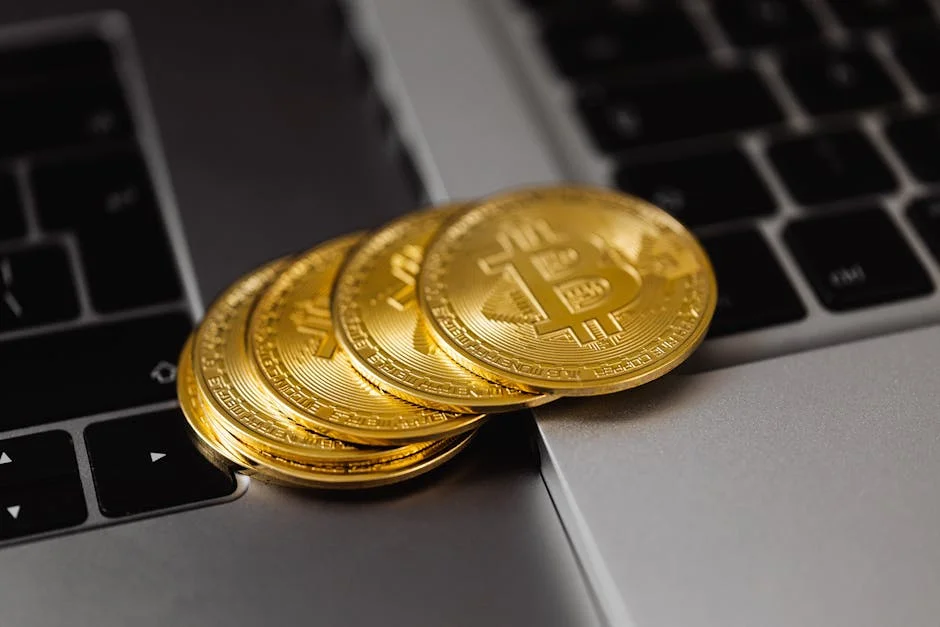
Wallet cold storage is a security practice designed to keep cryptographic private keys offline, away from internet-connected devices that are exposed to remote attacks. The idea is straightforward: if the keys that authorize spending never touch a networked environment, attackers cannot steal them through malware, phishing kits that exfiltrate browser data, compromised extensions, or cloud sync leaks. That single design choice changes the threat landscape. Instead of worrying primarily about online adversaries, the focus shifts to physical security, careful operational habits, and resilient backups. For anyone holding digital assets beyond trivial amounts, cold storage is often treated as the default baseline, not an optional upgrade. It is also a mindset: minimizing “hot” exposure, reducing the number of places keys exist, and creating deliberate steps for signing transactions that cannot be silently hijacked. Because transactions on many blockchains are irreversible, the cost of a mistake can be permanent, which makes offline key management especially valuable.
Table of Contents
- My Personal Experience
- Understanding Wallet Cold Storage and Why It Matters
- Hot vs. Cold: Threat Models, Risk Appetite, and Practical Tradeoffs
- How Cold Storage Works: Keys, Seeds, and Offline Signing
- Hardware Wallets: Security Features, Limitations, and Selection Criteria
- Air-Gapped Cold Storage: Dedicated Offline Computers and QR Workflows
- Paper and Metal Backups: Seed Phrase Storage Done Safely
- Multisignature Cold Storage: Shared Control and Reduced Single-Point Risk
- Step-by-Step Setup Principles: Generating Keys, Verifying, and Testing Recovery
- Expert Insight
- Operational Security for Cold Storage: Daily Habits That Prevent Costly Mistakes
- Common Cold Storage Mistakes and How to Avoid Them
- Privacy, Compliance, and Inheritance Planning with Cold Storage
- Maintaining Cold Storage Over Time: Audits, Updates, and Migration
- Choosing the Right Cold Storage Strategy for Different User Profiles
- Final Thoughts on Building Confidence with Wallet Cold Storage
- Watch the demonstration video
- Frequently Asked Questions
- Trusted External Sources
My Personal Experience
After watching a friend lose funds to a phishing link, I finally moved most of my crypto off exchanges and into cold storage. I bought a hardware wallet, set it up on an old laptop I keep offline, and wrote the seed phrase on two cards—one locked at home and one in a safe deposit box—because I didn’t trust myself with a single copy. The first transfer was nerve‑racking, so I sent a tiny test amount, waited for confirmations, then moved the rest. It’s a little inconvenient compared to tapping “send” on my phone, but the peace of mind is worth it; now when I see another exchange outage or hack headline, I’m not scrambling to log in and hope my balance is still there. If you’re looking for wallet cold storage, this is your best choice.
Understanding Wallet Cold Storage and Why It Matters
Wallet cold storage is a security practice designed to keep cryptographic private keys offline, away from internet-connected devices that are exposed to remote attacks. The idea is straightforward: if the keys that authorize spending never touch a networked environment, attackers cannot steal them through malware, phishing kits that exfiltrate browser data, compromised extensions, or cloud sync leaks. That single design choice changes the threat landscape. Instead of worrying primarily about online adversaries, the focus shifts to physical security, careful operational habits, and resilient backups. For anyone holding digital assets beyond trivial amounts, cold storage is often treated as the default baseline, not an optional upgrade. It is also a mindset: minimizing “hot” exposure, reducing the number of places keys exist, and creating deliberate steps for signing transactions that cannot be silently hijacked. Because transactions on many blockchains are irreversible, the cost of a mistake can be permanent, which makes offline key management especially valuable.
Even though wallet cold storage sounds like a single product category, it actually spans multiple approaches: dedicated hardware devices, air-gapped computers, paper-based key storage, and specialized signing setups that use QR codes or removable media. Each method aims to keep private keys out of reach of network attackers, but each introduces tradeoffs in convenience, cost, and usability. A hardware wallet may offer a secure element and a simple interface, while an air-gapped laptop can provide flexibility for advanced workflows such as multisignature coordination or using open-source signing software. Paper storage is highly offline but can be fragile and easy to mishandle. The best choice depends on how often you transact, what level of adversary you are defending against, and how comfortable you are with careful procedures. Cold storage is not only about preventing theft; it is also about reducing the chance of accidental loss by planning redundant backups and ensuring heirs or trusted parties can recover funds under defined conditions.
Hot vs. Cold: Threat Models, Risk Appetite, and Practical Tradeoffs
The difference between hot wallets and cold wallets is not a moral judgment about which is “good” or “bad”; it is a question of exposure. A hot wallet is connected to the internet, either directly (a mobile app, desktop wallet, browser extension) or indirectly (a wallet that relies on cloud-based signing or accounts). Hot setups are convenient for frequent spending, trading, and interacting with decentralized applications, but they are also where most real-world compromises occur. Attackers target browser extensions with fake updates, seed-phrase phishing pages, clipboard hijackers that swap withdrawal addresses, and malware that waits for a user to unlock a wallet. Even cautious users can be tricked by lookalike domains or manipulated search ads. The more often a wallet is used online, the more opportunities exist for mistakes and exploitation. That is why cold storage is commonly recommended for long-term holdings, treasury funds, and reserves that do not need daily movement. If you’re looking for wallet cold storage, this is your best choice.
Wallet cold storage reduces online attack surface but introduces other categories of risk. Physical theft, coercion, fire, water damage, and simple misplacement become more relevant when keys live on a device in a drawer or a seed phrase on metal plates. There is also the risk of user error during setup: writing down the recovery phrase incorrectly, storing backups in a single location, or testing recovery too late. Another tradeoff is speed. Moving funds from cold storage usually requires retrieving the device, verifying the destination address carefully, and confirming on a secure screen. That friction is a feature, not a bug, but it can frustrate people who want rapid access during volatile markets. A sensible approach often uses layers: a small hot wallet for spending and experimentation, and a larger cold wallet for savings. The goal is not to eliminate risk entirely—no system can—but to align risk with behavior, so that the portion of funds most exposed online is intentionally limited.
How Cold Storage Works: Keys, Seeds, and Offline Signing
To understand wallet cold storage, it helps to separate three concepts: private keys, public addresses, and signing. A public address (or account) is where funds are received and tracked on-chain. A private key is the secret value that authorizes spending from that address. Signing is the act of producing a cryptographic signature that proves the spender controls the private key without revealing it. Cold storage aims to keep the private key and the signing operation in an environment that never connects to the internet. In many modern wallets, private keys are derived from a single recovery phrase (often 12 or 24 words) using standardized algorithms. That phrase, sometimes called a seed phrase, can recreate all derived keys if needed. Because the seed phrase is effectively a master key, protecting it is central to any cold storage plan.
Offline signing workflows vary. A hardware wallet typically connects to a computer or phone but keeps the private key inside the device. The host computer constructs an unsigned transaction and sends it to the device; the device displays critical details on its own screen and signs internally, returning a signature to the host. In an air-gapped setup, the signing device never connects via USB or Bluetooth. Instead, the unsigned transaction is transferred using QR codes, microSD cards, or other removable media; the signed transaction is then moved back to an online device for broadcasting to the network. These methods reduce the chance that a compromised computer can extract keys. However, they do not eliminate all risk: a malicious host can attempt to trick the user into signing an unintended transaction, which is why secure display verification—checking addresses, amounts, and contract interactions on a trusted screen—is essential. Cold storage is strongest when the user can independently verify what is being signed. If you’re looking for wallet cold storage, this is your best choice.
Hardware Wallets: Security Features, Limitations, and Selection Criteria
Hardware wallets are among the most popular cold storage tools because they balance strong security with usability. They are purpose-built devices designed to store keys and sign transactions without exposing secrets to the host computer. Many models include secure elements, tamper-resistant designs, and firmware that restricts how keys can be accessed. A key advantage is that even if the connected computer is infected, the malware generally cannot read the private keys from the hardware wallet. Instead, the main remaining attack vector is transaction manipulation: tricking the user into approving a malicious destination, an inflated fee, or a deceptive smart contract call. For that reason, the quality of the device’s screen, the clarity of what it displays, and how it handles contract data matter as much as the cryptography. A device that truncates addresses or hides details can undermine the very protections cold storage is supposed to provide. If you’re looking for wallet cold storage, this is your best choice.
Selecting a hardware wallet for cold storage involves evaluating more than brand recognition. Consider whether the firmware and companion software are open source or independently audited, how updates are delivered, and whether the device supports passphrases or additional PIN protections. Compatibility also matters: some users need support for multiple networks, specific token standards, or multisignature schemes. Another factor is the communication method: USB is common, Bluetooth adds convenience but increases complexity, and QR-only devices prioritize isolation. Supply-chain integrity is also crucial. Buying directly from the manufacturer or an authorized reseller reduces the risk of tampering. Even then, users should verify authenticity, check packaging seals as instructed by the vendor, and initialize the device from scratch, generating a new recovery phrase on-device rather than using any preprinted words. Hardware wallets are not magical vaults; they are tools that require disciplined setup, careful backups, and consistent verification habits to deliver strong cold storage outcomes. If you’re looking for wallet cold storage, this is your best choice.
Air-Gapped Cold Storage: Dedicated Offline Computers and QR Workflows
An air-gapped approach to wallet cold storage uses a computer that never connects to the internet to generate and hold keys. This can be an old laptop with Wi‑Fi and Bluetooth disabled, a single-board computer, or a specialized signing device. The appeal is flexibility and transparency: users can run open-source wallet software, verify signatures, and manage complex arrangements such as multisignature coordination or advanced scripting features on certain networks. With a properly maintained air gap, remote attackers have a much harder time reaching the signing environment. The offline machine can be kept powered off when not in use and stored securely. For long-term storage, keys can be generated offline, and only public information (like receiving addresses or extended public keys) is exported to an online “watch-only” wallet for monitoring balances without exposing spending authority.
The challenge is operational discipline. An air gap is only as strong as the user’s procedures. Plugging in unknown USB drives, using the same keyboard between machines without caution in high-threat scenarios, or accidentally connecting the device to a network can undermine the model. QR-based signing workflows reduce reliance on removable media by moving unsigned and signed transactions through camera scans, but they require careful verification and a trustworthy display. MicroSD transfer can be convenient but introduces the risk of malware using the removable media as a bridge; strict hygiene helps, such as using freshly formatted cards, limiting use to transaction files, and keeping the offline system dedicated to signing only. Air-gapped cold storage is often favored by technically comfortable users who value maximum control and are willing to accept the extra steps. When done well, it can be extremely robust, but it demands consistent attention to process. If you’re looking for wallet cold storage, this is your best choice.
Paper and Metal Backups: Seed Phrase Storage Done Safely
Cold storage is not only about the device that signs transactions; it is also about how recovery material is stored. Most wallets rely on a recovery phrase that can restore access if the signing device is lost, destroyed, or fails. Writing that phrase on paper is common, but paper can burn, fade, tear, or be damaged by water. Metal backups—engraved or stamped plates—are popular because they survive fire and flooding better than paper. Regardless of medium, the recovery phrase must be stored in a way that resists both theft and accidental loss. If someone obtains the phrase, they can usually recreate the wallet and spend funds without needing the device. That makes a seed phrase both a backup and a high-value target. Physical security choices—safe storage, hidden locations, or secure deposit arrangements—become central to a cold storage strategy. If you’re looking for wallet cold storage, this is your best choice.
Safe handling practices reduce risk. The phrase should be recorded privately, away from cameras and phones, and never typed into a computer or saved in cloud notes. Multiple backups can prevent single-point-of-failure loss, but each additional copy increases the chance of discovery by an attacker or an untrusted visitor. Some people split the phrase across locations, but naive splitting can be dangerous: if the split is done incorrectly, it can make recovery unreliable without meaningfully improving security. More robust methods exist, such as using a passphrase feature that adds an extra secret not written on the same backup, or employing secret-sharing schemes that require multiple pieces to reconstruct. The goal is to ensure that loss of one location does not destroy access, while theft of one location does not grant access. Good cold storage is a balance between redundancy and confidentiality, shaped by real-world constraints like family access, travel, and local legal considerations. If you’re looking for wallet cold storage, this is your best choice.
Multisignature Cold Storage: Shared Control and Reduced Single-Point Risk
Multisignature (multisig) setups are an advanced form of wallet cold storage that require multiple independent keys to authorize spending. For example, a 2-of-3 multisig wallet needs any two of three keys to sign a transaction. This design reduces reliance on a single device or a single seed phrase. If one key is lost or one device fails, funds can still be recovered with the remaining keys. If one key is stolen, an attacker still cannot spend without compromising additional keys. Multisig is often used by companies managing treasury assets, investment groups, and individuals who want stronger protection against both remote compromise and physical theft. When combined with cold storage hardware, multisig can dramatically reduce the risk of catastrophic loss due to a single failure or a single successful attack.
However, multisig increases complexity, and complexity is a real risk factor. Users must securely store multiple recovery phrases, track which key belongs to which device, and ensure they have the wallet configuration information needed for recovery (such as descriptors, derivation paths, or multisig setup files depending on the ecosystem). A common failure mode is having all the keys but not having the correct coordination data to reconstruct the wallet, especially years later. Another risk is storing multiple keys in the same place, which defeats the purpose. Effective multisig cold storage usually involves geographic separation, different device vendors to reduce correlated firmware risks, and a documented recovery plan tested end-to-end. For many people, a well-executed single hardware wallet with strong backups may be sufficient, but for higher-value holdings, multisig can provide a meaningful security margin—if the setup is implemented carefully and maintained with periodic checks. If you’re looking for wallet cold storage, this is your best choice.
Step-by-Step Setup Principles: Generating Keys, Verifying, and Testing Recovery
Setting up wallet cold storage properly starts with a clean environment and a deliberate process. The first principle is generating keys securely. For a hardware wallet, that typically means initializing the device directly and letting it generate the recovery phrase on its own screen, then writing it down accurately. For an air-gapped computer, it means using reputable wallet software obtained and verified in a safe way, ideally with signature verification and offline installation. During setup, privacy matters: avoid cameras, smart speakers, or people who could observe the phrase. The second principle is verification. Hardware wallets often provide a “verify seed” or “recovery check” feature that confirms the written phrase matches what the device generated. Taking time to do this reduces the chance of discovering an error only after a device is lost. The third principle is minimizing copies: every extra transcription is another opportunity for mistakes and exposure.
| Cold storage option | Security | Convenience | Best for |
|---|---|---|---|
| Hardware wallet | High (keys stay offline; secure element on many models) | Medium (requires device + confirmation) | Most users holding meaningful balances long-term |
| Paper wallet / printed seed | Medium–High (offline, but fragile and easy to mishandle) | Low (manual recovery; no quick spending) | Deep cold storage with careful physical protection |
| Air‑gapped computer | Very high (offline signing; reduced malware exposure) | Low–Medium (setup/maintenance overhead) | Advanced users needing maximum isolation and control |
Expert Insight
Use a dedicated hardware wallet for cold storage and initialize it offline. Write the recovery seed on paper or stamp it into metal, store it in a secure location, and never photograph or type it into a computer or cloud service. If you’re looking for wallet cold storage, this is your best choice.
Harden your setup with redundancy and verification: keep two sealed backups of the seed in separate places, enable a PIN and optional passphrase, and perform a small test restore on a spare device or in a controlled environment before moving significant funds. If you’re looking for wallet cold storage, this is your best choice.
Testing recovery is a cornerstone of reliable cold storage. A recovery test proves that the backups are correct and that the user understands the restoration process. This can be done by restoring the seed phrase onto a spare device or performing a controlled wipe-and-restore on the same device if the user is confident and prepared. For watch-only monitoring, exporting an extended public key (where applicable) allows tracking balances without exposing spending power, but that export should be handled carefully because it reveals address history and can reduce privacy. After setup, it helps to send a small test deposit and perform a small test withdrawal to confirm signing works as expected and that address verification habits are solid. The most secure cold storage plan is not the one with the most features; it is the one that can be executed correctly, repeated consistently, and recovered under stress. Documenting steps in a secure, offline format can also help future recovery, especially if more than one person may need to access the funds in emergencies. If you’re looking for wallet cold storage, this is your best choice.
Operational Security for Cold Storage: Daily Habits That Prevent Costly Mistakes
Wallet cold storage is often compromised not through cryptographic failure but through operational mistakes. One of the most important habits is strict seed phrase hygiene: never entering the phrase into a website, never sharing it with “support,” and never storing it in email drafts, password managers that sync to cloud services without careful consideration, or photos. Many thefts come from social engineering that convinces users to reveal their recovery phrase under pressure—fake security alerts, impersonated customer service, or “verification” steps after a supposed hack. Cold storage is designed to make online theft difficult, but it cannot protect against voluntary disclosure. Another habit is maintaining a clean transaction workflow. When preparing a transaction on a computer, verify the destination address using multiple independent checks, and then confirm the same information on the cold wallet’s trusted screen. If the device cannot show full details or the user cannot interpret what is being displayed for complex smart contract interactions, risk increases.
Physical security habits also matter. The signing device should be stored in a secure location when not in use, and backups should be protected from both theft and environmental damage. Consider the realistic threats in your environment: roommates, visitors, maintenance workers, or even casual social media posts that reveal ownership of valuable assets. Privacy reduces targeted risk. Another operational concern is firmware and software updates. Updates can fix vulnerabilities, but they can also introduce new bugs, and the update channel itself can be targeted. A prudent approach is to verify updates from official sources, avoid rushed updates during active attacks, and consider waiting for community review when appropriate—balanced against the risk of staying on vulnerable versions. Finally, think through travel scenarios: crossing borders with devices, carrying seed backups, or being compelled to unlock devices. For some, using passphrases or storing backups separately from devices can reduce risk. Cold storage is most effective when it is paired with consistent, conservative habits that assume mistakes are possible and design procedures to catch them before funds move. If you’re looking for wallet cold storage, this is your best choice.
Common Cold Storage Mistakes and How to Avoid Them
Many cold storage failures come from predictable mistakes. One common issue is buying devices from untrusted sources or using “preconfigured” wallets. Any product that arrives with a seed phrase already printed or a device that claims it is ready to use should be treated as compromised. Another mistake is failing to verify the recovery phrase. People sometimes assume they wrote it correctly and store it away, only to discover later that one word is wrong or the order is incorrect. That can turn a minor setup oversight into permanent loss. Another frequent problem is keeping a single backup in a single location. Fires, floods, and theft are not theoretical; they happen, and cold storage should be resilient to them. At the same time, making too many copies and storing them carelessly can increase theft risk. The right balance depends on the user’s environment and threat model, but “one copy in a drawer” is rarely sufficient for meaningful sums. If you’re looking for wallet cold storage, this is your best choice.
Another category of mistakes involves transaction verification. Malware that changes clipboard addresses is common, and even experienced users can miss a swapped address if they only check the first and last few characters. Cold storage devices help by displaying the address independently, but users must actually compare it carefully. For smart contract interactions, risks include signing approvals that grant unlimited token spending or signing messages that authorize unwanted actions. A cold wallet can still sign something harmful if the user approves it. Understanding what is being signed—or limiting exposure by using separate accounts for experimental activity—reduces risk. Finally, neglecting long-term maintenance can be costly. People set up cold storage and then forget which wallet standard they used, which passphrase they chose, or where critical configuration files are stored. Periodic audits—confirming backups exist, checking that trusted parties know what they need to know, and verifying that devices still function—can prevent unpleasant surprises years later. Cold storage is a system, not a one-time purchase. If you’re looking for wallet cold storage, this is your best choice.
Privacy, Compliance, and Inheritance Planning with Cold Storage
Wallet cold storage intersects with privacy because it often enables watch-only monitoring and reduces reliance on custodial platforms that collect identity data. However, privacy is not automatic. Exporting extended public keys to monitor balances can reveal your full address set and transaction history to any device or service that receives it. Using third-party portfolio trackers can leak sensitive financial information. A privacy-conscious approach might use local watch-only software, avoid sharing public key material with unnecessary services, and separate accounts for different purposes. Cold storage also affects how you interact with regulated environments. If you need to demonstrate ownership for audits, taxes, or compliance, you may require records of addresses and transactions. Keeping careful documentation—without exposing private keys—can make reporting easier while preserving security. The tension between privacy and administrative needs is real, and it is best handled intentionally rather than as an afterthought.
Inheritance planning is another area where cold storage needs careful design. If a single person holds the only recovery phrase and becomes unavailable, funds can be locked forever. On the other hand, giving a full seed phrase to someone today may create an unacceptable theft risk. Solutions include multisignature arrangements where heirs need cooperation from a trusted party, time-locked legal structures, or splitting responsibilities so that no single person can act alone. Even in simpler setups, written instructions stored securely can help: which network the assets are on, how to use the hardware device, where backups are located, and how passphrases work. These instructions should avoid revealing secrets directly, but they should be practical enough that a non-expert can follow them with professional assistance if needed. Cold storage is often chosen for long-term holding, which makes long-term continuity planning essential. A secure plan anticipates not only attacks, but also life events, relocations, and changes in technology. If you’re looking for wallet cold storage, this is your best choice.
Maintaining Cold Storage Over Time: Audits, Updates, and Migration
Cold storage is not “set and forget” forever. Devices age, standards evolve, and software ecosystems change. A responsible maintenance routine includes periodic audits of backups and access procedures. That does not mean frequently exposing seed phrases; it means confirming that backups still exist, remain legible, and are stored where you think they are. It can also include occasional recovery tests using a spare device or controlled environment, especially after moving homes or reorganizing storage. Another maintenance task is firmware updates for hardware wallets. Updates can patch security vulnerabilities, improve transaction decoding, and support new protocol features. At the same time, updates should be performed carefully: verify the source, follow official instructions, and ensure you have a working backup before proceeding. If a device fails during an update, recovery should still be possible using the seed phrase, but only if the backup is correct. If you’re looking for wallet cold storage, this is your best choice.
Migration is sometimes necessary. You might move from a single-signature wallet to multisignature, switch to a different hardware vendor, or rotate keys after a suspected exposure. Migration should be planned like a small project: create a new cold storage setup, test it with small amounts, and then transfer funds in a controlled way. Address reuse policies and transaction fees can influence how you consolidate or distribute funds. For networks with account-based models, consider how approvals and permissions carry over; for UTXO-based models, consider how coin control and consolidation can affect privacy and future fees. Document what you did and why, so that future you (or a trusted party) can understand the current structure. The most robust cold storage practice treats key management as a living system that can adapt without panic. By keeping procedures current and rehearsed, you reduce the chance that an urgent situation forces rushed decisions, which is when mistakes are most likely. If you’re looking for wallet cold storage, this is your best choice.
Choosing the Right Cold Storage Strategy for Different User Profiles
No single wallet cold storage method is best for everyone. A casual holder who rarely transacts may prefer a reputable hardware wallet with a simple interface, a strong PIN, and a durable metal backup stored securely. The priority is minimizing complexity while achieving meaningful offline protection. A more active user who participates in decentralized finance may benefit from separating funds into tiers: a small hot wallet for daily interactions, a warm intermediary wallet for periodic transfers, and a cold wallet for long-term reserves. This reduces the chance that a risky contract interaction drains the entire portfolio. Professionals managing larger sums—such as funds, DAOs, or corporate treasuries—often require multisignature cold storage with documented policies, role separation, and audit trails. In those contexts, governance and process can matter as much as cryptography, because internal fraud and procedural failures are as real as external attackers.
Threat modeling helps refine the choice. If the main concern is opportunistic malware, a hardware wallet with strong on-screen verification may be sufficient. If the concern includes targeted attacks, coercion, or sophisticated supply-chain risks, consider multisig across different device types, geographic separation, and passphrase use. If travel and border searches are relevant, minimize what you carry and consider whether a passphrase-protected hidden wallet is appropriate, understanding the legal and personal risks in your jurisdiction. Budget also matters, but it should be weighed against the value being protected. Spending modestly on a robust cold storage setup can be rational when compared to the potential loss from a single compromise. The best strategy is the one you can execute correctly under stress, maintain over years, and recover from without guessing. Wallet cold storage works when it is paired with realistic habits, clear documentation, and a plan that fits your life rather than fighting it.
Final Thoughts on Building Confidence with Wallet Cold Storage
Wallet cold storage is ultimately about creating a dependable boundary between private keys and the internet while ensuring that you can still access funds when needed. Confidence comes from clarity: knowing where secrets are stored, understanding how transactions are signed, and having tested recovery procedures. It also comes from restraint—keeping long-term holdings away from experimental activity, reducing the number of apps and services that touch your accounts, and treating recovery phrases like the irreplaceable assets they are. While tools like hardware wallets and air-gapped signers provide strong technical protections, the real strength of cold storage is the combination of secure devices, durable backups, and disciplined verification habits that prevent both theft and accidental loss.
As your needs evolve, revisit your cold storage plan with fresh eyes: confirm backups remain intact, decide whether multisignature or passphrases would meaningfully reduce risk, and keep documentation current enough that recovery is not dependent on memory. Avoid rushing changes during moments of market stress, and favor small test transactions when modifying workflows. The goal is not perfection; it is resilience—systems that tolerate mistakes, device failures, and life changes without turning into irreversible losses. With a thoughtful setup and steady operational habits, wallet cold storage can provide the long-term security foundation that digital asset ownership demands.
Watch the demonstration video
Learn how cold storage keeps your crypto safer by storing private keys offline, away from hackers and malware. This video explains what cold wallets are, how they work, and when to use them, plus practical steps for setting one up, backing up recovery phrases securely, and avoiding common mistakes that can lead to lost funds. If you’re looking for wallet cold storage, this is your best choice.
Summary
In summary, “wallet cold storage” is a crucial topic that deserves thoughtful consideration. We hope this article has provided you with a comprehensive understanding to help you make better decisions.
Frequently Asked Questions
What is wallet cold storage?
Cold storage is keeping cryptocurrency private keys offline (not connected to the internet) to reduce hacking risk.
Why use cold storage instead of a hot wallet?
Hot wallets stay connected to the internet, which makes them more vulnerable to malware and phishing attacks. With **wallet cold storage**, your private keys are kept offline, dramatically reducing the risk of remote theft.
What are common types of cold storage?
Hardware wallets, paper wallets/printed seed backups, and offline computers (air-gapped devices) used only for signing transactions.
How do I move funds to cold storage?
Create your wallet and seed phrase offline, store the recovery phrase somewhere safe, and then transfer your crypto from an exchange or hot wallet to the cold wallet’s public address for secure **wallet cold storage**.
What’s the biggest risk with cold storage?
If your recovery phrase (seed) is stolen, damaged, misplaced, or stored in an insecure backup, anyone who gets it can take your funds—and if you lose it entirely, your assets are usually gone for good, even with **wallet cold storage**.
What are best practices for cold storage security?
Use a reputable hardware wallet, verify addresses on-device, back up the seed on durable media, store backups in separate secure locations, and never type the seed into online devices or share it. If you’re looking for wallet cold storage, this is your best choice.
? Looking for more info about wallet cold storage? Follow Our Site for updates and tips!

Trusted External Sources
- Arculus Cold Storage Wallet | Securely Manage Crypto & NFTs
With the Arculus Cold Storage Wallet, you get powerful **wallet cold storage** security while still keeping things effortless—store your crypto safely, then buy, swap, send, and receive in seconds with a simple tap.
- When should I consider getting a cold storage wallet? : r/Bitcoin
Jan 25, 2026 — If you’re planning to hold your crypto for the long haul, now may be a good time to set up **wallet cold storage**. Just be sure you fully understand the risks, setup steps, and recovery process before you commit.
- Cold Storage: What It Is, How It Works, Theft Protection – Investopedia
A cold wallet is a device or method that keeps your cryptocurrency private keys completely offline, away from hackers and online threats. Instead of leaving keys on an internet-connected phone or computer, you generate and store them in **wallet cold storage**, then only connect briefly (or use offline signing) when you need to authorize a transaction—helping you protect your crypto for the long term.
- Seeking Advice: Best Cold Wallet for Long-Term Bitcoin Storage?
As of Jul 23, 2026, the BitBox02 Bitcoin-Only stands out as an excellent choice for **wallet cold storage**—simple to use, highly secure, and genuinely user-friendly. It also makes advanced features like coin control and UTXO management straightforward, so you can manage your Bitcoin with confidence.
- Cold Wallet Crypto – Amazon.com
Results · TANGEM Wallet Pack of 2 – Secure Crypto Wallet – Trusted Cold Storage for Bitcoin, Ethereum, NFT’s & More Coins – 100% Offline Hardware Wallet · TANGEM … If you’re looking for wallet cold storage, this is your best choice.