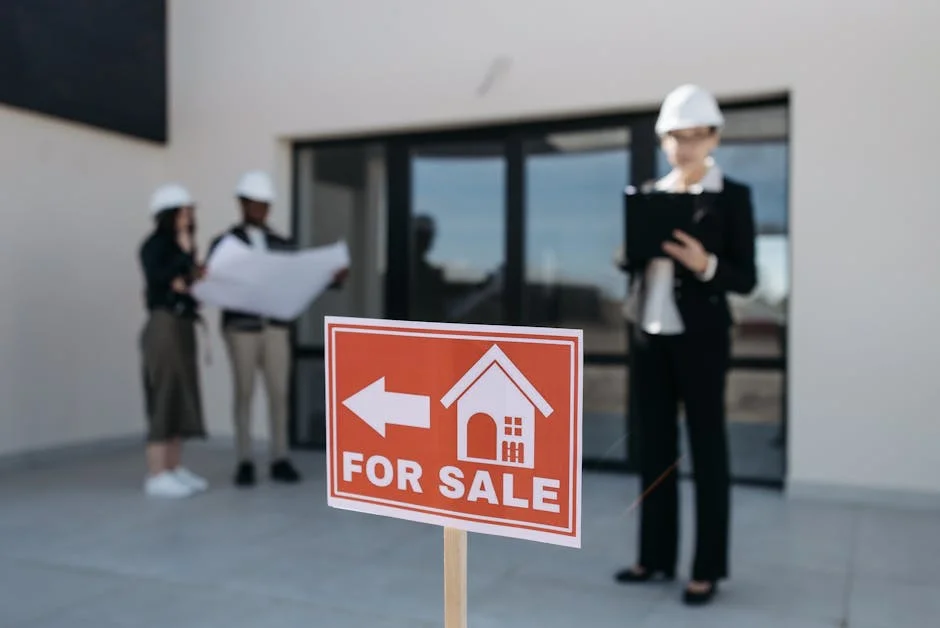
Commercial property sits at the intersection of real estate, business operations, and finance, so it tends to move to a different rhythm than the housing market. A shop, warehouse, office, medical suite, hotel, or mixed-use asset is not just a building; it is a platform for revenue generation. That single fact changes how value is created, protected, and improved. The income a tenant can produce, the durability of demand in that location, and the cost of keeping the premises functional often matter more than aesthetic preferences. When investors compare commercial property to residential holdings, they quickly notice that lease terms are typically longer, tenant improvements can be substantial, and operating expenses can be structured in ways that shift risk between owner and occupant. That structure is why two buildings that look similar from the street can have dramatically different values: the “engine” is the lease and the business performance behind it, not just the bricks.
Table of Contents
- My Personal Experience
- Understanding Commercial Property and Why It Behaves Differently
- Major Types of Commercial Property and How Each Creates Value
- Location, Access, and Zoning: The Non-Negotiables
- Leases, Rent Structures, and How Cash Flow Is Really Built
- Valuation Basics: Income, Cap Rates, and Comparable Sales
- Financing Commercial Property: Debt Terms, Covenants, and Underwriting
- Due Diligence: What to Check Before You Buy or Lease
- Expert Insight
- Operating Commercial Property: Management, Maintenance, and Tenant Relations
- Improving Value: Renovations, Repositioning, and Re-Tenanting Strategies
- Risk Management: Vacancy, Market Cycles, and Insurance Considerations
- Sustainability and Modern Standards in Commercial Property
- Marketing and Leasing: Attracting the Right Tenants Without Over-Conceding
- Exit Strategies: Selling, Refinancing, or Holding for Long-Term Income
- Frequently Asked Questions
- Trusted External Sources
My Personal Experience
When I started looking for commercial property for my small café, I assumed the hardest part would be finding a good location, but the lease details ended up being the real challenge. The first space I loved had a low advertised rent, then I learned I’d also be responsible for CAM charges, property taxes, and insurance, which pushed the monthly cost way higher than my budget. I spent a few weeks touring units, measuring foot traffic at different times of day, and asking neighboring tenants what they actually paid and how responsive the landlord was. In the end, I chose a slightly less “perfect” spot with a clearer lease and a landlord who agreed to a modest tenant improvement allowance. It wasn’t glamorous, but six months in, having predictable costs has mattered more than the extra corner visibility.
Understanding Commercial Property and Why It Behaves Differently
Commercial property sits at the intersection of real estate, business operations, and finance, so it tends to move to a different rhythm than the housing market. A shop, warehouse, office, medical suite, hotel, or mixed-use asset is not just a building; it is a platform for revenue generation. That single fact changes how value is created, protected, and improved. The income a tenant can produce, the durability of demand in that location, and the cost of keeping the premises functional often matter more than aesthetic preferences. When investors compare commercial property to residential holdings, they quickly notice that lease terms are typically longer, tenant improvements can be substantial, and operating expenses can be structured in ways that shift risk between owner and occupant. That structure is why two buildings that look similar from the street can have dramatically different values: the “engine” is the lease and the business performance behind it, not just the bricks.
Another major difference is that commercial property is usually evaluated on its ability to generate net operating income and on the stability of that income over time. Vacancy is not simply an inconvenience; it can be a material hit to cash flow, financing covenants, and the property’s market perception. A single large vacancy in a small office building can be more damaging than several small vacancies in an apartment building because the rent roll is less diversified. In addition, commercial property is influenced by local employment trends, consumer traffic patterns, logistics routes, zoning, and even the health of specific industries. A surge in e-commerce may lift warehouse demand while softening certain retail categories; a new hospital wing may increase demand for nearby medical offices; a transit expansion can boost footfall for street retail. Understanding these forces helps owners and buyers avoid relying on surface-level comparisons and instead focus on how each asset actually performs as an operating business.
Major Types of Commercial Property and How Each Creates Value
Commercial property is a broad label that includes several distinct categories, each with its own drivers of rent, vacancy, and capital needs. Office assets range from downtown towers to suburban campuses and smaller professional buildings. Their performance often tracks job growth, corporate space strategies, and tenant preferences for amenities, parking, and transit access. Retail includes neighborhood centers, power centers, and single-tenant storefronts; it depends heavily on visibility, access, tenant mix, and the spending power of the surrounding trade area. Industrial property spans warehouses, distribution hubs, manufacturing facilities, and flex buildings; it is shaped by proximity to highways, ports, airports, and the cost of last-mile delivery. Multifamily is sometimes discussed alongside commercial property because it is income-producing and professionally managed, though it behaves differently due to shorter leases and broader tenant pools.
Specialized commercial property types can be even more sensitive to operational performance. Hospitality assets rely on nightly rates and occupancy rather than long leases, making them tied to tourism, events, and business travel cycles. Medical office buildings benefit from healthcare demand, but may require higher buildout standards and compliance considerations. Self-storage is influenced by household mobility, downsizing, and small-business inventory needs. Data centers and cold storage demand significant infrastructure, power, and redundancy, but can command premium rents when well-located and well-specified. Mixed-use projects combine multiple streams—such as retail at street level with offices or apartments above—creating opportunities for synergy but also complexity in management and financing. Matching the right commercial property category to local demand and to an investor’s risk tolerance is often more important than chasing the highest advertised yields.
Location, Access, and Zoning: The Non-Negotiables
In commercial property, location is not just a slogan; it is a measurable set of advantages that affect revenue and resilience. Access to customers, employees, suppliers, and transportation corridors can determine whether a tenant thrives. For retail, the quality of traffic—both vehicles and pedestrians—matters, along with ease of ingress and egress, signage visibility, and nearby anchors that generate repeat visits. For industrial, truck court depth, clear height, dock doors, and distance to interstates can be decisive, especially for distribution users that operate on tight delivery windows. For offices, commuting patterns, parking ratios, transit connectivity, and neighborhood amenities can influence tenant retention and rent growth. Even subtle issues like left-turn restrictions, road changes, or competing developments can shift performance over time.
Zoning and land-use rules often shape the highest and best use of a commercial property. A site may be ideal for a restaurant, but if zoning restricts liquor licenses, outdoor seating, or late operating hours, the tenant pool shrinks. An industrial building may need specific allowances for hazardous materials, noise, or 24/7 operations. Office-to-residential conversions, mixed-use overlays, historic preservation districts, and environmental regulations can all affect renovation costs and timelines. Before buying or repositioning a commercial property, owners typically verify permitted uses, parking requirements, setbacks, signage rules, and any upcoming municipal plans that could help or harm value. A strong location paired with flexible zoning can create optionality—an asset can adapt to shifts in demand rather than becoming obsolete.
Leases, Rent Structures, and How Cash Flow Is Really Built
Leasing is the backbone of commercial property performance, and small differences in contract language can produce large differences in net income. Common lease structures include gross leases (where the landlord covers most operating costs), modified gross leases (costs are shared or capped), and triple-net leases (where tenants pay taxes, insurance, and maintenance). Retail and industrial frequently use net structures, while some office markets lean toward modified gross arrangements. Escalations, expense pass-through clauses, renewal options, and tenant improvement obligations all affect the predictability of income. A lease with strong annual increases and clear expense recovery can outperform a higher starting rent with weak protections against rising costs. For multi-tenant assets, the blend of lease expirations—often called the lease rollover schedule—matters because concentrated expirations can create risk if the market softens at the wrong time.
Tenant quality is also central. A creditworthy tenant on a long-term lease can stabilize a commercial property, but it can also reduce near-term upside if rent is below market and the lease has limited escalation. Conversely, a property filled with local businesses may provide stronger rent growth potential but higher default or vacancy risk during downturns. Co-tenancy clauses in retail can reduce rent if an anchor leaves, while exclusivity clauses can restrict leasing to certain competing uses. For office and medical space, tenant improvements and free rent concessions can be large, meaning the “headline” rent may not reflect true economics. Understanding how to model effective rent, downtime between leases, and capital outlays is essential for evaluating whether a commercial property is priced fairly and whether it can support debt service over the full cycle.
Valuation Basics: Income, Cap Rates, and Comparable Sales
Commercial property valuation typically centers on income. Net operating income is calculated by taking gross potential rent, subtracting vacancy and credit loss, adding other income (such as parking, signage, or reimbursements), and then subtracting operating expenses. The resulting figure is capitalized using a market-derived capitalization rate to estimate value. Cap rates are not arbitrary; they reflect expected growth, perceived risk, liquidity, tenant quality, and interest rate conditions. A well-leased industrial building in a prime logistics corridor may trade at a lower cap rate than an older office building with near-term lease expirations, even if the office building’s current income looks similar. Investors also consider replacement cost, barriers to new supply, and the property’s ability to maintain occupancy through economic shifts.
Comparable sales still matter in commercial property, but direct comparisons can be tricky because no two assets have identical leases, expense structures, and capital needs. A sale price per square foot is only meaningful when adjusted for lease term, tenant credit, buildout quality, and market conditions. Appraisers and analysts often use multiple approaches: the income approach (cap rate or discounted cash flow), the sales comparison approach, and sometimes a cost approach for newer assets or special-use buildings. A discounted cash flow model can be particularly useful when the property has known lease rollovers, planned renovations, or staged rent increases. The goal is to avoid being misled by a single metric and instead triangulate a credible value range that reflects how the commercial property will perform over time.
Financing Commercial Property: Debt Terms, Covenants, and Underwriting
Financing can amplify returns in commercial property, but it also introduces constraints that owners must manage carefully. Lenders often focus on debt service coverage ratio, loan-to-value, tenant concentration, lease term remaining, and the stability of income. A property with short lease terms or high vacancy may require more equity, a higher interest rate, or a shorter amortization schedule. Some loans include interest-only periods that support early cash flow, while others require principal paydown from day one. Fixed-rate loans reduce exposure to rate increases, while floating-rate loans can be cheaper initially but create uncertainty if rates rise. Borrowers also need to consider prepayment penalties, defeasance, and extension options, especially if the plan involves selling or refinancing after stabilizing occupancy.
Commercial property loans frequently include covenants and reporting requirements. If net operating income declines, the borrower may need to fund reserves, accept cash management controls, or provide additional equity. Lenders may require replacement reserves for roofs, parking lots, elevators, or HVAC systems—items that can surprise new owners who focus only on cosmetic upgrades. For multi-tenant properties, lenders may underwrite to in-place rents but also stress-test renewals and market rents. Construction and value-add projects add another layer: draws, inspections, lien waivers, and strict timelines. A well-structured capital stack aligns the loan term with the business plan, ensuring the owner is not forced to refinance during a weak market or sell before the commercial property reaches its intended performance level.
Due Diligence: What to Check Before You Buy or Lease
Thorough due diligence reduces the chance that a commercial property becomes an expensive lesson. On the physical side, buyers typically order property condition assessments to evaluate roofs, structural components, mechanical systems, and life-safety features. Environmental reviews are also common, especially for industrial sites, older buildings, and properties with dry cleaners, auto uses, or nearby contamination sources. Even when a Phase I environmental report shows no recognized issues, buyers may still budget for asbestos or lead paint management in older assets. Survey work can reveal easements, encroachments, parking count discrepancies, and access rights. For assets where utilities are critical—such as restaurants, medical clinics, or data-focused users—capacity and redundancy deserve special attention because upgrading service can be costly and time-consuming.
| Aspect | Office | Retail | Industrial |
|---|---|---|---|
| Typical tenants & use | Professional services, corporate teams; desk-based work | Shops, restaurants, service providers; customer-facing sales | Warehousing, manufacturing, logistics; storage & distribution |
| Key location drivers | Transit access, business districts, amenities | Foot traffic, visibility, parking, nearby anchors | Highway/port/rail access, loading capacity, truck routes |
| Common lease considerations | Tenant improvements, term length, operating expenses | Percentage rent, co-tenancy clauses, signage rights | Clear height, dock doors, power capacity, yard space |
Expert Insight
Before signing a lease or purchase agreement, validate the property’s income potential by reviewing current rent rolls, lease expirations, and tenant credit quality, then stress-test cash flow against realistic vacancy and expense increases. If you’re looking for commercial property, this is your best choice.
Reduce risk from the start by ordering a comprehensive due diligence package for your **commercial property**—including an environmental assessment, a building condition report, and a zoning/permit review. Then use what you learn to negotiate repairs, price credits, or smart contingencies before you close.
Financial and legal diligence can be equally important. Lease audits confirm rent amounts, security deposits, reimbursements, options, and any side agreements. Estoppel certificates help verify that tenants agree with the landlord’s understanding of the lease and have no undisclosed claims. Service contracts for landscaping, security, elevators, and waste removal may include termination fees or automatic renewals that affect operating expenses. Tax history and assessment risk should be reviewed because a purchase can trigger reassessment, raising property taxes and changing net income. Insurance claims history can also reveal recurring issues like flooding or wind damage. A disciplined diligence process is not about finding perfection; it is about identifying what must be fixed, what must be budgeted, and whether the commercial property’s projected returns still hold after reality is accounted for.
Operating Commercial Property: Management, Maintenance, and Tenant Relations
Strong operations can turn an average commercial property into a durable performer. Day-to-day management includes rent collection, expense tracking, vendor oversight, and compliance with local codes. Preventive maintenance is often the most cost-effective strategy, because emergency repairs tend to be more expensive and disruptive for tenants. A well-managed building also supports retention: clean common areas, responsive service, and predictable communication make it easier for tenants to renew. For multi-tenant assets, clear rules on signage, deliveries, noise, and shared facilities reduce friction between occupants. Owners who treat the property as an operating business—measuring response times, tracking work orders, and budgeting for replacements—typically see fewer surprises and steadier cash flow.
Tenant relations are a practical competitive advantage in commercial property. When tenants feel supported, they are more likely to renew, expand, and recommend the location to others. That matters because turnover can be expensive: downtime, leasing commissions, and tenant improvement costs can quickly erode returns. For retail, collaboration on marketing events, seasonal promotions, and coordinated hours can increase foot traffic for the entire center. For office, amenities like upgraded lobbies, bike storage, showers, and shared conference facilities can help justify rents and reduce vacancy. For industrial, reliable access, well-maintained loading areas, and clear safety protocols can influence operational efficiency for tenants. The best operators balance firmness on lease enforcement with flexibility on reasonable requests, protecting the asset while maintaining long-term occupancy.
Improving Value: Renovations, Repositioning, and Re-Tenanting Strategies
Value creation in commercial property often comes from improving net operating income, reducing risk, or both. Renovations can be as simple as upgrading lighting to LED, improving landscaping, and repainting common areas, or as complex as reconfiguring floor plans and adding new building systems. The right improvements depend on the tenant profile and market expectations. A neighborhood retail center may benefit most from improved signage, parking lot resurfacing, and a refreshed façade that increases visibility. An office building might need a modernized lobby and upgraded HVAC to meet current indoor air quality expectations. Industrial users may pay more for added dock doors, increased clear height, or enhanced power capacity. Each improvement should be tested against realistic rent premiums and leasing velocity, not just design preferences.
Repositioning and re-tenanting can be powerful when a commercial property no longer aligns with demand. Replacing underperforming tenants with stronger concepts can increase traffic and stabilize income, but it may require buyouts, downtime, and new buildouts. Changing the use—such as converting a big-box retail space into a fitness center, medical clinic, or entertainment venue—can open new demand, but zoning and parking requirements must be confirmed. Some owners pursue “demising” strategies, splitting large spaces into smaller units to broaden the tenant pool; others combine suites to attract larger users. The most successful value-add plans include a realistic timeline, a detailed capital budget, and a leasing strategy grounded in local market data. When executed well, repositioning can shift a commercial property into a stronger category without needing a perfect market cycle.
Risk Management: Vacancy, Market Cycles, and Insurance Considerations
Every commercial property carries risk, but the most common threats are vacancy, rent declines, and unexpected capital expenses. Market cycles affect each property type differently, so diversification across tenants and industries can help. A building dominated by a single sector can suffer if that industry contracts. Lease rollover concentration is another key risk: if several major leases expire in the same year, the owner could face simultaneous vacancy and large tenant improvement demands. Owners often manage this by negotiating early renewals, staggering expirations, and maintaining competitive spaces so leasing does not require excessive concessions. Monitoring competing developments is also important; new supply can pressure rents and increase incentives, especially in office and certain retail corridors.
Insurance and resilience planning are increasingly central to commercial property ownership. Coverage needs vary by asset type, but property insurance, general liability, and loss of rents coverage are common. In areas exposed to floods, hurricanes, earthquakes, or wildfires, specialized policies and higher deductibles can materially change operating budgets. Risk mitigation may include drainage improvements, fire suppression upgrades, security systems, and regular safety inspections. Contract risk matters too: vendor agreements should include proper indemnities and proof of insurance, and tenant leases should clearly allocate responsibilities for maintenance and liability. The goal is not to eliminate risk—commercial property always involves uncertainty—but to price it correctly, reduce preventable losses, and maintain enough financial flexibility to withstand shocks.
Sustainability and Modern Standards in Commercial Property
Sustainability has shifted from a marketing feature to an operating requirement in many commercial property markets. Tenants increasingly evaluate energy costs, indoor comfort, and corporate environmental goals when choosing space. Upgrades such as efficient HVAC systems, smart thermostats, improved insulation, and high-performance windows can reduce utility usage and improve tenant satisfaction. In buildings where owners pay utilities, these upgrades can directly improve net operating income; in net-leased assets, they can still enhance competitiveness and support rent growth. Certifications and benchmarking programs may also matter, especially for office tenants with reporting obligations. Even where formal certification is not pursued, documenting energy and water performance can help attract tenants and support financing discussions.
Modern standards also include technology and accessibility. Reliable connectivity, robust cellular coverage, and the ability to install modern security systems are now expected in many commercial property types. For retail, point-of-sale systems and customer Wi-Fi can influence tenant operations. For industrial, automation and inventory management may require upgraded power and data capabilities. Accessibility compliance, including parking, entrances, and restrooms, must be maintained to reduce legal risk and broaden the tenant base. Sustainability and modernization should be approached pragmatically: prioritize measures with clear payback, address items that reduce vacancy risk, and ensure upgrades do not create maintenance burdens that outweigh benefits. A commercial property that remains current with expectations tends to preserve value better through changing tenant preferences.
Marketing and Leasing: Attracting the Right Tenants Without Over-Conceding
Effective leasing starts with positioning the commercial property accurately in the market. That means understanding which tenant profiles are most likely to succeed in the location and then presenting the space in a way that matches their needs. High-quality photography, clear floor plans, and transparent information about parking, access, loading, and utilities reduce friction in the leasing process. For retail, showing traffic counts, nearby anchors, and visibility angles can be persuasive. For office, details about amenities, transit access, and buildout options matter. For industrial, specifications like clear height, column spacing, dock configuration, and yard area are often decisive. A strong marketing package helps avoid wasted tours and attracts prospects who are more likely to sign.
Negotiation discipline protects long-term performance. Concessions such as free rent, tenant improvement allowances, moving allowances, and early termination rights can be appropriate, but they should be weighed against lease term and credit strength. A shorter lease with heavy concessions can leave an owner with weak returns and another vacancy cycle just as the market shifts. Where possible, owners may structure concessions as amortized rent rather than upfront cash, or tie improvement allowances to specific scopes and lien waivers. Clear default provisions, security deposits, and guarantees can reduce credit risk for smaller tenants. The goal is to sign tenants who fit the property and the trade area, not merely to fill space at any cost. A well-leased commercial property tends to command better financing and better sale pricing, so leasing strategy is a core value driver.
Exit Strategies: Selling, Refinancing, or Holding for Long-Term Income
Planning the exit early helps investors make better operational decisions throughout ownership. Selling a commercial property often depends on presenting stable income, clean documentation, and a credible story for future performance. Buyers will look for organized leases, clear expense records, proof of capital improvements, and evidence that the asset is competitive in its submarket. If the property is value-add, a sale may make sense after leases are renewed at market rents and major capital projects are complete, because uncertainty is reduced and cap rates may compress. Timing matters: selling into strong demand for a specific asset class can produce pricing that is hard to replicate later. Owners also need to consider tax implications, potential exchange strategies, and the cost of prepaying debt.
Refinancing can be an alternative to selling, allowing owners to pull out equity while keeping long-term control of the commercial property. This approach can work well when the property has been stabilized and interest rates are favorable. A refinance may also fund additional improvements or acquisitions, but it increases leverage and can reduce flexibility during downturns. Holding for long-term income may be best when the property has durable tenants, strong location fundamentals, and manageable capital needs. Long-term owners often focus on periodic upgrades, disciplined leasing, and conservative debt to keep cash flow steady. Whether the plan is to sell, refinance, or hold, the final measure of success is the same: the commercial property must remain functional, competitive, and capable of producing reliable net income through changing market conditions.
Summary
In summary, “commercial property” is a crucial topic that deserves thoughtful consideration. We hope this article has provided you with a comprehensive understanding to help you make better decisions.
Frequently Asked Questions
What counts as commercial property?
Real estate used for business purposes, such as office buildings, retail storefronts, warehouses, industrial facilities, and many multifamily properties (often 5+ units).
How is commercial property valued?
Common valuation methods for a **commercial property** include the income approach, which looks at net operating income (NOI) and applies a capitalization rate; the sales comparison approach, which benchmarks against similar recent transactions; and the cost approach, which estimates replacement cost and subtracts depreciation.
What is a cap rate and why does it matter?
A cap rate is calculated by dividing a property’s net operating income (NOI) by its purchase price. It’s a simple way to compare potential returns and relative risk across different **commercial property** opportunities—typically, a higher cap rate suggests the deal may carry more risk or that the property is priced lower.
What are common commercial lease types?
In **commercial property** leasing, the main structures are **gross leases**, where the landlord covers most operating expenses; **net leases** (including **NNN**), where the tenant pays some or even all of those costs; and **modified gross leases**, where landlord and tenant split expenses according to their agreement.
What due diligence should buyers perform?
Before you commit to a **commercial property**, take time to review the leases and rent roll, verify income and expenses, and inspect the building and its major systems. You’ll also want to assess any environmental or zoning concerns, confirm the title and survey details, and evaluate local market demand to ensure the investment makes sense.
How is commercial property typically financed?
Financing a **commercial property** can come from several sources—traditional bank loans, SBA loans for owner-occupied buildings, CMBS financing, or private lenders. Compared with residential mortgages, these options typically require larger down payments, stronger cash flow to meet DSCR requirements, and shorter loan terms.
📢 Looking for more info about commercial property? Follow Our Site for updates and tips!

Trusted External Sources
- US Commercial Real Estate Remains a Risk Despite Investor Hopes …
Jan 18, 2026 … … commercial property prices recorded notable declines as demand fell. Deep woes. Prices in the US commercial real estate sector have plummeted …
- Commercial Property Improvement Program | Prince George’s County
This initiative aims to revitalize underperforming retail centers and main street storefronts by supporting exterior façade enhancements, placemaking, lighting,
- Commercial Property Acquisition Fund | dmped – DC.gov
Commercial Property Acquisition Fund. STATUS: CLOSED. Mayor Bowser and the Office of the Deputy Mayor for Planning and …
- Commercial Property | TDIC (The Dentists Insurance Company)
A comprehensive Commercial Property policy safeguards your investment in and reliance upon your practice’s physical assets.
- Commercial Property Assessed Clean Energy (PACE) Financing …
Commercial and multifamily buildings can use Property Assessed Clean Energy (PACE) financing to fund energy efficiency and energy projects.