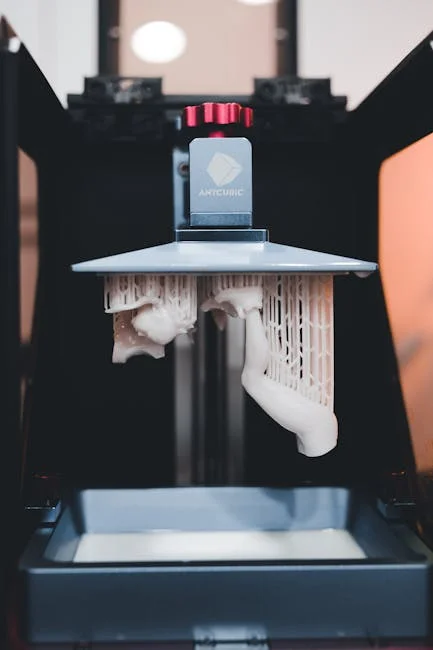
The elegoo saturn sits in a sweet spot for makers who want large-format resin printing without jumping straight into industrial pricing. It’s widely recognized for combining a generous build volume with the crisp detail that MSLA technology is known for, and that combination has made it a frequent choice for tabletop miniatures, cosplay props, engineering prototypes, and boutique product runs. The reason many people gravitate toward this machine is simple: larger resin prints normally come with trade-offs—either the printer becomes expensive, the workflow becomes finicky, or the consistency drops. The elegoo saturn earned its reputation by balancing those variables in a way that feels approachable for hobbyists and practical for small businesses. With a larger monochrome LCD and a sturdy frame, it targets the common pain point of “I need bigger parts, but I still want fine surface quality.” The result is a printer that can handle taller models and broader plates while still resolving sharp edges, embossed text, and subtle organic textures.
Table of Contents
- My Personal Experience
- Understanding the Elegoo Saturn and Why It Became a Go-To Resin Printer
- Build Volume, Print Plate Space, and What “Bigger” Really Means in Practice
- Print Quality, Detail Reproduction, and Realistic Expectations
- Monochrome LCD Advantages and How They Affect Speed and Longevity
- Workflow Setup: Space Planning, Ventilation, and Daily Habits
- Slicing and Settings: Exposure, Lift Parameters, and Calibration Strategy
- Resin Selection: Standard, ABS-Like, Tough, Flexible, and Specialty Options
- Support Strategy for Large Plates: Stability, Clean Removal, and Reducing Marks
- Expert Insight
- Maintenance and Consumables: FEP Care, Screen Protection, and Routine Checks
- Post-Processing: Washing, Curing, Sanding, and Finishing for Professional Results
- Use Cases: Miniatures, Prototyping, Small-Batch Production, and Creative Projects
- Cost of Ownership: Resin, Consumables, Time, and Planning for Reliability
- Choosing the Right Saturn Variant and Accessories for Your Goals
- Final Thoughts on Getting the Best Results from the Elegoo Saturn
- Watch the demonstration video
- Frequently Asked Questions
- Trusted External Sources
My Personal Experience
I picked up an Elegoo Saturn after getting tired of the tiny build plate on my old resin printer, and the first thing I noticed was how much easier it was to print larger parts in one go. Setup was straightforward, but I still spent an evening dialing in exposure times because my usual settings didn’t translate perfectly, especially with a new bottle of resin. Once I got it tuned, the detail was honestly impressive—miniatures came out crisp and my larger prints had fewer seams since I wasn’t splitting everything into pieces. The only downside for me has been the cleanup: the bigger vat and plate mean more resin to manage, so I had to get more disciplined about gloves, paper towels, and filtering after a long run. Overall, it’s been a solid upgrade and feels like the first printer I’ve owned that can keep up with the projects I actually want to make.
Understanding the Elegoo Saturn and Why It Became a Go-To Resin Printer
The elegoo saturn sits in a sweet spot for makers who want large-format resin printing without jumping straight into industrial pricing. It’s widely recognized for combining a generous build volume with the crisp detail that MSLA technology is known for, and that combination has made it a frequent choice for tabletop miniatures, cosplay props, engineering prototypes, and boutique product runs. The reason many people gravitate toward this machine is simple: larger resin prints normally come with trade-offs—either the printer becomes expensive, the workflow becomes finicky, or the consistency drops. The elegoo saturn earned its reputation by balancing those variables in a way that feels approachable for hobbyists and practical for small businesses. With a larger monochrome LCD and a sturdy frame, it targets the common pain point of “I need bigger parts, but I still want fine surface quality.” The result is a printer that can handle taller models and broader plates while still resolving sharp edges, embossed text, and subtle organic textures.
Another reason the elegoo saturn draws attention is that it tends to be evaluated not only as a single product but as part of a broader ecosystem of resin printing habits: slicer settings, resin choices, curing routines, and the physical space needed for safe handling. People who move up from smaller machines often want to keep the same overall workflow while scaling up. A printer like this encourages that transition because it doesn’t demand a radically different approach; rather, it rewards careful leveling, good exposure calibration, and thoughtful support placement. At the same time, its larger vat and plate change the economics of printing by enabling more parts per job, which can reduce per-part time and help justify the cost of consumables. Whether the goal is printing a single large statue, a batch of miniatures, or functional components, this machine has become a common benchmark for what “prosumer” resin printing looks like.
Build Volume, Print Plate Space, and What “Bigger” Really Means in Practice
One of the most practical benefits associated with the elegoo saturn is the ability to print larger objects or print more objects at once. Build volume isn’t just a marketing number; it directly impacts how you design parts, how you orient them, and how often you have to split models into multiple sections. When a printer offers a larger plate, you can often reduce the number of seams on big models, which saves time on bonding and sanding later. For miniature painters and tabletop creators, a broader plate can mean printing an entire squad or set of terrain pieces in one run rather than spreading them across multiple jobs. That reduces the number of times you need to refill resin, re-level the plate, and clean the vat. It also makes it easier to plan a production day: a single long print can replace several shorter ones, which can be more convenient if you prefer to run jobs overnight or during off-hours.
However, “bigger” also changes the physics and the workflow. A larger cross-sectional area on any layer increases peel forces during the lift motion, and that can make support strategy and orientation more important. With the elegoo saturn, users often learn to think in terms of controlling suction and reducing large flat areas parallel to the build plate. Tilting models, hollowing large prints, and adding drainage holes become more than optional best practices; they can be the difference between a flawless print and a failure that sticks to the FEP. Larger prints also consume more resin, which raises the stakes for exposure calibration and resin temperature stability. The upside is that once dialed in, the printer’s size can significantly improve throughput. If you are running batches—prototype iterations, small product runs, or repeated miniature sets—the larger plate can translate into fewer total cycles, fewer cleaning interruptions, and more consistent scheduling.
Print Quality, Detail Reproduction, and Realistic Expectations
When people evaluate the elegoo saturn, they often focus on surface finish and the ability to reproduce fine details like pores, cloth weave, tiny engraved lettering, or sharp mechanical edges. MSLA resin printing excels at this because it cures entire layers with a masked light source, allowing extremely precise pixel-level detail. In practice, the quality you get is a combination of hardware capability and slicing decisions. Layer height, exposure time, anti-aliasing, support tip size, and model orientation all influence what you see on the final surface. On a well-tuned setup, this printer can produce parts that look injection-molded at a glance, especially after washing and curing are done correctly. For figurines, dental-style models, and decorative items, the detail can be impressive enough that post-processing becomes more about removing support marks than hiding layer lines.
Realistic expectations matter, though, because resin printing has its own signature artifacts. Support contact points can leave tiny pips, and flat faces can show subtle banding if exposure or lift settings are not optimized. The elegoo saturn’s larger plate can tempt users to pack it densely, but overcrowding can create suction-related failures or cause parts to collide with each other if supports flex. For mechanical parts, tolerances can be very good, but they depend on resin shrinkage, calibration, and how the part is oriented during printing. If you need press-fits, you often need to print a test coupon and adjust dimensions slightly. For artistic models, you’ll get the best results by orienting surfaces you care about away from heavy support contact and by using lighter supports with well-placed anchors. The printer can deliver excellent detail, but it rewards a workflow that treats slicing and post-processing as part of the quality pipeline rather than an afterthought.
Monochrome LCD Advantages and How They Affect Speed and Longevity
A key reason the elegoo saturn has been associated with faster resin printing is the use of a monochrome LCD, which typically allows more UV light to pass through than older RGB screens. Higher transmission means layers can cure faster at similar light power, so exposure times can often be reduced. That doesn’t automatically mean every print is dramatically quicker, because total print time is also influenced by lift distance, lift speed, retract speed, and the number of layers. Still, for many common layer heights, a monochrome screen makes it easier to run efficient exposure settings without sacrificing reliability. Another benefit is longevity: monochrome panels often last longer than RGB counterparts because they are not filtering light through color subpixels in the same way. For users who print frequently, that can reduce the frequency of screen replacement and improve the overall cost-of-ownership picture.
Speed gains should be viewed in context. The printer’s workflow includes washing, drying, and curing, and those steps can become the bottleneck if you print many small parts. It’s also important to remember that faster exposure settings can reduce safety margins if resin temperature fluctuates or if the resin is more opaque. The elegoo saturn tends to shine when you combine a tuned exposure profile with stable ambient conditions and a resin that matches your goals. If you want maximum sharpness, you might use slightly longer exposures to ensure consistent curing of fine features and thin supports. If you want higher throughput, you might optimize lift speeds and use a resin formulated for fast printing. The advantage of a monochrome LCD is flexibility: it gives you a broader range where prints can succeed, allowing you to prioritize either speed or detail depending on the job.
Workflow Setup: Space Planning, Ventilation, and Daily Habits
Owning an elegoo saturn is not only about the printer itself; it’s also about where and how you run it. Resin printing requires a controlled workflow because uncured resin is messy and can be irritating to skin. A practical setup typically includes a stable table, a spill-resistant mat, nitrile gloves, paper towels, and dedicated tools for handling the build plate and vat. Many users also keep silicone spatulas, plastic scrapers, and funnels with fine mesh filters for returning resin to the bottle. Space planning matters more with a larger printer because the vat and build plate are larger, and you need comfortable room to remove prints without dripping resin across your workspace. It’s also wise to reserve a nearby area for washing and curing so you’re not carrying wet prints through your home or office.
Ventilation is another consideration that influences long-term satisfaction. While resin odor varies by formulation, good airflow helps keep the area comfortable and reduces lingering fumes. Some people use an enclosure with a vent hose to a window, while others dedicate a garage or workshop space. Temperature stability also matters because resin viscosity and curing behavior change when it’s cold. If your workspace is chilly, prints may fail more often, supports may not form as expected, and surface quality can become inconsistent. A consistent routine—checking the vat for debris, filtering resin when needed, cleaning the build plate, and keeping the FEP in good condition—goes a long way. With the elegoo saturn, these habits are especially helpful because larger prints can represent a bigger time investment, and a small mistake early in the process can waste more resin and more hours than on a smaller machine.
Slicing and Settings: Exposure, Lift Parameters, and Calibration Strategy
Dialing in settings is where the elegoo saturn transitions from “capable” to “consistently excellent.” Exposure time for normal layers, bottom exposure for adhesion, number of bottom layers, and lift parameters all interact. Bottom layers need enough exposure to grip the build plate strongly, but excessive bottom exposure can cause “elephant’s foot,” where the base of the print bulges outward. Normal layer exposure should be tuned to your resin and your chosen layer height, and the best way to do that is by printing calibration models designed to reveal under- or over-exposure. Lift distance and lift speed influence peel forces; gentler settings can improve reliability, while more aggressive settings can reduce total time if your supports and orientation are robust. Retract speed also matters because snapping back too quickly can introduce vibrations or cause resin to slosh.
A practical calibration strategy is to pick a resin you plan to use often, decide on a standard layer height (such as 0.05 mm for general work), and then tune exposure until fine features are crisp without losing dimensional accuracy. Once exposure is stable, you can experiment with lift settings to find the fastest reliable profile. With the elegoo saturn, it’s often beneficial to treat large, dense prints differently from small, delicate prints. A big hollow prop might need slower lifts and more conservative supports to reduce suction risk, while a plate of miniatures might run well with moderate lifts and carefully tuned support tips. Another overlooked setting is rest time or light-off delay, which can help resin settle and reduce artifacts, especially when the resin is thick or the room is cool. The goal is not to chase the absolute fastest numbers but to establish repeatable profiles you can rely on for different categories of parts.
Resin Selection: Standard, ABS-Like, Tough, Flexible, and Specialty Options
Resin choice shapes your results as much as the printer does, and the elegoo saturn is compatible with a broad range of 405nm resins. Standard resins are popular for miniatures and display models because they often capture fine detail and sand well, but they can be brittle. ABS-like resins aim to provide more impact resistance, which can be useful for functional prototypes or parts that will be handled frequently. Tough resins push durability further, sometimes at the cost of slightly longer exposure times or a narrower process window. Flexible resins can produce bendable parts, but they often require careful support planning because they can deform during printing and post-processing. Specialty resins—such as high-temperature, castable, or dental-style formulations—open up additional use cases but typically demand stricter handling and more precise curing routines.
When pairing resin with the elegoo saturn, it helps to think about the entire lifecycle of the part: printing, washing, curing, sanding, priming, and end-use stress. A miniature sword printed in brittle resin may snap during support removal, while a tougher blend might survive. A cosplay component might benefit from a resin that sands smoothly and resists cracking, while a small mechanical bracket might need higher strength and better heat resistance. Pigmentation also matters: darker or more opaque resins can need different exposure settings than translucent ones. If you switch resins frequently, keep notes on exposure and lift profiles, and don’t assume a setting that works for one bottle will work for another. With a larger printer, resin consumption can be higher, so choosing a resin that matches your goals can reduce wasted prints and make the overall experience more economical.
Support Strategy for Large Plates: Stability, Clean Removal, and Reducing Marks
Supports are often the deciding factor between a perfect print and a frustrating failure, and the elegoo saturn’s larger plate amplifies both the opportunity and the risk. A large plate invites you to print more at once, but that also means more supports, more total peel force, and more chances for a weak link. A good strategy starts with orientation: avoid placing large flat surfaces parallel to the plate, and aim to present a smaller cross-section per layer. For hollow prints, add drain holes positioned to allow resin to escape during printing and washing, and consider internal supports if the geometry requires it. For detailed display models, prioritize placing supports on less visible surfaces and use smaller contact tips where possible to reduce scarring.
| Model | Best for | Key highlights |
|---|---|---|
| ELEGOO Saturn (Original) | Budget-friendly large-format resin printing | Large build volume; solid print quality; great value for beginners stepping up from smaller MSLA printers |
| ELEGOO Saturn 2 | Higher-detail prints at larger scale | Higher-resolution screen than the original; improved sharpness and surface detail; good balance of size and fidelity |
| ELEGOO Saturn 3 | Fast, high-detail production and pro-level results | Newer high-resolution screen; faster workflow improvements; strong choice for print farms, miniatures, and detailed functional parts |
Expert Insight
Dial in exposure with a quick calibration routine: run a small exposure test (or a compact validation model) whenever you change resin, room temperature, or layer height, then lock in the lowest exposure that still produces crisp text and solid supports. This reduces brittleness, improves detail, and makes support removal cleaner on the Elegoo Saturn.
Improve reliability by controlling peel forces and resin flow: keep lift speeds conservative for large cross-sections, add a brief light-off delay to let resin settle, and angle big flat parts 20–45° with drainage holes to prevent suction. Regularly inspect and tension the FEP, and filter resin back into the bottle after long prints to avoid cured debris causing failures. If you’re looking for elegoo saturn, this is your best choice.
Clean removal is a skill that improves with the right combination of support settings and post-processing timing. Some users remove supports after washing but before full curing because slightly softer resin can release supports with less surface damage. Others prefer to partially cure first to reduce warping. The best approach depends on the resin and the geometry. For the elegoo saturn, it’s worth creating a few support presets: light supports for delicate details, medium for general use, and heavy for large load-bearing areas. Raft design also matters; a well-designed raft can make it easier to remove the print from the plate without gouging it, and it can help prevent edge lifting. If you’re printing many parts at once, ensure each model has sufficient support redundancy, because a single failure can sometimes create debris in the vat that threatens the rest of the job. Thoughtful support planning protects both your print quality and your machine’s consumables.
Maintenance and Consumables: FEP Care, Screen Protection, and Routine Checks
Keeping an elegoo saturn running reliably depends on treating maintenance as part of the normal workflow. The FEP film (or similar release liner) is a consumable that takes constant mechanical stress from peeling. Over time it can become cloudy, scratched, or lose tension, which can reduce print success and surface quality. Regularly inspecting the film for punctures and deep scratches helps prevent resin leaks that could damage the LCD. Many users also keep spare FEP sheets on hand so a worn liner doesn’t halt production. The vat should be cleaned carefully—avoid sharp metal tools that can nick the film. If a print fails and cures resin onto the film, it’s safer to gently push from the underside to pop the cured piece free rather than scraping aggressively from above.
Screen protection is another area where small habits pay off. Some owners use a screen protector to guard against accidental spills or leaks, and they keep the area around the vat clean so resin doesn’t creep under edges. The build plate should be cleaned periodically to remove residue that can affect adhesion, and the leveling mechanism should be checked if you notice sudden changes in first-layer behavior. It’s also wise to keep the Z-axis clean and lightly lubricated according to manufacturer recommendations, because smooth Z motion contributes to consistent layer stacking. With the elegoo saturn, routine checks can be quick: confirm the vat is free of cured debris, ensure screws are snug, verify the plate surface is clean, and keep resin bottles sealed and stored properly. These steps reduce downtime and protect the parts of the printer that are most expensive or inconvenient to replace.
Post-Processing: Washing, Curing, Sanding, and Finishing for Professional Results
Post-processing is where prints from the elegoo saturn transform from “fresh off the plate” to display-ready or production-ready. Washing removes uncured resin from the surface and from internal cavities in hollow prints. Many people use isopropyl alcohol or dedicated wash solutions, and they often use a two-stage wash to keep the final rinse cleaner. Over-washing can sometimes lead to surface softening or micro-cracking with certain resins, so timing matters. After washing, thorough drying is important before curing; trapped solvent can create a chalky finish or interfere with final hardness. Curing completes polymerization and improves strength and heat resistance, but over-curing can make some resins more brittle or cause discoloration, especially with clear materials.
Sanding and finishing depend on the use case. For miniatures, careful support removal and minimal sanding might be enough before priming. For props or large decorative pieces, you may sand seams, fill gaps, and apply primer-surfacer to achieve a smooth paint-ready surface. The elegoo saturn’s ability to print large parts can reduce the number of seams, but it also means any seam that remains may be more visible, so a consistent finishing routine helps. If you plan to paint, a good primer can unify the surface and reveal imperfections early. If you need a glossy finish, progressive sanding and clear coats can help, but be mindful of resin’s sensitivity to heat from aggressive sanding. The key is consistency: repeatable washing and curing routines yield predictable hardness and surface behavior, which makes finishing less of a guessing game and more of a controlled process.
Use Cases: Miniatures, Prototyping, Small-Batch Production, and Creative Projects
The elegoo saturn is often chosen because it can serve multiple roles without requiring multiple machines. For tabletop miniatures, it offers the ability to print armies, monsters, and terrain with high detail, and the larger plate can handle batches efficiently. For prototyping, resin printing provides a fast way to check form and fit, especially for enclosures, ergonomic grips, or visual models. While resin parts may not always match the mechanical performance of injection-molded plastics, they are frequently good enough for testing assemblies, demonstrating concepts, and even producing end-use items when a suitable tough resin is chosen. Jewelry and decorative objects also benefit from resin’s detail, and clear resins can produce visually striking results when printed and polished carefully.
Small-batch production is another area where the elegoo saturn can make sense. If you sell miniatures, custom tokens, niche accessories, or model kits, a large plate can increase output per run. The economics improve when you can run repeatable plates with consistent settings, and when you streamline post-processing with organized washing and curing stations. Creative projects such as cosplay armor accents, diorama components, and custom figurines can also benefit from the build size, reducing the need to split parts into many sections. The main limitation is that resin printing still requires hands-on handling: removing parts, washing, curing, and cleaning. But for creators who value detail and are willing to run a disciplined workflow, the printer can act as a reliable production tool rather than just a weekend gadget.
Cost of Ownership: Resin, Consumables, Time, and Planning for Reliability
Evaluating the elegoo saturn involves more than the upfront price. Resin is an ongoing cost, and larger prints can consume substantial volume quickly. Consumables include FEP sheets, gloves, filters, paper towels, and wash solvent, along with occasional replacement parts such as screens depending on usage. Electricity usage is typically not the largest expense, but time is a significant factor: slicing, setup, washing, curing, and maintenance all add up. If you value your time, it helps to build a workflow that reduces friction, such as keeping tools organized, labeling resin profiles, and planning print batches that fit your schedule. Failed prints are also part of the cost equation, and they are often reduced by conservative settings, careful support placement, and regular vat checks.
Reliability planning can make ownership feel smoother. Keeping spare FEP on hand, storing resin properly, and maintaining a clean work area reduces the chance that a small issue escalates into a major mess. It’s also wise to print calibration pieces whenever you change resin type, change ambient conditions significantly, or notice subtle shifts in surface quality. With the elegoo saturn, the payoff for this discipline can be substantial because successful large prints save time compared to splitting models and running multiple jobs. If you approach the printer as a system—machine, resin, settings, and post-processing—you can better predict ongoing costs and avoid the cycle of “print, fail, troubleshoot” that frustrates many beginners. Over time, a stable process often costs less than constantly experimenting without documentation.
Choosing the Right Saturn Variant and Accessories for Your Goals
The elegoo saturn name has been associated with multiple iterations and related models over time, and choosing the right one depends on what you prioritize: build volume, speed, resolution, or workflow conveniences. Some variants emphasize higher resolution for finer detail, while others focus on speed improvements or usability upgrades. If your main goal is printing highly detailed miniatures, resolution and consistent exposure control may matter more than maximum volume. If you want props, masks, or larger sculptural pieces, build size and peel reliability may be the deciding factors. It’s also useful to consider the availability of replacement parts and community-tested profiles, because those resources can shorten the learning curve and reduce downtime if something wears out.
Accessories can significantly improve the experience. A dedicated wash and cure station helps standardize post-processing and reduces mess. A good set of flush cutters, plastic razors, silicone mats, and resin-safe containers can make daily handling safer and faster. Some users add a temperature control solution for consistent results in cooler environments. Others invest in better ventilation, such as a sealed enclosure and ducting, to keep the workspace comfortable. While none of these accessories are strictly required, they can turn resin printing from an occasional project into a dependable routine. When the printer is used frequently, small improvements in organization and safety often have a larger impact than minor hardware upgrades. With the elegoo saturn, a well-chosen set of tools and a stable workflow can make the machine feel more predictable, more productive, and easier to live with day to day.
Final Thoughts on Getting the Best Results from the Elegoo Saturn
The elegoo saturn can be an excellent choice when you want a combination of large-format capability and fine resin detail, but it rewards a methodical approach. Consistent leveling, calibrated exposure, thoughtful orientation, and disciplined post-processing are what turn its potential into dependable output. The larger build area can increase productivity and reduce the need to split models, yet it also makes support strategy and peel-force management more important. When you treat resin printing as a complete workflow—printer settings, resin selection, environmental control, washing, curing, and maintenance—you reduce failures and improve surface quality in a way that feels repeatable rather than lucky.
Long-term satisfaction also comes from matching the machine to your goals and planning around the realities of resin handling. A clean, ventilated workspace, a reliable wash-and-cure routine, and a small stock of consumables keep printing sessions efficient and safe. If you track settings per resin and keep a few proven support presets, you can move from experimentation to production with less frustration. For creators who want detailed parts at a larger scale, the elegoo saturn remains a compelling option because it can handle ambitious projects while still fitting into a hobbyist or small studio environment. When the workflow is dialed in, the printer becomes less of a project and more of a dependable tool that consistently delivers the kind of crisp resin results that made the elegoo saturn popular in the first place.
Watch the demonstration video
In this video, you’ll learn what to expect from the Elegoo Saturn resin 3D printer, including its key features, print quality, and real-world performance. It covers setup basics, recommended settings, and practical tips to improve reliability and detail. By the end, you’ll know whether the Saturn fits your needs and budget.
Summary
In summary, “elegoo saturn” is a crucial topic that deserves thoughtful consideration. We hope this article has provided you with a comprehensive understanding to help you make better decisions.
Frequently Asked Questions
What is the Elegoo Saturn?
The Elegoo Saturn is a resin (MSLA) 3D printer line known for larger build volumes than entry-level resin printers and high-detail prints using UV-curable resin.
Which resins work with the Elegoo Saturn?
Most 405nm UV resins are compatible with the **elegoo saturn**, from standard and ABS-like blends to water-washable and tough formulas. Just be sure to double-check the resin’s rated wavelength and follow the manufacturer’s recommended exposure settings for the best results.
How do I choose exposure settings for my Saturn?
Start with the resin manufacturer’s profile or a community preset for your Saturn model, then run an exposure calibration test and adjust normal and bottom exposure times based on results. If you’re looking for elegoo saturn, this is your best choice.
Why are my prints not sticking to the build plate?
Common causes include insufficient bottom exposure, an unlevel build plate, a dirty plate, cold resin, or incorrect lift settings. Re-level, clean, warm the resin, and increase bottom exposure if needed. If you’re looking for elegoo saturn, this is your best choice.
How do I maintain and replace the Saturn’s FEP/PFA film?
Inspect the vat film for clouding, deep scratches, or punctures; replace when damaged or when failures increase. Keep it clean, avoid scraping aggressively, and use plastic tools to remove cured resin. If you’re looking for elegoo saturn, this is your best choice.
What safety precautions should I follow when using an Elegoo Saturn?
When working with resin on your **elegoo saturn**, always wear gloves and eye protection and keep your workspace well-ventilated. Avoid letting uncured resin touch your skin, wipe up any spills right away, and make sure you cure and dispose of resin waste properly in line with your local regulations.
📢 Looking for more info about elegoo saturn? Follow Our Site for updates and tips!

Trusted External Sources
- Saturn Series 3D Printers – ELEGOO
Step into the next generation of 3D printing with our 16K resin printer, engineered to deliver stunning detail, ultra-smooth surfaces, and consistently sharp results on every project. Whether you’re crafting miniatures, prototypes, or intricate display pieces, you’ll get professional-grade precision and reliability—perfect for creators who want performance on par with the **elegoo saturn**.
- Saturn Series 3D Printers – ELEGOO Official
Elevate your 3D printing experience with our cutting-edge solutions, designed for enthusiasts and professionals alike.
- ELEGOO Saturn 4K Resin 3D Printer
Enjoy faster, more efficient prints with the **elegoo saturn**. It features an 8.9-inch 4K monochrome LCD with a crisp 3840 × 2400 HD resolution, helping reduce layer exposure times so you can finish high-detail models sooner without sacrificing quality.
- Thoughts on Elegoo Saturn 4 : r/resinprinting – Reddit
Sep 12, 2026 … Saturn 4 Ultra is the best bang for the buck and most newbie friendly printer on the market. Regular Saturn 4 is losing too many features IMO for the cost … If you’re looking for elegoo saturn, this is your best choice.
- Elegoo Saturn Review – Maker Hacks
With its monochrome screen, the **elegoo saturn** can cure resin significantly faster—up to about a 60% speed boost compared to the Mars—while also offering a longer-lasting display for more reliable printing over time.