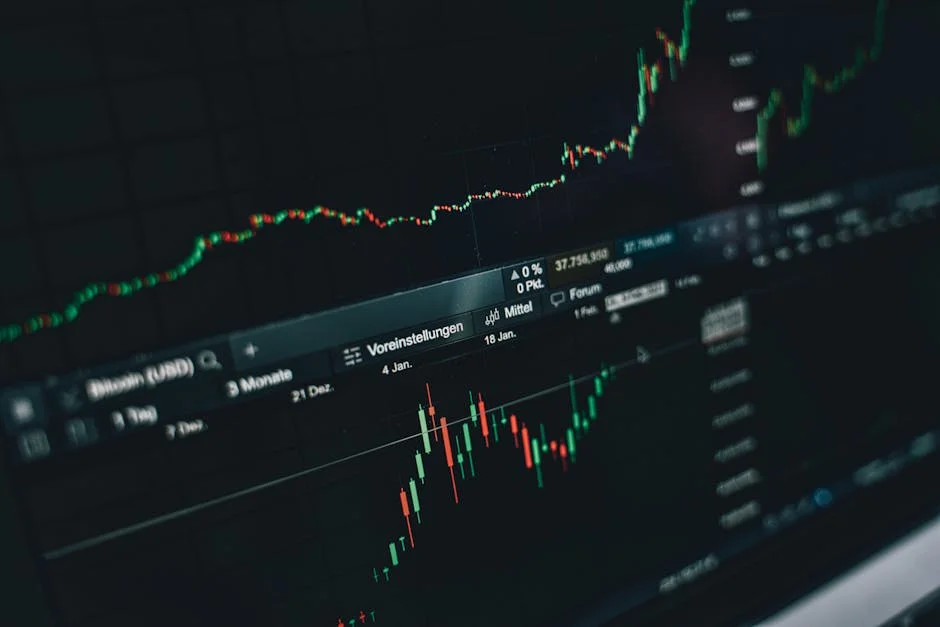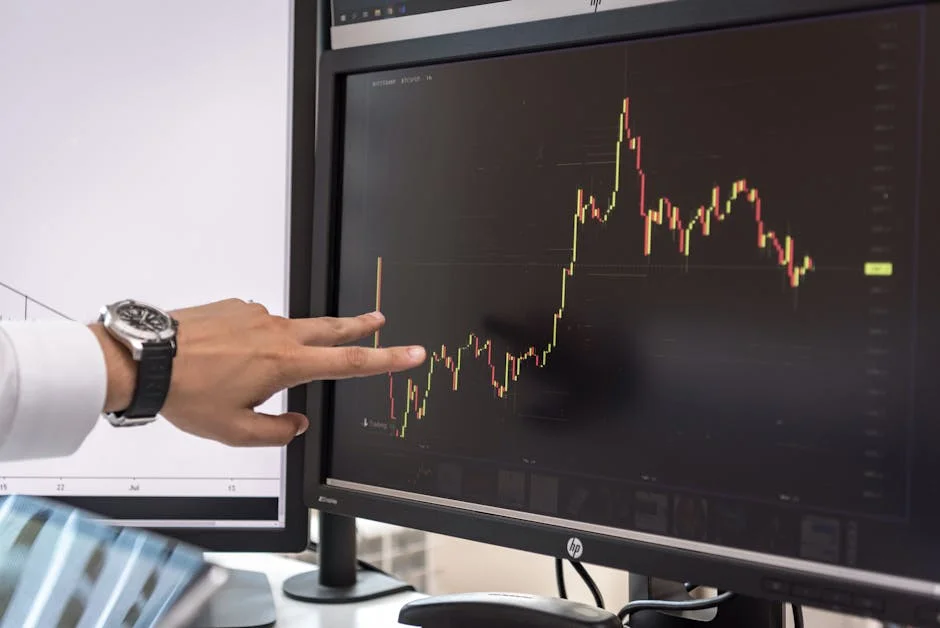
The difference between stock trading and forex trading starts with what is actually being bought and sold and how those markets are structured. Stock trading is the buying and selling of shares in publicly listed companies, where each share represents partial ownership. When a trader buys a stock, the position’s value is tied to the company’s performance, its earnings, its competitive position, management decisions, and broader economic conditions. Forex trading, by contrast, involves exchanging one currency for another in pairs such as EUR/USD or USD/JPY. Instead of owning a slice of a business, a forex trader is taking a view on the relative value of two national currencies based on interest rates, inflation expectations, central bank policy, geopolitical risk, and capital flows. These distinctions affect not only how prices move, but also which tools, news sources, and analytical frameworks tend to matter most for each market.
Table of Contents
- My Personal Experience
- Understanding the difference between stock trading and forex trading
- What is stock trading: ownership, exchanges, and company-driven pricing
- What is forex trading: currency pairs, macro drivers, and the OTC market
- Trading hours and market access: scheduled sessions versus 24-hour liquidity
- Liquidity, volatility, and typical price behavior in each market
- Leverage and margin: how borrowed exposure changes risk
- Costs and fees: commissions, spreads, swaps, and hidden friction
- Regulation and transparency: exchange rules versus broker-driven pricing
- Expert Insight
- Strategy fit: technical analysis, fundamentals, and time horizons
- Risk events and catalysts: earnings season versus economic calendars
- Comparison table: stock trading platforms versus forex trading platforms
- Capital requirements and position sizing: share prices versus pip values
- Psychology and lifestyle: pace, attention demands, and decision fatigue
- Choosing what fits: goals, tools, and practical decision criteria
- Final takeaways on the difference between stock trading and forex trading
- Watch the demonstration video
- Frequently Asked Questions
- Trusted External Sources
My Personal Experience
When I first started trading, I assumed stocks and forex were basically the same—buy low, sell high—but the day-to-day experience felt completely different. With stocks, I found myself paying attention to company earnings, news, and market hours; if I missed a move, I often had to wait until the next session to react. Forex, on the other hand, felt faster and more “macro”—I was watching interest rate decisions, inflation prints, and sudden spikes during overseas sessions, sometimes late at night. The leverage available in forex also surprised me: small price moves could swing my account much more than a typical stock trade, which forced me to tighten my risk management. After a few months, I realized I preferred stocks for slower, research-driven trades, while forex demanded quicker decisions and stricter discipline because it could move sharply at any hour. If you’re looking for difference between stock trading and forex trading, this is your best choice.
Understanding the difference between stock trading and forex trading
The difference between stock trading and forex trading starts with what is actually being bought and sold and how those markets are structured. Stock trading is the buying and selling of shares in publicly listed companies, where each share represents partial ownership. When a trader buys a stock, the position’s value is tied to the company’s performance, its earnings, its competitive position, management decisions, and broader economic conditions. Forex trading, by contrast, involves exchanging one currency for another in pairs such as EUR/USD or USD/JPY. Instead of owning a slice of a business, a forex trader is taking a view on the relative value of two national currencies based on interest rates, inflation expectations, central bank policy, geopolitical risk, and capital flows. These distinctions affect not only how prices move, but also which tools, news sources, and analytical frameworks tend to matter most for each market.
Another major difference is market design and access. Stocks are typically traded on centralized exchanges with defined trading hours, listing requirements, and corporate disclosure rules. Forex is largely an over-the-counter market, meaning trading occurs through a network of banks, liquidity providers, brokers, and electronic venues rather than a single exchange for most retail participants. That structure influences transparency, spreads, execution, and the way liquidity behaves during different sessions. Understanding this market “plumbing” matters because it shapes risk: a stock can gap on earnings, a currency can spike on a surprise rate decision, and the timing, liquidity, and typical volatility patterns differ. For anyone choosing between these markets, the practical implications are significant: capital requirements, leverage norms, tax treatment, and the psychological experience of trading can vary widely. If you’re looking for difference between stock trading and forex trading, this is your best choice.
What is stock trading: ownership, exchanges, and company-driven pricing
Stock trading revolves around equities—shares issued by corporations to raise capital. Each stock has its own narrative, set of financial statements, and industry dynamics. Price formation is influenced by the company’s revenue growth, profit margins, balance sheet health, competitive advantages, and the market’s expectations about the future. Corporate actions—earnings releases, guidance updates, dividends, buybacks, mergers, and executive changes—can move prices sharply. Because equities represent ownership, there is also a long-term investing culture around stocks, with many participants holding for years to capture business growth. Even short-term stock traders still operate in a landscape shaped by institutional investors, index funds, sector rotations, and regulatory disclosure timelines. This makes stock trading a blend of micro factors (company fundamentals) and macro factors (interest rates, growth expectations, credit conditions). If you’re looking for difference between stock trading and forex trading, this is your best choice.
Stock trading typically takes place on regulated exchanges such as the NYSE or Nasdaq in the United States, or the LSE in the UK, with set opening and closing times and specific order handling rules. Those hours create distinct liquidity and volatility patterns: the open can be fast and volatile as overnight news gets priced in, while midday can be quieter, and the close can be active as institutions rebalance. Many stocks also have varying liquidity: mega-cap names may trade with tight spreads and deep order books, while small-cap stocks can have wider spreads and more slippage. Short selling rules, circuit breakers, and halts can affect execution during extreme moves. These mechanics are part of the real-world difference between stock trading and forex trading, because forex tends to have more continuous liquidity across global sessions, whereas stock liquidity concentrates during the exchange’s primary hours.
What is forex trading: currency pairs, macro drivers, and the OTC market
Forex trading is the exchange of currencies, quoted in pairs because one currency is always valued relative to another. When trading GBP/USD, a trader is effectively expressing a view on the British pound versus the US dollar. Macro forces often dominate: central bank policy expectations, interest rate differentials, inflation trajectories, employment data, and geopolitical developments. While company-specific news can be the primary driver in stocks, forex tends to respond more directly to economic releases and central bank communication. A single data point—like a CPI surprise—can shift expectations for rate cuts or hikes and cause rapid repricing across multiple currency pairs. This can create fast-moving opportunities, but it also demands a disciplined approach to risk management because volatility can spike without warning. If you’re looking for difference between stock trading and forex trading, this is your best choice.

The forex market is primarily decentralized and operates around the clock from Monday to Friday, following the sun through major trading centers in Asia, Europe, and North America. That continuous nature is often highlighted when explaining the difference between stock trading and forex trading. Liquidity ebbs and flows by session: EUR and GBP pairs tend to be more active during London hours, while JPY pairs can be more active in Asia, and USD pairs can move strongly during US data releases. Because retail traders usually access forex through brokers offering leveraged contracts, position sizing and margin requirements become central to the experience. Spreads may widen during illiquid periods or major news events, and execution quality can vary by broker and account type. Understanding how the OTC structure affects pricing, spreads, and slippage is critical before committing serious capital.
Trading hours and market access: scheduled sessions versus 24-hour liquidity
Trading hours are a practical, day-to-day difference between stock trading and forex trading. Stocks generally trade during the hours of the exchange where they are listed, with pre-market and after-hours sessions available through some brokers but often with reduced liquidity and wider spreads. This schedule can be beneficial for traders who prefer boundaries: there is a clear start and end to the trading day, and many major corporate announcements happen on a known cadence (before the open or after the close). The downside is that global news can break outside market hours, leading to gaps at the next open. For active traders, those gaps are both risk and opportunity; stops may not fill at expected prices if the stock opens far away from the prior close.
Forex is widely known for near-24-hour access during the workweek, which appeals to traders who want flexibility across time zones or who prefer reacting in real time to macro events. That said, “always open” is not the same as “always liquid.” Liquidity varies by session overlap, and spreads can widen late in the New York session or during holiday periods. The continuous nature also has psychological implications: it can be harder to step away when the market is moving at odd hours, which can lead to overtrading or sleep disruption. For many people, the better market is the one that aligns with their schedule and temperament. If someone thrives on structured routines, stock hours may feel healthier; if someone needs flexible access, forex may fit better. This lifestyle dimension is often overlooked but is part of the real difference between stock trading and forex trading in practice.
Liquidity, volatility, and typical price behavior in each market
Liquidity refers to how easily an asset can be bought or sold without significantly moving the price. In stocks, liquidity varies dramatically by company size and popularity. Large-cap stocks and major ETFs often have tight bid-ask spreads and deep order books, while small-cap or thinly traded stocks can have wider spreads and more price impact. Volatility also differs across stocks: a stable utility company may move slowly, while a high-growth tech stock can swing several percent in a day. Corporate events such as earnings can create sudden jumps, and sector news can cause correlated moves across groups of stocks. For traders, this means that instrument selection matters: trading a highly liquid stock may allow more precise execution, while a low-liquidity stock can behave unpredictably under pressure. If you’re looking for difference between stock trading and forex trading, this is your best choice.
Forex is generally deep and liquid in major pairs like EUR/USD, USD/JPY, and GBP/USD, especially during active sessions. However, not all currency pairs are equal: exotic pairs can be less liquid with wider spreads and sharper moves. Volatility in forex is often tied to macro catalysts—interest rate announcements, inflation data, and geopolitical events. While stocks can gap significantly on company news, forex tends to move in continuous flows, though it can still gap after weekends or during extreme events. Another nuance in the difference between stock trading and forex trading is that forex often exhibits strong mean-reversion or range behavior in quiet macro periods, then breaks into trends when policy expectations shift. Stocks can trend for longer on company growth narratives, but they can also be more idiosyncratic, where one company diverges from the index due to unique fundamentals.
Leverage and margin: how borrowed exposure changes risk
Leverage is a central difference between stock trading and forex trading because it changes both opportunity and danger. In many stock accounts, leverage is available through margin but is often more limited than what is commonly offered in retail forex. Regulations and broker policies vary by country, but stock margin typically allows a trader to control more shares than their cash balance would permit, while also imposing interest costs and maintenance requirements. Leverage can amplify gains, but it also magnifies losses and can trigger margin calls if the position moves against the trader. Because individual stocks can experience sharp drops on bad news, leverage can be especially hazardous in concentrated positions. Risk controls like diversified exposure, smaller position sizing, and disciplined stop-loss usage become essential when trading stocks on margin.

Forex is often marketed with high leverage, which can make small price movements meaningful. In major pairs, daily percentage moves may be smaller than those of many stocks, but leverage can turn a modest move into a substantial profit or loss. This is why the difference between stock trading and forex trading is not just about the asset class; it is about how exposure is typically packaged for retail traders. High leverage can create a sensation of fast progress, but it also makes account blow-ups more likely if risk is not tightly controlled. Margin requirements, stop-out levels, and negative balance protection (where applicable) should be understood in detail. A trader who uses low leverage in forex can reduce risk significantly, but many newcomers underestimate how quickly losses accumulate when positions are oversized relative to account equity.
Costs and fees: commissions, spreads, swaps, and hidden friction
Trading costs are a practical component of the difference between stock trading and forex trading. In stock trading, many brokers offer commission-free trading for standard orders, but costs can still appear through bid-ask spreads, payment for order flow models, exchange fees for certain order types, and margin interest for leveraged positions. For active traders, slippage can be a meaningful cost, especially in fast markets or low-liquidity stocks. Corporate actions and special events can also affect pricing and execution. If a trader frequently enters and exits positions, even small frictions add up over time, making it important to track average spread costs and realized execution quality, not just headline commission rates.
Forex costs are often embedded in the spread (the difference between bid and ask) or charged as a commission on certain account types. Additionally, holding forex positions overnight can incur swap or rollover fees, which reflect interest rate differentials between the two currencies in the pair plus broker markup. These financing costs can be positive or negative depending on the direction of the trade and the currency pair, and they can materially impact strategies that hold positions for days or weeks. During news events, spreads can widen sharply, increasing entry and exit costs. Understanding the full cost structure is part of properly evaluating the difference between stock trading and forex trading, because a strategy that looks profitable on a chart can underperform once spreads, commissions, and overnight financing are included. Traders benefit from backtesting with realistic cost assumptions and reviewing broker disclosures carefully.
Regulation and transparency: exchange rules versus broker-driven pricing
Stock markets are generally heavily regulated, with strict listing standards, reporting requirements, and oversight intended to protect investors and maintain fair markets. Public companies must file regular financial statements, disclose material events, and adhere to rules about insider trading and market manipulation. This environment contributes to a relatively high level of transparency regarding the underlying asset: traders can read earnings reports, track institutional ownership, follow analyst coverage, and monitor corporate guidance. While misinformation and hype can still exist, there is a structured disclosure framework that provides a baseline of information. For many participants, this transparency is a comforting aspect of stock trading, especially when compared with less centralized markets. If you’re looking for difference between stock trading and forex trading, this is your best choice.
Expert Insight
Stock trading involves buying shares of individual companies on regulated exchanges with set trading hours, while forex trading focuses on currency pairs in a largely 24/5 global market driven by interest rates, macro data, and cross-border flows. Tip: choose the market that matches your schedule and research style—use company earnings calendars and sector news for stocks, and an economic calendar plus central-bank updates for forex. If you’re looking for difference between stock trading and forex trading, this is your best choice.
Risk and costs differ: stocks can gap sharply on earnings and headlines, while forex typically offers tighter spreads but higher leverage, which can magnify small moves into large gains or losses. Tip: set position size by volatility—use average true range (ATR) or recent daily ranges to place realistic stops, and cap risk per trade (e.g., 1% of account) regardless of whether you’re trading shares or currency lots. If you’re looking for difference between stock trading and forex trading, this is your best choice.
Forex regulation depends on jurisdiction and broker oversight, and the market’s decentralized nature means pricing and execution can vary more by provider. Major forex dealers and reputable brokers can offer robust execution and clear reporting, but there can be differences in how quotes are aggregated, how orders are routed, and how slippage is handled. This is a subtle but important difference between stock trading and forex trading: in stocks, the exchange is a central venue with standardized rules, while in retail forex, the broker’s model—STP, ECN, or market maker—can influence the trading experience. Choosing a well-regulated broker, understanding client money protections, and reviewing execution policies are essential steps. Transparency in forex comes more from macro data and central bank communication than from corporate filings, so the informational edge often depends on interpreting economic releases and positioning data rather than company-level due diligence.
Strategy fit: technical analysis, fundamentals, and time horizons
Both markets can be traded using technical analysis, but the way fundamentals enter the picture differs. Stock trading often blends chart-based setups with company fundamentals and sector themes. A trader might use technical levels to time entries while relying on earnings growth, valuation, or product cycles as the broader thesis. Time horizons can be highly diverse, from intraday scalping to multi-year investing. Because each stock is unique, stock traders often specialize in certain sectors or types of companies, learning how those names behave around catalysts like earnings and product launches. This specialization can create an edge, but it also requires ongoing research and a willingness to track company-specific developments. If you’re looking for difference between stock trading and forex trading, this is your best choice.
| Aspect | Stock Trading | Forex Trading |
|---|---|---|
| Market & Instruments | Buy/sell shares of individual companies (equities), often influenced by company performance and sector news. | Trade currency pairs (e.g., EUR/USD), primarily driven by macroeconomic data, interest rates, and geopolitical events. |
| Trading Hours & Liquidity | Typically limited to exchange hours (with some pre/after-hours); liquidity varies widely by stock. | Runs 24 hours a day, 5 days a week; generally very high liquidity in major pairs. |
| Leverage & Risk Profile | Lower leverage in many jurisdictions; risk tied to single-company moves (earnings, scandals, delistings). | Often higher leverage available; risk amplified by leverage and rapid price swings, with exposure to currency volatility. |

Forex trading tends to be more macro-driven, with a strong emphasis on interest rates, inflation, risk sentiment, and central bank reaction functions. Technical analysis is widely used, especially because currency pairs often respect major levels and trend structures, but the fundamental narrative frequently revolves around policy divergence and economic momentum. This is another practical difference between stock trading and forex trading: stock fundamentals can be granular (a company’s margins, customer growth, guidance), while forex fundamentals are often systemic (rate differentials, trade balances, fiscal policy). In terms of time horizon, forex supports everything from quick scalps during session overlaps to longer swing trades based on evolving policy expectations. The best fit depends on a trader’s strengths: someone who enjoys reading financial statements may prefer stocks, while someone who enjoys interpreting macro data and central bank signals may feel more at home in currencies.
Risk events and catalysts: earnings season versus economic calendars
Stock trading is heavily shaped by company-specific catalysts. Earnings season is a recurring period of heightened volatility, where stocks can gap up or down dramatically based on results and forward guidance. Corporate actions such as mergers, acquisitions, FDA decisions for biotech firms, lawsuits, or regulatory approvals can also cause sudden, outsized moves. Broader market events—like changes in interest rates—still matter, but a single stock can diverge sharply from the index if its internal story changes. Because of this, risk management often includes avoiding holding certain positions through earnings, hedging with options, or reducing size when binary events approach. Traders also watch sector news because correlated moves can occur when an industry faces regulatory changes or demand shocks. If you’re looking for difference between stock trading and forex trading, this is your best choice.
Forex trading is more synchronized around scheduled macro releases and central bank events. Economic calendars list key data such as CPI, GDP, employment reports, PMI surveys, and rate decisions. Surprise outcomes can cause sharp moves, especially when they alter the expected path of monetary policy. Geopolitical news and risk sentiment can also dominate, pushing flows into or out of safe-haven currencies like USD, JPY, or CHF. This is an important difference between stock trading and forex trading: while stock traders often manage a portfolio of idiosyncratic risks across multiple companies, forex traders often manage exposure to macro regimes and event risk clustered around calendar times. Many forex strategies explicitly avoid trading during major releases due to spread widening and slippage, while others specialize in volatility around those events. Knowing which approach fits your temperament is crucial.
Comparison table: stock trading platforms versus forex trading platforms
Platform choice can shape execution quality, research workflow, and cost structure, influencing the real-world difference between stock trading and forex trading. Stock-focused platforms often emphasize market depth, equity screeners, earnings calendars, and options chains, while forex platforms tend to emphasize fast order entry, one-click trading, built-in economic calendars, and integrated position sizing tools. Some multi-asset brokers offer both, but the experience can still differ based on how the platform is optimized. Ratings and pricing vary widely, and what matters most is reliability during volatility, transparency of fees, and the tools you actually use day-to-day.
The table below offers a high-level comparison of commonly used platform categories rather than a promise of performance. Costs can depend on region, account type, trading volume, and whether you need advanced data packages. The goal is to illustrate how platform features often map to the difference between stock trading and forex trading: equities tend to prioritize exchange data and company research, while forex tends to prioritize spreads, execution speed, and macro-event tooling. Always confirm the latest fees and regulatory status directly with the provider before opening an account or funding it.
| Name | Features | Ratings | Price |
|---|---|---|---|
| Stock Broker (Equities-focused) | Exchange routing, equity screeners, earnings/analyst data, options chain, portfolio analytics | 4.5/5 (typical user reviews vary by broker) | Often $0 commission on stocks; data/margin interest may apply |
| Forex Broker (Retail FX) | Currency pairs, leverage controls, swap/rollover, economic calendar, fast order entry | 4.2/5 (varies by regulation and execution) | Spread-based and/or commission; overnight financing may apply |
| Multi-Asset Platform | Stocks + FX + indices/commodities, unified margin, cross-asset watchlists, basic research suite | 4.3/5 (depends on market coverage) | Mixed pricing; may include commissions, spreads, and data fees |
| Professional Terminal (Advanced) | Deep data, news feeds, analytics, backtesting, multi-venue execution tools | 4.7/5 (for power users) | High monthly subscription; best for heavy research needs |
Capital requirements and position sizing: share prices versus pip values
The amount of capital needed to participate meaningfully is another difference between stock trading and forex trading. In stocks, the price per share can range from a few dollars to thousands, though fractional shares make it easier for smaller accounts to gain exposure. Still, diversification across multiple companies can require more capital if you want to keep position sizes sensible. For example, if you aim to risk only a small percentage of your account per trade, you may find that some higher-priced or more volatile stocks demand smaller share counts, which can be awkward without fractional trading. Additionally, pattern day trading rules in certain jurisdictions can impose minimum equity requirements for frequent day trading, which can be a barrier for smaller accounts trying to trade intraday in US equities.
Forex trading often appears more accessible because brokers allow small contract sizes (such as micro lots) and provide leverage, enabling traders to take positions with relatively small deposits. However, accessibility can be deceptive if it encourages oversizing. Pip value, contract size, and leverage interact in ways that can quickly create large swings in account equity. This is where the difference between stock trading and forex trading becomes practical: in stocks, a 2% move might be a typical day for a volatile name; in forex, a 0.5% move can be meaningful, but leverage can turn it into a large profit or loss. A disciplined approach focuses on risk per trade rather than the notional size of the position. Traders should calculate how much they lose if the stop is hit, include spread costs, and ensure that a string of losses would not cripple the account.
Psychology and lifestyle: pace, attention demands, and decision fatigue
The psychological experience can be dramatically different, and it often determines which market someone can trade sustainably. Stock trading can involve intense bursts of activity around the open, the close, and earnings headlines, but there is also a natural “off switch” when the market closes. That boundary can support healthier routines, especially for traders who are prone to monitoring screens constantly. Stock narratives can also feel intuitive: a strong product, rising profits, or a sector tailwind is a story many people can understand. At the same time, stock trading can trigger emotional reactions to company news, social media hype, and sudden gaps, particularly in popular names with strong retail participation. If you’re looking for difference between stock trading and forex trading, this is your best choice.

Forex trading’s near-24-hour nature can create a different psychological load. Because the market continues across global sessions, it can be tempting to check positions late at night or to react to headlines outside normal working hours. This is a subtle but real difference between stock trading and forex trading: the market’s availability can increase decision fatigue and reduce recovery time if boundaries are not set. Forex also tends to reward patience with macro themes, but it can punish impulsiveness during news spikes when spreads widen and price whipsaws. Many traders do best when they define specific trading windows, limit the number of trades per week, and pre-plan responses to scheduled events. A market that fits your temperament—whether you prefer structured hours and company research or flexible access and macro-driven moves—often leads to better consistency than picking a market based on hype.
Choosing what fits: goals, tools, and practical decision criteria
Selecting between the two markets is less about which is “better” and more about matching your goals and constraints to the environment. If you enjoy analyzing businesses, reading quarterly reports, and building conviction around long-term growth, stock trading may feel more natural. Stocks also offer a broad universe of instruments—value, growth, dividends, sectors, small caps, international ADRs—allowing targeted exposure to themes. If you prefer shorter trading windows and want the structure of exchange hours, equities can be easier to manage alongside a job or family schedule. The flip side is that stock selection can require more research, and single-company risk is real: a surprise scandal or weak guidance can overwhelm a technically “perfect” chart setup. If you’re looking for difference between stock trading and forex trading, this is your best choice.
If you prefer macro analysis, enjoy tracking central bank policy, and want access to a market that responds quickly to economic data, forex trading may be a better match. The major pairs can be liquid, spreads can be competitive, and position sizing can be granular. But it is essential to respect leverage and understand overnight financing, especially for trades held beyond the day. When weighing the difference between stock trading and forex trading, consider practical criteria: your available trading hours, your appetite for research, your tolerance for gaps versus continuous pricing, and your ability to control risk under stress. A useful approach is to paper trade both for several weeks, track metrics like average spread cost, slippage, and emotional comfort, and then commit to one market until you build consistency. Specialization often beats constant switching, because depth of experience in one environment tends to sharpen decision-making.
Final takeaways on the difference between stock trading and forex trading
The difference between stock trading and forex trading comes down to what drives price, how the market is structured, and how risk shows up in real life. Stocks are ownership claims on companies, shaped by earnings, valuations, and corporate events within regulated exchange hours; forex is a relative bet between currencies, shaped by macroeconomics, interest rates, and global capital flows in a mostly OTC market that runs nearly 24 hours during the week. Stocks can bring idiosyncratic, company-specific gaps and the need for deeper business research, while forex often brings event-driven volatility tied to data releases and central bank surprises, with leverage and rollover costs playing a bigger role. The better choice is the one that aligns with your schedule, temperament, research style, and risk controls, because consistent execution matters more than the market you choose.
Watch the demonstration video
In this video, you’ll learn the key differences between stock trading and forex trading, including how each market works, what drives price movements, and the typical trading hours, liquidity, and volatility. You’ll also compare costs, leverage, and risk so you can decide which market better fits your goals and trading style. If you’re looking for difference between stock trading and forex trading, this is your best choice.
Summary
In summary, “difference between stock trading and forex trading” is a crucial topic that deserves thoughtful consideration. We hope this article has provided you with a comprehensive understanding to help you make better decisions.
Frequently Asked Questions
What is the main difference between stock trading and forex trading?
Stock trading focuses on buying and selling shares of publicly listed companies on stock exchanges, aiming to profit from changes in a company’s value over time. In contrast, forex trading centers on exchanging currency pairs in the global foreign exchange market, where traders seek to benefit from fluctuations in exchange rates—highlighting the key **difference between stock trading and forex trading**.
Which market has higher liquidity: stocks or forex?
Because the forex market handles enormous trading volume worldwide, it’s typically highly liquid, making it easier to enter and exit positions quickly. In contrast, stock market liquidity can differ widely depending on the company, its share volume, and the exchange—highlighting an important **difference between stock trading and forex trading**.
Are trading hours different for stocks and forex?
Yes—there’s a clear **difference between stock trading and forex trading** when it comes to market hours. Most stock markets are only open during their local exchange times, while the forex market runs 24 hours a day, Monday through Friday, as trading moves through major global sessions.
How does leverage typically compare between stock and forex trading?
Forex trading often comes with higher leverage—depending on your broker and local regulations—allowing you to control larger positions with less upfront capital. Stock trading, on the other hand, typically offers lower leverage and usually requires using a margin account. This is one key **difference between stock trading and forex trading** that can significantly affect both potential gains and risk.
What costs are common in stock trading vs forex trading?
When looking at the **difference between stock trading and forex trading**, costs are a key factor. Stock trading often comes with broker commissions, exchange or regulatory fees, and the bid-ask spread. In forex trading, expenses are usually built into the spread, though some accounts may also charge a commission, and positions held overnight can incur swap or rollover fees.
What tends to drive price movements in stocks vs forex?
Stocks tend to move based on how individual companies and their industries are performing—think earnings reports, growth prospects, and sector-wide sentiment—whereas forex prices are shaped more by big-picture forces such as interest rates, inflation data, central bank decisions, and geopolitical developments. That contrast is a key part of understanding the **difference between stock trading and forex trading**.
? Looking for more info about difference between stock trading and forex trading? Follow Our Site for updates and tips!

Trusted External Sources
- Forex Trading vs Stock Trading – Differences, Advantage
The forex market is known for its deep liquidity, fast-moving price swings, 24/5 trading schedule, and the ability to use higher leverage. Stocks, by contrast, trade on centralized exchanges with set market hours, and their price moves are often driven by company-specific news like earnings and dividends. Understanding the **difference between stock trading and forex trading** comes down to how each market operates—currencies tend to react to global economic events and interest rates, while stocks reflect the performance and outlook of individual businesses.
- Forex vs stocks (swing/day trading) – Reddit
Dec 18, 2026 … Market size: The forex market is much larger than the stock market, with a daily trading volume of around $6 trillion, compared to the stock … If you’re looking for difference between stock trading and forex trading, this is your best choice.
- Forex vs Stocks: What are the Key Differences? | Dukascopy Bank SA
As of Oct 24, 2026, the currency market operates as a vast, decentralized network connecting banks, brokers, and financial institutions worldwide, enabling trading around the clock. By contrast, stock markets are more structured, with shares bought and sold on regulated exchanges during set trading hours—highlighting a key **difference between stock trading and forex trading**.
- The main differences between forex and stock trading – IG
Lesson summary: The **difference between stock trading and forex trading** comes down to a few key factors—trading volume, liquidity, typical costs, and how long each market is open. Stocks generally trade on set exchange hours with varying liquidity by company, while forex runs nearly 24/5 with massive global volume and deep liquidity that can help keep spreads competitive.
- Forex vs Stocks: What are the Differences? | CMC Markets
When exploring the **difference between stock trading and forex trading**, one of the biggest contrasts is volatility. The forex market tends to move faster and more sharply than most stocks, which can create frequent opportunities for experienced, disciplined traders to capture profits. At the same time, that speed cuts both ways—forex also comes with heightened risk, and without a clear strategy and strong risk management, losses can add up just as quickly.