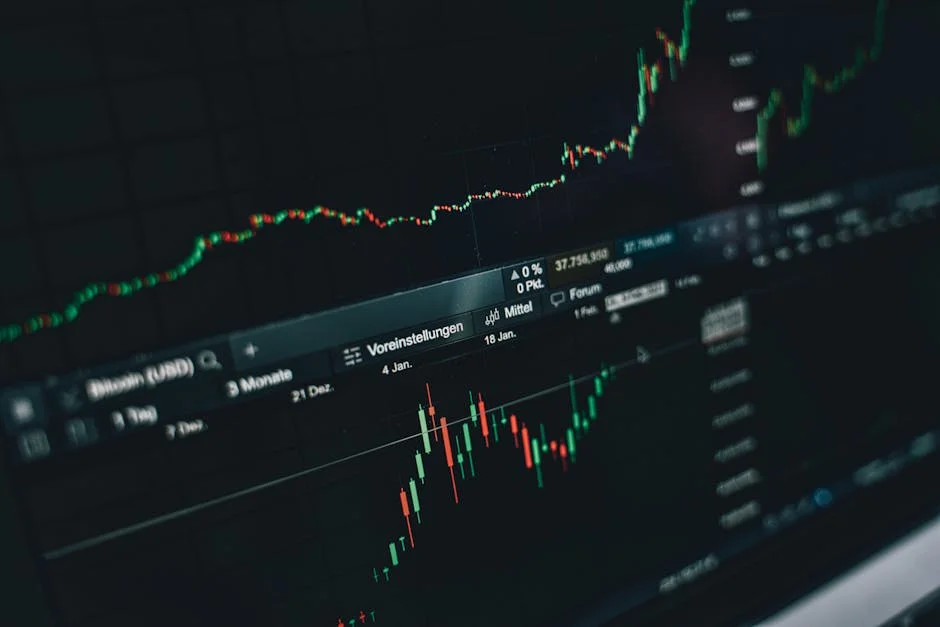
Crypto trading vs forex trading begins with a simple but powerful distinction: one market is built on decentralized digital assets and blockchain-based settlement, while the other is anchored to national currencies and a long-established global banking network. Forex revolves around exchanging fiat currencies like USD, EUR, JPY, and GBP, typically driven by macroeconomics, interest-rate expectations, and cross-border trade flows. Crypto trading centers on digital tokens such as Bitcoin, Ethereum, and thousands of alternatives whose value is influenced by network adoption, token utility, protocol changes, and the broader risk appetite of global investors. Both arenas attract speculators and hedgers, but their underlying infrastructure, participant base, and regulatory maturity differ enough that strategies and risk controls cannot be copied one-to-one. Even the “why” behind price movement tends to differ: forex often reflects relative economic strength and monetary policy divergence, while crypto can swing on technology narratives, exchange listings, on-chain metrics, and sentiment cycles that move faster than traditional economic data.
Table of Contents
- My Personal Experience
- Understanding Market Foundations: What Makes Crypto Trading vs Forex Trading Different
- Market Size, Liquidity, and Trading Hours: How Access Shapes Opportunity
- Volatility Profiles and Risk: Managing Extremes vs Managing Regimes
- Leverage, Margin, and Liquidations: Similar Tools, Different Consequences
- Regulation, Compliance, and Counterparty Risk: Who Protects the Trader?
- Costs and Fee Structures: Spreads, Commissions, Funding, and Hidden Friction
- Strategy Fit: Technical Analysis, Fundamentals, and the Role of News
- Instruments and Products: Spot, Futures, Options, CFDs, and Perpetuals
- Expert Insight
- Platforms, Infrastructure, and Technology: Execution, Data, and Reliability
- Taxation and Recordkeeping: Complexity, Reporting, and Practical Burden
- Trader Psychology and Lifestyle Fit: Pace, Attention, and Decision Fatigue
- Comparison Table: Popular Venues and Typical Costs for Active Traders
- Who Tends to Prefer Each Market: Use Cases, Goals, and Learning Curves
- Practical Guidance for Choosing Between Crypto and Forex Without Overcommitting
- Conclusion: Making an Informed Choice Between Crypto Trading vs Forex Trading
- Watch the demonstration video
- Frequently Asked Questions
- Trusted External Sources
My Personal Experience
I started out trading forex because it felt more “grown-up” and predictable—major pairs, clear session times, and tighter spreads with my broker. After a few months of small wins and plenty of chop, I got curious about crypto and opened a BTC and ETH account on an exchange. The first thing I noticed was how different the pace is: crypto never sleeps, and I’d wake up to positions that had moved more overnight than EUR/USD moved all week. I liked the clean, strong trends when they showed up, but the sudden spikes and weekend volatility punished sloppy stops fast. With forex, I felt like I could plan around economic calendars and liquidity, while crypto felt more sentiment-driven and headline-sensitive. In the end I still trade both, but I size smaller in crypto and treat it more like a high-volatility add-on, while forex is where I stick to my routine and risk rules. If you’re looking for crypto trading vs forex trading, this is your best choice.
Understanding Market Foundations: What Makes Crypto Trading vs Forex Trading Different
Crypto trading vs forex trading begins with a simple but powerful distinction: one market is built on decentralized digital assets and blockchain-based settlement, while the other is anchored to national currencies and a long-established global banking network. Forex revolves around exchanging fiat currencies like USD, EUR, JPY, and GBP, typically driven by macroeconomics, interest-rate expectations, and cross-border trade flows. Crypto trading centers on digital tokens such as Bitcoin, Ethereum, and thousands of alternatives whose value is influenced by network adoption, token utility, protocol changes, and the broader risk appetite of global investors. Both arenas attract speculators and hedgers, but their underlying infrastructure, participant base, and regulatory maturity differ enough that strategies and risk controls cannot be copied one-to-one. Even the “why” behind price movement tends to differ: forex often reflects relative economic strength and monetary policy divergence, while crypto can swing on technology narratives, exchange listings, on-chain metrics, and sentiment cycles that move faster than traditional economic data.
Another key separation in crypto trading vs forex trading is how liquidity is produced and where price discovery happens. Forex is an over-the-counter market dominated by banks, prime brokers, and large institutions, with enormous daily turnover and deep liquidity in major pairs. Crypto price discovery is fragmented across centralized exchanges, decentralized exchanges, derivatives venues, and sometimes regional markets with different access rules. That fragmentation can create temporary pricing gaps, higher slippage during volatility, and a stronger reliance on exchange-specific order book depth. Forex tends to have tighter spreads in majors during liquid sessions, while crypto spreads can vary widely depending on the token, venue quality, and time of day. These market foundations shape everything else: risk management tools, the nature of leverage, the reliability of technical levels, and even the psychological experience of holding positions through news events. Recognizing these structural differences early helps traders avoid misapplying assumptions and encourages building a framework tailored to the market being traded.
Market Size, Liquidity, and Trading Hours: How Access Shapes Opportunity
Liquidity and availability are central to crypto trading vs forex trading because they determine the cost of entering and exiting positions and the likelihood of getting filled near the expected price. Forex is widely viewed as the most liquid market in the world, with major pairs like EUR/USD and USD/JPY offering deep order books and typically narrow spreads, especially during the overlap of London and New York sessions. This depth supports large trade sizes, frequent scaling in and out, and strategies that depend on minimal friction, such as high-frequency approaches and tight stop-loss placement. Crypto liquidity can be excellent for top assets like BTC and ETH on reputable exchanges, but it thins quickly as traders move into smaller tokens. In less liquid coins, a single market order can shift price materially, and stop orders may slip during fast moves. That liquidity gradient is not just an inconvenience; it changes the expected value of a strategy, because execution costs can overwhelm edge if not controlled.
Trading hours further separate crypto trading vs forex trading. Crypto markets run 24/7, including weekends and holidays, which can be appealing for those who want constant access but challenging for those who need downtime. Weekend liquidity in crypto can be thinner, and sudden moves can occur when fewer market makers are active, leading to sharper gaps and more erratic candles. Forex trading is effectively 24 hours per day from Monday to Friday, with liquidity cycling through the Asia, London, and New York sessions. The structured nature of forex sessions creates recurring patterns: certain pairs move more during their home session, and volatility often concentrates around scheduled economic releases. Crypto has its own calendar—token unlocks, protocol upgrades, exchange listings, governance votes—but it lacks the same standardized macro schedule. For traders, the practical outcome is that forex may feel more “rhythmic,” while crypto can feel more “always on.” The best choice depends on lifestyle, preferred volatility, and the ability to monitor positions when liquidity conditions change.
Volatility Profiles and Risk: Managing Extremes vs Managing Regimes
Volatility is one of the most visible contrasts in crypto trading vs forex trading. Crypto assets can experience double-digit percentage swings in a single day, especially during risk-on or risk-off sentiment shifts, regulatory headlines, or cascading liquidations in derivatives markets. That volatility can create opportunities for momentum strategies, breakout systems, and mean-reversion setups—yet it also increases the probability of being stopped out by noise. Forex volatility is typically lower in major pairs, with daily ranges often measured in fractions of a percent, though spikes can occur around central bank decisions, geopolitical surprises, or sudden shifts in risk sentiment. Lower average volatility does not mean lower risk; rather, the risk often comes from leverage, gap risk around events, or correlated moves across multiple pairs. The key is that volatility in forex often clusters around known events, while crypto volatility can appear from both scheduled and unscheduled catalysts, including exchange-specific issues and on-chain incidents.
Risk management in crypto trading vs forex trading often differs in emphasis. In crypto, position sizing needs to account for larger expected drawdowns, potential exchange outages, and the possibility of extreme wicks during liquidation cascades. Stop-loss orders can help, but traders must anticipate slippage and the chance that stops trigger at worse prices in fast markets. In forex, slippage is usually less severe in liquid pairs under normal conditions, but major announcements can still produce rapid spikes that jump stops. Another factor is the nature of “tail risk.” In crypto, a token can collapse due to a protocol exploit, a stablecoin depeg, or a liquidity crisis, creating risks not commonly seen in major fiat currencies. Forex tail events exist—such as the Swiss franc move in 2026—but they are rarer and often tied to policy shocks. Traders comparing crypto trading vs forex trading should think in terms of risk regimes: forex often rewards patience and selective engagement around catalysts, while crypto can demand constant respect for sudden volatility and venue risk.
Leverage, Margin, and Liquidations: Similar Tools, Different Consequences
Leverage is a defining element of both sides of crypto trading vs forex trading, but the mechanics and consequences can diverge significantly. In forex, retail brokers commonly offer leverage that can be high depending on jurisdiction, while professional participants often access leverage through prime brokerage relationships. Margin rules, negative balance protections, and regulatory caps vary by region, yet the general structure is mature: margin requirements are known, and liquidation processes are standardized within the broker’s risk system. In crypto, leverage is typically accessed through derivatives exchanges offering perpetual swaps and futures, where funding rates, mark prices, and liquidation engines play major roles. A trader might be correct on direction and still lose money if excessive leverage leads to liquidation during a temporary wick. The presence of funding payments also means holding a leveraged position has an ongoing cost or benefit, shaping the decision between short-term and longer-term positioning.
Liquidation dynamics are a particularly important difference in crypto trading vs forex trading. Crypto derivatives venues can produce cascading liquidations when price moves rapidly, forcing positions to close and adding fuel to the move. This can create sharp “V” reversals and exaggerated breakdowns that are less common in major forex pairs. Forex can still experience stop runs and liquidity pockets, but the market’s depth and the diversity of liquidity providers generally reduce the intensity of forced liquidation cascades at the global level. Another practical difference is transparency: crypto traders can often observe open interest, funding rates, and liquidation heatmaps that hint at crowded positioning, while forex positioning data is more indirect, coming from sources like COT reports, broker sentiment tools, and options market signals. Understanding how leverage changes market behavior helps traders adjust tactics—using lower leverage, wider stops, or scaling entries in crypto, and focusing on event risk and correlation exposure in forex. The tool is the same, but the path to ruin can look very different.
Regulation, Compliance, and Counterparty Risk: Who Protects the Trader?
Regulation is a major dividing line in crypto trading vs forex trading, shaping everything from account protections to marketing practices and dispute resolution. Forex in many regions operates under established regulatory bodies that define capital requirements, segregation of client funds, reporting standards, and conduct rules. While not perfect, this framework can reduce certain risks, such as broker insolvency handling and misleading execution claims, because regulators can impose audits and penalties. Crypto regulation is evolving and varies widely by country, with some jurisdictions providing licensing regimes for exchanges and others applying fragmented or unclear rules. This uneven landscape means traders must do more due diligence on the exchange, custody practices, proof-of-reserves reporting, and legal recourse options if something goes wrong. Even if a crypto platform appears reputable, the rules governing it may change quickly, affecting access to certain products or requiring new identity checks.
Counterparty risk takes different forms in crypto trading vs forex trading. In forex, the trader’s counterparty is usually the broker, which may route orders to liquidity providers or internalize flow, depending on its model. The key risks revolve around execution quality, potential conflicts of interest, and the broker’s financial stability. In crypto, counterparty risk can include centralized exchange custody risk, operational risk such as downtime during volatility, and smart contract risk when using decentralized venues. A trader can manage some of this by using hardware wallets for long-term holdings, limiting funds left on exchanges, selecting venues with strong security records, and diversifying across platforms. Yet the reality remains that crypto introduces unique technical and legal uncertainties. Comparing crypto trading vs forex trading on regulation is not about deciding which market is “safe” in a simplistic way; it is about identifying what type of protection exists, what risks remain unaddressed, and what personal safeguards are required to trade responsibly.
Costs and Fee Structures: Spreads, Commissions, Funding, and Hidden Friction
Cost is often underestimated in crypto trading vs forex trading, yet it can decide whether a strategy is profitable. Forex trading typically involves spreads, commissions (especially on ECN-style accounts), swap or rollover fees for holding positions overnight, and sometimes additional charges for data or platform services. In liquid major pairs, spreads can be extremely tight, which benefits frequent traders. However, swap rates can be meaningful for longer holds, especially when interest rate differentials are large or when brokers apply markups. Crypto trading costs include spot trading fees (maker/taker), withdrawal fees, and slippage, plus derivatives-specific costs such as funding rates on perpetual swaps. Funding can be a significant headwind during crowded long or short conditions; it effectively transfers money between market participants and can alter the attractiveness of holding a position for days or weeks. Because crypto markets can be fragmented, the same asset may trade with different fee schedules and liquidity conditions across venues.
Hidden friction also differs in crypto trading vs forex trading. In forex, the main hidden cost is often execution quality—requotes, slippage during news, and spread widening in illiquid moments. Traders may also face costs from currency conversion if their account base currency differs from the pair they trade. In crypto, hidden costs can include blockchain network fees during congested periods, price impact on thin books, and the opportunity cost of moving assets between exchanges when arbitrage appears. Another subtle cost is operational: managing multiple wallets, maintaining security practices, and handling tax lots across many transactions can consume time and increase error risk. For both markets, the best approach is to quantify costs: track average spread, average slippage, commissions, and carry/funding over a meaningful sample size. When comparing crypto trading vs forex trading, it helps to match the market to the strategy: scalping tends to favor tight-spread environments, while swing trading can tolerate higher entry costs if the expected move is large enough to compensate.
Strategy Fit: Technical Analysis, Fundamentals, and the Role of News
Strategies can work in both markets, but crypto trading vs forex trading often rewards different blends of analysis. Forex fundamentals are heavily tied to economic indicators, central bank communication, inflation trends, labor markets, and geopolitical risk. A trader focusing on fundamentals might track rate expectations via bond yields, watch central bank meeting calendars, and interpret data surprises relative to forecasts. Technical analysis is also widely used in forex, and because liquidity is deep in major pairs, technical levels can sometimes behave more cleanly during normal conditions. Crypto fundamentals are less about GDP and more about network effects, token supply schedules, fee revenue, user activity, developer adoption, and protocol governance. Macro still matters—especially global liquidity conditions and risk sentiment—but crypto adds a technology layer that can generate idiosyncratic moves, such as a major upgrade, a bridge exploit, or a sudden shift in stablecoin confidence.
News flow behaves differently in crypto trading vs forex trading. Forex has a mature ecosystem of scheduled releases, press conferences, and widely followed macro calendars. That structure allows traders to plan: reduce exposure before high-impact events, trade volatility breakouts, or fade overreactions depending on the setup. Crypto news is partially scheduled—ETF decisions, unlocks, hard forks—but much of it is emergent and social-driven, spreading quickly across platforms and sometimes moving price before mainstream outlets react. This can advantage traders who monitor on-chain data, exchange announcements, and developer channels, but it can also increase false signals and rumor-driven volatility. For technical traders, crypto may offer cleaner trend phases during strong narratives, while forex may offer more range-bound behavior outside of event windows. The practical takeaway is to align your edge with the market’s character: macro-focused traders may find forex more intuitive, while traders who thrive on rapid narrative shifts and higher volatility may prefer crypto—provided their risk management is strict.
Instruments and Products: Spot, Futures, Options, CFDs, and Perpetuals
The product menu is a major consideration in crypto trading vs forex trading because it affects how traders express views and manage risk. Forex trading is commonly accessed via spot forex through brokers, as well as CFDs in certain jurisdictions, and institutional forwards and swaps for hedging. Options on currencies are also widely used by professionals to hedge event risk or trade volatility, with a deep market in major pairs. Crypto trading includes spot markets, futures, options, and perpetual swaps that have become a dominant instrument for speculation. Perpetuals are unique in that they mimic futures exposure without expiry, using funding rates to anchor the contract price near spot. This allows traders to maintain positions without rolling contracts, but it introduces the ongoing funding cost or yield that can materially affect performance.
Expert Insight
Match your risk controls to the market’s behavior: crypto often moves faster and gaps more, so use smaller position sizes, wider-but-defined stops, and pre-set max daily loss limits; in forex, prioritize tight risk per trade and account for scheduled macro events (CPI, rate decisions) that can spike volatility. If you’re looking for crypto trading vs forex trading, this is your best choice.
Trade where you have a clear edge in timing and costs: crypto runs 24/7, so set alerts and plan sessions to avoid fatigue, and compare exchange fees plus slippage before entering; forex is typically most liquid during major session overlaps, so focus on those windows and always factor in spreads, swaps/rollover, and news-driven spread widening. If you’re looking for crypto trading vs forex trading, this is your best choice.
Instrument choice changes the risk profile in crypto trading vs forex trading. Spot crypto involves custody and potential blockchain transfer needs, while derivatives can introduce liquidation risk and exchange-specific rules. Forex spot trading through a broker often simplifies settlement and custody, but traders must understand whether they are trading on a dealing desk model or a direct market access model. Options in forex can be used to define risk precisely, while crypto options markets—though growing—may have varying liquidity and wider spreads except in major assets. Product availability also depends on location: some traders have access to regulated futures exchanges, others rely on offshore venues with different standards. The best approach is to choose instruments that match the intended holding period and risk tolerance. For example, a swing trader might prefer spot or low-leverage futures, while an event trader may prefer options to cap downside. Comparing crypto trading vs forex trading through the lens of instruments helps clarify that “trading” is not one thing; it is a toolbox, and each market offers a different set of tools with different trade-offs.
Platforms, Infrastructure, and Technology: Execution, Data, and Reliability
Technology influences outcomes in crypto trading vs forex trading more than many traders expect. Forex traders often use platforms like MetaTrader, cTrader, or proprietary broker terminals, with stable charting, integrated order management, and robust historical data. Execution quality depends on broker routing, server proximity, and liquidity provider relationships, but the overall ecosystem is mature. Crypto traders typically use exchange web terminals, APIs, and specialized analytics platforms that integrate on-chain metrics, order book data, and derivatives indicators like open interest. The upside is breadth of data; the downside is fragmentation and varying quality standards. Two exchanges can show different prices, different liquidity, and different liquidation behavior for the same asset, which matters for stop placement and risk calculations.
| Aspect | Crypto Trading | Forex Trading |
|---|---|---|
| Market hours | 24/7 trading, including weekends and holidays. | 24 hours a day, 5 days a week (typically closed on weekends). |
| Volatility | Generally higher volatility; larger and faster price swings are common. | Typically lower volatility in major pairs; moves are often more gradual. |
| Regulation & market structure | Fragmented across exchanges; regulation varies widely by country and platform. | More established market structure; brokers often operate under clearer regulatory frameworks. |
Reliability and operational resilience differ in crypto trading vs forex trading. Forex brokers can have outages, but major brokers invest heavily in uptime because their clientele expects stability during macro events. Crypto exchanges, especially during extreme volatility, have historically experienced downtime, API throttling, and order placement delays. Even if the industry is improving, traders must plan for worst-case scenarios: sudden inability to close a position, delayed withdrawals, or unexpected maintenance. Data quality also matters. Forex has long-established feeds and a clear convention for quoting, while crypto’s 24/7 nature and multi-venue trading can complicate backtesting if the dataset is incomplete or biased toward a single exchange. Traders who automate strategies should test execution assumptions under stress, including slippage and partial fills. When weighing crypto trading vs forex trading, it is sensible to include the “plumbing” in the decision: the best strategy can fail if the platform cannot execute reliably when volatility peaks.
Taxation and Recordkeeping: Complexity, Reporting, and Practical Burden
Tax treatment is highly jurisdiction-dependent, but in general, crypto trading vs forex trading can create different reporting burdens. Forex taxation may be straightforward for many retail traders, often treated as capital gains or as a form of financial income depending on local rules and whether trading is considered a business. Brokers often provide annual statements that summarize trades, profits, and losses, making recordkeeping more manageable. Crypto trading can be significantly more complex because each trade between tokens may be treated as a taxable event, and activity can span multiple exchanges, wallets, and chains. Transfers between wallets are not always taxable, but they must be tracked accurately to avoid misclassification. The number of transactions can be large, especially for active traders using bots or engaging in frequent reallocations among assets.
Recordkeeping challenges in crypto trading vs forex trading also arise from cost basis methods, token splits, airdrops, staking rewards, and forks—events that have no direct equivalent in traditional currency trading. Even if someone focuses purely on spot buying and selling, the presence of fees paid in tokens, varying lot sizes, and cross-chain bridges can complicate reconciliation. Forex traders can still face complexity when trading multiple accounts or instruments, but the standardization of statements and pricing often reduces ambiguity. For crypto traders, using portfolio tracking and tax software can help, but it requires careful configuration and regular audits of missing transactions. The practical advice is to design a trading workflow with taxes in mind: limit unnecessary transfers, consolidate venues where possible, export trade history regularly, and keep notes on unusual events. When comparing crypto trading vs forex trading, taxation may not be exciting, but it can materially affect net returns and the time required to stay compliant.
Trader Psychology and Lifestyle Fit: Pace, Attention, and Decision Fatigue
Psychology often determines whether someone thrives in crypto trading vs forex trading. Crypto’s 24/7 market can intensify decision fatigue because there is always a new candle, a new headline, or a sudden move. Traders may feel pressure to monitor positions constantly, especially when volatility spikes on weekends. This environment can reward those who are comfortable with uncertainty and can stick to predefined rules even when price swings feel dramatic. Forex trading, with its Monday-to-Friday rhythm and session-based liquidity cycles, can be easier to structure around a routine. Traders can plan around key events and choose the sessions that fit their schedule, such as trading London mornings or New York afternoons. The lower average volatility in major forex pairs can also reduce emotional whiplash, though leverage can bring the stress back quickly if position sizes are too large.
Lifestyle fit in crypto trading vs forex trading also includes how traders handle information flow. Forex traders often focus on a curated set of economic indicators and central bank messaging, while crypto traders may be exposed to a broader and noisier stream of narratives across social platforms, developer updates, and exchange announcements. That noise can create impulsive trades if filters are not strong. Another aspect is sleep and downtime. Forex naturally pauses over the weekend, while crypto does not; traders who need clear off-hours may prefer forex or may need to use alerts, smaller size, or options to cap risk in crypto. The best market is the one that supports consistent execution of a plan. If a trader’s temperament favors frequent action and rapid iteration, crypto may feel engaging. If a trader prefers structured catalysts and a more standardized market environment, forex may feel more sustainable. Matching market choice to psychology is a practical edge that often matters more than finding the “best” indicator.
Comparison Table: Popular Venues and Typical Costs for Active Traders
Choosing where to trade is part of the real-world decision behind crypto trading vs forex trading. Venues differ in fee schedules, product availability, and perceived reliability, and those differences can shape which strategies are feasible. A trader who relies on frequent entries and exits may prioritize tight spreads and low commissions, while a swing trader may prioritize strong risk tools, stable platform performance, and transparent funding or swap calculations. Because pricing can change and access varies by region, the table below uses typical characteristics rather than promises. The main goal is to highlight what to compare: fees, product range, and how each venue type is generally rated by active traders for usability and execution.
It is also important to separate venue features from market features when comparing crypto trading vs forex trading. A poor experience on one exchange does not define the entire crypto market, just as a poor experience with one broker does not define forex. Traders benefit from reading current fee pages, checking order book depth during their preferred trading hours, and testing with small size before committing significant capital. Ratings are inherently subjective, but they help summarize how traders often view ease of use, liquidity, and reliability. Price references below focus on typical trading fees rather than asset prices, since the cost of trading is the consistent variable across time.
| Name | Market Type | Features | Ratings (1-5) | Price / Typical Trading Costs |
|---|---|---|---|---|
| Major Regulated Forex Broker (ECN account) | Forex | Tight spreads on majors, commission-based pricing, economic calendar integration, strong reporting | 4.5 | Often 0.0–0.3 pip spread + commission per lot; overnight swap applies |
| Retail Forex Broker (standard account) | Forex | No explicit commission, wider spreads, beginner-friendly platforms, session-based liquidity | 4.0 | Spread-only pricing; majors often ~0.8–1.8 pips; overnight swap applies |
| Top-Tier Centralized Crypto Exchange | Crypto | High liquidity on large caps, spot + futures/perpetuals, API access, advanced order types | 4.4 | Maker/taker often ~0.00%–0.10% depending on tier; withdrawal/network fees vary |
| Crypto Derivatives Exchange (perpetual-focused) | Crypto | Perpetual swaps, funding rates, deep derivatives liquidity on majors, liquidation engine | 4.2 | Trading fees often ~0.02%–0.06% per side; funding paid/received periodically |
| Decentralized Exchange (AMM/aggregator) | Crypto | Self-custody, on-chain settlement, access to long-tail assets, transparent transactions | 3.9 | DEX fee + slippage + network gas; costs rise during congestion |
Who Tends to Prefer Each Market: Use Cases, Goals, and Learning Curves
Different trader profiles gravitate toward crypto trading vs forex trading for practical reasons. Forex often appeals to traders who like macro-driven narratives and want to specialize in a small set of liquid instruments. Because the major currency pairs are deeply traded, forex can reward consistency, careful risk control, and selective aggression around events. The learning curve includes understanding interest rates, central bank behavior, and how risk sentiment flows through global markets. Many also appreciate that forex has long-standing conventions for quoting, pip values, and position sizing, which can make early education more structured. On the other hand, the same structure can feel slow to traders seeking larger percentage moves, especially if they avoid high leverage. For these traders, forex becomes a craft: refining execution, learning session tendencies, and building discipline around scheduled announcements.
Crypto trading vs forex trading often attracts traders who want higher volatility, more instruments, and exposure to innovation narratives. Crypto can suit traders who are comfortable analyzing market sentiment, tracking on-chain activity, and adapting quickly to new information. The learning curve can be steeper because there are more moving parts: wallet security, exchange selection, token mechanics, and the unique behavior of perpetual funding and liquidation cascades. Yet the accessibility is appealing—many can start with small amounts, trade fractional units, and explore a wide range of assets. Crypto also offers participation beyond trading, such as holding assets in self-custody, although that introduces responsibility and security risk. Ultimately, preference often comes down to goals: those focused on macro hedging or steady development of a repeatable process may prefer forex, while those seeking faster-moving opportunities and can tolerate higher volatility may prefer crypto. Either way, success depends less on the market label and more on matching tools, temperament, and risk limits to the environment.
Practical Guidance for Choosing Between Crypto and Forex Without Overcommitting
A practical way to evaluate crypto trading vs forex trading is to treat the decision like an experiment rather than an identity. Instead of committing all capital and attention to one market, many traders benefit from a staged approach: learn the basics, test a strategy with small size, and measure results under real conditions. For forex, that means tracking not only profit and loss, but also how spreads widen during specific sessions, how your broker behaves during high-impact news, and whether swap rates erode longer holds. For crypto, it means measuring slippage across venues, monitoring funding impact on leveraged positions, and stress-testing your ability to handle sudden volatility without breaking your rules. The goal is to gather evidence about which environment best supports consistent execution. A trader who performs well in calm conditions but struggles during rapid spikes may prefer the more structured rhythm of forex majors, while someone who thrives on volatility but maintains strict position sizing may find crypto more aligned with their strengths.
Another useful lens for crypto trading vs forex trading is risk budgeting and time budgeting. Risk budgeting asks: how much can you lose per trade and per week without changing behavior or chasing losses? Crypto may require smaller position sizes to keep that budget stable because typical swings are larger. Time budgeting asks: how often can you realistically monitor positions? If you cannot watch markets on weekends or during certain hours, crypto’s 24/7 nature can become a liability unless you use smaller size, wider stops, hedges, or defined-risk instruments. Forex’s session structure may be easier to match to a schedule. It also helps to consider diversification: some traders allocate to both, using forex for macro-driven trades and crypto for higher-volatility opportunities, while keeping strict separation in risk limits. The decision does not need to be permanent. As skills, capital, and personal schedule change, the optimal balance between crypto and forex can change as well.
Conclusion: Making an Informed Choice Between Crypto Trading vs Forex Trading
Crypto trading vs forex trading is ultimately a comparison between two vibrant markets that demand different kinds of preparation. Forex offers deep liquidity in major pairs, a mature regulatory environment in many regions, and a structured calendar of macro events that can help traders plan risk. Crypto offers 24/7 access, higher volatility, a wider range of instruments and narratives, and unique risks tied to exchanges, custody, and rapid sentiment shifts. The most reliable path is not picking the “better” market in the abstract, but selecting the one that best matches your strategy style, risk tolerance, and ability to maintain discipline when conditions turn chaotic. Traders who respect costs, control leverage, and build robust routines can find opportunity in either arena, and many discover that their performance improves when they stop forcing a strategy onto the wrong market.
The deciding factors are practical: execution quality, fee structure, volatility comfort, regulatory protections, and lifestyle fit. If your edge depends on macroeconomic interpretation and you prefer standardized market behavior, forex may be the more natural home. If your edge depends on volatility, fast-moving narratives, and you can manage exchange and custody risks responsibly, crypto may be a better match. Either way, the comparison remains the same: crypto trading vs forex trading is less about hype and more about aligning market structure with a repeatable process, measured risk, and continuous learning.
Watch the demonstration video
In this video, you’ll learn the key differences between crypto trading and forex trading, including how each market works, what drives price movements, typical volatility and liquidity, trading hours, and common risks. You’ll also see which strategy and mindset may fit your goals, experience level, and risk tolerance. If you’re looking for crypto trading vs forex trading, this is your best choice.
Summary
In summary, “crypto trading vs forex trading” is a crucial topic that deserves thoughtful consideration. We hope this article has provided you with a comprehensive understanding to help you make better decisions.
Frequently Asked Questions
What’s the main difference between crypto trading and forex trading?
Crypto trading involves digital assets like BTC and ETH on crypto exchanges, while forex trading involves fiat currency pairs like EUR/USD on broker platforms in a highly established global market. If you’re looking for crypto trading vs forex trading, this is your best choice.
Which market is more volatile: crypto or forex?
When comparing **crypto trading vs forex trading**, crypto markets are usually far more volatile, with bigger and more frequent price swings. Major forex pairs, on the other hand, tend to move more steadily—although major news or economic events can still trigger sudden, sharp jumps.
Are crypto and forex markets open at the same times?
Crypto markets run 24/7, so you can trade anytime—even on weekends. In contrast, forex typically operates 24 hours a day from Monday to Friday and usually shuts down over the weekend (though some brokers offer limited weekend access), which is a key difference to consider in **crypto trading vs forex trading**.
How do liquidity and spreads compare between crypto and forex?
Major forex pairs typically offer deeper liquidity and tighter spreads, making it easier to enter and exit positions efficiently. In **crypto trading vs forex trading**, crypto markets can be far less consistent—liquidity and spreads differ significantly by coin and exchange, and spreads often widen sharply during periods of high volatility.
How does regulation differ between crypto and forex trading?
Forex trading is typically more tightly regulated, with well-established broker oversight across many jurisdictions. In **crypto trading vs forex trading**, the difference is clear: crypto regulations can vary widely depending on the country and even the exchange you use, with rules and compliance standards still evolving.
What are the typical costs and risks in crypto vs forex trading?
Forex costs often include spreads, commissions, and overnight financing (swap) on leveraged positions. Crypto costs include trading fees, spreads, and sometimes funding rates on derivatives; risks include higher volatility, exchange/custody risk, and potential regulatory changes. If you’re looking for crypto trading vs forex trading, this is your best choice.
📢 Looking for more info about crypto trading vs forex trading? Follow Our Site for updates and tips!

Trusted External Sources
- Which is easiest for beginners? Crypto trading or forex trading?
As of Feb 26, 2026, many beginners may find stocks a steadier place to start. Forex often relies on leverage, which can amplify losses quickly if you’re still learning. Crypto, on the other hand, trades 24/7 and can be three times more volatile (or more) than most traditional markets—making the debate around **crypto trading vs forex trading** especially important before you pick a path.
- Forex Trading vs Crypto Trading: What Is the Difference and Which …
As of Jun 5, 2026, many traders note that forex markets tend to be more stable and offer smoother entry and exit points, making them easier to navigate day to day. However, when weighing **crypto trading vs forex trading**, it’s common to find that forex often delivers more modest returns, while crypto can offer bigger profit potential—along with significantly higher volatility and risk.
- Whats the difference between forex trading and crypto trading?
Nov 7, 2026 … Perp funding every 8h instead of swaps. Trends can be explosive but also choppy and scammy on low caps. News moves are exchange, ETF, chain, or … If you’re looking for crypto trading vs forex trading, this is your best choice.
- 10 SIGNS OF A SCAM CRYPTO OR FOREX TRADING WEBSITE
Most scams tied to cryptocurrency or foreign exchange markets (forex) start the same way: a post, ad, or “success story” on social media, followed by a direct message on WhatsApp, Telegram, or a similar app. In the debate around **crypto trading vs forex trading**, fraudsters often use the hype and confusion to sound credible—then pressure people to act fast before they’ve had time to verify anything.
- Forex vs Crypto: Key Differences Explained | IG International
Forex vs cryptos summed up · Forex is the market in which one currency is converted into another, enabling you to get exposure to international currency pairs …