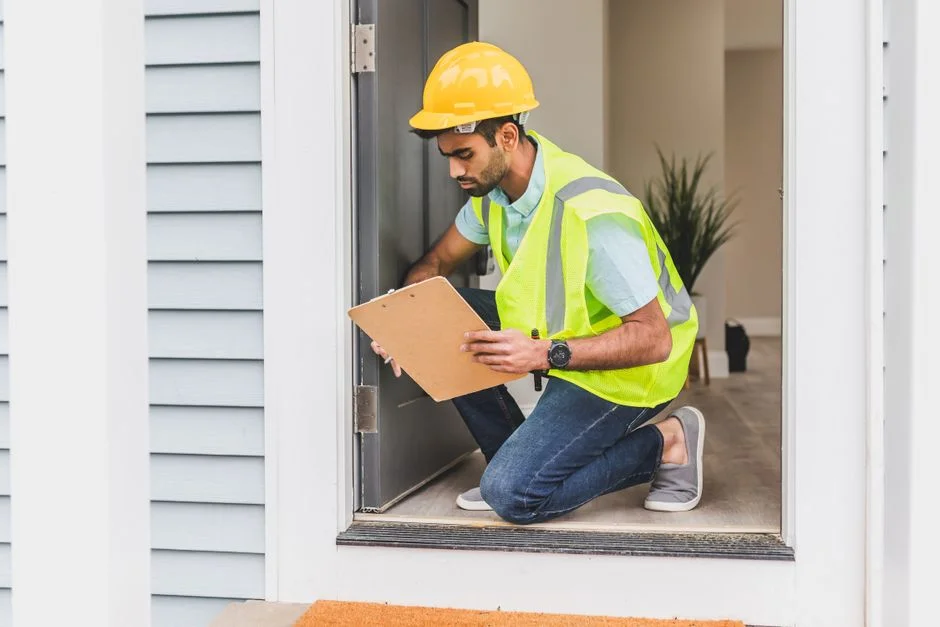
A house survey is a structured inspection and report that describes the condition of a residential property, highlighting defects, risks, and areas that may require repair or further investigation. Because a home purchase is often the largest financial commitment a person makes, a house survey functions as a practical safeguard against unpleasant surprises. It translates what can be difficult to spot during a viewing—such as subtle cracking, damp patterns, roof wear, or movement indicators—into a clear professional opinion. A surveyor typically reviews the building’s visible components, materials, and construction features, and then records observations in a way that supports informed decision-making. While a mortgage valuation is primarily designed to protect the lender, a house survey is commissioned to protect the buyer, giving a more detailed view of the property’s health and likely future costs.
Table of Contents
- My Personal Experience
- Understanding a House Survey and Why It Matters
- Types of House Survey: Choosing the Right Level of Detail
- What a Surveyor Looks at During a House Survey
- How a House Survey Differs from a Mortgage Valuation
- When You Should Get a House Survey (and When You Should Upgrade)
- Common Issues Found in a House Survey
- How to Read a House Survey Report Without Getting Overwhelmed
- Expert Insight
- Using a House Survey to Negotiate Price and Repairs
- Costs, Value, and What Influences House Survey Pricing
- Preparing for a House Survey: What Buyers and Sellers Can Do
- New Builds, Older Homes, and Non-Standard Properties: Survey Considerations
- After the House Survey: Next Steps and Smart Follow-Up Actions
- Watch the demonstration video
- Frequently Asked Questions
- Trusted External Sources
My Personal Experience
When we were about to buy our first house, I booked a full survey because the place looked almost too perfect at the viewing. The surveyor spent a couple of hours going through everything, and a few days later I got a report that was both reassuring and slightly alarming: the roof had slipped tiles, there was damp starting behind the living room wall, and the electrics were older than the estate agent had implied. It wasn’t dramatic enough to make us walk away, but it gave us leverage to negotiate the price down and ask the seller to fix a few urgent issues before completion. Looking back, paying for the survey felt annoying at the time, but it saved us from moving in blind and discovering those problems the hard way. If you’re looking for house survey, this is your best choice.
Understanding a House Survey and Why It Matters
A house survey is a structured inspection and report that describes the condition of a residential property, highlighting defects, risks, and areas that may require repair or further investigation. Because a home purchase is often the largest financial commitment a person makes, a house survey functions as a practical safeguard against unpleasant surprises. It translates what can be difficult to spot during a viewing—such as subtle cracking, damp patterns, roof wear, or movement indicators—into a clear professional opinion. A surveyor typically reviews the building’s visible components, materials, and construction features, and then records observations in a way that supports informed decision-making. While a mortgage valuation is primarily designed to protect the lender, a house survey is commissioned to protect the buyer, giving a more detailed view of the property’s health and likely future costs.

Beyond the immediate purchase decision, a house survey can influence negotiation, budgeting, and planning. If the report identifies urgent repairs, you can request a price adjustment, ask the seller to fix issues before completion, or plan a realistic maintenance schedule. Even when defects are not urgent, having a documented baseline helps you prioritize improvements, especially in older homes where multiple systems may be nearing the end of their service life. A survey also helps prevent emotional decision-making; it provides a grounded assessment when a property’s appearance or location is tempting you to overlook warning signs. Whether you are buying a modern apartment, a Victorian terrace, or a rural cottage, the survey process helps align expectations with reality and reduces the chance of purchasing a home that becomes a financial drain.
Types of House Survey: Choosing the Right Level of Detail
Not all house survey options provide the same depth, and selecting the right type depends on property age, construction style, and your risk tolerance. In many markets, you will encounter a basic condition-style report designed for conventional properties in reasonable shape, often newer builds or homes that appear well maintained. This level tends to summarize condition using accessible ratings, flagging visible issues and advising on maintenance. It can be a sensible choice when the building is relatively modern, built with standard materials, and you do not anticipate extensive alterations. However, the trade-off is that it may not explore complex defects in depth, nor provide extensive commentary on remedial options. If you are buying a home that is straightforward and you mainly want reassurance, this lighter option can still deliver value.
A more comprehensive house survey is usually recommended for older, extended, or non-standard properties, or where you suspect hidden issues. This higher-tier inspection often includes a more detailed narrative of the building’s condition, likely causes of defects, and implications for repair. It may also highlight how different components interact—for example, how poor ventilation can contribute to condensation and timber decay, or how external ground levels might increase damp risk. For period properties, homes with flat roofs, converted lofts, basements, or visible cracking, the extra detail can be critical. Some buyers also choose the most detailed level simply because it offers stronger negotiating evidence and a better roadmap for future works. When uncertainty is high, paying more for a thorough survey is often cheaper than discovering major defects after completion.
What a Surveyor Looks at During a House Survey
A house survey typically covers the main visible and accessible parts of the property, starting with the exterior. Surveyors assess roof coverings, chimneys, flashings, gutters, and downpipes, because failures here can lead to water ingress and internal damage. Walls are examined for cracking, bulging, spalling brickwork, or deteriorating mortar, as well as staining that could indicate damp. Windows and doors are checked for condition, alignment, and evidence of rot or failed seals. The surveyor also considers site factors such as drainage arrangements, ground levels relative to damp-proof courses, and nearby vegetation that might affect foundations. Where possible, they will look at outbuildings, boundary walls, and external steps or retaining structures. A good surveyor doesn’t just list defects; they also consider how exposure, orientation, and construction methods influence future performance.
Inside, a house survey includes inspection of ceilings, walls, floors, and joinery, looking for signs of movement, moisture, and wear. The surveyor may note uneven floors, cracked plaster, staining, or musty odors that can point to leaks or condensation issues. Loft spaces are especially important; they can reveal insulation levels, roof structure condition, and evidence of historic leaks. Subfloor ventilation is considered where accessible, as poor airflow can contribute to damp and timber problems. While surveyors are not typically performing invasive checks, they may lift accessible inspection hatches or look behind accessible panels. Services such as electrics, plumbing, heating, and drainage are often commented on in a limited way, with recommendations for specialist testing if condition or age suggests risk. This balanced approach helps buyers understand what has been observed, what could not be confirmed, and what follow-up checks might be prudent.
How a House Survey Differs from a Mortgage Valuation
A common mistake is assuming a lender’s valuation provides the same reassurance as a house survey. A valuation is primarily a financial assessment: it confirms whether the property is worth the loan amount in the lender’s eyes. The inspection for a valuation may be brief, sometimes limited to a short visit, and it may not involve detailed scrutiny of defects. The valuer’s duty is to the lender, not the buyer, and the report may not be shared in full or may contain limited building-condition commentary. Even when a valuation mentions issues like damp or roof wear, it is often framed in terms of how those issues affect value rather than what they mean for repair planning. Relying on this alone can leave buyers exposed to significant costs that were never explored properly.

A house survey, by contrast, is commissioned specifically to inform your purchase decision and protect your interests. The surveyor’s report is designed to be read by a non-expert, translating technical observations into practical implications. It typically provides clearer descriptions of defects, potential causes, and recommended next steps, including when specialist assessments are needed. While a survey is still non-invasive and cannot guarantee every hidden defect is found, it offers a far more robust picture of the property’s condition than a valuation. For buyers, the difference often becomes obvious when negotiating: a valuation rarely gives you the detailed evidence needed to justify a price reduction, while a house survey can provide a structured list of issues and priorities. If you want to understand the building rather than just its price, the survey is the more relevant tool.
When You Should Get a House Survey (and When You Should Upgrade)
Timing matters with a house survey, because you want findings early enough to influence decisions without delaying the transaction unnecessarily. Many buyers commission a survey soon after offer acceptance, once the seller has agreed in principle and the sale is progressing. This allows you to address issues before you incur too many non-refundable costs, and it gives time to arrange specialist inspections if needed. If the survey reveals defects that affect safety or value, you can renegotiate or reconsider before you are committed. It also helps you plan insurance, as some properties with specific risks—like a history of flooding or non-standard construction—may require extra attention. In practice, ordering a survey earlier rather than later often reduces stress, because you are not trying to interpret complex findings under a tight exchange deadline.
Upgrading the level of house survey is particularly sensible when the property has features that increase uncertainty. Homes built before modern standards, properties with visible cracking, signs of damp, altered layouts, extensions, loft conversions, or flat roofs often justify a more detailed inspection. The same applies to houses in exposed coastal or rural areas, where weathering can accelerate deterioration, or where drainage and ground conditions can be more variable. If you plan to renovate, a detailed survey can also help you avoid buying a project with hidden structural or moisture problems that will inflate costs. Even if you are comfortable with some risk, it is worth considering the worst-case scenario: a modest increase in survey cost can be trivial compared to the price of roof replacement, damp remediation, or structural repair. The right survey level is essentially a risk-management decision, tailored to the property and your budget resilience.
Common Issues Found in a House Survey
A house survey frequently identifies damp-related concerns, but the causes can vary widely. Rising damp is often discussed, yet condensation and penetrating damp are common culprits in many homes, particularly where ventilation is poor or external maintenance has been neglected. Surveyors may note tide marks, peeling paint, salt deposits, or mold growth, and they may link these to blocked air bricks, bridged damp-proof courses, leaking gutters, or high external ground levels. Timber issues also appear frequently, including rot in window frames, damp-related decay in joists, or wood-boring insect activity in older properties. Roof defects are another regular theme: missing or slipped tiles, aging felt, failed flashings, or inadequate loft ventilation. These problems can be expensive because they often require scaffolding and specialist labor, so early identification is valuable for budgeting and negotiation.
Movement and cracking can be among the most anxiety-inducing findings in a house survey, but not all cracks indicate serious structural problems. Surveyors typically describe crack location, width, pattern, and whether it appears historic or progressive. They may note contributing factors such as thermal movement, settlement, lintel issues, or changes in moisture content of clay soils near trees. Drainage issues can also arise, such as defective gullies, poor falls, or evidence of historic flooding. Additionally, surveys often flag outdated services—old wiring, aging boilers, or plumbing with lead or galvanized pipes—because these can present safety issues or immediate upgrade costs. The report may also mention insulation levels, fire safety considerations in conversions, and the condition of boundary structures. Taken together, these findings help you distinguish between manageable maintenance and defects that could change the financial logic of the purchase.
How to Read a House Survey Report Without Getting Overwhelmed
Reading a house survey can feel intense because it often lists many defects, even in homes that are generally sound. A helpful approach is to separate issues into categories: urgent safety concerns, defects that could worsen quickly, medium-term repairs, and routine maintenance. Many reports use condition ratings or priority labels; treat these as a starting point rather than the whole story. Focus on the implications: does the issue affect habitability, structural stability, or water tightness? Problems involving active leaks, significant damp, unstable structures, or unsafe electrics typically deserve immediate attention. Meanwhile, cosmetic wear, minor pointing repairs, or aging finishes may not be deal-breakers. Understanding the difference between “recommend further investigation” and “requires repair” is also important; surveyors often recommend specialist checks when access was limited or when the consequences of being wrong are high.
| Survey type | Best for | What it covers |
|---|---|---|
| Condition Report (Level 1) | Newer homes in good condition | Visual overview of the property’s condition, highlighting obvious defects and urgent issues. |
| HomeBuyer Report (Level 2) | Most conventional properties | More detailed inspection of major elements (roof, walls, damp, insulation), plus advice on repairs and maintenance. |
| Building Survey (Level 3) | Older, altered, or unusual buildings | In-depth assessment of structure and defects, likely causes, and repair options; suitable for major works planning. |

Expert Insight
Choose the right survey level for the property’s age and complexity: a modern flat may suit a basic condition report, while older homes, extensions, or visible defects usually warrant a full building survey. Ask the surveyor to tailor the inspection to your concerns (damp, roof condition, subsidence, drainage) so the report answers the questions that affect your decision. If you’re looking for house survey, this is your best choice.
Use the survey findings to plan and negotiate: request clear cost ranges and urgency ratings for each issue, then get quotes from reputable contractors to validate the numbers. If significant defects are identified, renegotiate the price, ask for repairs, or adjust your budget and timeline before exchanging contracts. If you’re looking for house survey, this is your best choice.
Context also matters. A house survey is conservative by design; surveyors must manage risk and cannot assume hidden parts are fine. If the report advises further inspection of electrics or the heating system, it does not automatically mean those systems are failing—only that their condition could not be confirmed to a safe standard during a visual inspection. Pay attention to any photographs, diagrams, and location notes, because they help you pinpoint where issues are and whether they are localized or widespread. If parts of the report feel unclear, ask the surveyor for a follow-up call; many are willing to walk you through the most significant findings and explain which items are common for the property’s age. Finally, consider pairing the survey with cost estimates from contractors for the big-ticket items. Turning observations into approximate numbers is often the quickest way to decide whether to proceed, renegotiate, or walk away.
Using a House Survey to Negotiate Price and Repairs
A house survey can be a powerful negotiation tool when used carefully and credibly. The goal is not to demand a discount for every minor issue, but to address defects that materially affect value, safety, or expected maintenance costs. Start by identifying the report’s most significant items—roof defects, damp requiring remediation, structural movement requiring monitoring, or replacement of outdated services. Then gather evidence: quotes from qualified contractors, specialist reports if recommended, and any comparable market information showing how condition affects price. Presenting a clear, itemized case tends to be more persuasive than emotional arguments. Sellers are more likely to engage when you demonstrate that the request is based on professional findings and realistic costs rather than opportunistic bargaining.
Negotiation outcomes vary. Sometimes a seller agrees to reduce the price, sometimes they offer to complete works before exchange, and sometimes they refuse and rely on finding another buyer. A practical approach is to prioritize: ask for adjustments tied to essential repairs rather than optional upgrades. If the house survey suggests urgent electrical testing, you might request that the seller funds an Electrical Installation Condition Report and addresses any dangerous defects, rather than asking for a blanket discount. If damp is indicated, you might request a specialist damp assessment to confirm cause and scope, because treatment depends on diagnosis. Keep communication professional and specific, and be prepared to compromise. Even when the seller won’t move on price, the survey still helps you decide whether the property remains good value, and it can protect you from committing to a home with repair costs that exceed your comfort level.
Costs, Value, and What Influences House Survey Pricing
The cost of a house survey depends on factors such as property size, type, age, complexity, and location. Larger homes take longer to inspect and report, while older buildings or non-standard construction can require more expertise and more detailed commentary. Access can also affect pricing; for example, properties with multiple roof areas, basements, or extensive outbuildings may increase inspection time. Surveyors also price according to the level of detail: a basic condition-style report is typically cheaper than a full building-focused survey. While it can be tempting to choose the lowest price, value comes from the surveyor’s experience, report clarity, and willingness to explain findings. The cheapest option is not always the most useful if it produces vague statements that do not support decision-making.
To evaluate value, compare what each service includes rather than comparing prices alone. Check whether the house survey includes photographs, a clear summary of urgent issues, and guidance on next steps. Ask if the surveyor will provide a post-report call to discuss findings, and whether the report addresses specific concerns you already have, such as cracks, damp, or roof condition. Also consider the broader financial context: survey costs are small relative to the purchase price and the potential repair bill. A survey that helps you avoid one major mistake—like underestimating roof replacement costs or missing drainage problems—can pay for itself many times over. Even if the report confirms the house is in good shape, the reassurance has value, and the documented condition can help you plan sensible maintenance rather than reacting to problems later.
Preparing for a House Survey: What Buyers and Sellers Can Do
Although the surveyor is responsible for the inspection, preparation can improve the usefulness of a house survey. For buyers, share any specific concerns with the surveyor before the visit, such as a history of damp, a loft conversion, or visible cracking. If you have noticed musty smells, sticking doors, or roof staining during viewings, mention these details; they can help the surveyor focus on relevant areas. Ensure the surveyor has correct access details and confirm whether loft hatches, meters, garages, and outbuildings will be accessible. A survey is limited by what can be seen, so access matters. Buyers can also request that the surveyor pays special attention to planned renovation areas, because understanding the existing structure and condition can influence feasibility and cost.
Sellers can also help a house survey run smoothly, which can reduce the chance of cautious assumptions in the report. Clear access to the loft, cellar, and electrical consumer unit can enable better observations. If you have documentation—such as guarantees for damp treatment, receipts for roof repairs, boiler servicing records, planning approvals, building control sign-off, or certificates for electrical work—make them available. While a surveyor will still report on visible condition, evidence of competent work and regular maintenance can provide helpful context. Tidying around inspection points like air bricks, manholes, and meter cupboards can also help. Importantly, sellers should not try to conceal defects; surveyors are trained to spot inconsistencies, and concealment can increase buyer distrust and derail negotiations. A transparent approach often leads to a calmer transaction because the survey becomes a shared reference point rather than a battleground.
New Builds, Older Homes, and Non-Standard Properties: Survey Considerations
It is a misconception that new homes do not need a house survey. New builds can still have defects, including poor finishing, drainage issues, inadequate insulation detailing, or problems with roof components and flashings. Snagging inspections and surveys can identify issues that should be corrected under warranty, and catching them early can make the remedy process smoother. Even in modern apartments, a survey can highlight concerns about fire stopping, ventilation, balcony condition, or water ingress risks around flat roofs and terraces. A survey also helps buyers understand the construction type, maintenance responsibilities, and any visible signs that the building is not performing as intended. While the tone of a new-build report may differ from an older home, the underlying value is the same: independent verification of condition.

Older homes and non-standard properties often benefit the most from a detailed house survey because materials and construction methods can behave differently from modern expectations. Solid-wall buildings, timber frames, thatched roofs, and homes with historic alterations require careful interpretation. For example, older properties often manage moisture through breathability; inappropriate cement renders or modern impermeable paints can trap moisture and cause internal damp symptoms. Surveyors may recommend lime-based repairs or improved ventilation rather than chemical treatments, depending on the building’s fabric. Non-standard construction—such as certain concrete systems, steel frames, or unusual cladding—can affect mortgageability and insurance, making early identification crucial. If a property has been extended multiple times, the junctions between old and new structures can be weak points for movement and water ingress. A tailored survey helps you understand these complexities and plan ownership in a way that respects the building’s design rather than fighting it.
After the House Survey: Next Steps and Smart Follow-Up Actions
Once you receive a house survey, the most productive next step is to convert the findings into actions. Start by listing the report’s key issues and grouping them by urgency. If the surveyor recommends specialist investigations—such as a structural engineer review for significant cracking, a damp specialist assessment, a CCTV drain survey, or an electrical test—arrange these promptly. Specialist reports can either confirm that the risk is manageable or reveal that the problem is larger than expected; either outcome helps you make a confident decision. If you are still within negotiation stages, obtain repair quotes so you can quantify the impact. For issues like roof repairs, drainage defects, or timber decay, costs can vary widely depending on access, extent, and local labor rates, so real quotes are more reliable than generic online estimates.
If you proceed with the purchase, keep the house survey as a living document rather than something you file away. Use it to plan a maintenance schedule and budget, starting with water management: gutters, downpipes, roof coverings, and external ground levels. Preventing moisture ingress is often the most cost-effective way to protect the building fabric. Address ventilation and insulation improvements thoughtfully, particularly in older homes, to avoid creating condensation problems. If the survey flagged items as “monitor,” take dated photos and measurements so you can track changes over time, and seek professional advice if movement appears to progress. For buyers planning renovations, share the survey with your architect or contractor so they understand the property’s constraints from day one. Ending the process with clear actions is where a house survey delivers its full value: it reduces uncertainty, supports better budgeting, and helps you own the property proactively rather than reactively, with the house survey serving as your reference point for responsible homeownership.
Watch the demonstration video
In this video, you’ll learn what a house survey is, why it matters before buying a property, and the different types available. It explains what surveyors look for—such as structural issues, damp, and roof problems—how to read the report, and how the results can help you negotiate repairs or price.
Summary
In summary, “house survey” is a crucial topic that deserves thoughtful consideration. We hope this article has provided you with a comprehensive understanding to help you make better decisions.
Frequently Asked Questions
What is a house survey?
A house survey is an inspection report that assesses a property’s condition, highlights defects, and flags potential risks before you buy.
Which type of house survey should I choose?
For your **house survey**, a Level 1 is usually best for newer, conventional homes, while a Level 2 suits most typical properties that appear to be in decent condition. If the building is older, has been extended or heavily altered, or shows clear signs of issues, a Level 3 survey is the most thorough option.
How is a house survey different from a mortgage valuation?
A mortgage valuation is for the lender to confirm the property’s value for lending; a house survey is for you and focuses on condition and repair issues.
What does a house survey typically include?
A **house survey** typically checks the property’s structure, roof, walls, damp issues, and insulation and ventilation, along with a limited review of any visible services. It then summarises the findings with clear condition ratings, highlights the most important risks, and offers practical advice on repairs and next steps.
How long does a house survey take and when should I book it?
Most inspections take between 1 and 4 hours, depending on the type of **house survey** you choose and the size of the property. You’ll usually receive the written report within a few days, so it’s best to book as soon as your offer is accepted.
Can a house survey help me renegotiate the price?
Yes—if a **house survey** uncovers serious defects or urgent repairs, you can use its findings to negotiate a lower price, ask the seller to fix the issues, or request further checks from a specialist.
? Looking for more info about house survey? Follow Our Site for updates and tips!

Trusted External Sources
- House Location Survey Plat – Prince William County
For many zoning approvals in Virginia, you’ll need a certified **house survey**—also known as a House Location Survey Plat—prepared by a registered Virginia surveyor. This plat clearly maps your property lines and shows where the home and other improvements sit on the lot, helping confirm setbacks, easements, and overall compliance with local zoning requirements.
- House surveys: The costs, types and benefits of one – RICS
Discover all you need to know about house surveys, from the different types and associated costs to why you need one.
- 2026 Global In-House Legal Study Survey Report – Axiom Law
On Dec 9, 2026, the 2026 Global In-House Legal Study highlighted a key finding: alternative legal service providers (ALSPs) are emerging as the X-factor in strengthening in-house teams—helping them stay resilient, reduce burnout, and cut turnover risk. This house survey underscores how smart resourcing strategies can make a measurable difference in long-term team stability.
- American Housing Survey (AHS) – Census Bureau
We conduct a comprehensive **house survey** to measure trends in the housing and construction industry, track homeownership rates, and produce reliable statistics on both the physical features of homes and their financial characteristics.
- Did Anyone Skip a Survey When Buying Their House? Any Regrets?
Feb 16, 2026 … Most of the time the surveys aren’t worth the paper they’re written on and will often pick up every little non issue which can put off buyers … If you’re looking for house survey, this is your best choice.