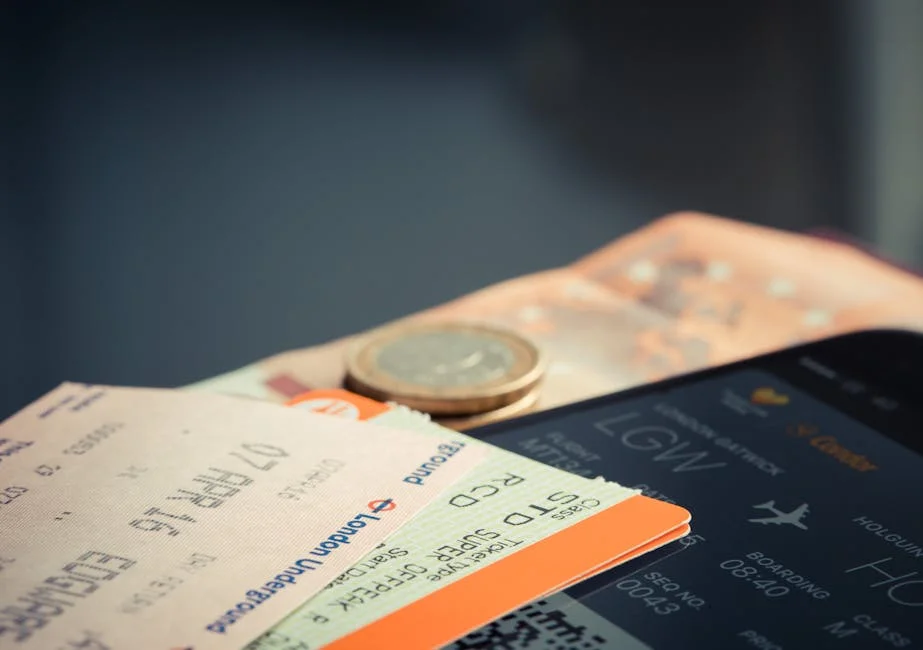
Air tickets look simple on the surface—choose a route, pick a date, pay, and fly—but the price you see is a bundle of separate cost components that can shift daily. When you buy air tickets, you are paying for a seat inventory that airlines manage like a financial asset. Each flight is divided into multiple fare classes, and each class has its own rules, availability limits, and pricing logic. That is why two travelers sitting next to each other can pay very different amounts. Beyond the base fare, airlines often add carrier-imposed surcharges, government taxes, airport fees, and sometimes security or passenger facility charges. Depending on the route, these extras can be a small portion of the total or a surprisingly large share. International itineraries often include higher taxes and fees than domestic travel, and certain airports are known for higher charges that push the total price upward even when the base fare looks competitive.
Table of Contents
- My Personal Experience
- Understanding Air Tickets and What You’re Really Paying For
- Types of Air Tickets: One-Way, Round-Trip, Open-Jaw, and Multi-City
- How Airlines Price Air Tickets: Fare Buckets, Revenue Management, and Demand Signals
- When to Buy Air Tickets: Booking Windows, Seasonality, and Price Cycles
- Comparing Air Tickets Across Sites: Direct Booking vs Online Travel Agencies
- Decoding Fare Rules: Refundability, Changes, Credits, and Basic Economy
- Baggage, Seats, and Add-Ons: The Hidden Costs That Change the Best Deal
- Expert Insight
- Layovers, Connections, and Stopovers: Balancing Price, Time, and Risk
- International Air Tickets: Passports, Visas, Transit Rules, and Taxes
- Air Tickets for Families, Groups, and Special Needs Travelers
- Using Miles, Points, and Credit Card Benefits to Reduce Air Ticket Costs
- Avoiding Common Mistakes: Name Errors, Separate Tickets, and Unreliable “Hacks”
- Choosing the Right Air Tickets for Your Trip: A Practical Decision Framework
- Watch the demonstration video
- Frequently Asked Questions
- Trusted External Sources
My Personal Experience
Last month I had to book air tickets on short notice for a family emergency, and I was shocked at how fast the prices changed. I found a decent fare late at night, but by the time I woke up and tried to buy it, it had jumped by almost $120. I ended up setting a price alert, clearing my browser cookies like people always suggest, and checking a couple of different airports nearby. The ticket I finally bought wasn’t the cheapest, but it had a reasonable layover and included a carry-on, which mattered more than I expected. At the airport, I was relieved I’d paid a little extra for seat selection—being stuck in a middle seat for three hours would’ve been the last thing I needed that week.
Understanding Air Tickets and What You’re Really Paying For
Air tickets look simple on the surface—choose a route, pick a date, pay, and fly—but the price you see is a bundle of separate cost components that can shift daily. When you buy air tickets, you are paying for a seat inventory that airlines manage like a financial asset. Each flight is divided into multiple fare classes, and each class has its own rules, availability limits, and pricing logic. That is why two travelers sitting next to each other can pay very different amounts. Beyond the base fare, airlines often add carrier-imposed surcharges, government taxes, airport fees, and sometimes security or passenger facility charges. Depending on the route, these extras can be a small portion of the total or a surprisingly large share. International itineraries often include higher taxes and fees than domestic travel, and certain airports are known for higher charges that push the total price upward even when the base fare looks competitive.
Another piece people overlook is the set of conditions attached to the fare. Many low prices come with restrictions such as no changes, no refunds, limited seat selection, and baggage sold separately. These restrictions are not just “fine print”; they are part of the product you are buying. A ticket with flexibility—ability to change dates, cancel for credit, or receive a refund—can be significantly more expensive because it transfers risk from the traveler to the airline. Airlines also price based on demand patterns tied to seasonality, local events, and business travel cycles. Morning and evening departures on popular business routes often cost more because travelers value those times. Meanwhile, midweek and off-peak flights can be cheaper due to softer demand. Understanding these mechanics helps you compare air tickets more accurately, because the “best” option is not always the lowest number; it’s the fare that matches your baggage needs, schedule tolerance, and risk of needing changes.
Types of Air Tickets: One-Way, Round-Trip, Open-Jaw, and Multi-City
Choosing the right structure for air tickets can influence both price and convenience. A one-way fare is straightforward: you pay for a single segment from origin to destination. One-way pricing is common for domestic travel and for low-cost carriers, but on some international routes, round-trip itineraries may be priced more competitively because airlines want to encourage return travel on their network. Round-trip tickets also simplify planning and may provide better value when the airline’s pricing model favors round-trip purchases. However, one-way options are useful for travelers who may return from a different city, are relocating, or plan to use another mode of transport on the way back. It is also common to combine two one-way purchases on different airlines, which can unlock savings but may add risk if a delay causes a missed connection between separate tickets.
Open-jaw and multi-city itineraries add flexibility. An open-jaw trip typically means flying into one city and returning from another, such as arriving in Paris and departing from Rome. This can reduce backtracking and improve the overall travel experience, particularly in regions with strong rail networks. Multi-city tickets string together multiple flights on one booking, for example New York to London, London to Barcelona, and Barcelona back to New York. The advantage is that the itinerary is priced and ticketed as a single package, which can provide better protection in case of schedule changes when all segments are on one ticket. The trade-off is that the fare rules can be more complex, and changes may affect multiple legs. When comparing air tickets across these structures, it helps to map out the true cost of ground transport between cities, the time value of extra travel, and the likelihood you might need to adjust dates.
How Airlines Price Air Tickets: Fare Buckets, Revenue Management, and Demand Signals
Airlines rely on revenue management systems that forecast demand and allocate seats across fare buckets to maximize revenue per flight. Each bucket corresponds to a fare class with its own price and restrictions. As seats in a cheaper bucket sell out, the system offers the next higher bucket, which is why prices can climb as the departure date approaches. Yet prices do not always rise in a straight line; they can drop if demand is weaker than expected or if a competitor launches a sale. For travelers shopping for air tickets, this explains why checking on different days can show different results, even if nothing about the route changed. Airlines also respond to macro signals such as fuel prices, currency changes, and geopolitical events that influence travel demand, and they can update fares quickly across distribution channels.
Another factor is competitive positioning. On routes served by multiple carriers, pricing often reflects a delicate balance of market share goals and differentiation. A full-service airline may keep fares higher but include checked baggage, meals, and better change policies, while a budget airline may advertise a low headline price and charge extra for add-ons. On hub routes, airlines with dominant presence may price higher due to convenience, frequency, and loyalty program pull. Conversely, on routes where a carrier is trying to build demand, promotional pricing can appear suddenly. Timing also interacts with demand segments: business travelers often book late and pay more for flexibility, while leisure travelers tend to book earlier and accept restrictions. Understanding these patterns can help you recognize whether a particular set of air tickets is priced for a business-heavy window or a leisure-heavy one, and it can guide you toward flights that align with your own priorities.
When to Buy Air Tickets: Booking Windows, Seasonality, and Price Cycles
There is no single magic day to buy, but there are consistent forces that shape when air tickets tend to be cheaper. Seasonality is the biggest driver: school holidays, summer peaks, and major festive periods typically raise prices because demand is predictable and strong. Shoulder seasons—periods just before or after peak—often provide better value, with decent weather and fewer crowds. Booking windows matter too. For many domestic routes, prices can be favorable several weeks to a few months ahead, while for international routes, a longer horizon is often beneficial, especially for peak travel months. Waiting until the last minute usually increases cost, but last-minute deals can happen on less popular routes or during low-demand periods. The key is to match your route and season to the typical demand curve rather than relying on a single rule of thumb.
Price cycles also reflect airline schedule releases and competitive fare adjustments. When airlines open schedules far in advance, initial pricing may be moderate, then shift as demand data accumulates. If early sales are slow, fares may soften; if flights fill quickly, prices rise. Travelers who can be flexible with departure times and days of the week often find better air tickets by testing multiple date combinations. Midweek departures can be cheaper than weekend departures, and early morning or late-night flights sometimes cost less because fewer travelers want them. Another practical approach is to set a budget threshold and buy when the fare fits your comfort level, rather than chasing the absolute minimum. Since airfare can change multiple times per day, focusing on acceptable value—considering baggage, seat selection, and change rules—often leads to better decisions than repeatedly delaying a purchase in hopes of a small drop.
Comparing Air Tickets Across Sites: Direct Booking vs Online Travel Agencies
Air tickets can be purchased directly from airlines or through online travel agencies (OTAs), metasearch platforms, and travel consolidators. Each channel has trade-offs. Booking direct often makes post-purchase service easier, especially when you need changes, refunds, or help with irregular operations like cancellations and delays. Airlines typically prioritize servicing their direct customers, and you may have clearer communication about schedule changes. Direct booking can also make it simpler to use airline credits, apply loyalty benefits, and select seats or add baggage without mismatched systems. That said, OTAs sometimes provide competitive pricing, especially when they bundle fares from multiple airlines or access certain promotional rates. Metasearch tools are useful for quickly comparing schedules, but they may not always display the full cost of add-ons, so the cheapest headline price can be misleading.
When comparing air tickets across channels, focus on the total cost and the service pathway. If you book through an OTA, the agency may be the first point of contact for changes or refunds, which can slow down resolution during disruptions. Some OTAs also impose their own service fees, and the fare rules can be harder to interpret. On the other hand, OTAs can be valuable for complex itineraries, multi-city trips, or when combining carriers that do not partner closely. It is also important to compare baggage policies and seat selection costs, because these can vary widely even on the same route. A good comparison includes: base fare, taxes and fees, carry-on and checked baggage charges, seat selection price, change or cancellation penalties, and whether the itinerary is on one ticket or split into separate tickets. This approach helps you evaluate air tickets as complete travel products rather than as isolated numbers on a search screen.
Decoding Fare Rules: Refundability, Changes, Credits, and Basic Economy
Fare rules determine how much control you have after purchase, and they can change the real value of air tickets dramatically. Refundable fares are usually the most expensive but allow cancellation for a refund to the original payment method. Nonrefundable fares are common and may allow cancellation for a credit, sometimes with a fee deducted. Changeable fares may allow date changes without a change fee, but you still pay any fare difference. Basic economy fares are a special category designed to compete on headline price. They often restrict seat selection, boarding group, changes, and sometimes even carry-on baggage. For travelers who are confident about dates and can pack light, basic economy can be a cost-effective choice. For travelers with uncertain schedules, families who want to sit together, or anyone who values flexibility, the cheaper price can become expensive if plans shift.
It also helps to understand how credits work. Some airlines issue flight credits tied to the passenger name and with an expiration date, while others provide travel vouchers that may be more flexible. Credits can be useful, but they are not the same as cash, and they may be difficult to use if your future plans are unclear. Another key rule is “no-show” policy: missing the first segment can cancel the rest of the itinerary, especially on round-trip bookings. That means you should never assume you can skip a flight and keep the remainder. If you need to change plans, contact the airline before departure. When evaluating air tickets, treat fare rules like insurance terms: the cheapest option is only truly cheaper if you are likely to use it exactly as planned. Paying slightly more for better change conditions can be the smarter financial decision when there is any realistic chance of rescheduling.
Baggage, Seats, and Add-Ons: The Hidden Costs That Change the Best Deal
Many travelers judge air tickets by the headline price, but add-ons can flip the ranking of what is truly affordable. Baggage is the most common surprise. Some fares include a carry-on and a personal item, others include only a personal item, and checked baggage may be extra. On certain low-cost carriers, even standard carry-on luggage can require a fee unless you buy a bundle or priority boarding. Seat selection is another cost that can add up quickly, especially for families or groups who want to sit together. Preferred seats with extra legroom, front-of-cabin placement, or exit rows can be priced dynamically, and the cost may vary by flight length and demand. Meals, Wi-Fi, and onboard power access can also be paid add-ons depending on the airline and route.
Expert Insight
Set fare alerts and compare prices across flexible dates (including nearby airports) before booking; shifting your departure by even one day can unlock significantly lower air tickets.
Before you click “buy,” total the real cost: baggage, seat selection, and change fees. If plans might shift, choose a fare with low change penalties or add coverage only when it’s cheaper than the airline’s flexibility options. If you’re looking for air tickets, this is your best choice.
To compare air tickets accurately, build a realistic “all-in” price for your needs. Start with how you will pack: if you require a checked bag, include that cost for each traveler and each direction. If you care about sitting together, include seat selection fees. If you might need to change dates, factor in change rules and potential fare differences. Also consider airport logistics: some low-cost fares use secondary airports far from the city center, which can increase ground transport costs and travel time. Another overlooked add-on is travel protection offered at checkout. Sometimes it is useful, but it can also be expensive relative to the risk it covers. If you already have coverage through a credit card or an annual travel policy, you may not need the extra purchase. Evaluating add-ons in advance turns air tickets into predictable expenses rather than a series of small charges that appear after you click “buy.”
Layovers, Connections, and Stopovers: Balancing Price, Time, and Risk
Connecting itineraries often produce cheaper air tickets than nonstop flights, but the savings come with trade-offs. A layover adds travel time and introduces the risk of missing a connection due to delays. When all segments are on the same ticket, airlines typically rebook you if a delay causes a missed connection, though the options depend on seat availability and interline agreements. When segments are booked separately, a missed connection can become your responsibility, potentially requiring you to buy a new last-minute ticket. Connection time matters: very short layovers can be stressful and risky, especially in large airports or when changing terminals. Long layovers can be tiring, but they may provide a buffer that reduces the chance of misconnection and sometimes allow you to explore the airport or even the city if immigration rules permit.
| Ticket type | Best for | Typical features |
|---|---|---|
| Economy (Standard) | Budget-focused travelers and short-to-medium trips | Lowest fares; limited changes/refunds; basic seat selection; standard baggage rules |
| Premium Economy | Extra comfort without business-class pricing | More legroom; upgraded seat; often includes extra baggage; improved change conditions on some fares |
| Business / First | Frequent flyers, long-haul comfort, and flexibility | Priority check-in/boarding; lounge access; lie-flat options (route-dependent); higher baggage; more flexible changes/refunds |
Stopovers are different from layovers. A stopover usually means a longer break—often more than 24 hours on international routes—where you intentionally spend time in an intermediate city. Some airlines offer stopover programs that make this attractive, occasionally with discounted hotel rates or tourist perks. This can turn air tickets into a two-destination trip without doubling the flight cost, though pricing varies by route and fare rules. When choosing between nonstop, connection, and stopover options, consider your priorities: total travel time, fatigue, reliability, and the value of your time. For business travel or tight schedules, nonstop flights can be worth the premium. For leisure travel with flexible timing, a well-planned connection can reduce costs substantially. The best approach is to compare not only price but also arrival time, number of connections, minimum connection time, and the airport’s reputation for delays or congestion.
International Air Tickets: Passports, Visas, Transit Rules, and Taxes
International air tickets involve more than selecting a destination; they require compliance with entry and transit requirements that can affect your itinerary choices. Passport validity rules vary widely, and many countries require at least six months of validity beyond your entry date. Visa requirements can depend on nationality, length of stay, and purpose of travel. Even if you are only transiting through a country, you might need a transit visa depending on the airport, whether you change terminals, and whether you must pass through immigration. Some connections require you to collect baggage and re-check it, which can trigger entry requirements even when you are not staying. These rules can change, so it is wise to verify requirements through official government sources and the airline’s travel document guidance before finalizing a purchase.
Taxes and fees are also more complex on international routes. Certain countries impose departure taxes, tourism levies, or airport charges that are embedded in the ticket price. Some airports are known for high passenger fees, and these can make flights look expensive even if the airline’s base fare is reasonable. Currency fluctuations can influence pricing as well, especially if you are shopping in a different point-of-sale market. Another consideration is whether your itinerary is protected under a single ticket with through-checked baggage, particularly when crossing borders. When comparing international air tickets, prioritize itineraries with sufficient connection times for immigration and security re-screening, especially in airports where transit procedures are strict. A slightly higher fare that reduces the risk of missed connections, denied boarding due to document issues, or unexpected overnight stays can be the better value once you account for the real costs of disruption.
Air Tickets for Families, Groups, and Special Needs Travelers
Families and groups face unique challenges when buying air tickets because the “lowest fare” may not align with practical needs like sitting together, carrying child gear, or accommodating mobility requirements. Many airlines allow infants to travel on a lap ticket at a reduced cost on certain routes, but policies vary and international flights may still include taxes and fees. Purchasing a separate seat for an infant using an approved car seat can increase safety and comfort, but it changes the fare calculation. For children and parents, seat selection becomes more important, especially on long flights. Some basic economy fares either restrict seat assignments until check-in or charge for selecting seats in advance, which can make a cheap fare less appealing for a family that needs certainty.
Groups also need to consider inventory limitations. Even if a low fare appears, there may be only a few seats left in that fare bucket. When you search for multiple passengers, the system may price everyone at the higher available bucket, raising the per-person cost. One strategy is to check availability for smaller numbers to understand how many seats remain at a given price, but any purchase decision should be made carefully to avoid splitting the group across separate bookings unless you are comfortable managing changes and disruptions independently. Travelers with disabilities or medical needs should review airline assistance policies early, including wheelchair services, boarding support, and battery rules for medical devices. Some requests require advance notice. When evaluating air tickets for these situations, the best deal is often the one that reduces friction: direct flights, reasonable connection times, and fare types that allow changes if health or family circumstances shift.
Using Miles, Points, and Credit Card Benefits to Reduce Air Ticket Costs
Loyalty programs can significantly reduce the out-of-pocket cost of air tickets, but the value depends on how you redeem. Airline miles and bank points can be used for award tickets, upgrades, or statement credits through travel portals. Award pricing may be fixed, region-based, or dynamic. Dynamic pricing means the miles required can rise during peak periods, sometimes making redemptions less attractive. Taxes and fees may still apply, especially on international routes. Some carriers also add carrier-imposed surcharges on award tickets, which can reduce the savings. The best redemptions often come from flexibility: being open to alternative dates, nearby airports, or partner airlines can unlock better availability and lower mileage requirements.
Credit card benefits can also improve the value of paid air tickets. Common perks include free checked bags on certain airlines, priority boarding, travel credits, lounge access, and trip delay or cancellation coverage. These benefits can effectively lower the total cost or improve the experience without changing the fare. However, it is important to read the conditions: some insurance benefits require the ticket to be purchased with the card, and coverage limits may exclude certain reasons for cancellation. Also consider whether elite status perks apply on the fare you’re buying; basic economy sometimes limits mileage earning and upgrade eligibility. A practical way to evaluate points and benefits is to calculate the cents-per-point value of a redemption compared to the cash price you would otherwise pay, then factor in the convenience and flexibility of the award. Done carefully, miles and card perks can turn expensive seasons into manageable costs while keeping your air tickets aligned with your travel needs.
Avoiding Common Mistakes: Name Errors, Separate Tickets, and Unreliable “Hacks”
Small mistakes can make air tickets far more expensive than planned. Name accuracy is critical: airlines generally require the passenger name to match the government ID used for travel. Even minor spelling errors can cause check-in issues, and some carriers charge fees to correct names or refuse changes altogether. Date and airport selection errors are also common, especially when cities have multiple airports with similar names. Always confirm the departure and arrival airport codes, the local time zones, and whether the itinerary includes overnight flights that change the calendar date. Another frequent pitfall is buying separate tickets for a self-constructed connection to save money. While this can work, it also transfers risk to you. If the first flight is delayed and you miss the second, the second airline may treat you as a no-show and cancel the remainder, leaving you to buy a new ticket at walk-up prices.
Some widely shared “hacks” can also backfire. Hidden-city ticketing—booking a flight with a connection and getting off early—violates many airline terms and can lead to consequences like canceled return segments or loyalty account action. It also fails if you check baggage, because your bag will continue to the final destination. Another risky tactic is skiplagging on round-trip itineraries, which can cancel the rest of the trip. Similarly, waiting endlessly for a price drop can cause you to miss a reasonable fare and end up paying more when inventory tightens. A safer approach is to focus on legitimate cost controls: flexible dates, nearby airports, comparing fare types, and understanding add-ons. When you treat air tickets as contracts with specific rules rather than as simple commodities, you reduce the chance of surprises that derail your plans and budget.
Choosing the Right Air Tickets for Your Trip: A Practical Decision Framework
The best air tickets are the ones that match your real-world constraints: time, comfort, risk tolerance, and total cost. Start by defining what matters most. If arriving at a specific time is essential—such as for a cruise departure, wedding, or business meeting—prioritize nonstop flights or connections with generous buffers. If budget is the top priority and you can tolerate longer travel time, compare connecting itineraries and less popular departure times. Next, list your non-negotiables: carry-on size, checked baggage needs, seat selection, and change flexibility. Then compare fares using an all-in total that includes add-ons you are likely to purchase. This approach prevents the common scenario where a low fare becomes expensive after baggage, seats, and payment fees are added.
Finally, consider resilience. Travel disruptions happen, and the structure of your booking influences how easily you recover. Itineraries on a single ticket, especially with the same airline or alliance partners, are often easier to rebook during cancellations. Booking direct can simplify service, while certain credit cards can provide delay coverage that reimburses meals and hotels when things go wrong. If you are traveling internationally, ensure your connection plan fits immigration procedures and document requirements. If you are traveling with family, prioritize seating and baggage certainty. By applying a simple framework—schedule fit, all-in cost, fare rules, and resilience—you can choose air tickets that feel like a smart purchase rather than a gamble. The final goal is not only saving money, but arriving with fewer headaches and a plan that holds up even when travel days do not go perfectly, making air tickets a tool for reliable mobility instead of an unpredictable expense.
Watch the demonstration video
In this video, you’ll learn how air tickets work—from fare types and booking classes to what affects prices and fees. It explains how to compare options, spot hidden costs like baggage charges, and choose the best ticket for your trip. You’ll also pick up tips for booking smarter and avoiding common mistakes.
Summary
In summary, “air tickets” is a crucial topic that deserves thoughtful consideration. We hope this article has provided you with a comprehensive understanding to help you make better decisions.
Frequently Asked Questions
When is the best time to book air tickets for the lowest price?
Prices can fluctuate a lot, but you’ll often find better deals on **air tickets** by booking several weeks to a few months in advance. Try comparing fares across different travel days, and set up price alerts so you can jump on a drop as soon as it happens.
What’s the difference between refundable and nonrefundable air tickets?
Refundable tickets usually let you cancel and receive your money back (though certain rules may apply), while nonrefundable options often limit you to flight credits or paid changes—so it’s worth checking the terms before you book your air tickets.
How do baggage allowances work for air tickets?
Baggage allowances vary by airline and fare type, so review your booking details when you purchase your **air tickets** to confirm carry-on and checked bag limits, size and weight restrictions, and any additional fees that may apply.
Can I change my flight after buying an air ticket?
Many air tickets can be changed, but the rules depend on the type of fare you bought. You might need to pay a change fee, cover any difference in price, or receive a travel credit instead.
Why do air ticket prices change so frequently?
Airlines use dynamic pricing based on demand, remaining seats, seasonality, competition, and time until departure.
What should I do if my flight is canceled or significantly delayed?
Get in touch with the airline or your booking agent to rebook your **air tickets** or, if you’re eligible, request a refund. Be sure to save all receipts and review your passenger rights along with any travel insurance coverage you may have.
📢 Looking for more info about air tickets? Follow Our Site for updates and tips!

Trusted External Sources
- Find Cheap Flights Worldwide & Book Your Ticket – Google Flights
Discover and compare cheap flights to destinations around the world with Google Flights. Easily search for your next trip, monitor price drops to snag the best deals, and book your **air tickets** with confidence.
- Skyscanner: Compare Cheap Flights & Book Airline Tickets to …
Compare and book the best **air tickets** by checking prices from major airlines and trusted online travel agents, so you can score the lowest fares to all your favorite destinations.
- American Airlines – Airline tickets and low fares at aa.com
Find low fares to destinations worldwide and explore the latest deals on **air tickets**, hotels, car rentals, and vacation packages—all in one place at aa.com.
- Cheap Flights, Airline Tickets & Airfare Deals | KAYAK
Cut your travel costs by hunting down cheap flights on KAYAK. It scans hundreds of sites for **air tickets** and flight deals, then compares them side by side so you can quickly spot the best price.
- United Airlines – Airline Tickets, Travel Deals and Flights
Discover the latest travel deals on flights, hotels, and rental cars, and book **air tickets** or MileagePlus award tickets to destinations around the world.