Electric car charger installation cost is shaped by a combination of electrical capacity, equipment choice, labor complexity, and local permitting rules. Many people start by pricing the charger itself, but the hardware is only one portion of the total. The real-world budget often includes a site assessment, electrical panel evaluation, wiring and conduit, breakers, mounting materials, potential service upgrades, and inspection fees. A simple plug-in Level 2 unit installed near an existing panel can be relatively straightforward, while a longer cable run to a detached garage or a driveway pedestal can increase both labor and material costs. Even the location of studs, masonry walls, or finished drywall can change how much time an electrician spends routing cable safely and neatly. Because charging equipment draws sustained current for hours, electricians also size conductors and breakers differently than they might for short-duration loads, which can influence the bill of materials.
Table of Contents
- My Personal Experience
- Understanding Electric Car Charger Installation Cost Basics
- Equipment Choices and How They Affect Pricing
- Labor, Site Conditions, and the Hidden Complexity of Installation
- Electrical Panel Capacity, Load Calculations, and Upgrade Scenarios
- Permits, Inspections, and Code Compliance Considerations
- Cost Drivers by Charger Location: Garage, Driveway, and Multi-Unit Properties
- Typical Pricing Ranges and What They Usually Include
- Expert Insight
- Ways to Reduce Installation Cost Without Cutting Corners
- Comparing Quotes: What to Ask and What to Watch For
- Long-Term Ownership Costs: Energy Rates, Maintenance, and Reliability
- Special Situations: Older Homes, Solar, Battery Storage, and Two EVs
- Choosing the Right Installer and Setting Realistic Expectations
- Watch the demonstration video
- Frequently Asked Questions
- Trusted External Sources
My Personal Experience
When I bought my first electric car, I assumed installing a home charger would be a quick, cheap add-on, but the costs added up fast. The electrician quoted me $650 for a basic Level 2 install, then bumped it to just over $1,300 after checking my panel and realizing I needed a new breaker and a longer cable run to the garage. On top of that, the permit and inspection fees were another $150, and I still had to buy the charger itself. I ended up getting a small utility rebate that knocked a couple hundred off, but it was definitely more than I expected—worth it for the convenience, though, since I can charge overnight and stop hunting for public stations. If you’re looking for electric car charger installation cost, this is your best choice.
Understanding Electric Car Charger Installation Cost Basics
Electric car charger installation cost is shaped by a combination of electrical capacity, equipment choice, labor complexity, and local permitting rules. Many people start by pricing the charger itself, but the hardware is only one portion of the total. The real-world budget often includes a site assessment, electrical panel evaluation, wiring and conduit, breakers, mounting materials, potential service upgrades, and inspection fees. A simple plug-in Level 2 unit installed near an existing panel can be relatively straightforward, while a longer cable run to a detached garage or a driveway pedestal can increase both labor and material costs. Even the location of studs, masonry walls, or finished drywall can change how much time an electrician spends routing cable safely and neatly. Because charging equipment draws sustained current for hours, electricians also size conductors and breakers differently than they might for short-duration loads, which can influence the bill of materials.

Another foundational factor is the difference between Level 1 and Level 2 charging. Level 1 uses a standard 120V outlet and may require minimal work if a dedicated circuit already exists, but it is slow and may not match daily driving needs. Level 2 typically uses 240V and delivers faster charging, but it often requires new wiring and a dedicated breaker. That is why electric car charger installation cost varies widely even within the same neighborhood. Homes with modern 200-amp service, open access to the panel, and a garage adjacent to the electrical room usually see simpler installs. Older properties with 60-amp or 100-amp service, crowded panels, or long distances from panel to parking area may require panel changes, load calculations, and sometimes coordination with the utility. Understanding these basics helps set realistic expectations before comparing quotes, because two bids that look far apart may actually be describing two very different scopes of work.
Equipment Choices and How They Affect Pricing
The charger you select can meaningfully influence electric car charger installation cost, not only through the purchase price but also through installation requirements. Some models are plug-in units that connect to a NEMA 14-50 or 6-50 receptacle, while others are hardwired. Plug-in chargers can be convenient for portability and serviceability, but they typically require installing a heavy-duty receptacle and ensuring the circuit is correctly sized and protected. Hardwired units often allow higher amperage settings and may be preferred by electricians for long-term reliability, especially in high-use households. The charger’s maximum output—commonly 32A, 40A, 48A, or higher—directly affects breaker size, conductor gauge, and sometimes whether a panel has enough capacity. A higher-output charger can reduce charging time, but it can also drive up material and labor costs because thicker wire, larger conduit, and more robust breakers are more expensive and harder to work with.
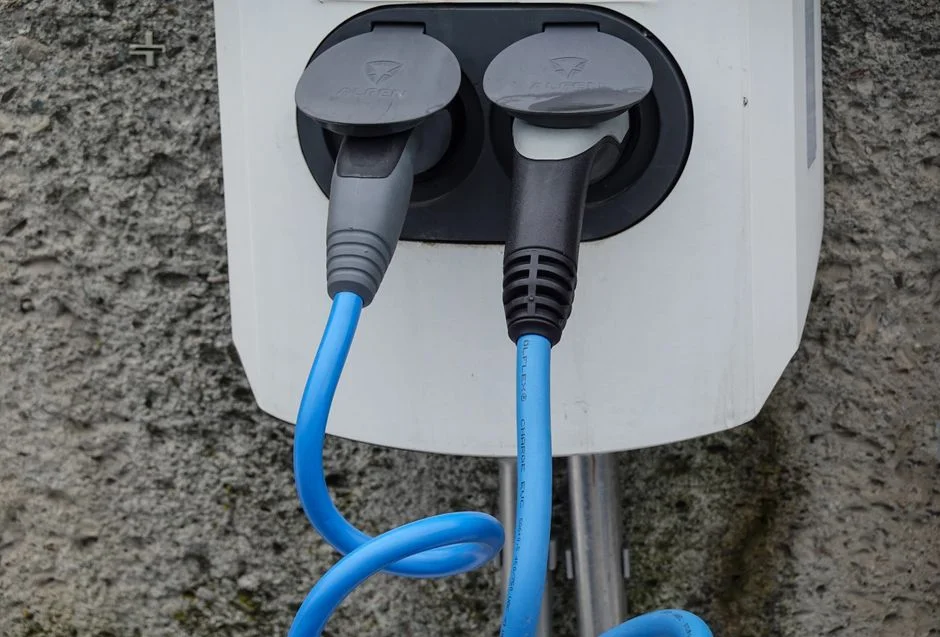
Smart chargers add another layer. Wi‑Fi connectivity, load management, scheduled charging, energy tracking, and utility demand-response features can deliver value, but they may require stronger network coverage in the garage or additional configuration time. In some cases, selecting a charger with built-in load management can reduce electric car charger installation cost by avoiding or delaying an electrical service upgrade. For example, certain systems can share a circuit between two chargers or dynamically adjust charging current based on household load. That can be a cost-saver in homes where the panel is near its limit. On the other hand, choosing a dual-port commercial-grade unit for a large household or a small business can increase costs due to heavier mounting, more complex wiring, and potentially separate metering. Matching charger capability to actual driving patterns and the home’s electrical constraints is one of the most practical ways to control the overall budget without sacrificing daily convenience.
Labor, Site Conditions, and the Hidden Complexity of Installation
Labor is often the most variable part of electric car charger installation cost, because every property presents unique constraints. An installation that looks simple on paper can become complicated when an electrician opens the panel and finds limited breaker space, older wiring, or nonstandard grounding. The distance from the electrical panel to the charger location is a major driver. A short run along an unfinished garage wall may require minimal conduit and few bends, while a long run that must be fished through finished walls, ceilings, or attic spaces can take significantly more time. Exterior installations can require weather-rated conduit, expansion fittings, and careful sealing around penetrations. If the charger is placed on a detached garage, trenching may be required, adding excavation, conduit burial depth compliance, and restoration of landscaping or pavement. Each of these conditions increases time on site and the quantity of materials.
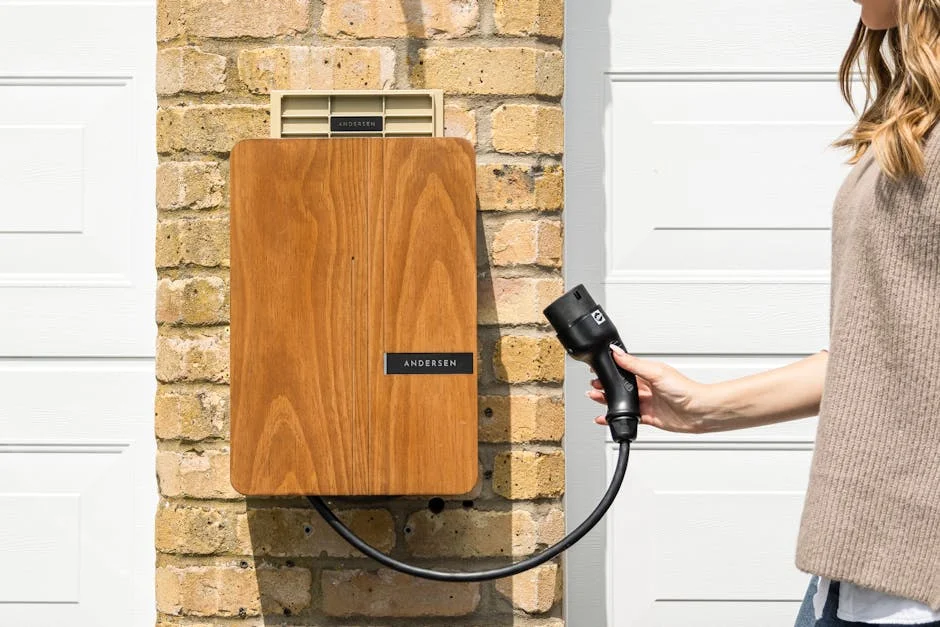
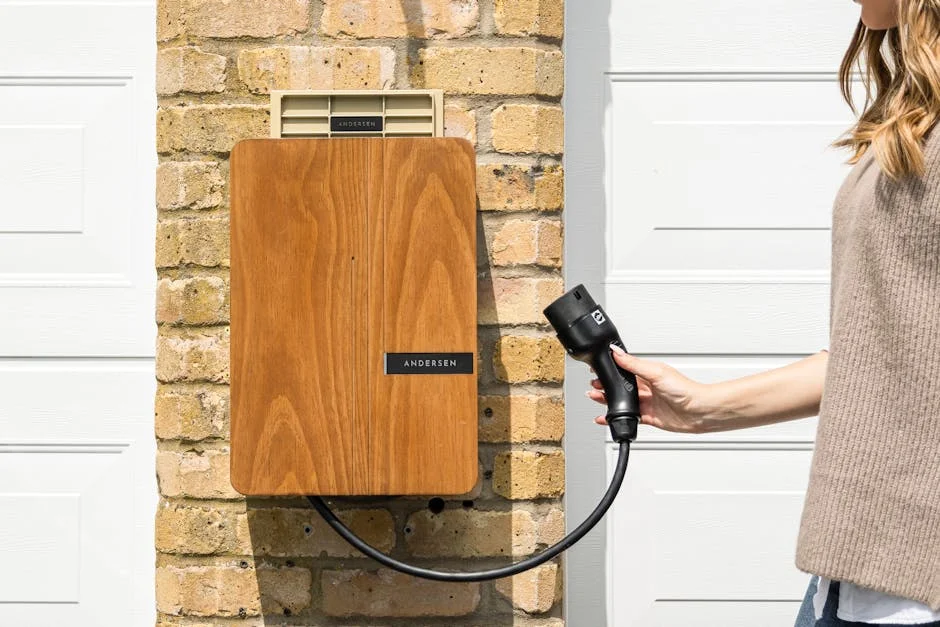
Mounting surfaces also matter. Installing on drywall with studs can be straightforward, but mounting on brick, block, or poured concrete may require specialized anchors and drilling. If the parking space is outdoors and the charger needs a pedestal, that adds hardware, a footing, and potentially additional permitting. Even the path of the cable matters: electricians try to keep installations neat and protected from physical damage, which may mean running conduit higher on the wall, adding protective sleeves, or routing away from door tracks and storage areas. These are quality decisions that can raise the price slightly but reduce long-term risk. When comparing bids, it helps to ask what is included: cable length assumptions, conduit type, wall repairs, and whether the electrician anticipates any obstacles. Transparent scope descriptions make electric car charger installation cost easier to interpret and prevent surprise change orders.
Electrical Panel Capacity, Load Calculations, and Upgrade Scenarios
One of the biggest reasons electric car charger installation cost can jump is the need for an electrical panel upgrade or service upgrade. Level 2 charging is a continuous load, and electrical codes typically require sizing circuits with additional headroom. If a home already has multiple high-demand appliances—electric range, dryer, HVAC, heat pump, hot tub—adding a 40A to 60A EV charging circuit may push the calculated load beyond what the existing service can support. An electrician may perform a load calculation to determine whether there is sufficient capacity. Sometimes the solution is simple: add a new double-pole breaker if there is both panel space and service capacity. Other times the panel is physically full, or the service size is too small, leading to a panel replacement, subpanel addition, or a full service upgrade coordinated with the utility.

Upgrades can include replacing an outdated fuse box, installing a larger main panel, upgrading from 100A to 200A service, or adding a subpanel closer to the garage. These are major projects with more parts and more labor, often involving utility disconnect/reconnect, inspections, and code-required updates such as modern grounding and bonding. While these upgrades increase upfront cost, they can also add long-term value by improving overall electrical safety and allowing future electrification projects like heat pump water heaters, induction cooking, or solar integration. In some cases, a smart load management device can reduce electric car charger installation cost by allowing a charger to operate at variable current without exceeding the home’s service limit. That approach can be a middle ground when an upgrade is expensive or delayed. The best solution depends on the home’s current infrastructure, future plans, and local code requirements.
Permits, Inspections, and Code Compliance Considerations
Permitting and inspection requirements are often overlooked when estimating electric car charger installation cost, yet they can affect both price and timeline. Many jurisdictions require an electrical permit for adding a new 240V circuit or installing EV supply equipment. Permit fees vary widely and can be influenced by project valuation, service upgrade scope, or local administrative costs. Inspections add scheduling considerations; the electrician may need to coordinate a rough-in inspection if wiring is concealed, followed by a final inspection after the charger is mounted and operational. While it can be tempting to skip permits to save money, permitted work provides a documented path of compliance that can be beneficial for insurance, resale, and safety assurance. Inspectors also verify key items such as breaker sizing, wire gauge, grounding, GFCI requirements, and proper labeling, which reduces the risk of overheating or nuisance tripping.
Codes evolve, and EV charging installations are affected by updates related to GFCI protection, receptacle requirements, and continuous load rules. For example, if you choose a plug-in charger, the receptacle may need GFCI protection depending on local adoption of code cycles and the location (garage, outdoors). Some electricians prefer hardwired installations to avoid certain receptacle-related issues and to reduce points of failure, but that choice is not universally required. Outdoor installations must also consider weatherproof enclosures, in-use covers, and corrosion-resistant materials. These compliance details can add to electric car charger installation cost, but they also reduce long-term risk and improve reliability. When receiving quotes, it is reasonable to ask whether the price includes permits and inspections, whether the electrician will meet the inspector on site if needed, and how code compliance choices might influence the final number.
Cost Drivers by Charger Location: Garage, Driveway, and Multi-Unit Properties
Where the charger goes can significantly change electric car charger installation cost because location determines wiring distance, protection needs, and physical mounting requirements. A charger in an attached garage near the electrical panel is often the simplest scenario, especially when the walls are unfinished and cable routing is direct. In that case, the electrician may run a short length of conduit, install a breaker, mount the unit, and commission it in a single visit. Move the charger to the far side of the garage, and the job may require more conduit, more fittings, and more labor time for routing around doors, storage, or finished walls. If the charger is installed outdoors on a driveway wall, the electrician must use weather-rated components and consider physical protection from vehicles, lawn equipment, and exposure to sun and moisture. Protective bollards or barriers might be recommended in tight driveways, adding materials and labor.
Detached garages and carports introduce another layer. If the power source is in the main house, the electrician may need to trench a new feeder, install a subpanel, or run conduit overhead depending on local rules and site constraints. Trenching can increase costs due to excavation, conduit burial depth requirements, warning tape, and surface restoration. For multi-unit properties like condos and apartments, electric car charger installation cost often includes administrative and engineering steps: obtaining HOA approval, coordinating with building management, assessing shared electrical capacity, and potentially installing dedicated meters or load management. Some buildings require a licensed contractor familiar with firestopping, conduit routing through common areas, and compliance with building-specific standards. While these projects can be more expensive than a single-family home installation, they can also be structured to share infrastructure costs if multiple residents install charging over time.
Typical Pricing Ranges and What They Usually Include
Electric car charger installation cost is often discussed in ranges because it depends on the exact scope, but certain patterns are common. A straightforward Level 2 installation in an attached garage with a short run to the panel often falls into a lower range because it requires fewer labor hours and less copper wire. The quote commonly includes a dedicated double-pole breaker, appropriately sized conductors, conduit as needed, mounting the charger, basic testing, and labeling. If a receptacle is installed for a plug-in charger, the estimate may include a heavy-duty outlet and possibly a GFCI breaker depending on code and location. As the run length increases or the routing becomes more complex—through attics, crawlspaces, or finished interiors—the cost generally rises due to additional labor and materials. Copper prices can also influence the estimate, especially for high-amperage circuits that require thicker wire.
| Charger Type | Typical Installed Cost (USD) | Best For |
|---|---|---|
| Level 1 (120V) | $0–$300 | Low daily mileage; uses a standard outlet (often no electrician needed). |
| Level 2 (240V) | $800–$2,500 | Most homeowners; faster charging with a dedicated 240V circuit. |
| DC Fast (Commercial) | $30,000–$150,000+ | Businesses/high-traffic sites; rapid charging with significant electrical upgrades. |

Expert Insight
Get a written quote that separates the charger price from labor and permits, and ask the electrician to confirm whether your panel has enough capacity for a dedicated 240V circuit. If a service upgrade is needed, request a second option that uses load management or a lower-amperage circuit to reduce upfront installation cost. If you’re looking for electric car charger installation cost, this is your best choice.
Cut surprises by having the installer do a site walk-through and measure the cable run from panel to parking spot; longer runs, trenching, and drywall repair can quickly raise the total. Also ask about local rebates, utility incentives, and time-of-use rates—these can offset installation costs and lower ongoing charging expenses. If you’re looking for electric car charger installation cost, this is your best choice.
Mid-range projects often include longer runs, exterior conduit, or moderate panel work such as reorganizing breakers, adding a small subpanel, or upgrading certain components to meet code. Higher-end scenarios typically involve service upgrades, panel replacements, trenching to a detached structure, or installations for two chargers with load sharing. It is also common for electric car charger installation cost to vary by region because labor rates, permit fees, and inspection practices differ. When evaluating pricing, it helps to look at what is included rather than comparing the bottom line alone. Ask whether the quote includes the charger or only the installation labor, whether drywall patching is included, how many feet of conduit and wire are assumed, and whether unexpected conditions could trigger additional charges. Clear inclusions and exclusions make it easier to compare bids fairly and to avoid paying twice for the same item or overlooking an essential part of the job.
Ways to Reduce Installation Cost Without Cutting Corners
Reducing electric car charger installation cost is often possible through planning rather than sacrificing safety or quality. One of the most effective strategies is choosing an installation location close to the electrical panel. Even moving the charger a few feet can shorten the wire run and reduce the number of bends, junction boxes, and conduit fittings. If the panel is in a finished area, consider whether an alternate routing path through an unfinished basement, crawlspace, or garage attic exists. Another practical approach is matching charger amperage to real needs. Many drivers do not require the highest-output charger available, especially if the vehicle is parked overnight. Selecting a 32A or 40A setup instead of a 48A or 60A setup can reduce wire and breaker costs and may avoid a service upgrade in borderline situations. An electrician can help determine a charging rate that fits daily mileage and time-at-home patterns.
Timing and bundling can also matter. If you are already planning electrical work—panel replacement, garage circuits, lighting upgrades—combining projects can lower mobilization costs and reduce duplicated permit fees. Some utilities and local governments offer rebates or incentives for chargers or for make-ready electrical upgrades, which can offset electric car charger installation cost. It is worth checking whether incentives require specific charger models, licensed installation, permits, or participation in time-of-use programs. Another cost-control tactic is preparing the site: clearing storage from the garage wall, ensuring the electrician has easy access to the panel, and deciding the exact mounting height and location in advance. These steps reduce on-site time and the chance of last-minute changes. The goal is not to pressure an installer into a low price, but to design a clean, code-compliant installation that uses materials efficiently and avoids unnecessary complexity.
Comparing Quotes: What to Ask and What to Watch For
When comparing bids, the best way to understand electric car charger installation cost is to make sure each quote reflects the same scope. Ask whether the price includes a site visit, load calculation, permit fees, and inspection coordination. Confirm the planned circuit amperage, whether the charger will be hardwired or plug-in, and what type of breaker will be used. If a receptacle is proposed, ask about the receptacle grade and enclosure type, because EV charging is demanding and benefits from high-quality components. Request clarity on wire type (such as copper conductors sized for continuous load), conduit material, and whether the installer expects to run cable through finished walls. If drywall or stucco will be opened, ask who repairs it and whether that repair is included. A quote that seems cheaper may exclude patching, permitting, or even the final connection of the charger.
Also watch for vague language. A professional estimate typically lists assumptions like distance from panel to charger, number of penetrations, and whether the panel has available capacity. If the electrician has not verified panel capacity, the quote may not reflect the real electric car charger installation cost once the panel is opened. It is reasonable to ask for a not-to-exceed price for a clearly defined scope, with a change-order process for surprises like damaged conductors, ungrounded circuits, or hidden obstructions. Verify licensing and insurance, and ask whether the installer has experience with EV charging specifically, because continuous loads and code nuances matter. Finally, ask about commissioning: will the electrician set the charger’s maximum current to match the circuit and verify charging operation with the vehicle? Proper setup prevents nuisance trips and overheating, and it ensures you get the charging speed you are paying for.
Long-Term Ownership Costs: Energy Rates, Maintenance, and Reliability
While electric car charger installation cost is a one-time expense, the total cost of ownership includes electricity usage patterns, utility pricing, and equipment reliability. Level 2 charging can shift a significant portion of household energy consumption to nighttime hours. If your utility offers time-of-use rates, scheduling charging during off-peak periods can reduce monthly costs substantially. Smart chargers can automate this by starting and stopping based on a schedule or utility signals. Over time, those savings can offset a portion of the installation expense. Reliability also matters: a well-installed, correctly sized circuit with tight terminations and proper protection reduces the chance of overheating, tripped breakers, or charger faults. Paying for a clean installation with quality components can prevent service calls and reduce downtime, especially for households that depend on daily charging.

Maintenance is typically low, but not zero. Outdoor units may need occasional inspection for gasket integrity, insect intrusion, corrosion, or physical damage. Cord management helps extend cable life and keeps the connector clean. If you choose a plug-in configuration, periodically checking the receptacle for heat discoloration or loose fit can catch early issues; EV charging can expose weaknesses in low-grade outlets. Some chargers receive firmware updates that improve performance or add features, so stable Wi‑Fi coverage can be beneficial. In the long run, electric car charger installation cost should be weighed against convenience and resilience. A dependable home charging setup reduces reliance on public charging, saves time, and can make EV ownership smoother. For households considering a second EV, planning for future expansion—such as conduit sized for additional circuits or a load-sharing system—can reduce future installation expenses and keep the electrical system organized.
Special Situations: Older Homes, Solar, Battery Storage, and Two EVs
Older homes often have electrical characteristics that affect electric car charger installation cost, including smaller service sizes, older panels, or wiring methods that require careful evaluation. Knob-and-tube wiring, aluminum branch circuits, or aged service equipment can trigger upgrade recommendations for safety and code compliance. Even if the home can technically support a charger, an electrician may recommend targeted improvements such as grounding upgrades, panel replacement, or replacing a deteriorated meter base. These improvements increase upfront cost but can reduce risk and improve insurability. In some regions, insurers and lenders are more cautious about outdated electrical systems, so bringing the system up to modern standards can have benefits beyond EV charging. The key is to distinguish between truly necessary upgrades and optional enhancements, and to document why each item is included in the quote.
Homes with solar panels or battery storage introduce additional planning opportunities. Charging during solar production hours can reduce grid consumption, while charging overnight may be cheaper under time-of-use rates. Some smart chargers integrate with solar in a way that modulates charging to match excess generation. Depending on your goals, that can influence equipment selection and wiring layout, which in turn affects electric car charger installation cost. For two-EV households, installing two separate circuits can be expensive if the panel is limited, but load-sharing chargers can allow two vehicles to charge on one circuit by splitting available current intelligently. This can avoid a service upgrade and reduce copper and breaker costs. Another approach is installing a subpanel in the garage to simplify future additions and keep wiring tidy. Planning for these special situations early helps avoid rework, minimizes wall openings, and ensures the charging system aligns with broader home energy plans.
Choosing the Right Installer and Setting Realistic Expectations
Selecting the right electrician is one of the most important decisions affecting electric car charger installation cost and overall satisfaction. A qualified installer typically begins with questions about your vehicle, daily mileage, desired charging speed, and where you park. They should also ask for photos of the electrical panel, the proposed charger location, and any obstacles along the route. A thorough site assessment can reveal whether the panel has capacity, whether a subpanel makes sense, and whether the installation will be surface-mounted or concealed. Good installers explain why certain materials are chosen, how they will protect the circuit, and what code requirements apply. They also provide a clear estimate that separates charger hardware from installation labor, calls out permit costs, and describes what happens if conditions differ from assumptions.
Realistic expectations help the project go smoothly. Even a standard installation may require scheduling around permit approval or inspection availability. If a service upgrade is needed, the timeline may depend on the utility. It is also common for the final electric car charger installation cost to be influenced by small choices you control, such as whether you want conduit exposed neatly on the wall or hidden inside finished surfaces that require patching and paint. Discuss aesthetics, cord reach, and mounting height before work begins. Ask the electrician to set the charger’s current limit correctly to match the circuit, and request basic instruction on normal operation, indicator lights, and what to do if the breaker trips. A well-planned installation is not just about the lowest price; it is about a safe, durable charging setup that fits your home and driving routine. With clear scope, code-compliant work, and thoughtful equipment selection, electric car charger installation cost becomes a predictable investment rather than an unpleasant surprise.
Watch the demonstration video
In this video, you’ll learn what drives the total cost of installing an electric car charger at home, from the charger unit and labor to electrical panel upgrades, permits, and wiring distance. It also covers typical price ranges, ways to reduce costs, and questions to ask an electrician before you schedule installation. If you’re looking for electric car charger installation cost, this is your best choice.
Summary
In summary, “electric car charger installation cost” is a crucial topic that deserves thoughtful consideration. We hope this article has provided you with a comprehensive understanding to help you make better decisions.
Frequently Asked Questions
How much does it cost to install a home electric car charger?
For most homeowners, the **electric car charger installation cost** typically falls between **$500 and $2,500** for labor, plus **$300 to $900** for the charger itself. Your final price depends largely on whether you need electrical upgrades and how far the charger is from your main panel.
What factors most affect EV charger installation cost?
Key drivers are panel capacity/need for a subpanel, wiring distance, trenching or conduit runs, garage vs. outdoor mounting, permit fees, and the charger power level (Level 1 vs. Level 2). If you’re looking for electric car charger installation cost, this is your best choice.
Do I need an electrical panel upgrade, and what does it cost?
If your electrical panel is already maxed out or doesn’t have enough capacity, you may need an upgrade—typically adding about $1,000 to $4,000 or more (and even higher if a full service upgrade is required). This is often the biggest factor that drives up your overall **electric car charger installation cost**.
Is it cheaper to install a Level 1 or Level 2 charger?
If you already have the right outlet, a Level 1 setup often costs little to nothing, keeping your **electric car charger installation cost** very low. A Level 2 charger, however, usually needs a dedicated 240V circuit, so it costs more upfront—but it delivers much faster charging in return.
What permits and inspections are typically required, and how much do they cost?
In many areas, you’ll need an electrical permit and a follow-up inspection before your charger can be approved, and those fees often run anywhere from about $50 to $500 depending on local requirements and the size of the job—an important factor to include when estimating your **electric car charger installation cost**.
Are there rebates or tax credits that reduce installation cost?
Many utility companies, states, and local governments offer rebates for EV charging projects, and some areas also provide tax incentives. Your eligibility typically depends on your location, the type of charger you choose, and the specifics of the work—factors that can also influence your overall **electric car charger installation cost**.
? Looking for more info about electric car charger installation cost? Follow Our Site for updates and tips!

Trusted External Sources
- how much did it cost you to install a level 2 charger at home? – Reddit
Aug 13, 2026 … $750 for the chargepoint flex and $400 for the electrician to hardwire it with a 60 amp breaker. My breaker box was on the outside of the garage. If you’re looking for electric car charger installation cost, this is your best choice.
- The Cost of Charging an EV at Home – Costco Auto Program
Bringing in a licensed electrician to add a 240V outlet and hardwire your EV charger typically runs about $400 to $1,200, but the **electric car charger installation cost** can climb higher if your home needs panel upgrades, new wiring, or other electrical improvements.
- How much would it cost approximately to equip my garage … – Reddit
As of Nov 2, 2026, you can expect the **electric car charger installation cost** to start around **$750**, not including the charger itself. For the best performance, consider having the unit **hardwired rather than plug-in**, since some chargers only deliver their maximum charging capability when they’re hardwired.
- How Much Does an EV Charger Installation Cost? – EnergySage
Installing an EV charger at home typically runs between **$800 and $3,000** for labor and electrical work, not including the charger itself. Your **electric car charger installation cost** can vary widely depending on factors like how far the charger will be from your home’s electrical panel, whether your panel needs an upgrade, and how much wiring and conduit are required to complete the job safely and up to code.
- EV charger install seems very expensive? : r/evs_ireland – Reddit
Dec 11, 2026 … Went with Fokearn , had a BG Sync charger installed about 2 metres from the fuseboard and meter box, cost €1000 (and qualified for the €300 … If you’re looking for electric car charger installation cost, this is your best choice.