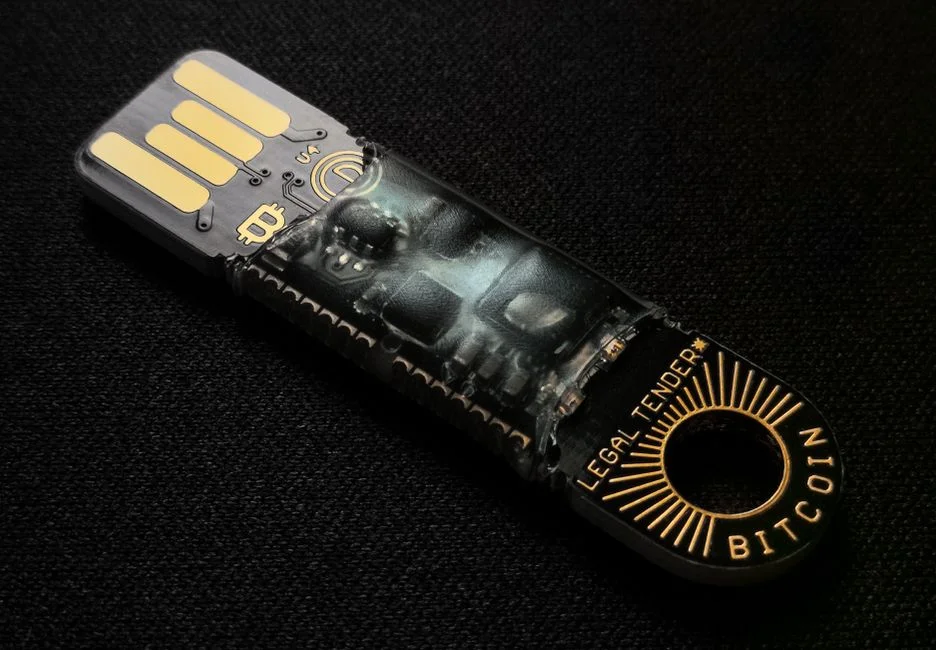
Cold storage for cryptocurrency is widely regarded as the most dependable approach for protecting digital assets from online threats, because it keeps private keys offline and out of reach from typical internet-based attack vectors. The core idea is straightforward: if a device or medium never connects to the internet, remote attackers cannot directly access the secret keys that authorize transfers. That single design principle changes the security profile dramatically compared with “hot” environments such as exchange wallets, browser extensions, or mobile apps that routinely communicate with servers. When people lose coins due to malware, phishing, SIM swaps, or breached platforms, the loss usually traces back to exposed credentials or compromised signing environments. Cold storage for cryptocurrency reduces that exposure by isolating the signing authority. Even if a computer is infected, it cannot steal keys that are not present, and it cannot sign transactions without the offline secret. This is why long-term holders, treasury teams, and anyone safeguarding meaningful balances often treat offline custody as a baseline, not a luxury.
Table of Contents
- My Personal Experience
- Understanding Cold Storage for Cryptocurrency and Why It Matters
- How Offline Custody Works: Private Keys, Seed Phrases, and Signing
- Cold Storage Options: Hardware Wallets, Air-Gapped Devices, and Paper Backups
- Threat Models: What Cold Storage Defends Against and What It Does Not
- Setting Up Cold Storage Safely: Step-by-Step Considerations Without Shortcuts
- Seed Phrase Storage: Metal Backups, Shamir Shares, and Redundancy Strategies
- Multi-Signature Cold Storage for Cryptocurrency: Shared Control and Reduced Single-Point Risk
- Expert Insight
- Operational Security: Device Hygiene, Address Verification, and Transaction Discipline
- Cold Storage for Cryptocurrency vs. Exchanges and Custodians: Control, Convenience, and Risk
- Common Mistakes That Break Cold Storage and How to Avoid Them
- Long-Term Maintenance: Audits, Updates, Inheritance Planning, and Peace of Mind
- Choosing the Right Approach for Your Needs: Practical Scenarios and Balanced Trade-Offs
- Watch the demonstration video
- Frequently Asked Questions
- Trusted External Sources
My Personal Experience
After a phishing scare last year, I finally moved most of my crypto into cold storage instead of leaving it on an exchange. I bought a hardware wallet, set it up offline, and wrote the seed phrase on paper—then made a second copy and stored them separately so one accident wouldn’t wipe me out. The process was more nerve‑wracking than I expected; sending that first test transaction felt like holding my breath, and I triple‑checked every address character. Now I keep only a small “spending” amount in a hot wallet and treat the cold wallet like a savings account I don’t touch often. It’s a little inconvenient, but the peace of mind is worth it, especially when headlines about hacks start circulating again. If you’re looking for cold storage for cryptocurrency, this is your best choice.
Understanding Cold Storage for Cryptocurrency and Why It Matters
Cold storage for cryptocurrency is widely regarded as the most dependable approach for protecting digital assets from online threats, because it keeps private keys offline and out of reach from typical internet-based attack vectors. The core idea is straightforward: if a device or medium never connects to the internet, remote attackers cannot directly access the secret keys that authorize transfers. That single design principle changes the security profile dramatically compared with “hot” environments such as exchange wallets, browser extensions, or mobile apps that routinely communicate with servers. When people lose coins due to malware, phishing, SIM swaps, or breached platforms, the loss usually traces back to exposed credentials or compromised signing environments. Cold storage for cryptocurrency reduces that exposure by isolating the signing authority. Even if a computer is infected, it cannot steal keys that are not present, and it cannot sign transactions without the offline secret. This is why long-term holders, treasury teams, and anyone safeguarding meaningful balances often treat offline custody as a baseline, not a luxury.
Another reason cold storage for cryptocurrency matters is that blockchain transactions are generally irreversible. Unlike card payments or bank transfers, there is rarely a central party that can undo a mistaken or fraudulent transfer once it is confirmed. That finality raises the standard for operational security: prevention is far more effective than attempting recovery after the fact. Offline custody also helps manage human risk by introducing deliberate friction. When funds are stored in a way that requires physical access, careful steps, and sometimes multiple approvals, impulsive actions become less likely. That same friction can be designed to protect against coercion, social engineering, and internal misuse. At the same time, offline custody is not a single product; it is a set of practices that can range from a simple paper backup to sophisticated multi-signature vaults with geographically distributed signers. Understanding the spectrum makes it easier to choose an approach that matches risk tolerance, technical comfort, and the real-world need for liquidity.
How Offline Custody Works: Private Keys, Seed Phrases, and Signing
Cold storage for cryptocurrency revolves around controlling private keys, which are the cryptographic secrets used to authorize spending. Most modern wallets derive many addresses from a single master secret represented as a seed phrase, typically 12 or 24 words following standards like BIP39. That phrase is not merely a password; it is a compact encoding of the entropy that can regenerate the wallet’s private keys. Whoever has the seed phrase can usually recreate the wallet on another device and transfer funds, which is why seed handling is often more important than the device itself. Offline custody aims to keep that seed phrase and the derived private keys out of internet-connected environments. A hardware wallet, for example, stores keys in a secure element or protected microcontroller and signs transactions internally, exposing only the signed transaction to the online computer. A fully air-gapped setup signs using a device that never touches a network, transferring unsigned and signed data via QR codes or removable media.
The signing workflow is where cold storage for cryptocurrency differs most from everyday wallets. Typically, an online “watch-only” wallet prepares an unsigned transaction using public information (addresses, UTXOs, balances) and then passes it to the offline signer. The offline signer verifies critical details—destination address, amount, fee—and produces a signature. That signature proves authorization without revealing the private key. The signed transaction is then moved back to the online environment for broadcast to the network. This separation of duties can be implemented in many ways, from a dedicated offline laptop to a specialized signing device. The security benefit depends on careful verification: if the online computer is compromised, it might try to trick the user into signing a transaction to an attacker’s address. Good offline custody practices therefore emphasize independent verification on the trusted display of the signing device, address whitelisting for frequent recipients, and small test transactions when moving large balances to new destinations.
Cold Storage Options: Hardware Wallets, Air-Gapped Devices, and Paper Backups
Cold storage for cryptocurrency can be achieved using several categories of tools, each with trade-offs. Hardware wallets are popular because they balance strong security with usability. They keep private keys isolated and provide a screen for verifying transaction details. Many support passphrases, multiple accounts, and integration with desktop wallet software. Air-gapped devices take isolation further by removing network interfaces entirely or by using strict one-way data transfer methods. Some users repurpose an old laptop, wipe it, install a minimal operating system, and keep it permanently offline for signing. Others use purpose-built devices that communicate via QR codes. Air-gapped approaches can reduce the risk of remote exploitation, but they require disciplined operational procedures, such as verifying software authenticity and carefully managing how files move across removable media.
Paper wallets and simple paper backups are often mentioned in conversations about cold storage for cryptocurrency, but they are frequently misunderstood. Printing a private key or seed phrase can indeed keep it offline, yet paper introduces physical fragility and handling risks. Ink can fade, paper can tear, and a single photograph taken at the wrong moment can compromise the secret. Moreover, “paper wallet” methods that involve generating keys on an online computer can be disastrously insecure if the generation process is compromised. A more robust approach is to generate the seed on a trusted offline device and then write the seed phrase down by hand, ideally creating multiple copies stored in separate secure locations. Some people prefer metal backups that resist fire and water damage, using engraved plates or letter tiles. The best choice depends on threat models: if you worry about burglary, you may prioritize tamper-evident storage and geographic distribution; if you worry about disasters, you may prioritize durable materials and redundancy.
Threat Models: What Cold Storage Defends Against and What It Does Not
Cold storage for cryptocurrency is particularly effective against online threats: malware that scans for wallet files, remote access trojans, browser-based phishing that captures seed phrases, exchange hacks, and cloud account takeovers. If the private keys never touch an internet-connected device, many common attack paths simply fail. This is why offline custody is often recommended for long-term holdings that do not require daily spending. Even if an attacker compromises an email account, social media profile, or a phone number used for two-factor authentication, they still cannot directly sign a transaction without access to the offline secret. That said, offline custody does not automatically solve every risk. A user can still be tricked into signing a malicious transaction if they do not verify the recipient address and amount. Physical threats—burglary, coercion, insider access—also remain relevant, and sometimes become more important as the online attack surface shrinks.
It is also important to recognize what cold storage for cryptocurrency does not protect against: self-inflicted loss through poor backups, forgotten passphrases, or damage to the only seed copy. Offline custody increases responsibility. If a hardware wallet is lost but the seed phrase is safely backed up, funds can be recovered. If the seed phrase is lost and the device fails, funds may be gone permanently. Another limitation is supply-chain risk: a device can be tampered with before it reaches you, or a fake wallet application can trick you into revealing secrets. Mitigations include purchasing directly from reputable manufacturers, verifying packaging and device authenticity checks, using open-source wallet software when possible, and initializing devices in a private environment. Finally, cold setups can be undermined by convenience shortcuts, such as storing seed photos in cloud storage, typing the seed into a computer “just once,” or leaving a seed phrase in a desk drawer. Offline custody is a system, and the system is only as strong as its weakest operational habit.
Setting Up Cold Storage Safely: Step-by-Step Considerations Without Shortcuts
Cold storage for cryptocurrency begins with a clean setup process that avoids exposing secrets. A prudent approach is to initialize the wallet in a private space without cameras, screen recording software, or bystanders. If using a hardware wallet, update firmware only through verified channels, confirm the device’s authenticity features, and generate the seed phrase on the device rather than importing one from an online source. Write the seed phrase down carefully, preserving word order and spelling, and consider creating at least two backups stored in separate secure locations. If the wallet supports a passphrase feature (sometimes called a “25th word”), decide whether you can manage that complexity. A passphrase can add strong protection if the seed backup is discovered, but it also increases the risk of loss if forgotten or recorded insecurely. For many people, a well-protected seed backup without an additional passphrase is safer than a complex scheme that cannot be reliably maintained.
When building cold storage for cryptocurrency for meaningful balances, verification and rehearsal matter. Before transferring large amounts, perform a small test deposit and then a small test withdrawal, confirming that you can sign and broadcast transactions correctly. Confirm that you can recover the wallet from the seed phrase on a fresh device or in a trusted recovery environment, ideally as a controlled drill rather than during a crisis. Also, document your process in a secure way: the goal is not to create a “how-to steal my coins” manual, but to ensure that you (or a designated heir or trusted party) can restore access if something happens. If you are using multiple wallets for different assets, ensure that each has clearly labeled backups and that you understand which seed phrase corresponds to which account structure. Good offline custody is less about a single dramatic step and more about a series of careful, repeatable actions that you can execute under stress.
Seed Phrase Storage: Metal Backups, Shamir Shares, and Redundancy Strategies
The seed phrase is the crown jewel of cold storage for cryptocurrency, so the storage method deserves careful thought. Paper is easy and inexpensive, but it is vulnerable to fire, water, mold, and simple misplacement. Metal backups are popular because they can survive high temperatures and flooding, offering better durability for long-term storage. Some solutions involve engraving or stamping the words or their first letters; others use tile-based systems that reduce the need for specialized tools. Regardless of format, the backup should be stored in a place that balances physical security and accessibility. A home safe can help, but it may attract attention; a bank safe deposit box can add security, but introduces jurisdictional and access constraints. Many people choose a split approach: one copy in a home safe for quick recovery and another in a geographically separate location for disaster resilience.
More advanced redundancy methods can strengthen cold storage for cryptocurrency by reducing single points of failure. Shamir’s Secret Sharing (often implemented as “Shamir backup”) can split a seed into multiple shares such that a threshold number of shares is required to reconstruct it, like 2-of-3 or 3-of-5. This can protect against theft of a single share while still allowing recovery if one location is destroyed. However, it also adds complexity and requires disciplined labeling and storage. Another option is to use multiple independent seed phrases with different wallets and allocate funds across them, limiting the impact of any single compromise. Some users also adopt decoy wallets: a small balance in a readily accessible wallet and a larger balance protected by a passphrase or separate setup. These strategies can mitigate coercion or opportunistic theft, but they must be practiced and documented enough to avoid self-lockout. The best redundancy plan is one you can actually maintain for years, not one that looks impressive on day one.
Multi-Signature Cold Storage for Cryptocurrency: Shared Control and Reduced Single-Point Risk
Multi-signature setups are a powerful form of cold storage for cryptocurrency because they require multiple independent keys to authorize spending. A common configuration is 2-of-3, where any two of three keys can sign a transaction. This reduces the risk that a single compromised key—whether through theft, device failure, or accidental exposure—results in loss. Multi-signature also supports separation of duties: one key might be held by a company executive, another by a finance officer, and a third stored in a secure backup location. For individuals, it can mean one key on a hardware wallet at home, one in a safe deposit box, and one held by a trusted family member or stored in a separate secure place. The security advantage is substantial, but only if the keys are truly independent and not all backed up in the same way or stored in the same place.
| Cold Storage Option | Security | Convenience | Best For |
|---|---|---|---|
| Hardware Wallet | High (private keys stay offline; secure chip on many devices) | Medium (requires device; slower than hot wallets) | Long-term holders who still want occasional spending |
| Paper Wallet (offline key/seed backup) | Medium–High (offline, but vulnerable to loss, damage, and mishandling) | Low (manual import/sweep; error-prone) | Deep cold storage with minimal transactions |
| Air-Gapped Computer (offline signing) | Very High (no network exposure; signing isolated) | Low–Medium (setup and workflow are more complex) | Advanced users securing larger balances or multisig setups |
Expert Insight
Use a dedicated hardware wallet for long-term holdings, and initialize it offline. Verify the device’s authenticity, update firmware from the official source, and record the recovery seed on durable, offline media—never in photos, cloud notes, or password managers. If you’re looking for cold storage for cryptocurrency, this is your best choice.
Reduce single-point failure by splitting risk: keep a small “hot” balance for spending and store the rest in cold storage with a tested recovery plan. Perform a full restore test on a spare device, and store seed backups in two secure locations (e.g., a safe and a safe-deposit box) with clear access instructions for emergencies. If you’re looking for cold storage for cryptocurrency, this is your best choice.
Implementing multi-signature cold storage for cryptocurrency requires attention to wallet coordination software, backup of the wallet configuration (such as extended public keys and derivation paths), and recovery planning. If you lose the wallet descriptor information, recovery can become difficult even if you still have the seed phrases. It is also important to avoid correlated failures: using the same hardware wallet model for all keys can increase exposure to a single firmware bug, while storing all backups in one building defeats geographic redundancy. Many people choose a mix of device brands and keep each signer in a different environment. Transaction verification becomes more procedural: each signer should verify details independently on their device screen, and the signing process should be rehearsed with small amounts before deploying significant funds. Done well, multi-signature can provide institutional-grade resilience without requiring trust in a single custodian, which is why it is increasingly used for organizational treasuries and long-term holdings.
Operational Security: Device Hygiene, Address Verification, and Transaction Discipline
Cold storage for cryptocurrency can be undermined by weak operational security even when the underlying tools are strong. Device hygiene starts with the computers used to prepare transactions. A dedicated computer for crypto tasks reduces exposure to risky software, browser extensions, and random downloads. Keeping operating systems updated, using reputable anti-malware tools where appropriate, and avoiding public Wi-Fi for sensitive operations can help. However, the most important principle is separation: the machine that holds or derives private keys should be offline or secured in a way that prevents key extraction. Even with a hardware wallet, the connected computer can attempt to alter recipient addresses, so the user must verify the address on the hardware wallet screen. Address verification is not optional; it is the key checkpoint that prevents “clipboard hijacking” malware from silently swapping an address at the last second.
Transaction discipline is equally central to cold storage for cryptocurrency. For large transfers, consider a staged approach: send a small test amount to the destination address, verify receipt, then proceed with the main transfer. Maintain a habit of confirming the first and last several characters of addresses and, when possible, use address books or whitelists in wallet software to reduce the chance of error. Pay attention to network selection as well; sending assets on the wrong chain or to an incompatible address format can lead to loss. Fee management matters too: overly low fees can cause transactions to remain pending for long periods, increasing anxiety and the temptation to take risky corrective actions. For organizations, implement written approval processes, dual control for transaction creation and signing, and logging that does not expose sensitive data. Offline custody is not only about where keys live; it is about how decisions are made, verified, and executed under conditions where mistakes can be permanent.
Cold Storage for Cryptocurrency vs. Exchanges and Custodians: Control, Convenience, and Risk
Many people first acquire coins on exchanges, which are convenient but fundamentally different from cold storage for cryptocurrency. On an exchange, the platform typically controls the private keys, and the user has an account claim rather than direct on-chain control. This arrangement can work for active trading, but it introduces counterparty risk: the exchange can be hacked, become insolvent, freeze withdrawals, or be impacted by regulatory actions. Even reputable platforms can suffer incidents, and users may have limited recourse. Offline custody removes that dependency by placing the user in control of the keys. The trade-off is responsibility: the user must manage backups, device security, and recovery. For long-term holdings where frequent trading is not required, many consider self-custody in an offline setup to be a rational risk reduction strategy.
Professional custodians offer another alternative, sometimes combining institutional controls with insurance and compliance features. For organizations, regulated custodians can simplify audits, governance, and reporting. Yet even then, cold storage for cryptocurrency can be relevant because many custodians themselves rely on offline signing and multi-party controls behind the scenes. The practical question becomes where you want the trust boundary to sit. If you self-custody, you trust your own procedures and tools. If you use a custodian, you trust their controls, personnel, and legal framework. Some users adopt a blended approach: keep a spending balance on an exchange or hot wallet and store the majority in offline custody. This mirrors traditional cash management, where a checking account is used for daily expenses while savings are held in more secure, less liquid forms. The right balance depends on your need for liquidity, your tolerance for operational complexity, and the size of the holdings involved.
Common Mistakes That Break Cold Storage and How to Avoid Them
Cold storage for cryptocurrency fails most often due to avoidable mistakes rather than exotic hacking. One common error is digitizing the seed phrase for convenience—taking a photo, storing it in a notes app, emailing it to yourself, or putting it in cloud storage. Those actions convert an offline secret into an online one, often without realizing how many systems can access that data. Another frequent mistake is typing the seed phrase into a computer or website to “verify” it, especially when prompted by a fake support page or a malicious pop-up. Legitimate wallet support will not ask for your seed phrase, and any request for it should be treated as hostile. Users also sometimes buy devices from unofficial sources, increasing the risk of tampering. Initializing a wallet in a public place, sharing screens during setup, or leaving written backups exposed are equally damaging behaviors that can negate the benefits of offline custody.
Another category of failure involves poor planning: having only one backup, not testing recovery, or using a passphrase and then forgetting it. Cold storage for cryptocurrency should include a realistic recovery path, because devices can break and people can lose access to locations. If you use a passphrase, record it securely and separately from the seed phrase, and ensure it is unambiguous. If you use multi-signature, do not store all signers or all backups together, and keep the wallet configuration information needed for recovery. Also watch for address confusion across networks and token standards; sending assets to an incompatible address can be unrecoverable. Finally, avoid rushing. Many losses occur during moments of urgency—responding to a “security alert,” chasing a market move, or trying to fix a stuck transaction. A calm, checklist-driven process is one of the simplest and most effective defenses. Offline custody rewards patience and punishes improvisation.
Long-Term Maintenance: Audits, Updates, Inheritance Planning, and Peace of Mind
Cold storage for cryptocurrency is not a one-time event; it is a long-term practice that benefits from periodic maintenance. Hardware wallets may require firmware updates that fix bugs or add support for new assets. Updates should be approached carefully: verify the source, read release notes, and avoid rushed updates prompted by unsolicited messages. Periodic audits are also useful. An audit can be as simple as verifying that backups are intact, confirming that stored devices still power on, and reviewing that you can locate all required components for recovery. Some people perform a controlled recovery test annually, restoring from the seed phrase on a spare device and verifying that addresses match, then wiping the test environment. This kind of rehearsal can expose issues—smudged handwriting, missing words, unclear labeling—before they become catastrophic.
Inheritance planning is an often-overlooked part of cold storage for cryptocurrency. If something happens to the owner, family members may not know where the backups are or how to use them. A thoughtful plan can include instructions stored in a secure place, the location of seed backups, and guidance on how to contact trusted helpers without revealing secrets prematurely. For higher-value holdings, consider legal and procedural structures such as a trust, a multi-signature scheme involving an attorney or executor, or a sealed letter with recovery steps. The goal is to ensure continuity without creating a single document that enables theft. Over time, the greatest value of offline custody is peace of mind: knowing that routine online risks are unlikely to affect long-term holdings, and that recovery is possible even after device loss, relocation, or changing technology. That confidence comes from durable backups, tested procedures, and a system designed for the realities of life, not just ideal conditions.
Choosing the Right Approach for Your Needs: Practical Scenarios and Balanced Trade-Offs
Cold storage for cryptocurrency should match how you actually use your assets. Someone holding a small amount for learning may prioritize simplicity: a reputable hardware wallet, a handwritten seed backup, and basic verification habits. A long-term holder with a significant balance might add redundancy with metal backups, geographic separation, and a passphrase if they can manage it reliably. A frequent trader might keep only a limited amount in a hot wallet or exchange account, sweeping profits periodically into offline custody. Small businesses accepting crypto payments may use a hybrid model: a hot wallet for receiving customer payments and a scheduled process to move excess funds into offline reserves, with dual approval for transfers. Each scenario has a different optimal point on the spectrum of convenience versus security, and forcing an overly complex system on a low-risk situation can increase the chance of user error.
For teams and organizations, multi-signature cold storage for cryptocurrency often provides the best balance of resilience and governance. It can enforce internal controls, reduce reliance on a single individual, and make audits easier when procedures are documented. However, it requires coordination, training, and clear incident response planning. For individuals concerned about physical threats, consider strategies that reduce the consequences of a single forced disclosure, such as decoy wallets, distributed backups, and minimizing public visibility of holdings. For those concerned about disasters, prioritize durable backups, multiple locations, and clear labeling. No approach is perfect, and it is normal to refine a setup over time as holdings grow and comfort increases. The most reliable system is one that you can execute consistently: generate secrets offline, store backups safely, verify every transaction on a trusted screen, and keep the majority of value in cold storage for cryptocurrency rather than in environments optimized for speed instead of safety.
Watch the demonstration video
In this video, you’ll learn what cold storage is and why it’s one of the safest ways to protect cryptocurrency from hacks and online threats. It explains how offline wallets work, compares common cold storage options like hardware wallets and paper backups, and shares practical tips for setting up, securing, and recovering your funds safely. If you’re looking for cold storage for cryptocurrency, this is your best choice.
Summary
In summary, “cold storage for cryptocurrency” is a crucial topic that deserves thoughtful consideration. We hope this article has provided you with a comprehensive understanding to help you make better decisions.
Frequently Asked Questions
What is cold storage for cryptocurrency?
Cold storage means keeping your crypto private keys offline (not connected to the internet) to reduce hacking and malware risk.
What are common types of cold storage?
Hardware wallets, paper wallets/seed backups, air-gapped computers, and offline multisig setups are common cold storage methods.
Is a hardware wallet considered cold storage?
Yes. Hardware wallets keep private keys isolated from your internet-connected device and sign transactions securely.
What is the biggest risk with cold storage?
If your recovery seed or private key is stolen, damaged, or simply misplaced, you could lose access to your crypto forever—or have your funds drained without warning. That’s why secure backups and **cold storage for cryptocurrency** are essential for keeping your assets protected.
How should I back up my recovery seed for cold storage?
Write your recovery phrase down offline and keep multiple copies in secure, separate places. For extra protection, consider a metal backup that can withstand fire and water. If you’re using **cold storage for cryptocurrency**, avoid saving it in cloud notes, email drafts, or screenshots—anything online can be exposed.
How do I move funds from cold storage to an exchange?
Initiate the transaction in your wallet, sign it securely using your offline key or device, and then broadcast it from an internet-connected computer or phone. For added safety with **cold storage for cryptocurrency**, only transfer the amount you actually intend to trade.
📢 Looking for more info about cold storage for cryptocurrency? Follow Our Site for updates and tips!

Trusted External Sources
- Arculus Cold Storage Wallet | Securely Manage Crypto & NFTs
With the Arculus Cold Storage Wallet, **cold storage for cryptocurrency** feels effortless—securely store your assets, then buy, swap, send, and receive crypto right from your phone with a simple tap.
- Cold Storage: What It Is, How It Works, Theft Protection – Investopedia
Cold storage, called cold wallets by cryptocurrency users, is the most secure way to store your cryptocurrency’s private keys. It involves transferring the keys …
- Cold wallets explain like I’m 5 : r/CryptoMarkets – Reddit
Dec 25, 2026 … A cold wallet doesn’t mean your coins are stored on your USB device, it means your private key is on your USB device. You can relocate your … If you’re looking for cold storage for cryptocurrency, this is your best choice.
- Ledger Crypto Wallet – Security for DeFi & Web3
Protecting digital assets like Bitcoin, Ethereum, XRP, Monero, and others starts with choosing a safer way to store them. A vault-style wallet that offers **cold storage for cryptocurrency** keeps your private keys offline, reducing exposure to hacks and online threats. It’s no surprise many long-time holders use hardware wallets—some even keep multiple devices, like Ledger units, to spread risk and stay organized across different portfolios.
- When should I consider getting a cold storage wallet? : r/Bitcoin
Jan 25, 2026 — If you’re planning to hold your crypto for the long haul, now may be a good time to set up **cold storage for cryptocurrency**. Just be sure you understand the risks, the setup process, and how to securely back up and access your funds before you commit.