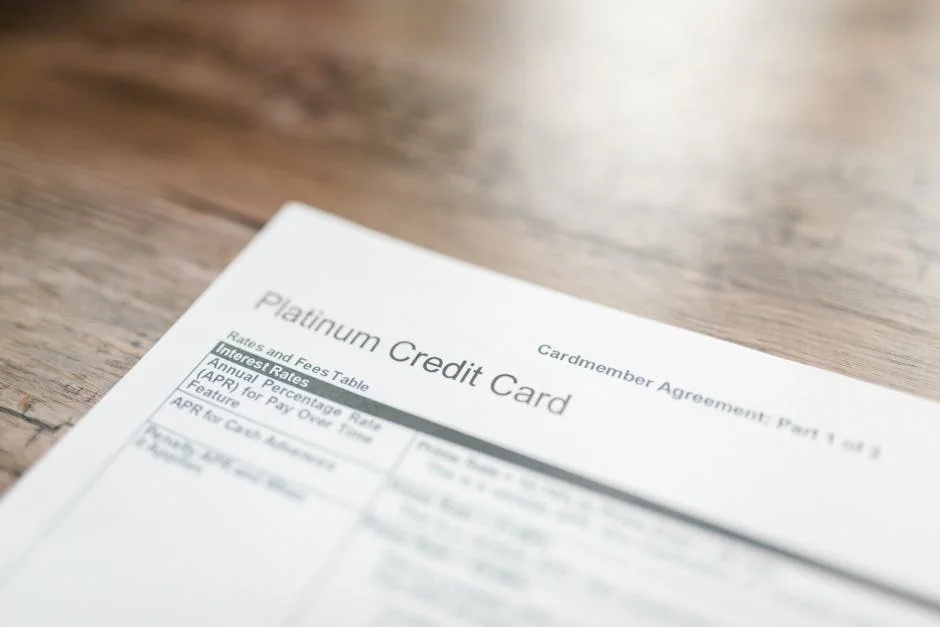
Credit cards for college students can be a practical financial tool when they are used with intention, a clear plan, and a realistic understanding of how credit works. Many students arrive on campus managing money for the first time, balancing tuition, books, rent, food, transportation, and social expenses with limited income. A card designed for students can help smooth out cash flow during the semester, especially when expenses cluster around the beginning of term. It can also provide a safer alternative to carrying cash and may offer purchase protections that debit cards don’t always match. At the same time, using a card without guardrails can create a debt spiral that follows you long after graduation. The difference between building a strong credit profile and getting stuck with high-interest balances often comes down to habits: paying on time, keeping balances low, tracking spending, and understanding the fine print.
Table of Contents
- My Personal Experience
- Understanding Credit Cards for College Students and Why They Matter
- How Student Credit Card Eligibility Works (Income, Age, and Approval Factors)
- Key Features to Compare: APR, Fees, Limits, and Rewards
- Building Credit from Scratch: What Matters Most for Students
- Smart Spending Rules: Budgeting with a Student Credit Card
- Paying on Time and in Full: Strategies That Prevent Debt
- Common Pitfalls: Interest, Cash Advances, and Overdraft-Like Thinking
- Expert Insight
- Choosing Between Secured and Unsecured Student Cards
- Rewards and Perks: Cash Back, Student Benefits, and What to Avoid
- Protecting Your Credit and Identity While on Campus
- Handling Emergencies and Irregular Expenses Without Getting Stuck
- Graduation Planning: Keeping the Account, Upgrading, and Long-Term Benefits
- Practical Checklist for Responsible Use During the School Year
- Watch the demonstration video
- Frequently Asked Questions
- Trusted External Sources
My Personal Experience
When I started college, I got a student credit card mostly to build credit and cover small emergencies, like when my laptop charger died right before midterms. I kept the limit low and only used it for predictable stuff—groceries, gas, and my phone bill—then set up autopay for the full balance so I wouldn’t get hit with interest. The first month I overspent a little because it didn’t feel like “real” money, and seeing the statement total was a wake-up call. After that, I treated it like a debit card and checked the app every few days. By the end of freshman year, my credit score had improved, and I felt a lot more confident managing my money without relying on my parents. If you’re looking for credit cards for college students, this is your best choice.
Understanding Credit Cards for College Students and Why They Matter
Credit cards for college students can be a practical financial tool when they are used with intention, a clear plan, and a realistic understanding of how credit works. Many students arrive on campus managing money for the first time, balancing tuition, books, rent, food, transportation, and social expenses with limited income. A card designed for students can help smooth out cash flow during the semester, especially when expenses cluster around the beginning of term. It can also provide a safer alternative to carrying cash and may offer purchase protections that debit cards don’t always match. At the same time, using a card without guardrails can create a debt spiral that follows you long after graduation. The difference between building a strong credit profile and getting stuck with high-interest balances often comes down to habits: paying on time, keeping balances low, tracking spending, and understanding the fine print.

For many lenders, student-focused cards are an entry point into the credit system. They often have easier approval standards than traditional cards and may allow applicants with limited credit history to qualify. Some even consider part-time income, scholarships, grants, or a co-signer, depending on the issuer and the applicant’s age. Still, it’s crucial to recognize that a credit limit is not extra income; it’s a short-term loan that can become expensive if you carry a balance. Interest rates on student cards can be high, and even one late payment can trigger fees and damage your credit score. When you approach credit cards for college students as a credit-building instrument rather than a spending extension, you can graduate with a credit history that helps you rent an apartment, set up utilities without hefty deposits, finance a reliable car, or qualify for better insurance rates.
How Student Credit Card Eligibility Works (Income, Age, and Approval Factors)
Approval for credit cards for college students generally hinges on a mix of identity verification, ability to pay, and risk signals. In the United States, applicants under 21 typically must demonstrate independent income or have a co-signer, depending on the card and issuer policies. “Income” can include wages from a job, self-employment, regular allowances you can document, or other sources you can reasonably access to repay debts. If you’re 21 or older, you may be able to include household income you have access to, but you still need to be truthful and conservative. Lenders evaluate whether your stated income aligns with the credit limit you’re requesting and whether it seems plausible given your age and student status. Many student cards don’t require a long credit history, but they may still run a credit check to see if you have any negative marks, such as collections or prior delinquencies.
Beyond income, issuers look at banking relationships, stability, and consistency. Having a checking account, a track record of deposits, or an existing relationship with a bank can help. Some student products are designed for first-time borrowers and may approve applicants with thin files, meaning little or no credit history. If you’ve been added as an authorized user on a parent’s card, that may show up on your credit report and can improve your chances, though it depends on whether the issuer reports authorized user data and whether the primary account is managed well. Another factor is your debt-to-income ratio if you already have obligations like a car payment. Finally, errors on an application can cause denials, so it pays to double-check your Social Security number, address, and income figures. Understanding these mechanics can help you choose credit cards for college students that match your profile instead of applying broadly and accumulating unnecessary hard inquiries.
Key Features to Compare: APR, Fees, Limits, and Rewards
When comparing credit cards for college students, it’s useful to focus on four pillars: interest rate (APR), fees, credit limit, and rewards or benefits. The APR matters most if you might carry a balance, but the best strategy is to treat your card like a charge card and pay in full every month. Even so, knowing the APR helps you understand the true cost of borrowing. Fees can include an annual fee, late payment fees, returned payment fees, and foreign transaction fees. Many student cards advertise “no annual fee,” which is a strong baseline feature because it makes it easier to keep the account open long-term, supporting your credit history length. Late fees can still be steep, so an issuer with flexible due dates or robust autopay tools can be valuable. Some cards also offer a first late fee waiver, which can be a helpful safety net but should never be relied upon.
Credit limits on student accounts may start low, which can be a good thing for learning. A low limit helps prevent overspending, but it also affects utilization, a key credit scoring factor that measures how much of your available credit you’re using. If your limit is $500 and you spend $250, you’re already at 50% utilization, which can hurt your score even if you pay on time. That’s why it’s smart to make multiple payments during the month or keep spending modest. Rewards can be appealing, but they should be secondary to building good habits. Some cards offer cash back on dining, groceries, gas, or streaming, while others provide a flat-rate percentage. If you choose a rewards card, pick categories that match your actual budget, not aspirational spending. The best credit cards for college students balance low fees, manageable limits, and simple rewards that encourage responsible use rather than constant swiping.
Building Credit from Scratch: What Matters Most for Students
Using credit cards for college students to build credit effectively comes down to understanding what makes up a credit score and aligning your behavior with those factors. Payment history is typically the most important component, so paying on time every time is non-negotiable. Even one missed payment can remain on your credit report for years and can raise the cost of future borrowing. The second major factor is credit utilization, which is the percentage of your total available credit that you’re using. Students often have low limits, so utilization can spike quickly. Keeping your reported utilization under 30% is a common guideline, and under 10% is even better when feasible. Importantly, utilization is usually calculated from the statement balance that gets reported to the bureaus, not what you owe after you pay later. That means paying before the statement closes can help keep reported utilization low.
Length of credit history also matters, which is why opening a student card early and keeping it in good standing can be beneficial. Each time you apply for new credit, a hard inquiry may temporarily reduce your score, so applying strategically is better than applying frequently. Credit mix is another factor, but students don’t need to rush into loans just to diversify; responsible use of a single card can be enough to establish a solid foundation. Finally, negative marks like collections can overwhelm everything else, so it’s crucial to stay organized with bills and to communicate quickly if you can’t pay. If you treat credit cards for college students as a training ground—spending small amounts, paying in full, and monitoring your credit—you can exit college with a credit profile that makes adult financial milestones simpler and less expensive.
Smart Spending Rules: Budgeting with a Student Credit Card
Budgeting is the skill that turns credit cards for college students from a risk into an advantage. A simple approach is to create a monthly spending plan based on fixed costs (rent, utilities, phone), academic costs (books, supplies, software), and variable costs (food, transportation, personal spending). Then decide what portion, if any, will go on the card. Many students find it helpful to use the card only for predictable categories like groceries or gas and pay it off weekly. This reduces the chance of surprise balances at statement time and keeps utilization low. Another practical rule is to keep a “cash equivalent” buffer in your checking account: if you charge $40 at the grocery store, you mentally move $40 out of your available spending pool so you’re never treating the card as extra money.

It also helps to set spending caps that align with your credit limit. If your limit is $1,000, a conservative cap might be $100 to $200 in reported balance, especially if you care about utilization. Students can use alerts to make this easier. Most issuers let you set notifications for purchases above a certain amount, when your balance exceeds a chosen threshold, or when the payment due date is approaching. If your budget is tight, consider using the card for a small recurring bill—like a streaming subscription—and put everything else on debit. That method keeps the account active, builds payment history, and minimizes temptation. The most sustainable way to use credit cards for college students is to make the card serve your budget, not force your budget to serve the card. When you decide in advance what the card is for, you reduce the emotional spending that often happens during stressful exam weeks or social weekends.
Paying on Time and in Full: Strategies That Prevent Debt
The single most effective habit with credit cards for college students is paying the statement balance in full by the due date. That approach avoids interest charges entirely during the grace period on purchases, assuming your account is in good standing and you’re not carrying a revolving balance. To make full payment realistic, it helps to treat the card like a payment tool rather than a borrowing tool. If you can’t afford an expense from your checking account today, you likely can’t afford it on credit either. When students do need flexibility—such as buying a required textbook before a paycheck arrives—the key is to plan the payoff date and keep the amount small enough to eliminate quickly. If you pay in full consistently, the APR becomes mostly irrelevant, and the card’s benefits can be enjoyed without the long-term cost.
Operationally, autopay is a powerful safeguard. Setting autopay for at least the minimum payment prevents late payments if you forget, while you can still manually pay the full statement balance. Another approach is “two-paycheck splitting,” where you make partial payments each time you get paid, keeping the balance low and avoiding a large end-of-month hit. If your income is irregular, weekly payments can be easier: pay whatever you spent that week. Also understand the difference between current balance, statement balance, and minimum payment. Paying the minimum keeps you current but can lead to months or years of interest, especially if the APR is high. If you ever have to carry a balance, prioritize paying more than the minimum and stop new discretionary spending until the balance is gone. With credit cards for college students, the goal is to graduate with memories and skills, not a lingering revolving balance that competes with rent and student loan payments.
Common Pitfalls: Interest, Cash Advances, and Overdraft-Like Thinking
Many problems students face with credit cards for college students come from a few predictable traps. One is carrying a balance because minimum payments look manageable. Minimum payments are designed to stretch repayment, which increases interest costs substantially. Another trap is confusing “available credit” with “available funds.” Credit is borrowed money with terms, not a safety net that replenishes itself. A related issue is using the card to cover routine shortfalls—like food or gas—without fixing the underlying budget gap. If the card becomes a bridge every month, the bridge eventually collapses. Students also sometimes miss payments due to moving dorms, changing bank accounts, or losing track of due dates during finals. Late fees and penalty APRs can make a manageable balance suddenly feel overwhelming.
Expert Insight
Start with a student credit card that has no annual fee and reports to all three credit bureaus, then use it for one predictable expense (like a phone bill or groceries) and set up autopay for the full statement balance. Keeping utilization under 30%—ideally under 10%—and never carrying interest is the fastest way to build strong credit while staying on budget. If you’re looking for credit cards for college students, this is your best choice.
Before applying, check your approval odds and limit applications to one card to avoid unnecessary hard inquiries. Once approved, treat the credit limit as a spending cap (not extra income), track purchases weekly, and ask for a credit limit increase after 6–12 months of on-time payments to improve your credit profile without increasing your spending. If you’re looking for credit cards for college students, this is your best choice.
Cash advances deserve special caution. A cash advance often starts accruing interest immediately, usually at a higher APR than purchases, and it commonly includes a transaction fee. It can also be excluded from the grace period, meaning you pay interest from day one. Using a card at an ATM or using convenience checks can quickly become expensive. Balance transfers can help in some cases, but student cards may not offer strong transfer terms, and transfer fees can add cost. Another pitfall is returning purchases without confirming that the refund posted correctly; if you assume a return “fixed” your balance but it doesn’t post before the due date, you can still be late. The healthiest mindset for credit cards for college students is to treat them like a tool with sharp edges: useful for building and purchasing, but requiring respect, tracking, and consistent maintenance to avoid injury to your finances and credit profile.
Choosing Between Secured and Unsecured Student Cards
Credit cards for college students come in secured and unsecured varieties, and the right choice depends on your credit history and approval likelihood. An unsecured student card is the traditional option: the issuer extends a credit limit without requiring a security deposit. These cards often have student-friendly features like no annual fee, basic rewards, and a path to credit limit increases over time. If you have no credit history but have verifiable income, you may be approved for an unsecured product. If you have a limited file or past issues, approval may be harder, and repeated denials can be discouraging and can add hard inquiries to your credit report.
| Card feature | Best for | What to look for |
|---|---|---|
| No annual fee + simple rewards | Everyday spending while building credit | No annual fee, flat cash back (e.g., 1–2%), easy redemption, no complicated caps |
| Student-friendly approval + credit-building tools | First-time cardholders with limited/no credit history | Pre-qualification, low/waived fees, free credit score access, on-time payment reporting, autopay reminders |
| Intro APR or low interest (if you may carry a balance) | Large planned purchases (books, laptop) you can pay off over time | 0% intro APR period, clear post-intro APR, no deferred-interest traps, manageable credit limit |

A secured card requires a refundable deposit—often $200 to $500—that typically becomes your credit limit. Secured cards are not “prepaid”; they still report to credit bureaus as a credit line, and your payment history can help build credit. The deposit reduces the issuer’s risk, so secured cards can be easier to obtain. Many secured cards can graduate to unsecured after a period of on-time payments, at which point you may receive your deposit back. When comparing secured options, look for no annual fee, clear graduation policies, and reporting to all three major credit bureaus. If you’re deciding between the two, consider your goal: if you can qualify for an unsecured student product, that may be the simplest path. If not, a secured card can be a disciplined way to start. Either way, credit cards for college students work best when you keep balances low, pay on time, and avoid treating the credit limit as spending power.
Rewards and Perks: Cash Back, Student Benefits, and What to Avoid
Rewards can make credit cards for college students feel more fun, but they should be evaluated with a clear eye. Cash back is generally the most straightforward reward type for students because it’s easy to understand and redeem. A flat-rate card can be ideal if your spending varies, while category bonuses can be helpful if your budget is consistent, such as higher cash back on dining or groceries. Some issuers also offer student-specific perks like statement credits for good grades, free access to credit score tracking, or bonus rewards after a few on-time payments. While these features can be motivating, they should never be the reason to spend more. A 2% reward is not a bargain if it encourages 20% more spending.
It’s also important to watch for perks that mask costs. Some cards advertise rewards but charge an annual fee that outweighs the value for a student budget. Others may have complex redemption rules or require large thresholds to cash out. Foreign transaction fees matter if you plan to study abroad or make international purchases online; a fee of 3% can erase typical cash back earnings. Travel rewards can be less practical for many students because points values vary and redemptions can be complicated. If you do choose a points card, ensure you can redeem points for statement credits or cash at a fair rate. Ultimately, the best rewards strategy for credit cards for college students is simple: pick a no-annual-fee card with understandable cash back, then focus on paying in full so rewards don’t get canceled out by interest.
Protecting Your Credit and Identity While on Campus
Campus life can increase identity and account risks because students often share housing, use public Wi-Fi, and move frequently. When using credit cards for college students, it’s wise to adopt a security routine. Start with strong passwords and unique logins for your bank and card apps, and enable two-factor authentication. Avoid saving card numbers in shared browsers or on public computers. If you use peer-to-peer payment apps, secure them with passcodes and avoid linking them to your credit card for routine transfers unless you understand the fees. Public Wi-Fi can be convenient, but it can also expose you to interception risks; using a trusted cellular connection or a reputable VPN for financial tasks can reduce exposure. Also, keep your card physically secure: dorms and shared apartments often have visitors, roommates, and maintenance access.
Monitoring your accounts is equally important. Turn on real-time transaction alerts so you know immediately if your card is used unexpectedly. Check statements carefully for small “test” charges, which can precede larger fraud attempts. If your card is lost, report it quickly; most issuers provide zero-liability protection for unauthorized charges when reported promptly. It’s also smart to monitor your credit reports. In the U.S., you can access credit reports from major bureaus and look for accounts you don’t recognize. Consider a credit freeze if you’re concerned about identity theft, especially if your Social Security number has been exposed in a data breach. Credit cards for college students can be safer than debit cards in some fraud scenarios because you’re disputing charges on a credit line rather than money leaving your checking account, but that safety depends on vigilance and fast action.
Handling Emergencies and Irregular Expenses Without Getting Stuck
Students often face irregular expenses: a laptop breaks, a medical co-pay appears, a last-minute trip home becomes necessary, or a required course material is more expensive than expected. Credit cards for college students can help manage these moments, but only if you use them as part of an emergency plan rather than as the plan itself. A healthy approach is to build a small emergency fund, even $200 to $500, to reduce reliance on credit. When that’s not possible, you can still use a student card strategically: charge the expense, then create a payoff schedule that fits your next few paychecks. The key is to avoid layering new discretionary spending on top of the emergency balance. If you keep swiping for everyday wants while carrying an emergency balance, you transform a one-time problem into ongoing revolving debt.

It’s also worth exploring alternatives before using credit. Many campuses have emergency aid grants, short-term loans, food pantries, or student support funds that can help with urgent needs. For medical costs, ask about payment plans. For textbooks, consider rentals, used copies, library reserves, or earlier purchasing to avoid premium pricing. If you must finance a purchase, some retailers offer installment plans, but read terms carefully; “no interest” offers can backfire if you miss a payment or if interest is deferred. When credit is the only immediate option, keep the amount as low as possible and prioritize repayment. Used responsibly, credit cards for college students can provide short-term flexibility without long-term damage, but that requires treating emergencies as exceptions, not a monthly pattern.
Graduation Planning: Keeping the Account, Upgrading, and Long-Term Benefits
As graduation approaches, many students wonder what happens to credit cards for college students and whether they should close their accounts. In many cases, keeping the account open can be beneficial because it supports the length of your credit history and preserves available credit, which can help utilization. If the card has no annual fee and you can manage it responsibly, keeping it open is often a reasonable choice. You can keep it active with a small recurring purchase and autopay. If you do close a card, consider the impact: closing reduces your total available credit and can increase utilization on remaining accounts, which may lower your score temporarily. It can also remove a long-standing account that contributes to your average age of credit over time, though closed accounts may remain on your report for a period depending on the credit bureau and account history.
Many issuers allow a product change after you graduate, letting you convert a student card into a standard card with stronger rewards or benefits without opening a new account. This can preserve your account history and avoid a hard inquiry. If your income increases after graduation, you may also qualify for a higher credit limit, which can help utilization as long as you don’t inflate your spending. However, avoid applying for multiple new cards right before major goals like renting an apartment or financing a car, because inquiries and new accounts can affect your credit profile. The long-term value of credit cards for college students is not limited to campus years; a well-managed student card can become your oldest account, a cornerstone of your credit history, and a tool you continue to use responsibly as your financial life becomes more complex.
Practical Checklist for Responsible Use During the School Year
A simple checklist can keep credit cards for college students working in your favor throughout the academic year. Start by selecting a card with no annual fee and clear terms. Set up online access immediately, turn on purchase and balance alerts, and choose a due date that aligns with your pay schedule or financial aid disbursement timing. Add autopay for at least the minimum payment as a backstop, then plan to pay the full statement balance manually or through a second autopay setting if your budget is stable. Create a category plan: decide which purchases go on the card and which stay on debit. Many students succeed by putting predictable essentials on the card and leaving discretionary spending limited. Keep a note of your credit limit and pick a utilization target that’s realistic, such as keeping your statement balance under 10% to 30% of the limit.
During the semester, check your balance at least weekly and reconcile it with your budget so small overspends don’t become large surprises. If you share expenses with roommates, avoid putting large group charges on your card unless you’re confident about immediate repayment from others. When traveling for breaks, notify your issuer if needed and consider whether foreign transaction fees apply. If you ever feel behind, act early: reduce spending, make an extra payment, and contact the issuer if you need a short-term hardship option. Finally, keep your card secure and your identity protected, especially on shared networks and devices. With consistent habits, credit cards for college students can build credit, add convenience, and provide a safer way to pay, and the last step is remembering the core rule in the moments that matter most: credit cards for college students are most powerful when they’re paid in full and used as a controlled tool, not a source of ongoing debt.
Watch the demonstration video
In this video, you’ll learn how college students can choose a first credit card, use it responsibly, and build credit without falling into debt. We’ll cover key terms like APR, credit limits, and fees, plus practical tips for budgeting, paying on time, and avoiding common mistakes that can hurt your credit score. If you’re looking for credit cards for college students, this is your best choice.
Summary
In summary, “credit cards for college students” is a crucial topic that deserves thoughtful consideration. We hope this article has provided you with a comprehensive understanding to help you make better decisions.
Frequently Asked Questions
What makes a credit card “student-friendly”?
When comparing **credit cards for college students**, look for options with low or no annual fees, easier approval for limited credit history, and straightforward rewards you’ll actually use. It also helps to choose a card that offers practical tools like spending alerts and budgeting features, along with fair, transparent terms—such as a reasonable APR and no hidden fees.
Do college students need income to get approved?
In most cases, yes—card issuers want some indication that you can repay what you borrow. When applying for **credit cards for college students**, you may be able to include your own income, scholarships or grants you use for living expenses, or consistent financial support you can reliably access. Exact rules can vary depending on the issuer and your age.
How can a student build credit with a first credit card?
To build strong credit, make it a habit to pay your bill on time every month, keep your balance low (aim for under 30% of your limit), and pay it off in full whenever you can. Also, try not to apply for several cards at once—especially when comparing **credit cards for college students**—since too many applications in a short period can hurt your score.
What’s the difference between a student card and a secured card?
Student cards are usually unsecured, often come with perks like rewards, and are designed to help you start building credit. Secured options, on the other hand, require a refundable deposit—typically equal to your credit limit—and can be easier to get approved for, making them a solid choice when comparing **credit cards for college students**.
What fees should students watch out for?
Watch out for the most common fees that can come with **credit cards for college students**—including annual fees, late payment charges, foreign transaction fees, balance transfer fees, and cash advance fees, which often start accruing interest immediately.
How should a student choose the right card?
Look for **credit cards for college students** that charge no annual fee, offer rewards that fit how you actually spend (like cash back on dining, groceries, or gas), and include credit-building tools such as free credit score access or automatic payment reminders. Stick with reputable issuers and choose a card with straightforward terms and fees so there are no surprises later.
? Looking for more info about credit cards for college students? Follow Our Site for updates and tips!

Trusted External Sources
- Credit Cards for College Students from Bank of America
Whether you’re looking for travel perks, cash back rewards, or a lower interest rate, our **credit cards for college students** offer a range of features to match your needs. Explore your options and find the right fit using our easy comparison tool.
- Student Credit Cards – Mastercard
Explore Mastercard options designed for students and discover some of the best **credit cards for college students**. Compare cards from our trusted partners, review current offers, and apply online for the one that fits your lifestyle and financial goals.
- College Student Credit Cards – No Credit Needed – Discover
Discover student credit cards are a smart option among **credit cards for college students**, helping you start building credit through responsible spending while also earning cash back rewards on everyday purchases. Ready to get started? Apply for a student credit card today.
- Credit Cards: Marketing to College Students Appears to Have … – GAO
As of Feb. 25, 2026, GAO-analyzed data shows a clear shift in college affinity card agreements: there are fewer agreements in place, fewer cardholders overall, and payments are trending downward—signaling changing dynamics in the market for **credit cards for college students**.
- When & how to apply for a student credit card – Chase Bank
Finding the best **credit cards for college students** often starts with looking for a 0% introductory APR, which can help you manage purchases while you get used to building credit. While student cards may sometimes come with higher ongoing interest rates than standard cards, choosing one with strong beginner-friendly perks—like low fees, simple rewards, and tools to track spending—can make it a smart first step toward responsible credit use.