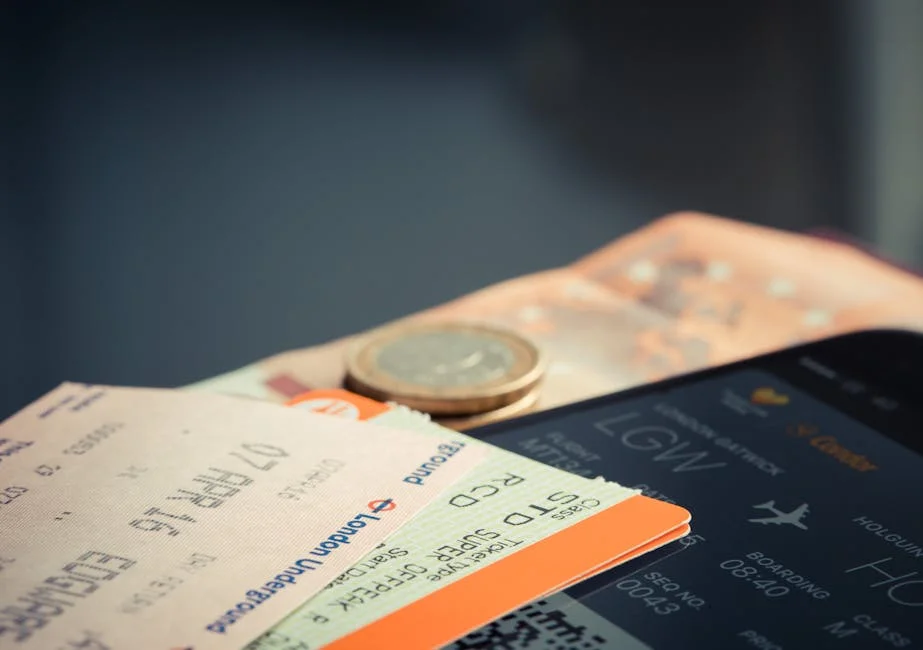
Airfare is often treated like a simple sticker price, but it is closer to a bundled product with multiple layers of cost, risk, and profit baked in. When you look at a flight price, you’re not only paying for the physical seat and the fuel that moves the aircraft from one airport to another. You’re also paying for airport fees, security charges, passenger service costs, air traffic control, aircraft ownership or leasing, maintenance reserves, crew pay, insurance, and the airline’s overhead. On top of that, ticket pricing includes a margin that reflects competitive pressure and the airline’s need to keep cash flowing through seasonal highs and lows. Even within a single route, two travelers sitting next to each other can pay very different fares because the airline is optimizing revenue seat-by-seat, not setting one “fair” price for everyone. Understanding airfare starts with recognizing that airlines sell an inventory of perishable seats: once the plane departs, any unsold seat becomes zero revenue forever, while the cost of operating the flight remains largely fixed.
Table of Contents
- My Personal Experience
- Understanding Airfare: What You’re Really Paying For
- How Airlines Set Prices: Revenue Management and Demand Signals
- Timing Your Purchase: When Airfare Tends to Be Lower
- Direct Flights vs. Connections: The Real Cost of Convenience
- Basic Economy, Main Cabin, and Premium Fares: What Changes and Why
- Baggage, Seats, and Add-Ons: How Fees Shape the Final Price
- Taxes, Surcharges, and Currency: Why Prices Differ by Country
- Expert Insight
- Airfare Search Strategies: Tools, Filters, and Smarter Comparisons
- Peak Seasons, Events, and Weather: Predicting Price Spikes
- Points, Miles, and Upgrades: Lowering the Cost Without Chasing Myths
- Changes, Cancellations, and Travel Insurance: Managing Price and Risk
- Choosing Value Over the Lowest Number: A Practical Airfare Checklist
- Final Thoughts on Airfare: Spending Smarter and Flying with Fewer Surprises
- Watch the demonstration video
- Frequently Asked Questions
- Trusted External Sources
My Personal Experience
Last month I booked a last-minute flight to visit my sister, and the airfare shocked me—what I’d paid $180 for a similar trip a year ago was suddenly pushing $420. I tried all the usual tricks: clearing cookies, checking at odd hours, even comparing one-way tickets versus round trip, but the price barely budged. The only thing that helped was shifting my departure to a Tuesday morning and flying with a long layover, which dropped it to just under $300. It wasn’t the most comfortable travel day, but seeing how fast fares can swing made me start tracking prices earlier and being less picky about times.
Understanding Airfare: What You’re Really Paying For
Airfare is often treated like a simple sticker price, but it is closer to a bundled product with multiple layers of cost, risk, and profit baked in. When you look at a flight price, you’re not only paying for the physical seat and the fuel that moves the aircraft from one airport to another. You’re also paying for airport fees, security charges, passenger service costs, air traffic control, aircraft ownership or leasing, maintenance reserves, crew pay, insurance, and the airline’s overhead. On top of that, ticket pricing includes a margin that reflects competitive pressure and the airline’s need to keep cash flowing through seasonal highs and lows. Even within a single route, two travelers sitting next to each other can pay very different fares because the airline is optimizing revenue seat-by-seat, not setting one “fair” price for everyone. Understanding airfare starts with recognizing that airlines sell an inventory of perishable seats: once the plane departs, any unsold seat becomes zero revenue forever, while the cost of operating the flight remains largely fixed.
Another key factor behind airfare is the structure of fare rules and booking classes. Airlines divide the cabin into multiple “buckets” or fare classes, each with different restrictions and different prices. A lower-priced ticket might require advance purchase, limit changes, or be nonrefundable, while a higher-priced ticket may offer flexibility, upgrades, or better mileage accrual. This is not simply about punishing last-minute travelers; it’s about matching price to willingness to pay. Business travelers often need specific departure times and flexibility, so they book later and accept higher fares. Leisure travelers tend to plan ahead, shop around, and accept restrictions to secure a lower rate. Taxes and carrier-imposed surcharges further complicate the final figure, sometimes making the base fare look deceptively low. When comparing airfare, it helps to separate base fare from taxes and fees, and to check what’s included: carry-on policies, seat selection, changes, and cancellations can shift the real cost substantially.
How Airlines Set Prices: Revenue Management and Demand Signals
Airfare is shaped by revenue management systems that constantly adjust prices based on predicted demand, competitor activity, and remaining seat inventory. Airlines analyze historical booking curves—how quickly seats usually sell for a given route and season—and then project how many seats they can sell at each price point. If bookings are ahead of forecast, the system may close cheaper fare classes and push the price upward. If demand is weak, it may open more low-priced seats or introduce limited-time sales. This process can happen multiple times per day. The result is that airfare behaves less like a stable retail price and more like a live market quote. That can feel frustrating, but it also creates opportunities for travelers who understand timing, flexibility, and how to read the signals. For example, a sudden drop in price might reflect a competitor’s sale, a schedule change, or a need to stimulate demand for a specific departure.
Route economics also drive airfare. A nonstop flight between two large hubs with heavy competition often has lower average ticket prices than a thin route served by a single carrier. When multiple airlines fight for market share, fares can be pressured down, especially in off-peak periods. Conversely, if a route has limited service, higher prices may persist because travelers have fewer alternatives. Seasonality matters as well: holidays, school breaks, major events, and weather patterns all influence demand. Airlines also consider the mix of travelers. A route dominated by business demand may keep higher prices closer to departure, while leisure-heavy routes might show better advance-purchase deals. Even the day of the week can matter; some markets see stronger demand on Mondays and Thursdays, while others spike on Fridays and Sundays. This is why two trips of similar distance can have very different airfare: pricing is a reflection of demand patterns, competitive dynamics, and inventory strategy rather than miles flown.
Timing Your Purchase: When Airfare Tends to Be Lower
Airfare timing is less about a single magic day and more about aligning your booking window with how airlines release and manage inventory. Many routes show a “sweet spot” where prices are relatively stable before the steep upward movement that can happen as the departure date approaches and cheaper fare classes sell out. For domestic trips in many markets, that window is often several weeks to a few months out, while international trips may benefit from earlier planning, particularly during peak seasons. Still, the best timing depends on how competitive the route is and how predictable demand tends to be. If a route is highly competitive, airlines may maintain promotional pricing longer. If a route is capacity-constrained, prices can rise early. Monitoring trends over time—rather than checking once—can reveal whether the airfare you’re seeing is typical or unusually high.
It’s also important to distinguish between “cheap” and “good value.” A low fare might be attached to restrictive rules, inconvenient times, or long layovers that create hidden costs in time and comfort. Meanwhile, a slightly higher ticket might include better baggage terms or a schedule that reduces the risk of missed connections. When watching price changes, consider setting alerts and tracking a few date variations. Flexibility can be the biggest lever: moving your departure by one day, choosing an early morning flight, or accepting a connection can significantly change the price. Some travelers also benefit from booking two one-way tickets rather than a round trip, especially when mixing airlines or using points for one segment. Ultimately, the goal is to purchase airfare when your preferred itinerary is available at a price that aligns with your priorities, not simply the lowest number you can find on a random day.
Direct Flights vs. Connections: The Real Cost of Convenience
Airfare often reflects the premium travelers place on time and simplicity. Nonstop flights are typically more expensive than itineraries with one or more connections, especially on long-haul routes. That premium is partly about demand—many travelers prefer nonstop—and partly about airline economics. A nonstop flight ties up an aircraft and crew for a longer continuous segment, and it may be offered by fewer airlines, reducing competitive pressure. Connections, by contrast, let airlines fill planes by combining passengers from multiple origins and destinations through a hub. That increases efficiency and can reduce the per-passenger cost, which can translate into lower ticket prices. For travelers, the trade-off is time, complexity, and risk. A connecting itinerary introduces the possibility of delays, missed connections, and baggage issues, and it can turn a manageable trip into an all-day undertaking.
When comparing airfare across nonstop and connecting options, it helps to price in the hidden costs. A connection might require a longer layover, additional meals, airport transit, or even an overnight stay if schedules don’t align. If you’re traveling for a time-sensitive purpose—business meetings, cruises, weddings—paying extra for a nonstop can reduce the risk of disruptions. On the other hand, if you’re flexible and comfortable with longer travel days, connections can be a smart way to reduce the total cost. Another nuance is that some connections are “better” than others. A well-timed layover at a reliable hub with many daily departures can provide backup options if something goes wrong. A tight connection at an airport prone to delays can be stressful. Evaluating airfare is easier when you compare total travel time, connection reliability, and what happens if plans change, not just the headline price.
Basic Economy, Main Cabin, and Premium Fares: What Changes and Why
Airfare categories within the same cabin exist to segment travelers by flexibility and willingness to pay. Basic economy usually offers the lowest price but with limitations: restricted seat selection, earlier boarding groups, tighter change policies, and sometimes stricter carry-on rules depending on the airline and route. Main cabin or standard economy typically costs more but includes better seat assignment options, more favorable change terms, and fewer surprises at the airport. Premium economy and business class add space, service, and often more flexible rules, but the price difference can be substantial. The key is that these are not simply “better seats” at higher prices; they are different products with different conditions. If you buy the cheapest fare without checking the rules, you may end up paying more later through add-ons or change fees.
A practical way to compare airfare across fare families is to list what you actually need for the trip. If you’re traveling with a carry-on and you care about sitting with family, paying for a category that includes seat selection may be cheaper than buying basic economy and then paying extra per seat. If there’s any chance your dates could change, a fare with flexible changes can protect you from paying a high last-minute difference in fare. Also consider loyalty benefits: elite status or co-branded credit cards can change the value equation by adding free bags, priority boarding, or waived fees. In many cases, the “best” airfare is the one that matches your risk tolerance. A nonrefundable, restrictive fare can be a great deal if your plans are firm. If plans are uncertain, a slightly higher price might be a smarter financial choice than gambling on a rock-bottom ticket and hoping nothing changes.
Baggage, Seats, and Add-Ons: How Fees Shape the Final Price
Airfare can appear low because airlines increasingly unbundle services that used to be included. Checked bags, carry-on privileges on certain fares, seat selection, extra legroom, priority boarding, onboard Wi-Fi, and even snacks on some routes can be sold separately. This approach lets airlines advertise competitive base prices while letting travelers customize what they pay for. For some people, unbundling can be beneficial: if you travel light and don’t care about seat selection, you can keep costs down. For others—families, longer trips, travelers with specialized equipment—the add-ons can quickly push the total cost above what a more inclusive fare would have been. The most accurate way to compare flight prices is to estimate the full trip cost, including the extras you’re likely to buy, and then compare that “all-in” number across airlines and fare types.
Seat fees deserve special attention because they can be both optional and unavoidable depending on your preferences. If you don’t pay for seat selection on certain low-tier fares, you might be assigned a middle seat or separated from companions. Paying for seats can also be a comfort decision: extra-legroom rows, preferred aisle seats, and forward-cabin economy seats can reduce stress, especially on longer flights. Another fee-driven factor is baggage. Some airlines charge for the first checked bag, and fees can rise for heavier or additional bags. If you’re traveling with sports gear or musical instruments, special handling rules may apply. These costs can make one airfare option look cheaper on the surface while being more expensive in reality. Before booking, check each airline’s baggage policy and estimate what you’ll pay at your likely bag count and weight. A careful comparison often reveals that the best deal is not the lowest base fare, but the itinerary with the lowest realistic total cost.
Taxes, Surcharges, and Currency: Why Prices Differ by Country
Airfare includes more than the airline’s base fare, and the “extras” can vary dramatically depending on where you depart and which airports you use. Many countries impose passenger duties, airport development fees, security charges, and tourism taxes that are embedded into the final ticket price. Some airports are simply more expensive to operate from, which can increase the cost passed on to travelers. In addition, airlines may add carrier-imposed surcharges that are not technically government taxes but still appear in the tax-and-fee breakdown. These can be especially noticeable on long-haul international itineraries. When you compare ticket prices across different departure points, you might find that starting your trip from a neighboring country or a different airport changes the overall cost more than you’d expect, even if the flight distance is similar.
Expert Insight
Start monitoring airfare for your trip about 4–8 weeks in advance and set up price alerts across a few different sites. When a great deal pops up, book fast—and don’t forget to compare nearby airports, since flying in or out of an alternative hub can lead to significant savings.
Before checkout, review the total cost: baggage, seat selection, and change fees can erase a low base fare. If plans are uncertain, prioritize flexible tickets or use points for better cancellation terms. If you’re looking for airfare, this is your best choice.
Currency and point-of-sale can also influence airfare. Airlines and travel agencies may price tickets differently depending on the country where the purchase is made, reflecting local competition, consumer purchasing patterns, and currency risk. Exchange rates can make a fare look cheaper or more expensive depending on when your bank processes the transaction. Foreign transaction fees on some payment cards can further change the effective price. If you’re shopping in multiple currencies, compare using an accurate conversion and consider whether your card charges extra fees. Another nuance is that some low advertised prices exclude certain payment methods or require local residency for specific promotions. The safest approach is to focus on the total payable amount from a reputable seller and to verify the fare rules in the currency you’ll actually be charged. Understanding these components helps explain why airfare can fluctuate even when the underlying flight seems unchanged.
Airfare Search Strategies: Tools, Filters, and Smarter Comparisons
Airfare shopping is easier when you treat it as a comparison exercise rather than a single search. Start by searching broad dates and multiple nearby airports if that’s realistic for your trip. Many travelers save money by departing from or arriving at an alternate airport within a reasonable drive or rail ride, especially in regions with dense airport networks. Use filters carefully: nonstop-only filters can hide excellent values with short, well-timed connections, while overly strict time windows can force you into higher fare classes. Sorting by “best” rather than “cheapest” can sometimes surface itineraries with fewer risks, but it’s still important to inspect what the algorithm considers “best.” A good method is to shortlist a few viable itineraries, then compare them on total travel time, baggage needs, and change rules before deciding which airfare is truly the most attractive.
| Option | Best for | Typical cost range | Key pros | Key cons |
|---|---|---|---|---|
| Basic Economy | Travelers prioritizing the lowest airfare | Lowest | Cheapest fares; good for short trips with minimal needs | Strict baggage/seat rules; limited changes/refunds; boarding last |
| Main Cabin / Standard Economy | Most travelers seeking value and flexibility | Low–mid | More seat and baggage options; better change policies; earlier boarding | Costs more than Basic Economy; add-ons can increase total price |
| Premium Economy / Business | Comfort-focused travelers or long-haul flights | Mid–high | More legroom and amenities; priority services; often more flexible fares | Higher airfare; best value varies by route and airline |
Price alerts can be useful, but they work best when you define the trip clearly. Set alerts for a specific route and date range, and consider creating separate alerts for slightly different date pairs. If you’re flexible, monitoring a week-long window can reveal patterns such as cheaper midweek departures or lower returns on certain days. Also, consider checking the airline’s own website once you find a good fare through a comparison tool. Sometimes the direct channel offers better change policies, easier customer service, or a small discount. Be cautious with ultra-low prices from unfamiliar sellers; if something goes wrong, resolving issues can be difficult. Finally, keep your personal constraints in mind. The cheapest airfare might require a 5 a.m. departure, a long overnight layover, or an airport transfer across a city—costs that may outweigh the savings. A structured comparison helps you pick a fare that fits both budget and comfort.
Peak Seasons, Events, and Weather: Predicting Price Spikes
Airfare often rises sharply around predictable travel peaks: school holidays, long weekends, major festivals, big sporting events, and popular vacation seasons. These spikes are not random; they reflect genuine demand surges where more people are competing for the same limited seat inventory. Airlines anticipate these patterns and adjust pricing far in advance, often opening fewer seats in the lowest fare buckets. As a result, waiting for a last-minute deal during peak periods is usually a losing strategy, especially for family travel when multiple seats are needed. Planning early can be the difference between a manageable cost and a budget-busting fare. Another tactic is shifting the trip slightly—traveling just before or after the peak dates, flying on less popular days, or choosing nearby destinations that are less in demand can produce more reasonable pricing without sacrificing the overall experience.
Weather also influences airfare, both directly and indirectly. In regions with harsh winters or hurricane seasons, disruptions can lead to schedule changes and rebooking waves that temporarily raise prices on remaining flights. Even if your destination has perfect weather, storms in major hub areas can ripple across the network and affect availability. Additionally, airlines sometimes reduce capacity on certain routes in low seasons, which can keep prices from dropping as much as travelers expect. For event-driven spikes, it helps to check local calendars: conventions, graduation weekends, and big concerts can move prices dramatically. If you must travel during a known peak, consider locking in a fare earlier and choosing tickets with more flexible terms. That way, if prices later drop, you may be able to rebook or receive a credit depending on the airline’s policy, while still protecting yourself from the common outcome of steadily rising airfare as the date approaches.
Points, Miles, and Upgrades: Lowering the Cost Without Chasing Myths
Airfare can be reduced through loyalty programs, but the best outcomes come from using points strategically rather than assuming miles always equal free flights. Award pricing often follows demand just like cash pricing, with fewer seats available at the lowest redemption levels. Flexibility is crucial: being open to different days, different airports, or connecting itineraries can unlock better redemption rates. It’s also important to consider the “cash price versus points price” value. Sometimes a cheap cash ticket is a better deal than spending a large number of points, especially when award tickets still require taxes and fees. Another factor is that some programs price awards dynamically, meaning points requirements rise and fall with airfare. Others use charts that can create sweet spots for certain routes or partner flights. Either way, you get the best value when you compare options rather than redeeming automatically.
Upgrades are another way points can change the travel experience, but they don’t always reduce total cost. In some cases, buying an economy ticket and upgrading with points can be more economical than buying business class outright. In other cases, upgrade inventory is limited, and you may end up paying extra without certainty. Co-branded credit cards can provide benefits that effectively reduce the cost of travel: free checked bags, priority boarding, lounge access, and statement credits can make a given airfare more valuable. However, it’s wise to treat these perks as secondary to choosing a flight that fits your schedule and risk tolerance. Also, pay attention to cancellation and redeposit policies on award tickets, which vary widely. The smartest approach is to view points as a currency and spend them when they deliver clear value, rather than chasing complicated strategies that produce modest savings while increasing the chance of ending up with inconvenient flights.
Changes, Cancellations, and Travel Insurance: Managing Price and Risk
Airfare is not only about what you pay today; it’s also about what happens if your plans change tomorrow. Many airlines have reduced or eliminated change fees on certain tickets, but fare differences often still apply. That means if you change to a more expensive flight, you pay the difference; if you change to a cheaper flight, you may receive a credit depending on the airline’s rules. Basic economy fares may have stricter limitations, sometimes prohibiting changes entirely or allowing them only with additional conditions. Refundability is another major factor: refundable tickets typically cost more, but they can be valuable for uncertain plans or complex trips. When comparing fares, consider how likely it is that you’ll need to adjust dates, and what the financial impact would be. A slightly higher price can be a form of insurance if it reduces the penalty for changes.
Travel insurance can complement your fare choice, but it’s important to understand what it actually covers. Some policies cover trip cancellation for specific reasons, trip interruption, delays, and baggage issues, but exclusions can be significant. “Cancel for any reason” coverage is usually more expensive and often reimburses only a portion of the cost. Credit cards may include built-in travel protections if you pay for the ticket with the card, but coverage levels vary. Another risk-management tool is booking with airlines known for customer-friendly rebooking during disruptions, especially in winter weather or during busy holiday periods. For international travel, consider the cost of missing a connection that’s on a separate ticket; protecting yourself might mean leaving more buffer time or booking a single itinerary. The best airfare decision is often the one that balances price with resilience, ensuring that a disruption doesn’t turn a good deal into an expensive scramble.
Choosing Value Over the Lowest Number: A Practical Airfare Checklist
Airfare shopping becomes simpler when you define value in terms of your own priorities. Start with schedule: a flight that lands at a usable time and minimizes exhaustion can be worth paying more for, particularly on short trips where time is the scarce resource. Next, evaluate total travel time and connection risk, including the airport layout, typical delay patterns, and the number of later flights available if you miss a connection. Then look at the fare rules: changeability, cancellation options, and how credits are issued. After that, calculate the realistic add-on costs: bags, seats, and any extras you know you’ll purchase. Only then does the base price become meaningful. This approach prevents a common mistake—choosing a low headline number and later discovering that the full cost, stress level, or restrictions make it a poor fit.
It also helps to consider the seller and the after-sales experience. Booking directly with an airline often makes changes and disruptions easier to handle, while third-party sellers can sometimes provide lower prices but add complexity during irregular operations. If you do use an online travel agency, confirm that the itinerary is ticketed promptly and keep records of the fare rules. Finally, be honest about flexibility. If you can travel midweek, accept a short connection, or fly from a different airport, you can often find a better deal. If you need specific times, nonstop service, and the ability to change plans, you should expect higher airfare and treat that premium as payment for convenience and control. By using a consistent checklist, you can make decisions that hold up even when prices fluctuate, and you’ll be less likely to feel buyer’s remorse after you book.
Final Thoughts on Airfare: Spending Smarter and Flying with Fewer Surprises
Airfare is ultimately a moving target influenced by demand, competition, inventory, and the product features attached to each ticket. The most reliable way to get better outcomes is to compare flights on an all-in basis, buy when the price aligns with typical patterns for your route, and choose rules that match your risk level. Nonstop convenience, flexible changes, and inclusive baggage can justify a higher cost when they prevent expensive problems later. Meanwhile, travelers with flexible schedules and light packing habits can often capture lower prices by accepting restrictions and using alerts to spot dips. The goal is not to “beat the system” with a single trick, but to make consistent, informed choices that reduce surprise fees and disruption costs while keeping the trip comfortable and predictable. With that mindset, airfare becomes less mysterious, and each purchase becomes a practical trade-off you control.
Watch the demonstration video
In this video, you’ll learn what drives airfare prices and why the same flight can cost different amounts on different days. It explains key factors like demand, timing, seasonality, airline competition, and fees, and offers practical tips for finding better deals—when to book, how to compare options, and what to watch for in the fine print.
Summary
In summary, “airfare” is a crucial topic that deserves thoughtful consideration. We hope this article has provided you with a comprehensive understanding to help you make better decisions.
Frequently Asked Questions
When is the best time to buy airfare?
For most domestic trips, booking your airfare about 1–3 months in advance is a smart rule of thumb, while international flights often cost less when you plan 2–6 months ahead. That said, the best deal can still depend on the route, time of year, and how high demand is.
Why do airfare prices change so often?
Airlines use dynamic pricing based on seat availability, demand, competition, seasonality, and how close the departure date is.
What’s the difference between basic economy and standard economy?
Basic economy fares often come with tighter restrictions on your airfare—think limited or no seat selection, an earlier boarding group, fewer options for changes or refunds, and on some airlines, even no carry-on allowance.
How can I find cheaper flights?
To save on **airfare**, stay flexible with your travel dates and departure airports, aim to fly midweek when prices are often lower, and compare rates at nearby airports. Set up price alerts to catch drops, consider mixing and matching one-way tickets for a better deal, and always check baggage fees before you book so there are no surprises.
Are round-trip flights always cheaper than one-way?
Not necessarily—on many routes, the **airfare** ends up about the same either way. In fact, combining one-way tickets on different airlines can sometimes lower the total cost, though it may come with trade-offs like separate baggage rules and less flexible change or cancellation policies.
What fees should I watch for when comparing airfare?
When comparing options, don’t just focus on the airfare—watch for extra costs like baggage fees, seat selection charges, change or cancellation penalties, credit card or booking fees, and any taxes or surcharges that may only show up at checkout.
📢 Looking for more info about airfare? Follow Our Site for updates and tips!

Trusted External Sources
- Domestic Airfare Consumer Report (PDF)
Domestic Airfare Consumer Report (PDF). Quarterly Report (PDF format only). Domestic Airfare Consumer Report. Domestic Airfare Consumer Report. Year, Quarterly …
- Internet Airfare | University of Colorado
Mar 14, 2026 … Internet Airfare · $50 less for domestic flights. · $200 less international flights. NOTE: Cost comparison and justification applies to airfare …
- Domestic Airfare Consumer Report | US Department of Transportation
Domestic Airfare Consumer Report is a quarterly publication that shows average fares for domestic routes flown by U.S. airlines. US Carrier submitted Origin and …
- Request to Reassign Airfare Charges – University of Colorado
If the traveler is an inactive employee, please do not submit a request to have their airfare reassigned. Instead, please work with the PSC Service Desk.
- JTR Supplement – Restricted Airfare Checklist
Nov 22, 2026 … Existing DoD travel policy allows the use of restricted airfares available to the general public. b. City Pair Program Fare is Available. When a …