The average cost of electric car ownership is one of the first numbers many shoppers look for, but it’s also one of the easiest to misunderstand because it can refer to several different “costs” at once. Some people mean the purchase price of a new battery electric vehicle (BEV), others mean the monthly payment on a lease, and many mean the total cost to own and operate an EV over several years. Each approach can produce a very different figure even for the same model, depending on how you drive, where you live, what electricity rates you pay, and whether you can charge at home. A compact EV with a smaller battery may have a lower sticker price but could require more frequent charging if you drive long distances, while a larger vehicle with longer range may cost more upfront but could reduce charging stops and offer higher resale value in some markets. To get a realistic picture, it helps to separate the one-time costs (purchase price, taxes, registration, home charger installation) from recurring expenses (electricity, insurance, maintenance, tires, and sometimes public charging fees).
Table of Contents
- My Personal Experience
- Understanding the Average Cost of Electric Car Ownership Today
- Purchase Price vs. Real-World Transaction Price: Why the Numbers Differ
- Battery Size, Range, and How They Influence the Average Cost of Electric Car
- New vs. Used EV Pricing: What Changes the Average and What Doesn’t
- Leasing an EV: How Lease Deals Shape the Average Cost of Electric Car
- Home Charging Costs: Electricity Rates, Equipment, and Installation
- Public Charging Expenses: Fast Charging Pricing and Real-World Variability
- Maintenance and Repair: How EV Service Costs Compare to Gas Cars
- Expert Insight
- Insurance, Registration, and Taxes: The Often-Overlooked Ownership Costs
- Incentives and Rebates: How They Reduce the Net Average Cost of Electric Car
- Cost Per Mile and Total Cost of Ownership: Turning Averages into Personal Numbers
- Regional Differences: How Location Changes EV Pricing and Operating Costs
- Choosing an EV That Fits Your Budget: Practical Strategies to Lower the Average Cost
- Long-Term Outlook: How Depreciation, Battery Warranties, and Technology Trends Affect Costs
- Putting It All Together: Estimating Your Own Average Cost of Electric Car
- Watch the demonstration video
- Frequently Asked Questions
- Trusted External Sources
My Personal Experience
When I started shopping for an electric car, I kept seeing headlines about “cheap EVs,” but the average cost felt a lot higher once I actually sat down with numbers. The model I wanted was listed around $41,000, and after taxes and fees it was closer to $45,000—more than I’d ever paid for a car. I did qualify for a small state rebate, which helped, but the bigger relief was realizing my monthly costs would drop: I’m spending roughly $35–$50 a month charging at home instead of $160+ on gas, and maintenance has basically been tire rotations so far. It still stung paying more upfront, but for me the “average cost” made sense only after factoring in incentives and what I’d save over time. If you’re looking for average cost of electric car, this is your best choice.
Understanding the Average Cost of Electric Car Ownership Today
The average cost of electric car ownership is one of the first numbers many shoppers look for, but it’s also one of the easiest to misunderstand because it can refer to several different “costs” at once. Some people mean the purchase price of a new battery electric vehicle (BEV), others mean the monthly payment on a lease, and many mean the total cost to own and operate an EV over several years. Each approach can produce a very different figure even for the same model, depending on how you drive, where you live, what electricity rates you pay, and whether you can charge at home. A compact EV with a smaller battery may have a lower sticker price but could require more frequent charging if you drive long distances, while a larger vehicle with longer range may cost more upfront but could reduce charging stops and offer higher resale value in some markets. To get a realistic picture, it helps to separate the one-time costs (purchase price, taxes, registration, home charger installation) from recurring expenses (electricity, insurance, maintenance, tires, and sometimes public charging fees).

It also matters whether you’re comparing the EV to a gas vehicle in the same class. The average EV transaction price is often compared to the average new-car transaction price overall, which can make electric options look expensive even when the comparison is apples-to-oranges. A lot of EVs sold in recent years have been crossovers, premium trims, and long-range variants that naturally sit higher on the price ladder. At the same time, federal, state, and local incentives can reduce the effective purchase cost, and lower energy and maintenance expenses can reduce the cost per mile over time. Because of all these moving parts, the most useful way to think about the average EV price is as a range influenced by vehicle segment, battery size, charging access, financing conditions, and incentives. When those variables are made explicit, the “average” becomes a practical planning tool rather than a confusing headline number. If you’re looking for average cost of electric car, this is your best choice.
Purchase Price vs. Real-World Transaction Price: Why the Numbers Differ
When people search for the average cost of an electric car, they often encounter MSRP figures, but MSRP is only the starting point. Real-world transaction price can be higher or lower depending on dealer markups, manufacturer discounts, seasonal promotions, and inventory levels in your region. In periods of high demand, some EVs have sold above MSRP, pushing the average up. In periods of increased supply or aggressive competition, automakers may offer price cuts, subsidized financing, or lease deals that pull the effective cost down. Another reason the average looks inconsistent is trim selection: the base trim might be advertised heavily, but many buyers choose upgraded batteries, premium interiors, driver assistance packages, or all-wheel drive. Those add-ons can increase the actual paid amount by thousands. If you’re trying to estimate your own budget, it’s more useful to track typical transaction prices for the specific model and trim you want, rather than relying on a broad average across all EVs. If you’re looking for average cost of electric car, this is your best choice.
Taxes and fees create another gap between the “headline price” and what you actually pay. Sales tax is calculated on the purchase price in many states, and registration fees can be higher for EVs in some jurisdictions to replace gasoline tax revenue. Documentation fees, destination charges, and dealer-installed accessories can also change the final number. On the other hand, incentives can materially reduce the net out-of-pocket cost. A tax credit reduces taxes owed (subject to eligibility rules), while some state or utility rebates are applied more like cash back. If you’re comparing the average cost of an electric car with a gasoline car, build a worksheet that includes: negotiated price, destination fee, taxes, registration, any EV-specific fees, and the expected value of incentives you qualify for. That approach turns a vague average into a personalized estimate, which is the only number that truly matters when you’re deciding whether the switch makes financial sense. If you’re looking for average cost of electric car, this is your best choice.
Battery Size, Range, and How They Influence the Average Cost of Electric Car
Battery capacity is one of the biggest drivers of the average cost of electric car models because the battery pack is a major component cost. Generally, longer-range EVs require larger batteries, and larger batteries tend to increase purchase price. That doesn’t mean every long-range EV is expensive or every short-range EV is cheap, but the correlation is strong enough that many pricing differences between trims can be explained by battery size alone. If you’re choosing between a standard-range and extended-range version, the extra upfront cost should be weighed against your driving patterns. For drivers who rarely exceed 50–100 miles in a day and have dependable home charging, a smaller battery may cover routine needs at a lower entry price. For drivers who frequently take long highway trips, a larger battery can reduce charging stops and improve convenience, which can be worth paying for even if it raises the average EV price you’re seeing online.
Range also affects resale value and long-term satisfaction, which can indirectly influence cost. A vehicle with more range may be easier to sell later, especially in areas where charging infrastructure is limited, potentially improving depreciation outcomes. However, depreciation depends on many factors: brand strength, warranty coverage, battery health perceptions, and the pace of technology improvements. Some shoppers worry that new battery tech could make older models less desirable; others value proven reliability and prefer known quantities. It’s also worth considering charging speed: two EVs with the same range can feel very different on road trips if one can add miles faster at a DC fast charger. That can justify a higher purchase price for some buyers, even if it raises the average cost of an electric car within that segment. Ultimately, the “best value” range is the one that matches your real usage without paying for capacity you won’t use. If you’re looking for average cost of electric car, this is your best choice.
New vs. Used EV Pricing: What Changes the Average and What Doesn’t
Used EVs can significantly reduce the average cost of electric car ownership, but they come with their own considerations. Depreciation can be steep for certain models and mild for others, and those differences are often tied to brand demand, battery size, and charging standards. A used EV that was expensive when new may now be priced competitively against new entry-level EVs, but you need to examine warranty coverage, battery health, and charging compatibility. Some manufacturers provide long battery warranties, which can make a used purchase less risky. Buyers should check whether the battery warranty transfers and how many years and miles remain. A pre-purchase inspection and a battery health report, when available, can help you avoid surprises. If you can buy a used EV with adequate range for your daily driving, the reduced upfront cost can outweigh other concerns and bring the overall average EV price you pay into a much more comfortable range.
However, a used EV’s value is not just about the sticker price. Older models may have slower charging, less efficient drivetrains, and fewer software features, which can increase time costs or reduce convenience. Some early EVs rely on charging connectors that are less common in certain areas, and adapter availability may become an issue. Additionally, insurance rates can differ based on replacement parts availability and repair network familiarity. If a used EV is priced low but requires you to rely on expensive public charging because you can’t charge at home, the running costs could offset the purchase savings. When evaluating the average cost of an electric car in the used market, it’s wise to calculate a full monthly picture: loan payment (if any), insurance, electricity or charging fees, and expected maintenance items like tires. That combined view often reveals that the best deal is not always the cheapest used listing, but the one that best fits your charging access and driving routine. If you’re looking for average cost of electric car, this is your best choice.
Leasing an EV: How Lease Deals Shape the Average Cost of Electric Car
Leasing can change the average cost of electric car access dramatically because it shifts the financial focus from total purchase price to monthly payment and upfront due-at-signing. Lease pricing depends on the capitalized cost (essentially the negotiated price), the residual value (what the car is expected to be worth at lease end), and the money factor (the financing component). EV leases sometimes look especially attractive when manufacturers or leasing companies pass through incentive value to the lease, even if the consumer wouldn’t qualify for the same incentive on a purchase. This can lower monthly payments and make a higher-priced EV feel affordable in the short term. Leasing also reduces exposure to long-term depreciation and technology changes, which appeals to drivers who want newer battery tech or updated features every few years. For many households, leasing is the simplest path to an EV without worrying about resale value or battery aging beyond the lease term.

That said, leasing isn’t always the cheapest way to drive electric. Mileage limits and wear-and-tear charges can add costs if you drive more than expected or if the vehicle gets damaged. Also, you typically won’t build equity in the vehicle unless you buy it out at the end, and the buyout price may not always be favorable. If interest rates are high, the money factor can meaningfully increase the monthly cost. Another key point is charging equipment: if you need a home charger installed, that’s usually on you regardless of leasing or buying. When people quote the average cost of an electric car based on lease ads, they sometimes overlook taxes, acquisition fees, disposition fees, and the real due-at-signing amount. A better way to compare is to compute the total lease cost over the term (down payment + monthly payments + fees) and then divide by months to get a true average monthly cost. This gives a clearer benchmark when comparing to financing a purchase or keeping a gas vehicle. If you’re looking for average cost of electric car, this is your best choice.
Home Charging Costs: Electricity Rates, Equipment, and Installation
Home charging is often the key to keeping the average cost of electric car operation low because residential electricity can be cheaper per mile than gasoline, especially with off-peak rates. But the actual cost depends heavily on your utility pricing, your driving efficiency (miles per kWh), and whether you can take advantage of time-of-use plans. Some utilities offer discounted overnight charging rates that make EV ownership especially economical. If your EV averages, for example, 3–4 miles per kWh, you can estimate your energy cost per mile by dividing your per-kWh rate by your miles per kWh. Even small differences in electricity price add up over thousands of miles per year. It’s also important to account for charging losses—energy lost as heat during charging—which can increase the amount of electricity drawn from the wall compared to what ends up in the battery. While this doesn’t usually break the budget, it can slightly increase the monthly energy bill and should be considered when you’re estimating long-term running costs.
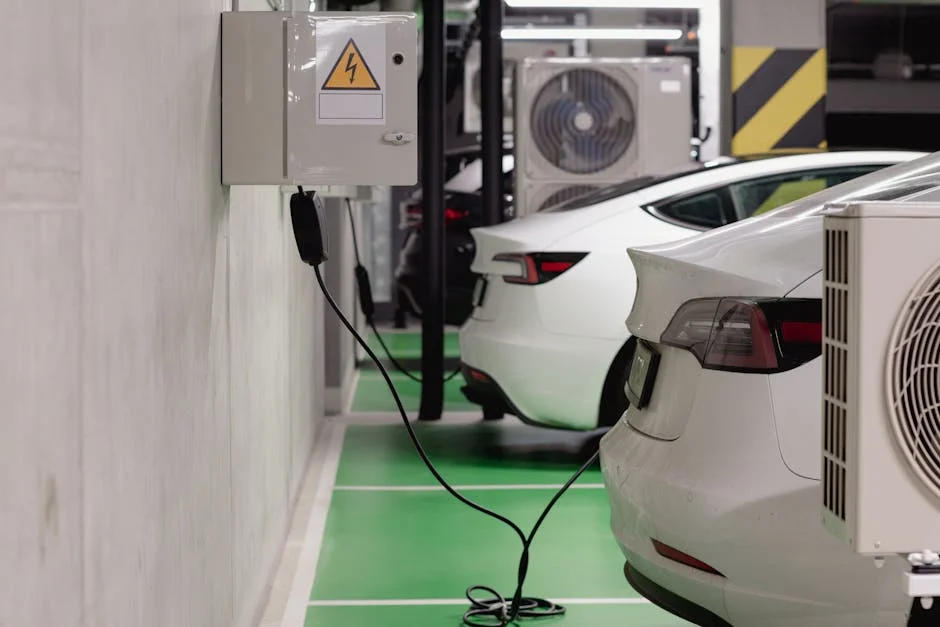
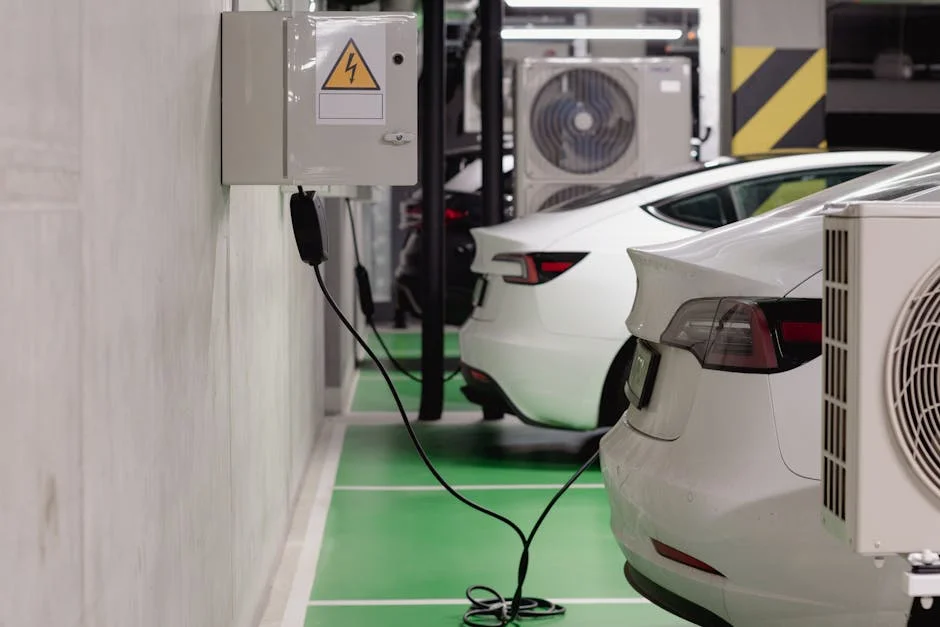
The equipment side can also influence the average EV price experience. Level 1 charging (a standard outlet) can work for low-mileage drivers, but many owners install Level 2 charging for faster overnight replenishment. The cost of a Level 2 charging unit varies by brand and power level, and installation costs depend on electrical panel capacity, distance to the garage, permitting, and whether upgrades are needed. In some homes, installation is straightforward; in others, a panel upgrade or trenching can raise costs. Rebates from utilities or local programs can offset part of this expense, so it’s worth checking what’s available in your ZIP code. Even though a charger installation is a one-time cost, it impacts the upfront average cost of an electric car for first-time EV households. A practical budgeting method is to amortize the installation over the years you expect to live in the home or keep the EV, which helps compare it fairly against ongoing gasoline purchases in a conventional car. If you’re looking for average cost of electric car, this is your best choice.
Public Charging Expenses: Fast Charging Pricing and Real-World Variability
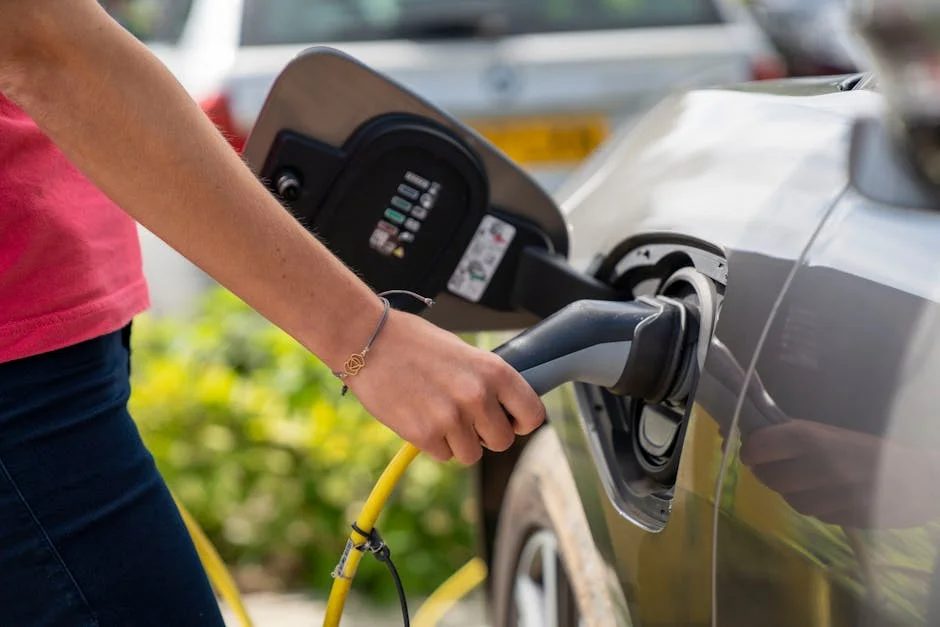
Public charging can be convenient, but it often raises the average cost of electric car fueling compared with home charging. Pricing structures vary widely: some networks charge per kWh, others charge per minute, and some add session fees or idle fees if you leave the car plugged in after charging completes. DC fast charging is typically the most expensive way to charge, but it’s also the most time-efficient for road trips or quick top-ups. If you rely heavily on fast charging because you can’t charge at home or work, your per-mile energy cost may approach or sometimes exceed the cost of driving an efficient gasoline car, depending on local gasoline prices and the specific charging rates. This is why two EV owners with the same model can report dramatically different operating expenses. One charges mostly overnight at home and spends very little; another relies on public fast chargers and pays a premium for convenience.
Membership plans can reduce public charging costs, but they require some planning. Many networks offer monthly subscriptions that lower per-kWh rates, which can be worthwhile if you charge frequently. Some automakers include promotional charging credits or limited free charging for a period, which can temporarily lower the average cost of an electric car for new owners. Still, it’s wise to budget for what charging will cost after promotions end. Another factor is charging speed: if pricing is per minute, a vehicle that charges more slowly effectively pays more per kWh, increasing cost. Weather and battery temperature can also reduce charging speed, especially in cold climates, potentially increasing both time and cost at certain stations. When evaluating public charging, don’t just look at the posted rate—consider your likely charging curve, how often you’ll use fast chargers, and whether you can shift more charging to cheaper locations like home, workplace, or lower-cost Level 2 public stations. If you’re looking for average cost of electric car, this is your best choice.
Maintenance and Repair: How EV Service Costs Compare to Gas Cars
Maintenance is often cited as an advantage that lowers the average cost of electric car ownership over time, mainly because EVs have fewer moving parts than internal combustion vehicles. There’s no oil to change, no spark plugs, and no exhaust system. Many EVs use regenerative braking, which can reduce brake wear and extend the life of brake pads and rotors, particularly for drivers who do a lot of stop-and-go travel. Routine service commonly includes tire rotations, cabin air filters, brake fluid checks, and coolant service for battery thermal management systems at specified intervals. These items still cost money, but the schedule can be simpler and less frequent than for many gas vehicles. Over a period of years, that can translate into lower out-of-pocket maintenance spend, especially for drivers who keep a vehicle beyond the warranty period.
Expert Insight
When estimating the average cost of an electric car, compare total ownership costs—not just the sticker price. Ask dealers for an out-the-door quote and then add expected charging, insurance, and maintenance over 3–5 years to see which model is truly cheaper month to month. If you’re looking for average cost of electric car, this is your best choice.
Lower the effective purchase price by stacking incentives and timing your buy. Check federal, state, and utility rebates, confirm eligibility for the exact trim, and negotiate based on comparable listings; if buying used, prioritize models with remaining battery warranty and request a battery health report to avoid costly surprises. If you’re looking for average cost of electric car, this is your best choice.
Repairs, however, can be unpredictable, and this is where averages can mislead. EVs can be expensive to repair after collisions because of specialized parts, battery protection structures, and the need for trained technicians. Some insurance companies price this risk into premiums, which can offset some of the maintenance savings. Tire costs can also be higher because EVs are heavier and deliver instant torque, which can accelerate tire wear if you drive aggressively. Choosing tires designed for EV efficiency and rotating them on schedule can help manage this cost. Battery and drivetrain warranties provide peace of mind, but owners should understand what’s covered and what’s not. While catastrophic battery failures are not common, the potential replacement cost is significant, which is why warranty length matters when you’re comparing the average cost of an electric car across brands. A balanced expectation is that routine maintenance may be lower, while certain repair categories can be higher, making it essential to budget for insurance and to drive in a way that preserves tires and reduces accident risk. If you’re looking for average cost of electric car, this is your best choice.
Insurance, Registration, and Taxes: The Often-Overlooked Ownership Costs
Insurance premiums can influence the average cost of electric car ownership as much as energy costs, especially in the first few years. EV insurance pricing depends on driver history, location, vehicle value, and repair costs. Because many EVs have advanced driver assistance sensors, large screens, and specialized components, even minor accidents can lead to expensive repairs. Some models also have limited certified repair networks, which can increase labor costs and rental-car time, both of which insurers consider. On the other hand, safety ratings and crash-avoidance features can help reduce claims frequency, which may lower premiums over time in some markets. The best approach is to get insurance quotes for specific VINs or trims before you buy or lease, rather than assuming insurance will be similar to your current vehicle. This step can prevent the “surprise” that makes an affordable monthly payment feel less affordable after adding insurance.
| Cost category | What it includes | Typical impact on the average cost of an electric car |
|---|---|---|
| Purchase price (MSRP / transaction price) | Vehicle base price plus common options; excludes taxes/fees unless noted. | Largest upfront cost; varies widely by segment (compact vs. luxury) and battery size. |
| Incentives & rebates | Federal/state/local credits, utility rebates, and dealer/manufacturer discounts. | Can reduce effective average cost significantly; eligibility depends on income, location, and model rules. |
| Total cost of ownership (TCO) | Electricity vs. gas, maintenance, insurance, depreciation, and home charging setup. | Often lowers long-term average cost vs. comparable gas cars, even if purchase price is higher. |

Registration fees, property taxes (in certain states), and EV surcharges can also change the math. Some states charge an annual EV fee to compensate for lost gasoline tax revenue. Depending on where you live, that fee can be modest or substantial, and it should be included when estimating the average cost of an electric car per year. Sales tax can be higher simply because EVs sometimes have higher purchase prices, but incentives may offset that. If your state offers reduced registration fees, HOV lane access, or other benefits, those can add value even if they aren’t direct cash savings. Another overlooked cost is financing: interest rates and loan terms can swing total cost significantly. A lower APR can make a higher-priced EV competitive with a cheaper car financed at a higher rate. When you combine insurance, registration, and taxes with energy and maintenance, you get a more realistic ownership picture than any single “average EV price” headline can provide. If you’re looking for average cost of electric car, this is your best choice.
Incentives and Rebates: How They Reduce the Net Average Cost of Electric Car
Incentives can lower the net average cost of electric car purchases, but eligibility and timing matter. Federal tax credits, where available, may depend on vehicle assembly location, battery sourcing rules, buyer income limits, and the vehicle’s MSRP cap. State incentives may be point-of-sale rebates, tax credits, reduced registration fees, or utility programs that support charging equipment. Local air districts and municipal programs sometimes add extra rebates, especially for low- to moderate-income households. Because these programs can change frequently, the “average” net price you see in older content may be outdated. It’s also important to understand the difference between a tax credit and a rebate: a rebate reduces cost more like cash back, while a tax credit reduces tax liability and may not be fully usable by every buyer depending on their tax situation. Some programs allow credits to be applied at the point of sale, which can improve affordability by reducing the amount financed.
Leases complicate incentives in a way that can benefit consumers. In some cases, the leasing company claims the incentive and may pass savings through in the form of lower monthly payments, even if the consumer wouldn’t qualify for the credit on a purchase. That can make leasing an EV cheaper than buying, at least in the short term, and it can lower the perceived average cost of an electric car for drivers who are comfortable not owning the vehicle. Still, shoppers should confirm how incentives are applied in the lease structure and compare multiple offers. Incentives should also be weighed against dealer pricing behavior; a discount that is advertised as an “EV incentive” may simply replace a discount that could have been negotiated anyway. To avoid confusion, calculate net price as: negotiated selling price minus verified incentives, then add taxes and fees. This method provides a clean baseline for comparing EVs to gas cars and for understanding the true net average EV price in your local market. If you’re looking for average cost of electric car, this is your best choice.
Cost Per Mile and Total Cost of Ownership: Turning Averages into Personal Numbers
Cost per mile is one of the most useful ways to interpret the average cost of electric car ownership because it combines energy, maintenance, and depreciation into a single framework. Start with energy: estimate your annual miles, divide by your EV’s expected efficiency (miles per kWh), and multiply by your electricity rate (or blended rate if you use both home and public charging). Then add insurance, registration, and expected maintenance items. Depreciation is the hardest piece because it depends on market conditions, but you can approximate it by looking at resale values for similar models that are a few years old, or by using conservative assumptions. If you lease, depreciation is embedded in the payment, so your cost per mile can be calculated from total lease cost plus charging and insurance. This approach makes it easier to compare an EV to a gasoline alternative, especially when gas prices fluctuate. When gasoline prices rise, the EV’s cost per mile can become more favorable; when electricity prices spike or if you rely on expensive fast charging, the advantage may narrow.
Total cost of ownership (TCO) is similar but typically measured over a multi-year period, such as 3, 5, or 8 years. A realistic TCO comparison includes purchase price (or total lease cost), financing interest, incentives, energy, maintenance, insurance, registration, and the estimated value when you sell or trade in. Many people focus on the average EV price at purchase and ignore the rest, but TCO often tells a different story. A slightly higher upfront price can be offset by lower fueling and maintenance, especially for high-mileage drivers. Conversely, a low upfront deal can be undermined by high insurance or high public charging costs. The key is to use your own driving patterns: your commute length, your ability to charge at home, your climate, and your typical road trip frequency. Once you plug in those variables, the average cost of an electric car stops being an abstract statistic and becomes a decision tool tailored to your household. If you’re looking for average cost of electric car, this is your best choice.
Regional Differences: How Location Changes EV Pricing and Operating Costs
Location can change the average cost of electric car ownership more than many shoppers expect. Electricity rates vary dramatically by state and even by utility territory, and time-of-use plans can further shift what you pay. In regions with cheap overnight electricity, charging at home can be very economical. In areas with high electricity prices, EV fueling can still be competitive with gasoline, but the savings may be smaller, especially if gasoline prices are relatively low. Climate also matters. Cold weather can reduce range and increase energy consumption because the vehicle must heat the cabin and the battery. Hot weather can increase air conditioning use, though the impact is often less severe than in extreme cold. If your climate reduces efficiency, your cost per mile can rise slightly because you’ll use more kWh per mile, and you may rely more on public charging during longer trips.
Local incentives and infrastructure also affect costs. Some states and cities offer substantial rebates, discounted charging, or perks like reduced tolls or parking benefits, which effectively lower the net average EV price. Other areas add EV registration surcharges that increase annual costs. Charging availability can influence whether you need to install home charging or rely on public networks. If you live in an apartment without dedicated parking, you may end up using more public chargers, raising your fueling cost compared to someone with a garage outlet. Insurance rates also vary by region based on accident statistics, theft rates, and repair costs. To get an accurate estimate, use local numbers: your utility’s EV rate plan, your state’s incentive portal, and insurance quotes based on your ZIP code. The same EV can be a bargain in one region and merely comparable in another, so any national “average cost of electric car” figure should be treated as a starting point rather than a final answer.
Choosing an EV That Fits Your Budget: Practical Strategies to Lower the Average Cost
Lowering the average cost of electric car ownership often comes down to matching the vehicle to your real needs instead of buying the maximum range or the highest trim by default. Start by measuring your typical day: average daily miles, access to charging at home or work, and how often you take long trips. Many drivers discover that they don’t need the largest battery available, especially if they can charge overnight. Selecting a standard-range trim can reduce the upfront price, and it may also reduce insurance costs if the vehicle’s replacement value is lower. Another strategy is to consider slightly used EVs with remaining battery warranty, which can offer a strong value if the model has good charging support and sufficient range. If you prefer new, compare incentives and dealer discounts across nearby regions; sometimes traveling a short distance can produce meaningful savings if inventory differs.

Charging strategy is another lever. If your utility offers time-of-use rates, shifting charging to off-peak hours can reduce monthly energy cost. Installing a Level 2 charger may seem like a large upfront expense, but it can pay off by making it easier to rely on cheaper home charging rather than more expensive fast charging. Also consider tire management: keep tires properly inflated and choose efficient tires when replacements are needed, since rolling resistance affects energy use. Finally, shop insurance carefully. Rates can vary significantly among insurers for the same EV, and bundling home and auto can sometimes reduce premiums. None of these steps require extreme frugality; they’re practical choices that help keep the average EV price you experience—both at purchase and month-to-month—aligned with your budget and driving habits. If you’re looking for average cost of electric car, this is your best choice.
Long-Term Outlook: How Depreciation, Battery Warranties, and Technology Trends Affect Costs
Long-term cost considerations shape the average cost of electric car ownership in ways that aren’t obvious at the dealership. Depreciation is influenced by consumer confidence in battery durability, the strength of the used EV market, and the pace of improvements in range and charging speed. When new models offer significantly better range or faster charging at similar prices, older models may depreciate faster. On the flip side, if supply is limited or demand is strong, used values can remain resilient. Battery warranties are crucial here because they reduce perceived risk for second owners. Many EVs come with long battery coverage, often measured in years and miles, and sometimes with a minimum capacity retention guarantee. Understanding those terms can help you predict resale value and decide whether buying new or used makes more sense for your timeline.
Technology trends can also affect operating costs. Improvements in efficiency can reduce the kWh needed per mile, lowering energy expense. Expanded charging networks and better reliability can reduce the “convenience cost” of planning trips, even if it doesn’t show up directly on a bill. At the same time, software-driven features and connectivity services may introduce subscription costs for certain capabilities, which can add small recurring expenses. Repair ecosystems are maturing as more shops become EV-certified, potentially lowering repair times and costs over time. For buyers thinking beyond the next couple of years, it’s wise to consider how long you plan to keep the vehicle, what your warranty coverage will look like during that period, and whether your charging access is likely to improve. These factors influence not just the purchase decision but the true average cost of an electric car over the full period you’ll own or lease it. If you’re looking for average cost of electric car, this is your best choice.
Putting It All Together: Estimating Your Own Average Cost of Electric Car
The most accurate way to understand the average cost of electric car ownership is to build a personalized estimate that includes both upfront and recurring expenses. Start with the vehicle’s real transaction price (not just MSRP), then subtract incentives you are confident you qualify for, and add taxes and registration. Next, estimate monthly operating costs: electricity (based on your miles, efficiency, and charging mix), insurance (based on quotes), and routine maintenance. If you need a home charger, include equipment and installation, either as a one-time cost or spread across the months you expect to own the car. Finally, include an estimate of depreciation or, if leasing, the total lease cost. When those numbers are combined, you’ll have a realistic monthly and annual budget that reflects your driving and your location rather than a national average that may not match your situation.
Once you calculate your personal baseline, you can compare scenarios: a standard-range trim versus extended-range, home charging versus primarily public charging, buying versus leasing, or new versus used. Each scenario changes the average EV price you actually experience, sometimes by more than the difference between two vehicles’ sticker prices. This approach also helps you avoid common mistakes, like underestimating insurance, overestimating how much you’ll fast charge, or ignoring registration surcharges. With a clear breakdown, the average cost of electric car ownership becomes a practical number you can plan around, negotiate with, and optimize—rather than a vague statistic that doesn’t reflect how you’ll really live with the vehicle day to day.
Watch the demonstration video
In this video, you’ll learn what the average electric car costs today and what factors drive the price. It breaks down typical price ranges by model type, explains how battery size and features affect cost, and highlights how incentives, charging needs, and long-term savings can change the real cost of ownership. If you’re looking for average cost of electric car, this is your best choice.
Summary
In summary, “average cost of electric car” is a crucial topic that deserves thoughtful consideration. We hope this article has provided you with a comprehensive understanding to help you make better decisions.
Frequently Asked Questions
What is the average cost of an electric car in the U.S.?
New EVs commonly average in the mid-$40,000s to mid-$50,000s, but prices vary widely by model, incentives, and fees.
Are electric cars more expensive than gas cars upfront?
Often, yes—electric cars can still cost more upfront, though that gap has narrowed in recent years. Between government incentives and the savings from lower fuel and maintenance expenses, the **average cost of electric car** ownership can end up being comparable to, or even less than, a gas-powered vehicle over time.
How much do incentives reduce the average cost of an electric car?
Federal, state, and utility incentives can cut the effective price by thousands, depending on eligibility, location, and income rules.
What is the average cost of a used electric car?
Used EV prices can swing widely depending on a car’s age, driving range, and battery condition, but many models land between $15,000 and $35,000—while newer or longer-range options often cost more. If you’re comparing value, it helps to weigh these factors alongside the **average cost of electric car** in your area.
How much does it cost to charge an electric car compared with buying gas?
Charging an EV at home usually works out to a lower cost per mile than filling up with gasoline, but your real-world savings—and the **average cost of electric car** ownership—will vary based on local electricity rates, your vehicle’s efficiency, and current gas prices.
What hidden costs should I include when estimating an electric car’s average cost?
Consider taxes and fees, insurance, home charger installation, potential public-charging costs, tires, and long-term battery warranty coverage.
? Looking for more info about average cost of electric car? Follow Our Site for updates and tips!

Trusted External Sources
- How Much Are Electric Cars? – Kelley Blue Book
New figures from Kelley Blue Book show that EV prices are still trending upward: in August, the average transaction price for a new electric vehicle reached about $57,245—roughly 3% higher than in July. In other words, the **average cost of electric car** purchases continues to climb, even month to month.
- How Much It Costs to Drive an E.V. and a Gas Car in Every State
Oct 8, 2026 … Electrify America is $7 per month and 45 cents a kWh on average for me in CT. A tad over 11 cents a mile and still less than dino Earth killing … If you’re looking for average cost of electric car, this is your best choice.
- How Much Do Electric Cars Cost? | U.S. News
Electric car prices span a wide range, starting at under $30,000 and climbing to well over $100,000 depending on the model and features. If you’re curious about the **average cost of electric car** options and how individual EVs compare, here’s a look at the price of every electric vehicle you can buy today.
- Is electric car that much more cost saving really??? – Reddit
As of Aug 31, 2026, the U.S. national average electricity rate is about **$0.1747 per kWh**. That means if someone’s paying a bit more than that, they’re above average—but only slightly—so it likely won’t dramatically change the **average cost of electric car** ownership or charging.
- Average Price of Electric Car VS Gas Car: A Comprehensive Guide
As of July 21, 2026, the **average cost of electric car** models sits around **$53,000**, compared with roughly **$50,200** for the average gas-powered vehicle. However, federal tax credits and other incentives can significantly lower what you actually pay, narrowing the gap between EVs and traditional cars.