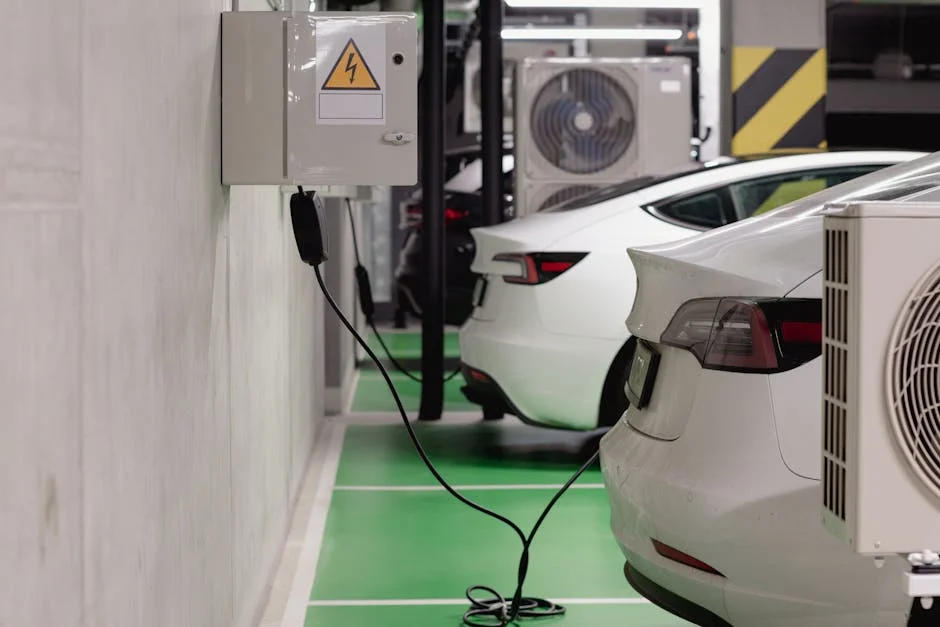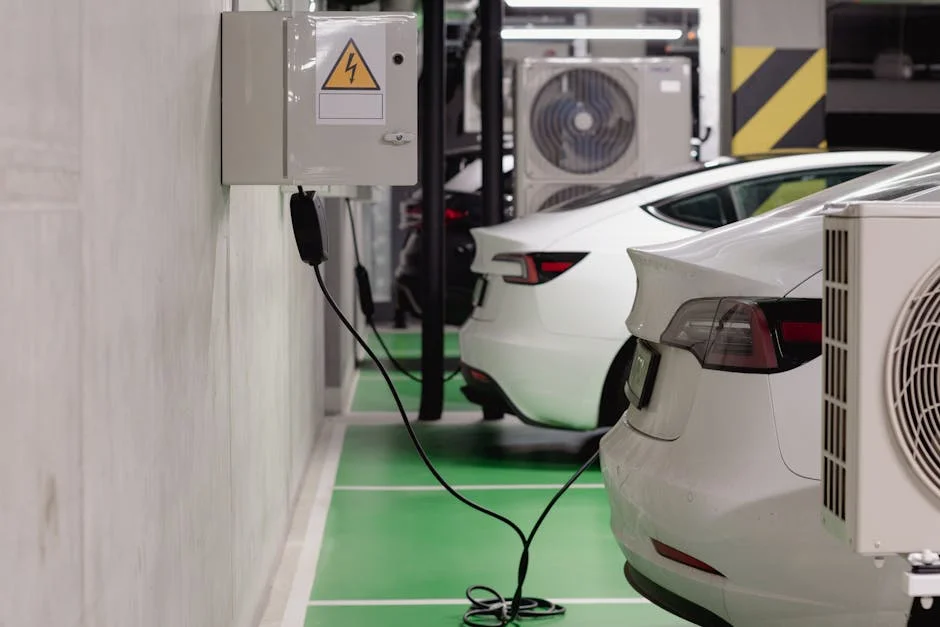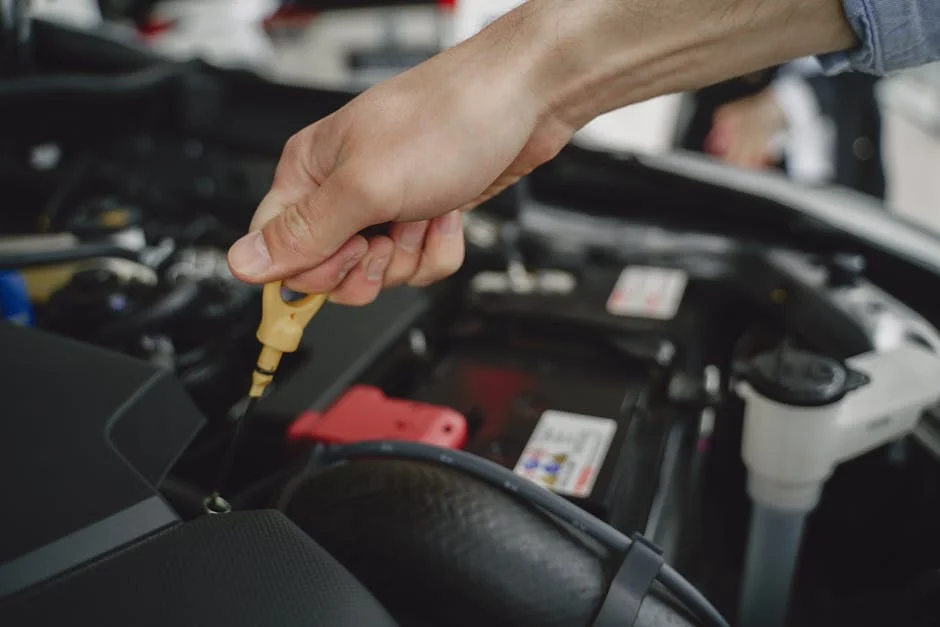
The question “does an electric car need oil” usually comes from the long-standing habit of associating vehicle ownership with regular oil changes. For decades, engine oil has been the lifeblood of gasoline and diesel cars because internal combustion engines have many moving metal parts that slide, spin, and heat up under heavy loads. Oil reduces friction, carries away heat, suspends contaminants, and helps seal critical engine components. When drivers switch to an EV, they naturally assume the same routine applies. The reality is more nuanced: most electric cars do not need engine oil because they don’t have an engine with pistons, crankshafts, camshafts, valves, and combustion byproducts that dirty and degrade oil. Instead, EVs use electric motors and power electronics, which operate differently and don’t require the same kind of lubrication. That said, “no oil changes” does not mean “no fluids” or “no lubricants.” Many EV systems still use specialized fluids or lubricants in gear reduction units, differentials, or thermal management systems, and some plug-in hybrids still require engine oil because they have a gasoline engine onboard. Understanding which components exist in your specific vehicle is the key to answering whether an electric car needs oil, and if so, what kind, where it goes, and how often it should be serviced.
Table of Contents
- My Personal Experience
- Understanding the question: does an electric car need oil?
- Why gasoline cars need engine oil and why EVs generally don’t
- What “oil” can mean in an electric vehicle: lubricants vs engine oil
- Electric drive units and gear oil: the closest thing to “oil” service in many EVs
- Battery cooling and thermal management fluids: not oil, but still essential
- Brake fluid, regenerative braking, and why EVs still need some traditional maintenance
- Transmission fluid myths: do EVs have transmissions and do they need oil?
- Expert Insight
- Cabin HVAC systems and compressor oil: an overlooked “oil” inside EVs
- Plug-in hybrids vs battery-electric: the biggest reason the answer can change
- Maintenance schedules, warranties, and what manufacturers actually recommend
- Common warning signs of fluid or lubricant issues in EVs
- Cost, convenience, and environmental impact: what changes when engine oil is gone
- Final takeaway: does an electric car need oil?
- Watch the demonstration video
- Frequently Asked Questions
- Trusted External Sources
My Personal Experience
When I bought my first electric car, I kept waiting for the “oil change” reminder like I did with my old gas sedan. A few months in, I even called the service center to book one, and the advisor gently explained that an EV doesn’t need engine oil because it doesn’t have an internal combustion engine. That felt almost too easy, but it made sense once I thought about it—no pistons, no crankcase, nothing to lubricate the way a gas engine does. They did tell me there are still fluids to check, like brake fluid and coolant for the battery system, and that some models have gear oil in the drivetrain that’s rarely serviced. It was a small moment, but it really drove home how different EV maintenance is—and how my old habits didn’t apply anymore. If you’re looking for does an electric car need oil, this is your best choice.
Understanding the question: does an electric car need oil?
The question “does an electric car need oil” usually comes from the long-standing habit of associating vehicle ownership with regular oil changes. For decades, engine oil has been the lifeblood of gasoline and diesel cars because internal combustion engines have many moving metal parts that slide, spin, and heat up under heavy loads. Oil reduces friction, carries away heat, suspends contaminants, and helps seal critical engine components. When drivers switch to an EV, they naturally assume the same routine applies. The reality is more nuanced: most electric cars do not need engine oil because they don’t have an engine with pistons, crankshafts, camshafts, valves, and combustion byproducts that dirty and degrade oil. Instead, EVs use electric motors and power electronics, which operate differently and don’t require the same kind of lubrication. That said, “no oil changes” does not mean “no fluids” or “no lubricants.” Many EV systems still use specialized fluids or lubricants in gear reduction units, differentials, or thermal management systems, and some plug-in hybrids still require engine oil because they have a gasoline engine onboard. Understanding which components exist in your specific vehicle is the key to answering whether an electric car needs oil, and if so, what kind, where it goes, and how often it should be serviced.
Another reason the “does an electric car need oil” question persists is marketing shorthand. Many people hear that EV maintenance is simpler and interpret that as “nothing ever needs attention.” Electric cars do typically have fewer routine service items than internal combustion vehicles because there’s no engine oil, oil filter, spark plugs, timing belt, exhaust system, or fuel system to maintain in the same way. However, EVs still experience mechanical wear, heat cycles, and fluid aging. The difference is that the fluids involved are often sealed for long intervals and don’t follow the familiar 3,000–7,500 mile oil change schedule. Some EVs have a single-speed gearbox with lubricating gear oil; others use coolant loops for the battery and motor; and nearly all use brake fluid like any other car. Owners also need to pay attention to tires, alignment, cabin air filters, and wiper fluid. So the best way to approach the question is to separate “engine oil” from “lubricants and fluids.” Electric cars generally do not require engine oil changes, but they may use other oils or fluids in specific assemblies. Knowing the difference prevents missed maintenance and helps you budget accurately for EV ownership.
Why gasoline cars need engine oil and why EVs generally don’t
To understand whether an electric car needs oil, it helps to start with why engine oil is essential in a traditional vehicle. In a gasoline or diesel engine, combustion creates extremely high temperatures and pressures. The engine contains many fast-moving components: pistons travel up and down thousands of times per minute, crankshafts rotate under heavy load, camshafts actuate valves, and bearings support rotating parts with very tight tolerances. Engine oil forms a thin film that separates metal surfaces to reduce friction and prevent welding or scoring. It also removes heat from hot spots, holds soot and microscopic metal particles in suspension, and helps prevent corrosion. Over time, the oil breaks down due to heat, oxidation, and contamination from fuel and combustion byproducts. That is why oil needs periodic replacement, along with the oil filter that traps debris. Without fresh oil, an internal combustion engine can suffer accelerated wear, sludge buildup, overheating, and catastrophic failure. When people ask “does an electric car need oil,” they often picture the same mechanical environment, but an EV’s drivetrain is fundamentally different.
An electric vehicle’s primary propulsion device is an electric motor, which can spin with fewer friction surfaces and without combustion. Many modern traction motors use bearings and may have internal grease or sealed lubrication, but they do not require engine oil circulated through a block and head. Electric motors convert electrical energy to mechanical rotation, and while they generate heat, it’s not the same heat and contamination profile as combustion. There’s no fuel dilution, no soot, and no acid formation from exhaust gases in the oil. For most EV designs, there is no engine oil pan, no oil pump, and no oil filter dedicated to an engine. Instead, EVs may use a reduction gearset to convert high motor RPM into wheel torque; that gearset can be lubricated with gear oil, often sealed and long-life. The practical takeaway is that the familiar “engine oil change” is generally absent. So if the question is strictly about engine oil, the answer is usually no: a battery-electric car typically does not need engine oil. Yet, because EVs still contain gears, bearings, and thermal systems, there can be other fluids or lubricants that resemble “oil” in function, even if they are not serviced as frequently. If you’re looking for does an electric car need oil, this is your best choice.
What “oil” can mean in an electric vehicle: lubricants vs engine oil
When someone asks “does an electric car need oil,” the word “oil” can mean different things depending on the person’s experience. For many drivers, oil means the amber-colored engine oil that gets drained during a routine oil change. For technicians and engineers, oil can also refer to gear oil, transmission fluid, differential fluid, or specialized lubricants used in sealed components. Electric cars don’t have a multi-speed automatic transmission in most cases, but many do have a single-speed reduction gearbox and a differential integrated into an electric drive unit. Those gears mesh under load and need lubrication to prevent wear and manage heat. The lubricant in that assembly is often a specific viscosity gear oil or a manufacturer-approved fluid designed for electric drive units. Some EV designs use a dedicated fluid that also helps with cooling the motor or power electronics, while others keep lubrication and cooling separate. In daily conversation, owners may call any of these fluids “oil,” which can create confusion. The better question becomes: does your EV have any lubricated gear assemblies, and does the manufacturer specify service intervals for that lubricant?
Another layer is that EVs rely heavily on thermal management, and many people confuse coolant with oil. EV battery packs, inverters, and motors can use coolant loops to maintain safe operating temperatures. Coolant is not oil, but it is a fluid that needs periodic inspection and sometimes replacement. In addition, some EVs use a heat pump or air conditioning system with refrigerant and compressor oil, much like conventional cars. The compressor in an EV’s HVAC system can be electric, and it still requires compatible compressor oil to lubricate internal parts. This doesn’t mean you’ll schedule “oil changes,” but it does mean the vehicle contains lubricants that must remain in good condition. So, the most accurate way to answer “does an electric car need oil” is to clarify the type: engine oil changes are generally not needed for a battery-electric car, but certain EV components may contain lubricants or oils that are sealed, specialized, and serviced infrequently. Checking your owner’s manual remains the gold standard because EV architectures vary by brand and model.
Electric drive units and gear oil: the closest thing to “oil” service in many EVs
Many battery-electric vehicles use an integrated electric drive unit that combines the motor, reduction gears, and differential into a compact assembly. The motor can spin at very high RPM, often far higher than a typical gasoline engine, and the reduction gearset converts that speed into usable torque at the wheels. Gears and bearings in this unit can require lubrication to reduce friction and manage heat. This is where the “does an electric car need oil” question sometimes has a partial yes: while EVs don’t need engine oil, some do contain gear oil or a special transmission fluid in the drive unit. The key differences are the quantity, the service interval, and the reason for replacement. Gear oil in an EV is not exposed to combustion contaminants, so it may last significantly longer than engine oil. Some manufacturers describe the drive unit as sealed for life, while others recommend inspection or replacement at certain mileage or under severe-duty conditions such as frequent towing, mountainous driving, or track use. Even when a unit is marketed as maintenance-free, fluid condition can still matter over a very long lifespan, especially if the vehicle is kept for many years.
Electric drive unit fluid can also be more specialized than traditional gear oil because it may need to handle high-speed gear meshing, maintain dielectric properties near electrical components, and resist foaming. Some EVs have a separate cooling circuit for the motor and inverter, while others integrate cooling more tightly. In either case, the lubricant must protect gears and bearings without degrading under heat. If a service is required, it may not look like a familiar oil change. Access points can be less obvious, and the correct fluid specification matters greatly. Using the wrong fluid can lead to increased noise, reduced efficiency, or premature wear. For owners trying to decide whether an electric car needs oil, it’s helpful to reframe the expectation: you likely won’t be visiting a shop every few months for an oil change, but you should still be aware of drivetrain lubricant requirements over the long term. A responsible maintenance plan includes periodic checks for leaks, unusual noises from the drive unit, and adherence to any manufacturer-recommended fluid inspections. This approach captures the reality: EVs are simpler, but not entirely fluid-free. If you’re looking for does an electric car need oil, this is your best choice.
Battery cooling and thermal management fluids: not oil, but still essential
Even though the question “does an electric car need oil” focuses on lubrication, many EV maintenance conversations quickly turn to fluids in general. One of the most important fluids in an electric vehicle is coolant used for thermal management. Batteries operate best within a controlled temperature range. Too hot can accelerate degradation and reduce performance; too cold can limit charging speed and power output. To keep temperatures stable, many EVs circulate coolant through the battery pack and sometimes through the motor and power electronics. This coolant is often similar in concept to the antifreeze mixture used in gasoline cars, but the chemistry can be different depending on manufacturer requirements and compatibility with materials inside the battery thermal system. Some EVs use dedicated loops: one for the battery, another for the motor/inverter, and another for cabin heating and cooling. Others integrate systems via valves and heat exchangers. While coolant isn’t oil, it is a fluid with a service life, and it plays a major role in reliability and longevity.
Coolant can degrade over time due to additive depletion, contamination, or corrosion if neglected. Hoses, seals, and fittings can also age. A small coolant leak might not be immediately obvious but can affect battery temperature control, especially during fast charging or extreme weather. If someone hears “no oil changes” and assumes no scheduled service at all, they may overlook coolant inspections that can prevent expensive problems. When answering “does an electric car need oil,” it’s responsible to mention that EVs still need periodic fluid checks, just not the familiar engine oil change cadence. Coolant replacement intervals vary widely: some manufacturers specify many years before replacement, while others treat it as a lifetime fill unless repairs require opening the system. The best practice is to follow the service schedule, ensure the correct coolant type is used, and have the system inspected if you notice reduced charging speeds, warnings about battery temperature, or a persistent sweet smell that can indicate a leak. The presence of coolant systems is one of the biggest reasons EVs still require professional service occasionally, even though they don’t rely on engine oil.
Brake fluid, regenerative braking, and why EVs still need some traditional maintenance
The “does an electric car need oil” question often leads to a broader question: what maintenance does an EV actually require? One key item is brake fluid. Electric vehicles typically use regenerative braking, which means the motor acts as a generator to slow the car and recapture energy into the battery. This reduces wear on brake pads and rotors, sometimes dramatically. However, regenerative braking doesn’t eliminate the hydraulic brake system. EVs still have brake calipers, brake lines, master cylinders, and brake fluid. Brake fluid is hygroscopic, meaning it absorbs moisture from the air over time. Moisture lowers the boiling point and can contribute to corrosion within the braking system. Even if you rarely use the friction brakes because regeneration does most of the slowing, the brake fluid can still age. That is why many manufacturers recommend brake fluid replacement at a time-based interval, such as every few years, regardless of mileage. This maintenance item is separate from engine oil, but it’s part of the realistic ownership picture for an electric car.
There’s another EV-specific twist: because friction brakes are used less, they can be more prone to surface rust, sticking caliper pins, or uneven pad deposits if not exercised periodically. Some drivers make a habit of performing occasional firm stops (when safe) to clean the rotors and keep the system moving. In climates with road salt, this can be particularly helpful. None of this changes the core answer to “does an electric car need oil,” but it reinforces the idea that EVs aren’t maintenance-free; they’re maintenance-different. You’ll likely save money and time by skipping routine engine oil changes, but you still need to budget for brake fluid service, tire rotations, and inspections. A well-maintained EV braking system contributes to safety and can prevent expensive repairs that might surprise owners who assumed the absence of engine oil meant the absence of service. Thinking in terms of a complete maintenance plan, rather than a single oil-change routine, is the most practical way to approach EV ownership.
Transmission fluid myths: do EVs have transmissions and do they need oil?
A common misconception behind “does an electric car need oil” is the belief that every car has a transmission that requires fluid changes in the same way. Most EVs do not have a traditional multi-gear transmission with clutches, torque converters, and complex hydraulic circuits. Instead, they often rely on a single-speed reduction gearset because electric motors deliver strong torque across a wide RPM range. That design reduces complexity and can reduce the number of wear items. However, “no traditional transmission” does not mean “no gearbox.” The reduction gearset and differential still need lubrication. Some manufacturers refer to this as transmission fluid, some call it gear oil, and some label it as e-axle fluid or drive unit lubricant. The naming can make owners wonder whether they should schedule a transmission service. The truth depends on the model: some are sealed units intended to last a very long time without fluid replacement, while others have recommended service intervals, especially for heavy use.
Expert Insight
Battery-electric cars don’t need engine oil because they don’t have an internal combustion engine, but they still use fluids. Check your owner’s manual for service intervals on coolant (for the battery/motor), brake fluid, and windshield washer fluid, and have them inspected during routine maintenance. If you’re looking for does an electric car need oil, this is your best choice.
Don’t assume “no oil” means “no lubrication.” Ask your service center whether your model’s reduction gear/transmission uses gear oil and if it’s sealed-for-life or requires periodic replacement; if you notice new whining noises, leaks, or reduced efficiency, schedule a drivetrain inspection promptly. If you’re looking for does an electric car need oil, this is your best choice.
Another factor is that EV drivetrain fluid can be engineered for efficiency. Lower viscosity fluids can reduce drag and improve range, but they must still protect gears and bearings. Because EVs can be very quiet, small changes in drivetrain noise may be noticeable if fluid degrades or levels drop. If you hear whining, grinding, or persistent humming that changes with speed, it’s worth having the drive unit checked. Leaks are less common than engine oil leaks, but they can happen at seals or drain/fill plugs if previously serviced. For owners focused on whether an electric car needs oil, the practical guidance is: you generally won’t have a routine transmission fluid change like many automatic transmissions, but your EV may contain a lubricated gearbox with long-life fluid. When buying used, it can be helpful to review service records to see if any drive unit fluid service was performed or recommended, especially if the vehicle was used for ride-share driving, frequent high-speed travel, or towing. The right approach is not to assume either extreme—neither “it never needs attention” nor “it needs the same service as a gas car”—but to follow the manufacturer’s schedule and respond to symptoms early. If you’re looking for does an electric car need oil, this is your best choice.
Cabin HVAC systems and compressor oil: an overlooked “oil” inside EVs
When people ask “does an electric car need oil,” they rarely think about the air conditioning system. Yet most EVs have HVAC components similar to other vehicles: a refrigerant circuit, an electric compressor, expansion valves, and heat exchangers. The compressor relies on compressor oil for lubrication and sealing. In many modern EVs, the compressor is electrically driven and can be integrated with a heat pump system to improve efficiency in cold weather. The compressor oil used in EVs can be specialized because it must be compatible with the refrigerant and, in some designs, must have appropriate electrical insulating properties to avoid issues with high-voltage components. This doesn’t mean you will schedule “AC oil changes,” but it does mean oil exists in the vehicle beyond the engine context. If the refrigerant system is opened for repair due to a leak or component replacement, correct oil type and quantity become important. Improper oil can reduce compressor life or damage the system.
| Topic | Electric Car (EV) | Gasoline Car (ICE) |
|---|---|---|
| Engine oil needs | No engine oil changes (no internal combustion engine) | Requires regular engine oil and filter changes |
| Other fluids/lubrication | May use gearbox/differential fluid and grease; still needs coolant and brake fluid | Uses engine oil plus transmission fluid, coolant, brake fluid, and other lubricants |
| Maintenance impact | Typically lower routine maintenance (fewer moving parts; no oil-change schedule) | Higher routine maintenance (oil service is recurring and time-sensitive) |
Most owners will never directly interact with compressor oil, but they may encounter HVAC service needs over the vehicle’s lifetime. Signs of trouble can include reduced cooling performance, unusual compressor noise, or fault codes related to the heat pump. Because EVs rely on efficient HVAC operation to maintain range and passenger comfort, keeping the system healthy matters. Refrigerant leaks, for example, can reduce heating or cooling efficiency and cause the compressor to work harder. From a maintenance standpoint, the best practice is to have the HVAC system inspected if performance changes, and to use service centers familiar with EV-specific refrigerant and oil requirements. So, if the question is strictly “does an electric car need oil changes,” the answer remains no for most battery-electric models. If the question is broader—“does an electric car contain oils that matter?”—then yes, compressor oil is one example. Recognizing that multiple specialized fluids exist in an EV helps owners avoid oversimplified assumptions and supports longer, trouble-free operation.
Plug-in hybrids vs battery-electric: the biggest reason the answer can change
The most important clarification when answering “does an electric car need oil” is whether the vehicle is fully electric (battery-electric) or a plug-in hybrid (PHEV) or hybrid. Plug-in hybrids can drive on electricity for a certain range, but they also have a gasoline engine. That engine still needs engine oil and oil filter changes, just like any other internal combustion engine. In some PHEVs, the engine may run less frequently, which can make owners think oil changes aren’t necessary. But time-based oil change intervals still apply because oil can degrade with age, moisture accumulation, and repeated short engine run cycles. Some PHEVs start the engine periodically for system checks, heating, or high-power demands, and that intermittent operation can sometimes be harder on oil than steady highway driving. Therefore, if the vehicle has an engine, it needs engine oil service, even if most trips are electric. Many owners are surprised by this when transitioning from a conventional car because they assume “electric driving” equals “no oil.” The drivetrain type is the deciding factor.
Even within the EV category, there are variations. Range-extended electric vehicles (where a gasoline engine acts as a generator) also require engine oil. Mild hybrids and standard hybrids (non-plug-in) definitely need oil because the engine is central to propulsion. When shopping for a vehicle and asking “does an electric car need oil,” it’s smart to confirm the powertrain in plain terms: does it have a gasoline engine with an oil dipstick or an oil fill cap? If yes, it needs engine oil changes. If it is a pure battery-electric car with no engine, it generally does not. This distinction matters for total cost of ownership, service scheduling, and even DIY maintenance expectations. A PHEV owner might still enjoy reduced brake wear due to regeneration and fewer engine hours, but they should not skip oil service. Meanwhile, a battery-electric owner can usually remove engine oil changes from their routine altogether, focusing instead on tires, brake fluid, cabin filters, coolant checks, and any drive unit lubricant requirements. Getting the category right prevents expensive mistakes and keeps warranties intact.
Maintenance schedules, warranties, and what manufacturers actually recommend
Drivers asking “does an electric car need oil” often want a simple universal rule, but the best answer is found in the manufacturer’s maintenance schedule. Automakers design EV systems with specific fluid types and service intervals, and they may define certain components as “lifetime filled” under normal driving conditions. However, “lifetime” can be interpreted in different ways, sometimes meaning the warranty period rather than the full potential lifespan of the car. Some manufacturers provide explicit intervals for coolant replacement, brake fluid testing or replacement, and inspections of reduction gear oil. Others emphasize condition-based maintenance, where sensors and diagnostic routines determine when service is needed. Warranties can also require adherence to recommended inspections even if no engine oil changes exist. Skipping required maintenance can lead to warranty disputes, especially if a failure is linked to neglected coolant or contaminated brake fluid. So while the absence of engine oil changes is a real advantage, it doesn’t remove the need to follow the official schedule.
It’s also worth noting that EV maintenance can be influenced by driving environment. Extreme heat, extreme cold, frequent fast charging, towing, steep terrain, and high-speed driving can all increase thermal and mechanical stress. These factors might not create “oil change” needs, but they can affect coolant health, seals, and drivetrain lubricant longevity. If you drive in flood-prone areas, water intrusion can be a concern for various components. If you frequently drive on dusty roads, cabin air filters may clog faster, and radiator or condenser fins can accumulate debris, affecting cooling performance. For owners who want a confident answer to “does an electric car need oil,” the most reliable path is to read the maintenance booklet and look for terms like “drive unit fluid,” “gearbox lubricant,” “coolant,” and “brake fluid.” If the schedule mentions no engine oil, that confirms the typical EV advantage. If it mentions drive unit fluid inspection at high mileage, that indicates a long-term lubricant requirement. The practical benefit is predictability: EV service is often less frequent, but it is more specialized. Following the schedule helps maintain efficiency, protects expensive components, and supports resale value with documented care.
Common warning signs of fluid or lubricant issues in EVs
Even if the answer to “does an electric car need oil” is mostly “no engine oil,” owners still benefit from knowing what symptoms might indicate a fluid or lubricant problem. Because EVs are quiet, changes in sound can be more noticeable than in gasoline vehicles. A rising whine, a grinding noise, or a new humming that varies with speed can point to issues in the reduction gearset or bearings. While some motor whine is normal, sudden changes deserve attention. Leaks are another clue. EVs can leak coolant, gear oil, or HVAC refrigerant oil, though leaks may be less obvious because there’s no familiar engine oil puddle under an oil pan. Coolant leaks might appear as colored fluid, sometimes pink, blue, or green depending on type, and may leave residue near hoses or under the vehicle. Gear oil leaks can be darker and thicker and might appear near drive shafts or the drive unit housing. Any persistent fluid spots where you park should be investigated, especially if accompanied by warning lights or reduced performance.
Performance symptoms can also be tied to thermal management fluids. If your EV begins to limit power more often, charges more slowly than expected, or shows temperature-related warnings, a coolant issue could be part of the cause. Cabin heating and cooling performance changes can signal refrigerant or compressor issues, which indirectly relate to compressor oil health. Brake pedal feel can change if brake fluid absorbs moisture or if air enters the system, though this is less common without repairs. The point is not to create anxiety, but to replace the oil-change mindset with a systems-check mindset. Owners accustomed to checking engine oil level might instead focus on periodic visual inspections, paying attention to dashboard alerts, and having a qualified technician perform scheduled brake fluid and coolant services. If you’re still asking “does an electric car need oil,” these warning signs help you understand where “oil-like” maintenance could matter: drive unit lubricant and HVAC compressor oil are typically not owner-service items, but they can affect longevity. Recognizing symptoms early can prevent a small leak or degraded fluid from turning into a larger repair.
Cost, convenience, and environmental impact: what changes when engine oil is gone
One reason “does an electric car need oil” is such a popular question is that it connects directly to ownership cost and convenience. Eliminating routine engine oil and filter changes can save money over time and reduce the number of service visits. For drivers who commute frequently, the savings can be meaningful, especially when combined with reduced brake wear due to regenerative braking. The convenience factor is also real: fewer recurring appointments, fewer consumables, and less time spent waiting at service centers. However, EVs can have other costs that replace the familiar oil-change line item, such as tires wearing faster due to higher vehicle weight and instant torque, or occasional coolant and brake fluid services. The overall maintenance profile often remains favorable compared to combustion vehicles, but it’s not accurate to assume maintenance drops to zero. Understanding the full picture helps owners plan realistically and avoid surprises.
Environmental impact is another angle. Engine oil changes generate waste oil and used filters that must be recycled or disposed of properly. While many shops recycle used oil, the process still involves collection, transport, and re-refining. Removing engine oil from the routine reduces that waste stream. That said, EVs still use fluids and lubricants, and they still require responsible disposal when service occurs. Coolant, brake fluid, and gear oil must be handled correctly, and refrigerant service requires proper recovery equipment to prevent emissions. From a sustainability perspective, the biggest difference is frequency: engine oil changes happen often, while EV fluid services are typically far less frequent. So when someone asks “does an electric car need oil,” the practical and environmental answer is encouraging: battery-electric cars generally avoid the most common and frequent oil-related maintenance. Still, responsible ownership includes periodic checks, timely fluid service when required, and using qualified technicians who understand EV-specific requirements. That combination preserves both the vehicle and the benefits that made EVs appealing in the first place.
Final takeaway: does an electric car need oil?
Does an electric car need oil? If the vehicle is a true battery-electric car, it generally does not need engine oil or routine oil changes because there is no internal combustion engine. That is one of the clearest maintenance advantages of going electric. However, many EVs still contain lubricants such as drive unit gear oil and specialized oils within systems like the HVAC compressor, and they still rely on important fluids like coolant and brake fluid that require inspection and occasional replacement. If the vehicle is a plug-in hybrid or any hybrid with a gasoline engine, then it absolutely needs engine oil service, even if it spends much of its time driving on electricity. The most accurate answer comes from the specific powertrain design and the manufacturer’s maintenance schedule, but for most fully electric cars, the familiar engine oil change is simply no longer part of ownership.
Watch the demonstration video
In this video, you’ll learn whether an electric car needs oil and why EVs differ from gas-powered vehicles. We’ll cover which fluids EVs still use, what parts may require lubrication, and what “oil changes” really mean for electric car maintenance—so you know what to expect as an EV owner. If you’re looking for does an electric car need oil, this is your best choice.
Summary
In summary, “does an electric car need oil” is a crucial topic that deserves thoughtful consideration. We hope this article has provided you with a comprehensive understanding to help you make better decisions.
Frequently Asked Questions
Does an electric car need oil like a gasoline car?
No. Fully electric cars don’t have an engine, so they don’t need engine oil or oil changes.
Do any parts in an electric car still use oil or fluid?
Yes—while electric cars don’t use engine oil like gas vehicles, many still require other fluids. For example, EVs often use gear oil in the reduction gearbox, along with brake fluid, coolant or thermal management fluid, and windshield washer fluid. So if you’re wondering, **does an electric car need oil**—not motor oil, but it may still need gear oil and regular fluid checks.
Do electric cars have transmissions that need oil changes?
Most electric vehicles rely on a simple single-speed reduction gearbox, and while it doesn’t use engine oil, it may still contain gear oil to keep things running smoothly—maintenance needs depend on the automaker and are usually minimal. If you’re wondering, **does an electric car need oil**, the answer is generally no for the motor itself, but some models do require occasional fluid checks or changes for the gearbox.
Do hybrid or plug-in hybrid cars need oil?
Yes. Hybrids and plug-in hybrids have a gasoline engine, so they still require engine oil and periodic oil changes.
Do electric cars need coolant if they don’t have an engine?
In many cases, yes—while people often ask, **“does an electric car need oil”**, most EVs don’t use engine oil like a gas car. Instead, they rely on specialized **coolant** to keep the battery, motor, and power electronics at the right temperature, and that coolant may need to be checked and serviced periodically.
What routine maintenance replaces oil changes in an electric car?
Routine electric vehicle maintenance typically covers tire rotations, brake fluid inspections, replacing the cabin air filter, and servicing the coolant or thermal management system when needed, along with regular checkups to keep everything running smoothly. And if you’re wondering, **does an electric car need oil**? In most cases, no—because there’s no traditional engine oil to change.
? Looking for more info about does an electric car need oil? Follow Our Site for updates and tips!

Trusted External Sources
- ELI5: Why don’t Electric Cars need oil? : r/explainlikeimfive – Reddit
Apr 24, 2026 … Electric cars don’t have an engine so they don’t need engine oil. Transmission fluid in a normal car is used to lubricate the gears and to act … If you’re looking for does an electric car need oil, this is your best choice.
- Do electric cars need oil changes? | Kia Mauritius
If you’ve ever wondered, **“does an electric car need oil?”** the answer is no—but that doesn’t mean it’s completely maintenance-free. EVs still rely on a few essential fluids that should be checked regularly: **coolant** (to help manage battery and motor temperatures), **brake fluid** (for safe, responsive braking), and **windshield washer fluid** (to keep your view clear in all conditions).
- My mom’s electric car says it needs an oil change. : r/funny – Reddit
Aug 21, 2026 … Electric cars do not require oil changes. From audi’s site: It might be a bit strange to talk about maintenance without mentioning an oil change … If you’re looking for does an electric car need oil, this is your best choice.
- Do Electric Cars Use Oil – And Other FAQs – Jiffy Lube
So, a hybrid vehicle does require engine oil, but an EV does not. WHAT ELECTRIC CAR MAINTENANCE IS REQUIRED, THEN? When you invest in an EV, you can say goodbye … If you’re looking for does an electric car need oil, this is your best choice.
- EVs do require maintenance; please stop saying that they don’t!
As of Mar 10, 2026, EVs don’t rely on traditional radiators the way gas-powered cars do, but they still need a cooling system to protect the battery from overheating. Many electric vehicles circulate a glycol-based coolant through dedicated lines to manage temperature and keep performance consistent—so if you’re wondering, **does an electric car need oil**, the answer is usually no in the engine sense, but it *does* need other essential fluids like coolant.