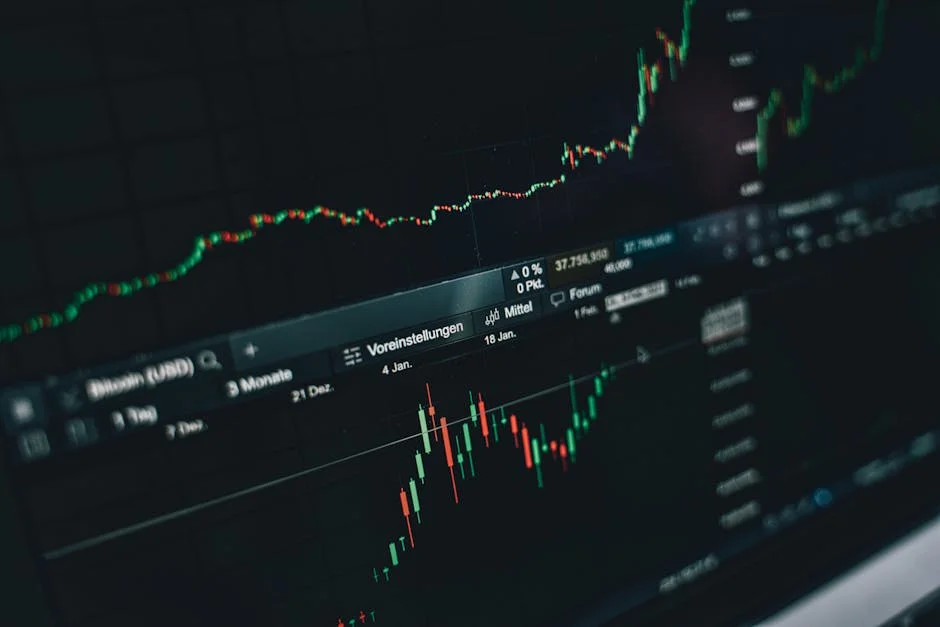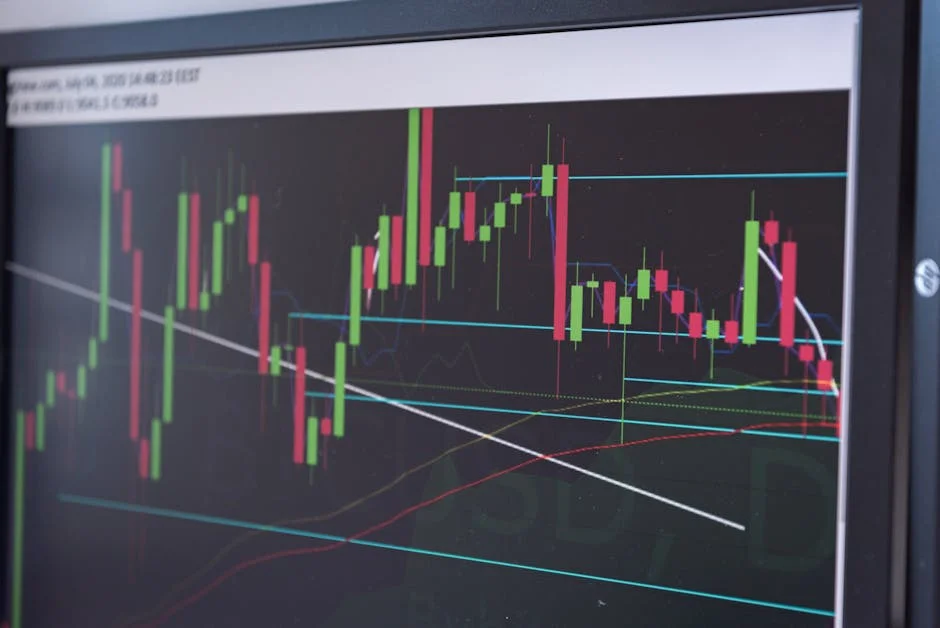
The difference between forex and stocks matters most when the goal is not just “to trade,” but to choose a market that matches your schedule, risk tolerance, and decision-making style. Forex (foreign exchange) is the marketplace where currencies are exchanged in pairs such as EUR/USD or USD/JPY, and the price movement reflects relative strength between two economies at the same time. Stocks represent shares of ownership in a company, and the price movement reflects the market’s changing expectations for that business: revenue growth, profit margins, competition, regulation, and broader investor sentiment. Both markets attract active traders and longer-term investors, yet they behave differently because the underlying assets and participants are different. Currencies are tied to macroeconomics, interest-rate expectations, and cross-border capital flows, while equities are tied to corporate performance and valuation. This distinction affects everything from how prices trend to how quickly conditions change after news.
Table of Contents
- My Personal Experience
- Understanding the difference between forex and stocks at a practical level
- Market structure and where trading happens
- Trading hours, sessions, and lifestyle fit
- What moves prices: macroeconomics versus company fundamentals
- Liquidity, spreads, and execution quality
- Leverage, margin, and how risk scales
- Volatility patterns, gaps, and event risk
- Analysis approaches: technicals, fundamentals, and sentiment
- Instruments and ways to gain exposure
- Expert Insight
- Costs: commissions, spreads, swaps, and other fees
- Regulation, transparency, and counterparty considerations
- Comparison table: forex vs stocks across key decision factors
- Who tends to prefer forex and who tends to prefer stocks
- Risk management differences: position sizing, correlation, and hedging
- Choosing a starting path and building competence over time
- Final thoughts on the difference between forex and stocks
- Watch the demonstration video
- Frequently Asked Questions
- Trusted External Sources
My Personal Experience
When I first started investing, I bought a few well-known stocks because it felt straightforward—I could read earnings reports, follow company news, and hold shares for months without constantly watching the screen. Later I tried forex after seeing how “liquid” and “fast” it was, and the difference hit me immediately. With forex, prices moved around the clock and tiny shifts mattered a lot because of leverage, so I found myself checking charts late at night and stressing over economic releases like CPI and central bank statements. Stocks felt more tied to a business I could understand, while forex felt more like trading macro headlines and managing risk minute to minute. I didn’t quit forex entirely, but I learned I needed a different mindset: slower, research-based patience for stocks versus tighter stops and stricter discipline for currencies. If you’re looking for difference between forex and stocks, this is your best choice.
Understanding the difference between forex and stocks at a practical level
The difference between forex and stocks matters most when the goal is not just “to trade,” but to choose a market that matches your schedule, risk tolerance, and decision-making style. Forex (foreign exchange) is the marketplace where currencies are exchanged in pairs such as EUR/USD or USD/JPY, and the price movement reflects relative strength between two economies at the same time. Stocks represent shares of ownership in a company, and the price movement reflects the market’s changing expectations for that business: revenue growth, profit margins, competition, regulation, and broader investor sentiment. Both markets attract active traders and longer-term investors, yet they behave differently because the underlying assets and participants are different. Currencies are tied to macroeconomics, interest-rate expectations, and cross-border capital flows, while equities are tied to corporate performance and valuation. This distinction affects everything from how prices trend to how quickly conditions change after news.
The difference between forex and stocks also shows up in the mechanics of trading. Forex is typically traded over-the-counter (OTC) through brokers and liquidity providers rather than on a single centralized exchange. Stocks are traded on exchanges with centralized order books, standardized reporting requirements, and a more visible structure for volumes and market depth. That structural gap influences transparency, the way spreads behave, and how easily a trader can analyze liquidity. Forex pairs often move in response to central bank decisions and macro data like inflation and employment, while stocks can gap sharply on earnings releases, mergers, or guidance updates. Both can be traded with technical analysis, but the drivers behind the charts differ. Recognizing these differences early reduces confusion when a strategy that works well in equities does not translate cleanly to currency pairs, or when a macro-driven thesis in forex fails to explain a single stock’s sudden re-rating.
Market structure and where trading happens
One of the biggest elements in the difference between forex and stocks is where and how transactions are matched. Forex is largely decentralized: major banks, prime brokers, non-bank market makers, and electronic communication networks quote prices, and retail brokers aggregate those quotes. Because it is OTC, there is no single “official” exchange price in the way a stock has a last traded price on a specific venue. Retail traders generally see a best bid and ask from their broker, derived from liquidity providers, and the broker’s execution model (STP/ECN, market maker, hybrid) can influence spreads and fills. This does not automatically mean forex is “less fair,” but it does mean the trader must pay attention to broker quality, execution statistics, and how pricing behaves during volatile moments. For many participants, the appeal is that major currency pairs are extremely liquid, and pricing can be competitive even for smaller account sizes, especially during peak sessions.
Stocks, by contrast, trade on regulated exchanges with centralized order books. While modern equity markets are fragmented across multiple exchanges and alternative trading systems, the core concept is still exchange-based trading with consolidated reporting, standardized tick sizes, and widely available data feeds. Corporate issuers must meet listing standards and disclose financials, and the market has clearer “official” trading hours. This structure can make equities feel more transparent to many traders: you can see exchange prints, corporate filings, and widely tracked benchmarks for volume. At the same time, the equity ecosystem includes market makers, dark pools, and high-frequency participants, so the microstructure can be complex. The practical takeaway is that the difference between forex and stocks is not only about what you trade, but the environment you trade in: decentralized quotes and continuous global liquidity in forex versus exchange-centric trading and company-driven disclosure cycles in stocks.
Trading hours, sessions, and lifestyle fit
The difference between forex and stocks becomes obvious when considering trading hours. Forex trading runs 24 hours a day, five days a week, following the sun across major financial centers: Sydney, Tokyo, London, and New York. Liquidity and volatility shift as sessions overlap, with the London-New York overlap often producing the most active price action for major pairs. This schedule can be ideal for traders who need flexibility, such as those who can only trade early mornings or late evenings. It also means that macro news from different regions can move prices at different times, and that a trader can choose which session aligns with their strategy. A range trader may prefer calmer Asian hours in some pairs, while a momentum trader may prefer the European open or U.S. data releases.
Stocks generally have defined exchange hours, with pre-market and after-hours sessions offering limited liquidity compared with the main session. That time-boxed nature can be a benefit: it creates routine and can reduce the temptation to monitor charts around the clock. However, it also concentrates risk around the open and close, when spreads can widen and volatility can spike. Earnings releases often happen outside regular hours, and that can lead to gaps at the next open, changing the risk profile for anyone holding positions overnight. The difference between forex and stocks here is not simply “forex is always open”; it is how that openness affects risk management, sleep, and decision fatigue. A trader who thrives on structured hours may prefer equities, while someone who wants to react to global macro events as they happen may find currency markets more compatible.
What moves prices: macroeconomics versus company fundamentals
Another core difference between forex and stocks is the primary set of drivers behind price movements. Forex prices are heavily influenced by macroeconomic variables and relative expectations: interest-rate differentials, inflation trends, growth outlook, trade balances, and perceived risk sentiment. Central banks play an outsized role because monetary policy decisions can quickly reprice currency valuations. For example, if markets begin to expect higher rates in one country relative to another, the currency of the higher-rate country may strengthen, particularly if the change is unexpected. Economic calendars matter: CPI, jobs reports, GDP releases, and central bank speeches can all produce rapid moves. Traders often think in terms of “relative” dynamics because a currency pair always compares two economies simultaneously, meaning even good data can be bearish if the other side looks better.
Stocks are influenced by macro conditions too—rates, inflation, and recession risk can shift valuations across the entire market—but each stock has idiosyncratic drivers tied to the company. Earnings, guidance, product launches, litigation, management changes, competitive pressures, and sector rotation can dominate the chart. A strong economy might lift many equities, yet a single firm can fall on weak margins or disappointing forecasts. This is a key difference between forex and stocks for research: currency traders often become students of central banks and global data, while equity traders may spend more time on financial statements, industry trends, and valuation metrics like P/E, EV/EBITDA, or free cash flow yield. Both require discipline, but the information set and the way catalysts arrive are different, changing how traders build a thesis and how they validate it over time.
Liquidity, spreads, and execution quality
The difference between forex and stocks often shows up in day-to-day costs and execution. Major forex pairs like EUR/USD, USD/JPY, and GBP/USD are among the most liquid instruments in the world. High liquidity can translate into tighter spreads during active sessions and relatively smooth execution for market orders, though conditions can change around major news releases. Many retail forex accounts trade via CFD or spot-style arrangements with a broker, and the spread is a primary cost; some accounts also add commission. Execution quality depends on the broker’s liquidity relationships, order routing, and whether the broker internalizes trades. Slippage can occur, especially when volatility spikes, but in normal conditions, liquid pairs can be efficient for active strategies. Traders often focus on spread behavior session by session, and on how stable quotes remain during data releases.
Stocks vary widely in liquidity. Large-cap equities and major ETFs can trade with tight spreads and deep order books, while small-cap stocks may have wider spreads, thinner depth, and more price impact. For active equity traders, commissions may be low or even zero at some brokers, but the “hidden” cost can be the spread and the quality of fills, especially for less liquid names. Additionally, some equity orders may be routed in ways that affect price improvement or speed. The difference between forex and stocks is that forex liquidity is concentrated in a smaller set of major pairs with consistently high turnover, while equity liquidity is dispersed across thousands of tickers with very different trading characteristics. That dispersion creates opportunities—such as momentum bursts in smaller names—but also adds execution risk and makes position sizing more nuanced for traders who move beyond the most liquid stocks.
Leverage, margin, and how risk scales
Leverage is one of the most discussed aspects in the difference between forex and stocks. Retail forex trading commonly offers higher leverage than typical stock trading, although the exact limits depend on regulation and broker policies. Higher leverage means a trader can control a larger notional position with a smaller amount of margin. This can amplify gains, but it also amplifies losses and can lead to rapid drawdowns if risk controls are weak. Because currency pairs can move quickly on macro surprises, leverage makes risk management non-negotiable. Many experienced currency traders focus on position sizing, maximum loss per trade, and avoiding overexposure across correlated pairs. They also pay attention to margin requirements that can change during major events or illiquid times, when brokers may increase margins to manage their own exposure.
Stocks can be traded on margin too, and some traders use options to create leverage-like exposure, but standard equity margin rules are generally more conservative than what many retail forex accounts provide. This difference between forex and stocks can be beneficial for investors who prefer a slower risk curve: lower leverage reduces the chance of being forced out of positions by small adverse moves. However, equities can still be volatile, and individual stocks can gap dramatically, especially around earnings. Leverage in stocks may be less about controlling huge notional exposure and more about tactical capital efficiency, such as using margin to avoid selling long-term holdings or to diversify. The practical point is that leverage changes the emotional and mathematical profile of trading. A small percentage move in a currency pair can be meaningful when leveraged, while a similar move in a stock may be less impactful unless the position size is large. Understanding the leverage norms in each market is essential to avoiding strategies that look attractive on paper but are unsafe in real conditions.
Volatility patterns, gaps, and event risk
The difference between forex and stocks also emerges in how volatility behaves. Forex pairs often show continuous movement during the week, with volatility clustering around scheduled macro events: central bank decisions, inflation releases, and employment data. Because forex trades nearly around the clock, dramatic overnight gaps are less common during weekdays than in equities, though gaps can occur after weekends or during extreme news events. Even without gaps, rapid moves and whipsaws can happen when liquidity thins or when a surprise headline hits. Many currency traders build routines around an economic calendar and may reduce exposure ahead of high-impact releases. They also consider cross-pair correlations, because a single macro shock can affect multiple pairs simultaneously, compounding risk if positions are not diversified.
Stocks are prone to gaps because trading is concentrated in specific hours and because company-specific news often breaks outside the main session. Earnings are the classic example: a stock can close at one price and open far higher or lower the next day. That gap risk makes stop-loss orders less reliable for overnight protection, since a stop can trigger at a worse price than expected. This is a significant difference between forex and stocks for swing traders. While forex can still move sharply, the continuous nature of the market can allow more incremental adjustment to new information, whereas equities can “reprice” in chunks at the open. Event risk in stocks is also more idiosyncratic: one company can collapse on fraud allegations while the broader index is stable. In forex, single-instrument idiosyncratic risk is less common because currencies represent entire economies, but regime shifts—like sudden changes in central bank policy—can be powerful and long-lasting.
Analysis approaches: technicals, fundamentals, and sentiment
Technical analysis is popular in both markets, but the difference between forex and stocks influences how traders interpret charts. In forex, many participants watch the same major levels, session highs and lows, and liquidity pools around round numbers. Because major pairs are heavily traded, technical patterns can appear cleaner at times, though they can also be prone to false breakouts around news. Forex traders often combine technical setups with macro context: a breakout may have higher conviction if it aligns with shifting interest-rate expectations or risk-on/risk-off sentiment. Sentiment indicators, such as positioning data from futures markets or broker sentiment tools, can help but must be used carefully. Since the underlying asset is a currency, the narrative can pivot quickly when the market reprices the path of rates or growth.
In stocks, technical analysis is often combined with company fundamentals and sector themes. A chart pattern may be less meaningful if earnings are approaching, because the outcome can overwhelm technical levels. Many equity traders incorporate volume analysis, relative strength versus an index, and catalysts like product events or regulatory decisions. The difference between forex and stocks here is that “fundamentals” in equities can be deeply granular: revenue by segment, margin trends, competitive moats, and balance-sheet strength. In forex, fundamentals are broader and comparative: inflation differentials, yield curves, and capital flows. Sentiment can also behave differently. Equity sentiment can become concentrated in specific names, creating crowded trades and sharp reversals. Currency sentiment tends to be more macro-driven, with positioning building across themes like “strong dollar” or “carry trade,” and unwinding when volatility rises. Choosing a market often means choosing which kind of analysis you enjoy and can execute consistently.
Instruments and ways to gain exposure
The difference between forex and stocks is also about the menu of instruments available. In forex, retail traders commonly use spot forex via brokers, CFDs (where permitted), or currency futures on regulated exchanges. Some also use options on currency futures or OTC options through specialized providers. Currency exposure can be targeted: a trader can focus on majors, minors, or more volatile exotics, each with different spread and liquidity profiles. Another popular approach is carry trading, which attempts to benefit from interest-rate differentials, though it carries crash risk when markets shift to risk-off mode. Because currencies are traded in pairs, every position is inherently long one currency and short another, which makes hedging and relative-value strategies feel natural.
| Aspect | Forex (FX) | Stocks (Equities) |
|---|---|---|
| What you trade | Currency pairs (e.g., EUR/USD), trading one currency against another | Shares of individual companies (e.g., AAPL), representing ownership |
| Market hours & liquidity | Typically 24/5 with very high liquidity in major pairs | Exchange-specific hours; liquidity varies by company and exchange |
| Volatility & leverage | Often uses higher leverage; small price moves can have amplified impact | Usually lower leverage for most retail accounts; moves driven by company and sector news |
Expert Insight
Forex trades currency pairs in a 24/5, highly liquid market where price moves are driven by interest rates, macro data, and central bank policy; stocks represent ownership in a company and react more to earnings, guidance, and sector trends during exchange hours. Tip: choose forex if you can follow economic calendars and manage leverage tightly; choose stocks if you prefer analyzing businesses and holding through longer-term growth cycles. If you’re looking for difference between forex and stocks, this is your best choice.
Forex typically involves tighter spreads but higher leverage risk, while stocks often have clearer fundamental valuation anchors but can gap on news and earnings. Tip: match risk controls to the market—use hard stop-losses and smaller position sizes in forex to account for leverage, and in stocks plan around earnings dates with defined risk (e.g., reduced size or hedges) to avoid overnight gaps. If you’re looking for difference between forex and stocks, this is your best choice.
Stocks can be accessed directly through shares, but also through ETFs, index funds, futures, and options. This creates a wide spectrum of risk profiles, from buying a diversified S&P 500 ETF to trading single-stock options with defined risk or high leverage. The difference between forex and stocks is that equity exposure can represent ownership and potential participation in long-term business growth, including dividends and buybacks, while forex exposure is more about relative price changes and, in some cases, interest differentials. Equity markets also offer many more “stories” to trade: different industries, growth versus value, cyclicals versus defensives, and thematic baskets like AI, clean energy, or cybersecurity. Forex offers fewer instruments but often deeper liquidity in those core pairs. For many traders, the choice is between breadth (thousands of equities with unique catalysts) and depth (a smaller set of currency pairs with robust liquidity and macro-driven moves).
Costs: commissions, spreads, swaps, and other fees
Trading costs can materially change performance, and the difference between forex and stocks includes how those costs show up. In forex, the spread is usually the most visible cost, and some account types add a commission per lot. There is also the concept of swap or rollover, which reflects the interest-rate differential between the two currencies in the pair and is applied when positions are held overnight. Depending on the pair and the direction of the trade, swap can be a cost or a credit, though it can change as rates change. For traders who hold positions for days or weeks, swap becomes part of the strategy’s math. Additionally, during volatile periods, spreads can widen significantly, increasing the effective cost of entering and exiting. Because forex is often traded with leverage, small cost differences can compound over many trades, making broker selection and cost monitoring important.
In stocks, many brokers advertise commission-free trading for shares and ETFs, but costs still exist in the spread and potential slippage. Options introduce additional costs such as per-contract fees (at some brokers) and wider spreads for less liquid strikes. Another cost consideration is borrowing fees for short selling, which can be substantial for hard-to-borrow stocks. The difference between forex and stocks is that equities can have fewer explicit overnight financing charges for long stock positions (outside of margin interest if borrowed funds are used), while forex has a built-in overnight component through swap. Dividends can also affect equity returns and price behavior; a stock’s price typically adjusts around the ex-dividend date. For active traders, the practical focus is not only on headline commissions but on total transaction cost: how much you give up in spreads, how often you trade, and how execution quality changes during fast markets.
Regulation, transparency, and counterparty considerations
Regulation shapes safety and expectations, and it’s a meaningful difference between forex and stocks. Stock markets are generally heavily regulated with strong disclosure standards for listed companies, ongoing reporting requirements, and clear rules on market manipulation and insider trading. While no system is perfect, the framework aims to protect investors through transparency: quarterly filings, audited financial statements, and timely material disclosures. Brokers and exchanges operate under licensing regimes, and investor protection mechanisms may exist depending on jurisdiction. For many participants, this structure creates confidence that the playing field is reasonably standardized, especially when sticking to well-known exchanges and regulated brokers.
Forex regulation varies more by region and by product type. Exchange-traded currency futures are regulated similarly to other futures products, but retail spot forex and CFDs are often broker-mediated and may fall under different rules depending on the country. This difference between forex and stocks is why due diligence is so important in currency trading: the broker’s regulatory status, segregation of client funds, execution model, and history of complaints can matter as much as the strategy. Transparency is also different because OTC markets do not have a single consolidated tape for volume. Traders often rely on proxy measures such as tick volume or futures volume for related instruments. None of this automatically makes forex inferior; it simply means the trader must treat broker selection, platform reliability, and risk controls as part of the strategy, not as an afterthought. A well-regulated broker with clear policies can reduce counterparty uncertainty and improve consistency.
Comparison table: forex vs stocks across key decision factors
Choosing between currencies and equities is easier when the difference between forex and stocks is framed in practical categories like liquidity, time commitment, and common costs. Some traders want the breadth of equity opportunities—thousands of tickers, sector rotation, and long-term compounding—while others want the macro focus and near-24-hour access of forex pairs. Ratings in the table below are general, context-dependent impressions for typical retail trading conditions and may vary by broker, region, and instrument choice. Price references are also generalized: forex often has no explicit “ticket fee” but has spreads and possible commissions, while stock trading may have low commissions yet still carries spread and slippage costs. The goal is to make the trade-offs visible so that the difference between forex and stocks can be evaluated against personal constraints like work schedule, preferred holding period, and tolerance for gaps.
It also helps to think of “price” as the likely cost structure rather than the asset price itself. A trader who scalps small moves may care deeply about spread consistency and execution speed; a long-term investor may care more about dividend policies, tax treatment, and the reliability of corporate disclosures. The difference between forex and stocks is not only what moves more or which is “better,” but which market aligns with the way you make decisions and manage risk. The comparison below highlights common characteristics, but the most accurate assessment comes from matching these features to your own plan, including how often you trade, how you size positions, and how you respond to news-driven volatility.
| Name | Features | Ratings (Retail-Friendly) | Price (Typical Cost Structure) |
|---|---|---|---|
| Forex (Major Pairs) | 24/5 market, high liquidity, macro-driven moves, traded in pairs, commonly higher leverage | 4.5/5 | Spreads often tight; may include commission; overnight swap/rollover applies |
| Forex (Minor/Exotic Pairs) | More volatility, wider spreads, higher event and liquidity risk, sensitive to local politics and shocks | 3.5/5 | Wider spreads; higher slippage risk; swap can be significant |
| Stocks (Large-Cap) | Exchange-traded, strong disclosures, high liquidity in top names, earnings-driven catalysts, dividends possible | 4.6/5 | Often low/zero commissions; spreads usually reasonable; gap risk around news |
| Stocks (Small-Cap) | Higher volatility, lower liquidity, catalyst-driven spikes, greater price impact, more idiosyncratic risk | 3.7/5 | Spreads can be wide; slippage common; borrow fees for shorts may be high |
| Stock Index ETFs | Diversification, simple exposure, less single-company risk, suitable for long-term investing | 4.8/5 | Low expense ratios; tight spreads in major ETFs; commissions often low/zero |
Who tends to prefer forex and who tends to prefer stocks
The difference between forex and stocks often becomes personal once you consider temperament and daily routine. Forex tends to appeal to traders who enjoy macro narratives, central bank watching, and the idea of relative value between economies. Because the market is open across global sessions, it can fit people who cannot trade during a single country’s exchange hours. Short-term traders may like the consistent liquidity in major pairs, which can support intraday strategies such as breakouts, mean reversion, or trend following. However, forex also demands strict risk control because leverage is commonly available and because sudden macro headlines can move pairs quickly. Traders who are comfortable with frequent small decisions—entries, exits, and adjustments—may find currencies engaging, especially if they enjoy tracking yields, inflation surprises, and risk sentiment indicators.
Stocks tend to attract those who like analyzing businesses, following industries, and building conviction over time based on company fundamentals. The difference between forex and stocks is especially clear for long-term investors: owning shares can align with long-horizon wealth building through compounding, dividends, and participation in productivity growth. Equity traders also have the advantage of a vast universe of opportunities. If one sector is quiet, another may be active. If one stock is illiquid, another offers better depth. That breadth can be a strength for those who enjoy screening and research. On the other hand, equities require comfort with earnings seasons, company-specific surprises, and gap risk. Some traders prefer index products to reduce single-name risk, while others specialize in specific sectors where they feel they have an informational edge. Matching the market to your psychology is a major step toward consistency, because the “best” market is often the one you can follow without burning out or taking impulsive risks.
Risk management differences: position sizing, correlation, and hedging
Risk management is where the difference between forex and stocks becomes most consequential. In forex, pairs are inherently interconnected through the U.S. dollar and global risk sentiment, so correlation risk can sneak into a portfolio. A trader might think they are diversified by holding multiple positions, yet several pairs can effectively represent the same idea, such as “USD strength” or “risk-off.” Position sizing therefore needs to account for overlap. Many currency traders monitor exposure by base and quote currency to avoid stacking the same bet. Stop-loss placement can be challenging around news events, and reducing leverage ahead of high-impact releases is a common practice. Hedging in forex is also conceptually straightforward because every trade is a relative position; traders can hedge with correlated pairs, options, or by reducing net exposure across currencies.
In stocks, correlation can rise during market stress, but day-to-day behavior can be more idiosyncratic. A portfolio of stocks from different sectors may still be diversified, but broad market moves can dominate during crises. The difference between forex and stocks is that equity risk management often includes company-specific risk controls: limiting exposure to one stock, avoiding oversized positions into earnings, and managing gap risk with options or smaller sizing. Hedging can be done with index options, inverse ETFs, or sector hedges, but it can be less precise than currency hedging if the portfolio contains unique names. Another equity-specific consideration is liquidity risk in smaller caps, where exits can move the price. In both markets, the core principles are the same—define risk per trade, avoid catastrophic loss, and respect volatility—but the implementation differs. Forex often requires a “portfolio view” of currency exposure, while stocks often require careful attention to event calendars, earnings dates, and the unique volatility profile of each ticker.
Choosing a starting path and building competence over time
A practical way to think about the difference between forex and stocks is to choose the market that best supports skill-building. Forex can be an efficient training ground for learning macro cause-and-effect, disciplined execution, and the impact of leverage. Because major pairs are few, a beginner can focus on a small watchlist and learn how specific releases move price, how volatility changes by session, and how spreads behave. That focus can accelerate pattern recognition. Yet the same simplicity can hide complexity: macro narratives can shift quickly, and leverage can punish overconfidence. For someone starting in forex, competence often comes from mastering a repeatable process—preparing for scheduled events, trading fewer high-quality setups, and keeping risk small enough to survive learning mistakes.
Stocks can be a strong starting point for those who want to connect market action to real-world businesses and long-term themes. The difference between forex and stocks is that equity learning can be layered: you can begin with broad index ETFs, then explore sectors, then eventually study individual companies. That progression allows many investors to build confidence while keeping risk manageable. For active stock traders, competence often comes from understanding liquidity, learning how earnings affect pricing, and developing a playbook for specific setups such as breakouts, pullbacks, or mean reversion in liquid names. Regardless of market, the most sustainable approach is to start with clear rules, track results, and refine based on evidence rather than excitement. The difference between forex and stocks should guide the choice of tools, calendars, and risk limits, but consistency comes from practicing one style long enough to understand its failure modes and to build the discipline required to handle inevitable drawdowns.
Final thoughts on the difference between forex and stocks
The difference between forex and stocks is ultimately a difference in what you are betting on and how the market delivers information to price. Forex expresses relative economic strength, interest-rate expectations, and global risk sentiment through currency pairs that trade nearly around the clock in a largely OTC structure. Stocks express the market’s evolving view of specific companies and sectors within regulated exchanges and defined trading hours, often shaped by earnings, guidance, and corporate events that can create gaps. Each market offers opportunity, but each demands a different kind of preparation: forex rewards macro awareness and careful leverage control, while stocks reward business understanding, catalyst management, and respect for liquidity differences across tickers. The best choice is the one that fits your schedule, research preferences, and risk discipline, because the difference between forex and stocks only becomes an advantage when it aligns with how you actually trade and manage uncertainty.
Watch the demonstration video
In this video, you’ll learn the key differences between forex and stocks, including how each market works, what drives price movements, typical trading hours, liquidity, and volatility. It also breaks down common costs and risks, and helps you decide which option may better fit your goals, time commitment, and trading style. If you’re looking for difference between forex and stocks, this is your best choice.
Summary
In summary, “difference between forex and stocks” is a crucial topic that deserves thoughtful consideration. We hope this article has provided you with a comprehensive understanding to help you make better decisions.
Frequently Asked Questions
What is the main difference between forex and stocks?
Forex trades currency pairs in a decentralized global market, while stocks trade shares of companies on regulated exchanges.
Which market is more liquid: forex or stocks?
Forex is generally more liquid due to very high global trading volume, especially in major currency pairs.
Are forex and stock markets open at the same times?
One major **difference between forex and stocks** is trading hours: the forex market is open nearly 24 hours a day, five days a week, while stock markets operate during fixed exchange hours that depend on the country and specific exchange.
How does leverage differ between forex and stocks?
Forex commonly offers higher leverage (often broker- and region-dependent), while stock leverage is usually lower and more tightly regulated.
What drives price movements in forex vs stocks?
The forex market is influenced mostly by big-picture economic forces—think interest rates, inflation trends, central bank decisions, and key data releases—while stocks tend to move based on how individual companies perform, along with wider market sentiment and overall economic conditions. This is a key **difference between forex and stocks** that shapes how traders analyze and approach each market.
Which is riskier: forex or stocks?
Both carry risk, but forex can be riskier for many traders due to higher leverage and rapid price moves; individual stocks can also be highly volatile and carry company-specific risk. If you’re looking for difference between forex and stocks, this is your best choice.
? Looking for more info about difference between forex and stocks? Follow Our Site for updates and tips!

Trusted External Sources
- Forex vs stocks (swing/day trading) – Reddit
Dec 18, 2026 … The forex market is open 24/7 and is typically traded on margin, while the stock market has specific trading hours and does not usually involve … If you’re looking for difference between forex and stocks, this is your best choice.
- Forex Trading vs Stock Trading – Differences, Advantage
The forex market is known for its deep liquidity, frequent price swings, round-the-clock trading (24 hours a day, five days a week), and the ability to use higher leverage. Stocks, by contrast, trade during fixed exchange hours, can be less volatile on average, and typically come with more limited leverage—making the **difference between forex and stocks** especially clear when you compare their trading schedules, risk profiles, and how quickly prices can move.
- Forex vs Stocks: What are the Key Differences? | Dukascopy Bank SA
As of Oct 24, 2026, the **difference between forex and stocks** is easy to spot: the forex market operates as a vast, decentralized global network connecting banks, brokers, and liquidity providers around the world, while stocks are traded through more structured, centralized exchanges with set listing rules and trading hours.
- The main differences between forex and stock trading – IG
Lesson summary: The **difference between forex and stocks** mainly comes down to trading volume and liquidity, typical trading costs, and how long each market is open. Forex generally has far higher daily volume and liquidity, often with tighter spreads, and it’s traded nearly 24 hours a day during the week—while stock trading hours are more limited and can vary by exchange.
- Forex vs Stocks: What are the Differences? | CMC Markets
The **difference between forex and stocks** often comes down to how quickly prices can move. The forex market tends to be more volatile and fast-paced than the stock market, which means an experienced, disciplined trader may find more frequent opportunities for profit. At the same time, that speed and volatility can amplify losses just as quickly, so forex trading also comes with higher risk and demands careful risk management.