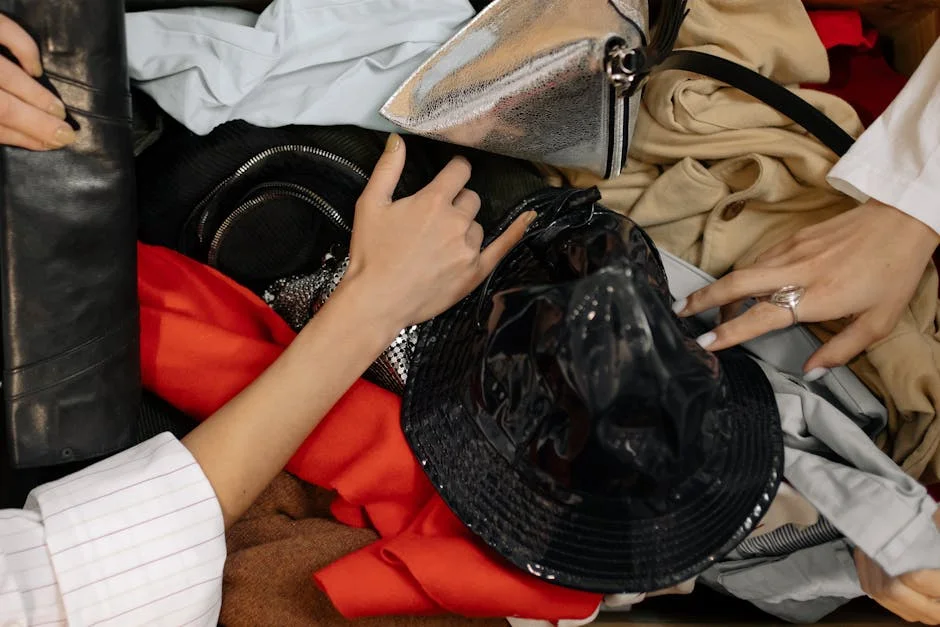
A travel capsule is a compact, deliberately curated set of items designed to cover the majority of needs during a trip without the bulk, stress, or decision fatigue that often comes with overpacking. Think of it as a small, flexible ecosystem of clothing, toiletries, and essentials that can be mixed, matched, and reused across multiple days and multiple contexts. The appeal is practical: lighter bags are easier to carry, faster to move with, and cheaper to check, while a streamlined kit reduces the odds of forgetting something important. The travel capsule approach also fits modern travel realities—tight airline carry-on rules, quick weekend getaways, and multi-city itineraries where you may change hotels frequently. Instead of chasing the perfect “one bag” fantasy, a well-built travel capsule focuses on repeatable systems: a predictable packing list, a consistent layout, and a few high-performing items that can handle more than one role. The concept borrows from the idea of a capsule wardrobe, but it expands into a full travel setup, including tech, personal care, and documentation. When done well, it feels like traveling with a reliable toolkit rather than a suitcase full of “just in case” choices.
Table of Contents
- My Personal Experience
- Understanding the Travel Capsule Concept
- Why a Travel Capsule Beats Overpacking
- Core Principles: Versatility, Layering, and Repeatability
- Building a Clothing Travel Capsule for Different Trip Lengths
- Footwear and Outerwear: The High-Impact Choices
- Toiletries and Personal Care in a Minimal Travel Capsule
- Tech and Documents: Keeping the Capsule Secure and Simple
- Expert Insight
- Choosing the Right Bag for a Travel Capsule
- Capsule Strategies for Different Climates and Seasons
- Outfit Planning Without Feeling Repetitive
- Laundry, Maintenance, and Keeping the Capsule Fresh
- Common Mistakes and How to Refine Your Travel Capsule
- Putting It All Together: A Repeatable Travel Capsule Routine
- Watch the demonstration video
- Frequently Asked Questions
- Trusted External Sources
My Personal Experience
I put together my first travel capsule for a ten-day trip when I realized I was tired of overpacking and still feeling like I had “nothing to wear.” I chose a simple palette—black, white, and olive—and built around a pair of jeans, lightweight trousers, a linen button-down, two tees, a sweater, and one dress that could pass for dinner or a museum day. Everything mixed easily, and I kept shoes to sneakers and flat sandals. The biggest surprise was how much calmer mornings felt: no digging, no second-guessing, just grabbing a combo that worked. I did laundry once in the sink halfway through, and my carry-on actually stayed organized the whole time. By the end of the trip, I realized I’d worn nearly every piece multiple ways, and I didn’t miss the extra “just in case” items at all.
Understanding the Travel Capsule Concept
A travel capsule is a compact, deliberately curated set of items designed to cover the majority of needs during a trip without the bulk, stress, or decision fatigue that often comes with overpacking. Think of it as a small, flexible ecosystem of clothing, toiletries, and essentials that can be mixed, matched, and reused across multiple days and multiple contexts. The appeal is practical: lighter bags are easier to carry, faster to move with, and cheaper to check, while a streamlined kit reduces the odds of forgetting something important. The travel capsule approach also fits modern travel realities—tight airline carry-on rules, quick weekend getaways, and multi-city itineraries where you may change hotels frequently. Instead of chasing the perfect “one bag” fantasy, a well-built travel capsule focuses on repeatable systems: a predictable packing list, a consistent layout, and a few high-performing items that can handle more than one role. The concept borrows from the idea of a capsule wardrobe, but it expands into a full travel setup, including tech, personal care, and documentation. When done well, it feels like traveling with a reliable toolkit rather than a suitcase full of “just in case” choices.
What makes a travel capsule different from a normal packing list is intention. Each item earns a spot by meeting at least one of three criteria: it performs multiple functions, it combines easily with other pieces, or it solves a real problem you often face on the road. A capsule may include neutral clothing that layers well, a minimal toiletry kit that meets airport liquid rules, and a small tech setup that supports work and entertainment without redundant cables. It can also include travel comfort items—earplugs, a sleep mask, compression socks—selected because they pay off repeatedly, not because they are trendy. The goal is not austerity; it is efficiency and calm. Many travelers discover that a refined capsule allows them to dress better with fewer pieces, handle unexpected weather, and maintain personal routines more consistently. Over time, the travel capsule becomes personalized: your climate preferences, your shoe comfort threshold, your grooming needs, and your preferred bag style. The best capsule is the one you actually use consistently, trip after trip, with only minor adjustments for season and destination.
Why a Travel Capsule Beats Overpacking
Overpacking usually comes from uncertainty: uncertainty about weather, social plans, laundry access, or the possibility of losing something. A travel capsule addresses that uncertainty by building resilience into fewer items rather than trying to anticipate every scenario with extra stuff. For example, a lightweight mid-layer can handle cool evenings, air-conditioned museums, and chilly flights. A quick-dry top can be washed in a sink and worn again the next day. A travel-friendly shoe that looks good with casual and slightly dressier outfits reduces the need to bring three pairs “just in case.” When you travel with a capsule, you also gain speed. You can pack in minutes because you know what belongs, where it fits, and how it will be used. You can unpack quickly in a hotel room without exploding your bag across the floor. You can move between train platforms, taxis, and cobblestone streets with less strain. This efficiency becomes especially valuable when itineraries are dense or when travel includes multiple legs with different baggage rules.
A travel capsule also protects your attention. Travel is already full of decisions—routes, reservations, menus, etiquette, currency, and safety. Reducing daily outfit decisions and minimizing the search for items in a cluttered bag can noticeably improve your mood and energy. There is also a financial side: avoiding checked baggage fees, minimizing lost-item replacements, and investing in a few durable pieces rather than constantly buying cheap, disposable travel gear. Many travelers find that once they adopt a capsule approach, they stop buying “special travel clothes” that only work on one type of trip. Instead, they own a small set of dependable items that work on most journeys and, ideally, in everyday life too. The travel capsule mindset promotes adaptability: rather than packing for an imaginary version of your trip, you pack for the trip you are actually taking, plus a reasonable buffer. That buffer is created through smart layering and versatile items, not through duplication.
Core Principles: Versatility, Layering, and Repeatability
The foundation of a travel capsule is versatility. Versatility means each item can be used in multiple combinations or contexts without feeling out of place. Clothing is the most obvious category: a neutral base layer, a mid-layer, and an outer layer can create multiple looks and handle a range of temperatures. But versatility also applies to accessories, toiletries, and tech. A single scarf can add warmth, serve as a modesty layer in religious sites, and act as a small pillow on a bus. A compact power adapter with multiple ports can charge your phone, earbuds, and tablet without extra bricks. A small bottle of castile soap can function as body wash, hand soap, and laundry detergent in a pinch. The capsule becomes a network of items that support each other. When you choose pieces that integrate well, you can bring fewer total items while maintaining comfort and style.
Layering is the second principle, and it matters because weather forecasts are imperfect and indoor climates vary widely. A travel capsule built on layers is easier to adjust than one built on single-purpose bulky items. Instead of one heavy sweater, you might choose a thin merino top plus a lightweight fleece plus a packable shell. Each can be worn alone or combined. Layering also helps with social flexibility: you can look polished at dinner by adding a structured outer layer or a scarf, then dress down for a long travel day by removing it. The third principle is repeatability, which is often overlooked. Repeatability means you are comfortable wearing items multiple times and that the items can handle it—through odor resistance, stain hiding colors, quick drying fabric, or easy laundering. A travel capsule succeeds when you can re-wear without feeling self-conscious and without creating a laundry emergency. When these principles work together, your capsule becomes a repeatable system rather than a one-off packing experiment.
Building a Clothing Travel Capsule for Different Trip Lengths
A clothing-based travel capsule can be scaled by trip length without changing its logic. For a weekend, you might rely on a few core pieces: two tops, one bottom, one layering piece, and a comfortable shoe setup, plus sleepwear and underwear. For a week, you add one or two more tops and perhaps an additional bottom, but you don’t double everything. The aim is to keep the number of categories stable while increasing only the pieces that genuinely improve comfort. A common approach is to pick a color palette—two neutrals and one accent—and then choose items that all work together. This prevents the classic problem of bringing five tops that only match one pair of pants. Fabrics matter as well: quick-dry blends, merino, and wrinkle-resistant materials reduce the need for ironing and frequent washing. Fit matters too; if an item is slightly uncomfortable at home, it will be unbearable on a long day of walking. A capsule should feel like your best everyday wardrobe, not a compromise.
For longer trips, the travel capsule becomes a laundry strategy rather than a bigger suitcase. If you can do laundry once a week—either in a machine or in a sink—you can keep your clothing count surprisingly low. Many travelers find that 3–5 tops, 2 bottoms, 1–2 mid-layers, and 1 outer layer can cover most climates when chosen thoughtfully. Add a compact dress or a collared shirt if you anticipate nicer dinners or business settings, but ensure it still pairs with your other pieces. Shoes deserve special attention: one walking shoe and one lighter option often suffice, but only if both are already broken in. Accessories can multiply outfits without adding much weight: a belt, a simple watch, a compact jewelry set, or a hat that packs well. The key is to avoid “special occasion” items that demand their own supporting pieces. A strong travel capsule is cohesive: each item contributes to multiple outfits and does not require extra baggage to function.
Footwear and Outerwear: The High-Impact Choices
Footwear and outerwear are high-impact components of a travel capsule because they are bulky, expensive to replace on the road, and deeply tied to comfort. Shoes dictate how far you can walk, how confident you feel on uneven surfaces, and whether you end the day energized or in pain. When selecting shoes for a capsule, prioritize proven comfort over novelty. A travel-friendly shoe should handle long walking days, resist light rain, and look acceptable in the settings you’ll visit. For many travelers, that means a neutral sneaker or lightweight walking shoe paired with a second option such as a packable flat, sandal, or low-profile slip-on. If your destination is cold or wet, a water-resistant boot can replace the sneaker, but choose one that still works for everyday walking. The point is not to bring the “perfect shoe” for each activity; it is to bring the fewest shoes that cover the broadest range of activities.
Outerwear works similarly. A capsule-friendly jacket should be adaptable, ideally with a layering system beneath it. A packable rain shell can be a surprisingly powerful tool: it blocks wind, repels rain, and adds warmth when layered over a fleece or sweater. In colder climates, a lightweight insulated jacket that compresses into its own pocket can provide warmth without consuming a third of your bag. The best outerwear in a travel capsule is the piece you reach for repeatedly because it fits your body, your style, and your climate tolerance. Color also matters more than people expect: a neutral jacket coordinates with everything and hides wear, while a bright color can improve visibility and mood but may limit outfit cohesion. If you tend to get cold on planes or trains, choose outerwear that doubles as a blanket-like comfort layer. When footwear and outerwear are chosen wisely, the rest of the capsule becomes easier because the items in the middle can be lighter and less specialized.
Toiletries and Personal Care in a Minimal Travel Capsule
Toiletries can quietly sabotage a travel capsule because they accumulate in small, heavy bottles and are easy to duplicate. The most effective approach is to create a standardized toiletry kit that stays packed or is refilled from larger containers at home. Start by separating “daily essentials” from “rare emergencies.” Daily essentials include dental care, deodorant, basic skincare, and any required medications. Emergencies might include a blister patch, pain reliever, antihistamine, or a small antiseptic wipe. The capsule approach doesn’t mean abandoning personal routines; it means compressing them. Solid toiletries can reduce liquid volume: shampoo bars, solid cleanser, and solid deodorant (if it works for you) can simplify airport security and minimize leaks. Decanting into small containers helps, but label them and use leakproof bottles. Consider multi-use items: a gentle cleanser that works for face and body, a moisturizer that can handle both day and night, or a tinted sunscreen that replaces foundation for casual travel days.
A travel capsule toiletry kit should also account for local availability. If you are traveling to a place where common items are easy to buy, you can bring less and restock as needed. If you are heading somewhere remote, bring more of the items that are hard to replace or that your skin reacts to. Keep hygiene tools compact: a folding toothbrush or a small toothbrush case, a small hairbrush or comb, and a minimal razor setup. If you wear makeup, build a micro-kit that supports your preferred look without redundancies—one multipurpose palette, a small mascara, and a lip product that can double as blush. For hair, a small styling cream can do more than multiple sprays and serums. Always consider the weight-to-benefit ratio: a tiny container of a product you truly use daily is worth more than a full-size bottle you rarely touch. By keeping toiletries consistent and streamlined, your travel capsule becomes easier to maintain, and you spend less time digging through pouches to find what you need.
Tech and Documents: Keeping the Capsule Secure and Simple
Tech can either empower a travel capsule or overwhelm it. The most common problem is cable chaos: multiple chargers, adapters, and spare batteries that are rarely used. The capsule solution is to standardize charging wherever possible. If your devices can share a common cable type, bring one or two cables and a compact multi-port charger rather than separate bricks. A small power bank is useful, but choose a size that matches your real behavior; if you only need a top-up during a long day, you don’t need the heaviest model. Consider a universal travel adapter if you cross borders, but ensure it supports the wattage you need. Keep everything in a single tech pouch so you can remove it quickly at security and avoid leaving chargers behind in hotel outlets. If you travel with a laptop, consider whether a tablet could handle some trips; if not, reduce accessories to what you truly use, such as a small mouse or a compact stand.
Expert Insight
Build your travel capsule around a tight color palette (2–3 neutrals plus 1 accent) and choose pieces that layer: a lightweight jacket, a knit top, and a versatile bottom that works for day and evening. Aim for outfits that mix and match into at least 10 combinations, and test them at home before packing.
Prioritize fabrics and silhouettes that travel well: wrinkle-resistant materials, quick-dry basics, and shoes that handle long walks without looking overly sporty. Pack one “upgrade” item—like a scarf, structured shirt, or simple jewelry—to instantly elevate the same core pieces for dinners or meetings. If you’re looking for travel capsule, this is your best choice.
Documents and security are also part of the travel capsule, even though they are not “gear” in the traditional sense. A passport, ID, payment cards, and insurance details should be organized so you can access them quickly without exposing everything. Many travelers prefer a slim wallet plus a document sleeve for boarding passes and reservations. Digital backups matter: store copies of key documents in a secure cloud folder and keep a photo of your passport information page in a protected app. If you carry medications, bring prescriptions or a doctor’s note when appropriate. Consider a small lock for hostel lockers or shared accommodations. A capsule mindset also encourages redundancy only where it truly matters: a second payment method, a backup way to access funds, and an emergency contact plan. When tech and documents are organized, the rest of your travel capsule feels calmer because you know the critical items are protected, easy to find, and less likely to be misplaced during transitions.
Choosing the Right Bag for a Travel Capsule
The bag is the container that determines whether your travel capsule feels effortless or frustrating. A bag that is too large invites overpacking, while a bag that is too small can force awkward compromises. Many travelers succeed with a carry-on sized backpack or a small roller, but the best choice depends on your body, your mobility needs, and your itinerary. If you will use stairs, public transit, or walk long distances, a backpack often makes a capsule feel lighter and more agile. If you have back or shoulder concerns, a roller can reduce strain and keep clothing less wrinkled. Regardless of style, look for a bag with simple organization: one main compartment, a few internal pockets, and an easy-access pocket for essentials. Overly complex compartments can cause you to forget where things are and can waste space. Compression straps and packing cubes can help, but only if they simplify your routine rather than add extra steps.
| Option | Best for | Key benefits | Trade-offs |
|---|---|---|---|
| Carry-on travel capsule | Weekend trips & light packers | Fits airline carry-on limits, quick airport transfers, minimal overpacking | Limited outfit variety; requires frequent laundry or re-wears |
| Work-to-weekend capsule | Business travel with a bit of leisure | Mix-and-match pieces, polished + casual looks, fewer shoes/accessories needed | Needs careful color palette; wrinkle-prone items can add hassle |
| Multi-climate travel capsule | Trips with changing weather or destinations | Layering system, adaptable warmth, reduces need for bulky outerwear | More items overall; can push luggage weight/space limits |
A travel capsule bag should also match your packing style. If you prefer to pack by category, cubes are useful: one for tops, one for bottoms, one for underwear and socks. If you prefer to pack by outfit, a different cube layout may work better. Consider the bag’s opening style: clamshell openings mimic a suitcase and make it easier to see everything at once, while top-loaders can be fine if you pack in layers and access items infrequently. Durability matters because a capsule is meant to be repeatable; you don’t want zippers failing mid-trip. Pay attention to weight, too. Some bags are so heavy that they consume your carry-on allowance before you add anything. Finally, make sure the bag supports your real-world transitions: can you stow it under a seat, carry it onto a crowded train, and lift it into an overhead bin? A thoughtfully chosen bag turns the travel capsule from a concept into a practical daily system.
Capsule Strategies for Different Climates and Seasons
A travel capsule must adapt to climate without ballooning in size. The trick is to adjust materials and layering rather than multiplying categories. For hot and humid destinations, prioritize breathable fabrics, quick drying pieces, and minimal layers. A capsule might include lightweight tops, one breathable long-sleeve for sun protection, and bottoms that don’t cling in humidity. Choose underwear and socks that reduce chafing and dry quickly. In hot climates, outerwear may seem unnecessary, but a thin rain shell can still be valuable for storms and air-conditioned spaces. Footwear should manage sweat and sudden rain; a breathable sneaker or sandal can work, but ensure you can walk safely on slick streets. For sun-heavy destinations, sun protection becomes part of the capsule: a packable hat, sunglasses, and sunscreen that you will actually reapply. The goal is comfort without carrying a separate wardrobe for every day.
For cold or variable climates, the capsule shifts toward insulation and wind management. Instead of multiple heavy sweaters, build around thin base layers and a warm mid-layer, then add a compressible insulated jacket and a weatherproof shell if needed. This makes your travel capsule more adaptable: you can wear the base layer indoors, add the mid-layer for outdoor walking, and use the jacket and shell for colder conditions. Fabrics like merino can provide warmth without bulk and can be re-worn more easily. Gloves, a beanie, and a neck gaiter can add significant warmth for minimal space. If snow or heavy rain is likely, choose footwear with traction and water resistance, but keep it versatile enough for indoor settings. Seasonal events also matter: if you’ll be attending holiday markets, business meetings, or formal dinners, include one outfit that meets that need while still fitting your palette and layering system. A climate-aware travel capsule doesn’t chase perfection; it prepares for likely conditions and remains flexible for surprises.
Outfit Planning Without Feeling Repetitive
One fear people have about a travel capsule is looking repetitive in photos or feeling bored with limited options. The solution is not to bring more clothing, but to build variety through structure. Start with a consistent base—neutral tops and bottoms—then add one or two accent pieces that change the vibe. An accent can be a patterned scarf, a colorful top, or a statement accessory that takes up little space. Another method is to vary silhouettes: if you bring one slim bottom and one relaxed bottom, the same top can look different with each. Layering also creates variety; a simple outfit can look more intentional with an open button-down, a cardigan, or a light jacket. Shoes and accessories can shift the tone from sporty to polished without requiring new clothing categories. The capsule approach encourages you to choose items you genuinely like wearing, which reduces the desire for constant novelty.
Practical outfit planning also reduces friction during travel days. Consider your rhythm: you might want a “transit outfit” that is comfortable on planes and trains, an “explore outfit” optimized for walking, and a “nice dinner outfit” that feels elevated. In a travel capsule, these may be the same core pieces styled differently. For example, a black pant can be worn with a tee and sneaker for daytime, then with a collared shirt and a compact loafer for evening. A simple dress can be casual with a denim jacket and sneaker or more refined with a belt and minimalist jewelry. Color coordination is critical for avoiding repetition fatigue; when everything matches, you can rotate items in new combinations. If you enjoy photography, consider bringing one item that reads well on camera—an accent color or a subtle pattern—while keeping the rest cohesive. A well-designed travel capsule doesn’t make you feel limited; it makes you feel prepared, because you can assemble outfits quickly and still feel like yourself.
Laundry, Maintenance, and Keeping the Capsule Fresh
Laundry is the hidden engine of a travel capsule. If you plan for it, you can travel longer with fewer items. Start by choosing fabrics that tolerate repeated wear and wash well. Quick-dry materials and merino blends can be washed in a sink and dry overnight in many environments. Pack a small amount of detergent—either a few sheets, a tiny bottle, or a travel-sized powder—so you aren’t dependent on finding a store immediately. A simple clothesline or a few clothespins can help in rooms without suitable drying space. If you prefer machine laundry, schedule it like a routine rather than an emergency: once every five to seven days is a common cadence for capsule travel. This rhythm reduces the temptation to add extra clothing “just in case,” because you know you have a plan to reset your wardrobe.
Maintenance also includes stain management and odor control. A small stain remover pen can save a key item, especially if your travel capsule relies on a limited number of tops. Darker colors and subtle patterns hide minor stains better than bright solids, though they may show lint more easily. For odor, breathable fabrics and proper drying matter more than perfume sprays. Air out clothing when you return to your room, and avoid stuffing damp items into cubes. Footwear maintenance is equally important: let shoes dry and air out, and consider thin odor-absorbing inserts if needed. Keep a tiny sewing kit or a few safety pins for quick repairs; a missing button can derail an outfit when your capsule is small. The idea is not to turn travel into chores, but to adopt small habits that keep your capsule functional. When laundry and maintenance are built into your routine, the travel capsule stays fresh, and you can focus on the trip rather than on managing your belongings.
Common Mistakes and How to Refine Your Travel Capsule
A frequent mistake is building a travel capsule around imaginary activities rather than the itinerary you actually have. It’s easy to pack for a fantasy version of yourself—someone who runs every morning, attends formal events, and hikes daily—then return home with unused gear. A better approach is to look at past trips and identify what you truly wore and used. Another mistake is bringing too many “almost right” items: shoes that pinch slightly, pants that require constant adjusting, or tops that wrinkle if you look at them wrong. In a capsule, small discomforts compound because you don’t have endless alternatives. Choose proven favorites, not experiments. People also overpack toiletries and tech, carrying duplicates because they fear inconvenience. But inconvenience is often solved by organization and a few smart backups, not by a second full kit.
Refining a travel capsule is an iterative process. After each trip, do a quick debrief: list what you used daily, what you used once, and what you didn’t use at all. If something went unused, ask why. Was it unnecessary, or did it fail because it was uncomfortable or hard to access? Adjust your capsule accordingly. Another refinement technique is to pack early, then remove items. Once your capsule is packed, take out two tops or one pair of shoes and see if you can still build enough outfits. Often you can. Pay attention to friction points: if you constantly searched for your charger, redesign your tech pouch. If your toiletries leaked, upgrade containers. If you felt underdressed, add one versatile upgrade piece rather than multiple outfits. Over time, your travel capsule becomes a stable baseline you can trust. That trust is what makes capsule travel genuinely freeing: you stop second-guessing and start moving through trips with fewer logistical distractions.
Putting It All Together: A Repeatable Travel Capsule Routine
A travel capsule works best when it becomes a routine rather than a one-time packing victory. Many travelers keep a “ready-to-go” core: a toiletry kit that is always stocked, a tech pouch that always contains the essential cables, and a small set of travel-only comfort items like earplugs, a sleep mask, and a compact pen. Then, for each trip, they add the clothing capsule based on climate and activities, using the same palette and layering framework. This routine cuts packing time dramatically and reduces the chance of forgetting essentials. It also helps with pre-trip anxiety, because you know you have a system that has worked before. If you travel frequently, consider keeping duplicates of a few low-cost basics—like a phone charger or travel-size containers—so you aren’t constantly dismantling your home setup. A capsule is not about buying more; it’s about making the items you already rely on easier to deploy.
When you maintain this routine, the travel capsule becomes a personal standard: a dependable set of choices that supports your comfort, style, and mobility wherever you go. The payoff shows up in small moments—walking off a train without wrestling a heavy bag, finding what you need immediately in a hotel room, or feeling confident that your clothing works for the day ahead. It also supports spontaneity, because you’re not weighed down by excess and you can adapt quickly to changes in plans. Whether you prefer city breaks, long-term travel, or a mix of work and leisure, a thoughtfully built capsule scales with you. The final test is simple: at the end of a trip, do you feel that your bag carried you, or that you carried your bag? With a well-practiced travel capsule, the answer tends to be clear, and it’s why so many travelers keep refining their capsule until it feels like second nature.
Watch the demonstration video
In this video, you’ll learn how to build a practical travel capsule wardrobe—versatile pieces that mix and match for multiple outfits with minimal packing. It covers choosing a cohesive color palette, prioritizing comfort and function, and selecting layers and accessories to adapt to different weather and occasions, so you can travel lighter without sacrificing style.
Summary
In summary, “travel capsule” is a crucial topic that deserves thoughtful consideration. We hope this article has provided you with a comprehensive understanding to help you make better decisions.
Frequently Asked Questions
What is a travel capsule?
A travel capsule is a compact, curated set of versatile clothing and accessories designed to mix and match for a trip with minimal items.
How many items should a travel capsule include?
Typically 10–20 items (excluding underwear and socks), depending on trip length, laundry access, and climate.
How do I choose colors for a travel capsule?
Pick 1–2 neutral base colors and 1–2 accent colors so most pieces coordinate and can be layered easily.
What are must-have pieces in a travel capsule?
Pack comfortable walking shoes, a versatile jacket, and a small travel capsule of essentials: 2–3 mix-and-match tops, 1–2 bottoms, one dressier outfit for evenings out, and a cozy layering piece like a sweater.
How can I build a travel capsule for multiple climates?
Use layers: breathable base tops, an insulating mid-layer, and a packable outer shell; choose quick-dry fabrics and versatile footwear.
How do I keep a travel capsule from feeling repetitive?
Vary silhouettes, add one statement item, and use accessories (scarf, belt, jewelry) to change outfits without adding many pieces.
📢 Looking for more info about travel capsule? Follow Our Site for updates and tips!

Trusted External Sources
- Fundamentals of a capsule wardrobe for travel? : r/HerOneBag
May 8, 2026 … There is a website called theViviennefiles.com that does some amazing travel capsules based on various inspirations, such as a painting, scarf …
- Build a Travel Capsule Wardrobe With the 54321 Packing Method
The 54321 packing method is a simple and flexible travel capsule wardrobe formula designed to help you pack only the essentials.
- I think I have finally cracked the travel capsule wardrobe after editing …
Apr 1, 2026 … I am slowly building up by travel wardrobe via thrift shops – linen, silk, cotton, merino wool and leather for the win. This is for two weeks in Japan in … If you’re looking for travel capsule, this is your best choice.
- The Foolproof Travel Capsule Wardrobe a Frequent Flyer Swears By
Nov 24, 2026 … I’m always traveling for work, and I’ve narrowed my suitcase down to these 10 travel capsule wardrobe essentials. Shop my must-haves before …
- Spring Travel Made Simple: A 12-Piece Capsule Wardrobe
Feb 12, 2026 … Build a 12-piece travel capsule wardrobe for spring with mix-and-match essentials, outfit ideas, and smart packing tips for trips from one …