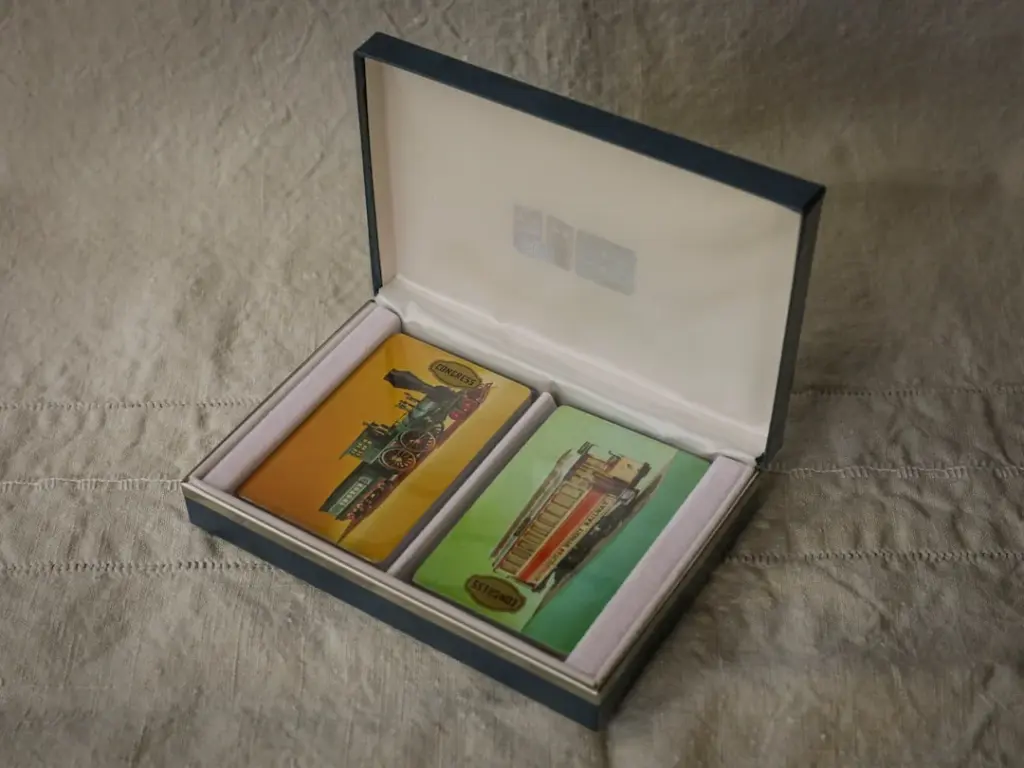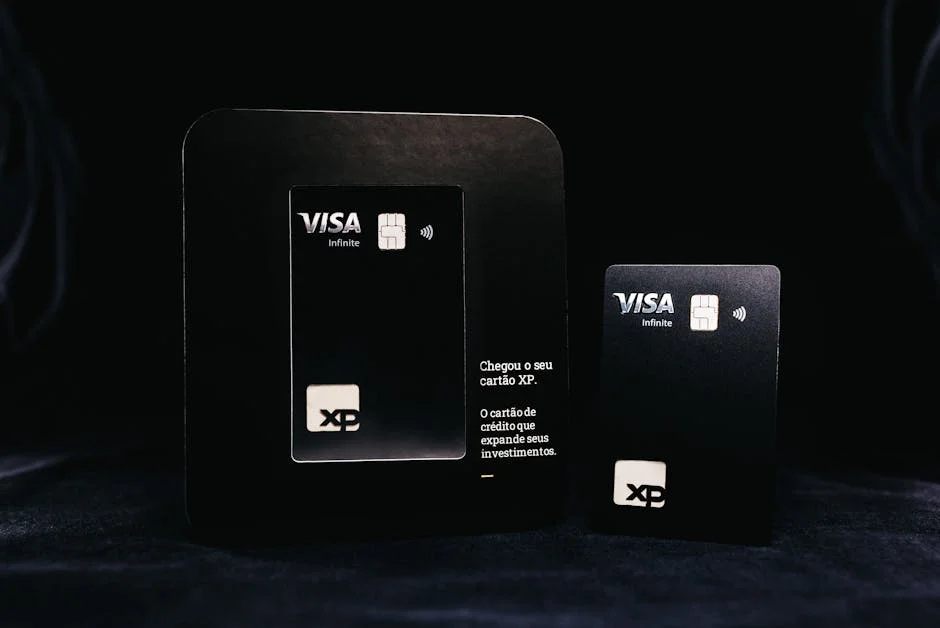
Visa gift card scams have become one of the most common forms of modern fraud because they exploit speed, confusion, and the everyday familiarity of prepaid cards. A Visa-branded gift card looks legitimate, is sold in well-known stores, and feels like a safe alternative to cash. That sense of normalcy is exactly what scammers rely on. They know many people have purchased gift cards as presents, used them online, or loaded them for budgeting purposes, so the idea of using one doesn’t raise immediate suspicion. Fraudsters then pair that familiarity with urgency: a fake bill, a bogus “account problem,” a pretend prize, or a threatening phone call that pressures you to act immediately. Once the victim shares the card number and security code, or once money is moved onto the card under false pretenses, the funds can disappear fast. Unlike many credit card transactions, gift card transfers are hard to reverse, and scammers often cash out within minutes.
Table of Contents
- My Personal Experience
- Understanding Visa Gift Card Scams and Why They Keep Working
- How Scammers Use Social Engineering to Push Prepaid Card Payments
- Common Types of Visa Gift Card Scams You’re Likely to Encounter
- Card Tampering and Store Rack Fraud: When the Scam Happens Before You Buy
- Digital Traps: Phishing Links, Fake Balance Checkers, and App Impersonators
- Warning Signs That a Transaction or Request Is a Gift Card Scam
- What to Do Immediately If You’ve Been Targeted or Already Lost Money
- Expert Insight
- How Retailers and Cashiers Try to Prevent Gift Card Fraud (and How to Help Them Help You)
- Safer Ways to Use Visa Gift Cards Online Without Handing Scammers the Keys
- Why Gift Cards Are So Attractive to Criminals Compared to Other Payment Methods
- Practical Prevention Checklist for Families, Seniors, and Small Businesses
- Building Long-Term Awareness and Recovering Confidence After a Scam Attempt
- Watch the demonstration video
- Frequently Asked Questions
- Trusted External Sources
My Personal Experience
I almost got caught in a Visa gift card scam last year when someone called claiming to be from my utility company and said my account was overdue and would be shut off that day. They sounded convincing and even knew my name and address, then told me the “fastest way” to pay was to buy a Visa gift card from a nearby grocery store and read the numbers over the phone. I remember standing in the aisle with two cards in my hand, feeling rushed and embarrassed, and that’s what finally tipped me off—no legitimate company would demand payment that way. I hung up, called the utility company using the number on my bill, and they confirmed my account was fine. It was a close call, and now I treat any request for gift card payment as an instant red flag. If you’re looking for visa gift card scams, this is your best choice.
Understanding Visa Gift Card Scams and Why They Keep Working
Visa gift card scams have become one of the most common forms of modern fraud because they exploit speed, confusion, and the everyday familiarity of prepaid cards. A Visa-branded gift card looks legitimate, is sold in well-known stores, and feels like a safe alternative to cash. That sense of normalcy is exactly what scammers rely on. They know many people have purchased gift cards as presents, used them online, or loaded them for budgeting purposes, so the idea of using one doesn’t raise immediate suspicion. Fraudsters then pair that familiarity with urgency: a fake bill, a bogus “account problem,” a pretend prize, or a threatening phone call that pressures you to act immediately. Once the victim shares the card number and security code, or once money is moved onto the card under false pretenses, the funds can disappear fast. Unlike many credit card transactions, gift card transfers are hard to reverse, and scammers often cash out within minutes.

Another reason Visa gift card scams keep working is that the fraud doesn’t always look like fraud at the beginning. Sometimes the scam starts as a normal-looking text from a “delivery company,” an email that resembles a bank alert, or a message from a “manager” at work. The scammer’s goal is rarely to have you hand over a physical card; it’s to get the numeric details, convince you to buy the card and read the numbers aloud, or trick you into using a malicious website where you “check your balance” and inadvertently give away your information. The presence of a big brand name can add false credibility, even though the brand isn’t the one contacting you. Understanding that these schemes are about manipulating human behavior—fear, excitement, embarrassment, or urgency—helps you spot the pattern. When you recognize the pattern, Visa gift card scams become easier to detect, even when the story changes.
How Scammers Use Social Engineering to Push Prepaid Card Payments
Most Visa gift card scams are built on social engineering: psychological tactics that get you to act against your best interests. The scammer often pretends to be an authority figure—a government agency, a utility company, your bank, a police department, or even a company executive. The script is designed to trigger a strong emotion first, then offer gift cards as the “solution.” A classic example is a caller claiming you owe taxes or have a warrant, insisting you must pay immediately to avoid arrest. Another involves a “fraud department” warning that your bank account has been compromised and that you must move money onto a prepaid card to “secure it.” The story is nonsense, but it’s delivered with confidence, jargon, and time pressure. The key tells are the insistence on urgency and the unusual payment method. Government agencies and legitimate banks do not demand payment via gift cards, but scammers know victims may not pause to verify when they’re scared.
Social engineering also shows up in romance and relationship fraud. A scammer builds trust over weeks, then invents a crisis: a medical bill, a travel emergency, a frozen account, or a “temporary” hardship. They may ask for a Visa gift card because it feels less like wiring money and more like “helping out.” In workplace impersonation, criminals spoof an executive’s email and instruct an employee to buy multiple cards for “client gifts” or “a confidential project,” then send the card numbers. These tactics work because they exploit normal human impulses: to obey authority, to help someone you care about, or to be a responsible employee. If you only remember one rule, it’s that any request for gift card payment—especially when paired with secrecy, pressure, or threats—should be treated as a red alert for Visa gift card scams and similar prepaid card fraud.
Common Types of Visa Gift Card Scams You’re Likely to Encounter
Visa gift card scams come in many flavors, and recognizing the most common ones helps you avoid being caught off guard. One widespread type is the “government impersonation” scheme, where scammers claim to represent the IRS, Social Security, immigration authorities, or law enforcement. The demand is usually immediate payment to resolve a fabricated issue, and the scammer will instruct the victim to purchase a Visa gift card at a nearby store and read the numbers over the phone. Another major category is “tech support” fraud. A pop-up message claims your computer is infected, then a caller convinces you to grant remote access. Once they have access, they fabricate evidence of hacking and pressure you to pay for services or “security” with prepaid cards. There are also “utility shutoff” scams in which criminals claim your power, water, or internet will be disconnected within hours unless you pay via gift card.
Retail and online marketplace scams are also common. A fake seller on a classifieds platform may ask for payment in gift cards because it’s fast and irreversible. Employment scams can involve fake recruiters who promise a job and then require you to buy a gift card to “verify your identity,” “pay for training,” or “cover background check fees.” Prize and sweepstakes scams tell you that you’ve won something but must pay a “processing fee” via Visa gift card. Even charitable giving can be exploited: during disasters or holidays, a scammer may pose as a well-known charity and request gift cards instead of legitimate donation methods. Each of these methods has the same end goal: to move value from your hands into theirs with minimal traceability. The stories differ, but the payment method and urgency are consistent hallmarks of Visa gift card scams.
Card Tampering and Store Rack Fraud: When the Scam Happens Before You Buy
Not all Visa gift card scams begin with a phone call or a text message. Some begin on the store shelf. Card tampering, sometimes called “gift card draining,” happens when criminals steal gift card numbers and security codes before the cards are sold. They may remove cards from racks, peel back packaging, or use tools to reveal the PIN or CVV, then reseal the card so it looks untouched. In other cases, scammers place stickers with a different barcode over the real barcode. When a cashier scans the card, the money is loaded onto the scammer’s card number instead of the one you’re holding. The victim doesn’t realize anything is wrong until they try to use the card, only to find the balance is already gone. This is especially frustrating because the purchase feels legitimate: you bought the card at a real retailer and have a receipt, yet the funds vanish.

To reduce the risk of tampering-based Visa gift card scams, buyers need to treat gift cards like cash and inspect packaging carefully. Choose cards that are kept behind the counter or in secured displays when possible. Examine the back of the package for signs of resealing, bubbling, tears, or mismatched adhesives. Look for scratch-off areas that appear disturbed or re-covered. Avoid cards that look bent, unusually worn, or imperfectly sealed. At checkout, confirm the cashier scans the card you selected and that the receipt shows the correct card type and last digits if provided. Keep the receipt and any activation documentation. If you’re giving the card as a gift, consider buying directly from the issuing bank’s website or from retailers with strong controls, and register the card if the issuer allows. While these steps won’t eliminate every risk, they make you a harder target and reduce the chance that a shelf-based Visa gift card scam will succeed.
Digital Traps: Phishing Links, Fake Balance Checkers, and App Impersonators
A growing share of Visa gift card scams are digital-first, designed to capture card details without any face-to-face interaction. Phishing texts and emails may claim there’s a problem with your card activation, a suspicious transaction, or a delivery confirmation related to your purchase. The link leads to a fake site that looks like a legitimate card management portal. Once you enter the card number, expiration date, and security code, the scammer can use those details to make purchases or transfer value. Some fake sites also ask for personal information, which can be used for identity theft. Another tactic involves “balance checker” pages advertised through search ads or social media posts. They promise quick balance checks but are really harvesting card data. Because many people expect gift card portals to be simple and generic-looking, they may not notice subtle differences in domain names or page design.
App impersonation and customer support spoofing add another layer. Scammers may create fake apps with names that resemble real card management tools, or they may post fake customer service numbers online. A victim searching for help might call the number and end up speaking to a scammer who asks for the full card number and security code “to verify your account.” Once the victim shares those details, the scammer drains the funds. To protect yourself from these Visa gift card scams, avoid clicking links from unsolicited messages, even if they look official. Instead, navigate manually to the official website printed on the card packaging or the back of the card. Be cautious with search results and ads; scammers can buy ads that appear above legitimate listings. If you need support, use the phone number on the physical card or packaging, not one provided in an email or text. Treat your gift card security code like a password: anyone who has it can often spend the balance.
Warning Signs That a Transaction or Request Is a Gift Card Scam
Visa gift card scams thrive on predictable warning signs, and learning them can stop fraud before money leaves your control. The most obvious sign is a demand for payment via gift cards for something that is normally paid by credit card, bank transfer, or check. Taxes, court fees, bail, utility bills, debt collection, and tech support fees are not legitimately paid with gift cards. Another major red flag is urgency: “act now,” “your account will be closed,” “you’ll be arrested,” “your service will be disconnected,” or “this offer expires today.” Scammers want to keep you from thinking, verifying, or asking someone else. Secrecy is another hallmark. If you’re told not to tell your family, your bank, your manager, or the cashier why you’re buying the cards, you’re likely dealing with fraud. Criminals know that a simple conversation can break the spell.
Pay attention to communication quality and identity cues as well. Caller ID can be spoofed, and email addresses can be made to look similar to real ones with tiny changes. A request coming from a boss’s personal email, a vendor’s new bank details, or a “support agent” who refuses to let you call back through official channels should raise suspicion. In many Visa gift card scams, the scammer will stay on the phone while you drive to the store, telling you exactly what to say at the register. That coaching is designed to bypass retailer interventions and to prevent a cashier from warning you. Another sign is unusual purchasing behavior: buying multiple high-value cards, splitting purchases across stores, or being instructed to photograph the front and back of the card. Any time the goal is to obtain the card number and security code, you should assume the money will be taken as soon as you share it. When you see these patterns, the safest move is to stop, verify independently, and refuse gift card payment demands.
What to Do Immediately If You’ve Been Targeted or Already Lost Money
If you suspect Visa gift card scams have affected you, speed matters. Start by gathering information: the card number, purchase receipt, activation details, and any messages, emails, or phone numbers used by the scammer. If you still have the card, call the official customer service number printed on the card or packaging and report the fraud. Ask whether the balance is still available and whether the issuer can freeze the card or block further transactions. In some cases, if the funds have not been spent yet, the issuer may be able to secure the remaining balance. If you paid a scammer by reading the card details aloud or sending a photo of the card, assume the card is compromised. Request guidance on dispute options and document everything, including dates, times, and names of representatives you speak to.
| Scam type | How it works | Red flags & what to do |
|---|---|---|
| Impersonation payment demand | Scammers pose as the IRS, police, a utility company, or “tech support” and insist you pay immediately with Visa gift cards, then read the card number/PIN over the phone. | Red flags: urgent threats, secrecy, gift cards as “official” payment. Do: hang up, contact the organization via a verified number, report to the FTC, keep the card/receipt. |
| Card tampering / drained balance | Fraudsters steal gift card numbers in-store (scratch-off/PIN compromised or barcode swapped), then drain the balance as soon as the card is activated. | Red flags: scratched/covered PIN area, damaged packaging, mismatched labels. Do: buy from secure displays, inspect packaging, keep receipt, register/check balance immediately, contact issuer promptly. |
| Fake sale / “verification” scam | Online sellers or fake support ask for a Visa gift card as payment or request the card number/PIN to “verify” your identity or unlock a deal. | Red flags: too-good-to-be-true discounts, requests for card details, pressure to send codes. Do: never share card/PIN, use protected payment methods, stop communication, report the listing/platform. |

Expert Insight
Buy Visa gift cards only from reputable retailers and inspect the packaging before purchase—avoid cards with torn seals, exposed PIN areas, or scratched-off codes. Keep the receipt and register the card (if available) immediately, then check the balance right away so you can report any unauthorized activity quickly. If you’re looking for visa gift card scams, this is your best choice.
Treat any request to pay with a Visa gift card as a red flag, especially from “support,” “government,” “utility,” or “prize” callers. Never share the card number, PIN, or security code by phone, text, or email; if pressured, hang up and contact the company using a verified number from its official website or your billing statement. If you’re looking for visa gift card scams, this is your best choice.
Next, report the incident to your local law enforcement (especially if you were threatened), and file a report with relevant consumer protection agencies in your country. In the United States, this often includes the Federal Trade Commission (FTC) and the Internet Crime Complaint Center (IC3) if the scam involved online communication. If the scam started with phishing, report the sender and the link to your email provider or mobile carrier. If you purchased the card at a retailer and suspect tampering or barcode switching, notify the store manager and provide the receipt and card packaging; retailers may have surveillance footage and can escalate patterns to corporate fraud teams. If you shared personal information, consider placing a fraud alert or credit freeze and monitoring accounts for suspicious activity. While recovery is not guaranteed, rapid action improves odds, and reporting helps identify repeat offenders. Visa gift card scams often hit many victims in the same area or through the same online funnel, so your report can matter beyond your own case.
How Retailers and Cashiers Try to Prevent Gift Card Fraud (and How to Help Them Help You)
Retailers are on the front lines of Visa gift card scams because many schemes require victims to buy cards in person. Many stores train cashiers to look for warning signs: a distressed customer on the phone, someone buying unusually large amounts of gift cards, or a customer who seems coached on what to say. Some registers display warnings, and some stores limit the number or dollar value of gift cards sold in a single transaction. Cashiers may ask what the cards are for, which can feel intrusive, but it’s often a genuine attempt to stop fraud. Unfortunately, scammers anticipate these interventions and tell victims to lie, claiming the cards are for family gifts or office rewards. That’s why a calm, honest conversation at the register can be a powerful defense if you’re unsure about a purchase.
You can make retailer safeguards more effective by slowing down and engaging with them. If a cashier asks questions, treat it as a safety check rather than a hassle. If you’re buying cards for legitimate reasons, you can still take precautions: inspect packaging, keep receipts, and avoid sharing card details over text or email. If you’re buying cards for a business purpose, consider using safer alternatives such as purchase orders, corporate card programs, or vendor-managed incentive platforms that reduce exposure to physical card tampering. If you notice a gift card rack that looks disturbed—packages torn, cards misaligned, or suspicious overlays—tell store staff. Retailers can remove compromised inventory quickly, which may prevent additional victims. Visa gift card scams are hard to eliminate entirely because criminals adapt, but a combination of alert staff and informed customers reduces the overall success rate.
Safer Ways to Use Visa Gift Cards Online Without Handing Scammers the Keys
Using a Visa gift card online can be convenient, but it also creates opportunities for Visa gift card scams if you aren’t careful about where you enter the card details. Start with the basics: only use reputable merchants with secure checkout pages, and avoid entering card information on sites reached through unsolicited links. If you need to check a balance or register a billing ZIP code, navigate directly to the official website listed on the card packaging rather than searching and clicking random results. Consider using a dedicated browser profile or device for financial transactions, keep your browser updated, and use reputable security tools to reduce the risk of malicious redirects. If a site asks for unusual information—like your full Social Security number to use a gift card—leave immediately. Gift cards typically require only the card number, expiration date, and security code, plus sometimes a ZIP code for address verification.
Also think about how you store and share information. Never send photos of the front and back of a gift card, and never share the security code with anyone who isn’t a trusted recipient of the gift. If you’re giving a card as a present digitally, deliver it through a secure channel and confirm the recipient received it before sharing any extra details. If you plan to use the card for subscriptions or recurring services, be aware that some services may place authorization holds or require a backup payment method; avoid giving scammers an opening by responding to “payment failed” messages that arrive unexpectedly. Instead, log into the merchant account directly to verify. Many Visa gift card scams begin when a victim reacts to a message rather than verifying through official channels. Keeping control of where and when you enter card data is one of the strongest defenses you have.
Why Gift Cards Are So Attractive to Criminals Compared to Other Payment Methods
Visa gift card scams are part of a broader trend: criminals prefer payment methods that are fast, hard to trace, and difficult to reverse. Gift cards check all three boxes. Once a scammer has the card number and security code, they can spend the balance online, convert it into goods for resale, or sometimes move value through accounts designed to launder proceeds. Unlike bank transfers that may have more robust name checks or credit card transactions that can sometimes be disputed, gift card funds can be drained quickly with fewer friction points. Victims often discover the theft only after the scammer has already converted the value into something else. Even when a gift card issuer has fraud controls, the nature of prepaid value makes it challenging to unwind transactions, especially if the funds have already been spent across multiple merchants.
Gift cards are also accessible. They can be purchased with cash, they’re sold in countless locations, and they don’t require the buyer to pass stringent identity checks. That accessibility benefits legitimate consumers but also helps criminals scale their fraud. Scammers can run call centers, blast phishing texts, or coordinate local “mules” who redeem cards and ship goods. The global nature of online commerce means a scammer in one country can target victims in another and cash out through international resale markets. Additionally, the brand name on the card can mislead victims into thinking the request is normal: if a scammer says “use a Visa gift card,” it sounds like a mainstream, acceptable payment method rather than an unusual demand. Understanding why criminals prefer this tool makes the pattern clearer and helps you treat any gift card payment request as a high-risk situation. Visa gift card scams persist because they align perfectly with what criminals want: speed, distance, and deniability.
Practical Prevention Checklist for Families, Seniors, and Small Businesses
Preventing Visa gift card scams is easier when you have simple rules that apply across situations. For families, a strong baseline is: never pay someone you don’t personally know with a gift card, and never share the security code with anyone except the intended recipient. For seniors, who are often targeted with government impersonation and tech support threats, it helps to establish a verification routine. If a call claims to be from a government agency, hang up and call the official number from a government website, not a number provided by the caller. If a message claims to be from a bank, use the number on the back of your bank card. If a family member is unsure, having a trusted person to call before making payments can prevent losses. Scammers try to isolate victims; creating an easy “pause and call” habit breaks that isolation.

Small businesses face additional risks from impersonation and accounts payable fraud. A common internal control is a two-person approval process for gift card purchases above a modest threshold and a strict policy that gift cards are never purchased due to email-only requests. Train staff to recognize spoofed emails and to verify unusual requests by calling a known number for the requester, not replying to the email thread. Keep gift cards locked up, track serial numbers, and document distribution to employees or clients. If your business uses gift cards for incentives, consider centralized purchasing directly from reputable sources and avoid leaving cards exposed in unsecured areas. For everyone, the most practical prevention step is to slow down when urgency appears. Visa gift card scams rely on rushing you past common sense; a deliberate pause, independent verification, and refusal to use gift cards for “fees” or “emergencies” will stop the vast majority of attempts.
Building Long-Term Awareness and Recovering Confidence After a Scam Attempt
Even a near-miss can be unsettling, and falling for Visa gift card scams can create embarrassment that scammers count on to keep victims quiet. It helps to treat the experience as a security lesson rather than a personal failure. These fraud operations are professional, scripted, and optimized through repetition. They test what works, refine their language, and target people when they’re busy, stressed, or distracted. Sharing your experience with friends, family, or coworkers—without blaming yourself—can inoculate others against the same scheme. If you manage a team, incorporate short, realistic fraud scenarios into training, including executive impersonation and urgent gift card requests. If you’re part of a community group, encourage members to verify requests for help through known channels rather than reacting to emotional stories or urgent pleas for prepaid cards.
Rebuilding confidence also means updating your personal security habits. Review privacy settings on social media, since scammers often use public details to personalize their stories. Consider call-blocking tools and spam filters, and be cautious about answering unknown numbers. Keep documentation for gift card purchases, and if you give gift cards as gifts, advise recipients to use them promptly and to keep the details private. Most importantly, remember the central rule that neutralizes the majority of Visa gift card scams: legitimate organizations do not demand gift cards as payment, and anyone pressuring you to buy or share them is likely trying to steal from you. If you anchor your decisions to that rule and verify through official channels, you can use prepaid cards for legitimate purposes without living in fear. Visa gift card scams depend on confusion and urgency; clarity and patience are the antidotes.
Watch the demonstration video
In this video, you’ll learn how Visa gift card scams work, including the most common tactics scammers use to trick people into sharing card numbers or buying cards under pressure. It explains key warning signs, where these scams often start (calls, texts, emails, or social media), and simple steps to protect your money and report fraud.
Summary
In summary, “visa gift card scams” is a crucial topic that deserves thoughtful consideration. We hope this article has provided you with a comprehensive understanding to help you make better decisions.
Frequently Asked Questions
What is a Visa gift card scam?
A fraud scheme where scammers trick you into buying Visa gift cards and sharing the card number/PIN or using the cards to pay for fake fees, bills, or prizes.
What are common warning signs of a Visa gift card scam?
Watch out for classic warning signs of **visa gift card scams**: someone pressures you to pay immediately, asks for gift card numbers or PINs, threatens arrest or a utility shutoff, promises a prize that sounds too good to be true, or demands payment through a text, email, or social media message.
Why do scammers ask for Visa gift cards?
They’re easy to buy and tough to track, and the moment you share the code, the money can be spent or moved in seconds—often before you realize you’ve been caught in **visa gift card scams**.
What should I do if I already gave a scammer my Visa gift card details?
Contact the card issuer immediately to report fraud, request a freeze or dispute if available, keep receipts and messages, file a report with the FTC (ReportFraud.ftc.gov), and notify local authorities if needed. If you’re looking for visa gift card scams, this is your best choice.
Can I get my money back from a Visa gift card scam?
Sometimes you can recover your money from **visa gift card scams**, but it isn’t easy. Your chances depend on whether the funds are still available and what the card issuer allows, so act quickly—gather your proof of purchase, the card details, and any evidence of the fraud, then contact the issuer right away.
How can I protect myself from Visa gift card scams?
Never pay someone with gift cards, never share the card number or PIN, verify requests using official contact info, ignore threats or urgency, and buy gift cards only from reputable retailers. If you’re looking for visa gift card scams, this is your best choice.
? Looking for more info about visa gift card scams? Follow Our Site for updates and tips!

Trusted External Sources
- My mom bought a Visa gift card from Target… the security code on …
Nov 6, 2026 … Never buy a gift card that is just sitting out on one of those big displays. It is so easy for scammers to come through, swipe a bunch, … If you’re looking for visa gift card scams, this is your best choice.
- Avoiding and Reporting Gift Card Scams – FTC Consumer Advice
How To Contact Gift Card Companies · Call 1 (800) 847-2911 and follow Visa’s instructions. · Keep a copy of the Visa gift card or your store receipt. · Visit … If you’re looking for visa gift card scams, this is your best choice.
- How to avoid scams when buying Visa gift cards? – Facebook
Dec 9, 2026 … Sonny Hernandez. It’s part of a sorta complicated scam. People steal them and bring them home and use a hair dryer or heat gun to open it up … If you’re looking for visa gift card scams, this is your best choice.
- Visa Gift Card : r/Scams – Reddit
Feb 4, 2026 … Balance checks of an unactivated card should block that card. If anyone attempts to activate it at the point of sale, it should error and the … If you’re looking for visa gift card scams, this is your best choice.
- Wtf is wrong with people?! Got prepaid visa gift cards for … – Facebook
On Dec 26, 2026, someone pointed out that a guy had already made a YouTube video about this—try searching “Australia gift card scam” to learn more. It’s a useful starting point if you’re trying to understand how **visa gift card scams** work and what to watch out for.