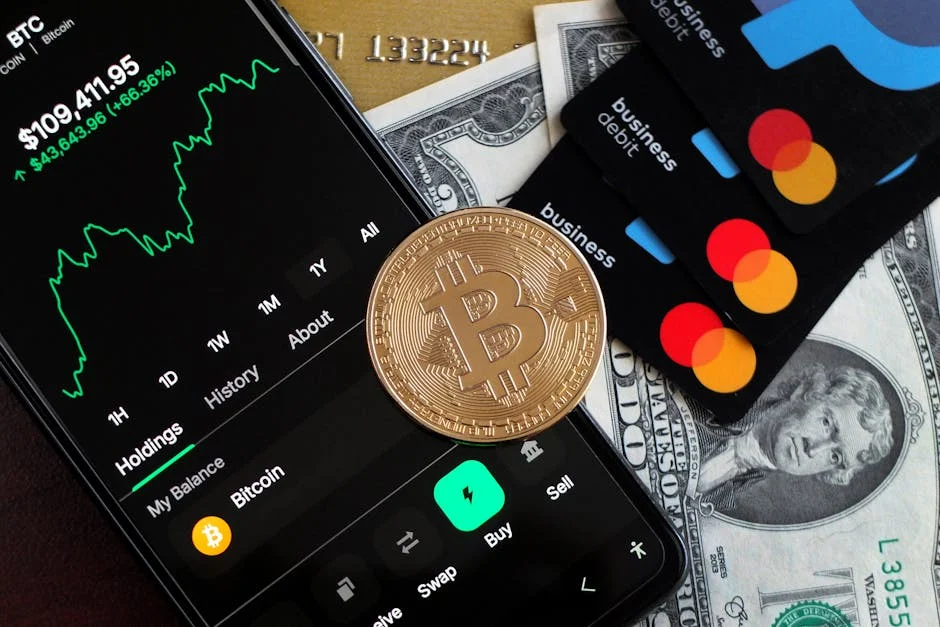
A crypto card is a payment card that connects digital-asset balances to everyday spending, allowing purchases at merchants that already accept standard card networks. Instead of requiring a store to accept coins or tokens directly, the crypto card model typically converts supported assets into local currency at the moment of purchase (or uses a pre-funded fiat balance that you loaded earlier after selling crypto). That design matters because it bridges two worlds that rarely meet smoothly: the fast-moving, self-custodied culture of blockchain assets and the highly regulated, chargeback-enabled world of consumer card payments. The appeal is straightforward: you can hold value in digital assets and still pay for groceries, travel, subscriptions, or online shopping without negotiating wallets, QR codes, or volatile exchange rates at checkout. Yet the simplicity that users experience at the point of sale hides a complex infrastructure behind the scenes—custody, liquidity, compliance checks, and card network rules all have to align so that a merchant receives a normal card payment while you experience something that feels like spending crypto.
Table of Contents
- My Personal Experience
- Understanding What a Crypto Card Is and Why It Exists
- How a Crypto Card Works at Checkout: Authorization, Conversion, and Settlement
- Types of Crypto Card Products: Debit, Prepaid, Credit, and Hybrid Models
- Benefits of Using a Crypto Card for Everyday Spending and Travel
- Fees, Exchange Rates, and Hidden Costs to Watch Closely
- Security Considerations: Custody, Card Controls, and Fraud Protection
- Tax and Accounting Realities When Spending with a Crypto Card
- Expert Insight
- Choosing the Right Crypto Card: Practical Criteria That Matter
- Using a Crypto Card Responsibly: Budgeting, Volatility, and Spend Strategy
- Merchant Acceptance, Travel Scenarios, and Real-World Edge Cases
- Rewards, Cashback, and Incentive Structures: What’s Sustainable and What Isn’t
- The Future of Crypto Card Adoption: Regulation, Stablecoins, and Better User Experience
- Final Thoughts on Making a Crypto Card Work for Your Lifestyle
- Watch the demonstration video
- Frequently Asked Questions
- Trusted External Sources
My Personal Experience
I started using a crypto card last year because I was tired of moving money between exchanges and my bank every time I wanted to spend a little. Setup was straightforward, but I learned quickly to keep only a small balance on it—one weekend the price dipped right after I topped up and it felt like I’d paid extra for the same groceries. The card worked fine for everyday stuff like coffee and online subscriptions, though a couple of smaller shops declined it and I had to pull out my regular debit card. The biggest surprise was the fees: not huge, but the conversion spread and a foreign transaction charge added up on a trip, so now I check the rate before I tap. Overall it’s convenient, but I treat it more like a spending wallet than a place to hold crypto.
Understanding What a Crypto Card Is and Why It Exists
A crypto card is a payment card that connects digital-asset balances to everyday spending, allowing purchases at merchants that already accept standard card networks. Instead of requiring a store to accept coins or tokens directly, the crypto card model typically converts supported assets into local currency at the moment of purchase (or uses a pre-funded fiat balance that you loaded earlier after selling crypto). That design matters because it bridges two worlds that rarely meet smoothly: the fast-moving, self-custodied culture of blockchain assets and the highly regulated, chargeback-enabled world of consumer card payments. The appeal is straightforward: you can hold value in digital assets and still pay for groceries, travel, subscriptions, or online shopping without negotiating wallets, QR codes, or volatile exchange rates at checkout. Yet the simplicity that users experience at the point of sale hides a complex infrastructure behind the scenes—custody, liquidity, compliance checks, and card network rules all have to align so that a merchant receives a normal card payment while you experience something that feels like spending crypto.

Understanding the basic mechanics helps set realistic expectations. Many products marketed as a crypto card are not literally “paying in crypto” at the merchant; they are a conversion service packaged in card form. When you tap or insert the card, the issuer or its partners determine the transaction amount, apply fees or spreads, and settle with the merchant in fiat. Depending on the provider, you might be spending from a custodial wallet, a linked exchange account, a stablecoin balance, or a separate prepaid account. Some cards also offer a debit-like experience with real-time conversions, while others behave like prepaid cards that require you to top up first. The differences affect fees, taxes, and the speed at which you can access funds. A crypto card also tends to come with app-based controls—freezing the card, setting limits, choosing which asset to spend, and viewing transaction history—because the provider must coordinate blockchain-side holdings with card-side authorizations.
How a Crypto Card Works at Checkout: Authorization, Conversion, and Settlement
When you use a crypto card at a merchant, the transaction travels through the same rails as a conventional card payment: the terminal sends an authorization request through the network to the issuer, the issuer decides whether to approve, and later the transaction settles. The crypto-specific part occurs in the issuer’s decisioning and funding logic. If your balance is held in digital assets, the provider must determine whether you have enough value to cover the purchase, including any buffer for exchange-rate movement, network fees, and potential tips (common with restaurants). Many issuers implement a “pre-authorization cushion” to avoid declines if the price moves slightly between authorization and settlement. If the product uses real-time conversion, the platform may execute a market order or internal conversion at the moment of authorization, locking in an exchange rate and reserving funds. If it uses a prepaid model, the conversion has already happened when you topped up, so the authorization simply checks a fiat balance.
Settlement is where the merchant gets paid, and the merchant is usually paid in local currency regardless of what you spent. That means the provider must manage liquidity: it needs enough fiat on hand to settle card transactions while also managing crypto inventory and hedging exposure. Some platforms hedge immediately by selling the crypto at authorization; others net transactions and hedge periodically, which can affect spreads and timing. For the user, the result is a single line item in the app: the merchant name, amount in local currency, and a record of which asset was debited (or sold) to fund it. This is also where refunds and chargebacks become tricky. If a refund is issued, it may return as fiat, as the original asset, or as a stablecoin equivalent depending on the provider’s policy and the timing of the refund. A crypto card therefore behaves like a standard card to the merchant but like a hybrid financial product to the user, combining exchange services, custodial features, and consumer card protections in one interface.
Types of Crypto Card Products: Debit, Prepaid, Credit, and Hybrid Models
Not every crypto card is built the same way, and the differences matter for cost, convenience, and risk. Debit-style products typically pull value from a balance you hold with the issuer or a linked exchange account. When you spend, the provider converts crypto to fiat (or debits a stablecoin/fiat balance) instantly. This model can feel seamless, but it depends on the provider’s ability to quote reliable rates and maintain liquidity. Prepaid cards require you to load funds first, often by selling crypto into fiat or stablecoins and then topping up the card balance. Prepaid can reduce surprises at checkout because the funds are already in spendable form, but it adds a step and may trigger taxable events when you convert. Credit-style offerings exist in some markets, but they often function differently than traditional credit cards: you might post crypto collateral and borrow fiat to spend, or you might earn rewards in tokens while paying a normal credit balance in fiat.
Hybrid designs combine elements: you may keep balances in multiple assets, choose a “spend priority,” and let the app decide whether to use stablecoins first, then sell volatile assets if needed. Some providers offer multi-currency accounts that hold local currency alongside digital assets, which can help with travel and reduce conversion fees. Another important distinction is custody. Many cards require you to keep assets on a custodial platform controlled by the issuer or its exchange partner. Others integrate with self-custody in limited ways, but true self-custody-to-card spending is hard because card networks require strong consumer protections and predictable settlement. In practice, most crypto card products are custodial or semi-custodial, and that introduces counterparty risk. Evaluating a card therefore requires matching the product type to your goals: convenience for daily spending, travel flexibility, rewards, or a way to off-ramp occasional gains without wiring money to a bank.
Benefits of Using a Crypto Card for Everyday Spending and Travel
A crypto card can make digital assets feel usable in the real economy, especially for people who receive payments in tokens, hold long-term positions, or prefer stablecoins for savings. The most obvious benefit is reach: because the card rides existing payment networks, you can use it at millions of merchants without asking anyone to adopt new technology. That network compatibility also helps with online subscriptions and app-store payments where crypto-native options are limited. For travel, a card that supports multiple currencies and offers competitive foreign exchange rates can reduce friction compared with exchanging cash or relying on a single-currency bank account. Many providers also include app features that traditional banks took years to popularize: instant notifications, merchant-level analytics, category insights, and quick freeze/unfreeze controls. If the card allows you to choose which asset to spend, you can prioritize stablecoins for budgeting and keep volatile assets untouched unless you intentionally sell.
Another attraction is rewards, though they vary widely in sustainability. Some issuers offer cashback in tokens, points that can be redeemed for crypto, or boosted rewards when you hold certain assets. For users already comfortable with volatility, earning rewards in a digital asset can compound exposure; for others, it can be converted to stable value. A crypto card can also streamline off-ramping: instead of transferring to a bank and waiting for settlement, you can convert and spend quickly. That speed can be useful in markets where banking access is limited or slow, though it depends heavily on local regulation and card availability. Still, it’s important to treat these benefits as conditional. Rewards can change with market cycles, spreads can widen during volatility, and some features may be restricted by region. The best experience tends to come from using a crypto card as a spending tool with clear boundaries—keeping only what you plan to spend in the short term and maintaining a separate strategy for long-term holdings.
Fees, Exchange Rates, and Hidden Costs to Watch Closely
The cost of using a crypto card is rarely just the headline number. Providers may advertise “no fees” while earning revenue through spreads on conversion, interchange sharing, or subscription tiers. The spread—the difference between the market rate and the rate you receive—can be the most significant cost, especially during high volatility or low liquidity. Some cards also charge foreign transaction fees, ATM withdrawal fees, monthly maintenance fees, inactivity fees, or fees for expedited shipping. Even when a card itself is free, the underlying conversion from crypto to fiat can trigger trading fees on the connected exchange, or the provider may apply its own conversion markup. If the card lets you spend directly from a token balance, you should review how the conversion rate is calculated, whether it is locked at authorization or settlement, and whether there are weekend or after-hours markups similar to some multi-currency fintech apps.

ATM usage deserves special attention. Many people assume a crypto card is a convenient way to withdraw cash anywhere, but cash withdrawals can stack multiple charges: the card issuer’s ATM fee, the ATM operator’s fee, and an unfavorable conversion spread. In addition, some issuers treat cash-like transactions differently, imposing limits or higher fees. Another subtle cost is authorization holds. Hotels, car rentals, and fuel stations often place large pre-authorizations that can temporarily lock up funds; if your card sells crypto to cover that hold, you might end up converting more than the final charge and then waiting for a reversal or refund. Some providers handle this by reserving fiat buffers or using stablecoins, but policies differ. A careful approach is to read the fee schedule like a contract, test small transactions first, and keep a stable balance for situations with unpredictable final amounts. A crypto card can be cost-effective, but only when you understand where the provider earns its margin.
Security Considerations: Custody, Card Controls, and Fraud Protection
Security for a crypto card is a blend of traditional card security and digital-asset custody risk. On the card side, you benefit from familiar protections: EMV chips, tokenization for mobile wallets, and fraud monitoring. Many providers also give you granular controls in the app, such as disabling online payments, restricting merchant categories, setting daily limits, or locking the card instantly if it’s lost. Those controls can reduce the window of exposure compared with older bank cards. However, the crypto side introduces different risks. If your spending balance is held on a custodial platform, you are trusting the issuer and its partners to secure private keys, manage internal permissions, and maintain solvency. Even if the provider is reputable, custody creates a counterparty relationship that is not the same as holding assets in a personal wallet. For a spending product, this may be acceptable, but it should be intentional rather than accidental.
Account takeover is another major risk because the app is the control plane. Strong authentication—unique passwords, passkeys where available, and mandatory two-factor authentication—matters as much as the plastic card. SIM-swap attacks can undermine SMS-based codes, so authenticator apps or hardware keys are safer when supported. You should also understand how the provider handles disputes and unauthorized transactions. Some crypto card issuers provide robust chargeback processes consistent with card network rules; others may have slower support or narrower coverage depending on jurisdiction. Finally, consider how withdrawals and transfers are protected. If the platform allows you to send crypto externally, there should be withdrawal whitelists, time delays, and confirmations for new addresses. A sensible pattern is to keep only short-term spending funds on the card platform and store long-term holdings elsewhere. The crypto card becomes a tool for payments, not the vault for your entire portfolio.
Tax and Accounting Realities When Spending with a Crypto Card
Spending through a crypto card can create tax events in many jurisdictions because using crypto to buy goods is often treated as disposing of an asset. Even if the merchant receives fiat, you may have effectively sold crypto at the time of purchase, realizing a gain or loss relative to your cost basis. The result can be a long list of small taxable events—coffee, rideshares, subscriptions—each potentially requiring recordkeeping. Some people avoid this complexity by spending stablecoins, where price movement is minimal (though not always zero), or by converting to fiat first and then spending from a fiat balance. The tax treatment depends on local rules, but the operational challenge is universal: you need accurate transaction records, timestamps, exchange rates, and fees to compute gains and losses. Many card apps provide exportable statements, but the level of detail varies, and you may still need specialized portfolio tracking software to reconcile conversions and card transactions.
Expert Insight
Choose a crypto card that lets you control fees and conversion timing: prioritize transparent FX rates, low or no top-up charges, and the option to pay from a stablecoin balance to reduce volatility at checkout.
Protect your spending and taxes by separating “spend” and “hold” wallets: keep only a small, replenished balance on the card, enable 2FA and transaction alerts, and export monthly statements so every purchase is easy to reconcile. If you’re looking for crypto card, this is your best choice.
Accounting complexity also shows up with refunds, chargebacks, and reversals. If you bought something and later received a refund, the refund might come back in fiat even though you originally spent crypto, or it might return as a different asset depending on the provider’s policy. That can complicate cost basis and gain/loss calculations. Additionally, rewards paid in tokens may be treated as income at the time you receive them, or as rebates reducing purchase cost, depending on jurisdiction and the specific reward structure. For freelancers or businesses using a crypto card for expenses, categorization and documentation are important: you may need receipts, merchant details, and proof of conversion rates. The most practical approach is to choose a crypto card provider with strong reporting tools, keep personal and business spending separate if possible, and decide upfront whether you want the card to spend volatile assets or mostly stable value. Convenience at the register can otherwise become paperwork later.
Choosing the Right Crypto Card: Practical Criteria That Matter
Selecting a crypto card is less about branding and more about matching the product’s structure to your spending habits and risk tolerance. Start with availability and compliance: many cards are region-limited, and features can differ by country due to licensing and banking partners. Next, examine supported assets and conversion behavior. If you plan to spend stablecoins, confirm which stablecoins are supported, whether they can be held directly, and whether spending uses them first without forced conversions. If you plan to spend volatile assets, look for transparent exchange-rate policies, the ability to lock rates at authorization, and clear fee disclosures. Also evaluate limits: daily spending caps, ATM limits, top-up limits, and any restrictions on high-risk merchant categories. A card might be perfect for small purchases but frustrating for travel deposits or large bookings if limits are tight.
| Crypto Card Type | Best For | Key Trade‑offs |
|---|---|---|
| Debit Crypto Card | Everyday spending with quick crypto-to-fiat conversion | Often sells crypto at purchase time (tax events/fees); limited coins and conversion rates vary |
| Prepaid Crypto Card | Budgeting and controlled spending (load then spend) | Top-up fees/limits may apply; requires preloading and may have inactivity/maintenance fees |
| Credit Crypto Card | Earning rewards while paying later (if offered in your region) | Interest/late fees if not paid in full; may require strong credit and has stricter eligibility |

User experience details can determine whether the card feels reliable. Instant transaction notifications, easy card freezing, and responsive support channels reduce stress when something goes wrong. Integration with mobile wallets can improve security and convenience, especially if the provider supports tokenized payments and allows you to disable magnetic stripe transactions. Consider the funding path: can you top up via bank transfer, card, or only by depositing crypto? Bank transfer support may reduce fees and improve predictability. Finally, look at the provider’s resilience: operational history, regulatory posture, audits, and how it segregates customer funds. While no platform is risk-free, transparency helps you decide how much balance to keep there. A crypto card should be treated like a checking account for spending, not necessarily like a long-term storage solution. The right choice is the one that minimizes friction, keeps costs understandable, and aligns with how you actually manage money day to day.
Using a Crypto Card Responsibly: Budgeting, Volatility, and Spend Strategy
A crypto card can either simplify spending or amplify financial noise, depending on how you manage volatility. If you spend from a volatile asset, every purchase becomes a small decision about market timing. You might feel regret when the asset rises after you spent it, or you might accidentally sell during a dip to cover routine expenses. A more stable approach is to fund the card with fiat or stablecoins, using volatile assets only when you intentionally want to reduce exposure or take profits. Many apps allow “spend priority,” which can be configured to protect long-term holdings. For example, you might set stablecoins as the primary spending source, then fiat, and only then a major cryptocurrency as a last resort. This turns the crypto card into a practical payment tool rather than a constant trading trigger.
Budgeting also improves when you separate spending pools. Consider keeping a fixed monthly amount on the card platform and replenishing it on a schedule, similar to how you might manage a prepaid travel card. This limits your exposure if the account is compromised and reduces the temptation to overspend when markets are up. It also helps with tax and recordkeeping because you can cluster conversions into fewer events: convert once, spend many times. Another responsible habit is to test edge cases before relying on the card for critical situations. Try a small online purchase, a contactless transaction, and a chip-and-PIN transaction; verify how refunds appear; and check whether tips and pre-authorizations behave as expected. A crypto card is most useful when it is boring—predictable rates, predictable approvals, predictable reporting. The more you design your spend strategy around stability and clear rules, the more the product delivers on its promise of bridging digital assets and everyday life.
Merchant Acceptance, Travel Scenarios, and Real-World Edge Cases
Because a crypto card uses standard card networks, acceptance is generally as broad as any comparable debit or prepaid card, but real-world edge cases still matter. Some merchants—especially in travel—use payment flows that can stress prepaid or balance-based cards. Hotels and car rental agencies often require a security deposit that can be significantly higher than the nightly rate or rental charge, and they may keep the hold for days after checkout. If your card’s available balance is limited, this can cause declines even if you can afford the final bill. Similarly, pay-at-pump fuel transactions can place an initial authorization that exceeds the amount you intend to purchase. If your crypto card converts assets at authorization, you may see conversions for the hold amount, followed by adjustments later. Understanding how your provider handles incremental authorizations and partial reversals can prevent unpleasant surprises while traveling.
Cross-border usage introduces its own wrinkles. Even when a provider advertises good foreign exchange rates, the final cost depends on whether the conversion happens at the network level, the issuer level, or via an internal exchange quote. Weekend markups, dynamic currency conversion prompts at terminals, and local merchant category rules can all affect the outcome. It’s usually best to pay in the local currency and decline any terminal offer to “convert for you,” because that often comes with poor rates. Another edge case is offline or delayed presentment transactions, where the merchant submits the charge later; if your balance changes in the meantime, the transaction could settle differently or even fail. Some cards handle this by reserving funds; others may allow negative balances or decline late presentments. A crypto card can be highly reliable for ordinary retail and e-commerce, but travel and hospitality scenarios reward preparation: keep extra buffer, use stable value for deposits, and have a backup payment method for situations where holds are large or policies are strict.
Rewards, Cashback, and Incentive Structures: What’s Sustainable and What Isn’t
Rewards are often the headline feature that draws attention to a crypto card, but the value depends on how the rewards are funded and how stable the program is. Cashback in tokens can be attractive when markets rise, yet it can also be misleading if the provider quietly widens spreads or adds subscription fees to offset the payout. Some programs require you to hold a minimum balance, stake a token, or maintain a paid tier to access higher rates. Those requirements can introduce opportunity cost: locking funds in a token exposes you to price risk that may outweigh the rewards. A practical way to evaluate rewards is to calculate your expected annual benefit based on realistic spending, then subtract known fees and a conservative estimate of conversion costs. If the net benefit is small, reliability and transparency may matter more than the advertised percentage.

Another consideration is how rewards are treated operationally. If rewards are paid instantly per transaction, you may accumulate many small lots, complicating tax tracking. If rewards are paid monthly, reporting may be simpler. You should also check whether rewards are capped, whether certain merchant categories are excluded, and whether chargebacks claw back rewards. Sustainable programs tend to look more like traditional card rewards—modest, predictable, and supported by interchange revenue—while aggressive rates can be promotional and subject to sudden changes. That doesn’t mean you should avoid high rewards, but you should treat them as temporary and avoid structuring your finances around them. A crypto card is best chosen for its everyday utility: acceptance, reasonable costs, and strong controls. Rewards can be a nice extra, especially if you prefer earning in a stablecoin or immediately converting token rewards into a less volatile asset.
The Future of Crypto Card Adoption: Regulation, Stablecoins, and Better User Experience
The long-term trajectory for the crypto card category depends on regulation, stablecoin adoption, and how well providers can reduce friction without increasing risk. Regulators in many regions are clarifying rules around custody, consumer protection, and disclosures. Clearer frameworks can improve product stability by requiring better segregation of funds, stronger audits, and more transparent fee practices. At the same time, compliance can limit features in some jurisdictions, leading to fragmented offerings where the same brand has different capabilities across borders. Stablecoins are likely to play a central role because they reduce volatility and make spending behavior more predictable. A crypto card funded primarily by stablecoins can feel like a modern multi-currency debit card with faster rails for funding and transfers. As stablecoin infrastructure matures, providers may compete less on flashy token rewards and more on reliability, pricing, and reporting tools.
User experience is also evolving. Expect more cards to support passkeys, richer fraud controls, and clearer transaction breakdowns that show exchange rate, spread, and fees in one place. Better reporting will matter as tax authorities increase scrutiny and users demand exportable, reconciled records. Another likely trend is tighter integration between on-chain activity and card spending, such as viewing wallet balances, moving funds between self-custody and spending accounts with transparent permissions, and using programmable limits. Even with these improvements, the core promise remains the same: letting people spend digital value through familiar payment networks. A crypto card will continue to succeed when it feels dependable in ordinary life—when the tap works, the rate is fair, support is reachable, and the user understands exactly what happened to their balance. As these products mature, the winners will be the ones that make crypto spending less of a novelty and more of a predictable financial routine.
Final Thoughts on Making a Crypto Card Work for Your Lifestyle
Choosing and using a crypto card effectively comes down to clarity: clarity about what you are spending, how conversions occur, what it costs, and how it affects your records. The best outcomes usually come from treating the card as a spending gateway rather than a storage vault—keeping a limited balance, preferring stable value for daily purchases, and using volatile assets only when you intentionally want to sell. Pay attention to the practical details that shape real life: authorization holds, refund behavior, customer support responsiveness, and whether the app gives you the controls you need to manage risk quickly. If rewards are part of the appeal, evaluate them as a bonus rather than the foundation, and be ready for changes as market conditions shift.
With the right expectations and a disciplined setup, a crypto card can reduce friction between digital assets and everyday commerce, making it easier to pay, travel, and manage spending without constantly moving money between platforms. It can also serve as a useful off-ramp when you want to realize gains in a controlled way, especially if the provider offers transparent rates and strong reporting exports. The category is still evolving, but the core value is already clear: a crypto card can translate blockchain-held value into ordinary payments while keeping modern app-based controls in your hands, and that combination is what makes a crypto card worth considering for practical day-to-day use.
Watch the demonstration video
In this video, you’ll learn what a crypto card is and how it lets you spend cryptocurrency like a regular debit card. We’ll cover how it converts crypto to cash at checkout, typical fees and limits, security features, and what to consider before choosing one for everyday purchases or travel.
Summary
In summary, “crypto card” is a crucial topic that deserves thoughtful consideration. We hope this article has provided you with a comprehensive understanding to help you make better decisions.
Frequently Asked Questions
What is a crypto card?
A crypto card is a debit or prepaid card that lets you spend cryptocurrency by converting it to fiat at checkout, usually via Visa or Mastercard rails.
How does a crypto card work when I pay?
You pay just like you would with any regular card. When you use a **crypto card**, the provider automatically converts your chosen cryptocurrency (or pulls from your fiat balance) and pays the merchant in the local currency.
Do I need to pass KYC to get a crypto card?
Most issuers require identity verification (KYC/AML) to issue a card and set spending/withdrawal limits.
What fees should I expect with a crypto card?
Common fees include conversion/spread, monthly or issuance fees, ATM withdrawal fees, and foreign exchange fees—varies by provider and region.
Are crypto card purchases taxable?
In many cases, yes—when you spend cryptocurrency (including via a **crypto card**), it may be treated as disposing of an asset, which can trigger capital gains or losses. The exact tax rules vary by country, so it’s important to keep good records of what you bought, when you bought it, and its value when you spent it.
Is a crypto card safe to use?
Yes, it can be safe to use a **crypto card**, but there are real risks to keep in mind—like the issuer holding custody of your funds, unexpected account freezes, or fraud. Protect yourself with strong security practices, keep only the amount you plan to spend on the card, and double-check what safeguards are available, such as chargebacks and two-factor authentication (2FA).
? Looking for more info about crypto card? Follow Our Site for updates and tips!

Trusted External Sources
- RedotPay: Crypto Card & Pay – App Store – Apple
Unlock the full potential of your digital assets with RedotPay—a global stablecoin-powered **crypto card** and all-in-one payment app that seamlessly connects your digital currencies to everyday spending.
- Crypto Card | Spend USDT, Bitcoin, Ethereum Anywhere – Oobit
A crypto card is a payment card that lets you use USDT, Bitcoin, Ethereum, and other stablecoins as easily as cash. With Oobit, you stay in crypto until the …
- RedotPay: Crypto Card & Pay – Apps on Google Play
Unlock the full potential of your digital assets with RedotPay — a global, stablecoin-powered **crypto card** and all-in-one payment app that seamlessly connects digital currencies with everyday spending.
- Mastercard Accelerates Crypto Card Partner Program, Making it …
As of July 22, 2026, Wirex’s Mastercard principal membership allows the company to issue payment cards directly to consumers—making it simpler for users to buy, hold, and spend digital assets through a convenient **crypto card**.
- Spend crypto for everyday purchases with MetaMask Card, crypto card
MetaMask Card is a **crypto card** that turns your digital assets into everyday spending power, letting you pay in real life anywhere Mastercard is accepted. It links directly to your MetaMask wallet through Linea, making it easy to use your crypto for purchases on the go.