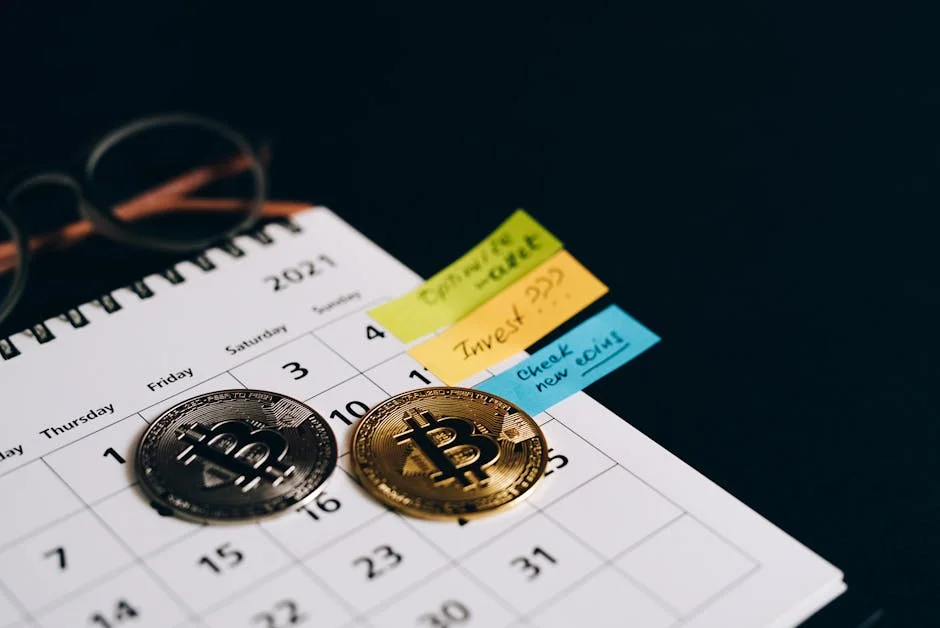
Cryptocurrency exchange apps have become the most common gateway for everyday users to buy, sell, and manage digital assets without needing a desktop trading terminal or specialized hardware. The shift toward mobile-first finance means many people now open an account, complete identity checks, fund a wallet, and place a trade entirely from a phone. That convenience is not just about speed; it reshapes how market access works. A well-designed crypto exchange app can bundle onboarding, custody, market data, trading, and security controls into one interface, allowing beginners to start with small purchases while also giving advanced users access to charting, order types, and portfolio tools. Because these platforms operate at the intersection of finance and software, they are influenced by regulations, cybersecurity risks, and user experience design in equal measure. When evaluating any mobile crypto platform, it helps to recognize that the app is only the visible layer; behind it sits an exchange engine, liquidity relationships, custody arrangements, and compliance workflows that determine pricing, reliability, and safety.
Table of Contents
- My Personal Experience
- Understanding Cryptocurrency Exchange Apps and Why They Matter
- Core Features That Define a Strong Crypto Exchange App
- Security Basics: Protecting Accounts, Devices, and Withdrawals
- Fees, Spreads, and the True Cost of Trading on Mobile
- Liquidity, Execution Quality, and Why Order Types Matter
- Regulation, Compliance, and Regional Availability
- User Experience: Onboarding, Interface Design, and Learning Curves
- Expert Insight
- Funding and Cashing Out: Fiat Rails, Stablecoins, and Transfer Options
- Asset Coverage, Token Listings, and Managing Volatility
- Advanced Capabilities: Margin, Derivatives, Staking, and Earn Programs
- Customer Support, Reliability, and What Happens When Things Go Wrong
- Choosing the Right App: Practical Criteria for Different User Profiles
- Final Thoughts on Using Cryptocurrency Exchange Apps Responsibly
- Watch the demonstration video
- Frequently Asked Questions
- Trusted External Sources
My Personal Experience
I started using cryptocurrency exchange apps last year after a coworker showed me how easy it was to buy a small amount of Bitcoin during a lunch break. At first I stuck to tiny purchases because the price swings made me nervous, and I spent more time learning the interface than actually trading—figuring out the difference between market and limit orders, where the fees showed up, and how to read the basic charts. The biggest “wake-up” moment was when I tried moving coins to a wallet and realized I needed to double-check addresses and network types, because one wrong tap could mean losing the funds. Now I mostly use the app for occasional buys and to set price alerts, and I keep most of my balance off the exchange, but I still appreciate how convenient it is to track everything in one place.
Understanding Cryptocurrency Exchange Apps and Why They Matter
Cryptocurrency exchange apps have become the most common gateway for everyday users to buy, sell, and manage digital assets without needing a desktop trading terminal or specialized hardware. The shift toward mobile-first finance means many people now open an account, complete identity checks, fund a wallet, and place a trade entirely from a phone. That convenience is not just about speed; it reshapes how market access works. A well-designed crypto exchange app can bundle onboarding, custody, market data, trading, and security controls into one interface, allowing beginners to start with small purchases while also giving advanced users access to charting, order types, and portfolio tools. Because these platforms operate at the intersection of finance and software, they are influenced by regulations, cybersecurity risks, and user experience design in equal measure. When evaluating any mobile crypto platform, it helps to recognize that the app is only the visible layer; behind it sits an exchange engine, liquidity relationships, custody arrangements, and compliance workflows that determine pricing, reliability, and safety.
At the same time, cryptocurrency exchange apps vary widely in their goals and business models. Some prioritize simplicity and focus on instant buys, recurring purchases, and a curated list of coins. Others resemble full trading venues with deep order books, advanced charting, and API access for automation. There are also hybrid models that combine brokerage-style “convert” features with traditional exchange markets. The differences matter because they affect spreads, fees, execution quality, and the degree of control you have over your assets. A crypto trading app that makes it easy to tap “buy” may charge a higher spread than a platform that expects you to place limit orders. Likewise, an app that offers yield products, staking, or lending may impose lockups or additional risks. Understanding these trade-offs is essential before you deposit funds. It is also worth noting that the best experience is not always the one with the most features; stability, customer support, transparent fees, and strong security practices often make a bigger difference over time than flashy screens or aggressive promotions.
Core Features That Define a Strong Crypto Exchange App
The most useful cryptocurrency exchange apps share a baseline set of capabilities that directly impact how confidently you can trade and store assets. Account creation and identity verification are foundational, especially for regulated platforms that must comply with anti-money laundering requirements. A streamlined verification flow, clear status updates, and predictable approval times reduce friction and help users understand what personal information is being collected and why. Once inside, funding methods become a major differentiator: bank transfers, card purchases, local payment rails, and stablecoin deposits each come with different fees and settlement speeds. A robust crypto exchange app will present these options clearly and warn you about potential charges, minimums, and processing windows. On the trading side, core order types—market, limit, stop, and sometimes trailing stops—let you manage risk and execution. Even if you mostly use simple buys, having access to limit orders can reduce costs by avoiding wide spreads during volatility.

Beyond basic trading, portfolio visibility and risk controls are what turn an app from a purchase tool into a long-term asset management companion. Real-time balances, performance tracking, cost basis information, and tax-ready transaction histories can save hours later. Alerts for price moves, order fills, and account activity help users respond quickly without constantly watching charts. Many mobile exchange platforms now include educational modules, demo trading, or guided onboarding checklists, which can be valuable if they are accurate and not purely promotional. Another important feature is internal transfers between spot wallets, funding wallets, and margin accounts; the best apps make these movements transparent so users do not accidentally trade with collateral they intended to hold. Finally, customer support access inside the app—ticket submission, chat, and status tracking—matters more than many people expect. When deposits are delayed or withdrawals are flagged for review, responsive support and clear communication can be the difference between a minor inconvenience and a major financial disruption. If you’re looking for cryptocurrency exchange apps, this is your best choice.
Security Basics: Protecting Accounts, Devices, and Withdrawals
Security is the most critical lens for judging cryptocurrency exchange apps because a mobile device is both personal and vulnerable. Strong platforms treat account security as a layered system rather than a single setting. Two-factor authentication should be standard, ideally supporting authenticator apps and hardware security keys rather than relying only on SMS. Device management features—such as viewing logged-in devices, forcing logouts, and restricting access to recognized devices—reduce the risk of unauthorized entry. Many users underestimate how often account takeovers begin with compromised email accounts, reused passwords, or SIM swap attacks. A reliable crypto exchange app will encourage strong password hygiene, provide login alerts, and offer anti-phishing codes that help you verify legitimate emails. Withdrawal protections are equally important. Whitelisting withdrawal addresses, applying time locks to address changes, and requiring additional verification for large withdrawals can significantly limit damage if credentials are stolen.
There is also the question of custody and how the platform stores assets. Some exchange apps custody user funds in a mix of hot wallets for liquidity and cold storage for security. While you may not control these details directly, reputable providers disclose custody practices, audits, and insurance policies with clear limitations. Security is not only about the exchange; your phone matters too. Keeping the operating system updated, using a strong device passcode, enabling biometric locks, and avoiding sideloaded apps reduce exposure to malware. Public Wi‑Fi networks and compromised routers can also increase risk, especially if you are logging in or withdrawing funds. For higher-value accounts, consider dedicating a device to financial apps, minimizing installed software, and using a password manager. Ultimately, cryptocurrency exchange apps should make secure behavior the easiest option, not an advanced setting buried in menus. When an app offers security features but hides them behind confusing navigation or vague descriptions, that friction can translate into real-world losses.
Fees, Spreads, and the True Cost of Trading on Mobile
Cost structures in cryptocurrency exchange apps can be deceptively complex, especially when platforms present “zero commission” marketing while earning revenue through spreads or routing. The most transparent apps separate trading fees from the price you receive, showing maker and taker rates, volume tiers, and any discounts for holding a platform token. If you trade frequently, the difference between 0.10% and 0.40% can be significant over time, and spreads can quietly add even more. A crypto exchange app that offers instant conversions may quote a price that includes a built-in spread, which is effectively a fee even if no commission line item appears. The best way to compare platforms is to look at the final execution price relative to a reference market price at the same moment, then add any explicit fees. Deposit and withdrawal costs also matter: bank transfers may be free but slow, card buys may be fast but expensive, and crypto withdrawals may include network fees plus platform surcharges.
Mobile interfaces can amplify cost confusion because they prioritize simplicity, sometimes at the expense of detail. A clean “buy” screen may hide the order book, limit order options, and fee breakdown, nudging users into more expensive trade paths. Strong cryptocurrency exchange apps allow you to switch between simple and advanced modes and still provide a clear preview of what you will pay and what you will receive. Another area to watch is minimum trade size and rounding. If an app rounds quantities or quotes, small trades can suffer proportionally larger slippage. Additionally, some platforms charge inactivity fees, custody fees for certain services, or higher fees for low-liquidity assets. If you plan to move funds off-platform, check withdrawal minimums and whether the app supports multiple networks for the same asset, such as different chain options for stablecoins. Choosing the wrong network can lead to lost funds or additional bridging costs. A careful fee review is not about being overly cautious; it is about ensuring your trading results reflect market performance rather than hidden friction.
Liquidity, Execution Quality, and Why Order Types Matter
Liquidity is the invisible ingredient that determines whether cryptocurrency exchange apps deliver fair prices and smooth execution, particularly during volatile market conditions. On high-liquidity pairs, the gap between buyers and sellers is typically small, and large orders can be filled without moving the price much. On thin markets, spreads widen and slippage increases, meaning your market order might execute at a worse price than you expect. Many users only notice this when prices move quickly and their trade fills far from the displayed quote. A strong crypto exchange app either has deep native liquidity, aggregates liquidity from multiple venues, or clearly communicates when a particular asset is illiquid. Execution quality is especially important for active traders using mobile devices because reaction times are slower than on desktop, and the app must handle rapid updates without freezing or lagging. If an app struggles under load, you may be forced to chase the market with repeated orders, increasing costs and stress.

Order types are the practical tools that help you control execution and manage downside. Market orders prioritize speed but can be expensive in fast markets. Limit orders let you specify the maximum price you will pay or the minimum price you will accept, which reduces slippage but may not fill. Stop orders and stop-limit orders can automate risk management, though they come with their own pitfalls, such as triggering during brief wicks. Some cryptocurrency exchange apps also offer OCO (one-cancels-the-other), bracket orders, or conditional orders based on indicators—features that can be valuable if implemented clearly. However, complexity is only helpful if the app communicates what will happen in edge cases, such as partial fills or gaps. Another aspect of execution is how the app handles price charts and latency: delayed quotes can lead to mistaken decisions. If the app offers a “best execution” policy, it should be backed by clear disclosures and consistent behavior. Ultimately, liquidity and order tools are not just for professionals; even casual users benefit when their trades execute predictably and transparently.
Regulation, Compliance, and Regional Availability
Regulatory compliance shapes nearly every aspect of cryptocurrency exchange apps, from what assets are listed to how withdrawals are monitored. In many jurisdictions, platforms must collect identity information, monitor transactions for suspicious activity, and comply with sanctions rules. That can feel intrusive, but it also signals that the exchange is operating under a legal framework and may have more robust internal controls. Regional availability is a practical concern: a crypto exchange app might be accessible in one country but restricted in another, or it may offer different features depending on local licensing. For example, margin trading, derivatives, and certain yield products may be prohibited or limited in specific regions. If you travel frequently, you may also encounter login restrictions or additional verification prompts when accessing your account from new locations. Clear communication from the platform about what is supported in your region reduces unpleasant surprises.
Asset listings are another area where compliance influences the user experience. Some cryptocurrency exchange apps take a conservative approach, listing fewer tokens but focusing on those with higher liquidity and clearer regulatory standing. Others list a broader range, which can be appealing but may introduce higher volatility and project risk. It is also important to understand how the platform handles stablecoins, especially if certain issuers face regulatory scrutiny. Compliance affects tax reporting too. Many apps provide downloadable statements, transaction histories, and integrations with tax software, but the quality varies. If you trade frequently, incomplete records can create headaches later. In addition, regulated platforms often implement travel rule solutions for certain transfers, which can add friction to withdrawals and deposits but may become increasingly common. The best approach is to choose mobile exchange platforms that are transparent about licensing, publish clear terms, and provide straightforward explanations for compliance holds. Even if you prefer speed and minimal checks, the long-term reliability of a compliant platform often outweighs the short-term convenience of looser standards.
User Experience: Onboarding, Interface Design, and Learning Curves
User experience is not superficial in cryptocurrency exchange apps; it determines whether you can act accurately under pressure. Onboarding is the first test. A thoughtful app guides users through account creation, identity verification, security setup, and funding in a sequence that reduces mistakes. It should encourage enabling two-factor authentication early and explain why certain permissions are requested. Interface design matters because crypto markets move quickly, and a confusing layout increases the chance of placing the wrong order or selecting the wrong asset. Clear labels, readable numbers, and consistent terminology are essential. Some apps use “buy/sell” while others use “trade/convert,” and the difference can affect fees and execution. If the app offers both simple conversion and advanced trading, it should make the distinction obvious so users understand whether they are placing an order on an order book or accepting an instant quote.
Expert Insight
Before downloading a cryptocurrency exchange app, verify it’s properly regulated where you live and confirm the developer name matches the official exchange. Enable two-factor authentication (preferably an authenticator app), set a strong unique password, and turn on withdrawal address whitelisting to reduce the risk of unauthorized transfers. If you’re looking for cryptocurrency exchange apps, this is your best choice.
Keep costs and execution in check by reviewing the full fee schedule (trading, spreads, deposits/withdrawals) and testing with a small trade first. Use limit orders instead of market orders during volatile periods, and move long-term holdings to a personal wallet rather than leaving large balances on the exchange. If you’re looking for cryptocurrency exchange apps, this is your best choice.
The learning curve can be managed well or poorly depending on how the mobile exchange platform introduces features. Educational tooltips, contextual explanations, and safe defaults help beginners. At the same time, advanced users need fast access to charting tools, depth views, open orders, and trade history. A strong crypto exchange app supports customization, such as setting a default order type, choosing a quote currency, enabling compact views, and configuring alerts. Accessibility also matters: color choices that work for color-blind users, support for dynamic text sizes, and responsive layouts improve usability across devices. Another overlooked aspect is error handling. If a trade fails, a deposit is pending, or a withdrawal is delayed, the app should provide specific reasons and expected timelines rather than generic “try again” messages. Good UX reduces support tickets because it prevents confusion. Over time, the best cryptocurrency exchange apps become predictable: users know where to find critical settings, how to confirm transactions, and how to verify that their actions were completed successfully.
Funding and Cashing Out: Fiat Rails, Stablecoins, and Transfer Options
Funding methods determine how practical cryptocurrency exchange apps are for everyday use. Bank transfers tend to be the most cost-effective, but they can take time depending on local banking rails and cut-off times. Card purchases are fast but usually include higher fees and sometimes additional issuer charges. Some platforms support instant bank funding or open-banking connections, which can improve speed but raise questions about data access and account linking. The best crypto exchange app will present funding options with clear fee breakdowns, processing times, and any limits tied to verification level. It should also warn users about chargeback risks and account restrictions that can follow disputed card transactions. For deposits in crypto, the app must make network selection clear. Sending funds to the wrong chain is one of the most common and costly user errors, especially with stablecoins that exist on multiple networks.
| App Type | Best For | Key Pros | Key Cons | Typical Fees | Notable Features |
|---|---|---|---|---|---|
| Centralized Exchange (CEX) App | Beginners and frequent traders who want speed and liquidity | High liquidity, fast order execution, fiat on-ramps, customer support | Custodial risk, KYC requirements, account freezes possible | Trading fees + deposit/withdrawal fees (varies by tier/volume) | Limit/market orders, recurring buys, staking/earn programs, advanced charts |
| Decentralized Exchange (DEX) App | Self-custody users who want permissionless swaps | No centralized custody, broad token access, on-chain transparency | Network fees, slippage/MEV risk, wallet management complexity | Swap fee + network (gas) fees | Wallet connect, token swaps, liquidity pools, cross-chain bridges (where supported) |
| Brokerage/“Simple Buy” Crypto App | Casual buyers who prioritize ease of use over advanced trading | Very simple UI, quick purchases, often integrated payments | Wider spreads, fewer order types, limited token selection | Spread-based pricing and/or flat service fees | One-tap buys, price alerts, auto-invest, basic portfolio tracking |

Cashing out is equally important and often overlooked until the moment you need it. Withdrawal options may include bank transfers, card payouts, and third-party payment providers. Each has limits, fees, and settlement times. Some cryptocurrency exchange apps apply additional checks to withdrawals, especially after password resets, new device logins, or changes to security settings. While that can feel inconvenient, it is often a sign of sensible risk controls. Stablecoins can function as a bridge between trading and cashing out, particularly in regions where local fiat rails are limited. However, stablecoin withdrawals still require careful network selection and awareness of on-chain fees. Another consideration is withdrawal availability during high-volume periods; some platforms throttle or queue withdrawals when networks are congested or when internal risk systems detect anomalies. A reliable exchange mobile app provides status updates, transaction IDs, and clear guidance if a withdrawal is pending. If you plan to move assets to a personal wallet, test the process with a small amount first. Funding and cashing out are not just logistical steps; they are where transparency, support quality, and operational stability become most visible.
Asset Coverage, Token Listings, and Managing Volatility
Asset selection is a major reason people compare cryptocurrency exchange apps, but more listings do not automatically mean a better platform. A carefully curated list can reduce exposure to illiquid tokens, extreme spreads, and projects with unclear fundamentals. On the other hand, active traders may want access to emerging assets, niche sectors, or multiple stablecoins for liquidity management. The best approach is to choose a crypto exchange app whose listings align with your goals and risk tolerance. If you primarily want to buy well-known assets and hold long term, a smaller set of high-liquidity coins may be ideal. If you trade actively, you may prioritize a platform with a broad market selection, frequent listing updates, and clear disclosures about trading status, such as “limit-only” modes or risk warnings for highly volatile assets.
Volatility management is not just about choosing “safer” coins; it is about using tools and habits that reduce the likelihood of emotional decisions. Many cryptocurrency exchange apps provide price alerts, watchlists, and percentage-change views that help you monitor moves without constant chart watching. Some include recurring buy features that support dollar-cost averaging, which can reduce the stress of timing entries. Others offer risk indicators, news feeds, or market sentiment tools, though these should be treated as supplemental rather than authoritative. If the app supports stablecoins, they can be used as a parking place during uncertain conditions, but stablecoins carry their own risks related to issuer reserves and regulatory constraints. Another aspect of volatility is liquidity during spikes: even major assets can experience rapid spread widening when markets move sharply. A good crypto trading app will still function under load, allow you to cancel and modify orders reliably, and provide clear confirmations. Managing volatility also includes setting realistic expectations. If an app promotes high returns or highlights only winning trades, it may encourage impulsive behavior. The most helpful exchange platforms present balanced information, including risk disclosures and reminders that past performance is not predictive.
Advanced Capabilities: Margin, Derivatives, Staking, and Earn Programs
Many cryptocurrency exchange apps now offer advanced services beyond spot trading, including margin, derivatives, staking, and various earn programs. These features can be useful, but they introduce additional layers of risk that should be understood before activation. Margin trading allows you to borrow funds to increase position size, amplifying both gains and losses. Derivatives such as perpetual futures add complexity through funding rates, liquidation mechanics, and leverage settings. A strong crypto exchange app will present these risks clearly, require explicit opt-in, and provide tools like isolated margin, liquidation price estimates, and risk limits. It should also show how fees work for derivatives, including maker/taker rates and funding payments. For mobile users, the biggest challenge is managing leveraged positions on a small screen, especially during fast moves. If you use these features, alerts, quick position views, and stable app performance are essential.
Staking and earn programs can be appealing because they promise yield on idle assets, but the source of that yield matters. Some platforms provide on-chain staking where rewards come from network protocols, while others offer lending-based yields that depend on counterparties and risk management. Lock-up terms, redemption delays, and variable reward rates should be clearly disclosed. The best cryptocurrency exchange apps separate products by risk category and explain whether rewards are guaranteed, estimated, or variable. They should also provide transparency on how assets are used, what happens during market stress, and whether the platform can halt redemptions. Another consideration is that earn products may have different regulatory treatment depending on region, leading to sudden changes in availability. If you decide to use staking or yield features, treat them as distinct from simple custody and spot trading. A disciplined approach is to start with small allocations, read product terms carefully, and avoid relying on yield products for short-term liquidity needs. Advanced features can enhance a platform, but only when they are paired with strong disclosures, robust risk controls, and reliable customer support.
Customer Support, Reliability, and What Happens When Things Go Wrong
Even the most polished cryptocurrency exchange apps can encounter operational issues, and the true quality of a platform often shows up during problems rather than smooth days. Common pain points include delayed deposits, stuck withdrawals, failed bank transfers, verification loops, and account access issues after device changes. A reliable crypto exchange app provides clear status indicators for deposits and withdrawals, including confirmations, transaction hashes, and expected processing steps. It also offers in-app support channels that are easy to find, with ticket numbers and the ability to upload documents securely. Some platforms provide live chat for urgent issues, while others rely on email-based systems. Response time matters, but so does accuracy. A vague response that repeats generic policy text can be more frustrating than a slower response that actually resolves the issue.

Reliability also includes uptime during high volatility. When markets surge or crash, trading volume can spike, and weaker platforms may slow down or become temporarily unavailable. If you cannot log in, place orders, or cancel positions, the financial impact can be serious. The best cryptocurrency exchange apps invest in scalable infrastructure and communicate transparently during incidents with real-time status pages and incident updates. Another aspect is dispute handling and account restrictions. If an exchange flags activity as suspicious, it may pause withdrawals or request additional verification. While this can protect users, it can also cause stress if communication is poor. Look for platforms that explain holds, provide timelines, and offer a clear escalation path. Finally, consider how the app handles mistakes. If you send funds to the wrong network, many platforms cannot recover them, and support should be honest about that rather than offering false hope. Choosing mobile exchange platforms with strong support, transparent policies, and a track record of stability can significantly reduce the risk that a routine transaction turns into a prolonged disruption.
Choosing the Right App: Practical Criteria for Different User Profiles
Selecting among cryptocurrency exchange apps is easier when you match platform strengths to your personal use case instead of chasing popularity. Beginners often benefit from a crypto exchange app with intuitive onboarding, clear fee previews, limited but reputable asset listings, and strong educational prompts. For this group, features like recurring buys, simple conversions, and straightforward cash-out options can matter more than advanced charting. Active traders tend to prioritize low fees, deep liquidity, multiple order types, fast execution, and reliable uptime. They may also care about advanced features like API keys, price ladder tools, and detailed trade history exports. Long-term holders often focus on security controls, withdrawal whitelists, cold storage practices, and the ability to move assets to self-custody without friction. For them, a stable and transparent platform with predictable policies can be more important than promotional rewards.
It also helps to consider lifestyle and operational factors. If you travel, choose cryptocurrency exchange apps that handle international logins gracefully and provide clear device management. If you expect to deposit and withdraw fiat frequently, focus on strong local banking integration and transparent settlement timelines. If you manage taxes in a complex jurisdiction, prioritize an app with detailed statements, consistent transaction labeling, and export formats compatible with tax tools. Another practical criterion is how the app handles network selection for deposits and withdrawals; clarity here prevents costly errors. Finally, consider the platform’s reputation for handling incidents, its regulatory standing in your region, and the quality of its customer support. A disciplined approach is to test an app with a small amount first: complete verification, make a deposit, place a small trade, and perform a withdrawal. This reveals real-world friction that marketing pages do not show. The “best” platform is the one that fits your risk tolerance, trading frequency, and need for transparency—because cryptocurrency exchange apps are not interchangeable once you have funds and habits tied to a particular ecosystem.
Final Thoughts on Using Cryptocurrency Exchange Apps Responsibly
Cryptocurrency exchange apps can be powerful financial tools when they are chosen carefully and used with disciplined habits. The most important practices are straightforward: enable strong security settings, understand fees and spreads, use appropriate order types, and avoid taking on risks you do not fully understand. Keep records of transactions, verify wallet addresses and networks before sending funds, and treat urgent prompts or unsolicited messages as potential phishing attempts. If you use advanced features like leverage or yield products, separate those decisions from your core holdings and assume that higher returns come with higher risk. Mobile convenience can encourage impulsive trading, so it helps to set personal rules, such as using limit orders for larger trades or pausing before reacting to sudden price moves. A well-run crypto exchange app should make safe behavior easier through clear disclosures, sensible defaults, and responsive support.
Over time, the most satisfying experience with cryptocurrency exchange apps comes from consistency: predictable execution, transparent policies, and reliable access to your funds. Markets will remain volatile, and regulations will continue to evolve, but you can reduce uncertainty by choosing platforms with strong security, clear compliance practices, and a user interface that helps you confirm actions before they become irreversible. Consider keeping only the amount you need for trading on an exchange and moving long-term holdings to a personal wallet when appropriate, while recognizing that self-custody also requires careful key management. The goal is not to find a perfect platform—none exists—but to build a setup that aligns with your needs and reduces avoidable risk. When selected thoughtfully and used responsibly, cryptocurrency exchange apps offer a practical way to participate in digital asset markets while maintaining control over costs, security, and day-to-day usability.
Watch the demonstration video
In this video, you’ll learn how cryptocurrency exchange apps work, what features to look for, and how to compare fees, security, and supported coins. It also covers key steps for getting started—creating an account, verifying your identity, funding your wallet, and placing your first trade—so you can choose an app that fits your goals and risk level.
Summary
In summary, “cryptocurrency exchange apps” is a crucial topic that deserves thoughtful consideration. We hope this article has provided you with a comprehensive understanding to help you make better decisions.
Frequently Asked Questions
What is a cryptocurrency exchange app?
A mobile app that lets you buy, sell, and swap cryptocurrencies—and sometimes store them too—while offering helpful features like real-time price charts, alerts, and different order types. These **cryptocurrency exchange apps** make it easy to manage your trades on the go.
How do I choose a safe crypto exchange app?
When choosing **cryptocurrency exchange apps**, prioritize robust security features like two-factor authentication, withdrawal whitelisting, and cold storage, along with regulatory compliance in your region. Also look for clear, upfront fees, strong liquidity for smooth trades, and a proven track record of reliability.
What fees do cryptocurrency exchange apps charge?
Typical costs on **cryptocurrency exchange apps** include trading fees (maker/taker), the spread between buy and sell prices, deposit and withdrawal charges, and network (gas) fees for on-chain transfers. Some platforms may also add inactivity fees or extra conversion fees depending on how you use the service.
Do I need to complete identity verification (KYC)?
Often yes—many exchanges require KYC to comply with regulations, unlock higher limits, and enable fiat deposits/withdrawals.
Is it safe to keep crypto in an exchange app wallet?
Using **cryptocurrency exchange apps** can be incredibly convenient, but it also means taking on counterparty risk. That’s why many long-term holders eventually transfer their funds to a self-custody wallet, where they—not a third party—control the private keys.
What order types are available in exchange apps?
Most **cryptocurrency exchange apps** let you place standard market and limit orders, while many also include risk-management tools like stop-loss/stop-limit and take-profit. For more experienced traders, some platforms add advanced options such as OCO orders, margin trading, or futures—features that can boost flexibility but come with significantly higher risk.
? Looking for more info about cryptocurrency exchange apps? Follow Our Site for updates and tips!

Trusted External Sources
- Crypto.com Exchange – Apps on Google Play
Crypto.com Exchange is a trusted, secure platform built for advanced crypto traders, offering powerful order tools and a smooth trading experience. Among today’s **cryptocurrency exchange apps**, it lets you trade with confidence on a robust, high-performance exchange designed for serious market activity.
- Crypto.com Exchange – App Store – Apple
Crypto.com Exchange is a trusted, secure platform built for advanced crypto traders who want speed, control, and reliability. As one of today’s leading **cryptocurrency exchange apps**, it offers a powerful order-based trading experience so you can trade with confidence.
- Crypto trading and Bitcoin prices: evidence from a new database of …
Nov 14, 2026 … We study the drivers of crypto trading app adoption using a novel database on the daily use of crypto exchange apps for 95 countries over 2026–22. If you’re looking for cryptocurrency exchange apps, this is your best choice.
- Coinbase: Buy Crypto & Stocks – App Store – Apple
While tracking down your wallet addresses could be more intuitive, this still stands out as one of the best full-service Bitcoin wallet and exchange options available—especially among today’s cryptocurrency exchange apps.
- Coinbase: Buy Crypto & Stocks – Apps on Google Play
Coinbase remains one of the most trusted **cryptocurrency exchange apps**, offering a secure and straightforward way to buy, sell, trade, store, and even stake crypto—all in one place. As the first publicly traded crypto exchange, it’s built a strong reputation for reliability and user confidence.