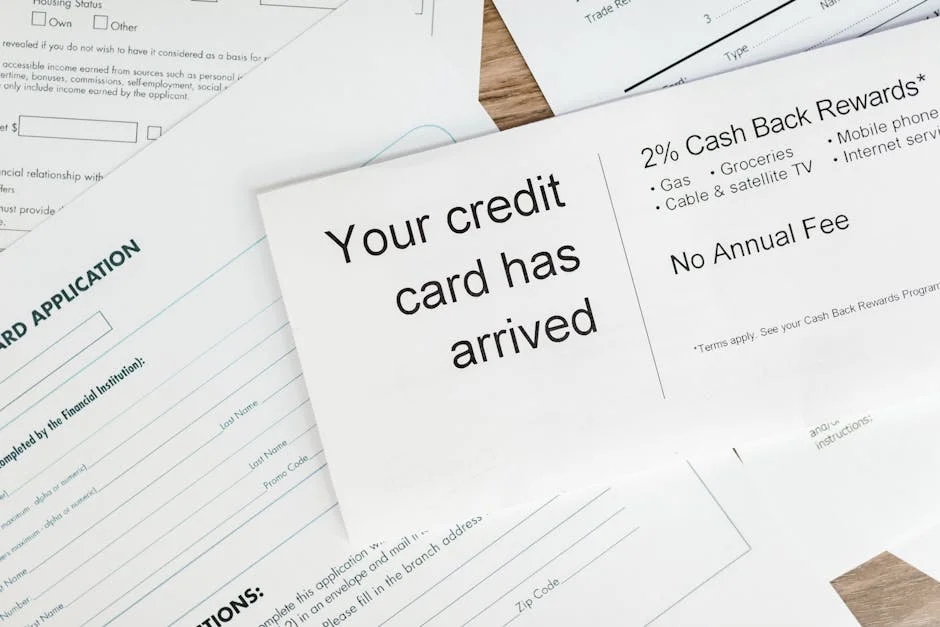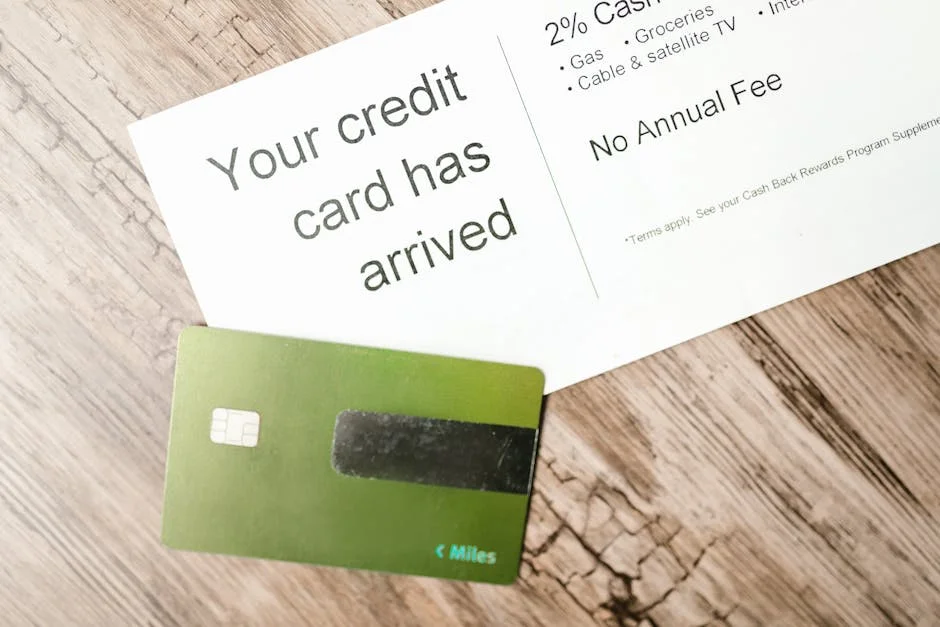
A cashback credit card is designed to return a portion of what you spend back to you as a reward, usually expressed as a percentage of eligible purchases. Instead of earning airline miles or hotel points, you earn cash value that can typically be redeemed as a statement credit, direct deposit, check, or sometimes as gift cards. The appeal is straightforward: you use the card for everyday spending and receive money back, which can reduce your effective cost of purchases. Yet the real value of a cashback credit card depends on how its reward structure aligns with your habits, how the issuer defines eligible spending, and whether the card’s fees and interest policies fit your financial behavior. A flat-rate card might offer the same return on all purchases, while a tiered or category-based card pays higher percentages for specific spending types like groceries, gas, dining, travel, or online shopping. Some cards rotate categories quarterly, requiring activation and attention to maximize the payout.
Table of Contents
- My Personal Experience
- Understanding the Cashback Credit Card Concept and Why It Matters
- How Cashback Rewards Are Calculated: Rates, Categories, and Caps
- Comparing Flat-Rate vs Category-Based Cashback Cards
- Annual Fees, APR, and the Real Cost of Earning Cash Back
- Redemption Options: Statement Credits, Deposits, Gift Cards, and More
- Optimizing Everyday Spending: Groceries, Gas, Dining, and Subscriptions
- Rotating Categories and Limited-Time Offers: Managing Complexity Without Losing Value
- Expert Insight
- Credit Scores, Utilization, and Responsible Use of a Cashback Card
- Cash Back vs Points and Miles: Choosing the Right Reward Currency
- Business Use Cases: Earning Cash Back on Operations, Ads, and Inventory
- Common Pitfalls: Overspending, Reward Devaluation, and Misunderstanding Terms
- Building a Simple Cashback System That Works Long-Term
- Frequently Asked Questions
My Personal Experience
I finally switched to a cashback credit card last year after realizing my old card wasn’t giving me anything back for the same spending. I put my usual groceries, gas, and a couple of recurring bills on it and set up autopay so I wouldn’t carry a balance. After a few months, the rewards added up faster than I expected—nothing life-changing, but enough to cover a small utility bill or knock a bit off my statement. The biggest difference for me was paying attention to the categories; I started timing bigger purchases for the higher cashback months and stopped using the card for things that came with extra fees. It’s not “free money,” but it’s been a simple way to get a little return on expenses I already have.
Understanding the Cashback Credit Card Concept and Why It Matters
A cashback credit card is designed to return a portion of what you spend back to you as a reward, usually expressed as a percentage of eligible purchases. Instead of earning airline miles or hotel points, you earn cash value that can typically be redeemed as a statement credit, direct deposit, check, or sometimes as gift cards. The appeal is straightforward: you use the card for everyday spending and receive money back, which can reduce your effective cost of purchases. Yet the real value of a cashback credit card depends on how its reward structure aligns with your habits, how the issuer defines eligible spending, and whether the card’s fees and interest policies fit your financial behavior. A flat-rate card might offer the same return on all purchases, while a tiered or category-based card pays higher percentages for specific spending types like groceries, gas, dining, travel, or online shopping. Some cards rotate categories quarterly, requiring activation and attention to maximize the payout.
To understand the practical impact, it helps to think of cash back as a rebate on money you were already planning to spend. If a card gives 2% back on $1,000 in monthly purchases, that’s $20 returned—$240 a year—before considering annual fees or missed rewards due to caps and exclusions. Over several years, disciplined use can meaningfully offset expenses. However, rewards are only beneficial when balances are paid in full and on time. Interest charges can quickly outweigh cash back, especially if a card has a high APR and you carry a balance month to month. That’s why the most effective use of a cashback credit card is as a payment tool, not a borrowing tool: you charge predictable expenses, keep utilization reasonable, and pay the statement balance in full. When used carefully, the card becomes a small but consistent financial lever that can help with budgeting, emergency savings, or simply reducing household costs.
How Cashback Rewards Are Calculated: Rates, Categories, and Caps
Cash back may look simple, but the calculation details determine how much value you actually receive. Most issuers define a base earning rate, such as 1% on all purchases, then provide bonus rates in specific categories, such as 3% on dining or 5% on rotating quarterly categories. Some products use a “spend threshold” approach, where you earn a higher rate up to a certain annual or quarterly amount, then revert to a lower rate. Others provide elevated rewards only when you meet conditions, like using the issuer’s portal, selecting a preferred merchant list, or maintaining a connected bank account. When comparing offers, it’s important to read the reward terms to see whether the rate applies to net purchases (after returns), whether it excludes certain transactions, and whether there is a cap on bonus earnings. A cashback credit card can look generous on the surface while limiting high-rate rewards to a relatively small amount of spending.
Caps and exclusions are common. A card might offer 5% back on groceries but only on the first $1,500 per quarter, after which the rate drops to 1%. If your household spends $800 per month on groceries, you would hit the cap quickly and earn less than expected over the quarter. Exclusions can also reduce returns: some issuers exclude wholesale clubs from “grocery” categories, or classify big-box stores differently. Gas purchased at a warehouse club might not count as “gas station” spending, and some online merchants can be coded in unexpected ways. Merchant category codes (MCCs) drive these outcomes, and they are assigned by payment networks and merchants, not by the cardholder. To optimize a cashback credit card, you need to match your spending profile to the card’s categories, understand the caps, and have a backup card for purchases that fall outside the bonus structure. Over time, this approach can significantly increase the overall reward rate without changing what you buy.
Comparing Flat-Rate vs Category-Based Cashback Cards
Choosing between a flat-rate and a category-based cashback credit card often comes down to how much complexity you want and how concentrated your spending is. Flat-rate cards are simple: you earn the same percentage back on nearly everything, often 1.5% to 2% on eligible purchases. This structure is ideal for people who want consistent rewards without tracking categories, activating offers, or carrying multiple cards. Flat-rate options are also useful when your spending is spread across many merchants that don’t neatly fit into bonus categories, such as insurance payments, utilities, medical bills, or professional services. With a flat-rate rewards structure, you can estimate your annual cash back easily and avoid surprises caused by category caps or merchant coding quirks. If your goal is to maintain a low-effort system while still earning meaningful returns, a flat-rate cashback credit card can be a strong foundation.
Category-based cards, on the other hand, can deliver higher returns if your spending aligns with the bonus categories and you’re willing to manage details. Common setups include 3% to 6% back on groceries, 3% on gas, 3% on dining, or 5% on rotating categories like streaming, home improvement stores, or online shopping. These higher rates can outperform a flat-rate card, but only if you consistently spend in the qualifying categories and stay within the bonus limits. Rotating category cards require activation and attention to the quarterly calendar, which can be easy to forget. Additionally, some category-heavy cards come with annual fees, which can be worthwhile if the rewards exceed the fee by a comfortable margin. Many people get the best outcome by combining both styles: use a category-focused cashback credit card for groceries or dining where the return is highest, and keep a flat-rate card for everything else. This blended approach balances simplicity with optimization.
Annual Fees, APR, and the Real Cost of Earning Cash Back
Rewards are only one side of the equation; the costs of a cashback credit card can determine whether you come out ahead. The most visible cost is the annual fee, which might be $0 for many entry-level cards or $95 to $250 (or more) for premium products with stronger rewards and added benefits. A fee can be justified if the card’s bonus categories match your spending and you reliably earn more than the fee each year. For example, if a card charges $95 but consistently earns you $300 in annual cash back compared to your next-best option, the net gain is meaningful. However, if your spending pattern changes or the card’s bonus categories become less relevant, that fee can quietly turn a “good rewards card” into a mediocre one. It’s also important to consider whether the issuer provides offsetting credits, such as streaming credits or grocery credits, and whether you would actually use them without altering your normal spending.
APR is the more dangerous cost because it can erase rewards quickly. If you carry a balance, interest charges can exceed your annual cash back in a single billing cycle, especially with high rates. Even a modest balance of a few thousand dollars can accrue interest that dwarfs the reward earnings. This is why the best strategy for a cashback credit card is to pay the statement balance in full every month, avoid cash advances, and be cautious with “buy now, pay later” temptations that can complicate cash flow. Balance transfer offers and 0% introductory APR periods can be helpful tools for managing existing debt, but they require discipline and a payoff plan. Late fees, penalty APR, and returned payment fees can also reduce the value of rewards. When you evaluate a cashback credit card, treat rewards as a bonus for good payment behavior, not as compensation for expensive borrowing. The most profitable cardholder is the one who uses credit as a convenience and earns rewards without paying interest.
Redemption Options: Statement Credits, Deposits, Gift Cards, and More
Not all cash back is redeemed the same way, and redemption flexibility can impact how useful a cashback credit card is for your goals. Many issuers allow statement credits, which reduce your balance and effectively lower the cost of what you purchased. Others offer direct deposit to a linked bank account, which can be especially valuable if you want to funnel rewards into savings or an emergency fund. Some cards let you redeem for checks, apply rewards to eligible purchases at checkout, or convert cash back into gift cards—sometimes at a discount, which can increase value if you were already planning to shop with that merchant. A few issuers allow redemption into investment accounts, turning everyday spending into a small, steady contribution to long-term goals. When comparing cards, look for minimum redemption thresholds; some require $25 or $50 before you can cash out, while others allow redemption at any amount.
Timing and expiration policies matter too. Certain programs have rewards that never expire as long as the account remains open and in good standing, while others may have expiration dates or may forfeit rewards if the account is closed or delinquent. Some issuers restrict redemption during promotional periods or adjust redemption value depending on how you redeem. For instance, redeeming for travel through a portal may not be relevant if you primarily want cash. Also consider whether the card has a “points masquerading as cash back” model, where rewards are technically points that can be redeemed for cash at a fixed rate. This can be fine, but it’s worth confirming that 1 point truly equals 1 cent for cash redemption. A cashback credit card is most practical when redemption is easy, predictable, and aligned with your financial system. If you want to automate good habits, direct deposit into a high-yield savings account or recurring statement credits can keep rewards from sitting idle. The best redemption method is the one you will actually use consistently without friction.
Optimizing Everyday Spending: Groceries, Gas, Dining, and Subscriptions
Maximizing a cashback credit card often starts with identifying your biggest predictable expenses. For many households, groceries and dining are major categories, followed by gas, utilities, and recurring subscriptions like streaming services, mobile plans, and internet. If your card offers elevated cash back for groceries, you can route most supermarket purchases through it, but you should confirm how the issuer defines “grocery.” Some programs exclude superstores or warehouse clubs, and some exclude online grocery delivery services if the merchant coding doesn’t match. Dining categories can also vary; some cards include fast food, cafes, and delivery services, while others focus on restaurants. Subscriptions are another area where rewards can add up because they are consistent. If a card offers bonus cash back on streaming or digital services, setting those payments on autopay can generate reliable rewards with minimal effort while also building on-time payment history.
Gas and transportation spending can be optimized too, but it’s important to understand how you buy fuel. Purchasing at a traditional gas station often codes correctly, while fuel purchased at a grocery store fuel center or warehouse club might not qualify for “gas” bonuses. If you drive frequently, a higher gas category rate can provide solid returns, but if your fuel spending is low, you might benefit more from a card focused on groceries or a strong flat-rate option. For online shopping, some issuers offer elevated cash back through shopping portals or targeted merchant offers, which can stack with category rewards in certain cases. The key is to avoid changing your lifestyle purely for rewards; instead, align your existing spending with the best earning structure. A cashback credit card is most effective when it quietly rewards the purchases you already make, rather than encouraging extra spending. Tracking your monthly categories for a few months can reveal where you should prioritize bonus categories and where a flat-rate fallback card will keep your overall return high.
Rotating Categories and Limited-Time Offers: Managing Complexity Without Losing Value
Rotating category cards can deliver some of the highest reward rates available on a cashback credit card, often around 5% back in categories that change every quarter. The trade-off is management: you usually must activate the category each quarter, and the bonus rate may apply only up to a spending cap. If you forget to activate, you might earn only the base rate, which can be disappointing. If you exceed the cap, the extra spending earns less. To make rotating categories work, it helps to set reminders at the start of each quarter and plan which expenses can be routed through the card. For example, if the quarter includes home improvement stores and you know you’ll be buying appliances or doing seasonal maintenance, you can time those purchases to capture the higher rate. If the quarter includes grocery stores or digital wallets, you can shift regular spending accordingly.
| Feature | Cashback Credit Card | Travel Rewards Card | Low-Interest Card |
|---|---|---|---|
| Best for | Everyday spending with simple, flexible rewards | Frequent travelers seeking points/miles and travel perks | Carrying a balance or financing large purchases |
| How you earn | Flat-rate or category-based cash back (e.g., groceries, gas) | Points/miles, often boosted on travel/dining | Typically minimal rewards; focus is on lower APR |
| Key trade-offs | Category caps/rotations may limit earnings; higher APR if you carry a balance | Redemption value varies; may require travel portals or blackout rules | Less value if you pay in full and want rewards; promos may be time-limited |
Expert Insight
Match your cashback credit card to your real spending: choose a card that pays the highest rate in the categories you use most (groceries, gas, dining), then set calendar reminders to activate rotating categories or update your preferred category each quarter.
Protect your rewards from fees and interest: pay the statement balance in full every month, and redeem cashback on a set schedule (monthly or when you hit a threshold) so rewards don’t expire or get overlooked—especially if the card has redemption minimums. If you’re looking for cashback credit card, this is your best choice.
Limited-time offers and merchant-specific deals can further increase returns, but they can also be distracting. Many issuers provide “add and save” offers that require you to opt in, then earn extra cash back at specific retailers. These promotions can be valuable if they match your existing shopping, but less beneficial if they tempt you into unnecessary purchases. Another complexity is how these offers interact with base and category rewards. Some stack on top of normal earnings, while others replace them. It’s worth reading the terms so you understand the total effective rate. A practical system is to keep one primary cashback credit card for your largest everyday category (like groceries or dining), one flat-rate card for everything else, and optionally a rotating category card for quarters where the categories align with your planned spending. This approach captures high-value opportunities without forcing you to juggle too many rules. Complexity should serve your budget, not the other way around.
Credit Scores, Utilization, and Responsible Use of a Cashback Card
A cashback credit card can be a helpful tool for building and maintaining credit when used responsibly. Payment history is a major factor in credit scoring, and consistently paying on time supports a strong profile. Another key factor is credit utilization, which compares your balances to your available credit. Even if you pay in full each month, a high balance reported at statement closing can temporarily raise utilization and potentially lower your score. To manage this, some people make multiple payments throughout the month or pay down balances before the statement date. This can be especially useful if you use your card heavily for expenses to maximize cash back. Keeping utilization modest can help when you plan to apply for a mortgage, auto loan, or another card. It also reduces the risk of accidentally carrying a balance and paying interest.
Responsible use also means understanding how issuers handle disputes, chargebacks, and fraud. Credit cards generally provide strong consumer protections compared to debit cards, and using a cashback credit card for online purchases can add a layer of security. Still, you should review statements regularly, use alerts for large purchases, and keep your account credentials secure. Another aspect is avoiding cash advances, which often carry immediate interest and fees and typically do not earn rewards. Similarly, some transactions like peer-to-peer payments, gambling, or certain financial services may be treated as cash-like transactions and excluded from cash back. A good rewards strategy relies on predictable, eligible purchases and consistent payoff habits. If you treat the card as part of a broader financial routine—budgeting, timely payments, and careful spending—you can earn cash back while strengthening credit. If you treat it as a way to stretch spending beyond your means, rewards become irrelevant compared to interest and fees.
Cash Back vs Points and Miles: Choosing the Right Reward Currency
Cash back is often considered the most flexible reward type because it has a clear value and can be used for any expense. Points and miles can sometimes deliver outsized value when redeemed strategically for travel, but they also come with complexity, blackout dates, devaluations, and redemption restrictions. A cashback credit card avoids much of that uncertainty. If your priorities include reducing monthly bills, building savings, or keeping rewards simple, cash back is usually a strong match. It also works well for people who don’t travel frequently or who prefer to book travel based on price rather than loyalty programs. The transparency of cash back makes it easier to compare cards: 2% back is 2% back, whereas “2x points” can vary in value depending on redemption options.
That said, there are situations where points or miles could be better, especially for frequent travelers who can redeem for premium flights or high-value hotel stays. The decision often comes down to your willingness to manage programs and your ability to redeem consistently. If you earn points but rarely redeem them, their practical value can be low. If you earn cash back, redemption is usually straightforward. Some people use a hybrid strategy: a cashback credit card for daily expenses and a travel card for travel-specific spending. Others prefer to keep everything in cash back to avoid tracking multiple programs. The best approach is the one that you will sustain year after year. Rewards are not just about maximum theoretical value; they are about realized value after considering fees, effort, and your lifestyle. For many households, cash back remains the most reliable and easiest reward currency to turn spending into tangible savings.
Business Use Cases: Earning Cash Back on Operations, Ads, and Inventory
A cashback credit card can be useful not only for personal spending but also for business expenses, whether you are a freelancer, contractor, or small business owner. Many businesses have high recurring costs—software subscriptions, shipping, office supplies, inventory, fuel, and advertising—that can generate significant rewards. If your card offers elevated cash back for online advertising, internet services, or office supply stores, those categories can produce meaningful returns without changing how you operate. Even a flat-rate card can be valuable for business expenses that don’t fit neat categories, such as vendor invoices, professional services, or equipment purchases. The key is to ensure that the card’s terms allow business use and that your accounting remains clean. Separating business and personal spending on different cards can simplify bookkeeping and make tax time easier, especially when you need to categorize expenses accurately.
Cash flow management matters even more for business use. A business may have irregular revenue cycles, and carrying a balance can be tempting during slower months. But interest costs can quickly erase the benefits of cash back. A disciplined system—setting aside revenue for taxes, paying statements in full, and using the card for planned expenses—helps keep rewards positive. Another consideration is employee cards: some issuers allow additional cards for team members with spending limits and centralized reporting. This can help you earn cash back on distributed spending while maintaining oversight. Also pay attention to purchase protections, extended warranties, and dispute resolution features, which can be valuable when buying equipment or dealing with supplier issues. When used strategically, a cashback credit card becomes a small operational advantage: it reduces effective costs, improves tracking, and can provide short-term payment float without interest if you pay on time.
Common Pitfalls: Overspending, Reward Devaluation, and Misunderstanding Terms
The biggest pitfall with any cashback credit card is overspending. Rewards can create a subtle psychological nudge to buy more, especially when marketing emphasizes high percentages or limited-time deals. But earning 3% back is not a discount if you buy things you wouldn’t have purchased otherwise. Another common issue is misunderstanding eligibility rules. Some transactions do not earn rewards, including cash advances, wire transfers, certain gift card purchases, money orders, and other cash-equivalent items. Returns and chargebacks can also reverse previously earned cash back. Additionally, some issuers may adjust category definitions over time or change reward structures, which can reduce the value you expected. While cash back is generally stable compared to points programs, it’s still subject to issuer policies and program updates.
People also lose value by ignoring redemption thresholds, letting rewards sit unused, or missing activation steps on rotating category cards. Another subtle pitfall is failing to consider opportunity cost: if you have a card earning 5% in a category but you consistently forget to use it, you may effectively earn less than if you used a simple 2% flat-rate card everywhere. Late payments are particularly damaging because they can trigger fees, penalty APR, and credit score harm, none of which are offset by cash back. Finally, some consumers open multiple cards for sign-up bonuses without a plan, which can lead to missed payments and scattered spending that is hard to track. The safest approach is to pick a cashback credit card structure you can manage easily, automate payments where possible, and review statements monthly. Rewards should complement financial stability, not complicate it. When you focus on clarity and consistency, cash back remains a dependable benefit rather than a source of mistakes.
Building a Simple Cashback System That Works Long-Term
A sustainable rewards setup is usually better than a complicated one, even if the complicated approach promises slightly higher returns. A good long-term system often starts with one primary cashback credit card that matches your largest spending category, plus a flat-rate card as a universal backup. If groceries are your biggest monthly expense and you have a card offering strong grocery cash back, make that your default for supermarket purchases. If dining is your main category, prioritize a dining-focused card. Then use the flat-rate card for everything else: utilities, insurance, medical copays, school expenses, and miscellaneous shopping. This structure is easy to remember and reduces the chance of using the “wrong” card. It also helps you estimate your annual rewards more reliably, which is useful if you want to apply cash back to a specific goal like holiday spending or an emergency fund.
Automation can make the system effortless. Set up autopay for at least the statement balance, and consider paying weekly or biweekly if that fits your budgeting style and helps keep utilization lower. Use account alerts for large transactions and due dates to avoid late fees. Periodically review whether your spending patterns have shifted; a new commute, a change in grocery habits, or increased subscription costs can change which cashback credit card is optimal. Also review whether an annual fee still makes sense, especially after the first year when introductory offers end. Keep your approach grounded: the purpose of cash back is to reduce costs on spending you already control. When you treat rewards as a steady rebate and not as a reason to purchase more, the benefits compound over time. A well-chosen cashback credit card, used consistently and paid in full, can quietly return hundreds of dollars a year while supporting strong financial habits.
Summary
In summary, “cashback credit card” is a crucial topic that deserves thoughtful consideration. We hope this article has provided you with a comprehensive understanding to help you make better decisions.
Frequently Asked Questions
What is a cashback credit card?
A cashback credit card returns a percentage of your eligible purchases as cash rewards, usually as a statement credit, bank deposit, or check.
How is cashback calculated and paid out?
With a **cashback credit card**, you usually earn a fixed percentage back on each purchase—often around 1% to 5%—once the transaction posts to your account. Depending on the issuer, you may need to reach a minimum rewards balance before redeeming, or your cashback might be automatically credited on a monthly schedule.
What’s the difference between flat-rate and category cashback cards?
Flat-rate cards give you the same rewards percentage on nearly every purchase, while category cards offer boosted earnings in select areas—like groceries, gas, or dining—sometimes through rotating categories. Choosing the right **cashback credit card** depends on whether you prefer consistent rewards or want to maximize returns in the categories where you spend the most.
Do cashback cards have limits or restrictions?
Many **cashback credit card** offers come with limits on top-earning categories, specific exclusions (like cash advances and certain fees), and may even cut your rewards if you pay late or if you’re in a promotional period with special terms.
Is it worth paying an annual fee for a cashback credit card?
It can be worth it if the rewards you expect to earn each year—especially from the bonus categories on your **cashback credit card**—add up to more than the annual fee, making the extra value outweigh the cost.
How can I maximize cashback rewards?
To get the most out of a **cashback credit card**, match each purchase to the card that earns the highest rate in that category, remember to activate any rotating bonus categories when needed, pay your balance in full every month to avoid interest, and redeem your rewards in the way that gives you the best overall value.
📢 Looking for more info about cashback credit card? Follow Our Site for updates and tips!