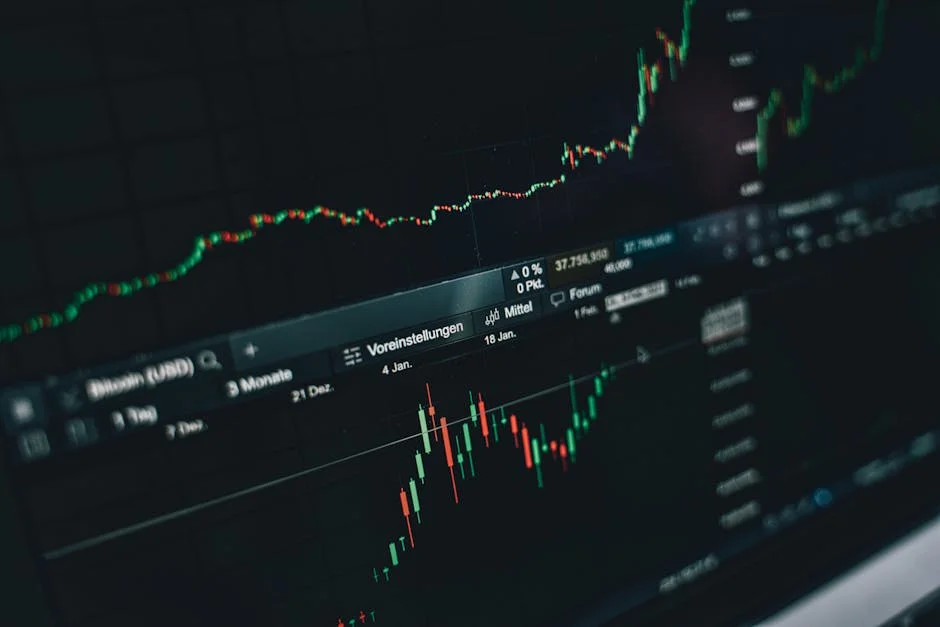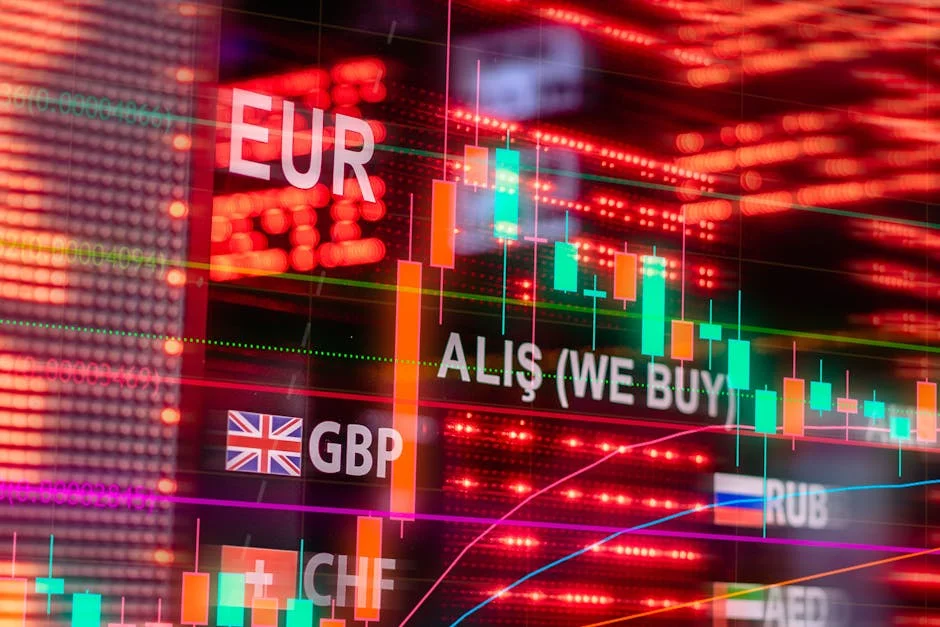
Day trading forex vs stocks is a comparison that quickly becomes less about which market is “better” and more about which market structure fits a trader’s temperament, schedule, and risk controls. Both arenas allow short-term speculation, both can be traded with technical analysis, and both demand strict discipline. Yet the mechanics under the hood differ: forex is a decentralized, dealer-driven market built around currency pairs and global liquidity cycles, while stocks are centralized on exchanges with listed companies, corporate actions, and a deep ecosystem of news catalysts. Those differences change how spreads behave, how orders fill during fast moves, how leverage works, and how a trader should interpret volume, volatility, and “market hours.” If the goal is to take intraday trades with defined entries and exits, the daily rhythm matters too. Forex can be active around the clock during weekdays, whereas stocks concentrate their most meaningful volatility around the cash session and key events like the open, earnings releases, and macro data.
Table of Contents
- My Personal Experience
- Understanding Day Trading Forex vs Stocks at a High Level
- Market Structure and How It Changes Trade Execution
- Liquidity, Volatility, and Typical Intraday Opportunities
- Trading Hours, Session Behavior, and Lifestyle Fit
- Costs: Spreads, Commissions, Financing, and Hidden Friction
- Leverage, Margin Rules, and Risk of Ruin
- Strategy Fit: Scalping, Momentum, Mean Reversion, and News Trading
- Tools, Data, and What “Volume” Really Means
- Expert Insight
- Regulation, Counterparty Risk, and Broker Considerations
- Psychology and the “Speed” of Decision-Making
- Comparison Table: Forex vs Stocks for Day Traders
- Risk Management Differences: Stops, Gaps, and Event Risk
- Learning Curve and Skill Transfer Between Markets
- Building a Practical Decision Framework for Your First Market
- Closing Perspective: Choosing Between Day Trading Forex vs Stocks
- Watch the demonstration video
- Frequently Asked Questions
- Trusted External Sources
My Personal Experience
I started day trading stocks first because it felt more familiar, but I kept getting chopped up by the open—one headline or a random spike in volume would blow through my stop before the move even picked a direction. When I switched to forex, I liked that the majors were usually more liquid and the spreads were predictable during London and New York, so my entries felt cleaner and I wasn’t fighting halts or weird premarket gaps. The downside was that leverage tempted me to oversize, and a slow grind against my position could hurt just as much as a fast stock dump. After a few months of tracking results, I realized I did better treating forex like a schedule-based job—only trading specific sessions—while I kept stocks for a couple of high-conviction setups and avoided the noisy open. If you’re looking for day trading forex vs stocks, this is your best choice.
Understanding Day Trading Forex vs Stocks at a High Level
Day trading forex vs stocks is a comparison that quickly becomes less about which market is “better” and more about which market structure fits a trader’s temperament, schedule, and risk controls. Both arenas allow short-term speculation, both can be traded with technical analysis, and both demand strict discipline. Yet the mechanics under the hood differ: forex is a decentralized, dealer-driven market built around currency pairs and global liquidity cycles, while stocks are centralized on exchanges with listed companies, corporate actions, and a deep ecosystem of news catalysts. Those differences change how spreads behave, how orders fill during fast moves, how leverage works, and how a trader should interpret volume, volatility, and “market hours.” If the goal is to take intraday trades with defined entries and exits, the daily rhythm matters too. Forex can be active around the clock during weekdays, whereas stocks concentrate their most meaningful volatility around the cash session and key events like the open, earnings releases, and macro data.
When weighing day trading forex vs stocks, it helps to separate the decision into practical categories: access and costs, product design, volatility patterns, and the regulatory environment. Forex pricing is typically quoted with a spread and sometimes a commission, and the product is inherently leveraged because a small move in a currency pair can be magnified by position sizing. Stocks tend to offer more transparent exchange prints, a different set of fees, and a more intuitive narrative for many traders—companies have fundamentals, sector flows, and earnings seasons that can generate repeatable intraday setups. At the same time, forex day trading can be attractive for those who want consistent liquidity in major pairs, fewer “gap” surprises during the session, and the ability to trade around global macro releases. Each market can reward skill, but each also punishes sloppy risk management. The most useful mindset is to treat day trading forex vs stocks as a fit assessment: which market’s volatility, costs, and schedule align with the strategy you can execute consistently.
Market Structure and How It Changes Trade Execution
Day trading forex vs stocks often comes down to the difference between a decentralized over-the-counter network and a centralized exchange model. In forex, most retail traders access liquidity through a broker that aggregates quotes from liquidity providers. That means the “market” you see is mediated: spreads can widen in thin conditions, and execution quality depends on the broker’s routing, liquidity relationships, and risk model. During major macro releases, a currency pair can move rapidly and the displayed price can change multiple times in a second, producing slippage even with careful order placement. In stocks, the exchange environment is more standardized. Quotes and prints are consolidated, and order types are defined by exchange rules. This does not eliminate slippage—fast markets still slip—but it changes the feel of execution, especially for traders who rely on level 2, time-and-sales, and visible liquidity on the book. The presence of auctions (open and close), circuit breakers, and exchange halts also creates unique intraday dynamics that do not exist in the same way in spot forex.

Execution also affects how you design entries and stops when evaluating day trading forex vs stocks. Forex traders often use stop-loss orders that must account for spread fluctuations and occasional “stop hunts” that are really just liquidity sweeps during news. The absence of a single official tape makes volume analysis less direct; many forex platforms show tick volume, which can still be useful but is not identical to exchange volume. Stock traders, by contrast, can incorporate real volume, relative volume, and order flow tools, which can support certain day trading styles like momentum scalping or VWAP-based mean reversion. However, stock execution can be complicated by borrow availability for shorts, hard-to-borrow fees, and the reality that some names are simply illiquid outside the most active tickers. In practice, the best approach is to align execution expectations with product characteristics: forex tends to be smoother in major pairs during normal conditions, while stocks can offer extremely clean order book signals in liquid large caps and ETFs, but may also have more abrupt event-driven spikes and halts.
Liquidity, Volatility, and Typical Intraday Opportunities
Liquidity and volatility shape what “good” day trading looks like, and day trading forex vs stocks highlights two distinct profiles. Major forex pairs such as EUR/USD, USD/JPY, and GBP/USD typically have deep liquidity during overlapping global sessions, often resulting in tight spreads and continuous two-way flow. This can be ideal for strategies that depend on small, repeatable moves: range trading around session highs/lows, break-and-retest patterns, or momentum bursts around scheduled economic data. Volatility in forex often clusters around macro events—central bank decisions, inflation reports, employment data—and around session transitions like London open and New York open. The moves can be sharp, but there is also a sense of “macro gravity,” where price frequently respects well-watched levels due to institutional positioning, hedging flows, and options-related pinning near expiries.
In day trading forex vs stocks, stock volatility often feels more “idiosyncratic,” because it is tied to company-specific news: earnings, guidance, mergers, analyst upgrades/downgrades, product announcements, and sector rotations. That creates a different kind of intraday opportunity: a stock can trend strongly for hours on a single catalyst, offering multiple pullback entries, or it can mean-revert violently after an overreaction. Liquidity varies dramatically by ticker, which is both a risk and an edge. A liquid ETF or mega-cap can trade with tight spreads and predictable fills, while a small-cap momentum stock can have wide spreads, fast tape, and sudden liquidity holes. This variability means stock day traders often maintain a watchlist and filter by volume, float, and news. Forex day traders may focus on a smaller set of pairs and become specialists in how each pair behaves. Choosing between the two is less about which one moves and more about whether you prefer macro-driven rhythms with relatively consistent liquidity (forex) or catalyst-driven bursts with a broader menu of instruments (stocks).
Trading Hours, Session Behavior, and Lifestyle Fit
One of the most practical differences in day trading forex vs stocks is the clock. Forex trades 24 hours a day from Monday through Friday, with activity rotating through Asia, Europe, and North America. This can be a major advantage for traders who cannot be at screens during the U.S. cash session, because there are legitimate opportunities during London open or the London–New York overlap. It also allows you to choose a consistent “shift” that matches your energy and routine. That said, not all hours are equal: spreads can widen during rollover, liquidity can thin in late U.S. afternoon, and some pairs are more active during specific sessions (for example, JPY pairs often move more during Asia, while EUR and GBP pairs come alive in Europe). A forex day trader often benefits from building a schedule around the best liquidity windows and around the economic calendar.
Stocks, in contrast, have a concentrated period of high-quality movement during the regular trading session, with additional opportunities pre-market and after-hours that come with different liquidity and risk. Many day traders focus on the first 60–120 minutes after the open, midday mean reversion, and the final hour into the close. This structure can be lifestyle-friendly if you want a defined workday, but it can be restrictive if your availability doesn’t align with the market open. When comparing day trading forex vs stocks, consider how session behavior affects your strategy. If you rely on opening range breakouts, stocks naturally support that framework because the open is a major liquidity event. If you prefer steady intraday ranges and clearly defined session highs/lows, forex offers repeated “opens” across the day. The best choice is the one where you can consistently show up, execute, and review—because consistency of process often matters more than the market itself.
Costs: Spreads, Commissions, Financing, and Hidden Friction
Costs can quietly determine whether a day trading method is viable, and day trading forex vs stocks reveals different types of friction. In forex, the spread is often the primary explicit cost, sometimes paired with a commission on “raw spread” accounts. Major pairs can be very cheap during peak liquidity, but spreads can widen during news, low-liquidity hours, and around daily rollover. Additionally, forex positions held past rollover incur swap or financing charges (positive or negative), which may not matter for pure intraday trading but can matter if trades occasionally extend. Another cost is slippage, which tends to increase when markets gap between quotes during fast releases. A strategy that targets only a few pips must account for these realities; otherwise, the edge can be consumed by spread and execution variance. Because many retail forex accounts use high leverage, the psychological cost of drawdowns can also be higher if position sizing is not conservative.

For stocks, commissions at many brokers are low or zero for U.S. listed equities, but other costs appear: exchange fees, SEC/FINRA fees on sells, and potential routing quality issues that affect fills. For active day traders, the bid-ask spread and market impact can still be meaningful, especially in less liquid names. Short selling introduces additional costs such as stock borrow fees and the risk of locate constraints. Corporate actions and trading halts can also produce unexpected outcomes. In day trading forex vs stocks, it is useful to think of costs as “predictable” versus “state-dependent.” Forex spreads are usually predictable in normal conditions but can change abruptly around news. Stock costs are often low in liquid names but can spike in small caps or during volatility events. The most robust approach is to track real, after-cost performance: record entry/exit, spread at execution, slippage, and any fees. That data-driven view often reveals which market truly supports your strategy.
Leverage, Margin Rules, and Risk of Ruin
Leverage is a defining factor in day trading forex vs stocks because it changes the speed at which small errors become large losses. Retail forex often offers substantial leverage, allowing traders to control large notional exposure with a small margin deposit. This can be beneficial for capital efficiency, but it also increases the risk of overtrading and of hitting margin calls during normal volatility. A currency pair can move a fraction of a percent and still create a meaningful P&L swing when leveraged. As a result, forex day traders must be meticulous about position sizing, stop placement, and maximum daily loss limits. It is not enough to “feel” that a stop is reasonable; the risk in dollars must be small enough that a sequence of losses does not impair decision-making. Because forex is quoted in pairs, risk calculations also involve pip values, quote currency, and contract sizes, which must be understood before scaling up.
In stocks, margin rules depend on jurisdiction and broker policy. In the U.S., pattern day trader rules can require a minimum equity threshold for frequent day trading, and intraday leverage may differ from overnight leverage. This can constrain smaller accounts but also reduce the temptation to use extreme leverage. When comparing day trading forex vs stocks, it is helpful to view leverage as a tool rather than a feature. A trader with a strong edge might use modest leverage to improve capital efficiency, while a developing trader may prefer a lower-leverage environment to reduce the risk of ruin. Stocks also carry gap risk, particularly overnight, but day traders who close positions by the end of the session can limit that exposure. Forex generally has fewer session gaps during the week, but weekend gaps can occur, and sudden macro headlines can cause sharp repricing. The common thread is that leverage magnifies both skill and mistakes; whichever market you choose, build a risk framework that survives the inevitable losing streaks.
Strategy Fit: Scalping, Momentum, Mean Reversion, and News Trading
Different strategies “fit” differently in day trading forex vs stocks. Forex is often associated with scalping and short-term technical setups because major pairs can trade within well-defined intraday ranges and respect key levels during liquid hours. Scalpers may target small moves, using tight stops and frequent trades, especially during the London–New York overlap. Breakout traders might focus on session range expansion, trend continuation after a pullback, or volatility bursts around scheduled releases. Mean reversion can also work in forex when price deviates from intraday value areas and then reverts, particularly in calmer periods. However, news trading in forex is a specialized skill; spreads and slippage can erase theoretical edge, and the market can whipsaw before choosing direction. Many successful forex day traders treat news as a volatility trigger but wait for post-release structure before entering.
Stocks, by contrast, offer a broad set of intraday playbooks because each ticker can have its own catalyst. Momentum trading around earnings gaps, pre-market breakouts, and high relative volume moves is common. VWAP and anchored VWAP frameworks can support both trend and mean reversion approaches, and the availability of real volume helps confirm participation. Small-cap momentum can produce outsized intraday percentage moves, but it comes with higher execution risk and the possibility of halts. Large-cap and index ETF trading can be smoother, often responding to macro data and index flows in a way that resembles forex but with clearer exchange volume. In day trading forex vs stocks, your choice may depend on whether you prefer a smaller universe with repeatable behavior (a handful of forex pairs) or a larger universe where you scan for the best setup of the day (stocks). Both can work, but each demands a different research and preparation routine.
Tools, Data, and What “Volume” Really Means
Tooling matters because it shapes how you read the market, and day trading forex vs stocks highlights a major distinction: volume transparency. In spot forex, there is no centralized exchange volume. Many platforms display tick volume, which measures how often price updates, and it can correlate with activity but is not the same as actual traded volume. Forex traders therefore tend to emphasize price action, market structure, support/resistance, and indicators derived from price. Some also use futures data (like currency futures) as a proxy for volume, or they incorporate options-related levels and positioning reports for a macro overlay. Economic calendars, central bank schedules, and yield differentials can be more central to the daily plan than they are for many stock day traders. Execution tools—like one-click trading, bracket orders, and partial take-profits—are especially important in forex because moves can be fast and stops may be tight.

Expert Insight
Match the market to your schedule and cost structure: forex often offers tighter spreads and near-24-hour liquidity, while stocks can have clearer catalysts but higher per-trade friction (commissions, wider spreads on small caps). Before choosing, compare your broker’s typical spread/fees during your trading hours and paper-test one setup in each market for 20–30 trades to see which delivers more consistent execution and slippage. If you’re looking for day trading forex vs stocks, this is your best choice.
Adjust risk controls to each market’s behavior: in forex, size positions using pip value and volatility (e.g., ATR) and always define a hard stop to avoid leverage-driven drawdowns; in stocks, plan around market open/close volatility and news halts by using limit orders and avoiding oversized positions in low-float names. Keep a simple rule—risk a fixed dollar amount per trade and stop trading after a daily loss limit—to prevent one bad session from erasing a week of gains. If you’re looking for day trading forex vs stocks, this is your best choice.
In stocks, the availability of consolidated tape data, time-and-sales, and level 2 order book information can be a significant advantage for certain day trading styles. Relative volume, volume at price, and order flow tools can help identify when an apparent breakout is supported by participation. News feeds and scanners are also central: many stock day traders rely on real-time headlines to understand why a ticker is moving and whether the move has “legs.” When comparing day trading forex vs stocks, consider the data you trust and the tools you enjoy using. If you prefer clean chart-based decision-making with a small set of instruments, forex can be appealing. If you prefer combining chart structure with volume confirmation and catalyst analysis across many tickers, stocks may feel more natural. Either way, the key is to avoid tool overload: select a small toolkit that supports consistent execution and measurable review.
Regulation, Counterparty Risk, and Broker Considerations
Regulation and counterparty dynamics are often overlooked in day trading forex vs stocks, yet they directly affect safety and execution. Forex is typically broker-centric: you trade through a broker who may be acting as agent, principal, or market maker depending on the model. That means broker quality, regulation, and transparency matter. Traders should pay attention to how spreads are formed, whether commissions are clear, how negative balance protection works, and what happens during extreme volatility. Strong regulation can reduce certain risks, but it does not eliminate them. The practical takeaway is to choose a well-capitalized, reputable broker, understand the account agreement, and test execution in a demo or small live account before scaling. Because forex is global, regulatory standards vary widely; the same product can be offered under very different protections depending on where the account is opened.
| Aspect | Day Trading Forex | Day Trading Stocks |
|---|---|---|
| Market hours & liquidity | 24/5 global market with deep liquidity in major pairs; frequent price movement across sessions. | Exchange hours (typically local session); liquidity varies widely by ticker, with most activity near open/close. |
| Leverage & capital requirements | Often higher leverage available via brokers; smaller accounts can control larger positions (higher risk). | Lower leverage for most retail traders; pattern day trader rules may require higher minimum equity in some regions. |
| Costs & execution | Usually spread-based pricing (plus possible commissions); execution can be fast but sensitive to news-driven slippage. | Often commission-free or low commissions; costs include spreads, fees, and potential slippage—especially in small caps. |
Stocks trading is generally more standardized through regulated exchanges and clearing systems, but broker quality still matters—especially for active day traders who need stable platforms, reliable routing, and accurate market data. Stock traders also face rules around short selling, trade reporting, and settlement, and they may be impacted by restrictions during volatile events (for example, temporary short sale constraints or heightened margin requirements). In day trading forex vs stocks, counterparty risk tends to feel more direct in forex because pricing and execution are more dependent on the broker’s liquidity setup. In stocks, the primary risks shift toward market microstructure events like halts, opening/closing auctions, and liquidity gaps in less traded names. A prudent trader evaluates not just the market, but the entire trading stack: broker regulation, platform stability, data quality, and the clarity of fee and margin policies.
Psychology and the “Speed” of Decision-Making
Psychology can be the deciding factor in day trading forex vs stocks because each market creates different emotional triggers. Forex often encourages frequent engagement: with 24-hour access and tight spreads in major pairs, it can be tempting to trade too often, chase small moves, or “make something happen” during slow periods. The constant availability can blur boundaries between trading time and personal time, which increases fatigue and impulsive decisions. Additionally, leverage can make small chart fluctuations feel personally significant. A forex day trader benefits from strict session boundaries, a limited set of setups, and a rule-based approach to avoid overtrading. Because macro releases can cause sudden spikes, traders also need emotional readiness to sit out events when conditions are not favorable, rather than gambling on the headline.
Stocks can trigger a different psychological pattern: fear of missing out on the “stock of the day.” Because there are many tickers and news catalysts, a trader may jump between charts, abandon a plan, or take subpar entries in fast-moving names. The open can be hectic, and the tape can accelerate quickly, rewarding preparation but punishing hesitation. In day trading forex vs stocks, the psychological question is whether you thrive in a focused environment with a few instruments (often forex) or in a scanning environment where you must quickly filter opportunities (often stocks). Both require patience, but patience looks different: forex patience may mean waiting for a pair to reach a level during your chosen session; stock patience may mean waiting for the right ticker with the right catalyst and the right volume. The best market is the one where your psychology aligns with the pace of decision-making, so you can execute without forcing trades.
Comparison Table: Forex vs Stocks for Day Traders
Choosing between day trading forex vs stocks becomes easier when you compare the most practical features side by side. The table below summarizes how each market typically looks from a retail day trader’s perspective, including cost structure, access, and learning curve. Ratings are generalized for common retail conditions (not a guarantee), and “price” refers to typical cost structure rather than the price of the asset itself. Use it as a starting point, then validate with your broker’s exact spreads, commissions, and margin rules, because those specifics can materially change outcomes. A market that seems “cheap” on paper can be expensive after slippage, and a market that seems “complex” can become straightforward once you specialize. The goal is not to crown a universal winner, but to match the market to the strategy you can execute repeatedly.
For many traders, the most revealing comparison points are (1) when the best opportunities occur, (2) how reliably orders fill during fast conditions, (3) whether you need to short, and (4) how you will measure performance after costs. Day trading forex vs stocks is ultimately a business decision: your “inventory” is your attention and risk capital, and your “process” is your routine. If your routine supports London open and macro calendars, forex may be a cleaner fit. If your routine supports U.S. cash hours and you enjoy catalysts, sector moves, and volume analysis, stocks may offer more variety. Either way, treat the comparison as a framework for testing: start small, track metrics, and only scale what proves itself in real conditions.
| Name | Features | Ratings | Price |
|---|---|---|---|
| Forex (Major Pairs) | 24/5 access; tight spreads in liquid hours; macro-driven moves; decentralized execution; leverage commonly available | Liquidity: 5/5; Transparency: 3/5; Beginner-friendliness: 3/5 | Spread + (sometimes) commission; swap if held over rollover; slippage can rise during news |
| Stocks (Large Caps & ETFs) | Centralized exchanges; real volume; strong intraday liquidity; catalysts include macro + flows; defined market hours | Liquidity: 4/5; Transparency: 5/5; Beginner-friendliness: 4/5 | Often low/zero commission; spreads typically tight; fees on sells; margin rules may apply |
| Stocks (Small Caps Momentum) | High volatility; news-driven; halts possible; wide spreads at times; borrow constraints for shorts | Liquidity: 2/5; Transparency: 4/5; Beginner-friendliness: 2/5 | Low commissions but higher hidden costs via spreads/slippage; potential borrow fees |
Risk Management Differences: Stops, Gaps, and Event Risk
Risk management is where day trading forex vs stocks becomes most concrete, because each market has its own “surprise” profile. Forex tends to have fewer intraday gaps during the week, but it can reprice violently on unexpected headlines, central bank surprises, or geopolitical events. Scheduled macro releases can be planned for, yet the first seconds after a release can be chaotic, with spreads widening and liquidity thinning. Stops may not fill at the exact price requested, and traders who place stops too close can be taken out by a brief volatility spike before the intended move. Because forex pairs are correlated through the U.S. dollar and through risk sentiment, a trader holding multiple positions can unknowingly concentrate exposure. For example, being long EUR/USD and long GBP/USD can amount to a similar directional bet on USD weakness. Good forex risk management therefore includes correlation awareness, position sizing based on pip value, and a clear rule for when to stand aside around high-impact news.
Stocks introduce different risk management challenges. Gaps are more common because company-specific news can hit outside regular hours, and even within the session, a breaking headline can cause a rapid jump. Trading halts can freeze a position when you most want to exit, and resumption can occur at a dramatically different price. Earnings can create large moves that are not easily controlled with tight stops, which is why many day traders avoid holding through earnings announcements and focus on post-earnings intraday trends instead. In day trading forex vs stocks, stop placement must reflect microstructure: a stock’s spread and volatility can change quickly, and a stop that is “normal” in a large-cap might be unrealistic in a thin small-cap. The shared principle is to define risk in dollars first, not in points or pips, and to enforce a maximum daily drawdown that prevents emotional spirals. A trader who survives can iterate and improve; a trader who blows up cannot.
Learning Curve and Skill Transfer Between Markets
The learning curve in day trading forex vs stocks depends on what you already understand. Forex requires comfort with currency quotes, pip calculations, and the logic of pairs. It also rewards an understanding of macro drivers such as interest rate expectations, inflation trends, and risk-on/risk-off sentiment. Even if you trade purely technical setups, the macro calendar influences volatility and can invalidate patterns. Many forex traders develop deep familiarity with a few pairs and learn how those pairs behave around specific session times and data releases. The “simplicity” of having fewer instruments can be a real advantage for skill development, because repetition accelerates pattern recognition. At the same time, the lack of centralized volume and the broker-mediated nature of execution can make it harder for some beginners to trust what they see, especially if they jump between brokers and notice different spreads and fills.

Stocks can feel more intuitive at first because buying and selling shares of a company is a familiar concept, and the ecosystem of tools—earnings calendars, news, sector heatmaps—offers plenty of context. But that context can also overwhelm. A beginner can spend all day scanning and still not build the repetition needed to master a setup. In day trading forex vs stocks, skill transfer is real: support/resistance, trend structure, risk-reward planning, and emotional discipline apply to both. A trader who learns to wait for confirmation, size positions correctly, and journal trades can carry those skills across markets. The decision is often about which learning environment will keep you engaged without encouraging bad habits. Forex can tempt constant trading because it is always open; stocks can tempt constant scanning because there are endless tickers. The best learning plan is to limit variables: pick one market, one session, and a small set of setups until execution becomes consistent.
Building a Practical Decision Framework for Your First Market
To choose between day trading forex vs stocks, use a decision framework grounded in constraints and measurable behavior. Start with schedule: if you can reliably trade the U.S. open and you prefer a defined work window, stocks may fit. If your availability is evenings or early mornings outside U.S. hours, forex may offer more consistent opportunity. Next, consider your preferred “information diet.” If you like macro calendars and clean charts, forex can be efficient. If you like catalysts, sector rotation, and volume confirmation, stocks may be more engaging. Then evaluate capital and rules: stock day trading may require higher minimum equity in certain jurisdictions and may limit leverage; forex may allow smaller accounts but demands stricter self-imposed risk limits because leverage is readily available. In day trading forex vs stocks, the market that protects you from your worst impulses is often the better starting point.
Finally, test with accountability. Paper trading can help learn mechanics, but it often underestimates slippage and emotional pressure. A small live account, traded with tiny size, reveals the true cost and the true psychological load. Track a few key metrics: average win, average loss, win rate, maximum drawdown, and cost per trade (spread/fees/slippage). If your strategy needs a 70% win rate to work after costs, you need to know that early. If your best performance happens during a specific session, commit to that session. Day trading forex vs stocks is not a one-time choice; many traders eventually diversify. But the fastest path to competence is specialization first, then expansion. Pick the environment where you can execute cleanly, review honestly, and improve steadily.
Closing Perspective: Choosing Between Day Trading Forex vs Stocks
Day trading forex vs stocks is ultimately a choice about market structure, not just preference. Forex offers 24/5 access, macro-driven movement, and typically strong liquidity in major pairs, but it comes with broker-dependent execution and leverage that can magnify mistakes. Stocks offer centralized exchanges, real volume, and a wide range of catalyst-driven opportunities, but they also bring variable liquidity by ticker, the possibility of halts, and rules that can constrain smaller accounts. Both markets can support disciplined day trading, and both can punish undisciplined trading quickly. The most reliable approach is to align the market with your schedule, your strategy style, and your ability to manage risk under pressure.
The best answer to day trading forex vs stocks is the one you can prove with data from your own trading journal. Start with a narrow scope, focus on repeatable setups, and measure results after all costs. If forex gives you clean execution and consistent opportunities in your available hours, lean into it. If stocks provide clearer signals through volume and catalysts and you can reliably trade the session, lean into that. Over time, your edge will come less from the market you chose and more from the process you built—risk limits, preparation, execution rules, and review. With that foundation, day trading forex vs stocks becomes a flexible decision rather than a permanent identity, and you can adapt as your skills and circumstances evolve.
Watch the demonstration video
In this video, you’ll learn how day trading forex compares to day trading stocks, including key differences in market hours, liquidity, volatility, leverage, and typical trading costs. It breaks down the pros and cons of each market, who they’re best suited for, and what to consider when choosing the right one for your trading style and risk tolerance. If you’re looking for day trading forex vs stocks, this is your best choice.
Summary
In summary, “day trading forex vs stocks” is a crucial topic that deserves thoughtful consideration. We hope this article has provided you with a comprehensive understanding to help you make better decisions.
Frequently Asked Questions
What’s the main difference between day trading forex and stocks?
Forex trades currency pairs in a 24/5 global market, while stocks trade shares on exchanges with set hours. Forex is typically more liquid in major pairs and often uses higher leverage; stocks offer company-specific catalysts and broader instrument choice. If you’re looking for day trading forex vs stocks, this is your best choice.
Which market has lower trading costs for day traders: forex or stocks?
Forex often has lower explicit costs via tight spreads (and sometimes commissions), while stocks commonly have commissions (often $0) but may have wider effective spreads, fees, and slippage—especially in small caps. Costs depend heavily on broker, instrument, and liquidity. If you’re looking for day trading forex vs stocks, this is your best choice.
Is leverage higher in forex day trading than in stocks?
Usually yes. Retail forex brokers commonly offer higher leverage than stock brokers, though limits vary by country and regulation. Higher leverage can amplify gains and losses, making risk controls essential. If you’re looking for day trading forex vs stocks, this is your best choice.
Which is more volatile for day trading: forex or stocks?
Major forex pairs often have steadier intraday moves, while individual stocks can be far more volatile due to earnings, news, and gaps. However, some FX crosses and news events can also create sharp moves. If you’re looking for day trading forex vs stocks, this is your best choice.
What are the best trading hours for forex vs stocks day trading?
Forex is most active during the London and New York sessions and their overlap. Stocks are typically most active near the market open and close, with volume and volatility often highest in the first and last hour. If you’re looking for day trading forex vs stocks, this is your best choice.
Which is better for beginners: day trading forex or stocks?
Stocks can be more intuitive (buying shares of companies) and offer many liquid large-cap choices, while forex has fewer major pairs but higher leverage and continuous global pricing. Beginners often choose based on regulation, available capital, schedule, and comfort with leverage. If you’re looking for day trading forex vs stocks, this is your best choice.
? Looking for more info about day trading forex vs stocks? Follow Our Site for updates and tips!

Trusted External Sources
- Forex vs stocks (swing/day trading) – Reddit
Dec 18, 2026 … The forex market is open 24/7 and is typically traded on margin, while the stock market has specific trading hours and does not usually involve … If you’re looking for day trading forex vs stocks, this is your best choice.
- Forex Trading vs Stock Trading – Differences, Advantage
Forex trading often comes with far higher leverage than stock trading, which can be a major factor when comparing **day trading forex vs stocks**. In the U.S., many retail forex brokers allow leverage up to 50:1, while in Europe regulations generally cap it at 30:1 for most major currency pairs—meaning you can control a larger position with a smaller deposit, but with amplified risk as well.
- Forex or stocks? : r/Daytrading – Reddit
Sep 13, 2026 … While both forex and stocks have their complexities, the stock market is often viewed as more straightforward and less volatile, making it a more accessible … If you’re looking for day trading forex vs stocks, this is your best choice.
- Day Trading Forex vs. Stocks
Forex day trading is a fast-paced strategy where traders buy and sell currency pairs within a single session—often holding positions for just minutes or hours—to take advantage of short-term market moves. It’s a popular approach for anyone comparing **day trading forex vs stocks** and looking for quick opportunities in highly liquid markets.
- Forex vs Stocks: What are the Key Differences? | Dukascopy Bank SA
Oct 24, 2026 — The currency market operates as a massive, decentralized network connecting banks, brokers, and traders worldwide, while stocks are bought and sold on regulated exchanges with set hours and clearer structure—an important distinction to understand when comparing **day trading forex vs stocks**.