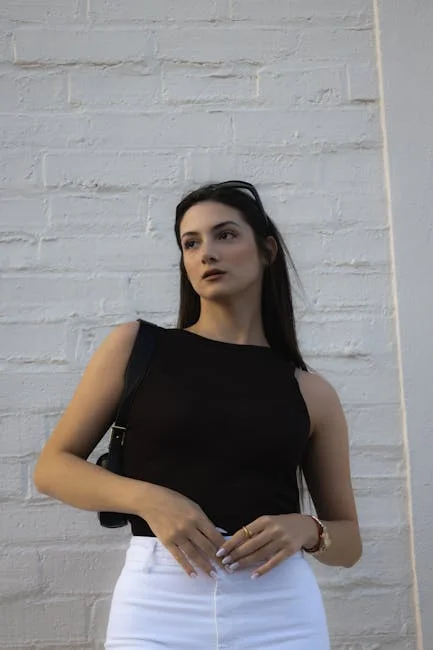
A new dressing style can feel like a small change on the surface, but it often reshapes how you move through your day, how you’re perceived, and how comfortable you feel in your own skin. Clothing is one of the first signals you send to the world, and the most consistent one you send to yourself. When your wardrobe reflects who you are now—rather than who you were two years ago, who your workplace expected you to be, or who your social feed told you to imitate—your outfits start working for you instead of against you. A fresh approach doesn’t require a dramatic makeover or an expensive shopping spree; it can begin with one new silhouette, one updated color palette, or one styling rule that makes getting dressed simpler. For many people, the urge to shift into a new look shows up at life transitions: a new job, a move, a confidence reset, or simply a growing awareness that the old combinations feel tired. You might notice you keep reaching for the same safe pieces and avoiding the rest of your closet. That’s usually a sign that you’re ready for a new dressing style that aligns with your current lifestyle, not your past habits.
Table of Contents
- My Personal Experience
- Why a New Dressing Style Matters Right Now
- Start with Identity: Defining the Vibe Before Buying Anything
- Build Around Fit and Proportion: The Fastest Way to Look Updated
- Color Strategy: Updating Your Palette Without Starting Over
- Textures and Fabrics: The “Quiet Luxury” Upgrade Anyone Can Use
- Footwear as the Foundation: Shoes That Signal a New Era
- Accessories That Do the Heavy Lifting: Belts, Bags, Jewelry, and Layers
- Expert Insight
- Modern Casual: Updating Everyday Outfits Without Losing Comfort
- Elevated Workwear: Professional Looks That Still Feel Like You
- Street-Ready Edge: Adding Trend Without Looking Like You’re Trying Too Hard
- Seasonal Transitions: Making Your Wardrobe Work All Year
- Shopping Smarter: Curating Pieces That Support Your New Look
- Making It Stick: Daily Habits That Keep Your Style Fresh
- Watch the demonstration video
- Frequently Asked Questions
- Trusted External Sources
My Personal Experience
I recently decided to change my dressing style after realizing I’d been reaching for the same safe outfits for years—mostly dark jeans, plain tees, and whatever hoodie was clean. It started small: I bought a pair of straight-leg trousers and a light jacket in a color I’d normally avoid, and I forced myself to wear them to work instead of chickening out at the last minute. The first day felt awkward, like everyone could tell I was “trying,” but by lunchtime a coworker said I looked put-together, and that tiny comment made it easier to keep experimenting. Now I plan outfits the night before, mix in one new piece at a time, and I’ve noticed I stand a little straighter when I like what I’m wearing. It’s still my style, just more intentional than it used to be. If you’re looking for new dressing style, this is your best choice.
Why a New Dressing Style Matters Right Now
A new dressing style can feel like a small change on the surface, but it often reshapes how you move through your day, how you’re perceived, and how comfortable you feel in your own skin. Clothing is one of the first signals you send to the world, and the most consistent one you send to yourself. When your wardrobe reflects who you are now—rather than who you were two years ago, who your workplace expected you to be, or who your social feed told you to imitate—your outfits start working for you instead of against you. A fresh approach doesn’t require a dramatic makeover or an expensive shopping spree; it can begin with one new silhouette, one updated color palette, or one styling rule that makes getting dressed simpler. For many people, the urge to shift into a new look shows up at life transitions: a new job, a move, a confidence reset, or simply a growing awareness that the old combinations feel tired. You might notice you keep reaching for the same safe pieces and avoiding the rest of your closet. That’s usually a sign that you’re ready for a new dressing style that aligns with your current lifestyle, not your past habits.

There’s also a practical reason a new dressing style feels so relevant: the pace of modern life demands clothes that can flex between contexts. Workwear blends with casualwear, athletic influences seep into everyday outfits, and comfort expectations have risen without erasing the desire to look polished. The best modern style shifts aren’t about chasing trends; they’re about creating a system. A system lets you build outfits quickly, repeat looks without feeling repetitive, and maintain a clear aesthetic even when your schedule changes. The most satisfying updates tend to be the ones that reduce decision fatigue while increasing your sense of personal expression. When you focus on fit, proportion, and intentional accessories, you can refresh your entire look without replacing everything. A new dressing style also encourages better shopping behavior: instead of impulse buys, you start choosing pieces that fit your “new normal” and that combine easily. The result is a wardrobe that feels coherent, comfortable, and more authentically yours.
Start with Identity: Defining the Vibe Before Buying Anything
If you want a new dressing style that lasts longer than a month, start with identity rather than items. Identity doesn’t mean a rigid label like “minimalist” or “streetwear,” though labels can help. It means understanding what you want your outfits to communicate and how you want to feel in them. Begin by naming three to five words that describe your ideal look—examples: “clean,” “creative,” “sharp,” “relaxed,” “romantic,” “architectural,” “sporty,” “elevated,” “quiet,” or “bold.” These words become a filter that reduces random purchases and helps you style what you already own. Next, consider the environments you actually dress for: commuting, meetings, school pickups, dinners, travel, gym, date nights, weekends. A new dressing style has to function across your real week, not an imaginary one. If your life is mostly casual, forcing a fully tailored aesthetic might feel like costume. If your schedule is professional, leaning too far into lounge-first dressing can create friction. The goal is to find a style direction that matches your day-to-day needs while still stretching you just enough to feel fresh.
Then, map your comfort boundaries. Comfort is not the enemy of style; it’s the foundation of repeatable style. Identify what you won’t compromise on—soft fabrics, breathable layers, non-pinching waistbands, supportive shoes—and build your updated look around those requirements. This is where a new dressing style becomes personal rather than performative. If you love structure, you might choose crisp cottons, denim with shape, and blazers with clean shoulders. If you crave ease, you might build around knit sets, wide-leg trousers with elastic backs, and relaxed outerwear. Finally, gather visual references without copying them. Save outfit images that feel like your words, then look for patterns: repeated colors, similar pant rises, consistent shoe styles, recurring accessories. Those patterns reveal your direction. Once your vibe is clear, shopping becomes about closing gaps in a plan rather than chasing novelty. That’s when your new dressing style starts to look intentional instead of accidental.
Build Around Fit and Proportion: The Fastest Way to Look Updated
Fit and proportion are the quiet engines behind a new dressing style. You can wear the same basic categories—jeans, tees, jackets, dresses—but if the silhouette shifts, the entire look reads current and deliberate. Start by assessing the shapes you default to. Many closets are stuck in a single proportion: skinny pants with long tops, oversized tops with tight bottoms, or short jackets with low-rise bottoms. Modern styling often plays with balance: wide-leg pants with a fitted tank, a cropped jacket with high-waisted trousers, or an oversized shirt half-tucked into straight denim. The point isn’t to follow one “correct” formula; it’s to create contrast that flatters your frame and feels interesting. If you want an immediate update, try one proportion change at a time. Swap skinny jeans for straight-leg or relaxed tapered denim. Replace a long cardigan with a shorter, structured layer. Choose trousers that sit at the natural waist to lengthen the leg line, then pair them with a top that ends near the waistband. These small shifts can make older pieces feel new again.
Tailoring is another underused tool for a new dressing style, especially if you’re trying to look polished without buying more. Hemming trousers to the right length for your most-worn shoes can transform how expensive an outfit looks. Taking in a blazer slightly at the waist, shortening sleeves, or adjusting a dress at the shoulders can make a mid-range garment look custom. If tailoring isn’t accessible, prioritize fit at the point of purchase: shoulder seams should sit near the shoulder bone, waistbands should be comfortable when seated, and fabric should skim rather than cling unless you want a body-hugging effect. Proportion also includes how you layer. A long coat over a monochrome base creates a clean column that reads refined. A cropped bomber over a longer tee creates a street-leaning stacked effect. Even accessories influence proportion: a belt defines the waist; a structured bag sharpens a relaxed outfit; a chunky shoe grounds a wide-leg pant. When you focus on proportion, your new dressing style becomes repeatable because it’s based on principles, not just pieces.
Color Strategy: Updating Your Palette Without Starting Over
A new dressing style often becomes obvious through color before anyone notices specific brands or trends. Color has emotional impact, and it can make outfits feel modern, softer, bolder, or more sophisticated. The easiest way to refresh your palette is to choose a “core” set of neutrals and a small set of accents. Neutrals don’t have to be only black and white; they can include navy, charcoal, olive, cream, taupe, chocolate brown, or warm gray. Pick two or three neutrals that work together and suit your complexion and lifestyle. Then add two accent colors you enjoy wearing. The accents might be seasonal (like deep burgundy or icy blue) or timeless (like red or cobalt). With this structure, your closet becomes mix-and-match friendly, and your new dressing style looks consistent even when outfits change. If you’re unsure where to start, look at what you already wear most and ask why: is it because it’s flattering, easy to combine, or simply habit? Keep what truly works and add one new neutral or accent that complements it.
Color placement matters as much as color choice. If you’re experimenting with a new dressing style but feel cautious, start with accessories: a scarf, beanie, bag, or shoes in your accent color. Next, try a single statement piece like a sweater or jacket while keeping the rest neutral. Monochrome dressing is another powerful technique; wearing variations of the same color (cream with beige with camel, or charcoal with black) creates depth and looks intentional. It’s also an easy way to look polished with minimal effort. If you enjoy prints, treat them like accents and make sure the print includes at least one of your core neutrals so it integrates smoothly. Avoid buying random colors that don’t connect to anything else, because that creates “orphan items” that rarely get worn. A well-planned palette reduces the need for constant shopping and makes your outfits feel elevated. Over time, this color strategy becomes the signature of your new dressing style—recognizable, cohesive, and easy to maintain.
Textures and Fabrics: The “Quiet Luxury” Upgrade Anyone Can Use
One of the most effective ways to create a new dressing style without relying on loud branding is to focus on texture and fabric quality. Texture adds dimension, and it can make simple outfits look intentional. Think of the difference between a thin, clingy tee and a substantial cotton jersey tee that holds its shape; or between a shiny synthetic blazer and a matte wool-blend blazer with structure. Texture also creates contrast: denim with cashmere, leather with knitwear, crisp poplin with relaxed trousers, satin with chunky boots. These combinations feel modern because they balance refinement and ease. When building a wardrobe that feels updated, choose a few fabric “anchors” you love to wear: sturdy denim, soft merino, breathable linen blends, ponte knit, quality cotton poplin, or a good wool coat. Even if you keep your silhouettes simple, these fabrics elevate the look instantly. A new dressing style often looks expensive because of how fabric drapes and catches light, not because of the price tag.

Seasonal fabric choices can also refresh your style without changing your identity. In warmer months, linen and cotton poplin create a clean, airy look that reads effortless. In cooler months, wool, corduroy, flannel, and heavier knits add richness and depth. Try upgrading one category at a time: a better white shirt, a heavier knit sweater, or trousers that don’t lose their shape after a few wears. Care matters too. Steaming, proper storage, and occasional tailoring keep fabrics looking fresh. If your new dressing style leans casual, you can still use fabric as a refinement tool: choose a sweatshirt in a dense cotton, joggers with a tapered leg and clean seams, or a tee with a structured neckline. If your look is more polished, incorporate comfortable fabrics like stretch wool or ponte to maintain ease. The goal is to create outfits that feel good and look composed. When texture is intentional, your new dressing style becomes both tactile and visual—something you can feel as much as you can see.
Footwear as the Foundation: Shoes That Signal a New Era
Shoes often determine whether an outfit reads dated or current, and they’re a practical entry point into a new dressing style. Many people keep clothes updated but rely on the same footwear shapes for years, which can quietly anchor the whole look in the past. Start by auditing what you wear most: sneakers, loafers, boots, heels, sandals. Then consider what silhouette you want your outfits to have. Chunkier soles add weight and modernity, balancing wide-leg pants and oversized outerwear. Sleeker shoes elongate the leg and pair well with tailored pieces. A new dressing style can be as simple as changing the toe shape (square, almond, rounded), the sole profile, or the material finish (matte leather, suede, polished leather). If you want an easy upgrade, choose one “daily” shoe and one “elevated” shoe that align with your vibe. For example, a clean leather sneaker and a minimal loafer can cover many outfits while signaling an updated aesthetic.
Comfort and longevity matter because shoes influence posture and confidence. Look for supportive insoles, stable heels, and materials that mold to your feet. If your style is casual, a structured sneaker with a clean profile can look sharper than heavily worn athletic shoes. If your style is polished, a low-heel boot or refined flat can replace uncomfortable stilettos without sacrificing impact. Also think about how footwear interacts with hem lengths. Cropped trousers highlight shoes; full-length trousers call for soles that peek out intentionally. Socks can be a styling tool too—tone-on-tone socks with loafers feel modern, while chunky socks with sneakers can lean sporty. By updating footwear strategically, you can make older outfits feel new. That’s the power of shoes in a new dressing style: they ground the look, they set the mood, and they often deliver the biggest visual change with the fewest purchases.
Accessories That Do the Heavy Lifting: Belts, Bags, Jewelry, and Layers
Accessories can transform basics into a new dressing style because they add intention. If your wardrobe is built on jeans, tees, button-downs, and simple dresses, accessories are where you can express personality without losing versatility. Start with belts. A belt defines the waist, adds structure, and can make an outfit look styled rather than thrown on. A medium-width leather belt in your chosen neutral is a workhorse; a second belt with a distinctive buckle or texture can become a signature. Bags also communicate vibe: a structured tote reads professional, a slouchy hobo reads relaxed, a small crossbody feels urban, and a top-handle bag can feel classic. Pick one everyday bag that matches your lifestyle and one that elevates your look for evenings or meetings. Jewelry works similarly. If you prefer minimalism, commit to a small set of consistent pieces—hoops, a chain necklace, a watch. If you like drama, choose one statement element at a time: bold earrings with a simple neckline, or layered necklaces with a plain tee.
Expert Insight
Start with one “anchor” piece that defines your new dressing style—like a tailored blazer, wide-leg trousers, or a statement shoe—then build the rest of the outfit in simple, neutral basics to keep the look intentional and easy to repeat.
Use a quick fit-check rule before leaving: balance volume (one loose piece, one fitted), repeat a color at least twice (top and accessory, for example), and add one finishing detail—belt, watch, or structured bag—to make the outfit look styled rather than accidental. If you’re looking for new dressing style, this is your best choice.
Scarves, hats, and eyewear are underrated tools for a new dressing style because they change the framing of your face and the overall silhouette. A scarf tied at the neck can make a simple knit look refined. A baseball cap can make tailored pieces feel modern and relaxed. Sunglasses can instantly sharpen a casual outfit. Layering accessories also help with seasonal transitions: a lightweight scarf in spring, a wool scarf in winter, a trench belt tied differently, or a cardigan worn as a top with a brooch-like pin. The key is restraint and repetition. Too many accessories at once can feel noisy; repeating a few consistent elements makes your style recognizable. Choose a metal tone (gold, silver, mixed) and stick to it most days. Choose a bag shape you love and rotate colors rather than switching shapes constantly. Over time, these choices create a cohesive new dressing style without requiring constant outfit reinvention.
Modern Casual: Updating Everyday Outfits Without Losing Comfort
For many people, the most useful version of a new dressing style is one that upgrades casual outfits. Casual doesn’t have to mean sloppy, and comfort doesn’t have to mean shapeless. The modern casual look often relies on clean lines, better fabrics, and intentional styling. Start with upgraded basics: tees with structured necklines, sweatshirts with a slightly boxy cut, and jeans or trousers that fit well at the waist and hips. Instead of defaulting to the same combination daily, rotate silhouettes: straight-leg denim one day, relaxed trousers the next, a knit skirt another day. Layering is what makes casual outfits look styled. Add a chore jacket, a trench, a cropped puffer, or an overshirt to create a clear top layer that frames the outfit. Color discipline helps too. A neutral base with one accent—like cream and black with a burgundy beanie—can look intentional with minimal effort. If you like athleisure, choose pieces that look designed for the street: a fitted rib tank, a sleek zip jacket, or joggers with a tailored taper.
| Aspect | Traditional Dressing | New Dressing Style |
|---|---|---|
| Silhouette & Fit | Structured, form-fitting, and rule-driven (e.g., “always tailored”). | Relaxed, adaptable fits that prioritize movement and comfort (e.g., oversized layers, softer tailoring). |
| Styling Approach | Matched sets and predictable combinations with clear “dos and don’ts.” | Mix-and-match, high/low pairing, and personal expression (e.g., sneakers with smart pieces). |
| Materials & Values | Trend- or occasion-first; less emphasis on longevity and versatility. | Quality basics, versatile pieces, and mindful choices (e.g., rewearing, capsule-friendly items). |

Footwear and grooming complete modern casual. A clean sneaker, a loafer, or a low-profile boot can elevate the same jeans-and-tee formula. If you want your new dressing style to feel current, pay attention to pant length and shoe pairing: slightly cropped pants show off footwear, while longer hems benefit from chunkier soles. Accessories can keep casual outfits from feeling unfinished. A belt, a simple chain, a cap, or a structured bag can change the entire impression. Also consider “one polished piece” styling: pair a blazer with a hoodie, or wear a crisp button-down with relaxed denim. The contrast makes the outfit feel deliberate. Finally, keep your casual capsule tidy and in good condition. Replace stretched tees, faded sweats, and worn-out sneakers as needed. The goal isn’t perfection; it’s consistency. When your casual wardrobe is cohesive, your new dressing style becomes effortless because your default outfits already look put together.
Elevated Workwear: Professional Looks That Still Feel Like You
Workwear is a common reason people seek a new dressing style, especially when office expectations shift or when you want to be taken more seriously. Elevated workwear doesn’t require stiff suits every day; it requires clarity, fit, and a few strong outfit formulas. Start with foundational pieces: a blazer or structured jacket, trousers that fit comfortably at the waist, a crisp shirt or refined knit, and shoes you can walk in. Then decide what “professional” means in your environment. In some spaces, dark denim and a blazer work; in others, you’ll need more tailoring. A modern approach often blends comfort fabrics with clean silhouettes—think stretch wool trousers, ponte dresses, and knits that hold their shape. Color plays a role too. A tight palette of navy, charcoal, cream, and one accent color can make daily dressing faster and more consistent. If you want an immediate update, try swapping overly tight or overly loose pieces for balanced fits: straight trousers, a slightly relaxed blazer, and tops that skim the body.
Details separate average workwear from a new dressing style that looks intentional. A belt that matches your shoes, a structured bag, and simple jewelry can make a basic outfit look finished. Pay attention to necklines and layers: a crewneck knit under a blazer looks clean; a collared shirt with the collar intentionally visible adds polish; a turtleneck creates a sleek line in colder months. Dresses can be especially effective for work because they reduce decisions. A midi dress with a defined waist or a straight sheath with a blazer can look sharp with minimal effort. If you prefer separates, keep a few outfit “templates” ready: trousers + knit + blazer; skirt + blouse + cardigan-jacket; dark denim + button-down + trench. Rotation is important—wearing the same silhouette daily can feel repetitive, even if it’s polished. By building a small set of repeatable formulas and ensuring each item fits well, you get a new dressing style at work that feels authentic, capable, and comfortable.
Street-Ready Edge: Adding Trend Without Looking Like You’re Trying Too Hard
If you’re drawn to a more fashion-forward new dressing style, the goal is to incorporate trend elements in a controlled way. Trend doesn’t mean copying head-to-toe looks; it means choosing one or two modern signals and combining them with your staples. Start with silhouette trends that suit you: wider-leg pants, longer coats, cropped jackets, or oversized shirts. Then add a single statement item: a leather jacket, cargo-inspired trousers, a graphic tee with a clean color palette, or a bold sneaker. Keep the rest of the outfit grounded in neutrals or classic pieces. This balance is what makes the look feel effortless rather than costume-like. Texture is a powerful tool here—leather, denim, and knits create depth. Accessories can also bring street energy: a cap, a chain necklace, a crossbody bag, or sunglasses with a strong shape.
Proportion is especially important for street-leaning outfits. If your pants are wide, keep the top more fitted or cropped to define shape. If your top is oversized, choose straight or tapered bottoms so you don’t lose structure. Layering can make a simple base look styled: a hoodie under a coat, an overshirt over a tank, or a long-sleeve under a tee. Color choices can be minimal and still feel edgy—black, gray, white, and olive with one bright accent can look modern. Also, pay attention to condition and fit. Street style looks best when pieces are intentional: clean sneakers, denim with a good wash, and jackets that sit correctly on the shoulders. If you want a new dressing style that feels current, focus on one trend at a time and wear it repeatedly until it feels like you. That repetition is what turns trend into personal style.
Seasonal Transitions: Making Your Wardrobe Work All Year
Season changes are the perfect moment to solidify a new dressing style because they force you to rethink layers, footwear, and color. Transitional dressing is often where people feel stuck: mornings are cold, afternoons are warm, and your outfit has to adapt. The solution is to build a layering system. Start with a base layer you can wear indoors—tee, tank, lightweight knit, button-down—then add a mid-layer like a cardigan, overshirt, or blazer, and finish with an outer layer like a trench, denim jacket, or lightweight coat. This structure makes outfits look intentional and helps you stay comfortable. Fabrics matter in transitions: cotton, denim, and light wool blends are more versatile than heavy winter knits or ultra-thin summer pieces. Color can also shift gradually. Instead of a sudden switch from bright summer colors to dark winter tones, blend them: pair a summer white tee with an autumnal jacket, or wear a darker skirt with a light knit.

Footwear planning makes transitional seasons easier. Choose shoes that can handle weather changes and still look stylish: ankle boots, loafers, water-resistant sneakers, or closed-toe flats. Socks and tights can extend the life of dresses and skirts while adding styling interest. Accessories become functional and aesthetic: a scarf adds warmth and texture; a hat can balance proportions; a bag with enough space for layers supports real life. If your new dressing style aims for simplicity, keep a small set of transitional “hero” pieces: a trench coat, a medium-weight knit, straight denim, and one versatile boot. Then build outfits around these anchors. The more you rely on a consistent layering formula, the more coherent your look becomes across seasons. Rather than reinventing your wardrobe four times a year, you’ll refine it. That refinement is what makes a new dressing style feel stable, practical, and genuinely yours.
Shopping Smarter: Curating Pieces That Support Your New Look
Shopping is where many attempts at a new dressing style go off track, usually because purchases are made without a plan. The goal is to curate, not accumulate. Start by identifying gaps based on outfit formulas you want to wear. If you want to wear wide-leg trousers, do you have tops that balance them? If you want to wear more dresses, do you have shoes and layers that make them wearable on regular days? Create a short list of priority items and rank them by impact. Often, the highest-impact purchases are outerwear, shoes, and a few core bottoms because they appear in many outfits. Next, set standards for fit, fabric, and versatility. Ask whether a new item works with at least three existing pieces in your closet. If it doesn’t, it may be a beautiful object but not a practical addition to your new dressing style. Also consider your lifestyle honestly. A delicate white blazer might look great online, but if you commute, travel, or have a messy schedule, it may become a source of stress rather than confidence.
Secondhand and tailoring can make smarter shopping even more effective. Vintage blazers, quality denim, and leather accessories often hold up well and can be found at better prices. Tailoring can turn a good find into a perfect fit, which is one of the fastest ways to make your new dressing style look premium. When buying trend items, keep them inexpensive and limited—one or two per season—so your wardrobe remains stable. For foundational pieces, invest more in quality and fit. Track what you actually wear by noticing laundry cycles: which items you reach for repeatedly, which you avoid, and why. That information is more valuable than any style quiz. Finally, avoid shopping when you feel bored or insecure; those moods lead to random buys that don’t match your plan. Shop when you have clarity: a gap, a purpose, a budget. This approach keeps your closet cohesive and ensures that each purchase strengthens your new dressing style instead of diluting it.
Making It Stick: Daily Habits That Keep Your Style Fresh
A new dressing style becomes real through repetition and small habits, not one perfect outfit. The first habit is outfit planning. You don’t need to plan a week in advance, but having a few go-to combinations reduces stress and prevents you from defaulting to the same tired look. Create a “uniform” for different contexts: an everyday uniform, a work uniform, a weekend uniform, and an evening uniform. Each uniform can have two or three variations so you don’t feel stuck. The second habit is maintenance. Steaming shirts, brushing coats, cleaning shoes, and replacing worn basics keeps your outfits looking sharp. Many wardrobes feel outdated not because the pieces are wrong, but because they look tired. The third habit is mindful experimentation. Try one new styling move at a time: a different tuck, a new shoe pairing, a layer you haven’t tried, or a color combination that feels slightly unfamiliar. Take note of what feels like “you” and what feels forced.
Documentation helps too. If you wear an outfit that feels like your new dressing style, take a quick mirror photo. Over time, you’ll see patterns in what works: certain silhouettes, colors, and accessories. This becomes your personal style guide, rooted in your real life rather than abstract inspiration. Another habit is editing. Every few months, reassess what you own. If an item doesn’t fit, doesn’t match your palette, or doesn’t support your lifestyle, consider tailoring, donating, or selling it. Space in your closet creates space in your mind, making it easier to get dressed with intention. Finally, give your style time. A new dressing style isn’t a switch; it’s a gradual alignment between your wardrobe, your body, and your daily needs. When you build it through consistent choices—fit, color, texture, and a few reliable formulas—you’ll end up with a look that feels effortless and true. And once it feels true, you’ll keep wearing it, which is the ultimate sign that your new dressing style has become your actual style.
Watch the demonstration video
Discover how to refresh your look with a new dressing style in this video. You’ll learn simple ways to choose flattering colors, mix basics with statement pieces, and build outfits that match your lifestyle. The tips help you shop smarter, avoid common styling mistakes, and feel more confident in what you wear every day.
Summary
In summary, “new dressing style” is a crucial topic that deserves thoughtful consideration. We hope this article has provided you with a comprehensive understanding to help you make better decisions.
Frequently Asked Questions
How do I figure out my new dressing style?
Begin by collecting 10–15 outfit photos you genuinely love and saving them in one place. As you review them, look for patterns you keep coming back to—similar silhouettes, favorite color palettes, go-to shoes, or repeated accessories. Then pick three clear style keywords (like minimal, sporty, or romantic) to steer your shopping decisions and help you build a cohesive **new dressing style**.
What are the easiest first pieces to buy for a new style?
Start with versatile staples that support your **new dressing style**: a great jacket, one reliable pair of everyday shoes, well-fitting jeans or trousers, and two to three tops in your core color palette.
How can I change my style without replacing my whole wardrobe?
Aim for a 70/30 mix: keep 70% of the pieces you already know work for you, then bring in 30% fresh additions—like accessories, shoes, or outerwear—to change the mood and ease you into a **new dressing style**.
How do I choose colors that suit my new dressing style?
Choose a simple color palette to guide your **new dressing style**: start with two neutrals, add two core colors you love wearing, and finish with one accent shade for personality. Keep your daily routine and current wardrobe in mind so everything coordinates effortlessly and you can mix and match outfits without overthinking.
How do I make a new style look intentional instead of random?
Build a recognizable look by repeating a signature detail in most outfits—maybe the same shoe shape, a go-to jewelry metal, or a favorite silhouette—and stick to a tight color palette to keep everything cohesive as you explore your **new dressing style**.
How do I dress in a new style on a budget?
Build a capsule wardrobe, then hunt secondhand for high-impact finds like coats, boots, and bags. Get your best pieces tailored so they fit perfectly, and skip anything that feels “almost right”—that’s how you’ll lock in your **new dressing style** with confidence.
? Looking for more info about new dressing style? Follow Our Site for updates and tips!

Trusted External Sources
- What do people still get wrong about the ‘old money’ dressing style?
Feb 9, 2026 … Clothes are too new and too pristine, because they bought them last month. A lot of old money folks pass down well-made jumpers and coats over … If you’re looking for new dressing style, this is your best choice.
- Thai Style Peanut Dressing | Trader Joe’s
Trader Joe’s Thai Style Peanut Dressing brings bold, nutty flavor to a quick noodle bowl—toss it with Thai wheat noodles and sautéed shrimp, then finish with chopped peanuts, green onions, and lime wedges for a fresh, zesty **new dressing style**.
- New American Creamy Balsamic – BRIANNAS Fine Salad Dressing
Buy New American Creamy Balsamic for only $30.00 at BRIANNAS!
- Discover 96 Dressing style and fashion outfits ideas – Pinterest
Nov 26, 2026 — Discover Sirisa Outhh’s Pinterest board, “Dressing Style,” and get inspired by a new dressing style with fresh ideas for women’s outfits, everyday fashion, and must-try clothing combinations.
- The appeal of a silk dressing gown – at New & Lingwood
Jul 25, 2026 … Permanent Style is the international home of classic and luxury menswear. One of the biggest such sites in the world, it has over 2 million … If you’re looking for new dressing style, this is your best choice.