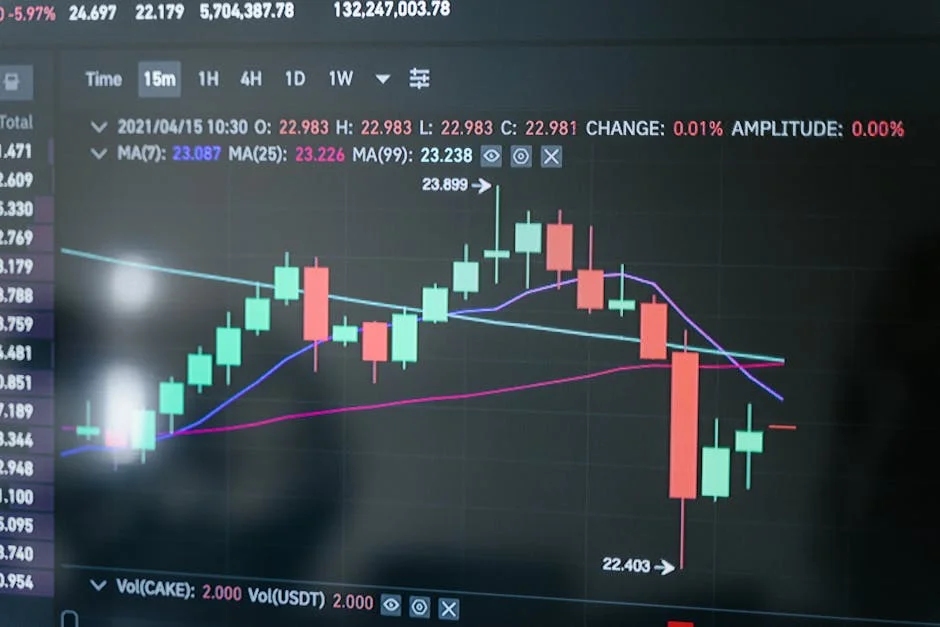
For crypto currency beginners, the first challenge is separating the technology from the hype. Cryptocurrency is a digital form of value that uses cryptography to secure transactions and a distributed network (often a blockchain) to record them. Unlike a bank balance that sits on a private ledger controlled by a single institution, many crypto networks maintain a shared ledger across thousands of computers. That shared system is designed to make it difficult to alter past records, while allowing anyone to verify the current state of the ledger. The idea sounds abstract at first, but it becomes more practical when you think about what the system aims to do: move value online without relying on a central gatekeeper, and do it in a way that is transparent, verifiable, and resistant to tampering. For beginners, it helps to treat crypto as a new type of financial infrastructure rather than a single product. Different networks provide different capabilities, such as simple peer-to-peer payments, programmable contracts, or digital ownership records.
Table of Contents
- My Personal Experience
- Getting Oriented: What Crypto Currency Beginners Need to Know First
- Core Concepts: Blockchain, Cryptography, and Digital Scarcity
- Types of Cryptocurrencies: Coins, Tokens, Stablecoins, and NFTs
- How Crypto Transactions Work: Addresses, Keys, Fees, and Confirmations
- Wallets Explained: Custodial vs Non-Custodial and Hot vs Cold Storage
- Buying and Selling: Exchanges, On-Ramps, Order Types, and Slippage
- Staying Safe: Scams, Phishing, Rug Pulls, and Basic Security Hygiene
- Understanding Volatility and Risk: Position Sizing, Time Horizons, and Emotions
- Expert Insight
- Research Basics: Evaluating Projects, Whitepapers, On-Chain Data, and Narratives
- DeFi for Beginners: Lending, Swapping, Liquidity Pools, and Smart Contract Risk
- Taxes, Regulation, and Recordkeeping: Practical Compliance Habits
- Building a Beginner Strategy: Learning Plan, Diversification, and Long-Term Habits
- Common Mistakes to Avoid: Network Errors, Overtrading, and Misunderstanding Custody
- Final Thoughts: A Confident Path Forward for Crypto Currency Beginners
- Watch the demonstration video
- Frequently Asked Questions
- Trusted External Sources
My Personal Experience
When I first got curious about cryptocurrency, I assumed it was basically like buying a stock and waiting for it to go up. I downloaded an exchange app, verified my ID, and threw a small amount of money into a coin I’d seen trending on social media—without really understanding what it did. The price jumped for a day, then dipped hard, and I realized I didn’t even know the difference between a coin and a token, or why fees changed every time I tried to move it. After that, I slowed down and treated it like learning a new tool: I watched a few beginner videos, read about wallets and seed phrases, and practiced sending tiny test transactions before moving anything larger. I’m still cautious, but starting small and focusing on basics helped me feel less overwhelmed and a lot less impulsive. If you’re looking for crypto currency beginners, this is your best choice.
Getting Oriented: What Crypto Currency Beginners Need to Know First
For crypto currency beginners, the first challenge is separating the technology from the hype. Cryptocurrency is a digital form of value that uses cryptography to secure transactions and a distributed network (often a blockchain) to record them. Unlike a bank balance that sits on a private ledger controlled by a single institution, many crypto networks maintain a shared ledger across thousands of computers. That shared system is designed to make it difficult to alter past records, while allowing anyone to verify the current state of the ledger. The idea sounds abstract at first, but it becomes more practical when you think about what the system aims to do: move value online without relying on a central gatekeeper, and do it in a way that is transparent, verifiable, and resistant to tampering. For beginners, it helps to treat crypto as a new type of financial infrastructure rather than a single product. Different networks provide different capabilities, such as simple peer-to-peer payments, programmable contracts, or digital ownership records.

It also helps to understand the basic categories you’ll encounter. Bitcoin is commonly described as digital money with a fixed supply, while Ethereum is often described as a programmable platform that can host decentralized applications and tokens. Stablecoins attempt to maintain a steady price by linking their value to a fiat currency like the U.S. dollar, though the mechanisms differ and the risks are not identical. Tokens can represent many things: governance rights, access to a service, a claim on collateral, or simply a unit used within an app. Crypto currency beginners should avoid assuming every coin works the same way or carries the same risk profile. Price volatility is a defining feature for many assets, and the market is influenced by global liquidity, regulatory signals, technology updates, and sentiment. If you start with a clear mental model—crypto as networks, assets, and rules—you’ll have an easier time evaluating what you see, resisting unrealistic promises, and making decisions based on how each system actually operates.
Core Concepts: Blockchain, Cryptography, and Digital Scarcity
Understanding blockchain basics makes the learning curve much smoother for crypto currency beginners. A blockchain is a type of database that groups transactions into “blocks” and links them together in chronological order. Each block contains a reference to the previous block, creating a chain. The linking uses cryptographic hashes—unique fingerprints of data—so if someone tries to change a past transaction, the hash changes and the tampering becomes obvious. What makes this more than a simple database is that the ledger is typically maintained by a network of independent participants. Instead of trusting one party to keep records honestly, the system uses consensus rules to decide which transactions are valid and which version of the ledger is the official one. The result is a ledger that is hard to rewrite, especially on large networks with significant participation.
Cryptography plays several roles in cryptocurrency. Public-key cryptography allows you to receive funds at a public address while controlling them with a private key. The private key is essentially the master secret; anyone who has it can authorize transfers. This is why beginners hear the phrase “not your keys, not your coins.” Digital scarcity is another concept that can feel strange at first. In traditional digital systems, copying is easy, so scarcity is enforced by centralized databases. In crypto networks, scarcity is enforced by consensus and rules. For example, Bitcoin’s supply is capped by protocol rules that determine how new coins are issued and how the issuance rate declines over time. For crypto currency beginners, the key takeaway is that scarcity and ownership are enforced by math, software, and network agreement, not by a company’s internal database. Once you grasp that, you can better understand why network security, decentralization, and incentive design matter so much when assessing different projects.
Types of Cryptocurrencies: Coins, Tokens, Stablecoins, and NFTs
Crypto currency beginners often hear many labels—coin, token, stablecoin, NFT—and assume they are interchangeable. They are not. “Coins” typically refer to the native asset of a blockchain, such as BTC on Bitcoin or ETH on Ethereum. These native assets are used to pay transaction fees and often serve as the core economic unit of the network. “Tokens” are assets created on top of an existing blockchain, usually through smart contracts. Tokens can represent utility (access to a service), governance (voting power), or a share in a pool of value locked in a protocol. The token’s behavior is defined by code, which can be audited but can also contain bugs or hidden mechanisms. This is why beginners should treat small, newly issued tokens with extra caution: the risk is not only price volatility, but also technical and governance risk.
Stablecoins deserve special attention because many newcomers use them as a bridge between traditional money and crypto markets. Some stablecoins are backed by reserves held by a centralized issuer, while others are overcollateralized on-chain, and a smaller subset relies on algorithmic mechanisms that have historically proven fragile. Even reserve-backed stablecoins carry risks: issuer solvency, banking access, regulatory changes, and redemption limitations can all affect stability. NFTs, or non-fungible tokens, are unique tokens that can represent ownership of a digital item or access rights. They are not inherently investments; they are a technology for provable uniqueness and ownership history. For crypto currency beginners, the practical approach is to identify the category first, then evaluate its specific risks: native coins often relate to network adoption and security, tokens add smart contract and governance risk, stablecoins add issuer and peg risk, and NFTs add market liquidity and authenticity considerations.
How Crypto Transactions Work: Addresses, Keys, Fees, and Confirmations
A common stumbling block for crypto currency beginners is the mechanics of sending and receiving funds. A crypto address is like a public destination label; it is derived from a public key, which is mathematically linked to a private key. When you send crypto, you create a transaction that states which funds are being moved and to which address they should go. You then sign that transaction with your private key, proving you have the authority to spend those funds. The network verifies the signature and checks that the funds haven’t already been spent. This process is why protecting your private key is critical: possession of the key is effectively possession of the funds. There is usually no “forgot password” option on decentralized networks because there is no central party that can override the rules.
Fees and confirmations are equally important. Most networks require transaction fees to compensate validators or miners who process transactions and secure the network. Fees can vary widely depending on network congestion and the complexity of the transaction. Some networks are designed for low fees, while others can become expensive during peak demand. Confirmations refer to the number of blocks added after your transaction has been included in a block. More confirmations generally mean higher confidence that the transaction is final and won’t be reversed. For crypto currency beginners, it’s smart to practice with small amounts, double-check addresses character by character, and understand that different networks have different address formats and fee models. Many losses happen not from hacking, but from simple mistakes: sending to the wrong address, using the wrong network, or misunderstanding how long finality takes.
Wallets Explained: Custodial vs Non-Custodial and Hot vs Cold Storage
Choosing a wallet is one of the first real decisions crypto currency beginners must make. A wallet is not a place where coins “sit” in the way cash sits in a physical wallet. Instead, a wallet manages your keys and interacts with the blockchain to display balances and create signed transactions. Custodial wallets are provided by exchanges or services that hold your keys on your behalf. They are convenient and often include account recovery, but you rely on the custodian’s security and policies. Non-custodial wallets give you control of your private keys, typically through a seed phrase (a series of words that can recreate your keys). This control increases responsibility: if you lose the seed phrase, you may lose access permanently. For many beginners, a mixed approach can make sense—using a reputable exchange for small amounts and a non-custodial wallet for long-term holdings—while learning the operational habits required for self-custody.
Hot vs cold storage refers to whether your keys are kept on an internet-connected device. Hot wallets (mobile apps, browser extensions, desktop wallets) are convenient for frequent transactions but are more exposed to malware and phishing. Cold storage (hardware wallets or offline key storage) reduces exposure because the signing process happens on a device designed to keep keys isolated. For crypto currency beginners, the most important operational habit is safeguarding the seed phrase: write it down offline, store it in a secure location, and never type it into websites or share it with anyone. Another key habit is verifying what you are approving: many wallet scams trick users into signing malicious transactions. Treat every signature request like signing a legal document. If you are unsure what it does, pause and research. Wallet choice is less about brand loyalty and more about matching your risk tolerance and usage patterns with appropriate security controls.
Buying and Selling: Exchanges, On-Ramps, Order Types, and Slippage
Most crypto currency beginners start by using an exchange to convert fiat currency into crypto. Exchanges vary widely in reputation, regulatory posture, fees, customer support, and asset listings. A reputable exchange typically provides identity verification, security features like two-factor authentication, and transparent fee schedules. The “on-ramp” process refers to funding your account via bank transfer, card payment, or other methods. Bank transfers often have lower fees but can take longer; card purchases are faster but may carry higher costs. Beginners should also understand that exchanges can temporarily halt withdrawals or trading during extreme volatility or technical issues. That risk is part of the trade-off for convenience. If you plan to hold significant value, consider withdrawing to a non-custodial wallet once you are comfortable with the process.

Order types matter more than many newcomers realize. A market order buys or sells immediately at the best available price, which can be fine for very liquid assets but can lead to poor execution for thinly traded coins. A limit order sets the maximum price you’ll pay or the minimum price you’ll accept, giving more control but not guaranteeing immediate execution. Slippage is the difference between the expected price and the executed price, often caused by low liquidity or fast-moving markets. For crypto currency beginners, a simple best practice is to start with highly liquid assets and use limit orders when possible. It is also wise to review the full cost: trading fees, spread, deposit and withdrawal fees, and network fees. Many people focus only on the headline price and ignore friction costs that can meaningfully affect results, especially with frequent trading or small transaction sizes.
Staying Safe: Scams, Phishing, Rug Pulls, and Basic Security Hygiene
Security is a central topic for crypto currency beginners because the system’s irreversible nature attracts scammers. Phishing is one of the most common threats: attackers impersonate exchanges, wallet providers, influencers, or support staff to trick you into revealing passwords, seed phrases, or one-time codes. Another frequent pattern is a fake website that looks identical to a real service, often promoted through ads or social media replies. Once a seed phrase is exposed, funds can be drained quickly, and recovery is unlikely. Beginners should treat seed phrases like the keys to a vault: never store them in cloud notes, never send them through messaging apps, and never type them into random forms. Use strong, unique passwords and enable two-factor authentication with an authenticator app rather than SMS when possible.
Project-level scams also matter. Rug pulls occur when token creators attract buyers, then remove liquidity or exploit contract privileges to collapse the market. Some scams are more subtle, relying on aggressive marketing, fabricated partnerships, and manipulated charts. For crypto currency beginners, a practical approach is to assume that anything promising guaranteed returns is a scam, and to be skeptical of urgency tactics like “limited time” presales. Verify contract addresses from official sources, check whether smart contracts are audited by reputable firms, and look for transparent teams and clear documentation. Even then, audits are not guarantees, and anonymous teams can disappear. If you choose to explore smaller tokens, use amounts you can afford to lose and prioritize learning over chasing quick gains. Security is not a one-time setup; it is a routine of careful verification, cautious clicking, and disciplined key management.
Understanding Volatility and Risk: Position Sizing, Time Horizons, and Emotions
Volatility is often the first real shock for crypto currency beginners. Prices can move dramatically within hours due to leverage, news, regulatory actions, macroeconomic shifts, exchange outages, or large holders moving funds. This volatility can be exciting, but it can also trigger poor decision-making, such as panic selling after a sharp drop or buying impulsively after a rapid rise. A helpful mental model is to treat crypto holdings as a high-variance asset class. That doesn’t automatically make it “bad,” but it means you should size positions appropriately. Position sizing is the practice of deciding how much capital to allocate to an asset based on your financial situation and risk tolerance. If a price swing would disrupt your ability to pay bills or sleep at night, the position is too large.
| Option | Best for beginners | Key pros | Key cons / risks |
|---|---|---|---|
| Centralized Exchange (CEX) | Buying your first crypto with a bank card, learning basics, simple UI | Easy onboarding, high liquidity, customer support, recurring buys | Custodial (not your keys), account freezes, KYC/privacy trade-offs, platform hacks |
| Mobile Wallet (Self-custody) | Holding small amounts, practicing transfers, learning seed phrase security | You control keys, withdraw anytime, supports multiple coins, good for everyday use | Seed phrase loss = funds lost, phishing/malware risk, user error on addresses/fees |
| Hardware Wallet | Long-term holding and larger balances after you understand basics | Strong security (keys kept offline), reduces online attack surface, good for cold storage | Upfront cost, setup complexity, still vulnerable to seed phrase theft and fake devices |
Expert Insight
Start by choosing a reputable exchange, enabling two-factor authentication, and moving long-term holdings to a hardware wallet. Use strong, unique passwords and never share seed phrases; write them down offline and store them in a secure place. If you’re looking for crypto currency beginners, this is your best choice.
Limit risk by investing only what you can afford to lose and using small, scheduled buys instead of trying to time the market. Before purchasing any coin, read the project’s basics (use case, token supply, team, and roadmap) and avoid offers promising guaranteed returns. If you’re looking for crypto currency beginners, this is your best choice.
Time horizon plays a huge role in how volatility feels. Short-term traders experience constant noise, while long-term holders focus on multi-year adoption and network fundamentals. Crypto currency beginners often benefit from a longer horizon because it reduces the temptation to react to every price move, though it does not remove risk. Another key risk is concentration: holding only one asset or one theme can amplify losses if that narrative weakens. Emotional discipline is also part of risk management. Many newcomers underestimate how social media can influence behavior through fear of missing out and fear, uncertainty, and doubt. A practical safeguard is to predefine rules: how much you will allocate, under what conditions you will buy more, when you will take profits, and what would make you exit. Writing down a plan doesn’t guarantee success, but it reduces the chance of making decisions purely from adrenaline or anxiety when markets move quickly.
Research Basics: Evaluating Projects, Whitepapers, On-Chain Data, and Narratives
Learning to research is one of the most valuable skills crypto currency beginners can build. Start with the project’s purpose and whether a blockchain solution is actually necessary. Some tokens exist mainly to fundraise or to ride a trend, without a clear reason for decentralization. Next, review the team and governance: is development active, is decision-making transparent, and does the community have meaningful oversight? Tokenomics are also crucial. Understand the total supply, emission schedule, vesting periods, allocations to insiders, and any mechanisms that can change supply. A token with heavy insider allocations and short vesting can face strong selling pressure. Liquidity matters too: low liquidity can cause extreme slippage and make it hard to exit a position. These basics help beginners avoid many common traps.

On-chain data can provide additional insight, though it requires context. You can often view transaction history, token holder distribution, and contract interactions using block explorers. For crypto currency beginners, a simple starting point is checking whether a token contract is verified, whether ownership is renounced or controlled, and whether there are suspicious functions that can freeze transfers or mint new tokens unexpectedly. Beyond data, narratives influence markets. Themes like scaling solutions, decentralized finance, gaming, and real-world assets can attract capital, but narratives can fade quickly. A disciplined approach balances story with substance: does the project have users, revenue, or measurable adoption? Are developers building consistently? Are partnerships real and verifiable? The goal is not to find a “perfect” project—none exists—but to develop a repeatable checklist that reduces the odds of being misled by marketing, selective statistics, or short-term price action.
DeFi for Beginners: Lending, Swapping, Liquidity Pools, and Smart Contract Risk
Decentralized finance (DeFi) is a major area of interest for crypto currency beginners because it offers services like swapping, lending, and earning yield without traditional intermediaries. A decentralized exchange (DEX) allows users to trade tokens directly from their wallets using smart contracts. Instead of an order book run by a company, many DEXs use automated market makers, where liquidity pools hold two assets and prices adjust based on supply and demand. Lending protocols allow users to deposit assets to earn interest and allow borrowers to take overcollateralized loans. These tools can be useful, but they come with risks that are different from using a centralized exchange or a bank. Smart contracts can have vulnerabilities, and even well-known protocols can be exploited through complex attacks.
Liquidity providing is another area that attracts beginners with the promise of fees and incentives. When you add assets to a pool, you can earn a share of trading fees, but you also face impermanent loss, which occurs when the relative price of the pooled assets changes. Yield farming strategies can stack multiple protocols, increasing complexity and risk. For crypto currency beginners, the safest way to explore DeFi is to start small, use established protocols with long operating histories, and understand each step before adding another. Also consider the risk of the underlying token: high yields are often paid in volatile tokens that can lose value quickly. Finally, remember that transactions are irreversible, and interacting with malicious contracts can drain funds. A cautious approach includes verifying URLs, using hardware wallets for significant amounts, and avoiding giving unlimited token approvals unless necessary, then revoking approvals when you are done.
Taxes, Regulation, and Recordkeeping: Practical Compliance Habits
Taxes and regulation can feel intimidating to crypto currency beginners, but basic habits make compliance much easier. In many jurisdictions, selling crypto, swapping one token for another, spending crypto, and sometimes earning staking or interest rewards can be taxable events. The exact rules vary by country and sometimes by region. The practical issue is recordkeeping. You need to know when you acquired an asset, what it cost, when you disposed of it, and what you received in return. If you trade frequently across multiple exchanges and wallets, reconstructing history later can be painful. A simple habit is to keep an organized trail from the start: export exchange transaction histories, record wallet addresses you control, and keep notes on transfers between your own accounts so you don’t mistakenly treat them as disposals.
Regulatory changes can also affect access to services, stablecoins, and certain products like leveraged trading. For crypto currency beginners, it is wise to use reputable platforms that follow local rules, even if that means fewer features, because the risk of sudden account restrictions can be lower. Also be cautious about advice from social media that dismisses tax obligations or encourages hiding activity; that can create serious legal exposure. If you earn income through airdrops, mining, staking, or DeFi lending, track the fair market value at the time you receive it, as that may matter for income reporting. Consider using portfolio tracking and tax software if your activity is complex, but verify outputs and keep your own backups. When in doubt, consult a qualified tax professional familiar with digital assets. The goal is not to fear regulation, but to operate responsibly so your participation in crypto remains sustainable over time.
Building a Beginner Strategy: Learning Plan, Diversification, and Long-Term Habits
A sustainable approach helps crypto currency beginners avoid the cycle of impulsive buying and stressful monitoring. Start with a learning plan that prioritizes fundamentals: how wallets work, how to secure keys, what fees are, and how to verify transactions on a block explorer. Next, decide what role crypto should play in your broader finances. Many beginners benefit from setting a fixed allocation and using a gradual purchase method rather than trying to time the market. Diversification can reduce the impact of a single asset underperforming, but diversification is not just buying many tokens; it is choosing assets with different risk drivers, and avoiding overexposure to tightly correlated themes. It can also mean diversifying custody and platforms, so a single outage or account issue doesn’t lock you out of all funds.

Long-term habits matter more than one perfect trade. For crypto currency beginners, the habits that compound include routine security checks, keeping software updated, using a hardware wallet for meaningful holdings, and maintaining clean records. Another habit is skepticism: verifying claims, reading primary sources, and recognizing that influencer incentives may not align with your goals. It is also wise to define what success looks like. For some, success is simply understanding the technology and participating safely. For others, it is building a long-term position in a few core assets while avoiding unnecessary complexity. If you choose to explore new protocols or tokens, treat it as research and experimentation rather than certainty. Over time, experience teaches what no guide can fully capture: how markets behave, how emotions influence decisions, and how to balance curiosity with caution. With consistent habits and realistic expectations, crypto can become a manageable part of your financial toolkit rather than a source of constant stress.
Common Mistakes to Avoid: Network Errors, Overtrading, and Misunderstanding Custody
Many losses among crypto currency beginners come from avoidable operational mistakes rather than market movements. One of the most common is sending assets on the wrong network. For example, a token may exist on multiple chains, and exchanges may support deposits on only one. If you withdraw using the wrong chain, recovery can be difficult or impossible. Another frequent error is failing to test with a small transaction first. When moving funds to a new wallet or platform, sending a small amount can confirm that addresses, networks, and memo fields (when required) are correct. Beginners also sometimes ignore transaction fees until the moment they need to move funds, then discover the fee is higher than expected or they don’t have the native coin needed to pay it. Planning ahead prevents being “stuck” with tokens you can’t easily move.
Overtrading is another trap. Crypto markets run 24/7, and constant price updates can lure beginners into frequent buys and sells driven by emotion. Trading fees, spreads, and taxes can quietly erode results, even if some trades are “right.” Misunderstanding custody is also costly. Keeping everything on an exchange can be convenient, but it exposes you to platform risk, including account lockouts, withdrawal delays, or insolvency events. On the other hand, moving too quickly into self-custody without understanding seed phrase management can lead to permanent loss. For crypto currency beginners, the best path is staged responsibility: start with small amounts, learn the mechanics, document your process, and only then increase exposure. If you treat each step as skill-building—address verification, network selection, permission management, and secure backups—you greatly reduce the chance that a simple mistake becomes an expensive lesson.
Final Thoughts: A Confident Path Forward for Crypto Currency Beginners
Crypto currency beginners do best when they treat the space as a set of skills rather than a race for quick profits. The skills are practical: securing keys, verifying transactions, understanding fees, choosing reputable platforms, and evaluating risk with a clear head. The mindset is equally important: patience, skepticism, and a willingness to learn before scaling up. Markets will remain volatile, narratives will come and go, and new products will promise easier returns than reality can deliver. If you build a foundation of security habits and research discipline, you can participate without being pushed around by every trend or price swing.
Over time, the most useful advantage is consistency. Keep your approach simple, document what you do, and prioritize protection of your private keys and personal data. Use small experiments to learn, and avoid committing large amounts to anything you don’t fully understand. Crypto currency beginners who focus on fundamentals—how networks operate, how custody works, and how risk compounds—are better positioned to make thoughtful decisions, whether they choose to hold long term, explore DeFi carefully, or simply use crypto as a modern way to transfer value online.
Watch the demonstration video
In this video, you’ll learn the basics of cryptocurrency in a beginner-friendly way—what crypto is, how blockchain works, and why coins like Bitcoin and Ethereum have value. It also covers how to buy and store crypto safely, common mistakes to avoid, and key terms you need to start investing with confidence. If you’re looking for crypto currency beginners, this is your best choice.
Summary
In summary, “crypto currency beginners” is a crucial topic that deserves thoughtful consideration. We hope this article has provided you with a comprehensive understanding to help you make better decisions.
Frequently Asked Questions
What is cryptocurrency in simple terms?
Cryptocurrency is a form of digital money powered by blockchain technology—a shared public ledger that keeps track of every transaction. Rather than relying on a bank or central authority, the network itself validates and records transfers securely, making it a great starting point for **crypto currency beginners** who want to understand how digital assets work.
What is blockchain and why does it matter?
A blockchain is like a shared digital ledger that records transactions and stores them across many computers at once. This setup makes the record extremely difficult to tamper with and allows people to send value directly to each other without a middleman—an essential concept for **crypto currency beginners** learning how decentralized transfers work.
How do I buy cryptocurrency as a beginner?
Start by picking a reputable exchange, then complete any required identity verification. Once you’ve added funds via bank transfer or card, you can purchase your first coin—and for extra security, consider transferring it to a personal wallet. This simple step-by-step approach is ideal for **crypto currency beginners**.
What’s the difference between a coin and a token?
A coin runs on its own dedicated blockchain—Bitcoin is a classic example. A token, on the other hand, is built on top of an existing blockchain, like the many assets created on Ethereum. This simple distinction is especially helpful for **crypto currency beginners** who are just learning how different digital assets work.
What is a crypto wallet and what are private keys/seed phrases?
A wallet stores the keys that control your crypto. A private key/seed phrase is the secret that grants access—anyone with it can take your funds, so keep it offline and never share it. If you’re looking for crypto currency beginners, this is your best choice.
What are the biggest risks beginners should watch for?
For **crypto currency beginners**, the biggest challenges often include wild price swings, scams and phishing attempts, losing your seed phrase, downloading fake apps, paying unexpectedly high fees, and dealing with confusing taxes or regulations. The best approach is to start small, double-check every source before you trust it, and prioritize strong security habits from day one.
? Looking for more info about crypto currency beginners? Follow Our Site for updates and tips!

Trusted External Sources
- How Does Cryptocurrency Work? A Beginner’s Guide – Coursera
Feb 23, 2026 — Curious about crypto? This guide breaks down what cryptocurrency is, how it works, and the basics of buying, selling, and trading—plus the key things to consider before you dive in. It’s an ideal starting point for **crypto currency beginners** who want to get up to speed with confidence.
- How to Trade Cryptocurrency: A Beginners Guide | IG International
Start trading cryptocurrency in six simple steps—perfect for **crypto currency beginners**. Explore real trading examples, understand how the market moves, and learn exactly how to place your very first trade with confidence.
- How Does Cryptocurrency Work? A Beginner’s Guide – Coursera
May 8, 2026 … Cryptocurrency is digital money that doesn’t require a bank or financial institution to verify transactions. You can use it to make purchases or as an … If you’re looking for crypto currency beginners, this is your best choice.
- Resources to learn crypto as a beginner : r/CryptoMarkets – Reddit
Apr 10, 2026 — Looking for reliable reads to get started? In the comments section, you’ll find top book recommendations for **crypto currency beginners**, including *Mastering Bitcoin* by Andreas M. Antonopoulos, *Cryptocurrency Investing for Dummies* by Kiana Danial, and *The Bitcoin Standard*—all great picks for building a strong foundation.
- How to Invest in Cryptocurrency: A Beginner’s Guide | Charles Schwab
Sep 17, 2026 — Curious about investing in cryptocurrency but not sure where to start? This guide for **crypto currency beginners** breaks down the essentials, from how digital coins work to common risks, smart trading strategies, and the key factors to weigh before putting your money in.