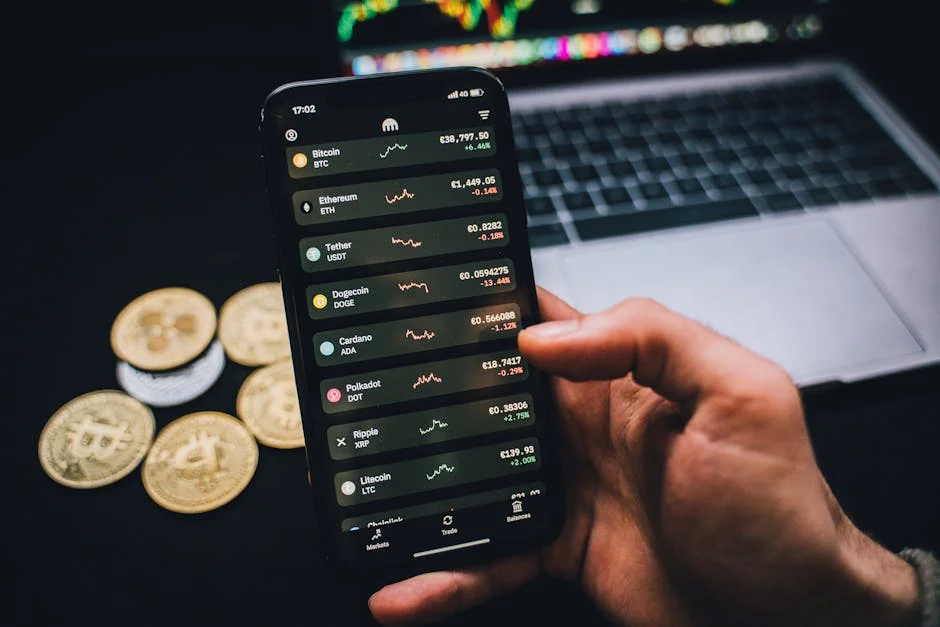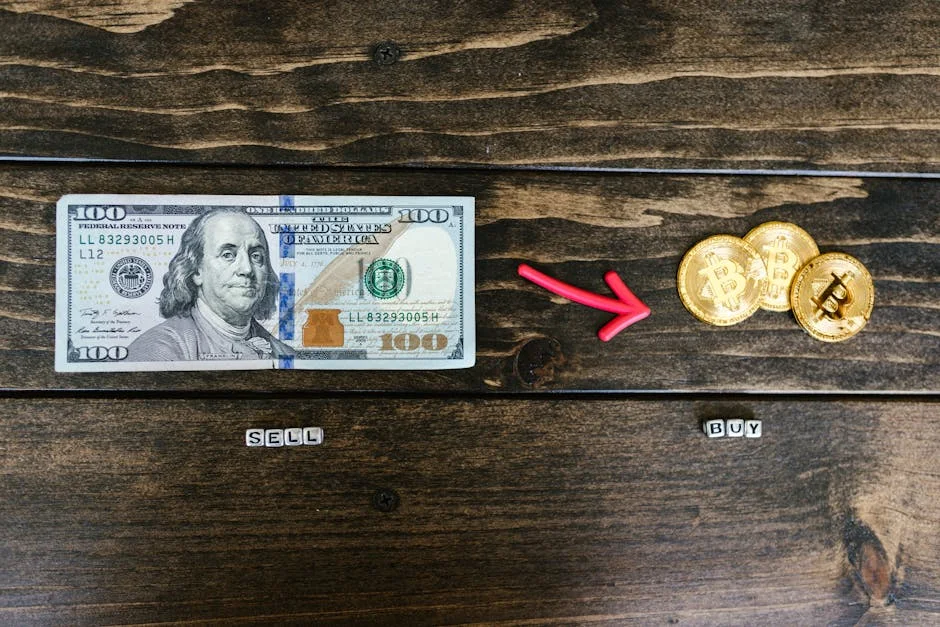
When people ask how do you buy cryptocurrency, they’re usually trying to understand more than just which button to click. Buying crypto is a process that combines finance, technology, and personal risk management. At the simplest level, you exchange government-issued money (like USD, EUR, or GBP) or another digital asset for a cryptocurrency such as Bitcoin, Ether, or a stablecoin. But underneath that simple exchange are important choices: where the purchase happens, how your funds move, who holds custody of the assets, what fees you pay, and what security protections you use. These choices affect your costs, privacy, and the likelihood of mistakes. A purchase can happen through a centralized exchange, a broker app, a peer-to-peer marketplace, or a decentralized exchange. Each route has trade-offs in convenience, verification requirements, payment methods, and the level of control you keep over your crypto.
Table of Contents
- My Personal Experience
- Understanding what it means to buy cryptocurrency
- Choosing the right platform: exchange, broker, P2P, or decentralized options
- Preparing your finances and setting a buying plan before you purchase
- Creating an account and completing identity verification safely
- Funding your account: bank transfer, card payments, and other methods
- Placing your first order: market orders, limit orders, and recurring buys
- Understanding fees, spreads, and the real cost of buying crypto
- Expert Insight
- Setting up a wallet: custodial wallets vs self-custody
- Transferring crypto to your wallet and avoiding common sending mistakes
- Managing security: scams, phishing, and safe habits after you buy
- Taxes, recordkeeping, and regulatory considerations
- Building a sustainable approach: diversification, risk controls, and long-term storage
- Putting it all together: a practical checklist for buying crypto confidently
- Watch the demonstration video
- Frequently Asked Questions
- Trusted External Sources
My Personal Experience
The first time I bought cryptocurrency, I kept it simple and used a well-known exchange app I’d heard friends mention. I signed up, went through the identity check (uploading my ID and a quick selfie), and linked my bank account instead of using a card because the fees were lower. After my deposit cleared, I started with a small amount of Bitcoin just to learn the process, double-checking the ticker symbol and the total cost before hitting “buy.” Once it went through, I moved a portion to a separate wallet so I wasn’t leaving everything on the exchange, and I wrote down my recovery phrase on paper and stored it safely. It wasn’t complicated, but taking it slow and doing one small test purchase made me feel a lot more confident. If you’re looking for how do you buy cryptocurrency, this is your best choice.
Understanding what it means to buy cryptocurrency
When people ask how do you buy cryptocurrency, they’re usually trying to understand more than just which button to click. Buying crypto is a process that combines finance, technology, and personal risk management. At the simplest level, you exchange government-issued money (like USD, EUR, or GBP) or another digital asset for a cryptocurrency such as Bitcoin, Ether, or a stablecoin. But underneath that simple exchange are important choices: where the purchase happens, how your funds move, who holds custody of the assets, what fees you pay, and what security protections you use. These choices affect your costs, privacy, and the likelihood of mistakes. A purchase can happen through a centralized exchange, a broker app, a peer-to-peer marketplace, or a decentralized exchange. Each route has trade-offs in convenience, verification requirements, payment methods, and the level of control you keep over your crypto.
It also helps to understand that “buying” isn’t always immediate ownership in the way people expect. If you buy through some platforms, you might be buying exposure to crypto rather than receiving a transferable coin in a wallet you control. Even when you do receive actual coins, the platform might hold them in a custodial wallet until you withdraw. For many newcomers, the first purchase is a small test transaction, because blockchain transfers are irreversible and mistakes like sending to the wrong address can’t be undone. Another core concept is that crypto markets run 24/7, prices can change quickly, and spreads can be wider during volatile periods. Learning how orders work (market orders vs. limit orders), recognizing the difference between a coin and a token, and understanding the basics of blockchain confirmations can reduce surprises. Once you grasp those fundamentals, the practical steps of buying become easier to evaluate and safer to execute. If you’re looking for how do you buy cryptocurrency, this is your best choice.
Choosing the right platform: exchange, broker, P2P, or decentralized options
One of the biggest decisions behind how do you buy cryptocurrency is selecting a platform that fits your priorities. Centralized exchanges (CEXs) are popular because they combine liquidity, a wide selection of assets, and features like limit orders, recurring purchases, and staking. They typically require identity verification, and they hold customer assets in custody by default. Broker-style apps are even simpler, letting you buy with a few taps, but they may charge higher spreads or bundle fees into the price. Peer-to-peer (P2P) marketplaces connect buyers and sellers directly, often offering more payment methods and sometimes more privacy, but you must be careful to use escrow features and avoid off-platform communication that can lead to fraud. Decentralized exchanges (DEXs) let you swap tokens directly from a self-custody wallet, which can improve control and reduce reliance on a company, but they usually require you to already have crypto for network fees and to understand wallets, gas costs, and smart contract risks.

To compare platforms, focus on several practical criteria. First, check whether the service is available in your region and supports your local currency and preferred payment method. Second, evaluate total costs: trading fees, deposit fees, withdrawal fees, and spreads. Third, look at security track record, insurance policies (if any), custody practices, and whether the platform offers strong account protections like hardware security keys, withdrawal address whitelisting, and time-locked withdrawals. Fourth, consider liquidity and execution quality, especially if you plan to buy larger amounts. Fifth, verify whether you can withdraw the crypto to your own wallet; some apps limit transfers or impose holding periods. Finally, consider customer support responsiveness and transparency. A platform can be “cheap” yet costly in stress if support is slow during account lockouts. Taking time to pick a reputable venue can make the purchase smoother and reduce the risk of losing funds due to errors, hacks, or restrictive policies. If you’re looking for how do you buy cryptocurrency, this is your best choice.
Preparing your finances and setting a buying plan before you purchase
Before acting on how do you buy cryptocurrency, it’s smart to treat crypto as a high-volatility asset class that requires a plan. That plan starts with deciding how much money you can allocate without jeopardizing essential expenses. Many buyers set a fixed budget and keep an emergency fund separate. Crypto prices can swing sharply in days or even hours, so buying with money you need soon can force you to sell during a downturn. A practical approach is to decide whether you’re making a one-time purchase, building a long-term position through recurring buys, or trading short-term moves. Recurring purchases, often called dollar-cost averaging (DCA), can reduce the stress of trying to time the market by spreading purchases over weeks or months. It won’t guarantee profits, but it can smooth entry prices and encourage disciplined behavior.
Next, define what you want to buy and why. Bitcoin is often chosen as a store-of-value style asset with a long track record, while Ether is associated with the Ethereum network and its application ecosystem. Stablecoins track the value of a currency like the US dollar and are sometimes used as a bridge between fiat and crypto or as a way to reduce volatility exposure. Beyond those, there are thousands of altcoins and tokens, many with limited liquidity or higher risk. A basic checklist can help: confirm the asset’s ticker symbol, verify it on the platform’s official listing, review market capitalization and daily volume, and understand what chain it’s on. Some tokens exist on multiple networks, and buying the wrong version can create transfer issues. Also decide your time horizon and exit rules: will you hold for years, take partial profits at certain levels, or rebalance periodically? A buying plan doesn’t need to be complicated, but it should be written down and realistic about risk, fees, and your own temperament during volatile markets. If you’re looking for how do you buy cryptocurrency, this is your best choice.
Creating an account and completing identity verification safely
For many people exploring how do you buy cryptocurrency, the first hands-on step is opening an account on a centralized exchange or broker. This typically involves providing an email address or phone number, setting a strong password, and enabling two-factor authentication (2FA). Most reputable platforms require identity verification (often called KYC: Know Your Customer) before you can deposit or withdraw significant amounts. KYC may ask for your legal name, address, date of birth, and a government-issued ID. Some platforms also require a selfie or short video to confirm liveness. While sharing personal documents can feel uncomfortable, regulated exchanges use KYC to comply with anti-money laundering rules and to reduce fraud. The key is to make sure you’re submitting information only on the official website or official mobile app, not through links in unsolicited emails or ads.
Security practices during signup matter because account takeovers are a common way people lose funds. Use a unique password generated by a password manager, and enable app-based 2FA rather than SMS when possible, since SIM-swap attacks can intercept text messages. If the exchange supports it, add a hardware security key for the strongest protection. Review the account’s security settings: set up anti-phishing codes (so genuine emails from the platform include a custom phrase), restrict withdrawals to approved addresses, and turn on login alerts. It’s also wise to separate your email security from your exchange security: protect your email with 2FA and a strong password, because password resets often flow through email. Once verified, you’ll usually gain access to deposit methods and higher limits. If verification fails, don’t use random third-party “verification services” that claim to help; instead, contact official support channels and confirm you’re not dealing with an impersonator. These steps can feel tedious, but they create a safer foundation for every crypto purchase you make later. If you’re looking for how do you buy cryptocurrency, this is your best choice.
Funding your account: bank transfer, card payments, and other methods
A major part of how do you buy cryptocurrency is choosing how to fund the purchase. Bank transfers are often the lowest-cost method, especially for larger buys, because fees are typically smaller than card processing fees. Depending on your country, you might use ACH, SEPA, Faster Payments, wire transfer, or other local rails. Bank transfers can take longer to settle, but many exchanges provide instant or near-instant credit once your bank account is linked and verified. Card purchases (debit or credit) are usually faster and more convenient, but they can carry higher fees and sometimes higher spreads. Some card issuers treat crypto buys as cash advances, which can add extra charges and interest. For that reason, many buyers prefer debit cards over credit cards and still compare the final price carefully before confirming a transaction.

Other funding options include third-party payment services, e-wallets, or even cash deposits in certain regions. While these can be convenient, they may have stricter limits or higher fees. If you’re using a P2P marketplace, payment methods can include bank transfers, mobile money, or other local options, but you should always follow the marketplace’s rules: keep communication on-platform, use escrow, and never mark a payment as complete until you’ve actually sent it. For any funding method, confirm the name on the bank account matches the name on your exchange account, since mismatches can trigger compliance holds. Also pay attention to deposit and withdrawal limits, especially if you plan to move funds quickly. If you want to buy and then withdraw to your own wallet immediately, check whether the platform imposes waiting periods for new accounts or for certain payment methods. Planning funding in advance reduces friction and helps you avoid costly “instant buy” options that may look convenient but add hidden costs through spreads and processing fees. If you’re looking for how do you buy cryptocurrency, this is your best choice.
Placing your first order: market orders, limit orders, and recurring buys
Once your account is funded, the practical mechanics of how do you buy cryptocurrency come down to placing an order. Most exchanges offer at least two basic order types: market orders and limit orders. A market order buys immediately at the best available current price, which is convenient but can be more expensive during volatile conditions because of slippage and spread. A limit order lets you set the maximum price you’re willing to pay. The trade will execute only if the market reaches your limit price, which can help control costs and reduce surprises. For beginners, limit orders can be a safer way to avoid buying during a sudden spike, but they require patience and an understanding that the order may not fill. Many platforms also offer “instant buy” or “convert” features that simplify the experience; these can be fine for small purchases, but you should review the quoted price and fee breakdown because the convenience sometimes comes with a wider spread.
Recurring buys are another common tool. If you want ongoing exposure without trying to time entries, you can schedule weekly or monthly purchases of a set amount. This approach can reduce decision fatigue and keep your strategy consistent. Before confirming, double-check the asset symbol, the network (where relevant), and the amount. Exchanges may show both the fiat amount you’re spending and the estimated crypto you’ll receive; because prices move, the final crypto amount can vary slightly. Also pay attention to minimum order sizes and fee tiers. Some exchanges lower fees as your trading volume increases, and some have different fees for “maker” (limit orders that add liquidity) and “taker” (market orders that remove liquidity) trades. After placing the order, verify it appears in your order history and that your balances updated. If the purchase doesn’t appear, don’t attempt multiple buys in a panic; check whether the order is pending, partially filled, or failed due to payment verification. Careful order placement is a simple habit that prevents accidental overbuying and reduces the chance of paying more than you intended. If you’re looking for how do you buy cryptocurrency, this is your best choice.
Understanding fees, spreads, and the real cost of buying crypto
People often focus on price charts when thinking about how do you buy cryptocurrency, but fees can matter just as much, especially for frequent or smaller purchases. The real cost includes explicit trading fees, deposit and withdrawal fees, blockchain network fees, and the spread (the difference between the buy and sell price). Some platforms advertise “zero commission” trades, but they may earn money through spreads or by routing trades in a way that gives you a slightly worse price. That doesn’t automatically make a platform bad, but you should compare the final amount of crypto you receive for the same fiat input across a few reputable services. Even a 1%–2% difference can add up over time. Also note that fees can vary by payment method: card purchases often cost more than bank transfers, and some services charge extra for instant settlement.
Expert Insight
Start by choosing a reputable, regulated exchange available in your country, then complete identity verification and enable two-factor authentication. Fund your account via bank transfer (often lower fees) or debit card (faster), and place a small test purchase first to confirm everything works as expected. If you’re looking for how do you buy cryptocurrency, this is your best choice.
After buying, move long-term holdings to a personal wallet you control (hardware or reputable software) instead of leaving them on the exchange. Double-check the network and wallet address before transferring, and keep your recovery phrase offline in a secure location so you can restore access if your device is lost. If you’re looking for how do you buy cryptocurrency, this is your best choice.
Network fees deserve special attention when withdrawing to a private wallet. For Bitcoin, fees depend on congestion and the size of the transaction in bytes, not simply the amount sent. For Ethereum and other smart contract networks, gas fees can spike during periods of high demand. Some exchanges charge a flat withdrawal fee that may be higher than the current network fee, while others pass through network costs more directly. If you plan to buy and move funds, check withdrawal fees beforehand so you’re not surprised. Another subtle cost is conversion fees when moving between fiat and stablecoins or between different tokens. If you buy a stablecoin first and then trade it for another asset, you might pay two sets of spreads or fees. You can often reduce costs by using advanced trading interfaces with limit orders, funding via bank transfer, consolidating withdrawals, and choosing lower-fee networks when appropriate (while still ensuring the receiving wallet supports that network). Being fee-aware doesn’t mean chasing the absolute lowest number; it means understanding what you’re paying and choosing a setup where costs are transparent and predictable. If you’re looking for how do you buy cryptocurrency, this is your best choice.
Setting up a wallet: custodial wallets vs self-custody
A crucial decision in how do you buy cryptocurrency is where your crypto will live after the purchase. If you keep funds on an exchange, you’re using a custodial wallet: the platform controls the private keys, and you access your balance through your account. Custody is convenient because it simplifies recovery if you forget a password and it can integrate with trading features. The downside is counterparty risk: if the platform is hacked, freezes withdrawals, or experiences insolvency, you may have difficulty accessing your assets. Self-custody means you control the private keys using a wallet app or hardware wallet. This gives you direct ownership and the ability to move funds without asking permission, but it also places responsibility on you. If you lose your recovery phrase or expose it to a scammer, there is usually no support desk that can undo the loss.
| Method | How it works | Best for |
|---|---|---|
| Centralized exchange (CEX) | Create an account, complete verification, deposit funds (bank/card), and place a buy order; the platform holds custody unless you withdraw to a wallet. | Beginners who want convenience, liquidity, and easy fiat on-ramps. |
| Broker / fintech app | Buy crypto like a stock inside an app; pricing is often a spread/fee, and withdrawals to external wallets may be limited depending on the provider. | Simple “buy and hold” users who value ease of use over advanced trading. |
| Decentralized exchange (DEX) | Connect a self-custody wallet, swap tokens directly on-chain, and pay network fees; you keep control of your keys throughout. | Users who want self-custody and access to on-chain tokens, and can manage wallets and gas fees. |

Wallets come in several forms. Software wallets (mobile or desktop) are convenient and often free, making them popular for smaller amounts and everyday use. Hardware wallets store keys on a dedicated device and are widely considered stronger protection for long-term holdings, since keys are kept offline and transactions are signed securely. When you create a self-custody wallet, you’ll receive a recovery phrase (seed phrase), typically 12 or 24 words. That phrase is the master key; anyone who has it can take your funds. It should be written down and stored securely, offline, and never typed into websites or shared with anyone. Another important concept is that addresses are chain-specific. A wallet might support multiple networks, but you must choose the correct network for deposits and withdrawals. If you withdraw a token on the wrong network to a wallet that doesn’t support it, recovery can be difficult or impossible. A balanced approach for many newcomers is to keep small amounts on an exchange for convenience and move larger long-term holdings to a hardware wallet, once you’re comfortable with backups and transaction checks. If you’re looking for how do you buy cryptocurrency, this is your best choice.
Transferring crypto to your wallet and avoiding common sending mistakes
After purchasing, many people want to move funds off the exchange, which is a key step in how do you buy cryptocurrency responsibly. Withdrawing crypto involves copying a receiving address from your wallet and pasting it into the exchange’s withdrawal form, selecting the correct network, and confirming the transaction. This is where careful verification matters. Malware can sometimes replace copied addresses in your clipboard, so it’s good practice to compare the first and last several characters of the address after pasting. Some wallets support QR codes, which can reduce copying errors. Start with a small test withdrawal if you’re moving a large amount, especially when using a new address or a new network for the first time. Once the test arrives, you can send the remaining balance with greater confidence.
Network selection is a frequent source of errors. For example, a token like USDT can exist on Ethereum, Tron, Solana, and other chains. If you withdraw USDT on one network but your receiving wallet expects another, funds may not show up. Sometimes recovery is possible, but it can require technical steps and may not be worth the stress. Always confirm that the wallet supports the exact chain you choose. Also be aware of memo or tag requirements on certain networks (like XRP or some exchange deposit addresses). If a destination requires a memo and you omit it, the funds may arrive but not be credited automatically. For exchange deposits, that can mean a long support ticket process. Finally, consider timing and fees: withdrawing during peak congestion can be expensive, and some exchanges batch withdrawals at intervals. After initiating a withdrawal, track the transaction hash on a block explorer to confirm status and number of confirmations. Understanding these operational details turns a confusing process into a repeatable routine and reduces the chance of an irreversible mistake. If you’re looking for how do you buy cryptocurrency, this is your best choice.
Managing security: scams, phishing, and safe habits after you buy
Security is inseparable from how do you buy cryptocurrency, because attackers target both newcomers and experienced users. Common scams include fake exchange apps, phishing emails that mimic login pages, “support” impersonators on social media, and fraudulent giveaways that promise to double your coins. Another frequent tactic is a fake investment manager who asks you to deposit crypto into a wallet they control. Once you send funds, the scammer disappears. To stay safe, always navigate to exchanges by typing the URL manually or using a trusted bookmark, and download apps only from official app stores after verifying the developer name. Treat unsolicited messages about crypto as suspicious by default, especially if they create urgency or promise guaranteed returns. No legitimate service will ask for your seed phrase, and no real support agent needs your private keys.
Account-level protections also matter. Keep 2FA enabled, review active sessions regularly, and consider using a dedicated email address for crypto accounts. If your exchange offers withdrawal whitelists, enable them so withdrawals can go only to addresses you’ve approved, and use time delays for new addresses if available. On the self-custody side, protect your recovery phrase from both digital theft and physical risks like fire or water damage; some people use metal backups for durability. Be cautious with browser extensions and unknown wallet apps, because malicious software can request signing permissions that drain funds. When interacting with decentralized applications, read transaction prompts carefully and avoid granting unlimited token approvals unless you understand the implications. Good security isn’t about paranoia; it’s about routine checks and reducing the number of ways a single mistake can become a permanent loss. Building these habits early makes future purchases and transfers safer and less stressful. If you’re looking for how do you buy cryptocurrency, this is your best choice.
Taxes, recordkeeping, and regulatory considerations
Another overlooked part of how do you buy cryptocurrency is what happens after the purchase from a legal and accounting perspective. In many countries, buying crypto with fiat is not immediately taxable, but selling crypto, swapping one crypto for another, spending crypto, or earning crypto through rewards may be taxable events. Rules vary widely by jurisdiction, and enforcement can be strict, so it’s wise to keep detailed records from the beginning. Useful records include purchase date, amount spent in fiat, the amount of crypto received, fees paid, transaction IDs, and the platform used. If you later transfer assets between your own wallets, those transfers are typically not taxable, but you still want documentation to prove cost basis and ownership trail. Many exchanges provide transaction history exports, and there are crypto tax software tools that can aggregate activity across wallets and platforms.
Regulatory considerations also affect platform choice and the buying process. Some regions require exchanges to register with financial authorities, maintain certain compliance standards, and report suspicious activity. This can influence which coins are listed and what verification steps are required. If a platform is not available in your region, using workarounds like VPNs can violate terms of service and may lead to frozen accounts when you try to withdraw. It’s also important to understand that stablecoins and certain yield products can face changing regulations, which may affect redemptions or availability. If you’re buying for business purposes, you may have additional accounting requirements, such as documenting the purpose of purchases and how assets are stored. When in doubt, consult a qualified tax professional familiar with digital assets in your jurisdiction. Solid recordkeeping is not exciting, but it can prevent expensive surprises later and makes it easier to manage your portfolio responsibly over time. If you’re looking for how do you buy cryptocurrency, this is your best choice.
Building a sustainable approach: diversification, risk controls, and long-term storage
Once you’ve learned the mechanics of how do you buy cryptocurrency, the next challenge is creating a sustainable approach that matches your goals and risk tolerance. Many buyers start with a single asset and then consider diversifying. Diversification can reduce the impact of a single project failing, but it can also increase complexity and exposure to lower-quality tokens. A practical way to diversify is to focus on a small set of well-known assets and add new positions slowly. Risk controls matter more than predictions. Decide in advance how much of your portfolio can be in crypto overall, and how much can be in higher-risk altcoins versus more established coins. Consider setting rules for position sizing, such as limiting any single speculative asset to a small percentage of your total. If you trade actively, define stop-loss and take-profit logic, but understand that crypto volatility can trigger stops in fast moves.

Storage strategy is also part of sustainability. If you plan to hold for the long term, self-custody with a hardware wallet can reduce counterparty risk, but only if you maintain backups correctly. Some people use a “hot wallet” (connected to the internet) for small amounts and a “cold wallet” (hardware wallet or offline storage) for larger amounts. You can also consider multisignature setups for additional protection, where spending requires approvals from multiple keys, though that adds complexity. Another long-term consideration is inheritance planning. If something happens to you, will a trusted person be able to access your holdings legally and safely? This can involve documented instructions, secure storage of recovery phrases, and potentially professional estate planning. A sustainable approach avoids constant impulsive changes, keeps fees under control, and prioritizes security and clarity over hype. That mindset often matters more than finding the “perfect” entry point. If you’re looking for how do you buy cryptocurrency, this is your best choice.
Putting it all together: a practical checklist for buying crypto confidently
A clear routine can make how do you buy cryptocurrency feel manageable rather than overwhelming. Start by choosing a reputable platform available in your region, then secure your account with a unique password and strong 2FA. Complete verification carefully, and link a funding method that balances speed and cost, often a bank transfer for lower fees. Decide what you’re buying, how much you’re allocating, and whether you prefer a market order for immediacy or a limit order for price control. Confirm the asset symbol, review the quote details, and place the order. After the purchase, decide whether to keep funds on the platform temporarily or withdraw to a self-custody wallet. If withdrawing, verify the receiving address, select the correct network, consider a test transaction, and track confirmations. Save your transaction records for taxes and personal bookkeeping, and keep your security posture strong by staying alert to phishing attempts and suspicious messages.
Over time, the process becomes a repeatable set of habits: compare total costs, avoid rushed decisions, and keep your storage and backups organized. The goal isn’t to eliminate risk—crypto markets and technologies always involve risk—but to control the risks you can control: platform selection, fee awareness, order discipline, secure custody, and accurate recordkeeping. If you stick to those principles, how do you buy cryptocurrency stops being a mystery and becomes a straightforward financial action you can repeat with confidence, whether you’re making a small first purchase or building a longer-term position with careful, consistent buys.
Watch the demonstration video
In this video, you’ll learn the basics of buying cryptocurrency step by step—from choosing a trusted exchange and setting up an account to verifying your identity, funding your purchase, and placing your first order. It also covers key safety tips, fees to watch for, and how to store your crypto securely after you buy. If you’re looking for how do you buy cryptocurrency, this is your best choice.
Summary
In summary, “how do you buy cryptocurrency” is a crucial topic that deserves thoughtful consideration. We hope this article has provided you with a comprehensive understanding to help you make better decisions.
Frequently Asked Questions
What do I need before buying cryptocurrency?
To get started, you’ll typically need to open an account with a crypto exchange or broker, verify your identity through KYC, and add a payment method like a bank transfer or debit/credit card. If you’re wondering **how do you buy cryptocurrency**, it also helps to have a clear wallet plan—either storing your coins on the exchange for convenience or using a self-custody wallet for more control and security.
Where can I buy cryptocurrency?
If you’re wondering **how do you buy cryptocurrency**, you have several straightforward options: use a centralized exchange like Coinbase, Kraken, or Binance; purchase through a broker app; buy directly in some payment apps; withdraw cash at a Bitcoin ATM; or, if you already own crypto to cover network fees, swap on a decentralized exchange (DEX).
How do I buy crypto step by step on an exchange?
Create an account, complete identity verification, deposit funds, choose the cryptocurrency, place an order (market or limit), then store it in the exchange wallet or withdraw to your own wallet. If you’re looking for how do you buy cryptocurrency, this is your best choice.
What payment methods can I use to buy crypto?
When you’re figuring out **how do you buy cryptocurrency**, most platforms let you pay via bank transfer/ACH, wire transfer, or a debit/credit card—and some may also support PayPal or other local payment methods. Just keep in mind that fees, processing times, and purchase limits can vary widely depending on the exchange and your region.
Should I use a market order or a limit order?
If you’re wondering **how do you buy cryptocurrency**, it helps to understand the two most common order types: a **market order** purchases right away at the best available current price (though the final price can shift slightly due to slippage), while a **limit order** lets you choose the price you want and will only go through if the market hits that level.
How do I store crypto safely after buying?
For long-term holding, consider a self-custody wallet (hardware wallet preferred) and back up your seed phrase offline; for convenience, you can keep small amounts on a reputable exchange with strong security settings. If you’re looking for how do you buy cryptocurrency, this is your best choice.
? Looking for more info about how do you buy cryptocurrency? Follow Our Site for updates and tips!

Trusted External Sources
- Ways to buy cryptocurrency – Fidelity Investments
Cryptocurrencies can be bought on traditional investment platforms, crypto exchanges, select mobile payment services, and alternative platforms.
- What is Cryptocurrency and How Does It Work? – Charles Schwab
If you’re wondering **how do you buy cryptocurrency**, the first step is to choose a reputable cryptocurrency exchange. That’s where you can trade dollars (or another fiat currency) for coins like Bitcoin or Ethereum. After you purchase your crypto, you’ll typically decide whether to keep it on the exchange for convenience or move it to a personal wallet for added control and security—then you’re ready to manage, trade, or sell whenever you choose.
- How Does Cryptocurrency Work? A Beginner’s Guide – Coursera
Feb 23, 2026 — If you’re wondering **how do you buy cryptocurrency**, the first step is choosing where to make your purchase—either through a broker or a crypto exchange. A crypto exchange is an online platform that lets you buy, sell, and trade digital currencies, often with more coin options and trading tools than a broker.
- How do I buy cryptocurrency? – Coinbase Help
Buy crypto · Select Buy on the Coinbase homepage. · Enter an amount to buy. · Select Pay with and choose or confirm your payment method. · Select Buy and choose … If you’re looking for how do you buy cryptocurrency, this is your best choice.
- Coinbase: Buy Crypto & Stocks – App Store – Apple
Coinbase is a widely trusted platform where you can securely buy, sell, trade, store, and even stake cryptocurrency—all in one place. As the first publicly traded crypto exchange in the U.S., it’s often a go-to choice for people wondering **how do you buy cryptocurrency** safely and confidently.