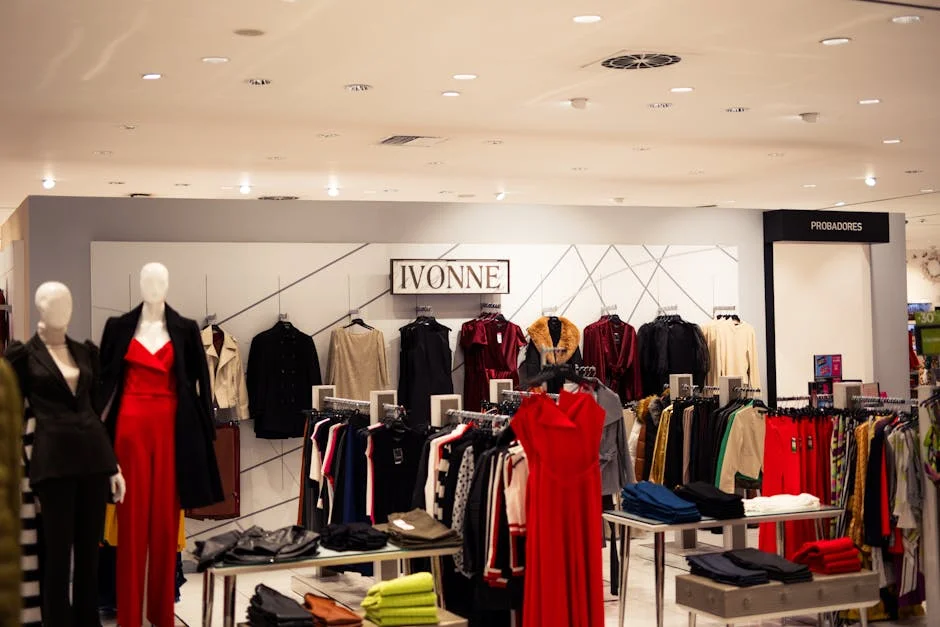
A postpartum wardrobe can feel surprisingly emotional because it sits at the intersection of comfort, identity, and a body that may change week by week. In the earliest days, clothing often becomes a tool for healing: waistbands that don’t press, fabrics that breathe, and layers that make it easy to regulate temperature when hormones are still settling. Many people discover that the items they wore late in pregnancy don’t always work afterward, not because anything is “wrong,” but because the needs are different. Swelling can come and go, the midsection may be tender, and nursing or pumping can make access a daily priority. At the same time, there’s a real desire to feel presentable, even if the day is mostly spent at home. That combination—functional and emotionally supportive—defines a smart approach to a postpartum wardrobe.
Table of Contents
- My Personal Experience
- Building a Postpartum Wardrobe That Feels Like You Again
- How Your Body and Routine Shape Clothing Needs After Birth
- Comfort-First Foundations: Fabrics, Waistbands, and Fit
- Nursing and Pumping-Friendly Tops Without Sacrificing Style
- Bottoms That Work: Leggings, Joggers, Jeans, and Skirts
- Bras, Underwear, and Sleepwear: The Hidden Workhorses
- Layering for Temperature Swings and Practical Movement
- Capsule Planning: Fewer Pieces, More Outfits
- Expert Insight
- Outfits for Real Life: Home Days, Errands, and Appointments
- Dressing for Changing Seasons and Different Climates
- Budget-Smart Shopping and What’s Worth Spending On
- Confidence, Personal Style, and Gentle Expectations
- Care, Laundry, and Keeping Clothes Looking Good With Less Effort
- When to Transition and How to Evolve Your Postpartum Wardrobe
- Watch the demonstration video
- Frequently Asked Questions
- Trusted External Sources
My Personal Experience
After my baby was born, I realized my old wardrobe didn’t fit my life—or my body—the way it used to. I kept trying to squeeze into my pre-pregnancy jeans and ended up feeling worse, so I packed them away and focused on a few pieces that actually worked: high-waisted leggings, soft nursing tanks, and oversized button-downs I could throw on without thinking. I also stopped buying “temporary” clothes and chose things that made me feel put together even on no-sleep days, like a stretchy midi dress and a cozy cardigan that didn’t cling. The biggest shift was accepting that my size was going to fluctuate, and having a small rotation that fit right now made getting dressed one less battle in the middle of everything else. If you’re looking for postpartum wardrobe, this is your best choice.
Building a Postpartum Wardrobe That Feels Like You Again
A postpartum wardrobe can feel surprisingly emotional because it sits at the intersection of comfort, identity, and a body that may change week by week. In the earliest days, clothing often becomes a tool for healing: waistbands that don’t press, fabrics that breathe, and layers that make it easy to regulate temperature when hormones are still settling. Many people discover that the items they wore late in pregnancy don’t always work afterward, not because anything is “wrong,” but because the needs are different. Swelling can come and go, the midsection may be tender, and nursing or pumping can make access a daily priority. At the same time, there’s a real desire to feel presentable, even if the day is mostly spent at home. That combination—functional and emotionally supportive—defines a smart approach to a postpartum wardrobe.

It helps to think of clothing as a set of systems rather than a pile of outfits. A reliable base layer for comfort, a few tops that support feeding if needed, and a handful of bottoms that don’t punish you for sitting, bending, or carrying a baby can reduce decision fatigue. Instead of chasing a brand-new style immediately, many people do better by choosing a “bridge” closet: pieces that fit comfortably now and still look intentional later. When the goal is to make mornings easier, the best postpartum wardrobe is one that makes you feel cared for, not one that demands you squeeze into a timeline. Prioritizing softness, flexibility, and easy care can coexist with looking polished. With a thoughtful plan, it’s possible to get dressed quickly, feel more like yourself, and still meet the practical demands of recovery and newborn life.
How Your Body and Routine Shape Clothing Needs After Birth
The postpartum period isn’t a single body phase; it’s a series of transitions. In the first days and weeks, abdominal tenderness, perineal healing, incision sensitivity after a C-section, and shifting fluid levels can make certain seams and waistbands feel intolerable. Many people experience night sweats and sudden temperature changes, which makes breathable layers far more useful than heavy, single-purpose pieces. A postpartum wardrobe works best when it anticipates these fluctuations. That might mean pants with a wide, soft waistband that sits high and doesn’t roll, or dresses that skim rather than cling. It can also mean choosing fabrics that don’t trap heat, such as cotton, modal, bamboo blends, or lightweight knits that move with you. Even the smallest decisions—like avoiding scratchy tags or stiff denim—can make a meaningful difference in daily comfort.
Routine shifts also influence what clothing is practical. Feeding schedules, pumping sessions, and contact naps can turn a day into a sequence of quick transitions rather than long stretches of time. Clothing that’s easy to open, adjust, and re-close matters. If nursing, tops with wrap fronts, button plackets, or discreet access panels can reduce the need to fully undress. If bottle-feeding, the same tops may still be useful because they’re forgiving and comfortable. The early weeks can include frequent laundry, spit-up, milk leaks, and the occasional surprise mess, so a postpartum wardrobe benefits from machine-washable items and colors or prints that don’t show every mark. The goal is not to predict every scenario, but to acknowledge that recovery and newborn care create a unique environment where practicality and self-kindness should lead every clothing choice.
Comfort-First Foundations: Fabrics, Waistbands, and Fit
Choosing the right foundations can determine whether getting dressed feels supportive or frustrating. For many, the most important element of a postpartum wardrobe is the waistband: it should be wide, soft, and stable, with enough give to accommodate bloating and shifting shape across the day. High-rise leggings with gentle compression can feel secure, but overly tight compression can be uncomfortable, especially if there is swelling or incision sensitivity. Some prefer joggers with a drawstring and a smooth front panel, while others like knit pants that look like trousers but feel like loungewear. The key is to avoid anything that digs in when sitting for long periods, bending to pick up a baby, or leaning over a bassinet. Fit also matters in tops: slightly relaxed silhouettes can feel more breathable and forgiving without looking oversized.
Fabric selection is equally central. Soft knits, ribbed cotton, modal blends, and lightweight fleece can provide warmth without bulk. Breathable materials are helpful for hormonal temperature swings and skin sensitivity. Items that stretch and recover well tend to look neater after a long day, which can boost confidence without extra effort. If you’re building a postpartum wardrobe from scratch, prioritize pieces that don’t require special care: machine wash, tumble dry low, and minimal ironing. Small design details can improve comfort too, like flat seams, tagless labels, and wider straps on tanks. Even if you love fashion, the postpartum stage is a time when clothing must serve your body, not challenge it. When the foundations are right, everything else—layering, styling, and dressing up—becomes easier and more enjoyable.
Nursing and Pumping-Friendly Tops Without Sacrificing Style
If feeding access is part of daily life, tops deserve special attention. A functional postpartum wardrobe often includes a mix of dedicated nursing pieces and regular tops that naturally work. Wrap tops, button-down shirts, and henleys can be opened with one hand and adjusted quickly. Ribbed tanks layered under cardigans or shackets can make feeding easier while also keeping you warm. Some nursing-specific tops use hidden panels or side zippers; these can be convenient, but it’s worth checking whether the openings align with your comfort and preferred feeding positions. Many people find that slightly looser tops reduce the feeling of being “on display” while still allowing quick access. Choosing tops with a bit of structure—like a thicker knit or a more substantial cotton—can look polished even when paired with leggings.
Style doesn’t have to disappear. A postpartum wardrobe can include flattering necklines, colors that brighten your face, and silhouettes that feel modern. Consider tops with vertical details (like a button placket or ribbing) that create visual length, or simple patterns that hide stains better than solid light colors. If you enjoy accessories, a small rotation of earrings, a soft headband, or a simple necklace can make a basic feeding-friendly outfit feel intentional—just be mindful of grabby baby hands. For pumping, think about layers you can remove quickly, like a zip hoodie over a tank, or a roomy sweater that can be lifted easily. The aim is to reduce friction: fewer complicated closures, fewer “special occasion” fabrics, and more tops that support your day while still feeling like real clothing.
Bottoms That Work: Leggings, Joggers, Jeans, and Skirts
Bottoms can be the most challenging part of a postpartum wardrobe because the midsection is often the last place you want pressure. Leggings are popular for good reason: they stretch, they move with you, and they pair with almost any top. Look for opaque fabric, a waistband that doesn’t roll, and enough length to avoid constant adjusting. Joggers and lounge pants can be equally valuable, especially in fabrics that drape nicely rather than cling. Some brands offer “dressy joggers” or ponte-knit pants that look closer to trousers. These can be a bridge piece for days when you want to feel more put-together without sacrificing comfort. If you’re recovering from a C-section, a high, soft waistband that sits above the incision can feel far better than a mid-rise cut that hits the tender area.

Jeans can return when they feel good, but it helps to approach denim strategically. A postpartum wardrobe doesn’t need a full denim overhaul; one pair with stretch and a forgiving waist can be enough. Look for high-rise styles with a bit of elastic in the waistband, or consider “pull-on” denim that mimics jeans while wearing like leggings. Skirts can be underrated: a midi skirt with an elastic waist can be comfortable, breathable, and easy to style with tanks, tees, and sweaters. Wrap skirts can adapt to changing measurements, but make sure the tie feels secure if you’re moving quickly. The best bottoms are the ones you don’t think about after you put them on. When you can sit, stand, carry, and bend without tugging at your waistband, you’ve found the kind of foundational piece that makes a postpartum wardrobe truly supportive.
Bras, Underwear, and Sleepwear: The Hidden Workhorses
Undergarments can make or break comfort, especially when your body is recovering and your chest may be changing size throughout the day. A supportive postpartum wardrobe usually includes a few comfortable bras that match your needs: nursing bras with easy clips, pumping bras if you pump regularly, or soft bralettes for sleep. Many people prefer wireless options early on, because underwires can press on tender tissue and feel restrictive during milk supply changes. Look for wide bands, adjustable straps, and breathable fabric to reduce irritation. If you’re dealing with leaks, washable nursing pads or built-in absorbent layers can help you feel more secure. It’s also practical to choose bras that are easy to wash and dry, since they may need frequent cleaning.
Underwear deserves equal care. High-waisted underwear with a smooth, stretchy waistband can feel supportive without squeezing. If you’re healing from stitches or an incision, seamless or ultra-soft styles can reduce friction. Some prefer disposable postpartum underwear for the earliest days, but transitioning into comfortable, reusable pairs can feel like a small milestone. Sleepwear is another major component of a postpartum wardrobe because rest happens in fragments. Button-front pajamas, sleep shirts with a henley neckline, and soft robes can make nighttime feeding easier. A robe can also provide quick coverage for unexpected visitors or delivery drop-offs. The goal is to feel comfortable enough to rest, while still having options that don’t make you feel like you’re stuck in “recovery mode” forever. Small upgrades—like a soft matching pajama set—can bring a sense of normalcy without requiring a full closet reset.
Layering for Temperature Swings and Practical Movement
Layering is a quiet strategy that makes a postpartum wardrobe far more flexible. Hormonal shifts can bring sudden chills or intense warmth, sometimes within the same hour. A light base layer, a mid-layer you can remove easily, and an outer layer that works indoors and outdoors can keep you comfortable without constant outfit changes. Think tanks under button-down shirts, tees under cardigans, or long-sleeve tops under a roomy vest. Zip hoodies are especially practical because they open quickly for skin-to-skin time or feeding and can be closed again without fuss. If you’re often standing up and sitting down with a baby, layers that don’t bunch at the waist or ride up your back will feel better over time.
Layering also supports movement and daily tasks. Pockets become more valuable than you might expect for pacifiers, hair ties, or a phone. A postpartum wardrobe benefits from outer layers like shackets, denim jackets with stretch, or soft utility jackets that add structure to simple outfits. These pieces can make leggings-and-tee combinations look more styled while still being comfortable. Scarves can be cozy, but they may get tugged, so consider a soft, shorter scarf or skip it at home. On colder days, a long cardigan can provide warmth and coverage without restricting your arms. The best layers are the ones you reach for repeatedly because they solve multiple problems: comfort, accessibility, warmth, and the feeling of being dressed rather than just covered.
Capsule Planning: Fewer Pieces, More Outfits
A capsule approach can simplify a postpartum wardrobe when energy and time are limited. Instead of building a large closet, focus on a small set of items that mix easily: two to three comfortable bottoms, five to seven tops that coordinate, and a couple of layers that elevate the basics. Neutral colors can make mixing easier, but you don’t have to avoid color; choosing one or two accent colors you love can make outfits feel more personal. The advantage of a capsule is that it reduces decision fatigue. When nearly everything matches, you can get dressed quickly and still feel pulled together. This matters on days when sleep is short and your attention is focused on the baby. A capsule also makes laundry easier because you’re rotating through a manageable set of favorites rather than juggling neglected items that don’t fit your current life.
| Option | Best for | Key benefits |
|---|---|---|
| Nursing-friendly tops (wrap, button-front, lift-up) | Easy feeding access + daily wear | Quick access, works with fluctuating bust size, pairs with jeans/leggings, layers well |
| High-waist leggings or soft lounge pants | Comfort, support, and movement | Gentle waistband, accommodates belly changes, comfortable for sitting/standing, easy to dress up with a cardigan |
| Layering piece (open-front cardigan or oversized button-down) | Temperature swings + polished look | Instant outfit upgrade, covers spit-up quickly, easy on/off, adds coverage without restricting |

Expert Insight
Build a small “grab-and-go” capsule with soft, breathable basics in your current size: two nursing-friendly tops, one cardigan or button-down for layering, and two pairs of high-waist leggings or relaxed trousers. Keep it in one drawer so getting dressed takes minutes, not decisions. If you’re looking for postpartum wardrobe, this is your best choice.
Prioritize comfort and easy access by choosing pieces with stretch, adjustable waistbands, and front openings (wrap tops, zip hoodies, button shirts). Add one simple finishing item—like a lightweight scarf or structured tote—to instantly look pulled together without sacrificing practicality. If you’re looking for postpartum wardrobe, this is your best choice.
When planning a capsule postpartum wardrobe, consider your most common week. If you’re home most days, prioritize comfortable sets that can be worn indoors and still look fine for a quick errand. If you’re attending checkups or visitors are frequent, include at least one “instant outfit” like a knit dress with a cardigan or a matching lounge set that looks intentional. If you return to work soon, add one or two pieces that align with your workplace, such as a stretchy blazer, a polished knit top, or ponte pants. The point isn’t to create rules; it’s to create ease. A small, thoughtful wardrobe can feel more luxurious than a crowded closet because everything earns its place. Over time, you can add items as your body stabilizes and your preferences become clearer.
Outfits for Real Life: Home Days, Errands, and Appointments
Home days often call for the softest version of a postpartum wardrobe, but comfort doesn’t have to mean feeling sloppy. Matching sets—like a ribbed knit top with coordinating pants—can feel like pajamas while looking like an outfit. A simple uniform can also work: leggings, a tank, and an open layer such as a cardigan or zip hoodie. Keeping a couple of these “default” combinations ready can reduce the mental load of getting dressed. If you’re nursing, consider tops that allow quick access without complicated layers. If you’re not nursing, you may still appreciate tops that are easy to pull on and don’t wrinkle. At home, fabrics that breathe and move are more important than anything that requires careful handling. Having one or two slightly nicer loungewear looks can help you feel more confident if someone stops by unexpectedly.
For errands and appointments, the best postpartum wardrobe outfits are the ones that handle movement and unpredictability. A stretchy midi dress with a jacket can be an easy one-and-done option. Leggings with an oversized button-down and sneakers can look current and feel comfortable. For cooler weather, add a long coat that fits over layers and doesn’t feel tight at the shoulders when carrying a diaper bag. Shoes matter more than many people expect; supportive sneakers or slip-on shoes can be kinder to joints and feet that are still adjusting. For medical appointments, choose clothing that allows easy access if needed—two-piece outfits can be more convenient than jumpsuits. The goal is to feel comfortable in a waiting room, while walking with a stroller, and while getting in and out of a car. When outfits are built around real movement, your postpartum wardrobe becomes a practical ally rather than another challenge.
Dressing for Changing Seasons and Different Climates
Seasonal shifts can complicate a postpartum wardrobe because layering needs, fabric choices, and footwear change quickly. In warm weather, breathable dresses, loose shorts with soft waistbands, and lightweight tops can help with heat and postpartum sweating. Look for fabrics that dry quickly and don’t cling. A cotton or linen-blend button-down can serve as a sun layer and a feeding-friendly top. In hot climates, having multiple easy-wash options is useful because you may change clothing more often. A couple of lightweight robes or kimono-style layers can provide coverage without trapping heat. If you’re spending time outdoors for walks, consider a hat and breathable sneakers, and choose clothing that won’t chafe during longer movement.
In colder seasons, warmth and easy access become the balance. A postpartum wardrobe for winter often benefits from thermal base layers, soft sweaters with stretch, and outerwear that accommodates a baby carrier if you use one. Coats with room in the shoulders and chest can feel more comfortable when carrying or wearing a baby. Scarves and beanies can add warmth quickly, but keep them practical and easy to wash. If you’re nursing, consider sweaters that lift easily or cardigans that open fully. For wet climates, waterproof footwear and a weather-resistant jacket can make daily walks more enjoyable and less stressful. Seasonal planning doesn’t require a full re-buy; it’s more about choosing a few climate-appropriate staples that work with the rest of your clothing. When the weather changes, a flexible wardrobe keeps you comfortable and helps you maintain routines like walking, appointments, and social visits.
Budget-Smart Shopping and What’s Worth Spending On
A postpartum wardrobe can be built without overspending, especially when you focus on cost-per-wear and prioritize the items you’ll reach for constantly. Many people find it worth investing in a few high-rotation pieces: a pair of excellent leggings or ponte pants, two supportive bras, and a cozy layer like a cardigan or zip hoodie. These items touch your body the most and can influence comfort all day. For tops, you can often save by choosing simple basics in colors that mix well, or by buying a couple of multipacks of tanks and tees. Secondhand shopping can be particularly effective for postpartum clothing because many pieces are worn for a relatively short season. Look for gently used nursing tops, cardigans, and stretchy dresses that still have good fabric recovery.

It also helps to shop with a plan. Before buying, identify the gaps that cause daily frustration: do you lack comfortable bottoms that fit right now, or do you have nothing that works for feeding in public, or do you need a warm layer that isn’t bulky? Filling the most annoying gaps first makes your postpartum wardrobe feel immediately better. Be cautious about buying too far ahead in size; bodies change unpredictably, and it can be discouraging to own items that don’t work when you need them. Instead, choose adjustable pieces like wrap dresses, elastic-waist skirts, and tops with flexible fits. When you do spend more, prioritize durability and washability. The best value often comes from items that survive frequent laundering and still look good. A small, well-chosen set of clothes can feel far more satisfying than a large haul that doesn’t match your daily needs.
Confidence, Personal Style, and Gentle Expectations
Clothing can influence how you feel in a season where your attention is often focused outward. A postpartum wardrobe that supports confidence doesn’t require you to “bounce back” or chase a past version of yourself. Instead, it can reflect who you are right now: someone recovering, caring for a baby, and still deserving of comfort and style. If you miss getting dressed, reintroduce style in small ways. Choose a color that makes you feel energized, add a structured layer over soft basics, or wear a simple accessory that feels like you. Fit is central to confidence; clothing that pinches or slides can create constant irritation. It’s not vanity to want clothes that feel good—comfort and dignity are part of wellbeing. Many people find that once they have a few outfits that fit well, they feel more willing to leave the house, see friends, or take photos without overthinking.
Gentle expectations matter because postpartum is not linear. Some weeks you may feel ready for jeans, and the next week you may want nothing but soft pants. A flexible postpartum wardrobe supports both without making you feel like you’re failing. It’s also okay to keep maternity pieces that still work, and it’s okay to retire items that don’t serve you anymore. Style can be practical and still personal: a favorite neckline, a signature neutral palette, or a love of dresses can continue in adjusted forms. If you’re returning to work or social events, consider one outfit that feels especially “you,” even if it’s simple. The goal is to rebuild trust with your closet. When getting dressed becomes easier, your day can start with less resistance and more steadiness, which is valuable in a time that can otherwise feel unpredictable.
Care, Laundry, and Keeping Clothes Looking Good With Less Effort
Laundry can become relentless, so a postpartum wardrobe should be designed to tolerate frequent washing. Choosing fabrics that don’t pill easily, don’t wrinkle excessively, and hold their shape can save time and frustration. Darker colors and medium-toned prints can be forgiving if you’re dealing with spit-up, milk drips, or diaper leaks. If you love light colors, keep them for pieces that are easy to treat or that you wear in lower-risk moments. Practical care habits can extend the life of your clothes: washing on gentle cycles, using a lingerie bag for bras, and air-drying items that lose elasticity in high heat. None of this needs to be perfect, but small adjustments can keep your favorite pieces looking better even when you’re washing them often.
Organization can also reduce stress. Keeping a small set of go-to outfits visible—like folded sets on one shelf—can make mornings easier. If you’re nursing or pumping, having a dedicated drawer for bras, pads, and tanks can reduce scrambling. Stain removal doesn’t have to be complicated; even rinsing quickly with cold water and using a basic stain remover can prevent long-term marks. A postpartum wardrobe thrives when it’s low-maintenance. If an item requires special washing, constant ironing, or careful handling, it might not be the right choice for this season, no matter how cute it is. The best pieces are the ones you can wear, wash, and wear again without needing extra time you don’t have. When clothes stay presentable with minimal effort, you can focus on recovery and care rather than on managing your closet.
When to Transition and How to Evolve Your Postpartum Wardrobe
Transitioning out of the earliest postpartum stage doesn’t happen on a fixed schedule, and a postpartum wardrobe can evolve gradually. Rather than replacing everything at once, many people feel best when they swap pieces as their needs change. If you notice that your most comfortable items are starting to feel too loose or no longer match your routine, it may be time to add one or two updated staples. This can be as small as replacing one pair of leggings with a slightly more structured pant, or adding a top that feels more tailored. If you’re nursing, your wardrobe may continue to prioritize access for months, but you can still choose pieces that feel like your style rather than purely functional. If you’re not nursing, you may shift toward your pre-pregnancy preferences sooner, but comfort can remain a priority without apology.
It can also help to keep a “maybe later” box for items you love but that don’t fit right now. That approach reduces pressure and prevents impulsive purchases made out of frustration. Over time, you’ll learn what silhouettes and fabrics you truly enjoy in this new chapter. Some people embrace a more relaxed style permanently; others return to more structured looks with a renewed appreciation for comfort. A postpartum wardrobe isn’t a temporary costume—it can be a thoughtful bridge that respects recovery and supports your daily life. In the final assessment, the most successful postpartum wardrobe is the one that helps you move through your days with less friction and more ease, offering comfort, function, and a steady sense of self while everything else continues to change.
Watch the demonstration video
Discover how to build a comfortable, confidence-boosting postpartum wardrobe that adapts to your changing body. This video shares practical outfit ideas, nursing-friendly essentials, and smart layering tips to make getting dressed easier. You’ll learn what pieces are worth investing in, how to mix and match, and how to feel put-together without sacrificing comfort.
Summary
In summary, “postpartum wardrobe” is a crucial topic that deserves thoughtful consideration. We hope this article has provided you with a comprehensive understanding to help you make better decisions.
Frequently Asked Questions
What should I wear in the first few weeks postpartum?
Build your **postpartum wardrobe** around soft, stretchy layers that move with you—think high-waist leggings, relaxed joggers, nursing-friendly tops, and a cozy open-front cardigan. Stick with breathable fabrics, and choose pieces that make feeding and skin-to-skin time quick and comfortable.
How do I build a postpartum capsule wardrobe?
Build your postpartum wardrobe around 10–15 mix-and-match essentials: choose 2–3 comfortable bottoms, 4–6 easy tops (with nursing access if you need it), 1–2 cozy layering pieces, one go-to dress you can actually relax in, and a pair of supportive shoes. Keep everything within a simple color palette so getting dressed feels effortless.
When should I buy postpartum clothes and what sizes?
Buy a small set for weeks 0–6 in your late-pregnancy size or one size up, then reassess around 6–12 weeks. Bodies change quickly, so avoid buying too much at once. If you’re looking for postpartum wardrobe, this is your best choice.
What are the best options for breastfeeding-friendly outfits?
Stock up on wrap tops, button-front shirts, nursing tanks, and easy two-layer combos like a tank under a cozy sweater. In your **postpartum wardrobe**, a soft, supportive nursing bra paired with an outer layer you can quickly open makes feeding on the go much simpler.
What underwear and bras are most comfortable postpartum?
High-waist seamless or breathable cotton underwear paired with a soft, supportive bra can make a big difference in your postpartum wardrobe. If you’ve had a C-section, opt for high-rise styles with a gentle waistband that rests comfortably above your incision.
How can I feel put-together while staying comfortable postpartum?
Use a simple uniform: matching lounge set or leggings + fitted tee + cardigan, plus clean sneakers or slides. Add one “finisher” like small earrings, a headband, or a structured tote. If you’re looking for postpartum wardrobe, this is your best choice.
? Looking for more info about postpartum wardrobe? Follow Our Site for updates and tips!

Trusted External Sources
- What to Wear Postpartum: Outfits To Embrace Your Body After Baby
May 27, 2026 … Must-have postpartum clothing items · Everyday Cabas tote · Busty bralette · Gisele Modal long PJ set · The Scarlett nap dress · washable silk … If you’re looking for postpartum wardrobe, this is your best choice.
- A Practical Guide to Finding Your Style Postpartum
Mar 11, 2026 … Outfit pics from 2026-2026 – excuse the filters. I got pregnant in late 2026, so this is very much my pre-kid wardrobe. In putting together this … If you’re looking for postpartum wardrobe, this is your best choice.
- Why You Need a Postpartum Capsule Wardrobe – Babylist
As of Feb 20, 2026, a **postpartum wardrobe** is all about keeping things simple with easy, mix-and-match staples you can grab without overthinking. Just as importantly, it’s about choosing pieces that feel comfortable on your body and help you feel like yourself again—confident, supported, and good both physically and mentally.
- A beginner’s guide to a postpartum wardrobe : r/femalefashionadvice
As you build your **postpartum wardrobe**, focus on pieces that feel comfortable while still looking polished. Great options include elevated fabrics like silk, wool, leather, and chiffon, along with easy-to-style staples such as most jeans and pants, skirts, blazers, scarves, and blouses. When you’re ready to dress up a bit more, add heels or a statement top to pull the whole look together.
- Postpartum Outfits: Rebuilding Your Wardrobe After Baby
As you build your **postpartum wardrobe**, it helps to start with a few comfortable, confidence-boosting staples. Think high-waisted leggings or joggers for gentle support, nursing-friendly tops and dresses for easy feeding access, and versatile layering pieces like cardigans you can throw on in seconds. Finish it off with supportive basics that feel good all day—so getting dressed is simple, practical, and still feels like you.