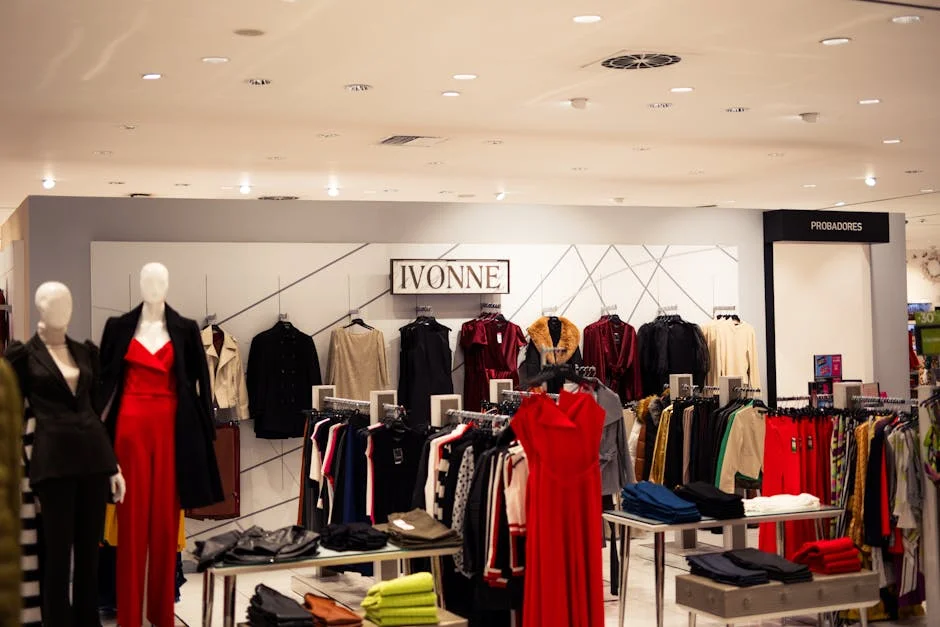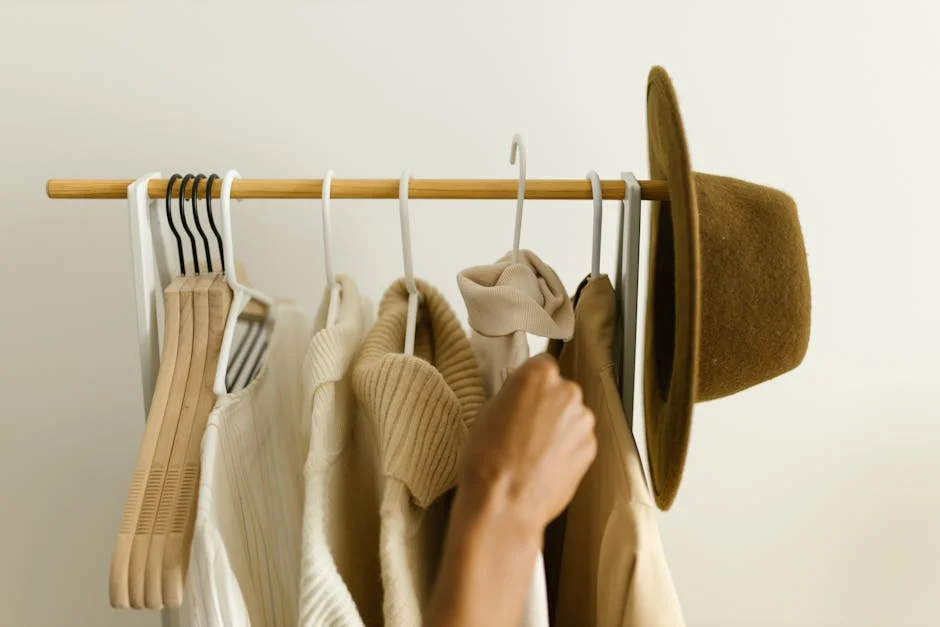
A minimalist clothing capsule is often misunderstood as a strict uniform or a punishment for liking fashion, but it’s closer to a personal system than a limitation. The point isn’t to erase variety; it’s to make variety more intentional. When your closet is packed with random purchases, duplicates, and “maybe someday” items, decision fatigue builds quietly. You can have plenty of clothes and still feel like you have nothing to wear, because the options aren’t aligned with your real life. A minimalist clothing capsule changes the structure of your wardrobe so your best pieces are easy to reach, easy to combine, and easy to maintain. Instead of chasing more, you sharpen what you already own—or what you choose to own next—so it actually supports your schedule, your climate, and your preferences.
Table of Contents
- My Personal Experience
- Why a Minimalist Clothing Capsule Feels Different From “Having Less”
- Core Principles: Fit, Function, and Repeatable Outfits
- Choosing a Color Palette That Makes Mixing Effortless
- Building Blocks: Tops, Bottoms, Layers, and Shoes
- Fabric and Care: The Quiet Engine of Minimalism
- Seasonal Strategy: One Capsule or Multiple Micro-Capsules
- Work, Casual, and Occasion Wear Without Closet Bloat
- Expert Insight
- Shopping Rules That Prevent the Capsule From Falling Apart
- Outfit Formulas: The Fastest Way to Use What You Own
- Common Mistakes: When “Minimal” Becomes Unwearable
- How to Refresh a Capsule Without Buying More
- Maintaining Your Minimalist Clothing Capsule Over Time
- Minimalist Clothing Capsule: A Practical Closing Mindset
- Watch the demonstration video
- Frequently Asked Questions
- Trusted External Sources
My Personal Experience
Last year I got tired of staring at a packed closet and still feeling like I had nothing to wear, so I tried building a minimalist clothing capsule. I pulled everything out, kept the pieces I actually reached for, and chose a small set of basics in colors that all worked together—two pairs of jeans, a black trouser, a few plain tees, a sweater, a blazer, and one good jacket. For the first week it felt a little boring, but then getting dressed became almost automatic, and I stopped impulse-buying “maybe” outfits that didn’t match anything else. The biggest surprise was how much lighter I felt on busy mornings; instead of second-guessing, I just grabbed something that fit and moved on. Now I rotate in a couple seasonal items, but the core stays the same, and my closet finally feels like it belongs to me instead of the other way around.
Why a Minimalist Clothing Capsule Feels Different From “Having Less”
A minimalist clothing capsule is often misunderstood as a strict uniform or a punishment for liking fashion, but it’s closer to a personal system than a limitation. The point isn’t to erase variety; it’s to make variety more intentional. When your closet is packed with random purchases, duplicates, and “maybe someday” items, decision fatigue builds quietly. You can have plenty of clothes and still feel like you have nothing to wear, because the options aren’t aligned with your real life. A minimalist clothing capsule changes the structure of your wardrobe so your best pieces are easy to reach, easy to combine, and easy to maintain. Instead of chasing more, you sharpen what you already own—or what you choose to own next—so it actually supports your schedule, your climate, and your preferences.

What makes a minimalist clothing capsule feel so different is the way it reduces friction across the whole day. Getting dressed becomes faster, laundry becomes more predictable, and shopping becomes less emotional. A capsule wardrobe doesn’t demand that you abandon color, pattern, or personality; it simply asks that each addition earns its place through repeated wear. If you love bold prints, your capsule can include them, but they’ll be prints you actually reach for and can pair with the rest of your wardrobe. If you prefer monochrome, the capsule approach strengthens that aesthetic and makes it easier to maintain. The “minimalist” part is less about a specific number of garments and more about editing for clarity: fewer items that do more, fit better, and last longer. That clarity becomes a style signature—one that feels calm, reliable, and surprisingly freeing.
Core Principles: Fit, Function, and Repeatable Outfits
At the heart of a minimalist clothing capsule are principles that work regardless of budget or body type: fit, function, and repeatability. Fit matters because a wardrobe can’t be minimal if you keep “backup” pieces you don’t love wearing. When clothes pinch, gap, ride up, or require constant adjusting, you’ll avoid them, then compensate by buying more. A capsule thrives when most items feel comfortable and flattering, so you reach for them again and again. If tailoring is accessible, even small adjustments—hemming pants, taking in a waist, shortening sleeves—can turn a mediocre item into a staple. If tailoring isn’t an option, the principle still applies: prioritize cuts and fabrics that move with you and match your lifestyle.
Function is equally important because your closet must serve your actual days, not an imagined version of your life. A minimalist clothing capsule built for a work-from-home routine will look different from one built for a corporate office, a trade job, caregiving, travel, or a student schedule. Weather is part of function too; someone in a four-season climate needs layering pieces, while someone in a hot, humid region may need breathable fabrics and fewer heavy items. Repeatable outfits are the final piece: a capsule succeeds when you can create multiple outfits without overthinking. That means choosing a coherent color palette, consistent silhouettes, and shoes that work across categories. A useful test is the “three-way rule”: if a new item can’t be styled at least three ways with what you already own, it’s not capsule-ready. Over time, these principles reduce closet clutter naturally because every piece has a purpose and earns frequent wear.
Choosing a Color Palette That Makes Mixing Effortless
A minimalist clothing capsule becomes dramatically easier when your color palette is intentional. This doesn’t mean only black, white, and beige—although neutrals are popular because they mix easily. A strong capsule palette usually includes two to four core neutrals plus one to three accent colors that reflect your taste. Core neutrals might be black, navy, gray, brown, cream, or olive, depending on what flatters you and what you already wear most. Accent colors can be muted (dusty blue, rust, burgundy) or bright (cobalt, red, emerald), as long as they pair well with the neutrals. The goal is to reduce “orphan items,” the pieces that look great alone but don’t connect to anything else in your closet.
To build a palette that feels personal, start by noticing patterns: what colors dominate your favorite outfits, what shades you avoid, and which tones match your skin and hair. If you’re unsure, use a practical approach: choose one dark neutral (like black or navy), one light neutral (like cream or light gray), and one warm neutral (like camel or olive). Then add one accent color you genuinely enjoy wearing. A minimalist clothing capsule doesn’t require rigid rules, but it benefits from consistency. For example, if you prefer gold jewelry, warm neutrals often harmonize better; if you prefer silver, cooler neutrals may feel more cohesive. Also consider shoe and bag colors—because accessories can either unify your palette or fight it. When your colors align, you can get dressed quickly, pack for trips easily, and rotate outfits without feeling repetitive, because the variation comes from texture, layering, and silhouette rather than constant color changes.
Building Blocks: Tops, Bottoms, Layers, and Shoes
The most wearable minimalist clothing capsule relies on a small set of building blocks that cover most situations: everyday tops, dependable bottoms, layering pieces, and comfortable shoes. Tops typically do the most “style work” because they’re closest to the face and show up most in photos and social settings. Many people find that a capsule works best with a mix of basic tees, elevated knits, and one or two statement tops that still match the palette. Bottoms should prioritize comfort and versatility—think well-fitting jeans, tailored trousers, a skirt you can dress up or down, or relaxed pants that still look polished. The key is that your bottoms should pair with most of your tops without requiring special styling tricks.
Layering pieces are the capsule’s secret weapon because they multiply outfit options without adding much closet bulk. A cardigan, blazer, denim jacket, or lightweight coat can transform the same base outfit into different moods: casual, professional, or evening-appropriate. Choose layers that match your climate and your daily movement. If you commute, a weather-appropriate outer layer matters as much as what’s underneath. Shoes deserve special attention because uncomfortable footwear can sabotage even the best capsule. A minimalist clothing capsule often works well with a small shoe lineup: one everyday sneaker, one comfortable flat or loafer, one boot for cooler weather, and one dressier option. The exact categories can shift—some people need work boots, others need heels—but the principle stays the same: each pair should cover multiple outfits and be wearable for your real day, not just an ideal occasion.
Fabric and Care: The Quiet Engine of Minimalism
Fabric choices determine whether a minimalist clothing capsule feels easy or demanding. When you own fewer items, each piece gets worn more frequently, so durability and washability matter. Natural fibers like cotton, linen, wool, and silk can be excellent, but each has trade-offs. Cotton is easy to wash but can fade; linen breathes well but wrinkles; wool regulates temperature but may require gentler care; silk feels luxurious but can be delicate. Synthetics like polyester and nylon can be durable and wrinkle-resistant, but they may trap heat and hold odors. Blends often offer a practical middle ground. The best capsule fabric is the one you’ll actually maintain: if you hate dry cleaning, a closet full of “dry clean only” items will create friction and push you back toward clutter.

Care routines are part of capsule planning. A minimalist clothing capsule benefits from choosing items that share similar care requirements, so laundry is simple and predictable. If most of your wardrobe can be washed cold and hung to dry, you reduce shrinkage and extend garment life. If you prefer machine drying, prioritize fabrics that can handle it without pilling or warping. Also consider stain resistance and recovery: does the fabric bounce back after sitting all day, or does it bag out at the knees and elbows? These details matter more in a smaller wardrobe because you’ll notice wear faster. Investing in basic maintenance tools—like a fabric shaver, a steamer, gentle detergent, and a lint roller—can make your capsule look consistently polished. Minimalism isn’t only about buying less; it’s also about keeping what you own in good condition so you don’t feel the urge to replace items prematurely.
Seasonal Strategy: One Capsule or Multiple Micro-Capsules
A minimalist clothing capsule can be structured as a single year-round wardrobe or as seasonal micro-capsules, depending on climate and storage space. In mild climates, a year-round capsule is realistic: you might add a heavier coat or swap sandals for boots, but most items can stay accessible. In four-season climates, micro-capsules often feel more practical. That might mean a warm-weather capsule with breathable fabrics and lighter colors, and a cold-weather capsule with knits, coats, and boots. The advantage of seasonal rotation is that your closet stays visually calm—only what you can wear now is in front of you—while the rest is stored neatly and protected from dust and sunlight.
When planning seasonal shifts, focus on transitional pieces that bridge temperatures. A minimalist clothing capsule becomes more flexible when you include layers like a lightweight turtleneck, a cardigan, a trench coat, or a denim jacket. These pieces help you extend the life of summer dresses into early fall or make spring outfits feel warm enough on chilly mornings. Footwear also plays a big role in seasonal structure: a waterproof boot or weather-resistant sneaker can reduce the need for multiple “just in case” pairs. To avoid overbuying each season, track what you actually wore last year and what you avoided. If a sweater stayed untouched, it may not suit your lifestyle or comfort preferences. Seasonal planning is not about forcing strict rules; it’s about aligning your wardrobe with reality so your capsule remains functional and satisfying across the year.
Work, Casual, and Occasion Wear Without Closet Bloat
One fear people have when building a minimalist clothing capsule is losing the ability to dress for different roles: work, weekends, events, and everything in between. The solution is not to add separate wardrobes for each category, but to choose pieces that can shift with styling. A blazer that works with jeans and trousers, a dress that can be layered with a sweater, or shoes that can move from office to dinner are examples of “bridge items.” The more bridge items you have, the fewer single-purpose garments you need. This is especially helpful if your life includes occasional formal events but not enough to justify a dedicated closet section of rarely worn outfits.
Expert Insight
Start by choosing a tight color palette (2–3 neutrals plus 1 accent) and build around it with versatile basics: a well-fitting tee, a crisp button-down, straight-leg trousers, dark denim, and a layering piece like a blazer or cardigan. Aim for items that can be worn at least three different ways, and prioritize fit and fabric so each piece looks polished even in simple outfits. If you’re looking for minimalist clothing capsule, this is your best choice.
Use a “one in, one out” rule to keep the capsule minimal: when adding a new item, remove one that overlaps in function or color. Once a month, do a quick outfit test—create 10 outfits from your capsule; if a piece doesn’t make the cut twice, tailor it, repurpose it, or let it go. If you’re looking for minimalist clothing capsule, this is your best choice.
For workwear, prioritize a small set of polished basics: one to two pairs of trousers, a structured layer like a blazer or refined cardigan, and tops that look professional without being fussy. For casual wear, choose elevated comfort: tees that hold their shape, jeans that fit well, and sneakers that look clean. Occasion wear can be handled with one versatile outfit—like a simple dark dress or a matching set—that changes character with accessories, makeup, or outerwear. A minimalist clothing capsule doesn’t remove the fun of dressing up; it just reduces the number of items that only serve one moment. If you attend events often, you can build a small “occasion mini-capsule” that still follows your palette and silhouette rules, ensuring those pieces can also be worn in less formal settings with relaxed styling.
Shopping Rules That Prevent the Capsule From Falling Apart
A minimalist clothing capsule is easy to build and surprisingly easy to unintentionally undo. The most common sabotage comes from impulsive shopping: buying items that are trendy, discounted, or emotionally appealing but don’t integrate. To protect your capsule, create a simple set of shopping rules. One effective rule is a waiting period—48 hours to two weeks—before purchasing anything non-essential. Another is the “full outfit test”: if you can’t name at least two complete outfits using the item with pieces you already own, it’s likely not a capsule match. A third rule is to prioritize replacement over expansion: if you buy a new white tee, it should replace an old one rather than add to a growing pile of similar shirts.
| Capsule Approach | Best For | Typical Pieces |
|---|---|---|
| All-Neutral Minimalist | Maximum mix-and-match with a streamlined look | White tee, black trousers, beige knit, black blazer, white sneakers |
| Neutral Base + Accent Color | Keeping outfits simple while adding personality | Neutral staples plus 1–2 accent items (e.g., olive jacket, burgundy knit) |
| Seasonal Micro-Capsule | Adapting to weather without overbuying | 10–15 seasonal pieces (e.g., coat, boots, knitwear in winter; linen shirt, sandals in summer) |

It also helps to define your “non-negotiables” so you don’t waste money experimenting on basics. For example, you might decide that jeans must have a certain rise, sweaters must not itch, and shoes must be walkable for a specific distance. These standards reduce returns and closet regret. A minimalist clothing capsule benefits from mindful budgeting too: spending slightly more on high-wear items can be cost-effective if they last longer and look better over time. That said, a capsule doesn’t require luxury brands—fit and fabric matter more than labels. Keep a running list of gaps you notice during real life, not hypothetical scenarios. If you repeatedly wish you had a light jacket or a pair of versatile flats, that’s a true gap. If you only “might” need a sequin top someday, it’s probably not. Shopping rules keep the capsule cohesive and prevent clutter from re-entering through the side door.
Outfit Formulas: The Fastest Way to Use What You Own
Outfit formulas are the practical backbone of a minimalist clothing capsule because they turn individual garments into repeatable systems. A formula is a template you can reuse with small variations, like “tee + straight-leg jeans + blazer + sneakers” or “knit top + skirt + boots + coat.” When you rely on formulas, you reduce daily decision-making and still look put together. Formulas also make it easier to identify what you actually need. If your favorite formula includes a layer but you only have one that works, you’ll feel that pinch quickly. Instead of buying random pieces, you can buy the missing link that supports multiple outfits.
To create formulas that feel like you, start with your most common activities: work, errands, social plans, and rest days. Then choose two to three formulas per activity level. For instance, a casual formula might be “sweater + relaxed pants + loafers,” while a polished formula might be “button-up + trousers + belt + sleek shoe.” A warm-weather formula might be “tank + linen pants + sandals,” and a cold-weather one might be “turtleneck + jeans + boot + coat.” A minimalist clothing capsule becomes more interesting when you vary texture and proportion within the same formula—switching a fitted top for an oversized one, or swapping denim for tailored fabric. Accessories can also refresh formulas without adding much volume: a scarf, a simple necklace, or a structured bag can change the impression of an outfit while keeping the wardrobe small. The goal is to make your capsule feel endlessly usable, not endlessly new.
Common Mistakes: When “Minimal” Becomes Unwearable
Minimalism can backfire when it’s pursued as a number rather than a function. One common mistake is cutting too aggressively and keeping only “aspirational” pieces. If your minimalist clothing capsule contains mostly stiff trousers, delicate fabrics, or shoes that hurt, you’ll end up wearing the same two comfort items and feeling frustrated. Another mistake is building a capsule around an aesthetic that looks good online but doesn’t match your life. A wardrobe full of light-colored basics might photograph beautifully, but it may be impractical if you commute, work with kids, or deal with messy environments. Minimalism should reduce stress, not create it.
Another frequent issue is ignoring underwear, lounge, and athletic needs. A minimalist clothing capsule is still a real wardrobe, and real wardrobes include sleepwear, workout clothes, and weather-specific accessories. If those categories are neglected, you’ll either feel unprepared or start accumulating extras in an unplanned way. People also underestimate the importance of variety in silhouette. If every top is fitted and every bottom is skinny, you might feel bored even if the colors match perfectly. Variety doesn’t require lots of items; it requires a few intentional options: one relaxed top, one structured top, one straight-leg bottom, one wide-leg bottom, and so on. Finally, many capsules fail because the owner doesn’t allow for personal joy. If you love a statement jacket or a patterned dress and it truly integrates with your palette, it can belong in a minimalist clothing capsule. The goal is cohesion and wearability, not blandness.
How to Refresh a Capsule Without Buying More
A minimalist clothing capsule doesn’t need constant shopping to feel fresh. In fact, learning to refresh outfits without adding items is one of the most rewarding parts of the process. Start by rotating how you combine pieces: tuck vs. untuck, add a belt, roll sleeves, layer a tee under a dress, or wear a button-up open like a light jacket. Small styling shifts can create noticeably different silhouettes. Another approach is to reorganize your closet so you see items differently. Group by category and color, or create a “two-week rack” of the pieces you want to focus on. When you can see what you own clearly, you’re more likely to wear it creatively.

Maintenance also refreshes a capsule. Polishing shoes, de-pilling sweaters, steaming wrinkled fabrics, and replacing worn-out basics can make outfits feel new again without expanding your wardrobe. If something feels stale, examine why: is the fit off, is the color not flattering, or is the item hard to style? Sometimes the answer is not buying more but letting one piece go and making space for a better replacement later. You can also refresh your minimalist clothing capsule by leaning on accessories you already own. A different bag, a watch, or a simple change in jewelry can shift the tone from casual to refined. Even hair and makeup choices can create variety without adding closet clutter. The more you practice these techniques, the more your capsule feels like a flexible toolkit rather than a fixed set of outfits.
Maintaining Your Minimalist Clothing Capsule Over Time
Long-term success with a minimalist clothing capsule comes from gentle, consistent maintenance rather than dramatic purges. A practical routine is a monthly or seasonal check-in: note what you wore often, what you avoided, and what needs repair. If an item is frequently skipped, ask whether it’s a fit issue, a comfort issue, or a styling issue. If it’s fit, tailor or replace. If it’s comfort, consider fabric and construction. If it’s styling, test it in new outfit formulas before deciding it doesn’t belong. This kind of review keeps your capsule aligned with your real life, which can change due to work shifts, moves, travel, or lifestyle changes.
It also helps to keep a small “holding zone” rather than making instant decisions. If you’re unsure about an item, store it out of sight for a set period. If you don’t miss it and it doesn’t fill a clear function, it’s probably safe to donate or sell. When you do shop, focus on quality replacements and true gaps, not boredom purchases. A minimalist clothing capsule is stable when it has a clear identity: consistent colors, reliable fits, and a balance of basics and personality pieces. Over time, you’ll likely find that your shopping habits change naturally. You stop buying “almost right” items and start waiting for pieces that truly fit your standards. That patience is part of the capsule mindset, and it’s what keeps your wardrobe calm, cohesive, and easy to live with.
Minimalist Clothing Capsule: A Practical Closing Mindset
A minimalist clothing capsule works best when it’s treated as a living system rather than a one-time project. Your style will evolve, your body may change, and your needs will shift with seasons and responsibilities. The capsule approach remains useful because it gives you a framework for making decisions: does this piece match my palette, fit my body comfortably, support my daily life, and create multiple outfits? When the answer is yes, your wardrobe becomes more dependable with every thoughtful choice. When the answer is no, you can skip the purchase without feeling deprived, because you’re protecting a closet that already works.
The most satisfying part of a minimalist clothing capsule is how it supports you quietly. Instead of spending energy managing clutter, you spend that energy living—showing up to work, meeting friends, traveling, creating, resting—without the constant background noise of wardrobe confusion. Minimalism here isn’t about perfection, and it isn’t about copying someone else’s closet. It’s about building a small, strong collection of clothes that you genuinely wear, that reflect your taste, and that make daily life smoother. If you keep returning to your standards—fit, function, cohesion, and repeat wear—your minimalist clothing capsule will stay resilient, stylish, and personal for years, even as trends come and go.
Watch the demonstration video
In this video, you’ll learn how to build a minimalist clothing capsule that makes getting dressed easier and more intentional. It breaks down how to choose versatile basics, pick a cohesive color palette, and create multiple outfits with fewer pieces—so your wardrobe feels simpler, more functional, and aligned with your lifestyle.
Summary
In summary, “minimalist clothing capsule” is a crucial topic that deserves thoughtful consideration. We hope this article has provided you with a comprehensive understanding to help you make better decisions.
Frequently Asked Questions
What is a minimalist clothing capsule?
A **minimalist clothing capsule** is a thoughtfully curated collection of versatile wardrobe staples that mix and match effortlessly, letting you create plenty of outfits with just a few well-chosen pieces.
How many items should a capsule wardrobe include?
A common guideline is to aim for about 25–40 pieces per season—including shoes and outerwear—but the ideal size of your **minimalist clothing capsule** really comes down to your lifestyle, how often you do laundry, and what you need day to day.
What should I include in a minimalist capsule?
Begin with versatile everyday essentials—tops, bottoms, and easy layering pieces—then add one or two dressier staples for nights out or special plans. Finish with comfortable shoes and weather-ready outerwear, all tied together in a cohesive color palette to create a polished, mix-and-match **minimalist clothing capsule**.
How do I choose a color palette for my capsule?
Choose two or three neutral shades you genuinely love, then mix in one or two accent colors for personality. When most of your pieces work well together, creating outfits becomes effortless—and your **minimalist clothing capsule** feels cohesive and easy to wear every day.
How do I build a capsule wardrobe on a budget?
Start by taking stock of what’s already in your closet and identifying the pieces you truly need to fill real gaps in your **minimalist clothing capsule**. When it’s time to shop, prioritize secondhand finds or wait for good sales, and invest in well-made staples—especially for the items you reach for most often.
How do I maintain and refresh a minimalist capsule over time?
Adopt a one-in-one-out rule to keep your **minimalist clothing capsule** intentional: pay attention to what you truly wear, mend or tailor your favorite staples so they last, and bring in seasonal pieces only when the weather (and your routine) actually calls for them.
? Looking for more info about minimalist clothing capsule? Follow Our Site for updates and tips!

Trusted External Sources
- Minimalist Capsule Wardrobe : r/minimalism – Reddit
Jul 15, 2026 … The simplest way to create a capsule wardrobe is to (during each season) pull aside all items you use regularly, and remove all else from your closet. If you’re looking for minimalist clothing capsule, this is your best choice.
- How to Build a Capsule Wardrobe for Women (+ Free Checklist)
Consider how much time disappears into shopping trips, endless try-ons, returns, closet reorganizing, and the daily “what should I wear?” debate. Building a **minimalist clothing capsule** streamlines all of it—fewer pieces, better combinations, and outfits that come together effortlessly—so you can spend less time managing your wardrobe and more time focused on what actually matters.
- Have you tried the capsule wardrobe? : r/minimalism – Reddit
Jul 20, 2026 … I have a semi-capsule wardrobe. Most of the things I own can be worn to work, casually or dinner. It works for me because I have a very minimalist style. If you’re looking for minimalist clothing capsule, this is your best choice.
- I’ve had a capsule wardrobe for 10 years—This is what I’ve learned
As of Jan 23, 2026, many style experts suggest a capsule wardrobe typically includes around 30–40 pieces—but the “right” number really depends on your lifestyle, climate, and how often you do laundry. The goal of a **minimalist clothing capsule** isn’t to hit a strict item count; it’s to curate a small, versatile collection you genuinely wear and love.
- How I Finally Made a Capsule Wardrobe Work – The Mom Edit
Feb 19, 2026 … Here are a few practical tips to help you build a **minimalist clothing capsule** that truly fits your lifestyle—whether your days are spent in an office, on the go, at home, or anywhere in between.