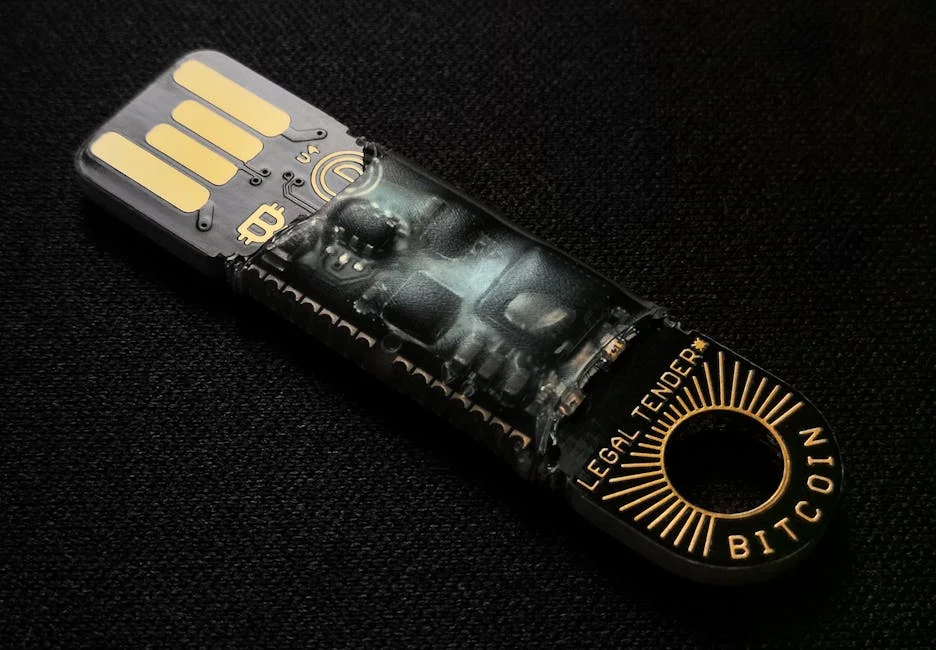
Cold crypto storage is a method of keeping digital asset private keys offline so they are not exposed to internet-connected threats. The idea is simple: if the secret that authorizes spending cannot be reached by malware, phishing scripts, browser exploits, or compromised cloud accounts, the attacker’s most direct path to theft is blocked. Unlike a typical “hot” setup where a wallet app signs transactions on a device that routinely goes online, offline custody tries to minimize the number of ways an adversary can touch the signing environment. Cold crypto storage is often associated with hardware wallets, air-gapped computers, and paper-based backups, but the concept is broader: it’s a security posture that treats private keys like bearer instruments and designs processes around keeping them away from networks, remote access tools, and untrusted peripherals.
Table of Contents
- My Personal Experience
- Understanding Cold Crypto Storage and Why It Exists
- Hot Wallets vs. Offline Custody: Threat Models That Drive Decisions
- How Cold Crypto Storage Works at the Key Level
- Hardware Wallets as a Practical Form of Cold Crypto Storage
- Air-Gapped Computers and Offline Signing Workflows
- Paper Wallets, Seed Phrases, and the Reality of “Offline” Backups
- Multisignature Cold Crypto Storage for Higher Assurance
- Physical Security: Protecting Devices, Backups, and Access Paths
- Expert Insight
- Operational Security: Safe Setup, Verification Habits, and Avoiding Common Traps
- Long-Term Maintenance: Backups, Device Lifecycles, and Recovery Drills
- Balancing Convenience and Security: Practical Allocation Strategies
- Choosing a Cold Storage Solution: Evaluation Criteria That Matter
- Common Misconceptions and Mistakes That Undermine Offline Custody
- Final Thoughts on Building Confidence with Cold Crypto Storage
- Watch the demonstration video
- Frequently Asked Questions
- Trusted External Sources
My Personal Experience
After watching a friend lose access to an exchange account during a sudden “security review,” I finally moved most of my crypto into cold storage. I bought a hardware wallet, set it up offline at my kitchen table, and wrote the seed phrase by hand twice—one copy went into a small fireproof box at home and the other into a sealed envelope at my parents’ place. The process felt a little paranoid at first, but it also made me realize how many ways a simple screenshot or cloud note could go wrong. Now I keep only what I’m actively trading on an exchange, and the rest just sits in cold storage where I’m not tempted to mess with it. It’s less convenient, but I sleep better knowing a phishing email can’t drain my long-term holdings. If you’re looking for cold crypto storage, this is your best choice.
Understanding Cold Crypto Storage and Why It Exists
Cold crypto storage is a method of keeping digital asset private keys offline so they are not exposed to internet-connected threats. The idea is simple: if the secret that authorizes spending cannot be reached by malware, phishing scripts, browser exploits, or compromised cloud accounts, the attacker’s most direct path to theft is blocked. Unlike a typical “hot” setup where a wallet app signs transactions on a device that routinely goes online, offline custody tries to minimize the number of ways an adversary can touch the signing environment. Cold crypto storage is often associated with hardware wallets, air-gapped computers, and paper-based backups, but the concept is broader: it’s a security posture that treats private keys like bearer instruments and designs processes around keeping them away from networks, remote access tools, and untrusted peripherals.

Cold crypto storage matters because blockchains are designed to be irreversible and permissionless. If a private key is stolen and funds are moved, there is typically no chargeback, no centralized help desk with the power to reverse the transaction, and no guarantee that law enforcement can recover the assets. That finality can be a strength for settlement, but it also amplifies the consequences of operational mistakes. Offline custody reduces exposure, yet it introduces its own trade-offs: usability friction, more steps for sending funds, and a greater need for careful backups and recovery planning. Many losses happen not from sophisticated hacks but from preventable errors—misplaced seed phrases, water-damaged paper backups, or rushed procedures performed on an infected computer. A strong cold setup aims to reduce both cyber risk and human error by using clear workflows, redundant backups, and predictable verification steps.
Hot Wallets vs. Offline Custody: Threat Models That Drive Decisions
Choosing cold crypto storage starts with understanding your threat model: who might attack, what tools they could use, and what consequences you face. Hot wallets, including exchange accounts and mobile wallet apps, are optimized for convenience and frequent transactions. They are often protected by device passcodes, biometrics, and sometimes hardware security modules on the provider’s side, but they remain connected to the internet. That connectivity is the main risk factor. Attackers can attempt SIM swaps, credential stuffing, OAuth token theft, malicious browser extensions, clipboard hijackers that replace addresses, or remote access trojans that wait for a wallet to be unlocked. Even if a wallet app uses strong cryptography, the surrounding environment—operating system, browser, drivers, and installed apps—can be the weak point that exposes keys or tricks you into signing the wrong transaction.
Cold crypto storage changes the attacker’s playbook. If the private key never touches an online device, many common attacks fail outright. That doesn’t mean the system becomes unbreakable; it means the adversary now needs a different approach: physical theft, coercion, supply-chain tampering, or social engineering aimed at recovery phrases. This is why offline custody is often paired with physical security measures and procedural discipline. It also explains why some users choose a blended approach: a small hot balance for day-to-day activity and a larger offline reserve for long-term holding. A good decision considers frequency of transactions, the value being protected, your ability to follow careful steps, and whether you can store backups securely. For some, a reputable exchange with strong security controls may be acceptable for small amounts; for others, especially those holding significant value, offline key management becomes the default.
How Cold Crypto Storage Works at the Key Level
At the center of cold crypto storage is the private key, the secret number that proves ownership and authorizes spending. Most modern wallets use a seed phrase (often 12 or 24 words) that deterministically generates many private keys. This seed phrase is effectively the master secret; anyone with it can recreate the wallet and move funds. Offline custody focuses on generating that seed in a trusted environment, keeping it away from cameras and cloud backups, and ensuring it is stored in a way that survives accidents. When you later send funds, the transaction can be constructed on an online device, transferred to the offline signer, signed without exposing the secret, and then returned to the online device for broadcasting. The offline signer may be a dedicated hardware wallet, an air-gapped laptop, or even a specialized signing device.
Understanding the signing flow helps prevent common mistakes. A typical transaction has inputs, outputs, and metadata. The online device can assemble the unsigned transaction, but it should not have access to the seed phrase. The offline device verifies the destination address and amount on a trusted screen and then signs. This separation reduces the chance that malware can silently change the address, though it does not eliminate it if you fail to verify what the offline device displays. Cold crypto storage also depends on strong randomness at key generation time. Weak entropy, compromised random number generators, or pre-generated seeds from untrusted sources can lead to predictable keys that attackers can guess. For that reason, reputable hardware wallets and well-audited offline tools emphasize secure element usage or deterministic generation methods that reduce reliance on potentially compromised operating systems. The goal is not only to keep keys offline later, but also to ensure they were created safely in the first place.
Hardware Wallets as a Practical Form of Cold Crypto Storage
Hardware wallets are among the most common tools for cold crypto storage because they combine offline key handling with a user-friendly signing workflow. In many designs, the private keys are generated and stored within the device and never leave it. When you initiate a transaction on a computer or phone, the hardware wallet receives the unsigned transaction data, displays the critical details on its own screen, and signs internally. The signed transaction is then returned to the connected device for broadcasting. Even though the hardware wallet may connect via USB or Bluetooth, the security model aims to prevent key extraction. That said, the overall safety still depends on buying from a trusted source, verifying authenticity, setting a strong PIN, and protecting the recovery phrase from exposure.
Using a hardware wallet well requires attention to real-world pitfalls. Supply-chain risks are a major concern: a tampered device, a pre-initialized seed phrase card, or malicious firmware can compromise offline custody before you even begin. Best practice is to purchase directly from the manufacturer or authorized resellers, ensure the device allows you to generate a new seed on first use, and verify firmware signatures when possible. Another risk is “blind signing” where a device signs complex smart contract transactions without clearly showing what will happen, increasing the chance of approving malicious approvals or transfers. Some ecosystems are improving transaction decoding, but users should still be cautious with DeFi and NFT interactions. Hardware-based cold crypto storage is strongest when paired with a conservative approach: keep long-term holdings in simple addresses, limit contract approvals, and consider using separate wallets for experimental activity versus long-term reserves.
Air-Gapped Computers and Offline Signing Workflows
An air-gapped setup is a classic cold crypto storage approach: a computer that never connects to the internet is used to generate keys and sign transactions. The appeal is transparency and control. You can install a minimal operating system, disable networking hardware, and use open-source wallet software to create a seed phrase offline. Transactions are moved between the online and offline environments using QR codes, microSD cards, or other removable media. When done carefully, this can be very robust because the signing environment is isolated. It also supports advanced workflows, including multisignature arrangements and custom scripts, where a dedicated offline machine can serve as one signer among several.

The main challenge with air-gapped cold crypto storage is operational hygiene. Removable media can carry malware, and offline computers can still be compromised through infected installers, malicious firmware, or compromised peripherals. A careful process includes verifying software hashes, using trusted installation media, and minimizing the number of files transferred across the gap. QR-based transfer can reduce some removable media risks, but it has its own limitations in capacity and usability. Another consideration is long-term maintainability: an offline laptop’s battery can fail, storage can degrade, and finding compatible cables or adapters years later may be difficult. For durable offline custody, some people keep multiple offline signing options or periodically test the ability to sign and recover. The goal is to ensure that cold crypto storage remains usable not just today, but also during stressful moments when funds must be accessed quickly.
Paper Wallets, Seed Phrases, and the Reality of “Offline” Backups
Paper wallets are often mentioned as cold crypto storage, but the term can be confusing. Historically, a paper wallet meant printing a private key or QR code and storing it physically. Modern best practice generally prefers seed phrases written down rather than printing raw keys, because deterministic wallets and standardized recovery phrases are more flexible. Still, paper introduces vulnerabilities: fire, water, fading ink, and easy theft. A seed phrase written on paper is offline, but it is also a single point of failure if not backed up correctly. Additionally, the process of generating a “paper wallet” can be dangerous if done on an internet-connected device or a printer that stores print jobs. The offline nature of the final artifact does not guarantee the secrecy of how it was created.
Safer cold crypto storage using seed phrases focuses on generation, storage, and access control. Generation should happen on a trusted device, ideally a hardware wallet or an offline computer. Storage should consider environmental threats: using archival-quality materials, storing copies in separate secure locations, and protecting against unauthorized access. Many users choose metal seed plates to resist fire and water damage, but these can still be stolen, photographed, or copied. A careful approach balances redundancy and secrecy: too few backups risks loss; too many increases exposure. Seed splitting methods, such as Shamir’s Secret Sharing or using multiple partial backups, can reduce the risk of a single stolen backup compromising everything, but they add complexity and require careful documentation. The best offline custody plan is the one you can execute reliably, verify periodically, and recover from under pressure without improvisation.
Multisignature Cold Crypto Storage for Higher Assurance
Multisignature (multisig) setups can elevate cold crypto storage by requiring multiple independent keys to authorize a transaction. Instead of one seed phrase controlling the funds, you might require two of three signers, or three of five, to move assets. This reduces the impact of a single compromised device or stolen backup. A thief who finds one seed phrase cannot spend funds without the additional signatures. Multisig is particularly useful for larger holdings, shared custody among business partners, or family arrangements where no single person should have unilateral control. It can also help mitigate coercion risk because one signer alone cannot comply even under pressure.
Despite its security benefits, multisig increases operational complexity. You must manage multiple devices, ensure compatibility with the chosen blockchain and wallet software, and store backups for each signer. You also need to store the multisig “configuration” information—such as extended public keys and derivation paths—so the wallet can be reconstructed if software changes. A failure to document these details can turn a strong security design into a recovery nightmare. Cold crypto storage with multisig works best with clear procedures: label devices, define who holds each key, practice signing a small test transaction, and plan for contingencies such as device loss or the death of a key holder. When done well, multisig can transform offline custody from a single point of failure into a resilient system that tolerates both technical mishaps and human mistakes.
Physical Security: Protecting Devices, Backups, and Access Paths
Cold crypto storage is not purely a technical problem; it is also a physical security problem. If someone can access your hardware wallet, your seed phrase, or your backup locations, offline custody can fail quickly. Practical physical security starts with reducing obvious exposure: avoid leaving seed phrases in desks, filing cabinets, or anywhere that visitors or contractors could access. Consider the risk of burglary, natural disasters, and even routine maintenance where items might be moved or photographed. A safe or safety deposit box can help, but each option has trade-offs. A home safe can be attacked, and a deposit box introduces reliance on a third party and potential access restrictions during emergencies. The best choice depends on local conditions, personal risk tolerance, and how quickly you might need access.
| Cold Storage Option | Best For | Pros | Cons |
|---|---|---|---|
| Hardware Wallet | Long-term holders who want strong security with regular access | Private keys stay offline; easy to use; supports many assets | Costs money; can be lost/damaged; supply-chain risk if not bought from trusted sources |
| Paper Wallet / Seed Phrase Backup | Deep cold storage with minimal transactions | No electronic attack surface; inexpensive; simple to store in a safe | Easy to destroy (fire/water); handling errors can expose keys; inconvenient to spend from |
| Air-Gapped Device | Advanced users securing larger amounts with maximum isolation | Strong isolation from internet threats; can sign transactions offline | More complex setup/maintenance; user error risk; still needs secure transfer method (QR/USB) |
Expert Insight
Use a dedicated hardware wallet (or an air-gapped device) and initialize it offline. Write the recovery seed on durable material, verify it by restoring to a second device, and store the seed in a separate, secure location from the wallet to reduce single-point-of-failure risk. If you’re looking for cold crypto storage, this is your best choice.
Harden your process: download wallet firmware and companion apps only from official sources, verify checksums/signatures when available, and keep a clean computer for transactions. For larger holdings, consider a multisig setup and perform a small test transfer before moving the full balance. If you’re looking for cold crypto storage, this is your best choice.
Access paths matter as much as storage. If you routinely retrieve a seed phrase to enter it into devices, you increase the chance of exposure. A good cold crypto storage workflow minimizes seed handling after initial setup. The seed phrase should ideally be used only for recovery, not for day-to-day activity. If you must restore, do it in a controlled environment: no cameras, no smart speakers, no screen recording, and no untrusted people nearby. Also consider the risk of “shoulder surfing” and accidental cloud backups from phones that automatically sync photos; taking a picture of a seed phrase is one of the most common ways people unintentionally defeat offline custody. Physical security also includes planning for heirs or trusted parties without creating an easy theft opportunity. A well-designed plan can keep secrets protected while still enabling legitimate recovery through documented steps and controlled access to partial information.
Operational Security: Safe Setup, Verification Habits, and Avoiding Common Traps
Operational security is the set of habits and procedures that keep cold crypto storage effective over time. Many failures happen during setup: entering a seed phrase into a website, downloading fake wallet software, or storing backups in cloud notes. A careful setup begins with verifying you are using genuine software and hardware, minimizing distractions, and completing the process in one focused session. After generating the seed, verify it by performing an on-device recovery check if supported. Then send a small test transaction to the new address and confirm you can receive funds. These steps build confidence that the wallet is functioning and that your backup is accurate before large amounts are involved.

Verification habits are crucial when spending. Malware often targets the moment a user copies an address by replacing it in the clipboard. Cold crypto storage reduces this risk only if you verify the destination address on the trusted screen of your signing device. For large transfers, many people verify a full address or at least a long prefix and suffix, and they test with a small “canary” transaction first. Another common trap is signing malicious approvals on smart contract platforms, where the transaction may not look like a direct transfer but can grant permission to drain tokens later. Offline custody helps, but it is not magic; the device can only protect you if you understand what you are approving. Keep long-term holdings segregated from experimental DeFi addresses, revoke token approvals periodically, and avoid connecting your primary cold wallet to unknown dApps. Strong procedures make cold crypto storage sustainable and reduce the chance that one rushed click undermines months or years of careful saving.
Long-Term Maintenance: Backups, Device Lifecycles, and Recovery Drills
Cold crypto storage should be treated like an ongoing system rather than a one-time purchase. Devices age, firmware updates are released, wallet standards evolve, and your personal circumstances change. A long-term plan includes periodic checks that backups remain readable and intact. Paper can degrade, ink can fade, and metal plates can corrode in harsh environments. It is wise to review storage locations occasionally for moisture, heat, or tampering. Similarly, hardware wallets can fail unexpectedly. Keeping a spare device from the same vendor or a compatible alternative can reduce downtime, but it also adds inventory that must be secured. If you rely on an air-gapped laptop, consider whether it will still boot years later and whether you have the chargers and adapters needed to use it.
Recovery drills are one of the most overlooked elements of cold crypto storage. A recovery drill means practicing, with small amounts, the process of restoring a wallet from a seed phrase and successfully accessing funds. This can reveal mistakes like an incorrectly written word, wrong word order, missing passphrase, or misunderstanding of derivation paths. Doing this once, then storing the seed away again, can dramatically reduce anxiety and uncertainty. If you use an additional passphrase (sometimes called a 25th word), document its existence and storage method carefully; losing it is equivalent to losing the funds. For multisig, drills should include reconstructing the wallet configuration and verifying that signers can coordinate. Maintenance also includes deciding when to update firmware. Updates can improve security and compatibility, but they should be done cautiously, using verified sources, and ideally after confirming you have correct backups. The goal is to keep offline custody both secure and operable across years, not just during the initial setup.
Balancing Convenience and Security: Practical Allocation Strategies
A realistic approach to cold crypto storage often involves allocating funds based on intended use. Keeping everything offline can be inconvenient if you transact frequently, while keeping everything online can be risky if you hold meaningful value. Many people use a tiered structure: a small “spending” balance in a hot wallet for routine transfers, a medium balance in a more controlled environment like a hardware wallet used occasionally, and a long-term reserve in more stringent offline custody—possibly multisig, possibly stored with geographically separated backups. This approach limits the damage of a single incident. If a phone is lost or compromised, only the hot tier is affected. If a single hardware wallet is stolen, a PIN and optional passphrase may slow the attacker, and multisig can prevent spending altogether.
Convenience also affects behavior, and behavior affects security. If a cold setup is too cumbersome, people tend to bypass it, store seed phrases in insecure places “temporarily,” or reuse addresses and devices in ways that increase risk. A good plan respects human factors. For example, if you travel often, consider whether you need a small portable wallet and keep the main cold crypto storage at home with stronger physical protection. If you are responsible for a family treasury, consider a multisig arrangement where one signer is stored in a safe place and another is held by a trusted party, reducing single-person risk. If you run a business, define clear policies for who can initiate transactions, how approvals are recorded, and how signers are secured. The most secure system is the one that remains consistently followed. By aligning security controls with actual usage patterns, offline custody becomes a stable routine rather than a fragile ideal.
Choosing a Cold Storage Solution: Evaluation Criteria That Matter
Selecting a cold crypto storage solution should be based on measurable criteria rather than brand hype. Start with transparency and track record: has the device or software been independently audited, and does the vendor have a history of timely security disclosures? Consider how keys are generated and stored, whether the device supports passphrases, and whether it has a secure screen that clearly displays transaction details. Evaluate the ecosystem support for the assets you hold, including how well it handles address verification and transaction decoding. For advanced needs, assess multisig support, compatibility with open standards, and whether the setup can be recovered without relying on proprietary services. The recovery process should be clear and well-documented, because recovery is when most people make irreversible mistakes.

Also consider the full lifecycle: purchasing, setup, everyday use, and eventual migration. Purchasing should minimize supply-chain risk by using trusted channels and verifying packaging and device authenticity. Setup should allow you to generate your own seed phrase rather than relying on anything pre-printed. Everyday use should make it easy to verify addresses and amounts, because verification is your main defense against compromised computers and phishing. Migration matters because you may later move to a different wallet, change security models, or adopt multisig. A good cold crypto storage plan avoids lock-in by using standard seed phrases and widely supported derivation paths where possible. Finally, consider your own preferences: if you are not comfortable with complex procedures, a simpler hardware wallet setup with strong physical backup practices may outperform a complicated air-gapped system that you rarely use correctly. The right choice is the one that you can operate securely, consistently, and calmly.
Common Misconceptions and Mistakes That Undermine Offline Custody
One misconception is that cold crypto storage automatically means “safe no matter what.” In reality, offline custody reduces certain classes of attacks but does not eliminate risk. Social engineering remains powerful: fake support agents, counterfeit apps, and phishing sites can persuade people to reveal seed phrases. Another misconception is that a hardware wallet alone is sufficient. If the recovery phrase is photographed, typed into a computer, or stored in email drafts, the attacker no longer needs the device. Similarly, some assume that leaving funds on an exchange is equivalent to cold storage because the exchange claims to use offline reserves. Even if a provider uses offline custody internally, you still face counterparty risk: account freezes, withdrawal delays, regulatory actions, or insolvency events that are unrelated to private key security.
Other mistakes come from overconfidence and lack of rehearsal. People sometimes skip writing down the seed phrase carefully, assume they will “remember it,” or store it in a single location that is vulnerable to disaster. Others create multiple copies but fail to control access, effectively multiplying the number of theft opportunities. Some users misunderstand passphrases and accidentally lock themselves out by forgetting the exact spelling or spacing. Another issue is mixing roles: using the same wallet for long-term holding and frequent dApp interactions increases the chance of approving a malicious contract call that drains tokens. Cold crypto storage works best when roles are separated: a conservative vault wallet for long-term holdings and a separate wallet for experimentation. Finally, ignoring updates and advisories can be risky; while you should not update impulsively, you also should not remain unaware of known vulnerabilities. Offline custody is strongest when paired with humility, careful documentation, and a willingness to practice recovery and spending steps before large value is at stake.
Final Thoughts on Building Confidence with Cold Crypto Storage
Cold crypto storage is ultimately about designing a system you can trust under real-world conditions: when you are tired, distracted, traveling, or facing urgent decisions. The strongest setups combine offline key protection with clear human procedures—secure generation, durable backups, careful verification, and periodic recovery drills. Whether you use a hardware wallet, an air-gapped computer, multisignature, or a combination, the goal is to keep private keys out of reach of online attackers while also preventing self-inflicted loss through poor backup practices. A balanced plan recognizes that security is not a single product but a collection of habits and safeguards that reduce both cyber and physical risks.
Confidence grows when the process is repeatable. Start small, test receiving and sending, confirm you can restore from backups, and then scale up. Keep long-term holdings separated from high-risk activity, verify transaction details on trusted screens, and treat seed phrases like the master keys they are. If you adopt multisig or advanced offline signing, document the configuration and ensure trusted parties understand their roles without giving any one person too much power. With careful planning and steady routines, cold crypto storage can provide durable protection for digital assets while preserving the ability to access and use them when it truly matters.
Watch the demonstration video
In this video, you’ll learn what cold crypto storage is and why it’s one of the safest ways to protect digital assets from online threats. It breaks down common cold storage options—like hardware wallets and paper backups—explains how they work, and shares practical tips for setting up and securing your private keys.
Summary
In summary, “cold crypto storage” is a crucial topic that deserves thoughtful consideration. We hope this article has provided you with a comprehensive understanding to help you make better decisions.
Frequently Asked Questions
What is cold crypto storage?
Cold storage keeps private keys completely offline (e.g., hardware wallets, paper/metal backups) to reduce hacking risk.
Why use cold storage instead of an exchange or hot wallet?
Because exchanges and hot wallets are always connected to the internet, they’re easier targets for malware, phishing scams, and even platform breaches. Using **cold crypto storage** keeps your assets offline, dramatically reducing your exposure to online attacks.
What are common types of cold storage?
Options for **cold crypto storage** include hardware wallets, fully air‑gapped computers, and offline backups like paper wallets or seed phrases engraved in metal. For even stronger protection, you can add a multisig setup so no single device or person can move funds on their own.
How do I move crypto into cold storage?
Set up a brand-new wallet while you’re offline, carefully write down and securely store the seed phrase, then transfer your assets from an exchange or hot wallet to a receiving address generated by the cold wallet—an easy, reliable way to move your funds into **cold crypto storage**.
What are the biggest risks of cold storage?
Risks include losing, having stolen, or accidentally destroying your seed phrase or device, making mistakes during setup, and falling for scams that pressure you into sharing your recovery words—even when using **cold crypto storage**.
What best practices should I follow?
For strong security, write your seed phrase down offline and keep backup copies in separate, secure places. If your wallet supports it, enable a PIN or extra passphrase protection. Always confirm recipient addresses directly on the device before sending, and do a small test transaction to make sure you can recover everything smoothly—especially when setting up **cold crypto storage**.
? Looking for more info about cold crypto storage? Follow Our Site for updates and tips!

Trusted External Sources
- Arculus Cold Storage Wallet | Securely Manage Crypto & NFTs
Arculus® is a powerful **cold crypto storage** wallet built around one simple idea: your keys and your crypto should stay in your hands. Instead of relying on stored recovery phrases, Arculus delivers a serious, streamlined security solution designed to keep your assets protected—without the usual hassle.
- When should I consider getting a cold storage wallet? : r/Bitcoin
As of Jan 25, 2026, your crypto held in **cold crypto storage** can remain safe and accessible long term—as long as you’ve set it up correctly, protected your recovery phrase, and continue to follow strong security practices to maintain that protection over time.
- Cold Wallet Crypto – Amazon.com
Results · TANGEM Wallet Pack of 2 – Secure Crypto Wallet – Trusted Cold Storage for Bitcoin, Ethereum, NFT’s & More Coins – 100% Offline Hardware Wallet · ELLIPAL … If you’re looking for cold crypto storage, this is your best choice.
- Cold Storage: What It Is, How It Works, Theft Protection – Investopedia
Cold wallets—often referred to as **cold crypto storage**—are widely considered the safest way to protect your cryptocurrency private keys. Instead of keeping those keys on an internet-connected device, cold storage moves them offline, greatly reducing the risk of hacks, malware, and unauthorized access. By storing your keys in a secure offline environment (such as a hardware wallet or other offline medium), you keep control of your assets while minimizing exposure to online threats.
- Ledger Crypto Wallet – Security for DeFi & Web3
As the steward that safeguards my crypto and NFTs, it lets me sleep easy at night. Lkmland Crypto (@LkmlandCrypto) puts it best: “Ledger makes **cold crypto storage** downright easy.”